![]() |
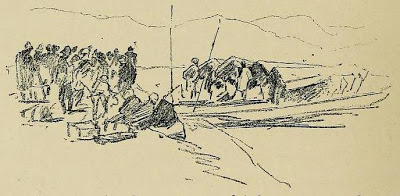
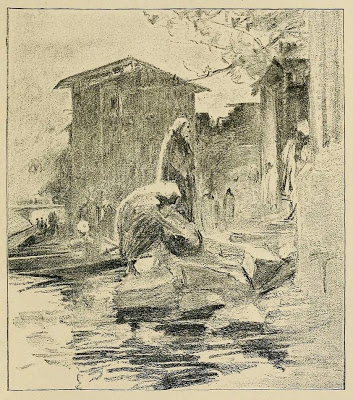
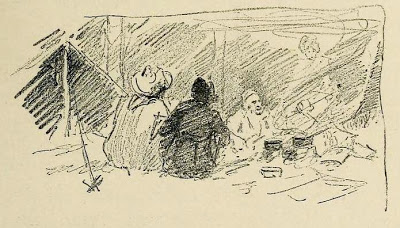
| Bandipur |
![]() |
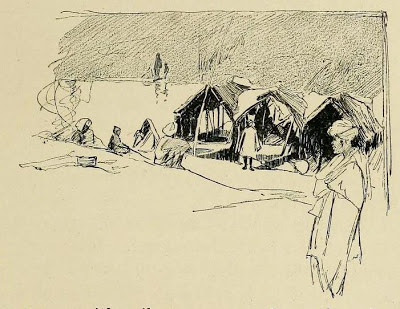
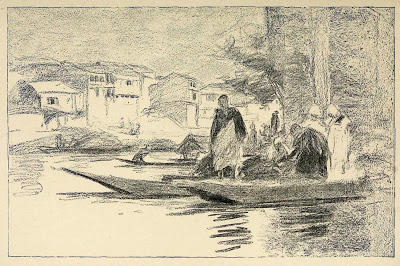
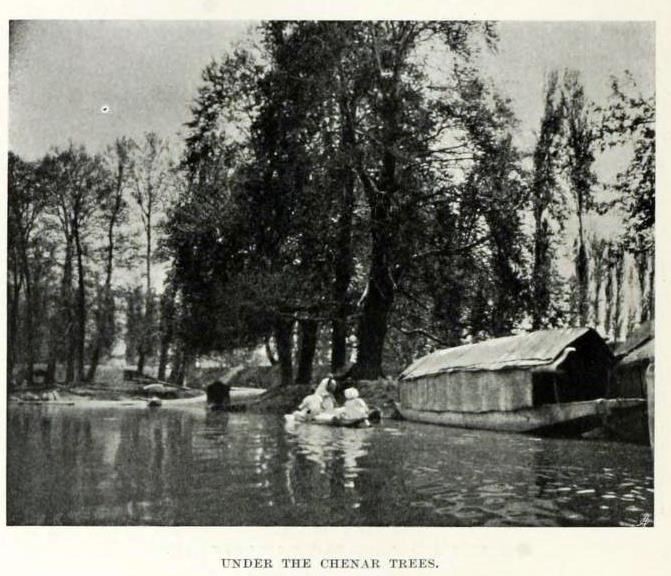
| boats at Chinar Bagh |
![]() |
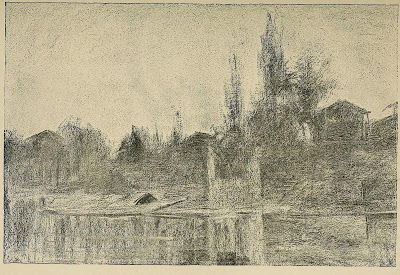
| Evening in Chinar Bagh |
![]() |
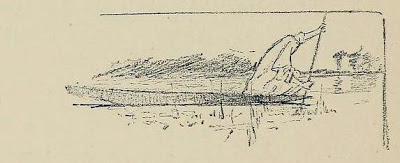
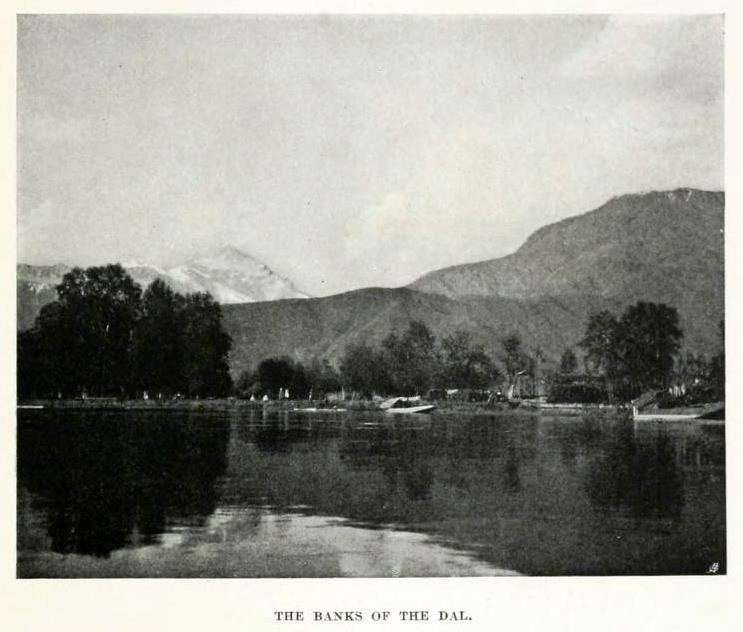
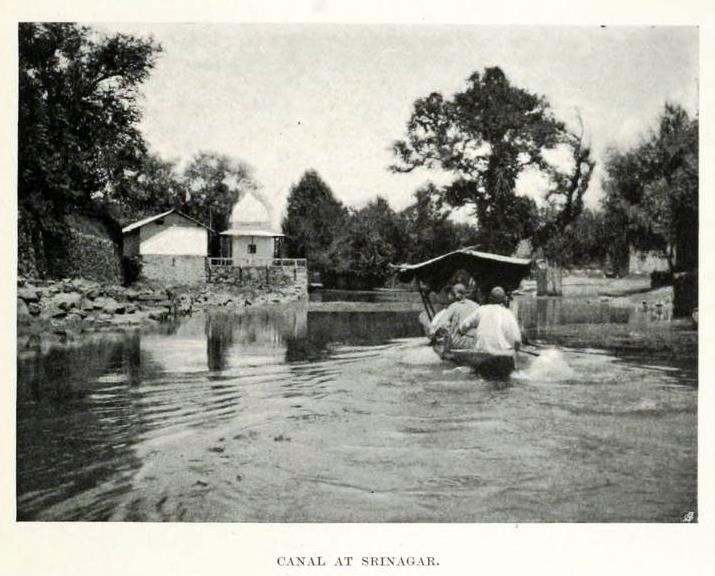
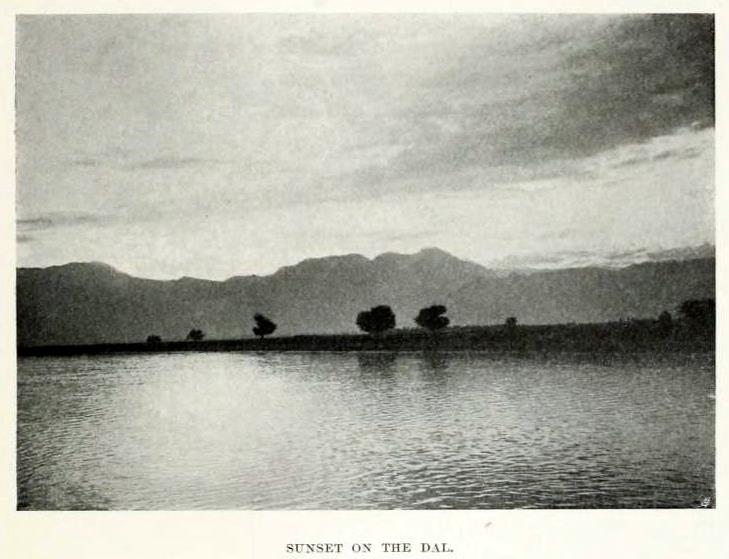
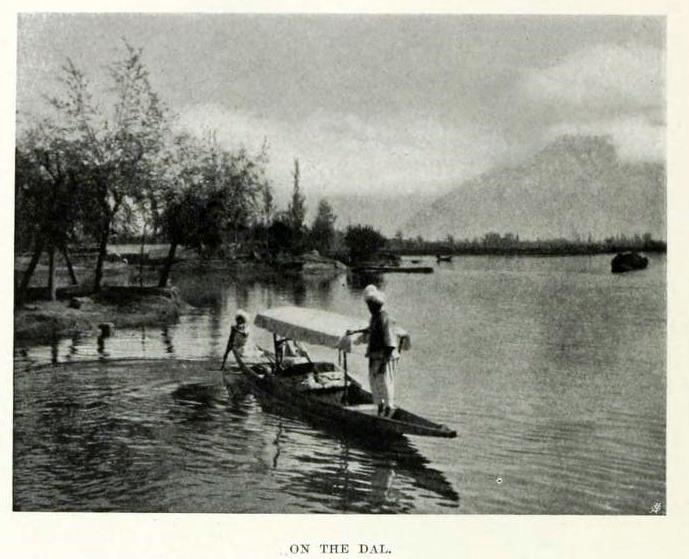
| Dal Lake |
![]() |
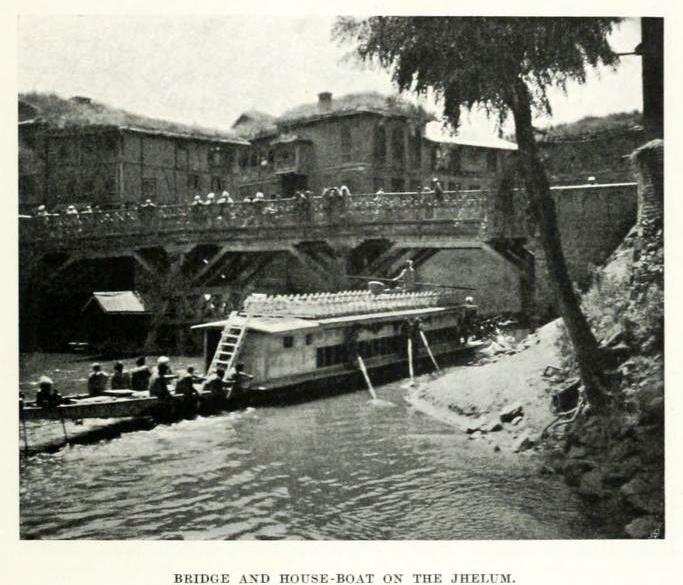
| On the Jhelum |
![]() |
| Jhelum |
![]() |
| Sanarwain |
![]() |
| Towing up the Jhelam |
![]() |
| Tragbal |
![]() |
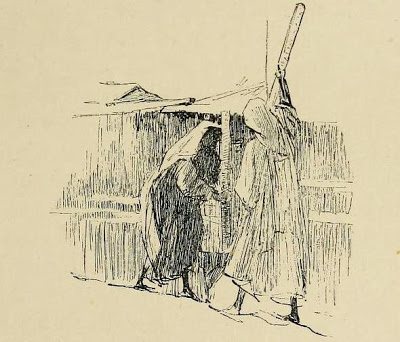
| Women Pounding Grain |
![]() |
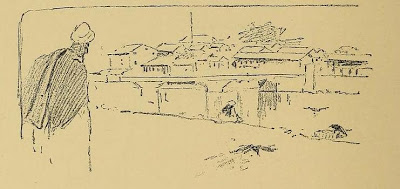
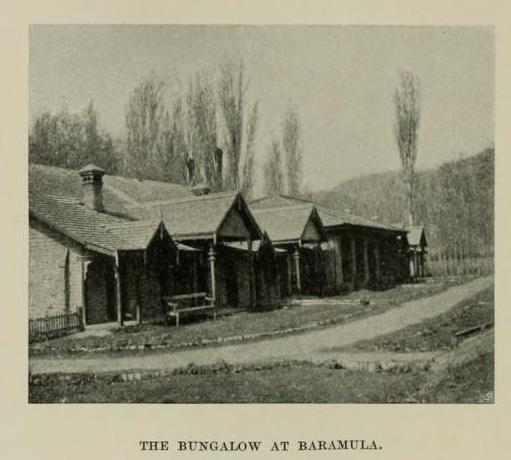
| Baramulla |
![]() |
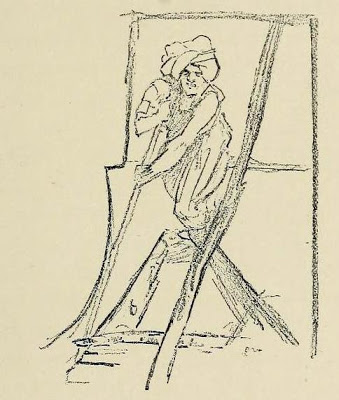
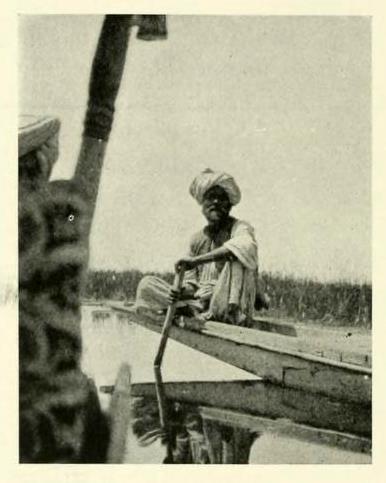
| Boatman |
![]() |
| Coolies at Burzil |
-0-

in bits and pieces
![]() |
| Bandipur |
![]() |
| boats at Chinar Bagh |
![]() |
| Evening in Chinar Bagh |
![]() |
| Dal Lake |
![]() |
| On the Jhelum |
![]() |
| Jhelum |
![]() |
| Sanarwain |
![]() |
| Towing up the Jhelam |
![]() |
| Tragbal |
![]() |
| Women Pounding Grain |
![]() |
| Baramulla |
![]() |
| Boatman |
![]() |
| Coolies at Burzil |
-0-


![]() |
| Boatman on Dal Lake |
![]() |
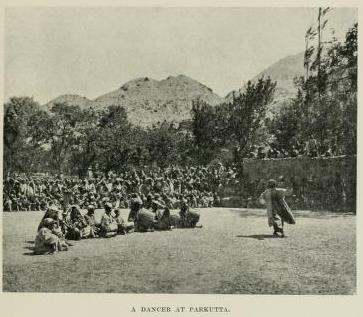
| Dancer at Parkutta |


![]() |
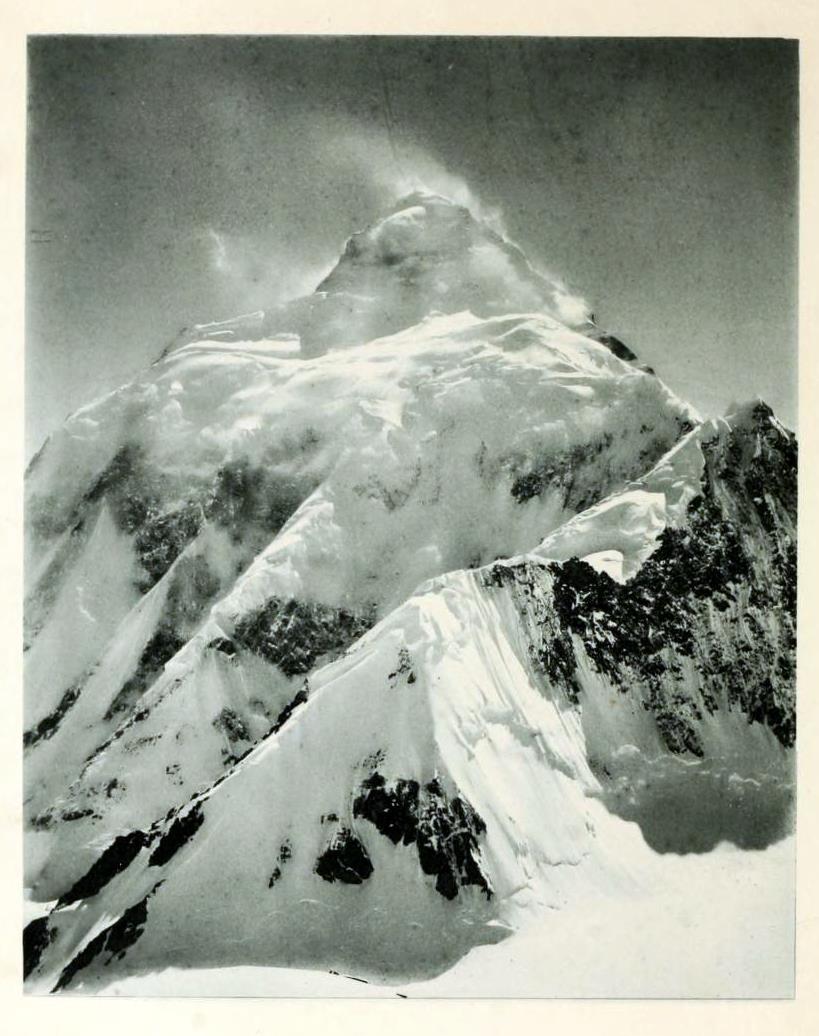
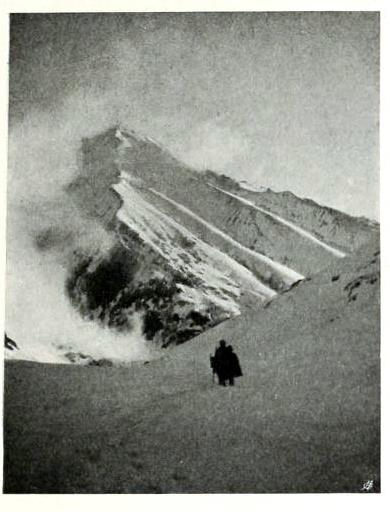
| K2 |


![]() |
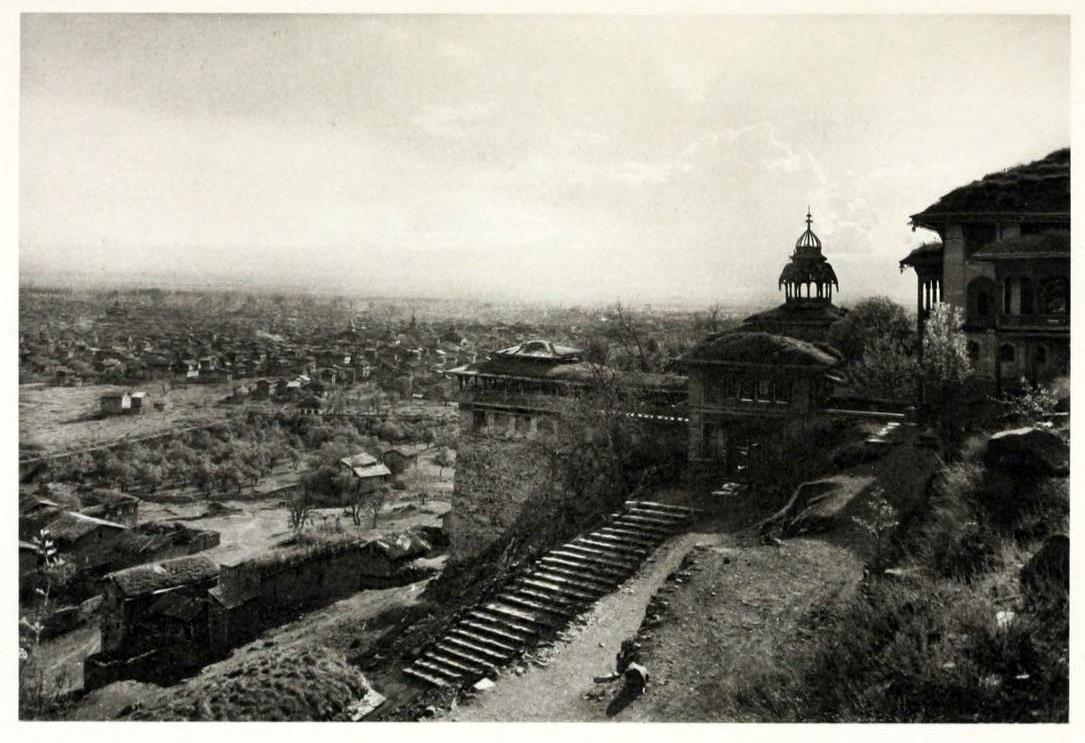
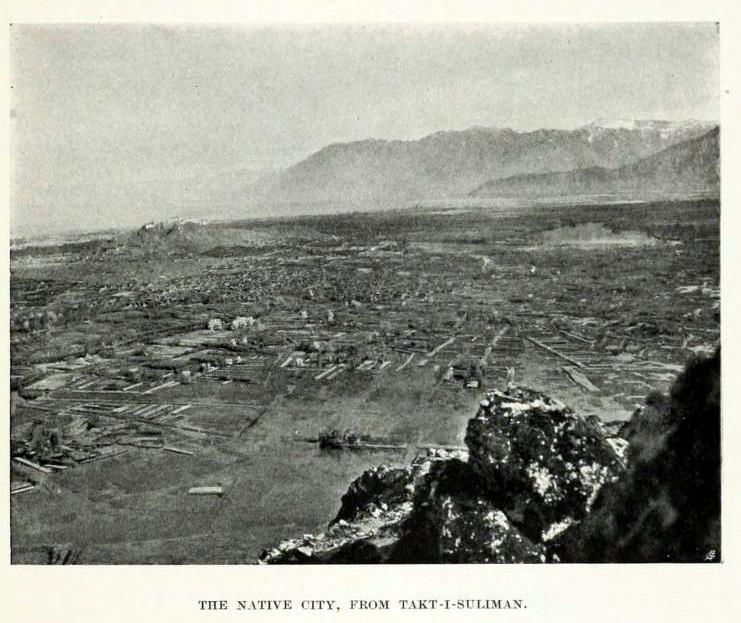
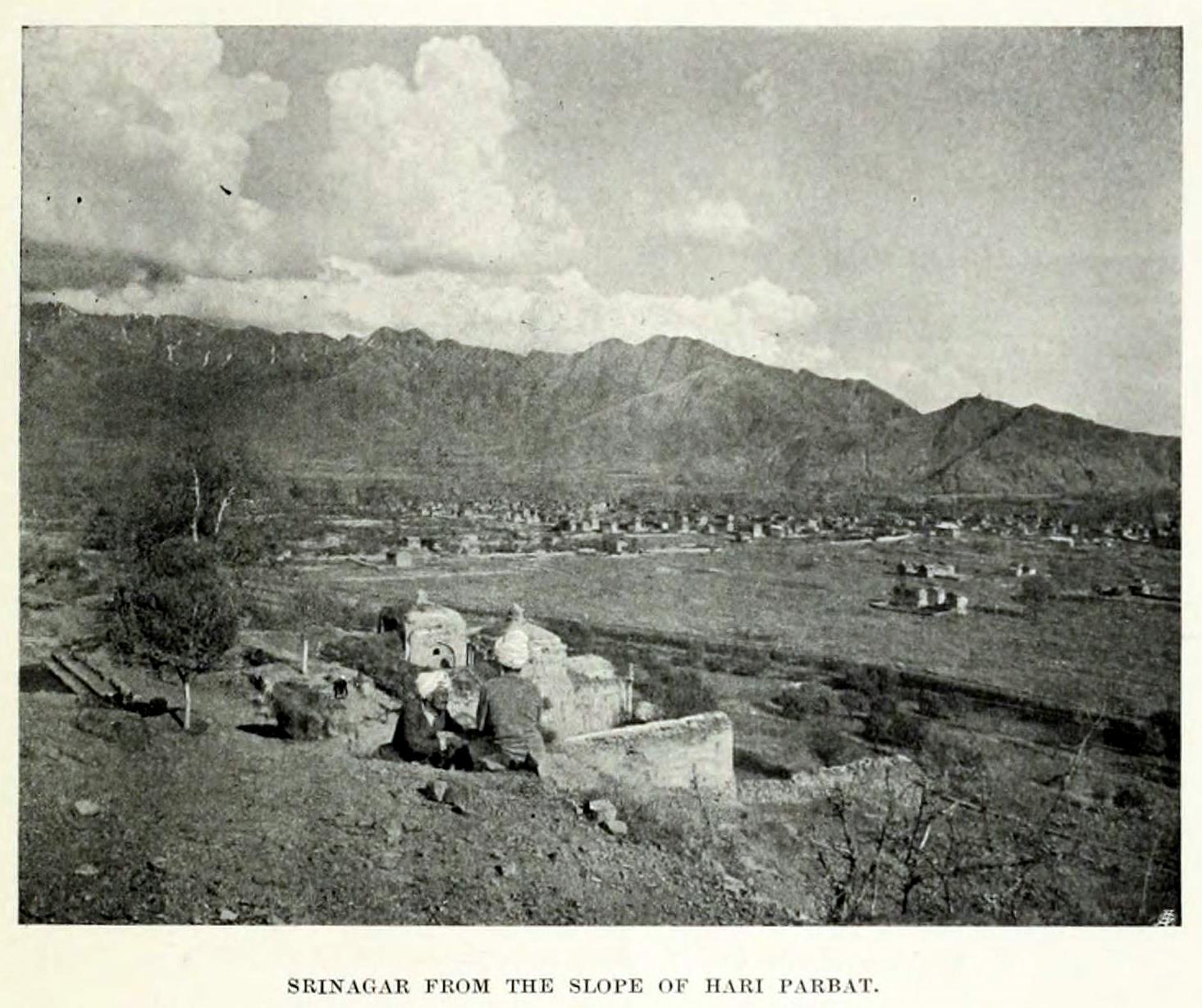
| view of Srinagar from Hari Parbat |


![]() |
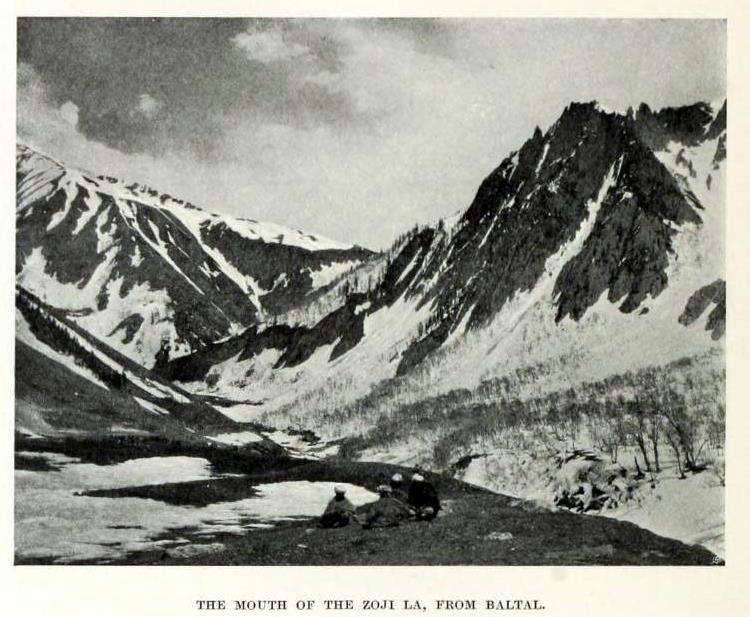
| Zoji La Pass |
Here is: ‘The Kashmiri Ramayana: Comprising the Sriramavataracarita and the Lavakusayuddhacarita of Divakara Prakasa Bhatta’ compiled by George Abraham Grierson in 1930.
I came across it at Digital Library of India and converted it to pdf format for easy reading. Here is the download link.
-0-
Previously:
Sketches from Kashmiri Ramayan in Persian Script, 1940s, with some notes on the Kashmiri version of the epic . From when I had only heard about this book.
My Nani’s song that led me to look for the Kashmiri Ramayanas. Sadly, the lines she sings do not appear in this book. But at least I now know where those lines probably fit in the epic.
Last year I heard my nani sing following lines to herself.
Khir Khand Khyen’chi ae’sis pr’ye
kan-mool khey’th wo’yn kad’ya su dyeh
ga’yom hay’e Ram dand’ak wan
s’yeeth Seeta ti by’e Lakhman
ga’yom hay’e Ram dand’ak wan
ky’end ma’sy’nas tha’ye kho’ran
ga’yom hay’e Ram dand’ak wan
He used to have Candy and Kheer
Now he lives on wild roots and vegetables
My Ram has gone to live in Dandaka Forest
Along with him have gone Sita and Lakshman
My Ram has gone to live in Dandaka Forest
Will not thorns bruise his soft feet
My Ram has gone to live in Dandaka Forest
In this book similar lines occur in the section on Ram’s departure to forest and the subsequent laments by his near and dear ones. In book we have line:
wolukh tani burza trowikh tasa-makhamal
pakan gay trenaway az-rah-i-jangal
Interestingly, above are drawing on Persian (makhamal: velvet, rah-i-jangal: forest-way) while in my Nani’s version similar thought is conveyed using words pyeth’kaayan: Silken.
-0-
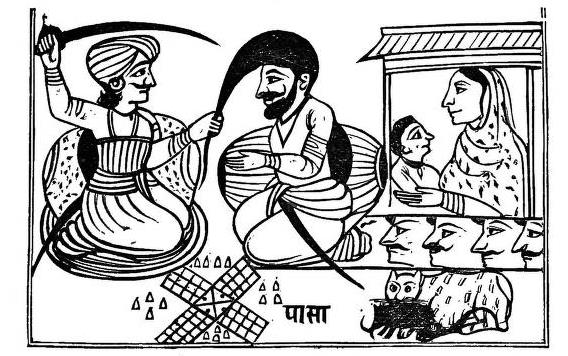
Punjabi story ‘The Frog and Kashmir’. I came across this ‘other folk-tale’ in ‘The Adventures of the Panjáb hero Rájá Rasálu, and other folk-tales of the Panjáb’ (1884) by Charles Swynnerton. [Book link]. The really interesting part of the book tells us stories of King Rasulu, ‘Muslim’ son of Raja Salban of Sialkot, claimed to be descendant of Raja Vikramaditya/Vikramajit (102 BCE to 15 CE), the legendary king of Ujjain. Also, in one of the stories Rasalu matches wits with famous Raja Bhoj of Malwa.
-0-
-0-
A longer version of ‘The Frog and Kashmir’ was done by the famous writer from Punjab, Mulk Raj Anand in his More Indian fairy tales (1961).
-0-
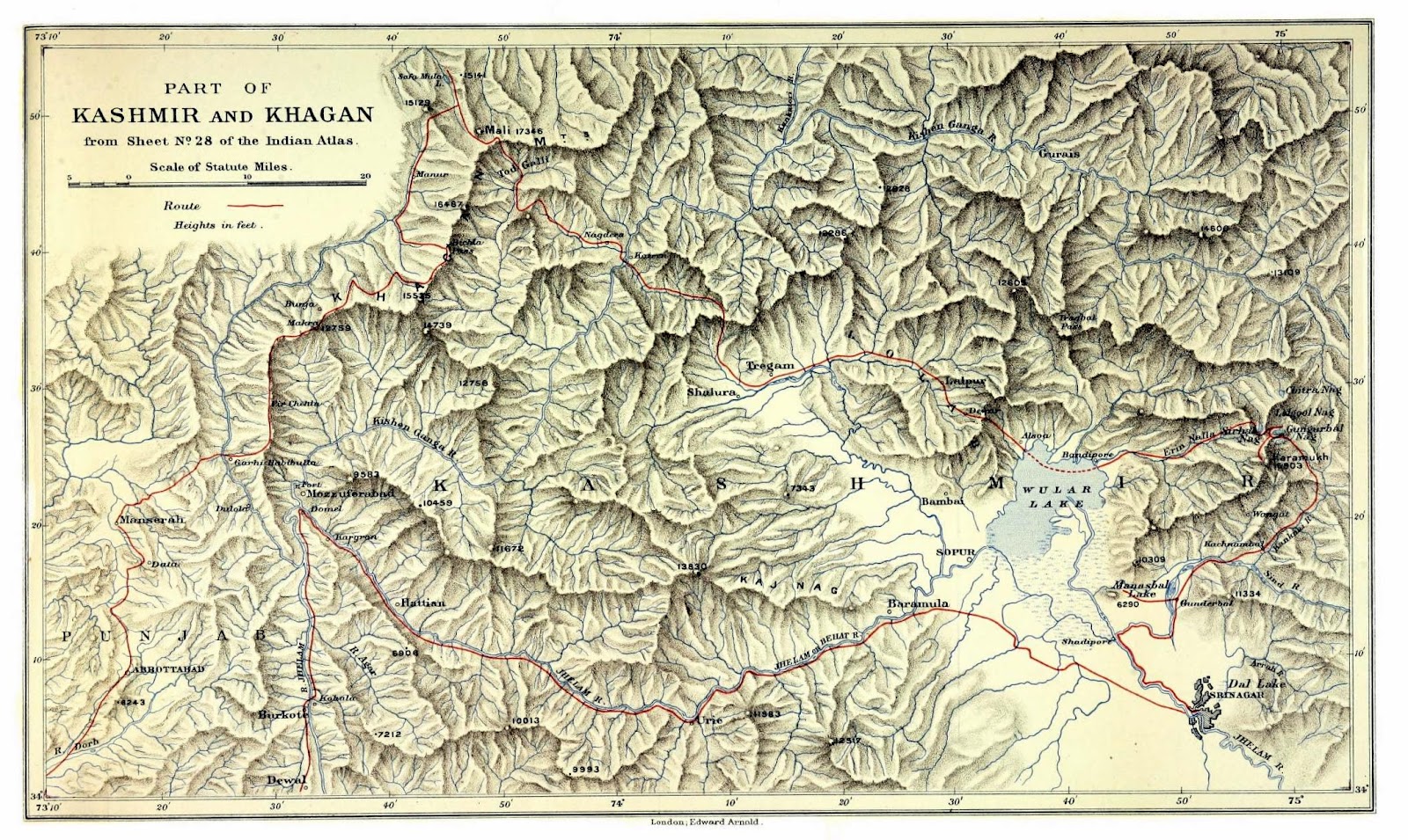
Map of Kashmir from ‘Five months in the Himalaya a record of mountain travel in Garhwal and Kashmir’ (1909) by A.L. Mumm.
Almost seventy five years after Rev. John Hinton Knowles came out with his famous collection of Kashmiri folk tales, in 1962, S.L. Sadhu, came out with a new collection of Kashmiri folktales that had some old popular stories, like ‘Himal and Nagrai’, ‘Akanandun’, ‘Shabrang’ and ‘Musa – Kapas’ (interestingly, a cousin recently informed me that a version of this famous Kashmiri folktale was published in popular Indian Children’s magazine Target in 1980s with phrase ‘Musa – Kapas’ replaced with ‘Kong – Posh’) and then it had some new stories too. While Knowles told these stories like an Orientalist, with extensive notes and with an eye for origins of the tales, in a language that was at times too pedantic, S.L. Sadhu seems to have written the same stories with a sense of enjoy, a joy that might have been felt while hearing these stories in person, on cold dark night, curled up in bed, holding on to a Kangri, doing Shalfa with family. The Kashmiri in these stories does not come across as a specimen compiled by an Orientalist for study. Kashmiri in these stories comes across more strongly. And the language is what would now qualify for ‘Indian English’ with its seemingly strange use of phrases (the kind that makes western readers throw fits).
The book is also interesting as it also ties to add some new folktales to the Kashmiri literary space. Thus we have a story like ‘The Hydra-Headed’: they say a mysterious monstrous creature now infests waters of Jhelum, it is devouring unsuspecting people, waters are dangerous. The story is about the way news used to float around Srinagar. We are offered various sound-bites from the city-folks about this monster.
As we near these sounds, a picture of Kashmri society – imagined, dreamed -around 1960s and not from early 1900 when this news about a ‘man-eating crocodile’ was in fact doing the rounds of the city, an incident recorded by Tyndale Biscoe and a imaginary beast slayed by ‘Biscoe Boys’ by swimming en-mass in the river. S.L. Sadhu, a former student of C.M.S. Biscoe School, was probably paying tribute to his school in that tale.
Reading S.L. Sadhu’s collection along with the book from Knowles actually broadens the space of Folk tales in Kashmir. Sadhu wrote these stories with young readers in mind. The book embellished with some wonderful sketches by Mohan Ji Raina.
It is a shame that while the book by Knowles is still in print and easily available both offline and online, S.L. Sadhu’s book is not so easy to find.
I came across the book recently at Digital Library of India and converted it to pdf format for easy reading.
[Download Here]
-0-
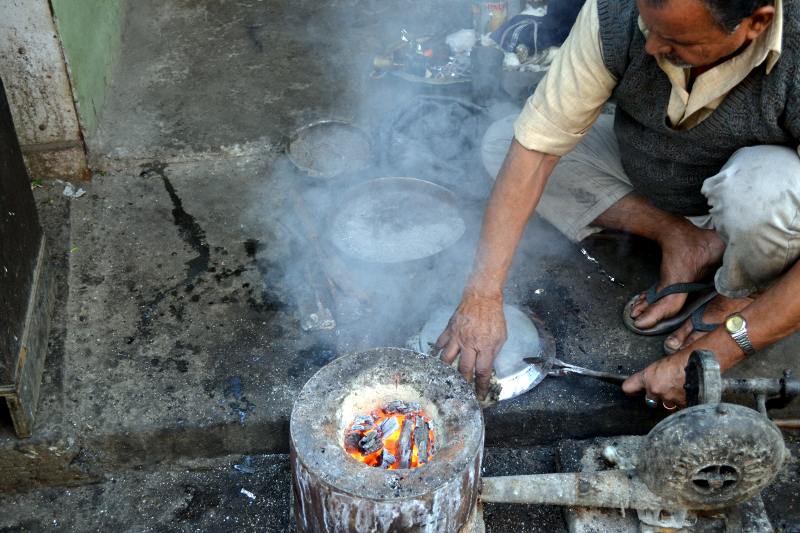
Metal Works.
Jammu. 2012.
-0-

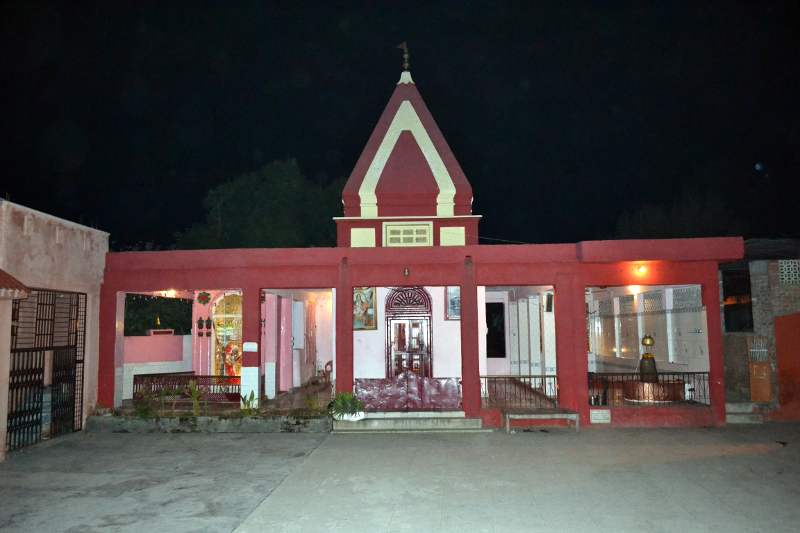
![]() |


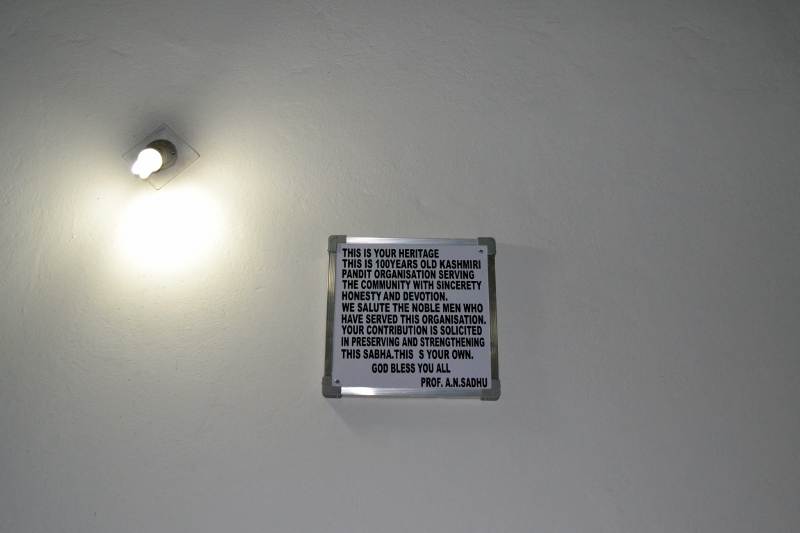
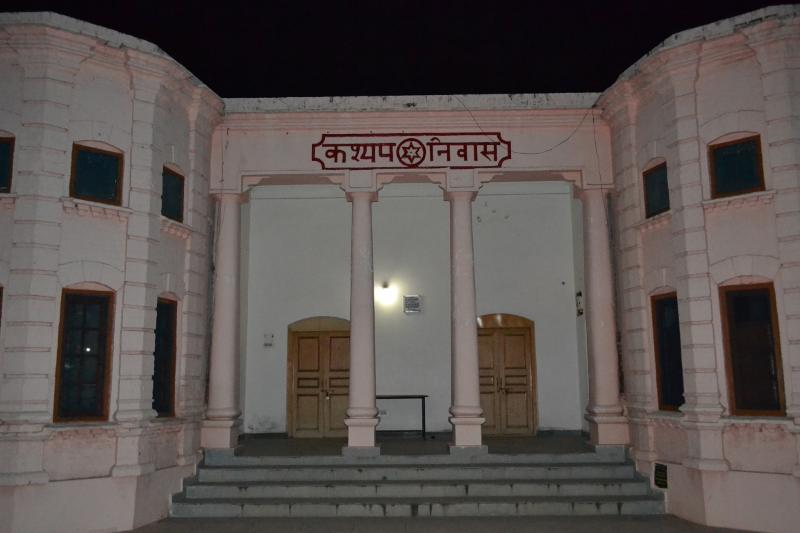
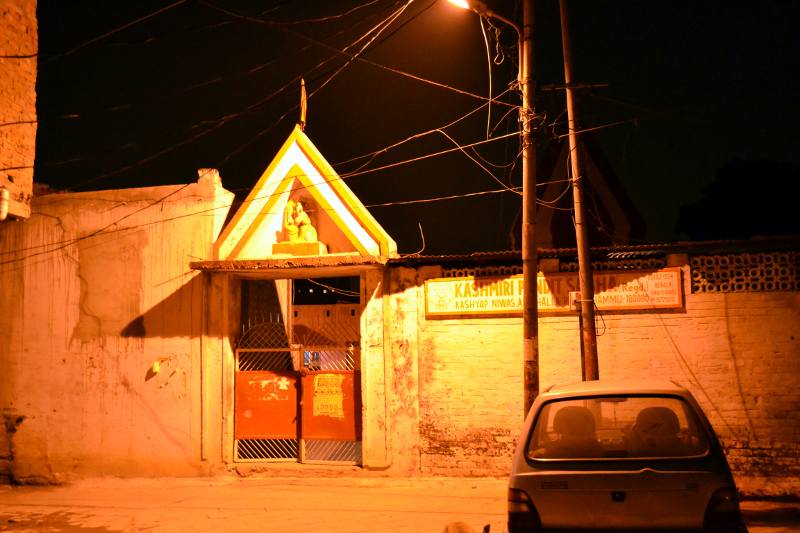
Kashmiri Pandit Sabha, Ambphalla, Jammu. 2012.
-0-
![]() |
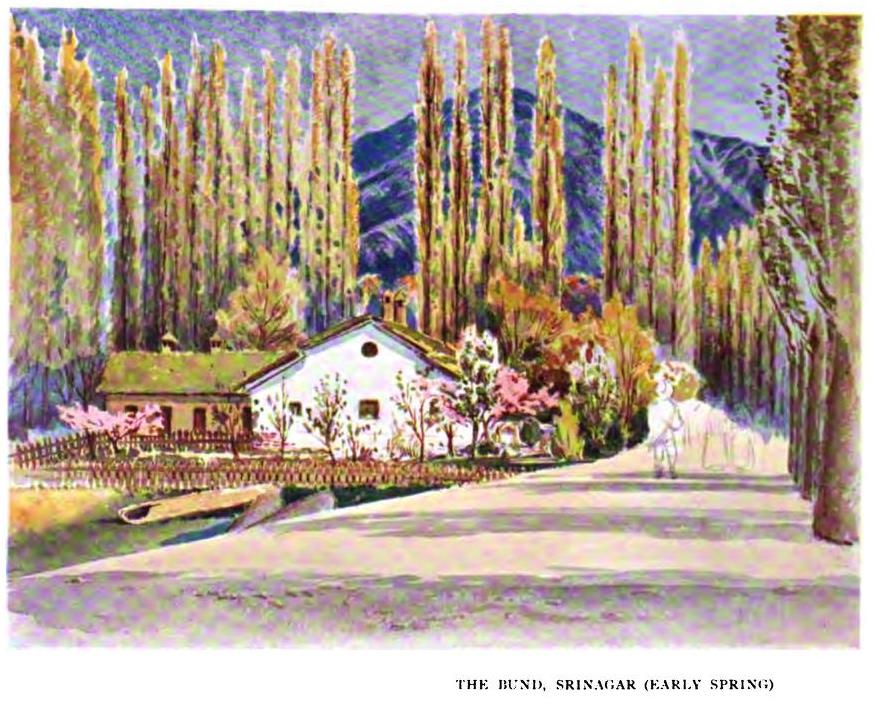
| Bund |
![]() |
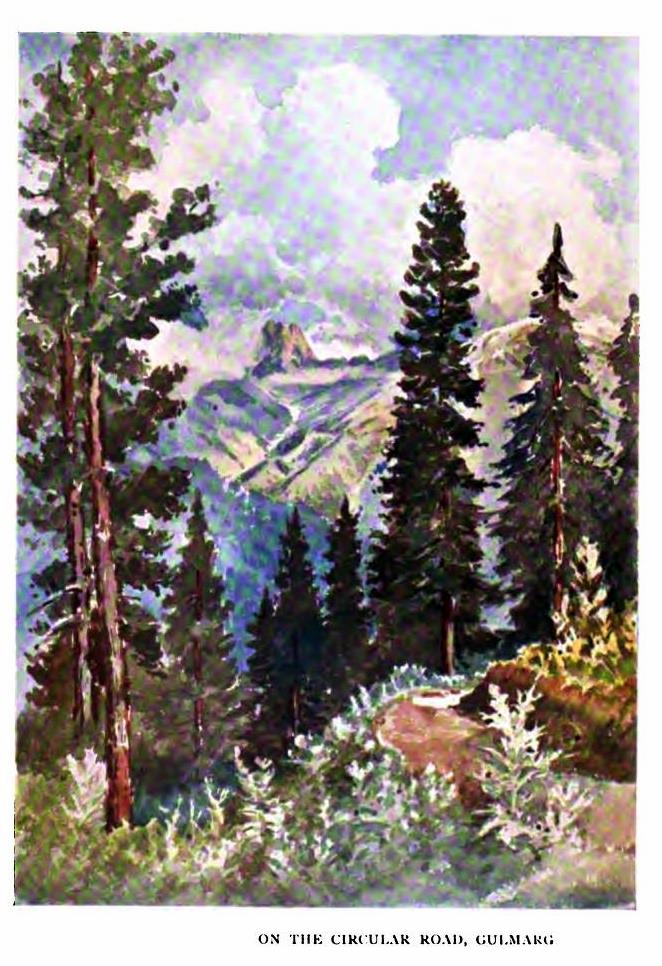
| Circular Road, Gulmarg |
![]() |
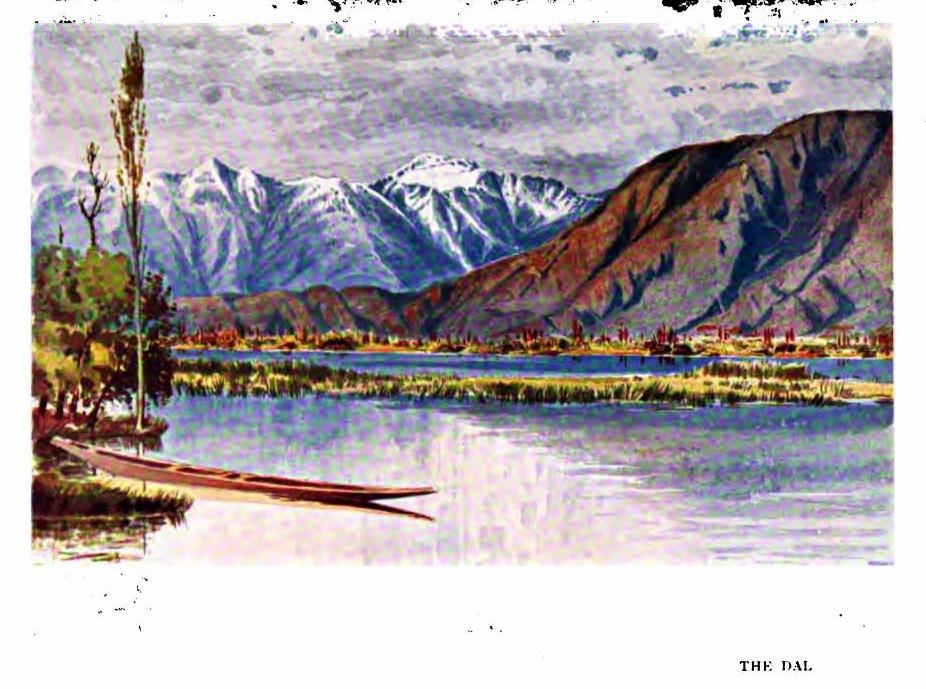
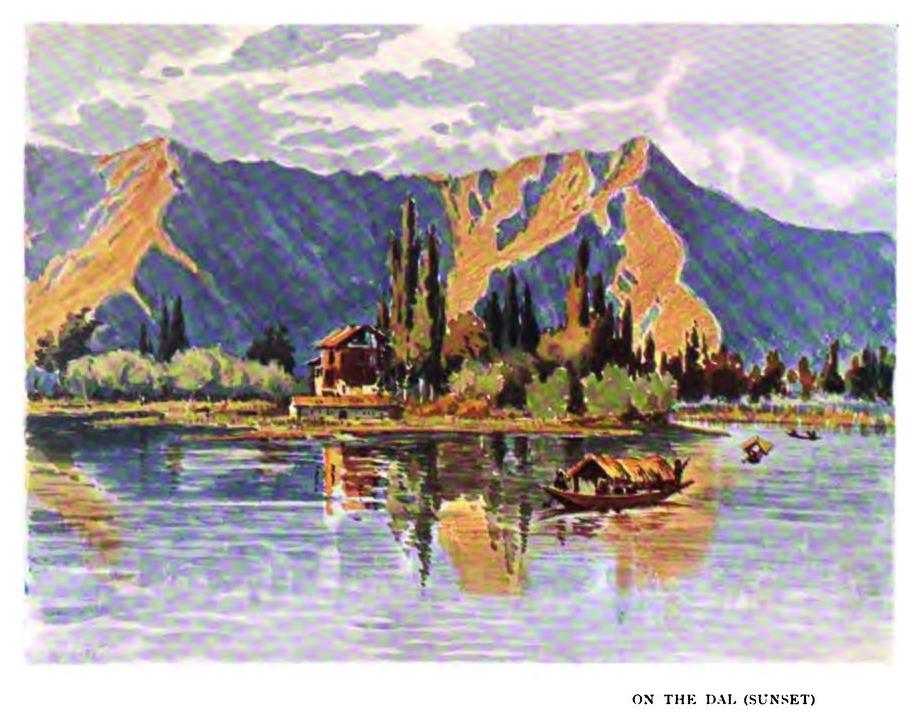
| Dal |
![]() |
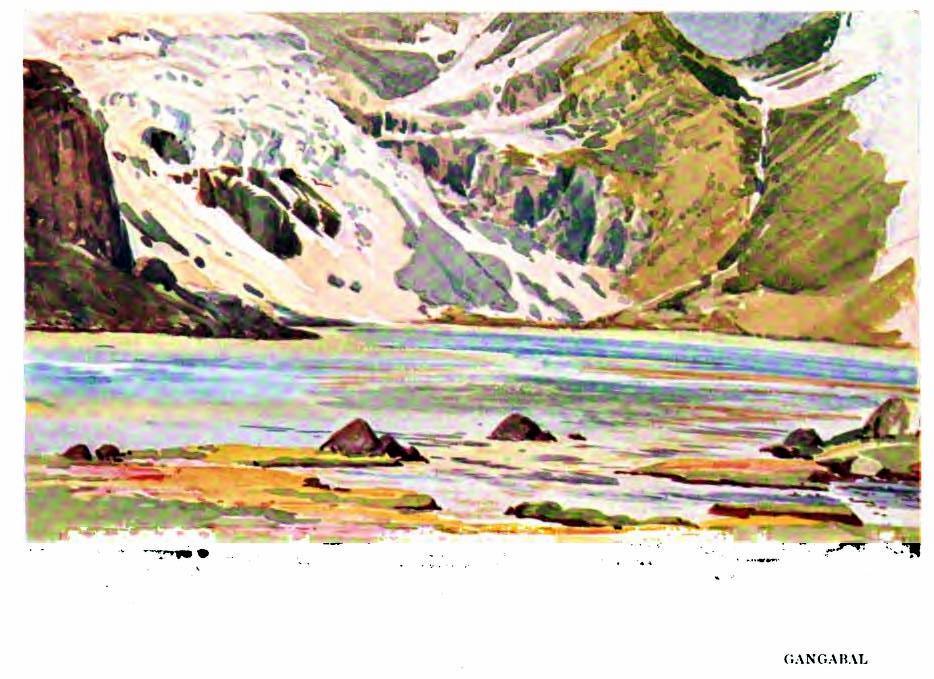
| Gangbal |
![]() |
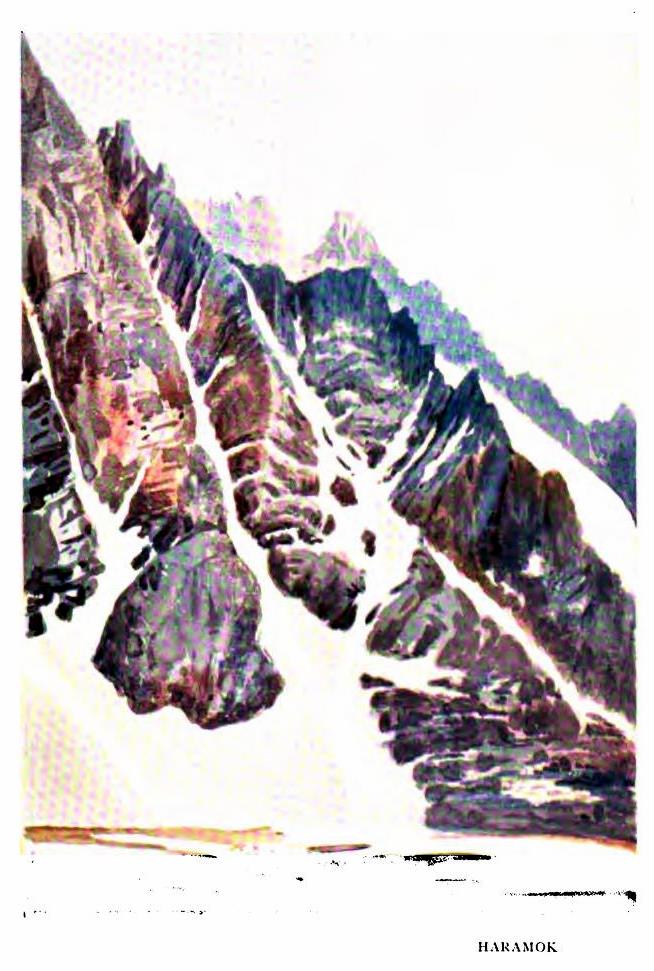
| Harmukh |
![]() |
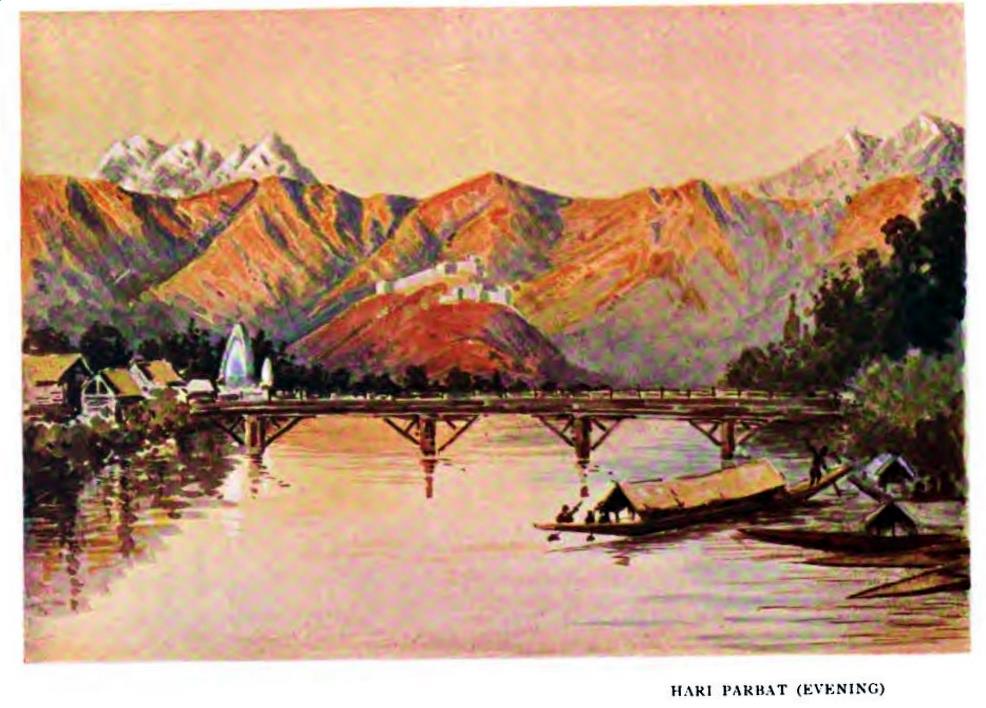
| View of Hari Parbat |
![]() |
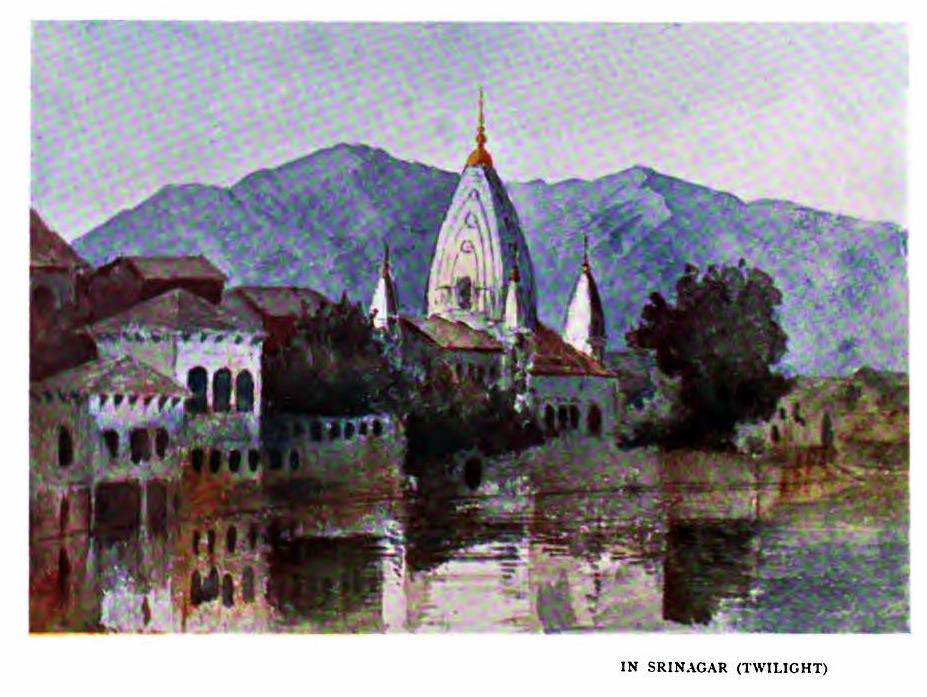
| Srinagar |
![]() |
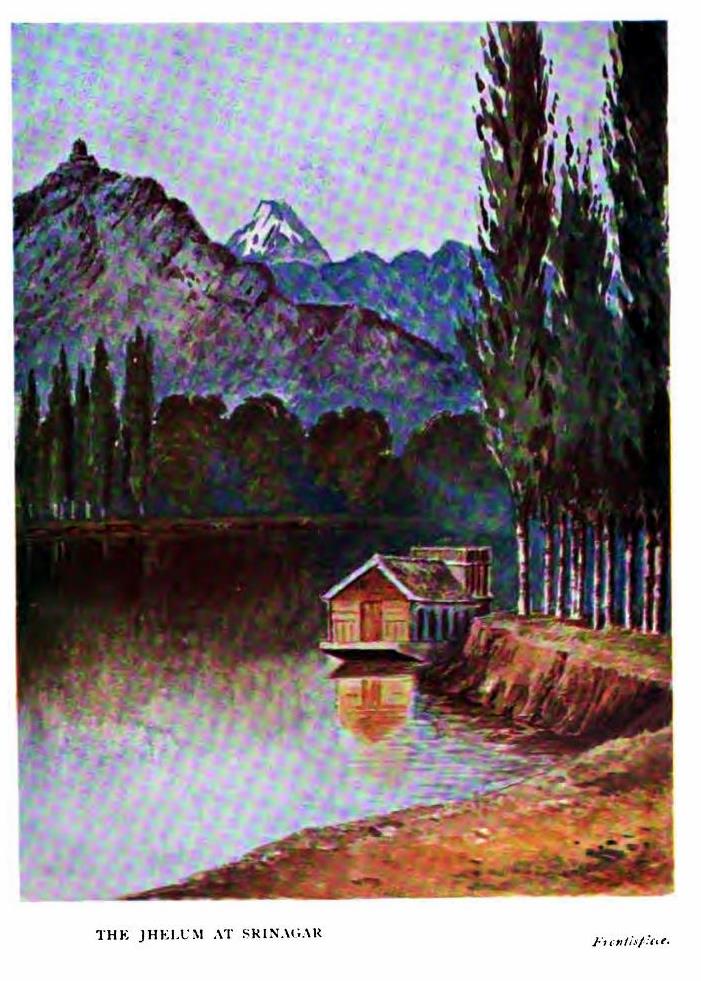
| Jhelum Bank |
![]() |
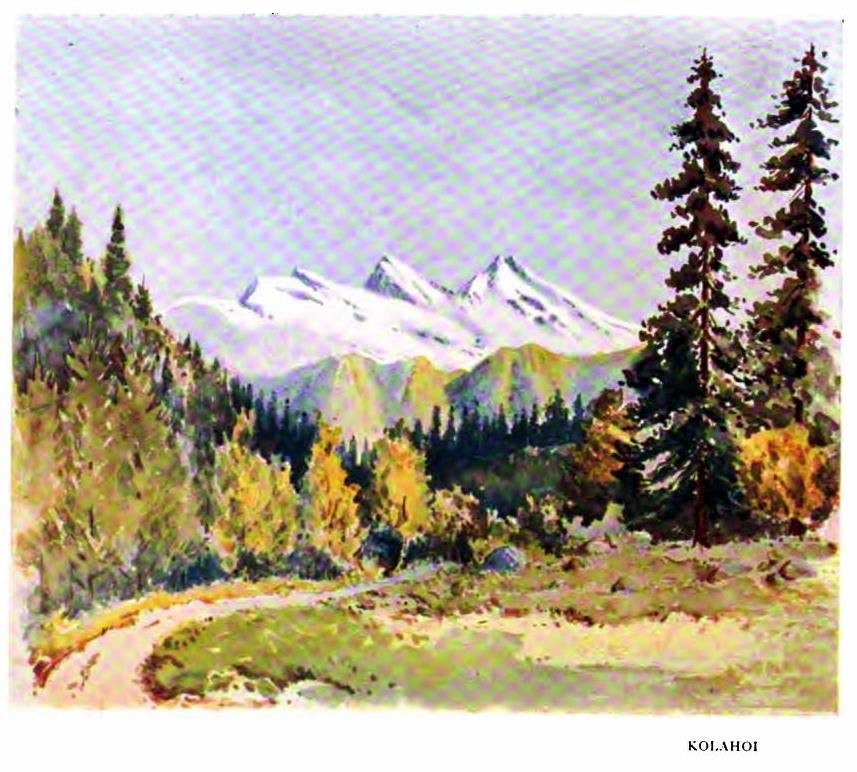
| Kolahoi |
![]() |
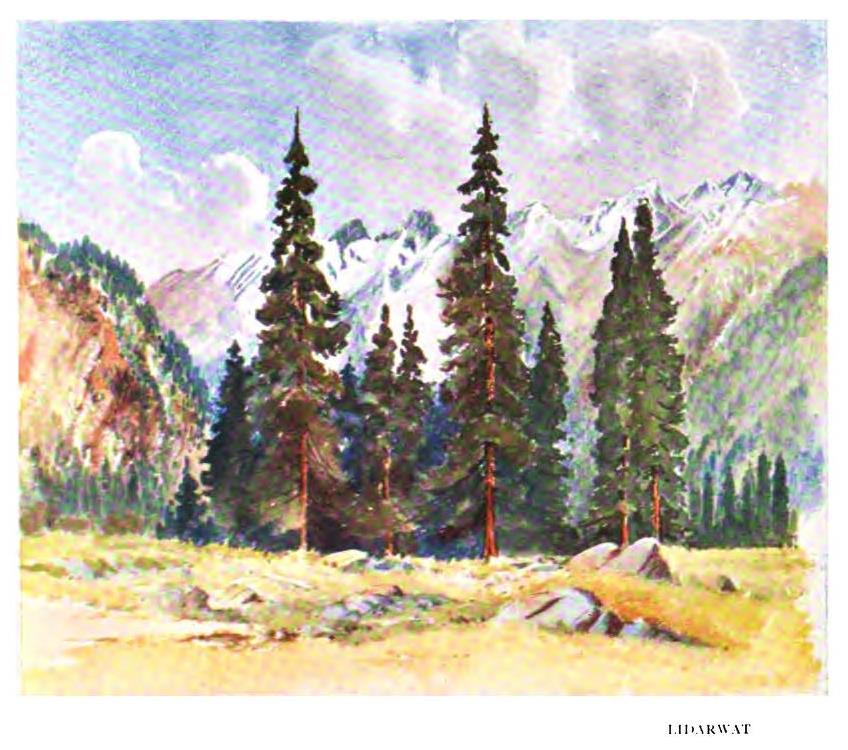
| Lidarwat |
![]() |
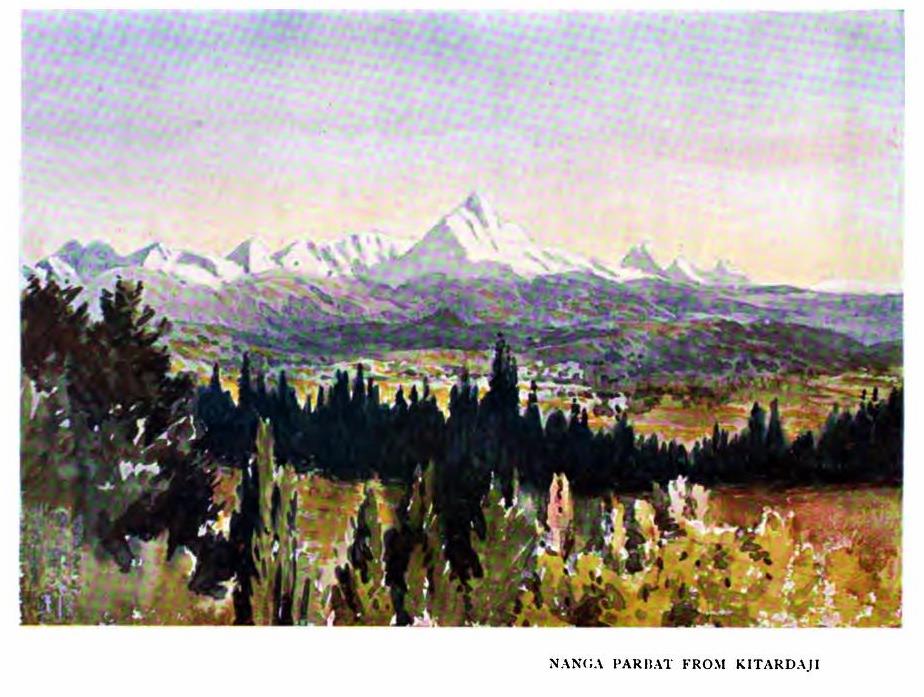
| Nanga Parbat from Kitardaji (6000 feet, near Baramulla) |
![]() |
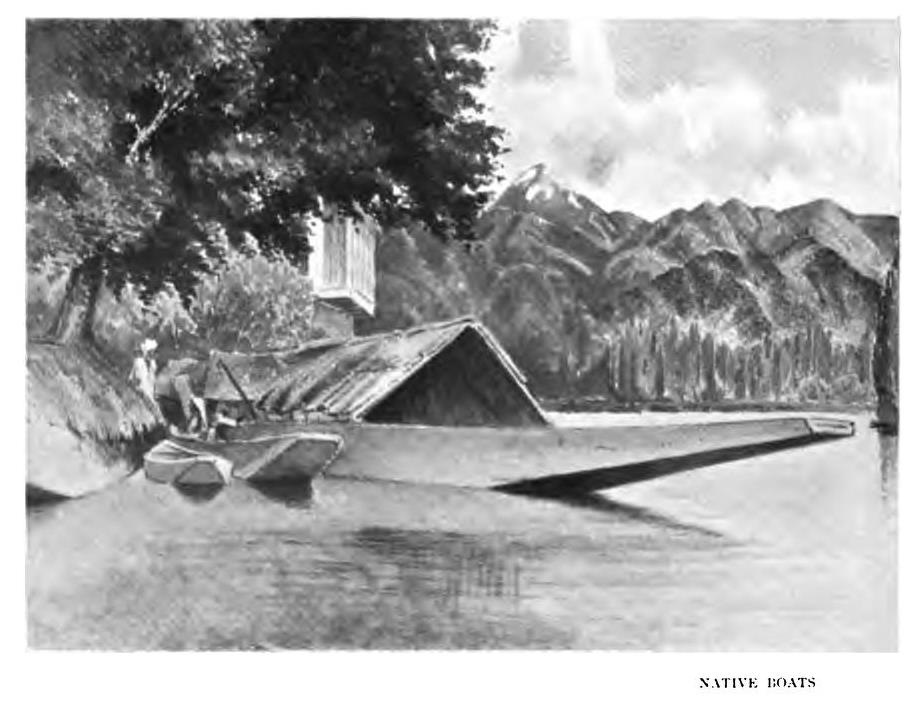
| Doonga |
![]() |
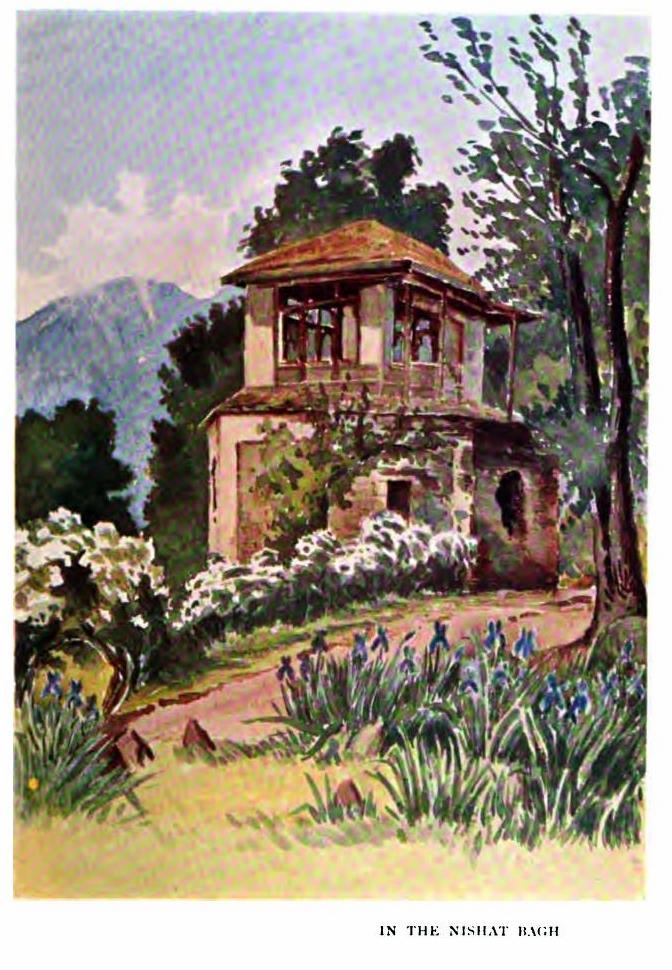
| Nishat |
![]() |
| Dal |
![]() |
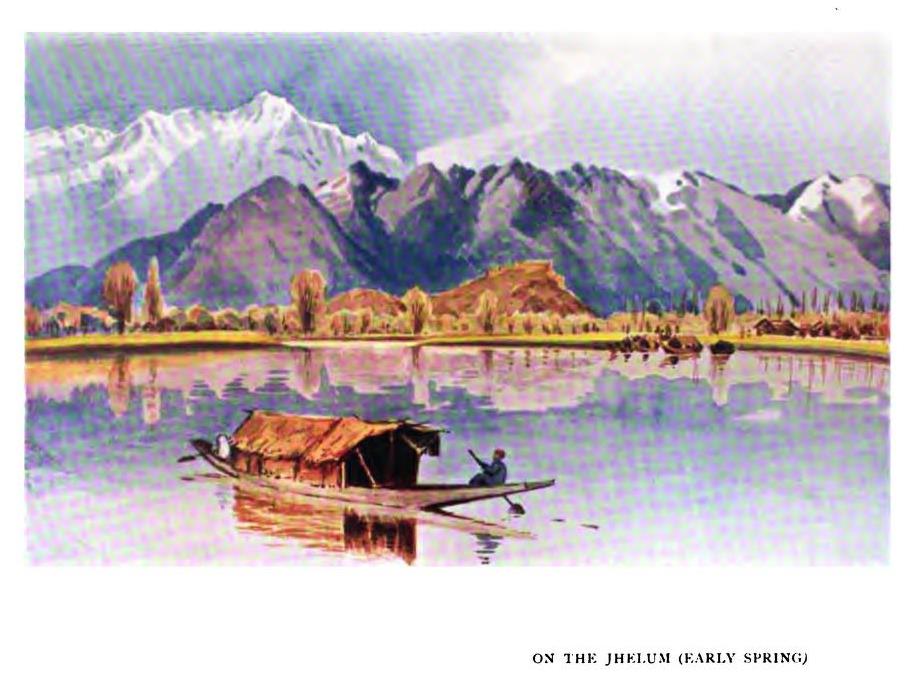
| Jhelum |
![]() |
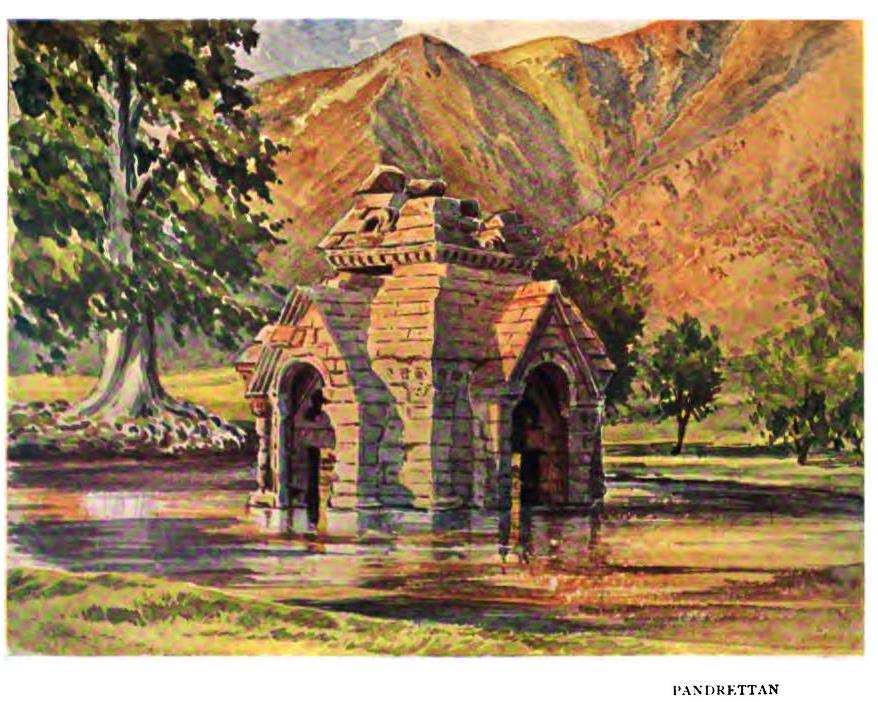
| Pandrethan |
![]() |
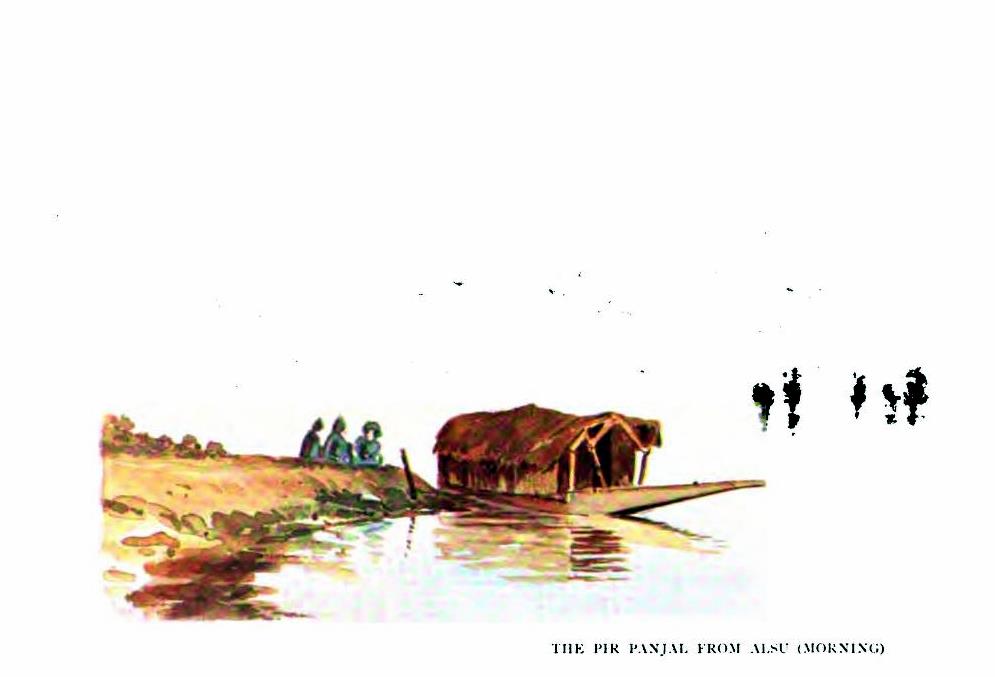
| Pir Panjal from Alsu (??) |
![]() |
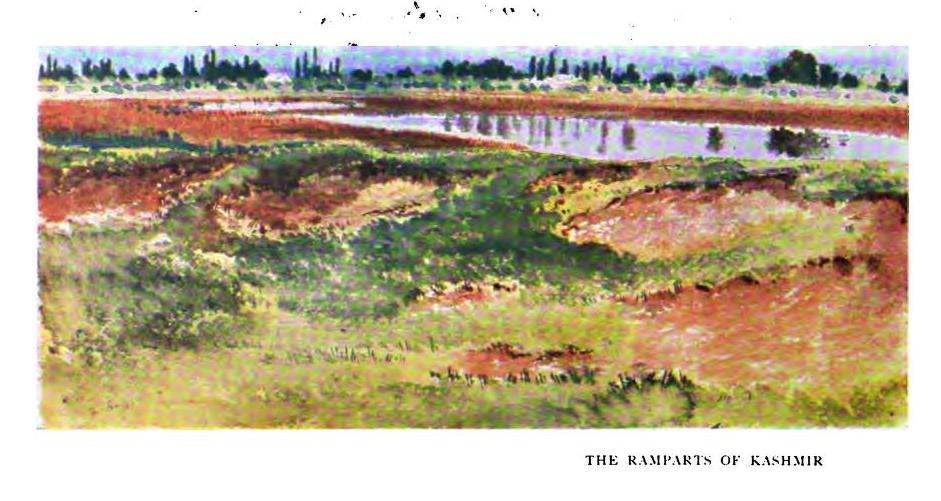
| Ramparts of Kashmir |
![]() |
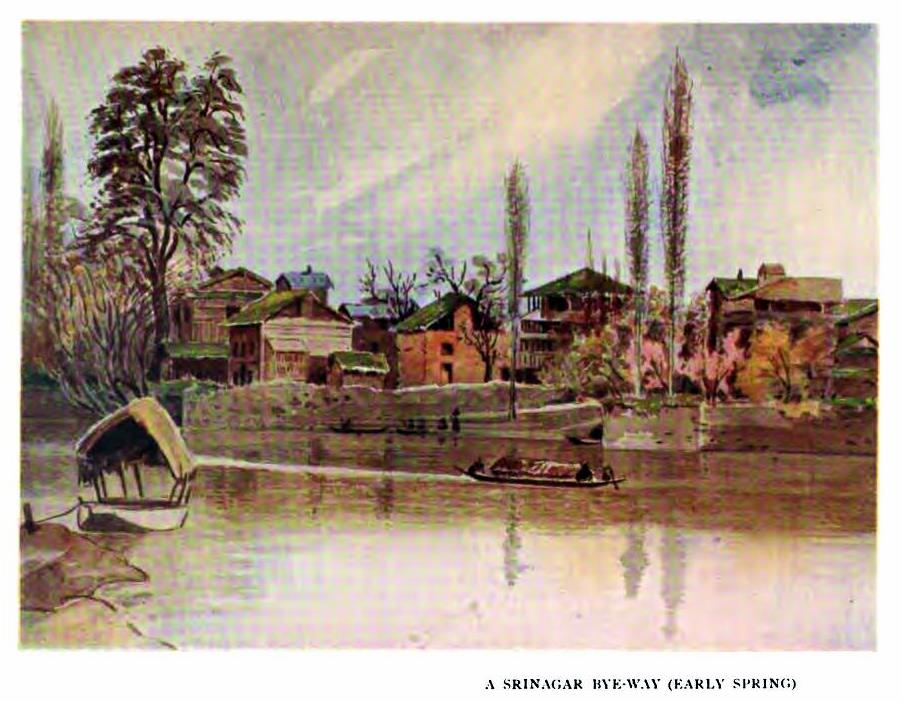
| Srinagar |
![]() |
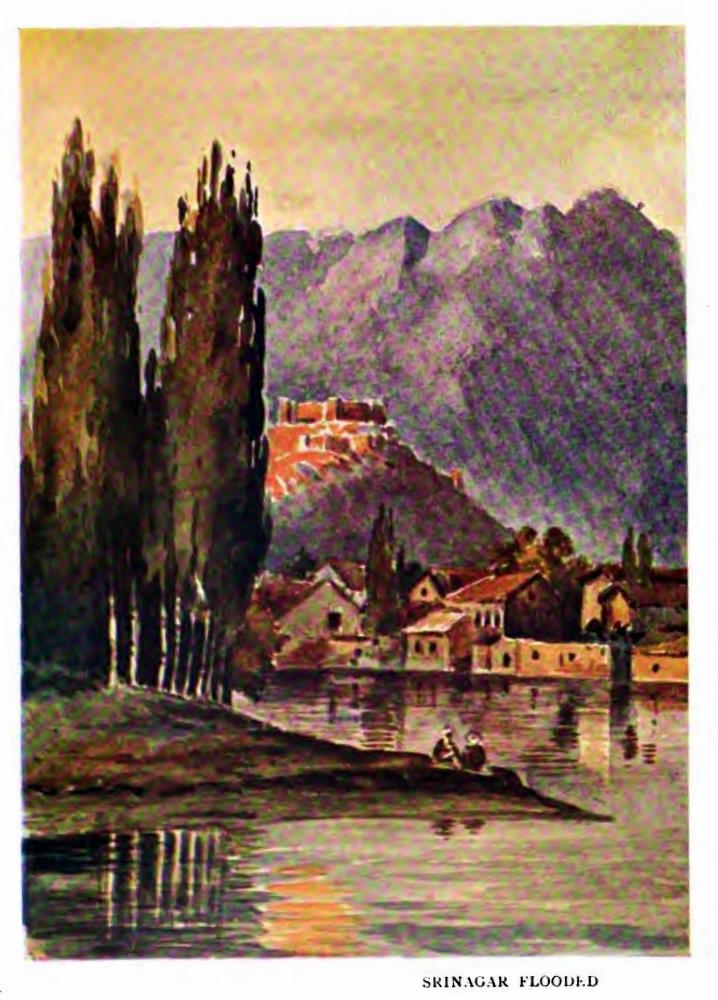
| Srinagar Flooded |
![]() |
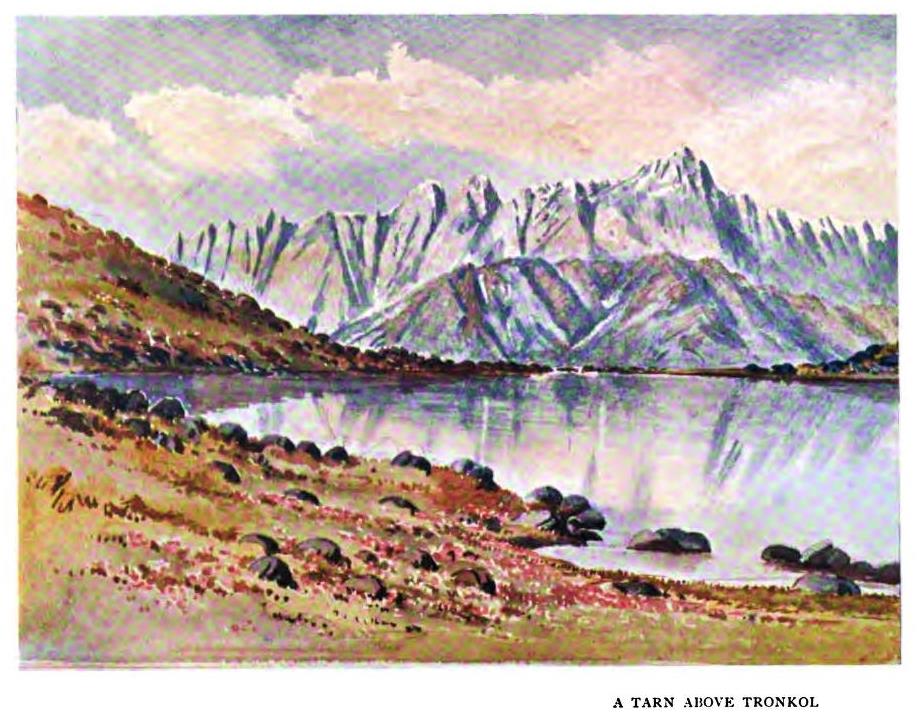
| Tronkol |
![]() |
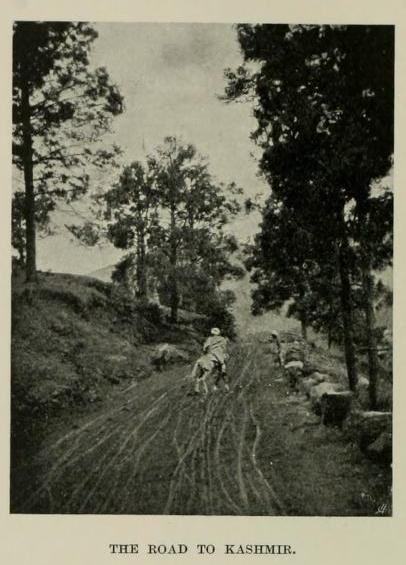
| way to kashmir |
-0-

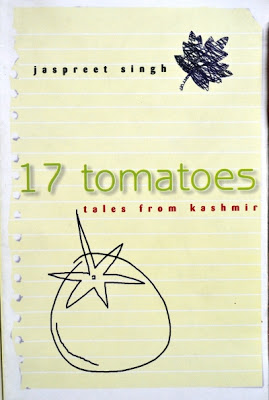
17 tomatoes : tales from Kashmir by Jaspreet Singh
First published 2004.
Publisher : IndiaInk (2006)
Rs. 225
It is one of those book in which something really strange happens exactly on page 30. In this one, an ageing Sardarji who is about to Umpire an India-Pakistan cricket match in Srinagar gets kidnapped by a bunch of veiled Kashmiri women who want him make India win so that a vengeful Army does not destroy their homes in case India loses. The episode ends with Sardarji getting fatally hit by a ball to his head and the match ending in an nail-biting towards an Indian win, a win decided by the dying man trying to save his recently one eared daughter. This is just one of the many strange tales told in this book about two Sikh boys growing up in an Army camp.
The stories draw on the time tested formula of telling ‘growing-up’ stories and ‘Kashmir’. So we have spin-offs on events that really happened, in this case Kargil war, The Cricket match, the ‘milk-guzzling-Ganesh’, (and I suspect Top Gun?) things like that. For Kashmir, we have silent un-speaking Kashmiris and we have Kashmiris who have strange view of the world, which include its poets. There was a time when no book on Kashmir could be published without a line or two from Thomas Moore. It seems that literary space have now been accorded to our very own Agha Shahid Ali. So we have a tale about a captured Pakistani ISI Intelligence officer and an Indian Intelligence officer, his interrogator, both lovers of Shahid. And in between the author pays tribute to master story-tellers. Author does a little number on Manto – in one of the stories, in a obvious allusion to a Manto story, we have a bewda Major named Manto who is haunted by thoughts of his run-away wife. Then there are tales that are inspired by Rushdie’s work – there are passages that offer what seems to be magic realism, or it’s just that the realities offered here are just oddly unrecognizable as they unfold in Kashmir that is almost unrecognizable (even the geography of it) in these tales. (What would one call a pregnant woman who develops a fetish for jumping down from hill tops. A parachute aunty). Oddly enough when the action shifts to Indian plane, even though the oddness continues, the canvas on which they unfold become recognizable with all their madness and violence.
Strange set of stories, almost like ‘The Wonder Years’ meets ‘The Twilight Zone’ meets Kashmir meets India. Nah…I exaggerate. Just another book on Kashmir. But this one about two Sikh boys growing up in an Army camp. And yet a happy read because the writer has deliberately kept things simple. The real problem is that as not all these tales were written originally to be part of a single tale, reading them together is a bit confusing, if for no other reason, just the timeline of the stories.
P.S. I like the fact that in one of the stories that old villain of Kashmiri women, Victor Jacquemont is made butt of a joke. How did he get away with saying something like this, ‘In Kashmir, my friend, I find it difficult to disrobe and make love until I have satisfactorily explained to my beloved Kepler’s laws of planetary motion.’ But to be fair, in this particular case Jacquemont was making a fool of himself by talking about a French actress named Mademoiselle Schiasetti.
-0-
Purchase link: