Music and Images, rare

Update: I had shared the entire album ‘Kashmir: Traditional Songs And Dances. Vol II, 1974’ on Mediafire, but they seem to have recently removed it from their server ( possibly due to copyright thingy). Now my problem is: I had the album on my computer, but then I lost my all data last month thanks to a hard disk crash. I had it on my phone but I lost my phone too a couple of months back. But I really want it back. Last I checked at least 100 people had downloaded it. I would be thankful if someone would be kind enough share it back with me.

video link

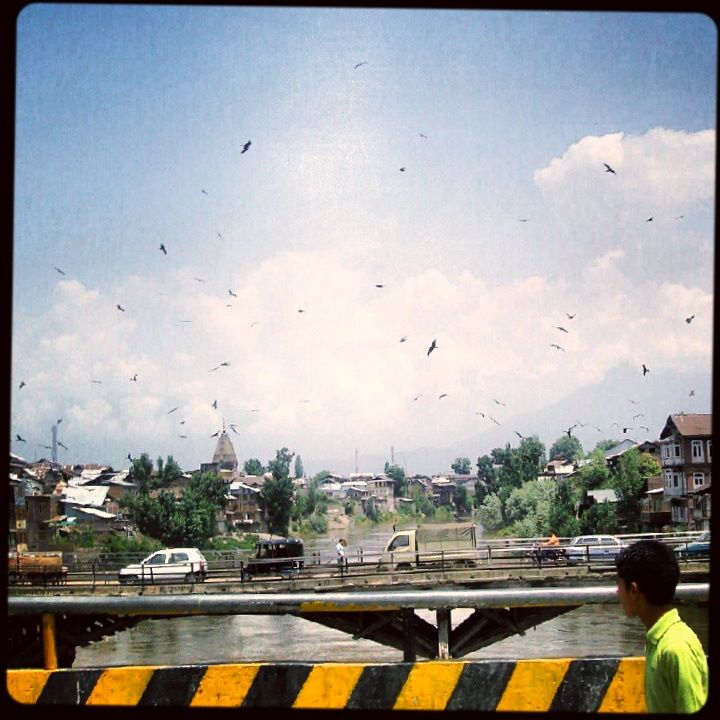
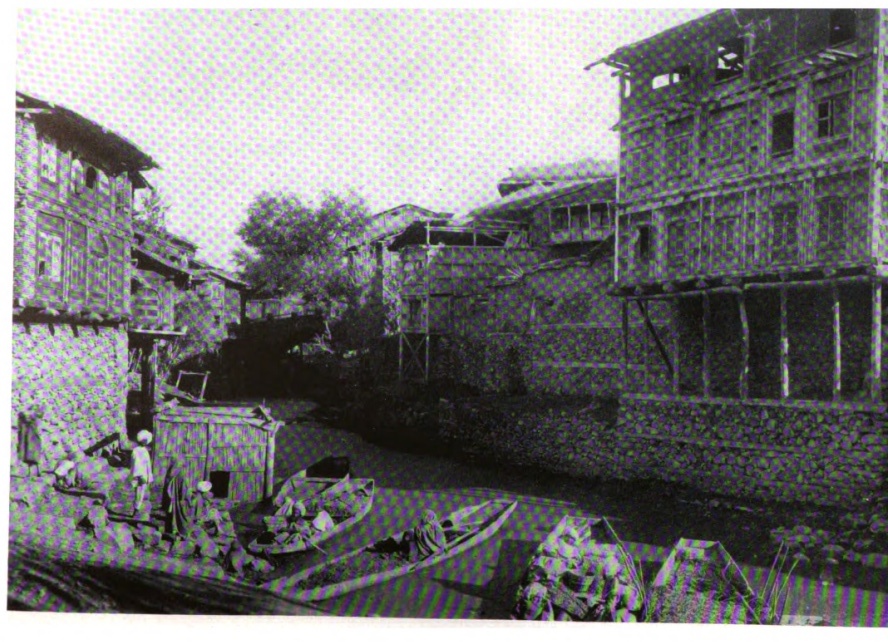
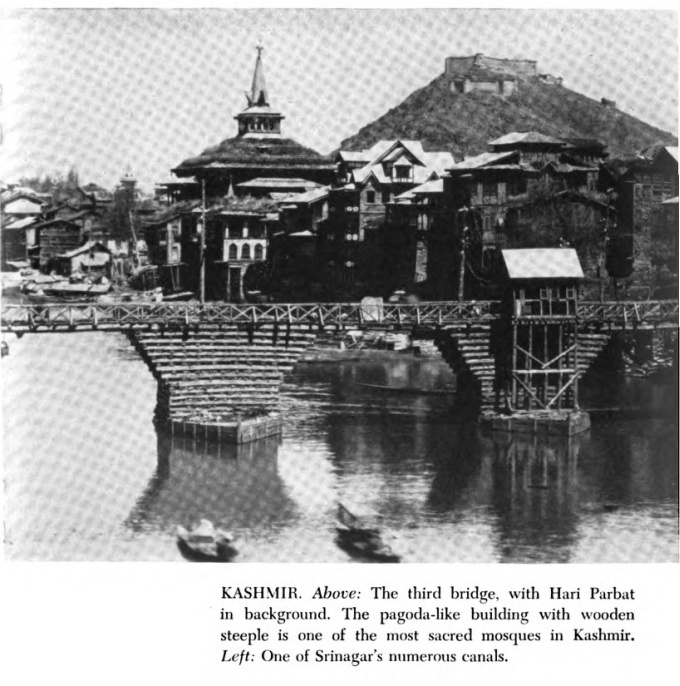
A bunch of rare vintage Kashmir photographs, most of them already posted at this blog. The music is an instrumental piece from David Lewiston‘s ‘Kashmir: Traditional Songs And Dances. Vol II’ recorded in Srinagar in 1976. I had been searching for this album for a longtime and finally found in the archives of Tonal Bride. Mohanlal Aima was one of the consultants for this incredible album which among others had performances by legendary artists like Muhammad Abdullah Tibetbaqal and Zoon Begum.

The only Mohanlal Aima track in this album is a wedding song. Download the album here [mediafire link]. His more famous work ‘Bumbro Bumbro’ can be found on Kashmir: Traditional Songs And Dances. Vol I recorded by David Lewiston in 1974. This album one is still not available.

-0-

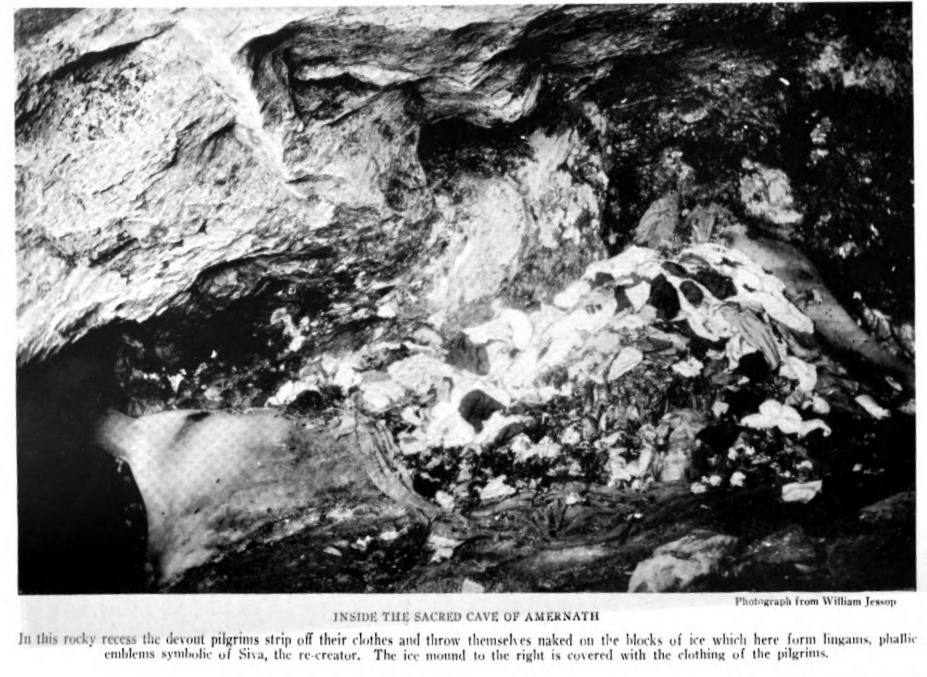
Trash for Icicle God, 1921

“Inside the sacred cave of Amernath
In this rocky recess the devout pilgrims strip off their cloths and throw themselves naked on the blocks of ice which here form lingams, phallic emblems symbolic of Siva, the re-creator. The ice mound to the right is covered with the clothing of the pilgrims.”

From National Geographic Magazine, Vol 40, 1921.

-0-
People have been trashing the place historically for a long time. Trashing is like some kind of tantric ritual there. So, people be allowed to do so in future too. Case dismissed.
-0-
-0-

Jump, the angreez bai are here!

more

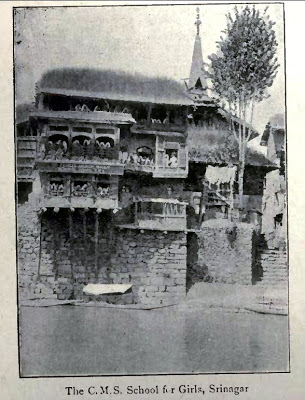
A funny little tale from Biscoe about what happened when girls first started attending English schools in Kashmir:

“It was somewhere in the nineties that one of the mission ladies started a girl school in the city; it was of course by no means popular, as it shocked the prejudices of all proper thinking folk in Srinagar. The girls who were brave enough to attend were very timid, and their parents were somewhat on the shake, as public opinion was very much against them. The school continued until the first prize day. The Superintendent had invited some of the European ladies of the station to come to the function, thinking it would be an encouragement to the girls and their parents. All the girls were assembled in the school when, on the appearance of the English lady visitors, some one in the street shouted out that the Europeans had come to kidnap the girls. Others took up the cry, and ran to the school windows and told the girls to escape by jumping from the windows, the man below catching them as they fell. Before the visitors could enter the school the scholars had literally flown; the girls of course lost their heads on account of the shouting from the street. It was terrible moment for the Superintendent as she saw her girls disappear out of the windows, for she feared that they would be damaged by the fall. It is said that one of the lady visitors was wearing rather a wonderful hat which upset the equilibrium of the citizens who were standing outside the school”

~ C.E. Tyndale Biscoe, Kashmir in Sunlight & Shade (1925)

-0-

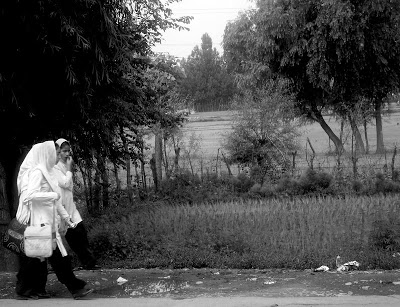
Summer, 2008

-0-

kuja boodi, kahan tha, kati osukh

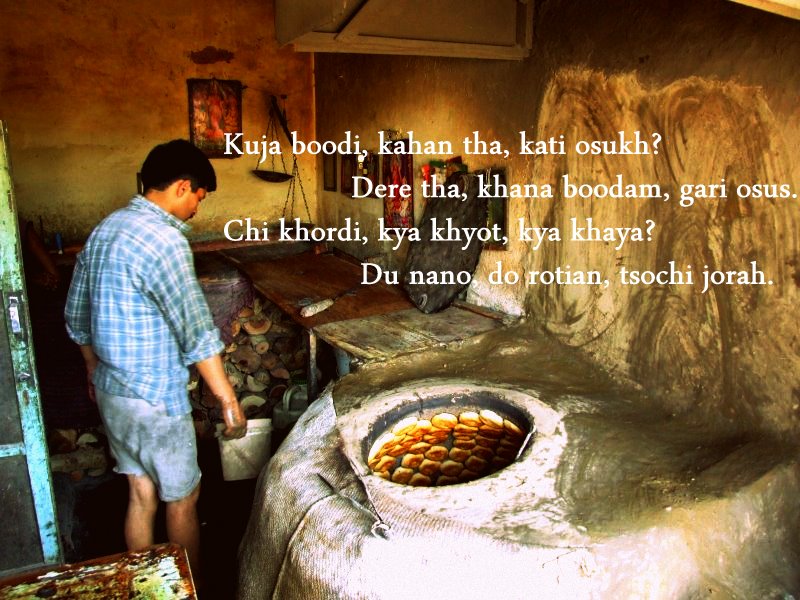
Kashmiri Bakery, 2008

Kuja boodi, kahan tha, kati osukh?
Dere tha, khana boodam, gari osus.
Chi khordi,kya khyot, kya khaya?
Du nano, do rotian, tsochi jorah.


Where were you?
At home.
What did you eat.
Couple of loaves.


One of the tri-lingual ditties developed by Kashmiri pandits in old days to learn Persian. I think I have often heard parts of it from my grandfather, but always employed in humorous situations, he would say, Kuja boodi Tau Tau (Kuja boodi Blah Blah).  


-0-
Found the complete ditty in ‘Kashmiri Pandit Community: A Profile’ by Triloki Nath Dhar.


Tagore’s Balaka

Habba Kadal, 2008

“I was in Kashmir. One evening, I sat by the River Jhelum. There was stillness all around. I felt I was sitting besides the Padma. Of course, when I lived on the Padma I was a young man, now I am old. Yet that difference seemed to have been wiped out by some link transcending time. A flock of geese flew over my head across Jhelum…I seemed to hear some ineffable call, and be led by its impulse to some far journey.” (Kshitimohan Sen, Balaka-Kabya-Parikrama,p.55)

Balaka
A Flight of Swans

The curving stream of the Jhelum glimmering in the glow of evening
merged into the dark like a bend sword in a sheath;
at the day’s ebb the night-tide
appeared with the star-flowers floating on the dark waters;
at the foot of the dark mountains were rows of deodar trees;
as if Creation, unable to speak clearly, sought to reveal its message in dream,
only heaps of inarticulate sounds rose groaning in the dark.
Suddenly I heard at that moment in the evening sky
the flash of sound rushing instantly far and farther in the plain of emptiness.
O flying swans
Storm-intoxicated are your wings
the loud laughter of immeasurable joy awakened wonder
which continued to dance in the sky.
The sounds of those wings,
the sounding heavenly nymphs
vanished after breaking the quiet of meditation.
The mountains, engulfed in darkness, shuddered,
shuddered the forest of deodar.
As if the message of those wings
brought for a moment the urge for movement
in the heart of ecstatic stillness.
The mountains desired to be roaming clouds of April,
the rows of trees spreading their wings,
desirous of severing the fetters of earth, were lost in a trice,
while in search of the end of the sky following that trail of sound.
The dream of this evening is shattered.
The waves of agony rise.
There is longing for the far,
O roaming wings.
In the heart of the universe is heard the agonized cry,
‘Not here, not here, but somewhere else!’
O flying swans,
tonight you have opened to me the covers of stillness.
under this quiet I hear
in air, water and land
those sounds of the undaunted and restless wings.
The heaps of grass are flapping their wings in the sky of the earth;
in some dark obscure corner of the earth
millions of sprouting swans of seeds are flapping their wings.
Today I see these mountains, these forests fly freely
from one island to another, from the unknown to the more unknown.
In the beating of the wings of the stars
the darkness starts crying for the light.
I hear the myriad voices of men flying in different groups to
unknown regions
from the shadowy past to the hazy and distant new age.
In my heart I heard the flight of the nest-free bird with innumerable
others
through day and night, through light and darkness
from one unknown shore to some other unknown shore.
The wings of the empty universe resound with this song –
‘Not here, but somewhere, somewhere, somewhere beyond!’

Translated by Bhupendranath Seal (Modern Indian Literature, an Anthology, Volume 3)

 “It is becoming easier for me to feel that it is I who bloom in flowers, spread in the grass, flow in the water, scintillate in the stars, live in the lives of men of all ages.
When I sit in the morning outside on the deck of my boat,before the majestic purple of the mountains, crowned with the morning light. I know that I am eternal, that I am anado-rupam, My true form is not that of flesh or blood, but of joy. In the world where we habitually live, the self is so predominant that everything in it is of our own making and we starve because we have to feed ourselves. To know truth is to become true, there is no other way. When we live in the self, it is not possible for us to realize truth.
[…] My coming to Kashmir has helped me to know clearly what I want. It is likely that it will become obscured again when I go back to my usual routine; but these occasional detachments of life from the usual round of customary thoughts and occupations lead to the final freedom – the Santan, Sivam, Advaitam.”
 ~ extracts from a letter written by Rabindranath Tagore in Srinagar, Kashmir on October 12th, 1915. [A Miscellany by Rabindranath Tagore]
 -0-

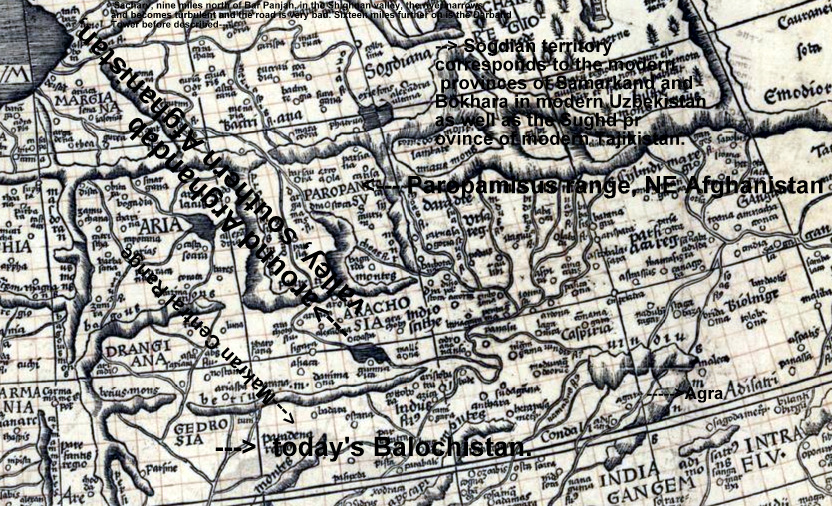
searching for Ptolemy’s Kasperia in old hellenic maps

Another failed attempt to find Ptolemy’s Kasperia in old hellenic maps.

Asian cut from ‘A Map of the Entire World According to the Traditional Method of Ptolemy and Corrected with Other Lands of Amerigo Vespucci’ by Martin Waldseemüller’s 1507. [available here]. This was the first map that depicted a world separated by Pacific ocean.
-0-
Note to self: do not try it again for sometime. It can drive one mad.

Guru Nanak Roff

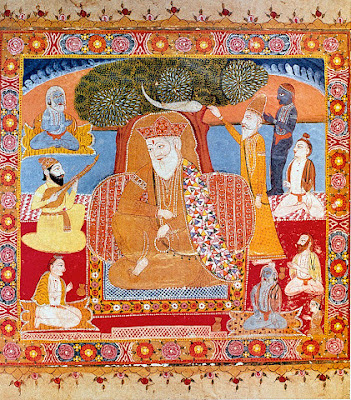
A painting of Guru Nanak and his followers done in Kashmiri style.
Early 19th century. [Kashmiri Painting by Karuna Goswamy, 1998]

A couple of months back I found my Bua singing these lines to herself. We were preparing for my sister’s wedding, it was late at night, we were having a group singing session, like Kashmiris do, striking a spoon on metal platse and  kids beating an odd tumbakhnaer out of beat, everyone singing a song of their choice, often all at the same time. Hindi songs. Kashmiri songs. General fun. In this happy melee, I found my Bua singing some very odd lines. It was obvious she didn’t know the entire song as she kept repeating the same line over and over.

The lines went like this:


Guru Nanak yelli pyau thannay 

Zool kari’tyav
Heri’tay Bon’yay


A Kashmiri song referring to birth celebration of Guru Nanak. Roughly translated the lines mean:

The day Guru Nanak
was born
We light up our
houses
from top
to bottom

Intrigued, much later I asked her more about the song. She said she danced to it when she was in Matric. Back in 1976 a bunch of girls of Katleshwar School danced Roff, traditional Kashmiri dance, to these lines.

-0-
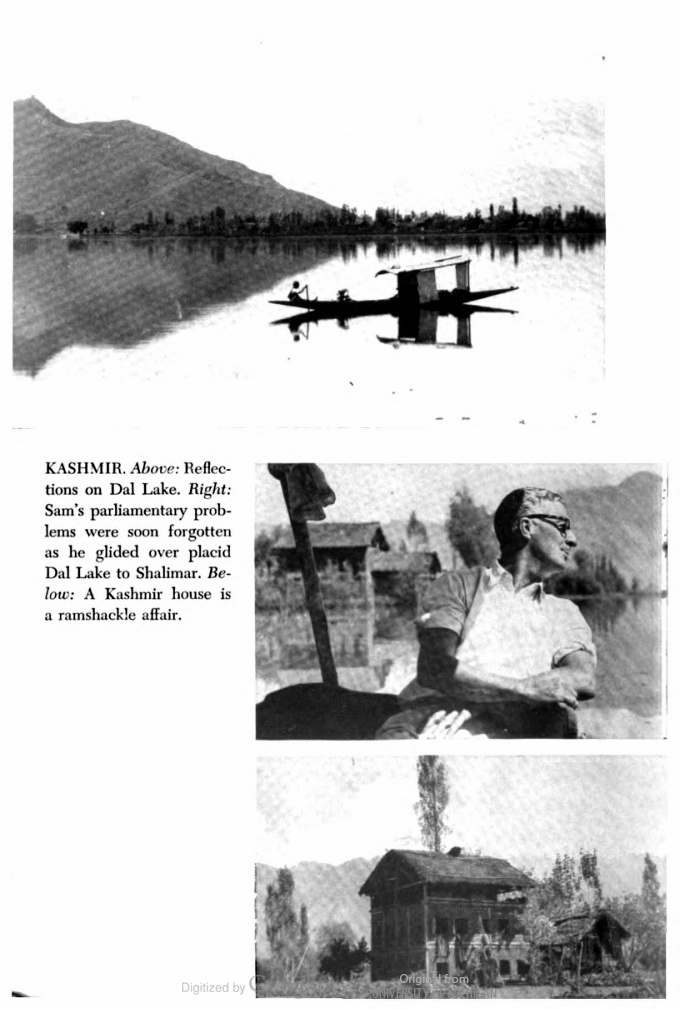
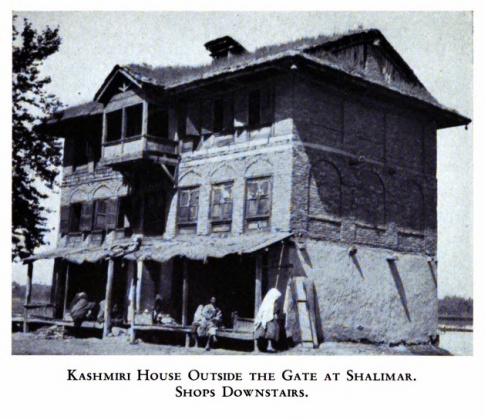
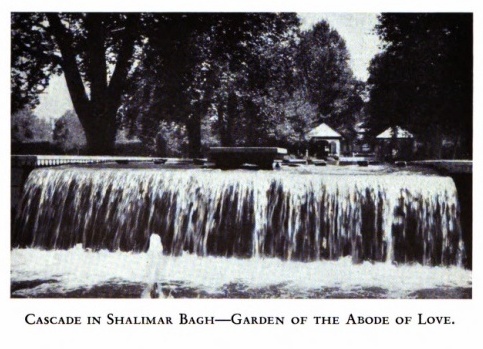
road to Shalimar, 1952

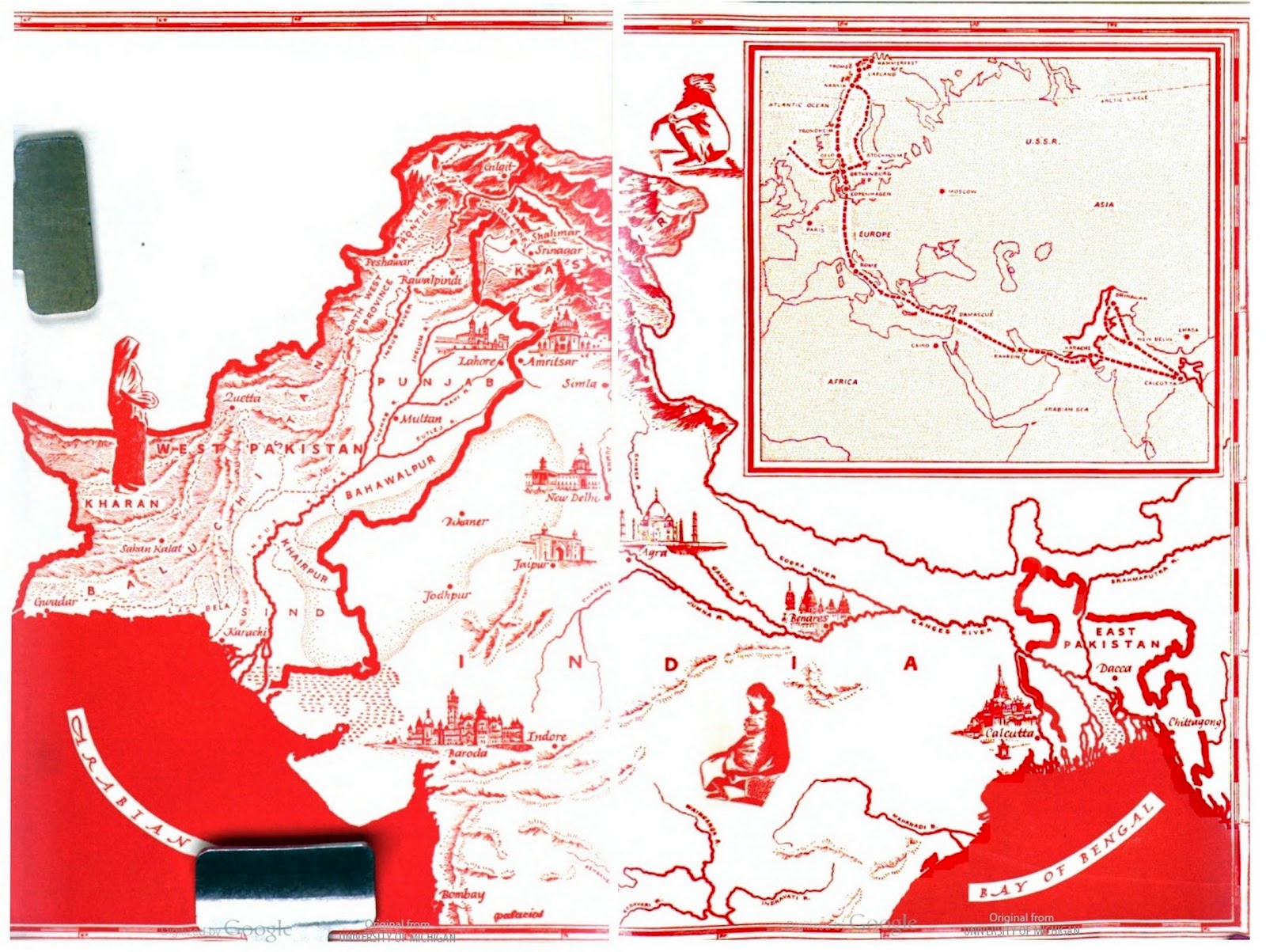
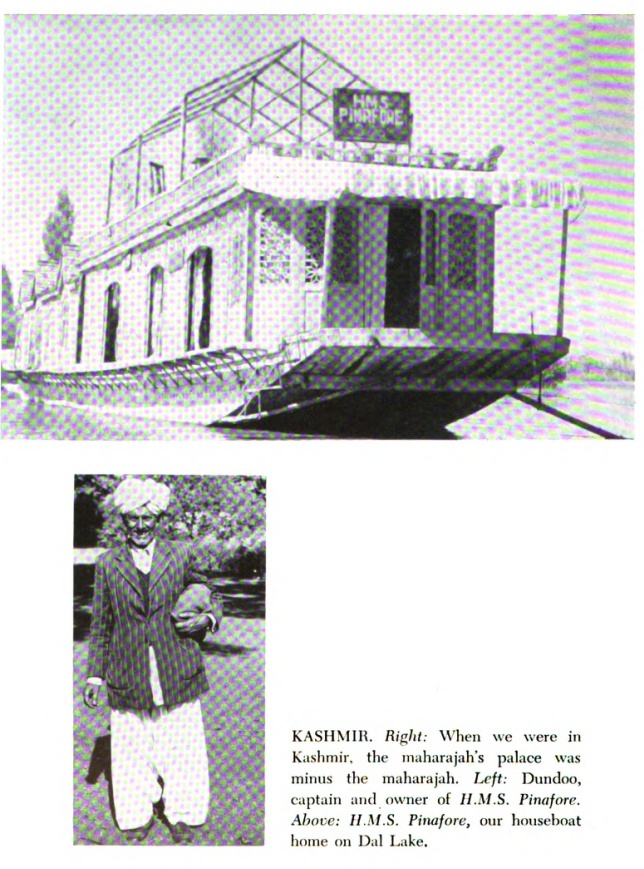
From ‘The road to Shalimar’ by Carveth Wells, 1952.

H.M.S. Pinafore.
This one too is still around 
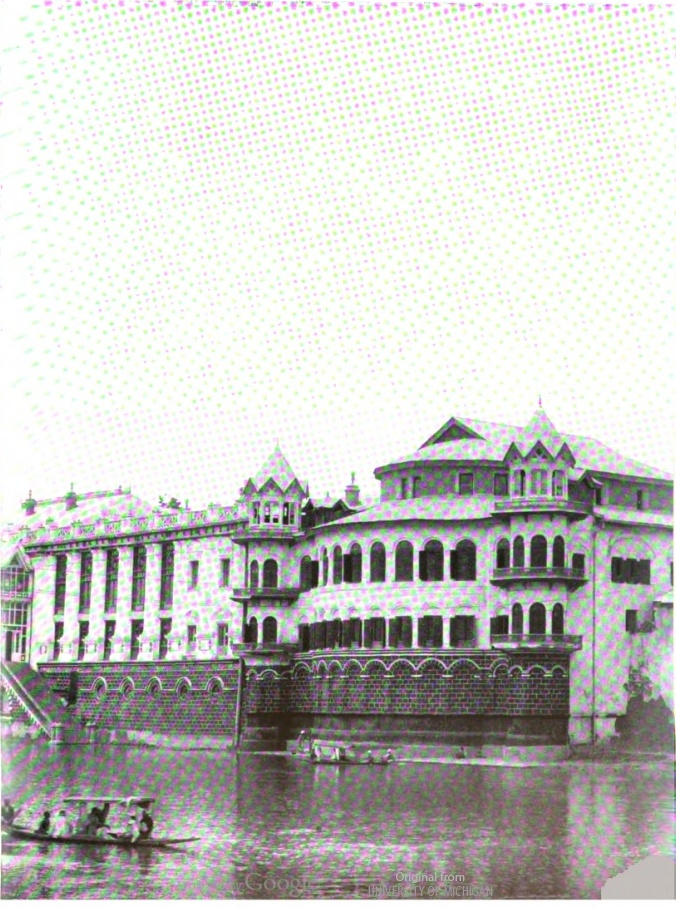
Sher Garhi palace. Built by Afghan governor Ameer Jawan Sher Qizilbash.
Later became palace of Dogras. 

Destroyed in fire, I believe, in late 1970s.

-0-
Hafiz Nagma


video link
Directed by Hamid Bala. A re-enactment of Hafiz Nagma set to love lyrics popular among Pandits as a Bhajan ‘Harmokh Bartal’ and believed to be dedicated to Shiva for reference to Harmukh mountain. A similar attempt at re-enactment was made in early 1980s.

-0-
In 1920s, Hafiz Nagma was banned in Kashmir by the ruling Dogra Maharaja. The Ruler felt that this dance form was losing its sufi touch and was becoming too sensual, debased and hence judged by him as amoral for the society.  It’s place was taken up by Bach’a Nagma, or the boy dancer, much like Bacha bazi of Afghanistan, although Kashmiri would claim minus the nasty exploitation bits.  

A page from a government of India publication on Kashmir, 1955

-0-

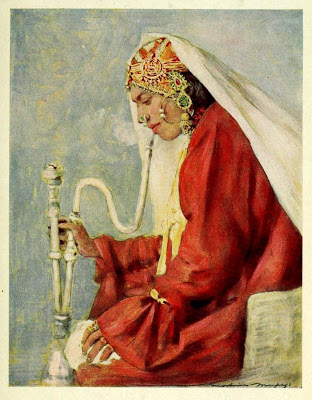
Dancing girl of Kashmir by Mortimer Menpes, 1902-3
-0-

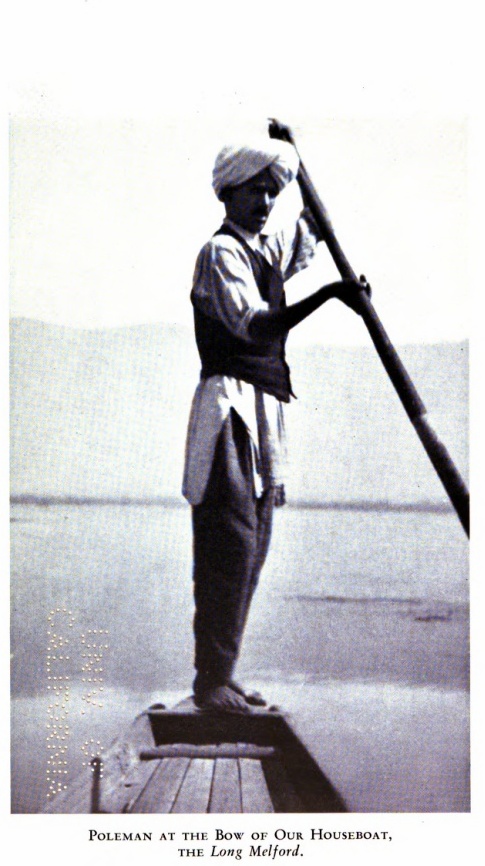
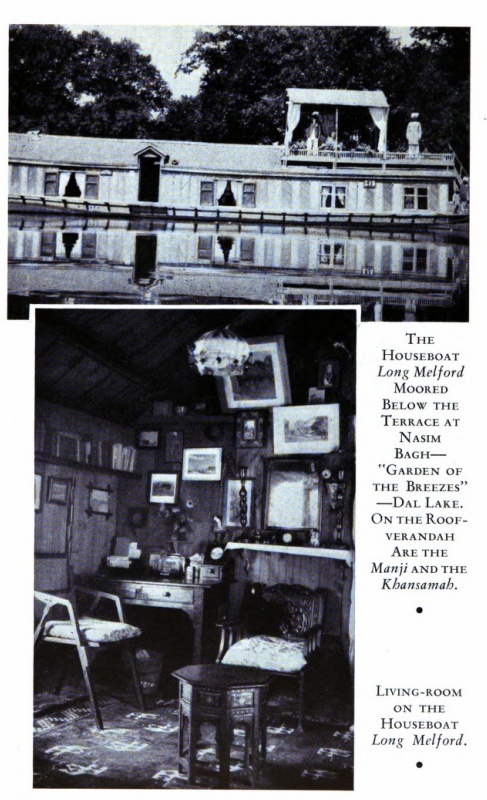
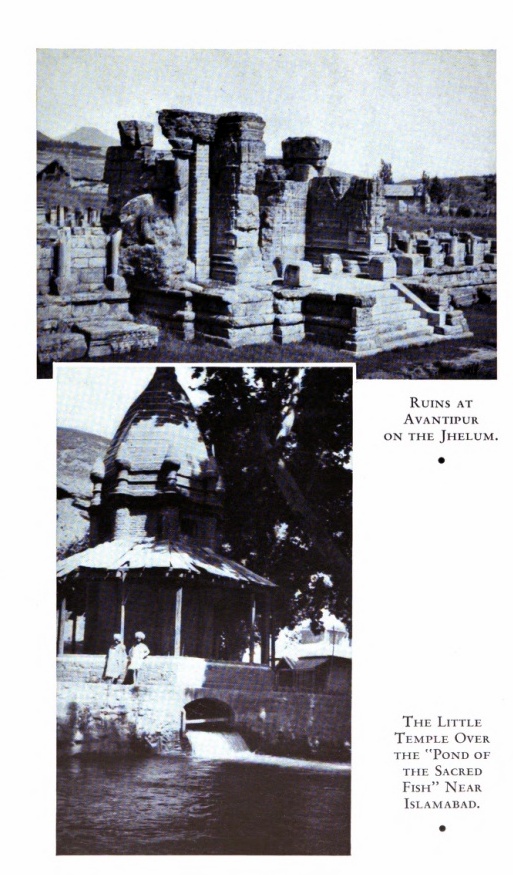
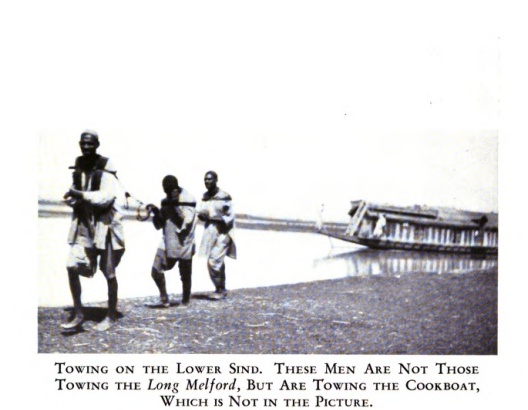
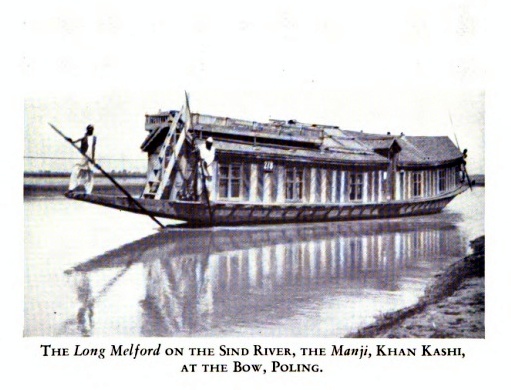
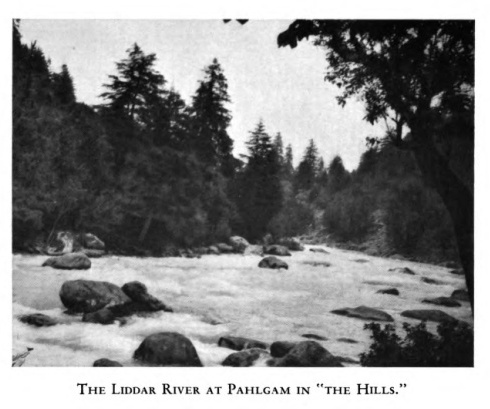
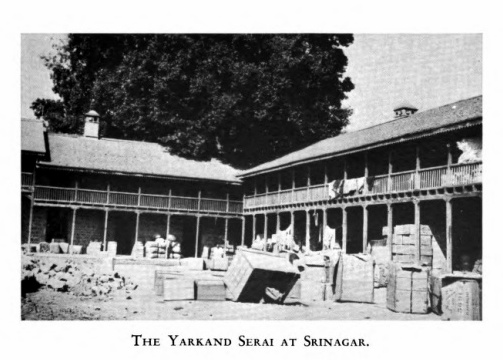
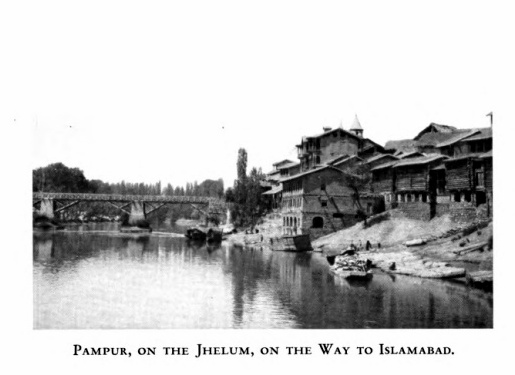
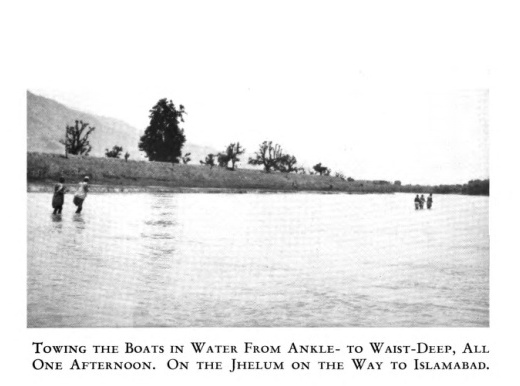
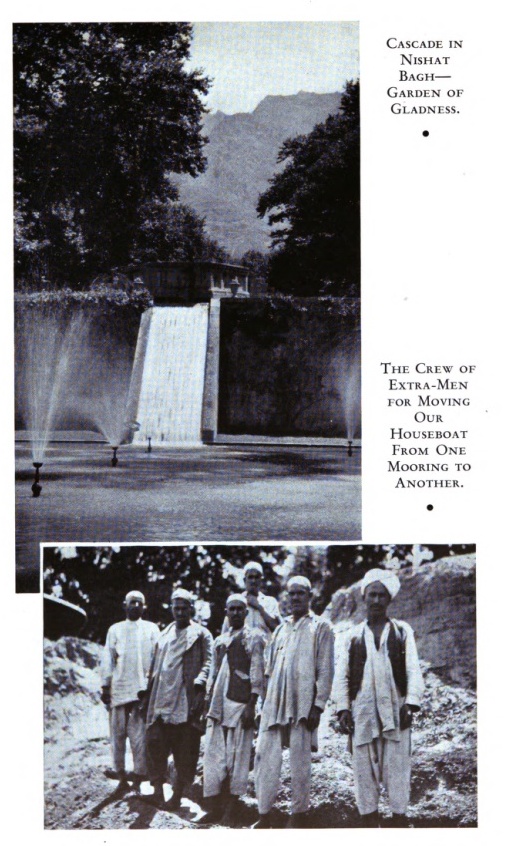
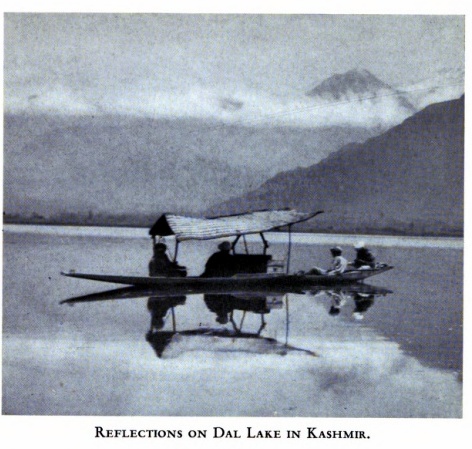
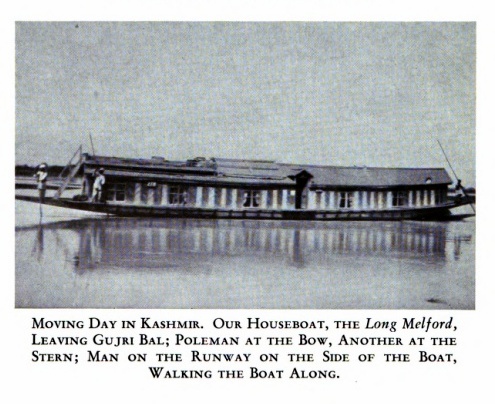
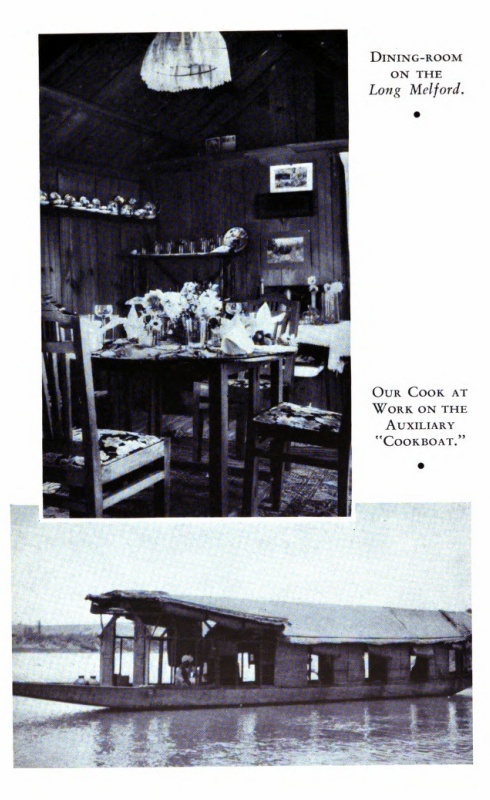
Houseboating in Kashmir,1934

Photographs from ‘Houseboating in Kashmir’ (1934) by Alberta Johnston Denis.

Mattan
Nagbal, Anantnag
(Thanks to a reader on facebook)

Yarkhand Serai near Safa Kadal

-0-
Long Mulford (houseboat no 278) is still around in Srinagar. Owner of the boat at the time was Mohammed Khan Kashi.