The Spring of tears has made my eyes an Achchabal,
a Mar, a Jhelum, [flowering] into the Dal.
~ Mathnavi-yi Kashmir, Dayaram Kachru ‘Khushdil’ (1743-1811) writing in Kabul.
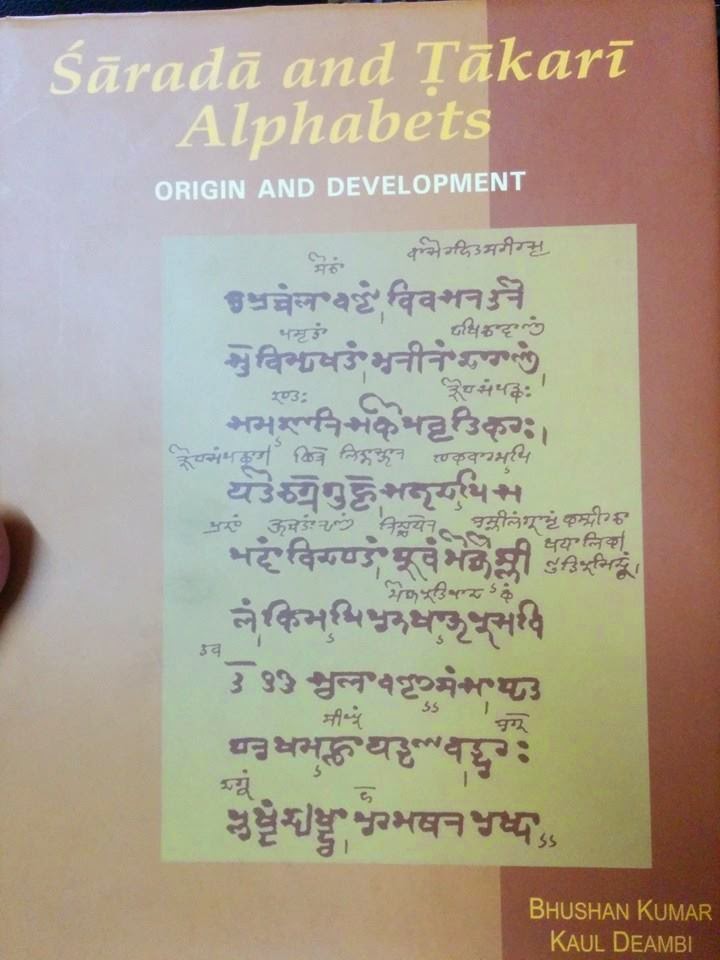
in bits and pieces

The Spring of tears has made my eyes an Achchabal,
a Mar, a Jhelum, [flowering] into the Dal.
~ Mathnavi-yi Kashmir, Dayaram Kachru ‘Khushdil’ (1743-1811) writing in Kabul.
![]() |
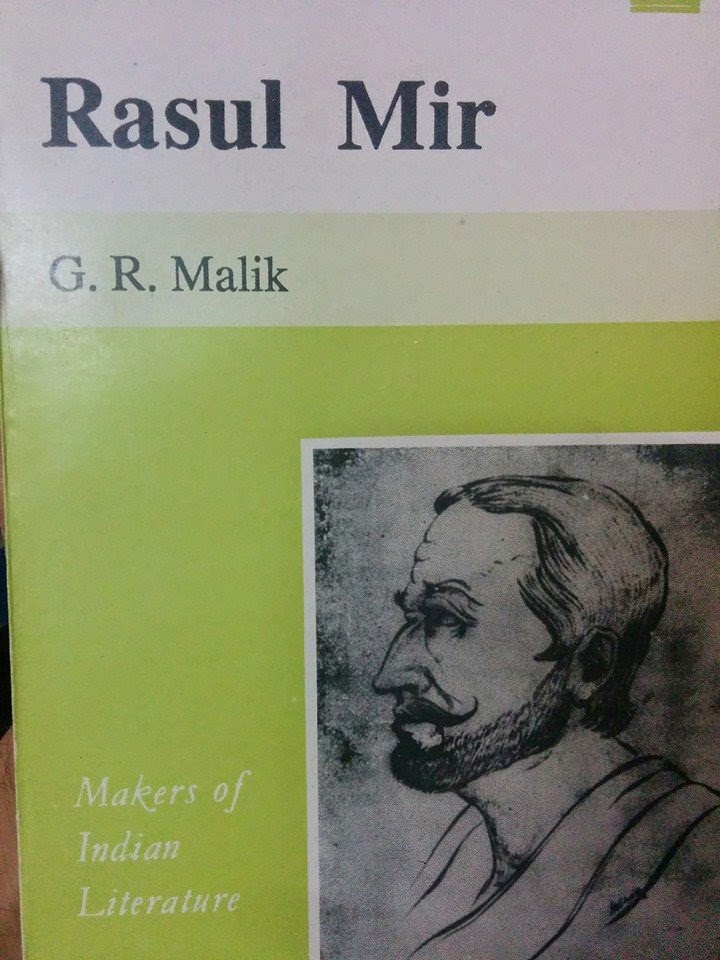
Rasul Mir by G.R. Malik Sahitya Akademi First Edition, 1990 Rs. 15 |
Previously:
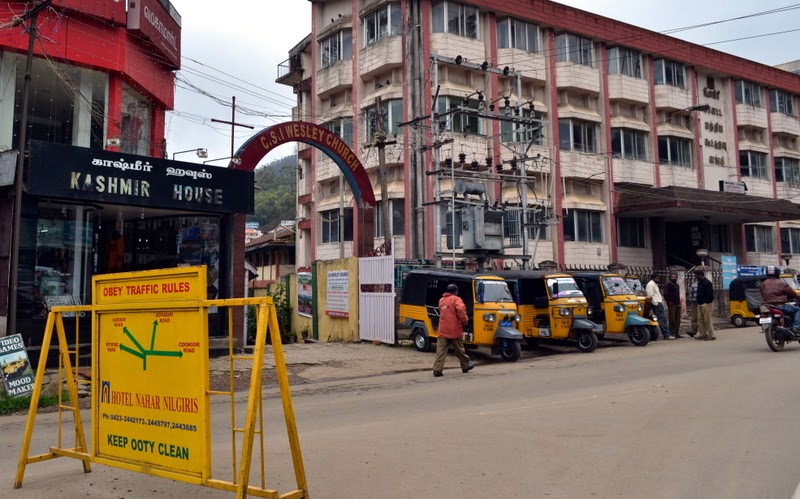
![]() |
| Kashmir House Ooty Handicraft shop |
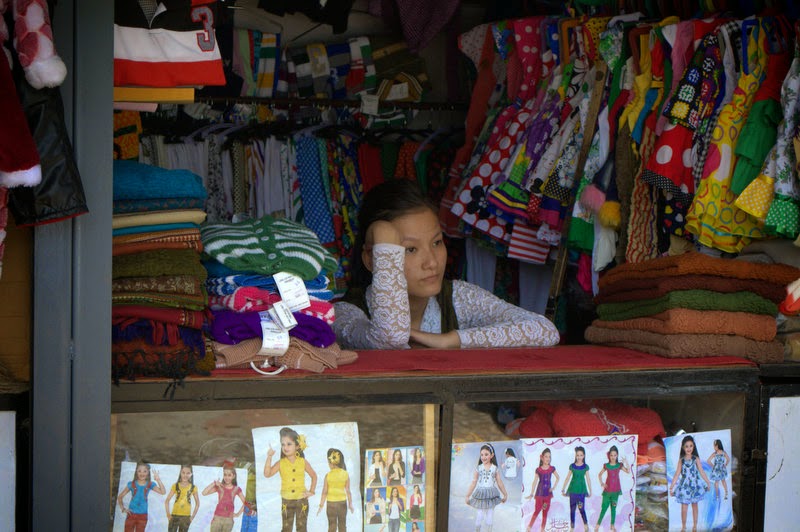
Tibetan Shop. In Ooty. The Himalayan neighbours of Kashmir. Another prolific moving/trading community.
-0-
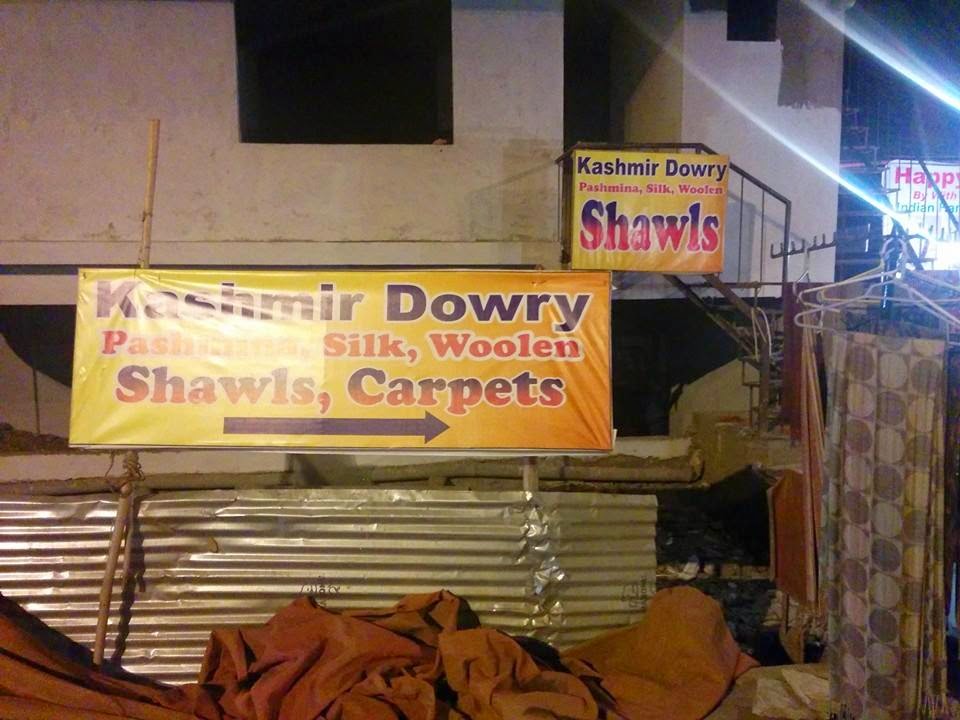
Inside:
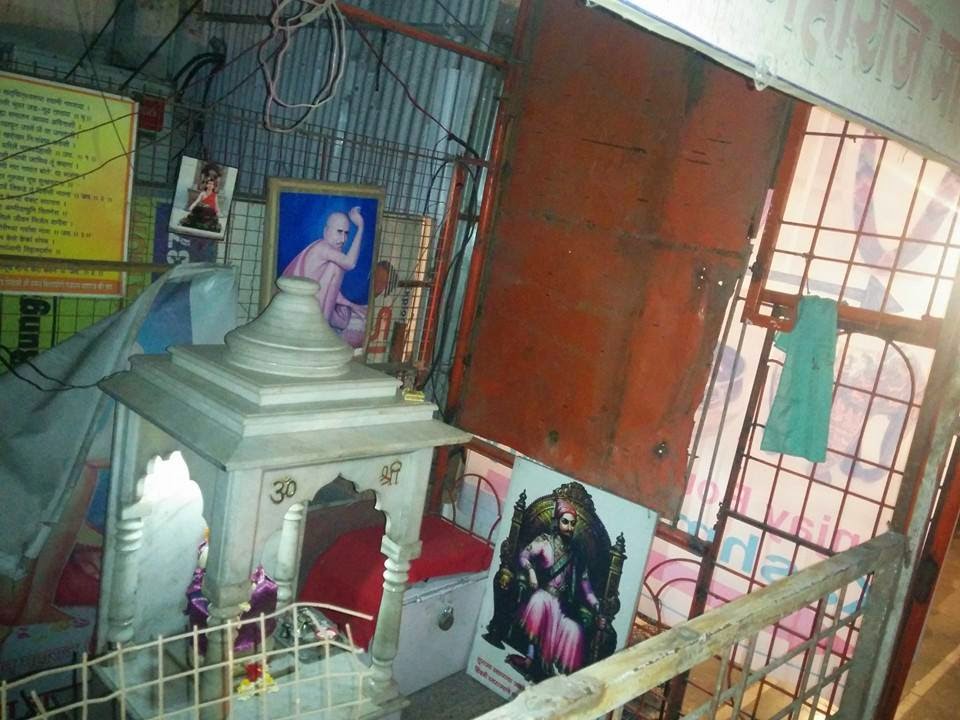
Little shop of cultural curiosities.
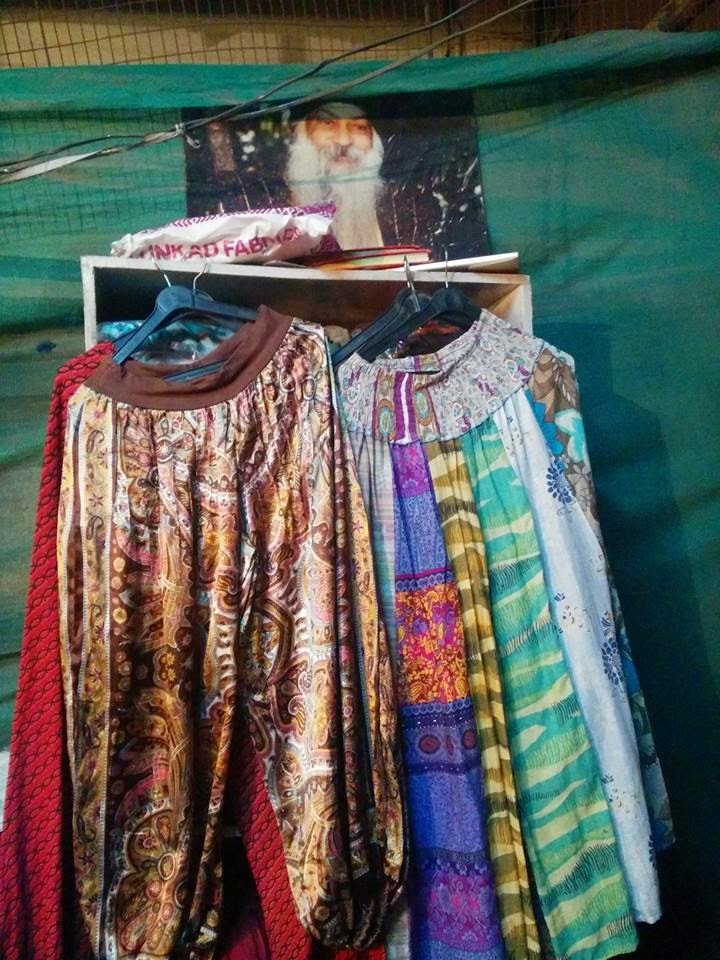

-0-
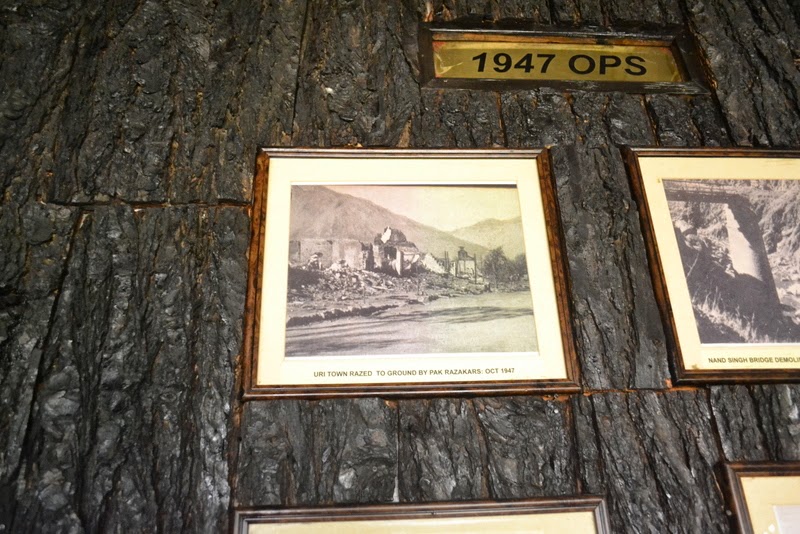

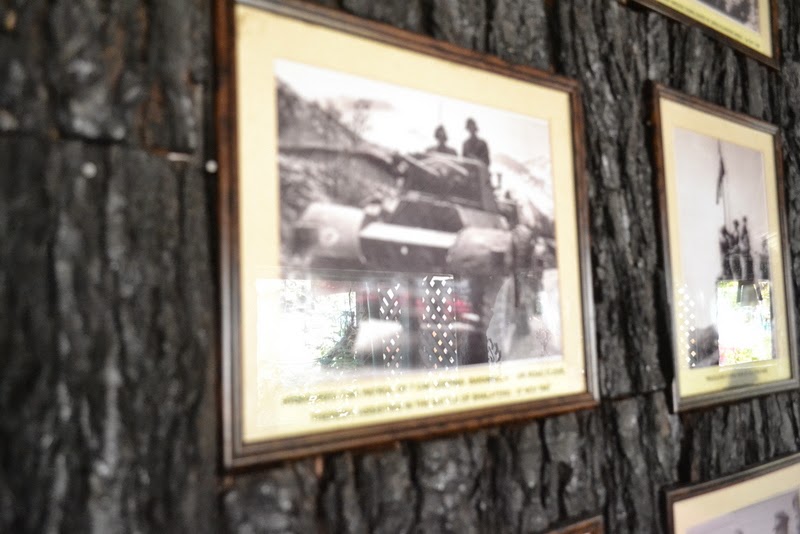
Remains of 1947 war.
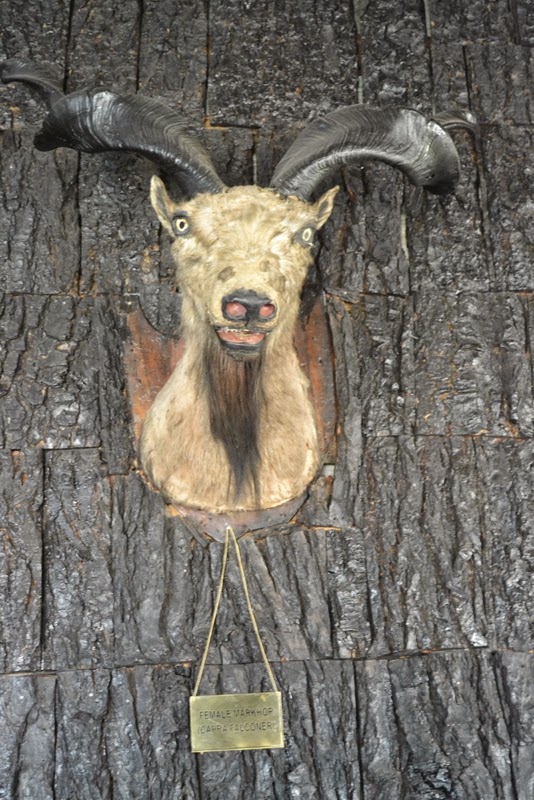
![]() |
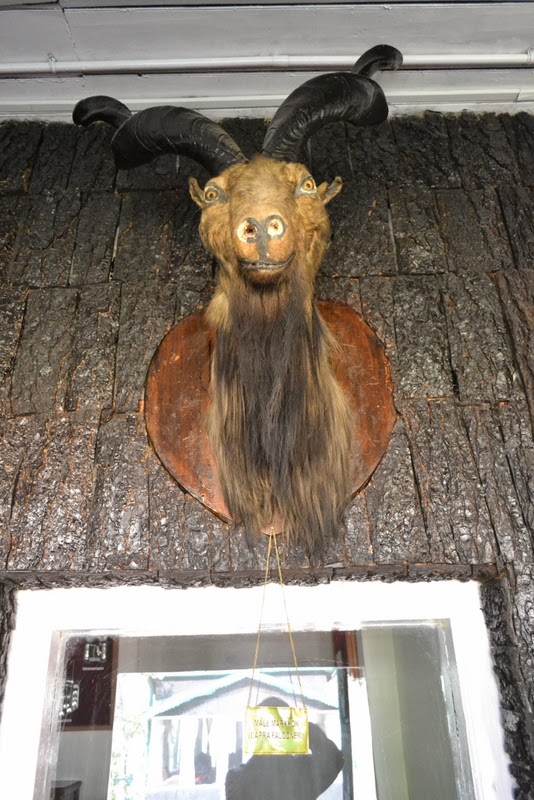
| Female and Male Markhor |
Remains of the era when this area for famous among hunters.
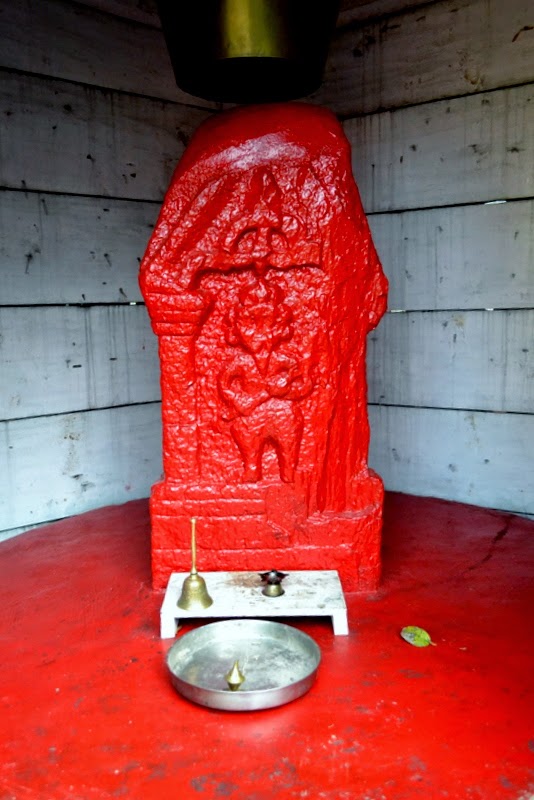
![]() |
| Varah at Baramulla |
-0-

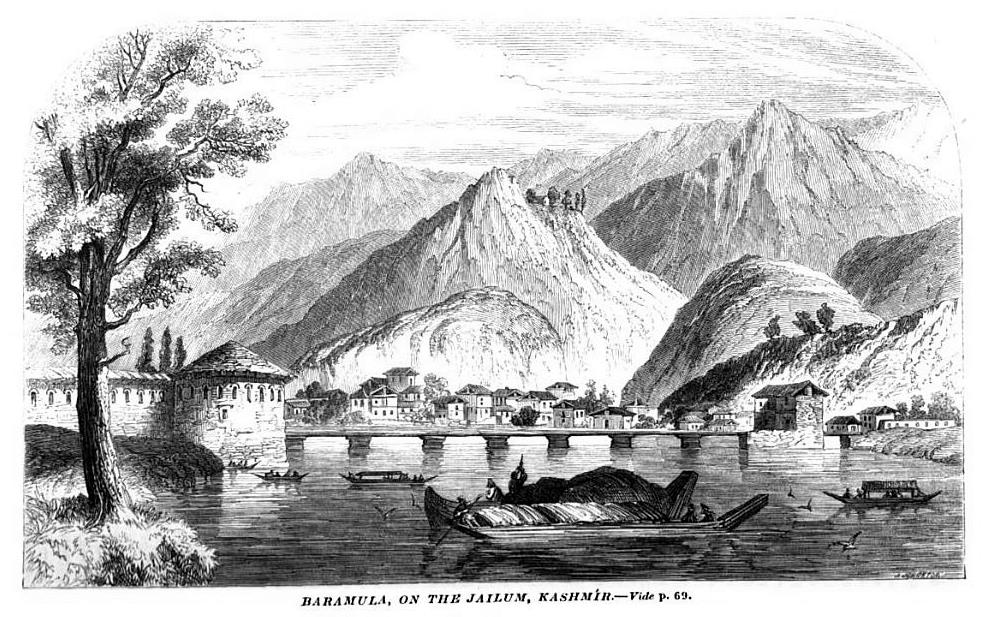
Baramulla bridge with Gosain Teng in background (with in Kaznag and Shamasabri ranges, an extension of the Pir Panjal Range). Illustration published in ‘Church Missionary Intelligencer’ (1854).
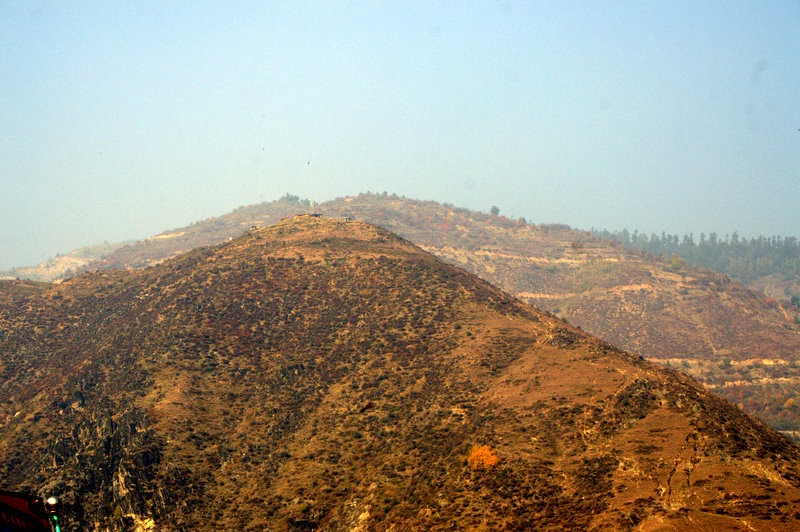
Gosain Teng, Baramulla. ‘Teng’ is the Kashmiri word for ‘Hillock’ and ‘Gosain’ is the Hindi/Sanskrit Goswami meaning ‘Ascetic’. Nowadays atop the hill is an army bunker. According to entry for the place in Hasan Shah’s (1832-1898) ‘Tarikh-e-Hassan’ there are supposed to be four springs atop the hill. Kunds named after Ram, Sita, Lakshman and Hanuman.
Sheen oos pyawaan thali thali
Na bozaan hyund ti musalman
Kangir hyeth oos
Herath is now often remembered as the day of Shiva’s marriage. A day of Shiva. A reflection of state of our society today. A correction: it is day of Parvati and Shiva. A small ritual in a Kashmiri Pandit wedding involves the bride holding up a mirror and the couple seeing each other’s reflection in it. A Pandit wedding is essentially a recreation of the wedding of Shiva and Parvati. The bride, Parvati holds the mirror and brings a certain self-realization upon Shiva. A balance. The nature of Shiva changes at this self-realization. The approach, the methods to explain him, changes. A war of ideas is settled. All made possible by Parvati, and the mirror she holds. Harsha V. Dehejia explains in ‘Parvatidarpana: An Exposition of Kasmir Saivism through the Images of Siva and Parvati (1997)’:
“Shiva’s first cognition discovers the sensuous Parvati
but he cognises yet again and sees the mirror in her hand
The first cognition reveals the lustful Parvati
the second cognition none other than Shiva himself
in the mirror of Parvati.
Shiva is wonderstruck, he experiences the rasa of adbhuta
at the transformation brought about by the mirror
a movement from the enigmatic dvaita to the restful advaita
such is the wonder of pratyabhijna that creates the majestic
advaita
not the advaita of negation but of affirmation, not where the mind whispers neti neti
but the chitta joyously exclaims iti iti.”

The Pratyabhijna thoughts started in Kashmir with the writings of Somananda (875–925 CE) and Utpaladeva (ca. AD 900–950).
-0-
Update:
11 Feb, 2016
The mirror ritual from my marriage.

-0-

From Aurel Stein, Eugen Hultzsch, John Marshal, Alfred Stratton to George Grierson, all of them were helped in their studies of Kashmir by a man in Srinagar named Pandit Mukund Ram Shastri. In early 1900s, 23 of the 29 books of “Kashmir Series of Texts and Studies” were brought out by Research Department of Jammu and Kashmir under his editorship. Books that are still read and shared in academic circles. And yet, if you Google Image Search, you will find no photograph of Mukund Ram Shastri. You can easily find Stein, Hultzsch, Marshal, Stratton and George Grierson, but no Mukund Ram Shastri. Given here is a photograph of Mahamahopadhyaya Pandit Mukund Ram Shastri, found in the biography of Stratton, ‘Letters from India, by Alfred William Stratton, with a memoir by his wife Anna Booth Stratton and an introductory note by Professor Bloomfield’ (1908).

Shared by Beth Watson via email. She writes, “A painting by G. Strahan. It was given to my Great Grandfather Rev.William Morrison in 1898. The painting is of Sonear Nag Lake- Kashmir.”
Colonel Geoffrey Strahan (1839-1916 was Deputy Surveyor General, Trigonometrical Branch. Although there is a spring named Sonar Nag in Kashmir (Shall Mohallah at Waripora, Pehlipora, Shopian), this looks like famous Sheshnag Lake.