Great Soul Ghost

Still laughing, one of the kids put his arm around the other kid’s shoulder. While taking a stroll on the Island, the two brothers in arm together start singing a devotional sing.
‘MAa SHera WAliyay, TEra SHer AAgaya!’
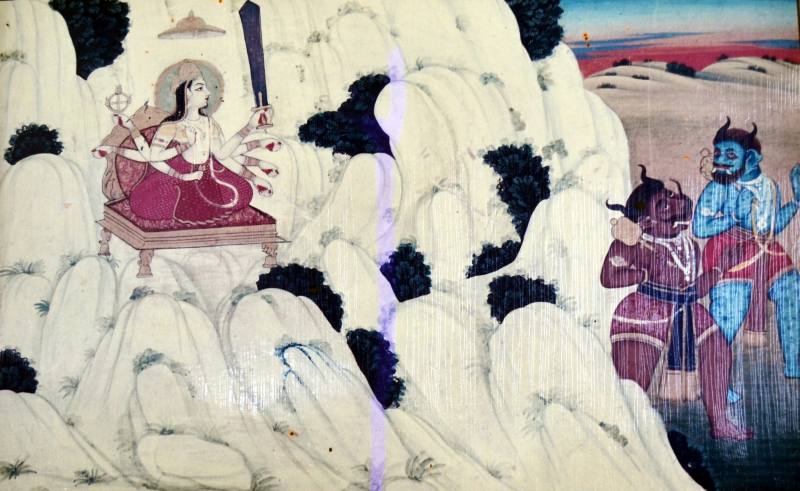
It was the opening line from gut-busting Akshay Kumar number from year 1996 film ‘Khiladiyo Ka Khiladi’. Hero’s brother is about to be bumped off by the bad guys, our hero gatecrashes the Jagrata party of  Villainess and as precursor to his convoluted plan for rescue his brother, sings, ‘MAa SHera WAliyay, TEra SHer AAgaya!’, ‘O Tiger Riding Mother, Your Tiger Has Arrived.’
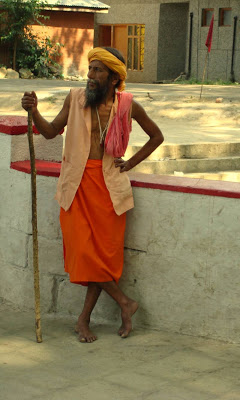
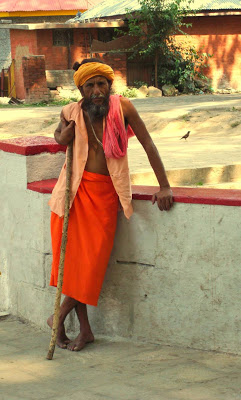
Mock singing over, the two boys break into guffaws. Their Parikrama of the island is over, on the way out, over the footbridge, they spot a Babaji, a veteran of Amarnath Yatra. The two friends decide to test him. Shooting straight, they ask him one of the most elementary question that has baffled the greatest of human mind:
 ‘Bhoot Hotay Hai. Bhoot.’
 ‘Do Ghosts exist?’

Baba, perhaps thrown off by their accent, or perhaps evading the question, replies, ‘Avdhoot. Avdhoot.’
The boys repeat their question,  ‘Bhoot Hotay Hai Kya. Bhoot.’
Baba repeats his cryptic answer,’Avdhoot. Avdhoot.’
At this the boys break into more laughter. An arm over each other’s shoulder, marching toe-to-toe, humming something, the two walk out of the island and back to their homes in the surrounding village. The babj proceeds to pose for the camera.

-0-

Fish

Strange Tales from Tulamula
Fish.

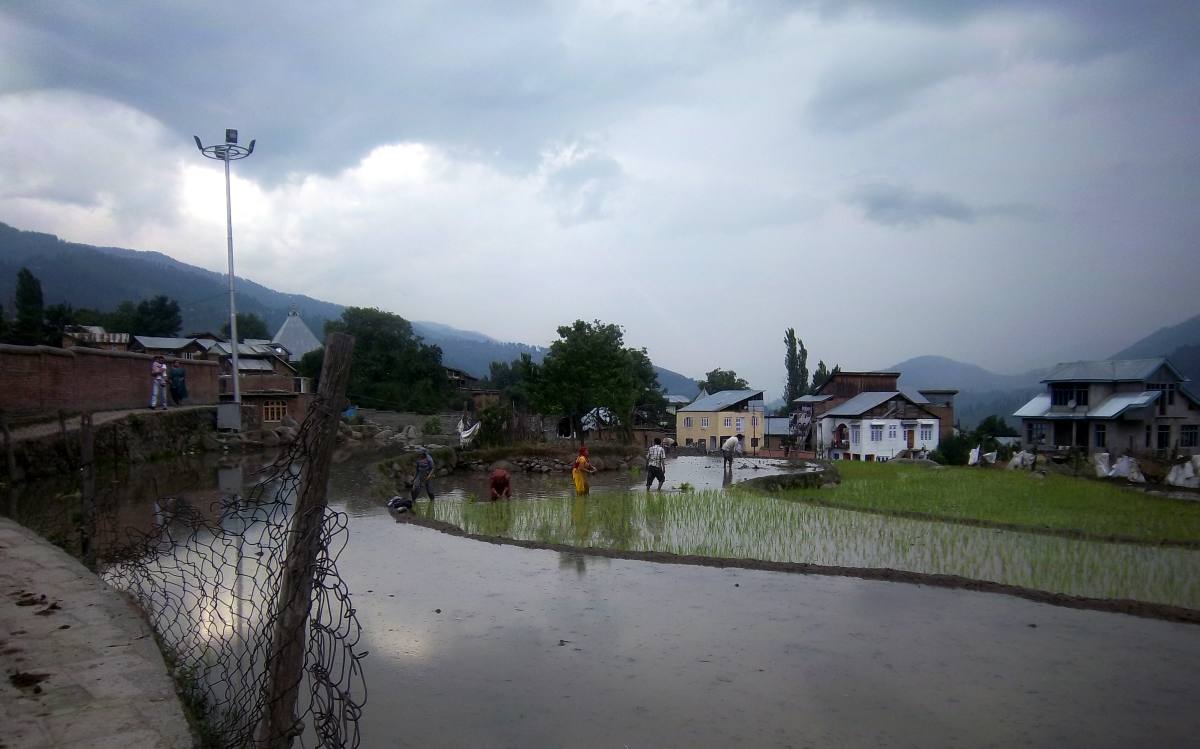
 Syen’dh at village Tulamulla.
River originates in Gangbal-Harmukh and is not to be confused with Sindhu or Indus River. 

The feeling was that of disorientation. As I entered the Island, I was lost in some old memory of the place. A fleeting vision. And then I was lost, really lost. I somehow got separated from rest of the pilgrims that included my parents and relatives. None of them were in sight anymore even though we were all walking together moments ago. In front of me was an iron grilled door, but I didn’t know if it was the entrance or the exit. Towards right, I saw a security building and for some strange reason assumed that everyone must have gone inside it to get registered or something. I felt like staying lost for sometime more. I sat down at my old spot, little stone steps next to the footbridge over the stream that surrounds the island. And I scratched that old memory out:

I walked between innumerable pair of legs to get out of the frenzied melee around the spring. That sight: a man standing on a wooden plank over the milky whiteness of the spring, a bridge to the island, a bridge between deity and devotee, it was unnerving. It was like watching someone rope walk only there was no rope, only a piece of wood. Did the Priest, the conduit on this precariously placed plank know how deep the white spring went? How many meters below the level of flowers? All the pushing and shoving was getting a bit too much. What if I fell into the spring. Holy or not,  I had no plans of measuring the depth of the spring. And one can barely see anything in this rush. I walked between innumerable pair of legs to get out of the frenzied melee around the spring.  I went back to the stream. The devotees were still taking dips in its cold, dark waters. Even the thought of its water scared me. Earlier in the day, I had escaped the compulsory ritual bath thanks to my little drowning incident in the swimming pool of Biscoe. I was still a bit traumatized, even though it had been more than a month now. I told everyone in clear terms that I was never going into water ever again in my life. Now I sat on muddy, half broken and slippery steps that lead into the dark stream. I chose the spot next to the footbridge that connects the island to the village. There were people diving into the stream from the footbridge and there were kids my age frolicking in water, swimming. In the swimming pool, other kids had been holding onto a side bar with their both their hands while paddling their both feet in a synchronised. They was practising swimming. I learned drowning. I missed that little detail about holding onto something and started paddling my feet without holding onto anything.  After I was pulled out of water by a Ladhaki instructor, I found myself in middle of the pool and I was still paddling. I had gulped down a good amount of water. I believe I would have died had I stayed underwater a bit longer. Or, maybe not. The instructed carried me to the side before the judge of my performance, the class teacher. I pleaded with the teacher to have me pulled out of the pool. I told her that these waters were going to kill me, that I was going to die. She calmly pointed at her watch and said there were still twenty minutes for the period to be over, there was still time. I cried. I held on to those sidebars for rest of the twenty minutes. On the ride back home, standing in the school bus, I vomited green water. My underwear was wet, it stuck to my skin me like an insult. I had completely forgotten that our class was to going to have swimming lessons starting that day and that we were supposed to bring a towel and an extra underwear to school.  What stupidity! On reaching home I told my grandmother, I was never going back to that monstrous school. I laughed to myself. Swimming is for fish.

I noticed little black fish swimming in the shallows where the waters met the stairs. They would swim to the stairs and then swim back. I threw little pebbles at them, just to wake them up, to watch them swim. I always liked fish. I named my grandmother’s sister, Machliwalli Massi, only because her house at Rainawari overlooked Jhelum. The first time my grandmother wanted me to go to her sister’s place, I wanted to know if I could see fish from some window of the house since it was on the river bank bank. She said indeed I will. I was disappointed, no fish from the window, even the river was a bit far from the house, it wasn’t on the river, but there was some beauty to it, and the name stuck. She remained my Machliwalli Massi even after her family moved to Jhallandar. Even as she lost her memories to old age.

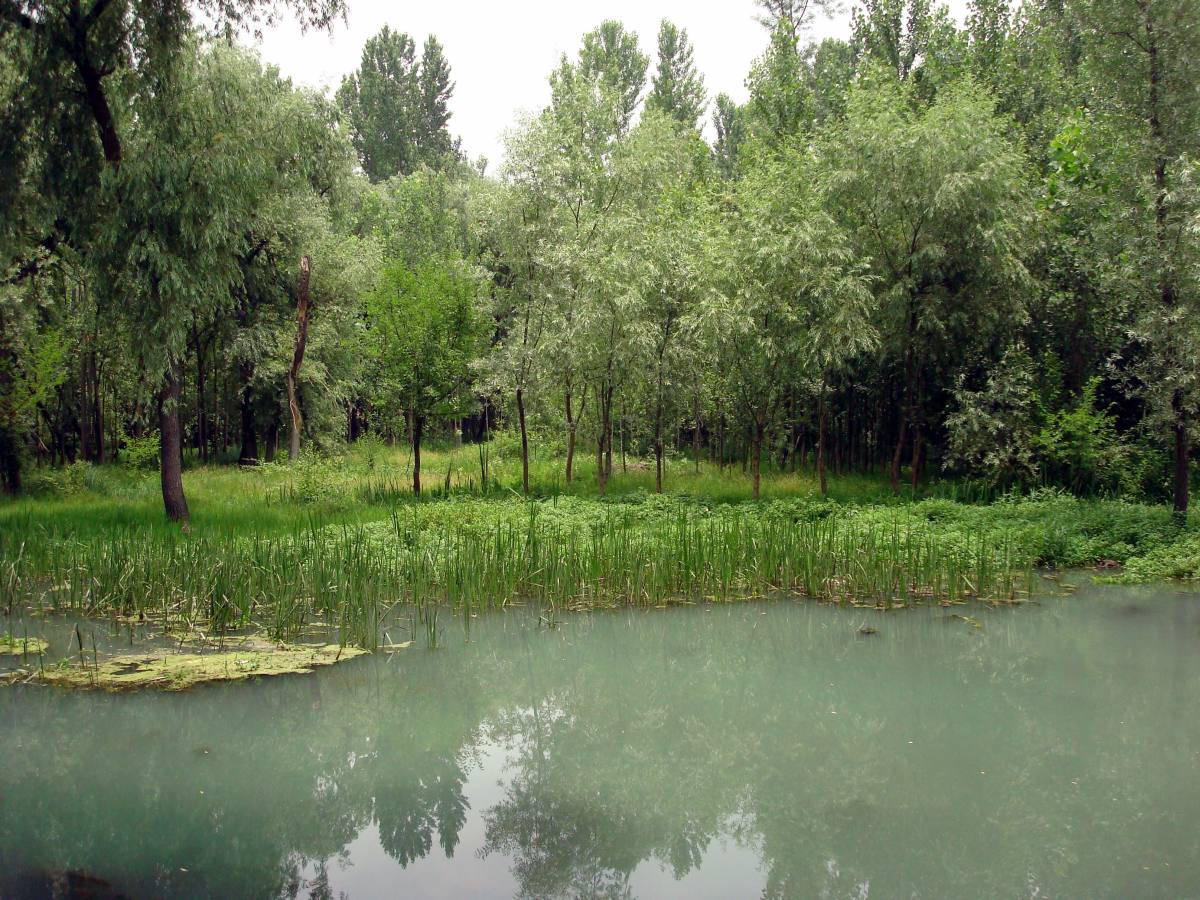
This day, I couldn’t spot a single fish in the waters of the stream. The waters were not dark anymore. The water was green and grey. And it was clean, totally incapable of inducing fear or even maybe any mistaken nostalgic sense of devotion. It was a mini-canal, with steel barricades at two ends to control the flow of water. 
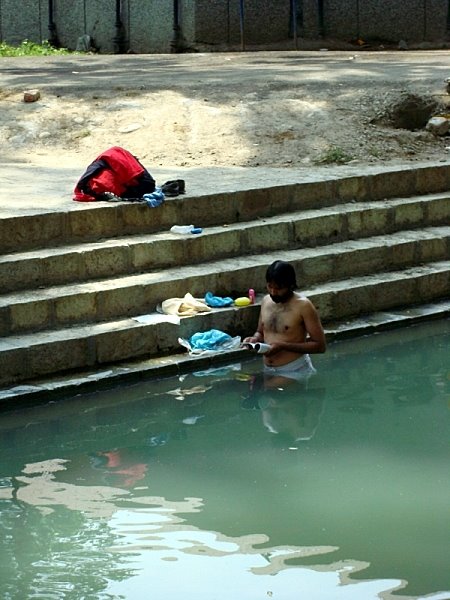
Later in the day, before visiting the spring, I went for the ritual bath. The object on my childhood fear was now a joke. It’s shiny surface offered no mystery. It’s recently cemented bed offered helpless all familiar rigidity of modern life that only cement can provide. The water barely reached my chest. I never learnt swimming, but these water were tame, domesticated. Safe. And hopelessly fishless. Not far from me, just outside the woman’s bathing section – a cesspool long carved into the stream, an area still greasy and ever stinky – a balding, pot-bellied, middle-aged father clocked his young pre-teen son as he swam laps between the two shores of the canal with much noise and splash. Cheered on by his father, the kid was making a lap every three seconds. A crowd was gathering. The fish were maybe moving further away. Maybe poisoned by cement. Where were they? The stream seemed to be too small, the Island, the Spring, time, these all seemed too small. A miniature. Where was the grand canvas of my childhood? Everything had shrunk. 
A devotee praying on one leg. Summer 2008.

-0-

Aftermath

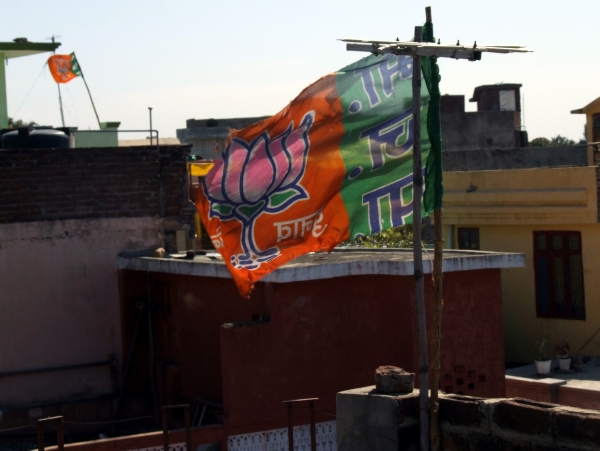
View from rooftop a few months after years 2008 Amarnath Land transfer Syapa.  Febuary 2009.

War drums

‘Bhaiya, you won’t believe what we did today. It was such a riot,’ my little cousin sister excitedly informed me over phone. Hearing this, I expected her to tell me how she and her younger sister pulled a fast one on someone, their latest adventure in mischief. As she started to tell me the story, as I laughed, a  feeling of deja vu gripped me, a familiar sinking feeling, something akin to sadness.

‘It was evening. We were on the rooftop, reading out books. Suddenly, we heard distant shrill metallic sounds, like some people beating steel plates. Soon the sound got louder, got nearer. Other people had picked up the call. The sound was now everywhere. It was party time. So we too got our self a thali, a chamach and joined in the party.’

People were beating utensils as a form of solidarity with cause, in protest. So my little sisters too had taken part in it, the agitation. And they were not alone. She went on to tell me how neigbours would visit our house looking for my Uncle, seeking attendance of at least one family member in the daily rally. The rallying call apparently was: ‘Pandit Ji, this is for you too. All of your loss. No more loss. Now we stand. Together.’ My Uncle went along a couple of times, but most of the times only Rotis rolled out by my aunt and grandmother went out to the agitators.

My cousin who was back then in 8th Standard, ended her story on an even happier note, ‘Do you know we haven’t been to the school for about two month?’

We walk along a line on Möbius strip of time and memories.

Back in 1990, I was in 3rd Standard and lost an academic year because schools in the small city of Jammu had no space for hordes of new “migrant” kids arriving from Kashmir. And once I got admission, I again sat through a class that I had already mastered. Back then, I realized school could be a violent place. Unlike schools in Kashmir, school violence in Jammu was epidemic. Every second day, you could watch someone have his skull smashed by a brick, every third day you could hear about some student getting knifed, and every forth day was a holiday or a half-day due to bomb blasts. Post a bomb-blast came shutdown, bandh and a long walk back from school to a one roomed rented place called home. Maybe I exaggerate, but then my memory association with events of those early years works in a way that may someday make sense to someone who grew up in blast ravaged Karachi or Lahore or Islamabad of year 2010, or any blast prone area of any era.

Television premiere of Chalbaaz on Doordarshan, day the deadliest Matador blast happened. I  imagined a snub nosed green matador, a muknas. Everyone of it must have been listening to the 4-tracked stereophonic ‘welcome to Jammu’ anthem, ‘Dil Diwana Bin Sajna kay Manay Na’. It must have been a usual hot day and every one in the bus must have been wet with sweating. Thinking of heat and wetness of others, someone must have sat near the seat next to the missing door, the conductor seat. Just below the seat, next to the cranky speaker, any one could place the bomb. It could be anywhere and everywhere. Release of Karan Arjun, blast in Apsara theater. Three days after Republic day blast, a head of a victim found on the rooftop of government apartments next to Bakshi Stadium. Blast at Raghunath temple, three school mates cut shot their ‘school-bunk’ adventure, sneak back to class room laughing, they were sitting only a tea stall away from the blast site, they thought it was a tyre-burst. Listening to tyre-burst, sitting on a wooden bench scrawled with ‘Poonam+Nikhil’, I was hoping it was a bomb blast, and praying the school goes off. Reading messages in buses about ‘Agyat Vastu’ and finding them funny. Hearing stoic announcements in Metro about ‘Unknown Objects, radios, transistors ‘, I assume we are already well trained, we are ready for what is coming, ‘unknown’, trained for life by death.

I was in Jammu a couple of months later. Things were back to what is deemed normal. Happenings of previous few months had left little remains, only a ‘Andolan’ graffiti here and there, and echos. At  home, the Gujjar milkman had picked a new habit of frequently ending sentences with, ‘You people were right. They are wrong.’ He must have been repeating it, having himself heard for last couple of months now. Old Massi, our Gujjar neighbour was still looking after her growing household and house, number by number, floor by floor, sq ft by sq ft. Her progenies were now running a playschool-cum-creche, and one of her grand-daughters was now a Dentist. Her two grand-sons from her daughter too didn’t turn out too bad. When the kids were young, Massi got then a Mudarris, a Koran teacher. The boys grovelled, recited back, cried, recited back, picked their nose, recited back, ran helter skelter, recited aloud. Massi, the designate observer of their afternoon study session, profusely apologizing to the teacher would usually get them by their ear and back in front of him. But some days she too found their antics funny and would laugh her guts out. Funny faces behind teacher’s back is always funny. Now these kids had have grown up. Although I suspect their grades in school were still low, their politeness score had gone high. ‘Kab aaye Bhaiya!Aur…’ an infrequent visitor never gets unacknowledged. Massi seemed content, content enough for you to imagine her offering a grey teeth blaring smile carrying a heap of fresh green grass on her head for the young goat tied outside her kitchen, her hair henna-dyed hair, burnt brown, peeking from the corner of a fluorescent pink dupatta covering her head, held in place by her one hand, the other hand carrying a dhrati.

‘So, who did you vote for?’
‘BJP, of course.’ My Uncle answered, a bit surprised at the stupidity of my question.
‘And so did everyone from our family, including you.’ He added.

View from the roof was tinted saffron. There was a BJP flag fluttering on the roof of my Jammu house. There were flags fluttering from the rooftop of every second house. I started to open the knots of the threads that tied the flag firmly to a television antenna.

Later back in Delhi, when the results of the election came, I was in for a surprise. BJP had the seat lost from my area. 

Aftermath.

‘It’s all funny business. I remember when I was a kid, this one time I had a big fight with my father. He had voted for Congress. And I was a BJP kid. He reason he gave was that the guy he selected had done lot of good work in the area. I would have none of it. BJP back then was the best thing that could ever happen to a  school going kid. BJP was the Chutti Party.’

‘Chutti Uncle,’ I inadvertently interrupted my Marwari friend’s monologue triggered by my stupored monologue. I was back in Delhi talking about my experience with two of my friends.

‘What?’

He didn’t get it. There’s no reason why he should.

‘Nothing. Continue. Continue.

‘Listen, Kashmiri. So BJP was naturally the greatest party in the world for me. Every second day they were on street enforcing ye Bandh, wo Bandh. So no school. And on top of it, they were going to build The temple. They were alive, electric, like tube light, other dead or old, like Bajaj Bulb. All shiny. Apparently that wasn’t enough for my father. So we fought. I may even have been a bit embarrassed of his action. It was a crazy time. I now see his point. I was too young to understand all this back then. He has worked hard all his life. Coming from a village and making a life in this city.’

Every once in a while, my friend goes back to visit his village, a place called Behal in Rajasthan. His ancestors were village grocers.  They have a family temple in the village. They still have some land holding, taken care of by local guys tied to his family for generations. Poor local guys who in death are mourned like a death in the family.

‘At least you guys get to visit your village as and when you like. You have a place to go back to. In our case…’

‘In your case what? Don’t start again. What is your case? You too are here right now drinking beer. Happy. Listening to some ‘Bhawgwan knows what’ song by a Chinki band.’

‘It’s a Diamonds and Rust. Baez. Manipur.’

 ‘Talking nonsense. I think BJP still is great. Everyone in my family votes for it. Everyone once in a while we need to push the chain and flush the system. They are do’er while others are all duffers. Talk and more talk.’

My other Marwari friend finally had had enough of our drunk talk. A distant cousin of my monologue buddy, he too traces his origin to Behal, only his ancestors moved to Jorhat near Guwahati in Assam where they have land holding leased out to companies for years. His family moved to Delhi when he was a kid because of ULFA condition but mostly because of his then, strangely enough, Asthma condition. Why would anyone move to Delhi to cure Asthma? I once tried to get an answer but he ended up talking about ULFA. For every JKLF story that I would come up with, he would come up with a ULFA story. I knew what was coming. He too wanted to be listened.

‘You think you have seen everything. How do you thing ULFA lost its teeth? My father knew all the guys who went on to be local ULFA leaders. It was all business. This one time…’

By the end of the year, friend of mine moved back to Guwahati where he now sells iron at almost thrice the profit margin at which my Marwari friend is able to sell in Delhi.

I understand the math.

-0-
Photograph was taken using the camera lent out to me by my friend from Jorhat. This was my first D-SLR camera.

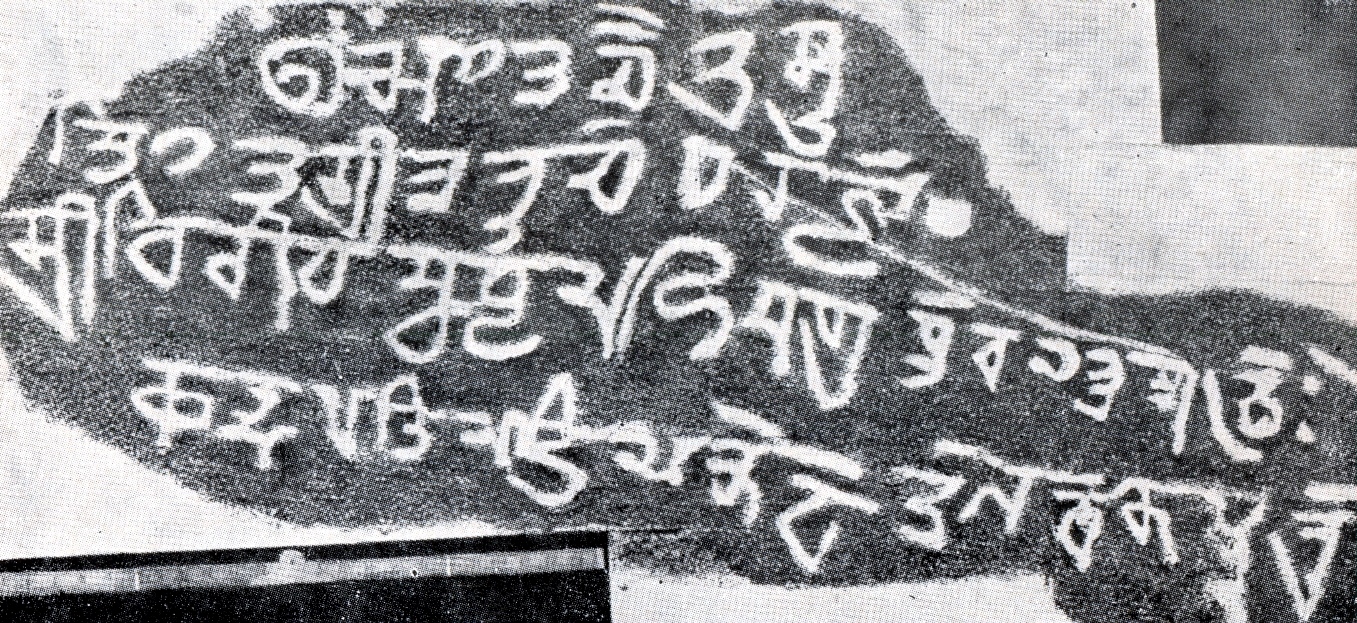
Cursive Script from Kishtwar

Shared by Man Mohan Munshi Ji.

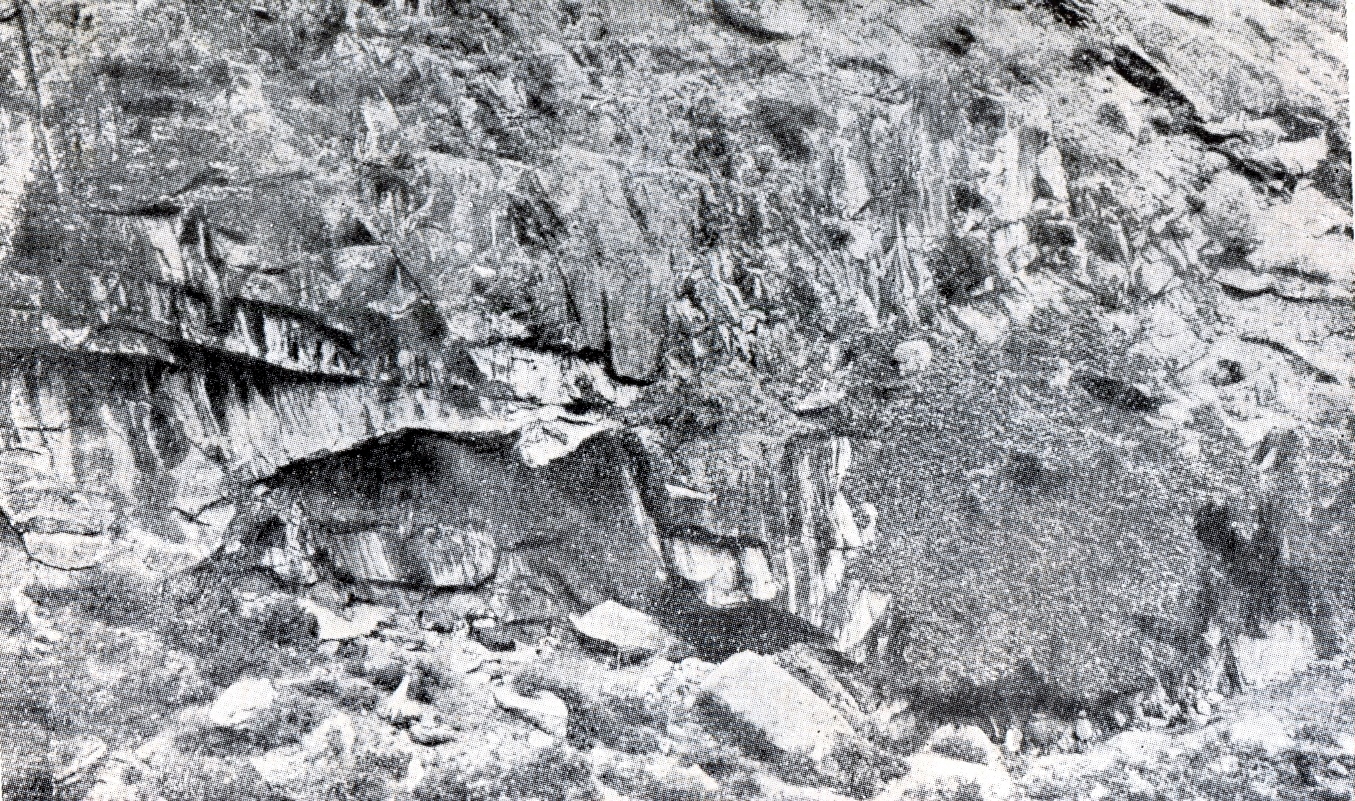
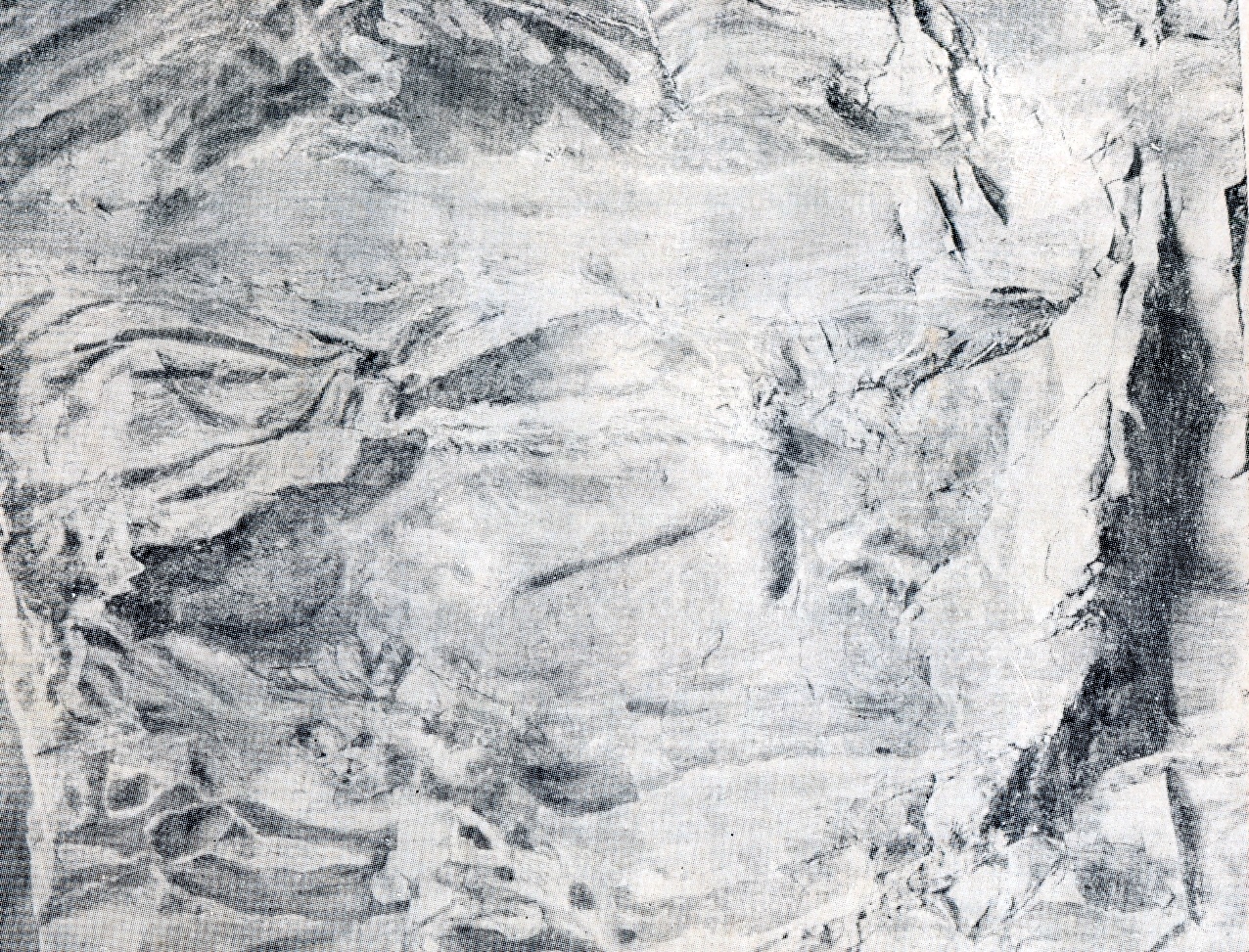
A natural cave at Bathastal in Kishtwar, J&K

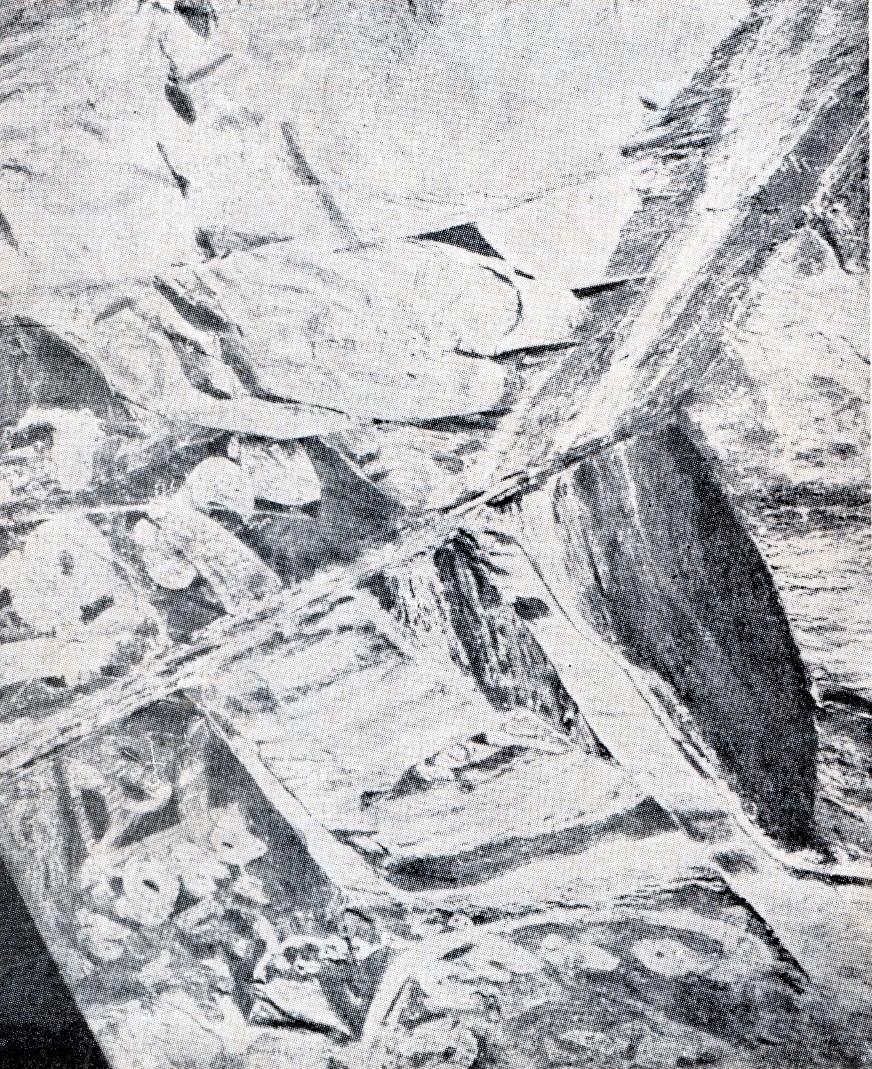
(above two) Cursive script on the ceiling of Bathastal  Cave

Medieval Sanskrit inscription at Dachan in Kishtwar J&K

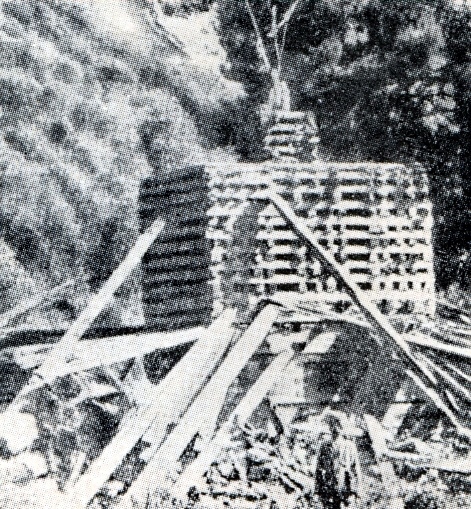
Distant and near views of Deodar  temple at Kaikut in Doda Dist. J&K

-0-

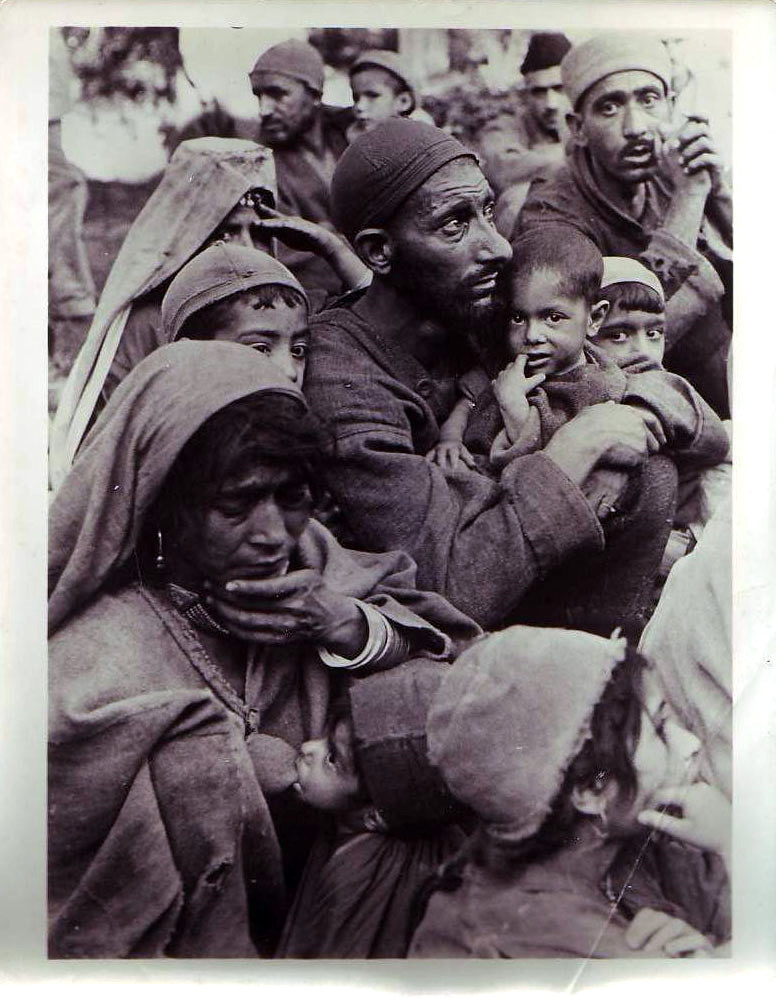
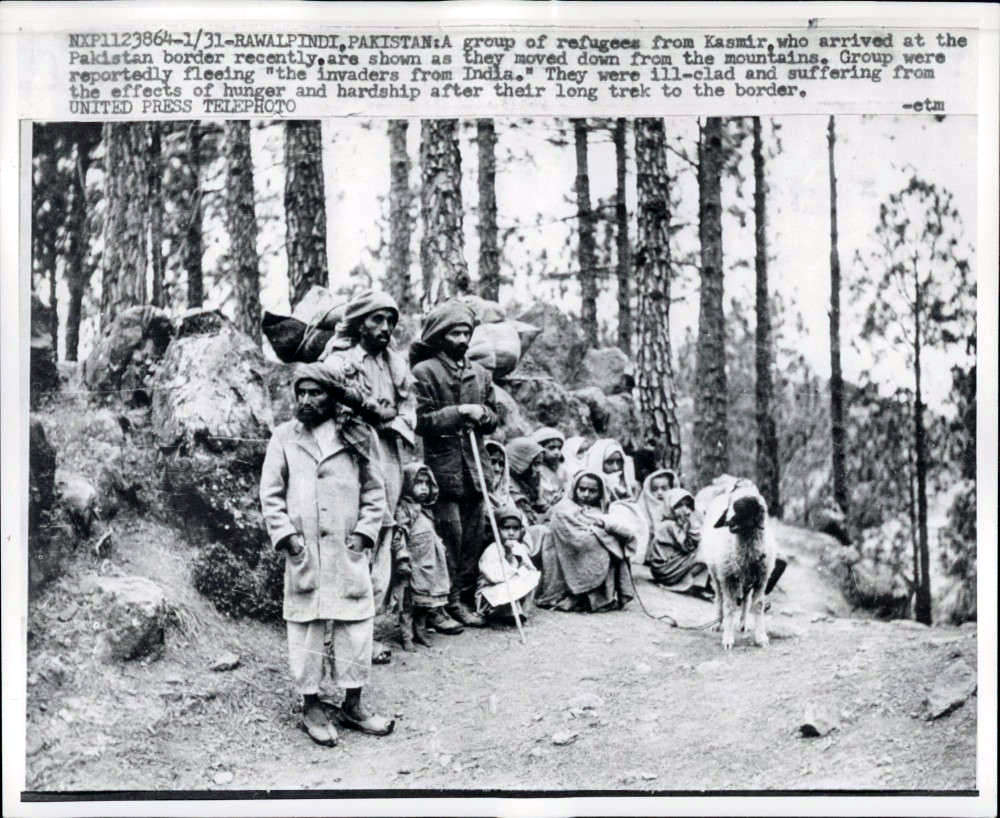
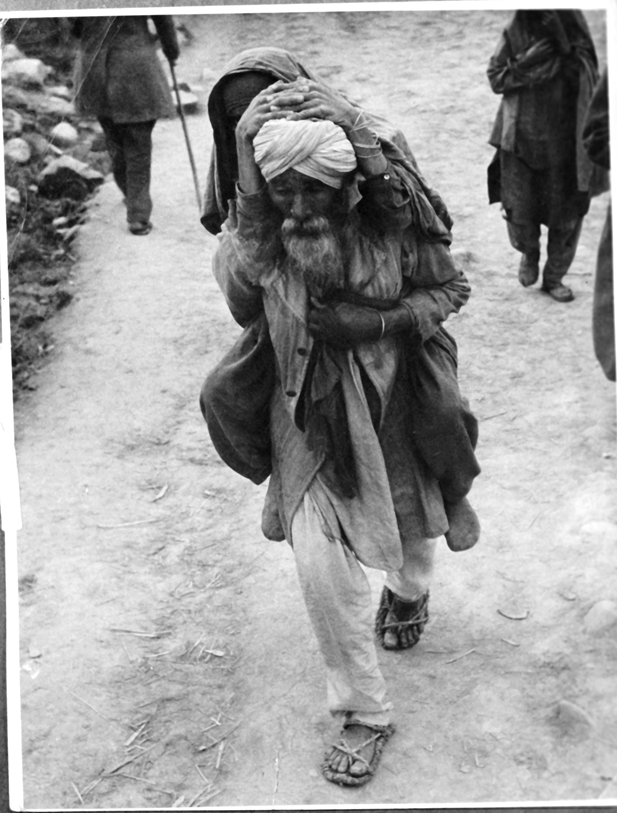
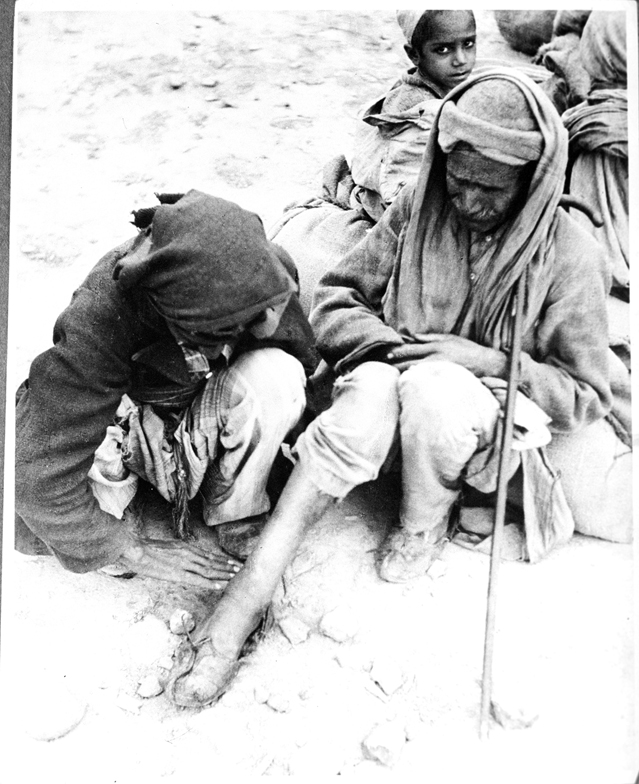
Kashmiri Refugees, 1947-48

 A news bureau photograph of Kashmiri refugees who had been driven from their homes by the turmoil of 1947.

A group of refugees from Kashmir, who arrived at the Pakistan border recently are shown as they moved down from the mountains. Group were reportedly fleeing “the invaders from India.” They were ill-clad and suffering from the effects of hunger and hardship after their long trek to the order.

via: Columbia.edu
-0-

People who became refugees on this side of order. Stories of Dakotas and people carrying mothers on back were to become part of local folkfore.

“Air-evacuation of thousands of refugees to welfare centre was among the numerous tasks which the Transport-squadron of RIAF successfully carried cut during Kashmir Operations in 1948. An aged refugee couple from Poonch area, their sons killed and daughters abducted by the raiders, on their way on an airstrip in a forward area for air evacuation by an RIAF Dakota to a refugee welfare centre.” – April 1948. (Photodivison India)

    Air-evacuation of thousands of refugees to welfare centre was among the numerous tasks which the Transport-squadron of RIAF successfully carried cut during Kashmir Operations in 1948. A refugee family from Poonch area.
– April 1948. (Photodivison India)
-0-

Vigil

May 11, 2011

Somehow it didn’t come as a surprise. It made sense, in a way. Yet it felt strange. This eager assimilation. Jagrata a day before Mendiraat ceremony! Jagarata may well be a common social event for most North Indian Hindus but I guess for Kashmiri Pandits it is a new way of expressing old religiosity. Cousins weren’t very excited about it, even a bit disappointed.’We have seen enough Jagarata in Delhi. We came for a Kashmiri Mehendi Raat.’

The event was hosted by most political Uncle of mine, ‘Stupid-Liberals-Glory-Be-Our-Culture’ kind, a kind now assumed to be quite common among Kashmiri people. Back in Kashmir, this Uncle of mine was thick with guys who went on to be the local representatives of JKLF. Thickness of this relationship can be measured by the fact that he even went for business partnership with some of them. He and these guys bought a Gypsy together which they would lent out to anyone in need. It must have been a profitable venture as this partnership didn’t last very long. After his partners short-changed him, relations turned so sour that his old mother had to intervene and get back his investment amount from these guys. Kashmiri Pandits and Kashmiri Muslims, it seems interacted based some unwritten principle of chivalry or bonhomie or whatever it may be called Kashmiriyat, Sanjha Chulha…whatever. ‘Why else would they have paid back the money at all? They could have turned the woman away! They could have taken over property without having to pay a single paisa.’

But by the end of 80s, principles were put to real test and people failed.

‘He had applied for Police service some years earlier. Made it to the training. It didn’t work out. His nose had a bleeding problem. It wasn’t meant for him.’

‘Is that why his name figured in that local Hitlist? Or was it because of his interest in politics, because of his writings or because of the kind of friends he always managed to find?’

‘Who knows? But he was on that bus out of Kashmir with your Veena bua when… ‘

‘The bus met with an accident near Khooni Nala and his front teeth got chipped. I know the story. Badi Mummy, back in Kashmir made Taher to thanks Gods. I know the story.’

After spending a decade in Bangalore where he took active part in community affairs, my Uncle came back to Jammu and was soon forging new friendships and reporting on Pandit affairs in Jammu for community magazines,

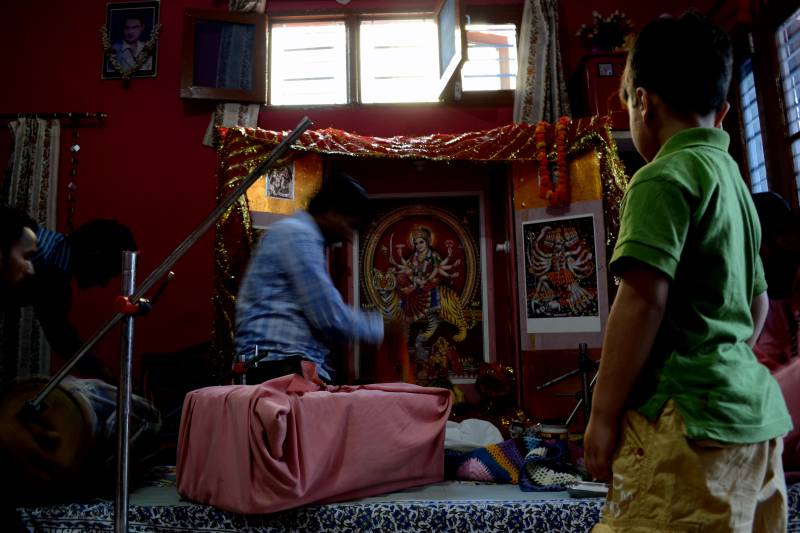
Musicians called for Mehandi Raat were the same Dogra musicians, the same Jagrata crew but this time center stage was held by a woman. For a while it was interesting to watch a Dogri woman shuffle between Kashmiri songs, Punjabi songs, Sufi songs and film songs, trying earnestly to get some kind of mojo going, but after sometime it became a drag, after all this is not what one expects from a Menzraat. The woman left just before mid-night but before leaving she apologized to the host’s old mother for her rendition of Kashmiri songs, ‘Mataji Mujhay Kashmiri nahi aati. Try kiya.’.

The old woman blessed her,’Ahee! Ahee! Bahut Acha Kiya!’

Later in the night, Bhabhi, my uncle’s old mother was on stage herself singing along with Sunny Bhaiya, a nephew of my uncle. Sunny Bhaiya sang a crowd favorite Kashmiri song about Jammu as Kashmiri Pandits first saw it. ‘Ye che Jem’ich Matador.Ye che Jem’ich Matador’ is a satire on Tata Matadors of Jammu, the common mode of transport in that city. Someone back in those dark found humor in crammed existence of community in Jammu. This ought to count for something. ‘Very humanizing, indeed.’

Next he sang a funny song about a woman who weighs in her options on the kind of guy she can marry, ‘Mummy’yay be Be Kyuthi Ghar’e Kariye’. Of course she rejects all kinds, some are fat, some are lazy, some are poor, some are lame…stuff like that…

‘He is a really great guy. Great job. Good nature. Decent. He could have easily married. Only his legs condition…’

I remember Sunny Bhaiya from our Panjtarthi days in monkey infested old Jammu city. We were putting up in the Durbar Hall of some Dewan’s Kothi. We divided up the hall into rooms and kitchen using bed-curtains. There were at least seven other Pandit families living in other room of the ‘Palace’, but all sharing one latrine. We had space. Sunny Bhaiya’s family was living nearby. He was always full of life, never let his ‘leg condition’ dampen the spirit of something like Holi celebrations. He would come charging in, all painted red and green, ready to tear people’s clothing on Holi.

‘It’s surprising how these ill-tuned amplifiers are in fact capable of transmitting real music. He can really sing.’

Next he sang a song about Kashmiri Pandit’s and their loss of Chinar Shade, ‘Ase Chu Rovmut Boonyi Shejar’ or something like that. Everyone, old, was singing along, everyone was pensive.

‘That’s a Panun Kashmir anthem. Do you realize that?’

Next day, on the day of Baraat, I got into a light conversation with Sunny Bhaiya. I don’t know how it happened but soon we were discussing massacres.

‘It never happened. It’s all a Muslim lie. 20000 people. Is that possible? All propaganda.’

‘It did happen. It was terrible. People did die,’ intervened my Uncle’s Dogra neighbor who must have overheard our heated discussion.

‘Our family came from the other side of LOC that time around. There was in terrible bloodshed in 1947. Who do you think ran Kashmir back then ? Take a guess. It was Dogras. We lost a lot. We were rich…’

And then he went into glorious past. I was back to wondering how in popular memory of India the golden question was ‘How come Kashmir was peaceful in 1947 when the whole country was burning?’ I guess Gandhi is partly to blame for this simple assumption, after all he did ask rest of the India to take lessons of brotherhood from Kashmir. And now no one cares about testaments of people who back in 1947 were moving into what is today ‘Indian Held Kashmir’ from what is today ‘Pakistan Occupied Kashmir’. Our minds held and occupied by cosy inconsequential pneumatics of conflict

‘It’s all propaganda. Maybe something happened. But 20000. I know handle these lies.’

It turned out Sunny Bhaiya spends a lot of time online fighting Kashmir trolls. Think Rediff forums, comment section of newspapers and Youtube videos. I tried to explain to him how actually fighting an online troll essentially makes a troll out of you too.

‘I make my bread and butter based on my ability to understand behavior of  people online. Listen. I make social games. It’s a game you play. It’s a game you don’t want to play in real life. You are deadlocked in a game-play that doesn’t have any logical out in any case.’

‘You have grown up.’
‘You can really sing.’

On the day of reception, other guests arrived. There was head of one section of Panun Kashmir and there was poet-writer-father-of-a-writer exilee.

‘Come take a picture.’ I was called to take a group photograph. Through the viewfinder I saw more than a dozen people.

‘No everyone will come in the frame.’
‘Go back a little more. Everyone should come.’

My uncle was with his colleagues (or should that be ex-colleague) from Kashmir. These were his old Kashmiri Muslim friends from work. And I counted a couple of women too. It seem the entire department had come. It was an open invite and all of them had come to attend the wedding of my ‘Stupid-Liberals-Glory-Be-Our-Culture’ Uncle’s daughter, the youngest of my cousins, the last of them born in Kashmir.

Among this group, I was able to identify at least one face from my memory of Kashmir. He used to visit our house a lot to meet up with my Uncle. This was my ‘Stupid-Liberals-Glory-Be-Our-Culture’ Uncle’s best buddy from office.

In case of Kashmir, this inverted part of the world, I think it would be better if people start preaching what they actually practice.

‘Smile Please. Closer.Closer. Say Fakeer.’

-0-