
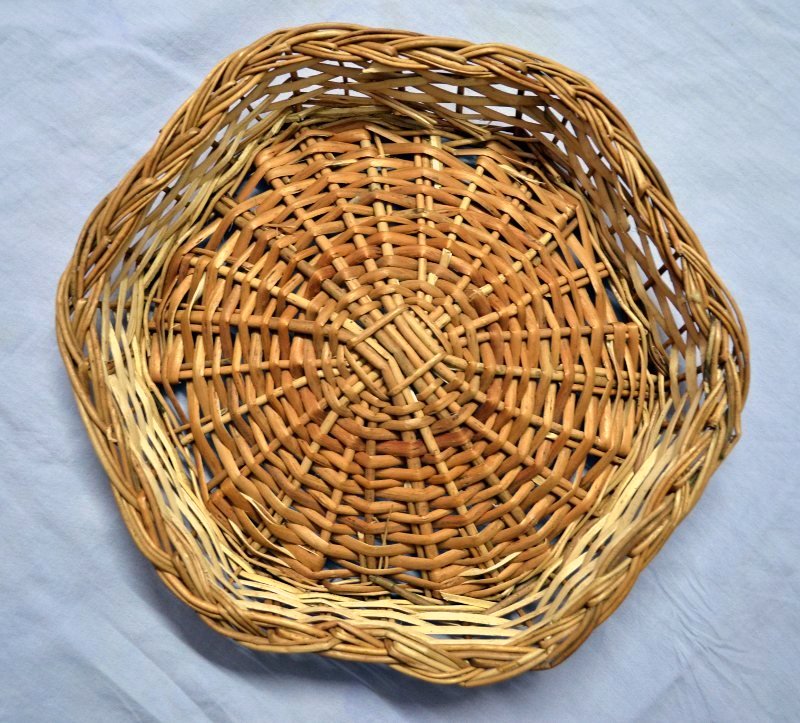
 |
| Dah Pohsun |
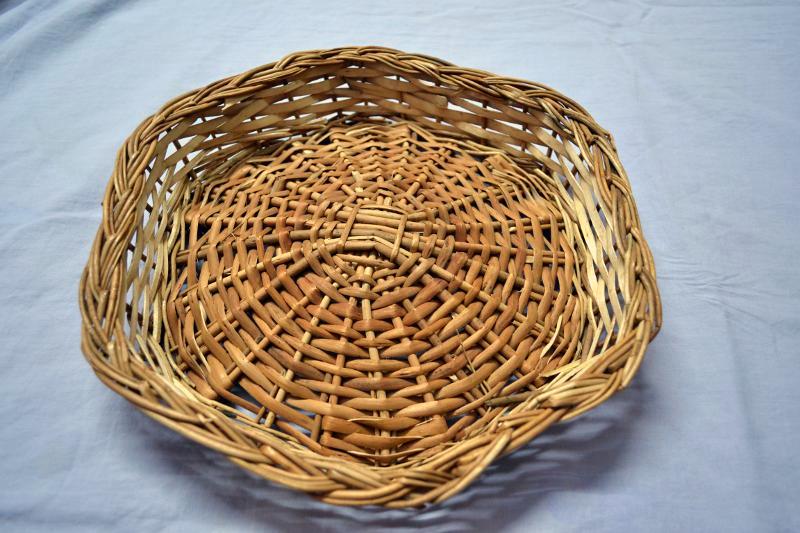 |
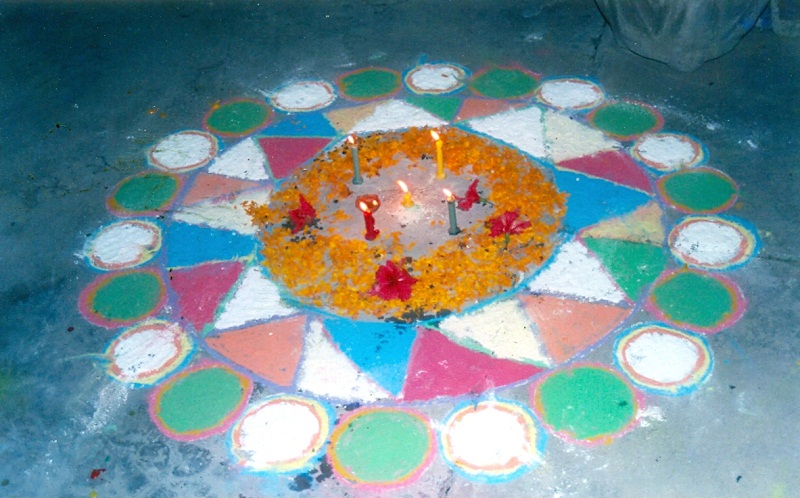
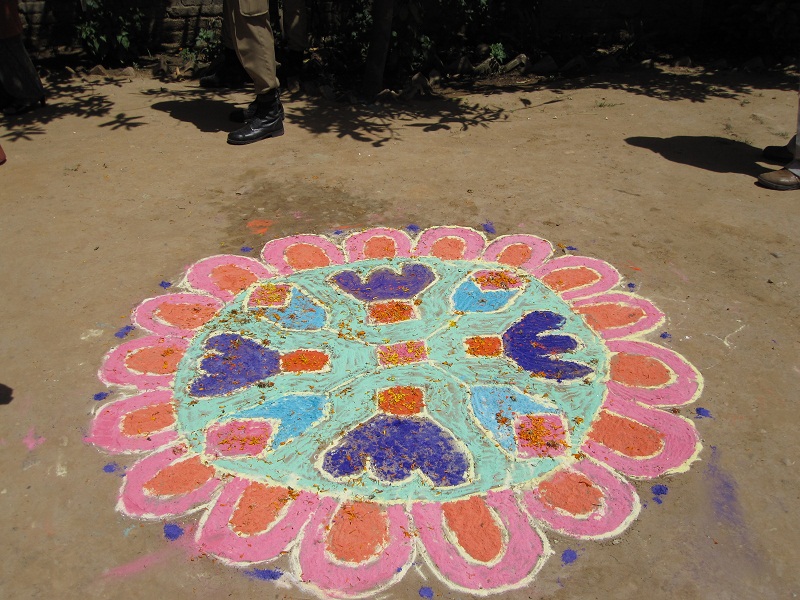
| so named because it resembles the design of Indian 10 Paisa Coin |
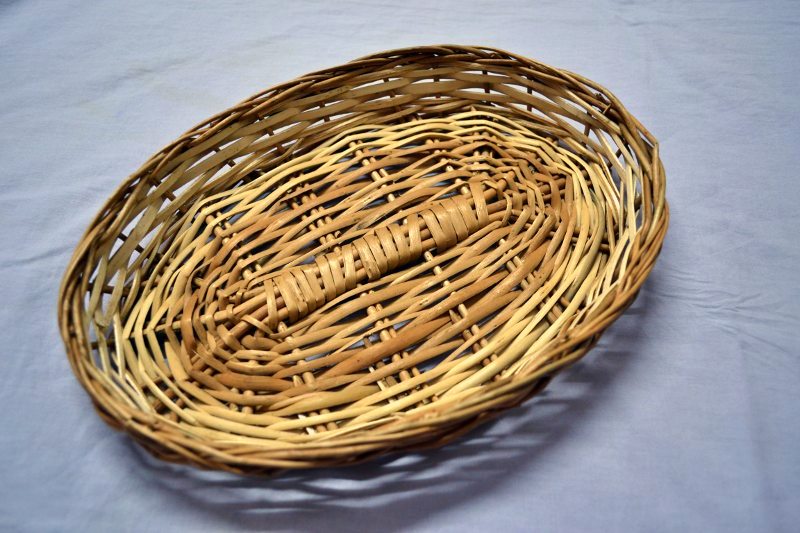
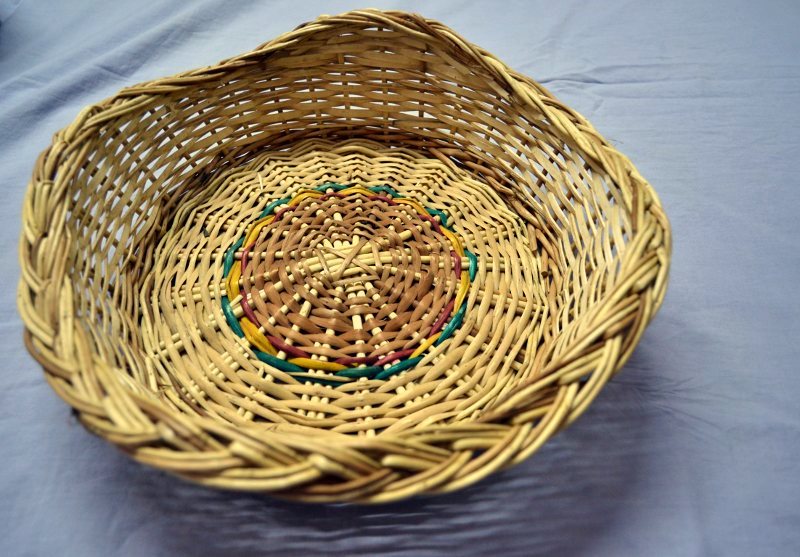 |
| po’nd |
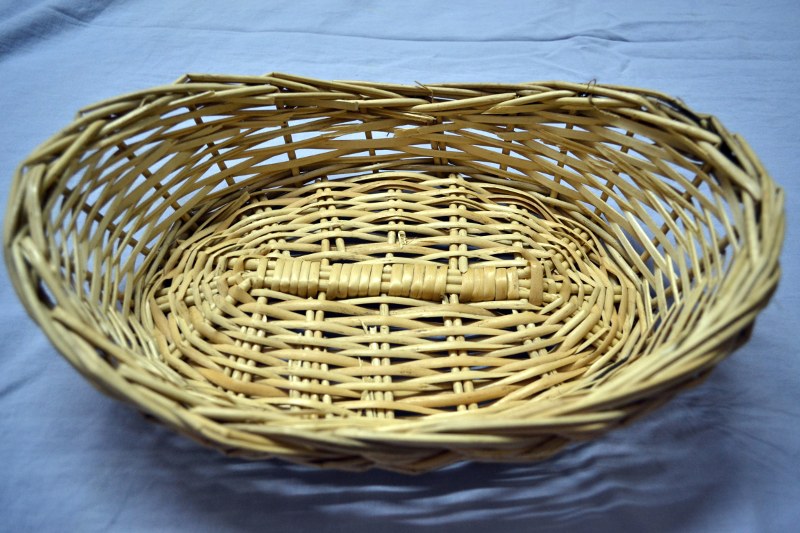 |
| naav |
-0-

in bits and pieces
|
| Dah Pohsun |
|
| so named because it resembles the design of Indian 10 Paisa Coin |
|
| po’nd |
|
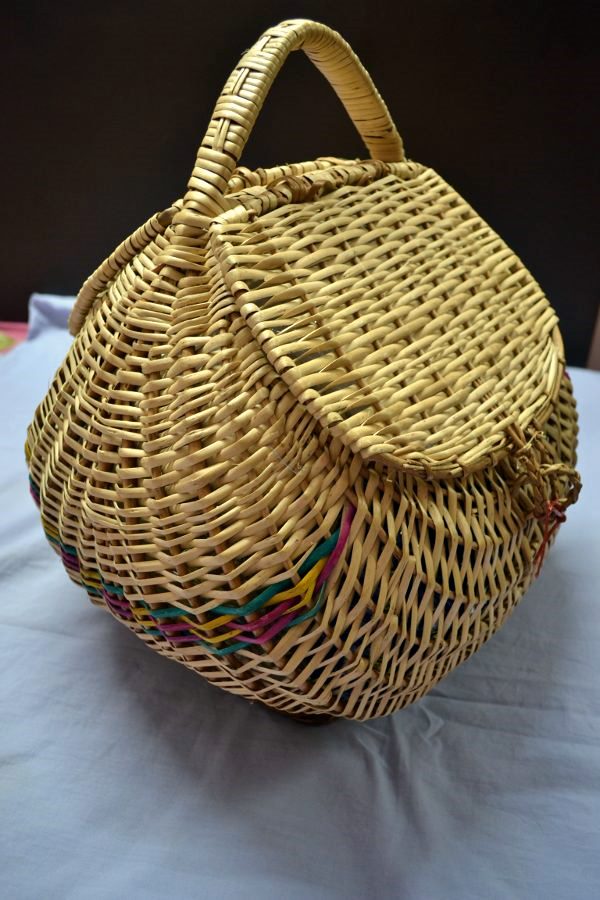
| naav |
-0-
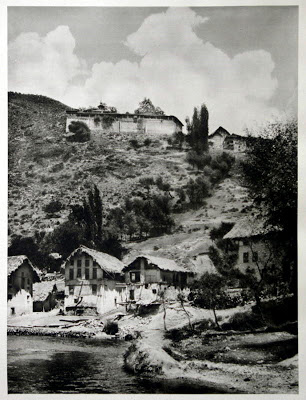
His honour did
wish, so, having got out a pipe and seated myself on a
rock, I listened with interest to the story of :
Zainudin-Walli of Pohar Pajjan
 |
| Aishmukam, 1927. Martin Hürlimann |
“Many, many years ago the Liddarwat was not
inhabited, being given over to the beasts of the forest
and djins and fairies. Gradually men moved up the
valley, clearing jungle, bringing water in little irrigation cuts from the river, and making little patches of
cultivation near the huts which they built. But beyond a certain point, no man could establish himself on
account of the enmity of numberless snakes, and that
djin who, in the form of a snake, was the king of them
all. Many had tried to build houses and settle there ;
but all had either died of snake bites, or had been
obliged to beat a retreat. At last there came to the country a very holy
Pir, named Zainudin-Walli, who, on seeing the stream,
the fertile valley, and the gently sloping hills, asked
why it was that no one lived in such a spot, where but
little labour might produce fine crops of rice and corn,
and where there was grazing for so many cattle. Then
the people told him of the djin, who, assuming the form
of a snake, lived in a cave on the side of the hill, and
how that this evil one and all the snakes who were his
subjects prevented them from settling and living there.
So the Pir, who in his sanctity feared nought, desired the people to show him the cave where the djin lived,
and with several men as guides, set out for the spot. When they came near to the cave, the men who
accompanied the saint pointed to the dwelling of the
djin, but would not themselves go near. But Zainudin-
Walli without hesitation entered the cave, and at once
perceived a large serpent, which raised its crest and
hissed at him with widespread hood. Nothing daunted,
the Pir, calling upon Allah and the prophet, cursed the
snake and turned him into stone. And thus he stands,
a figure of stone to this day, and on his broad hooded
head a lamp is kept burning in honour of the saint who
overcame him. When Zainudin-Walli had disposed of
this djin who was king of the snakes, he summoned
to him all the rest, and ordered that in future they
should bite no man unless he first attacked them and
tried to harm them. The news of the saint’s exploit, and the orders
which he had imposed upon the snakes, soon spread,
and men readily came up the valley and took up land
and built houses for themselves and their families.
Because of the beauty of the spot and the richness of
the soil, they called the place Aishmukam — ‘ the Home
of Luxury.’ Now it so happened that of all the snakes,
one, such as we call a Pohar, refused to obey the orders
of Zainudin-Walli, and continued to attack whomsoever
he met ; so the people of Aishmukam went to the Pir,
and reporting the matter to him, asked for his assistance again. At once the Pir went in search of the
rebellious Pohar, and having caught him, he put him into
one of those round baskets, which we folks call a Pajjan,
and carried him to the top of that high peak, where he
left him imprisoned in the Pajjan. Wherefore from that
day the name of the hill has been Pohar Pajjan, and
the snakes of the district, remembering the orders of Zainudin-Walli, never harm those who do no harm
to them.”
The story-teller had spoken with a simple reverence, as though he had perfect faith in the powers of his saint, and in the snakes remaining true to their treaty obligations; personally, though interested, I am afraid I still remained wanting in faith, and killed several snakes within the next few days, for there were plenty of them about. Nor did the fact, that a few days later three men of Boogmoor village were bitten by snakes when cutting grass, increase my trust in the efficaciousness of Zainu- din-Walli’s arrangement. But of course, as my shikari said, the foolish men must have lost their heads and attacked the snakes first !
-0-
Highly recommend this book for legends from Gilgit

 |
| Summer 2008 |
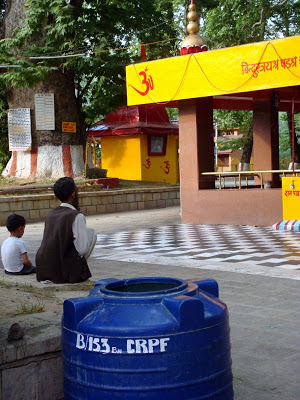
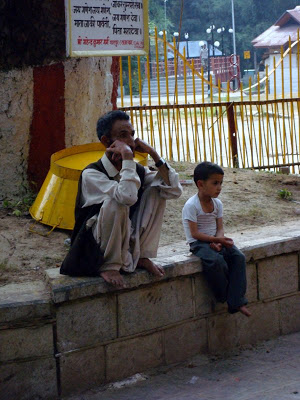
‘He takes care of everything here, everything except, of course, cleaning of the spring.’
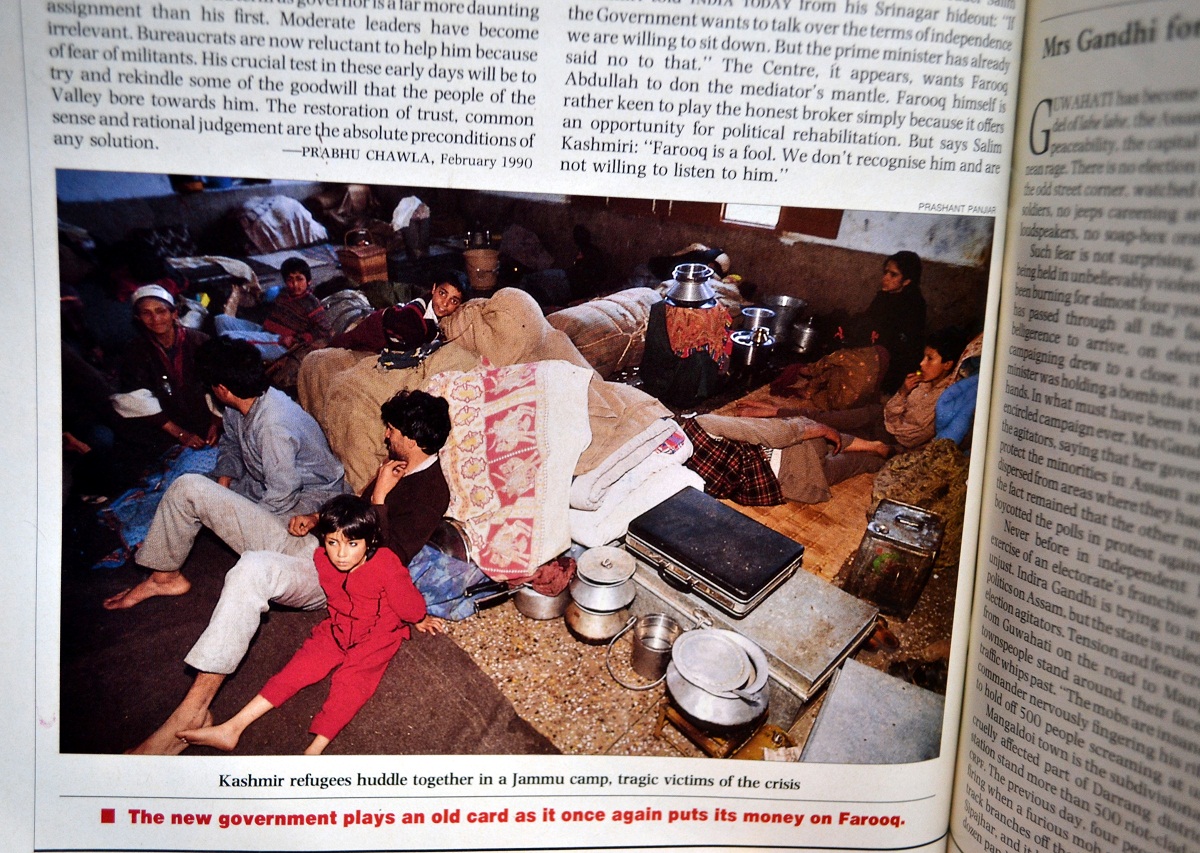

The Kashmir section of 15th Anniversary issue of India Today published in 1990 ends with a photograph shot by Prashant Panjair. It’s a Migrant camp. Other than the evocative footnote photograph, there is no mention of the migration in the reports that trace the origin and consequences of what must have been back then a disturbance. Maybe no one thought it possible, something like this almost never happens, certainly not to people who have possessions, migration must have seemed like a temporary situation, so these desolate people were referred as Refugees, people who may not need refuge anymore someday. Or that the situation threw some uncomfortable questions that were best ignored for greater good. So all we have is a photograph of a camp which in this case, from the looks of it, for the looks of its walls and floor, was probably the Dharamshala next to a temple whose courtyard in old city of Jammu seldom saw sunlight, the coolest camp which soon with the coming of monsoon proved to be the dampest. A place that now reminds me only of paracetamol and phenol, sleep and steel trunks, .
-0-
 |
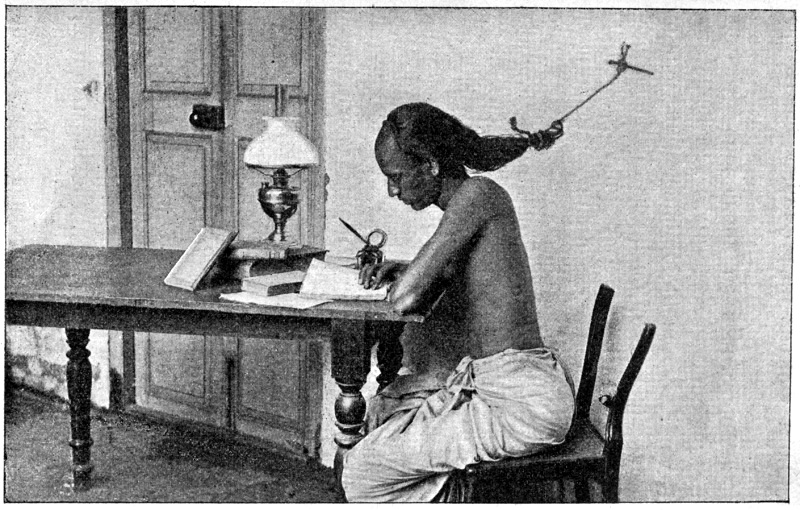
| Student of University of Madras. Preparations for exams (working hard, they tie hair to nail in wall to prevent falling into sleep) |
From V.M. Doroshevich’s 1905 book ‘East and War’ (Востокъ и война).
And I thought my father was kidding me when he used to suggest that I ought get a tsogh and then tie it to a nail, ‘like your ancestors’, to keep awake while trying to study at night.

-0-
A pair of moths circling the lamp
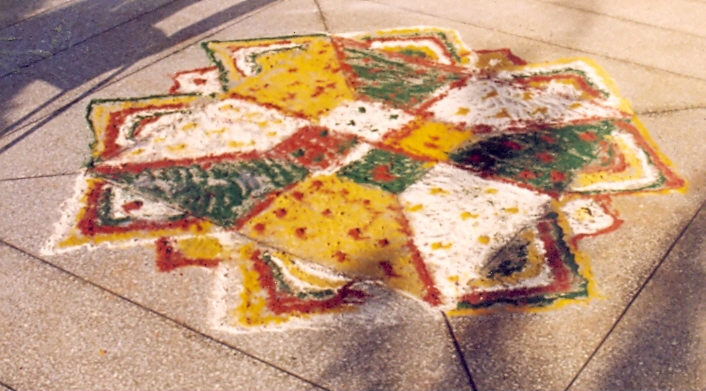
Bride and bridegroom on a ceremonial vyoog
Having mud-washed her kitchen clean, Tekabatini
Out of the window into tree-shade leaned
~ a few lines of Dina Nath Nadim translated as ‘Sugar Candy and Wormwood’ by GL Labru.
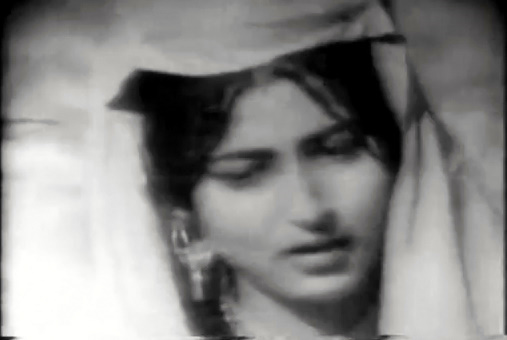

After Doordarshan Centre was established in Srinagar in 1972, a number of tele-films were made. These first few films were about things that all Kashmiris used to cherish, mytho-memories and words of their Habba Khatoons, Rasul Mirs and Badshahs. Among these tele-films Habba Khatoon by Basheer Badgami was probably the most popular and famous. The film had Reeta Razdan as heroine in the role of poet-queen of Kashmir and Ghani Khan as King Yusuf Chak. The songs were sung by Shamima Dev (who later went on to be Azad [previously]).
-0-
This much I know from ‘A History of Kashmiri Literature’ by Trilokinath Raina. But till recently I hadn’t see any of these films ( who knew a few of them were shown in Kashmir Film festival organised by Indira Gandhi National Centre for the Arts in 2009 [.pdf of Films Schedule]).
-0-
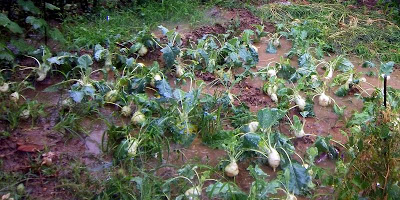
This morning [thanks to Mrinal Kaul] I came across the famous Habba Khatoon.
Uploaded to Youtube by 44x4x4x [who given his profile picture there, a painting called ‘A Beauty of the Valley’ by G. Hadenfeldt, found in ‘The Charm of Kashmir’ (1920) by V.C. Scott O’connor‘ , is probably already a reader of this blog or someone who somehow found a part of it. I big thanks to the uploader for sharing].

Epilogue
The beloved listens or not
I address him for it gives me relief
in proximity of saffron land
I own a vegetable shop
Hoping that a customer may
Flavour my vegetable with saffron
~ Zinda Kaul
From biography of the poet by A.N.Raina for ‘Makers of Indian Literature’ series.
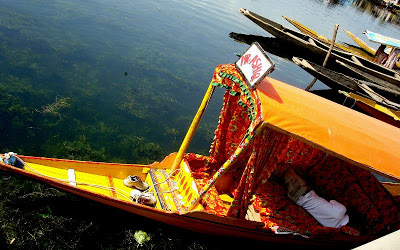

On the Dal lake
Can I confine the limitless with limits,
Does at all mercury offer its lap,
For a while of restful lull,
To easy loving pleasure-hunters,
For their luxurious enjoyment,
In houseboats and shikaras.
Does the fire of vanity and valour
Contain the fatigue of cowardice.
~ select lines from ‘The River’ by Abdul Ahad Azad.
Translation from biography of the poet by G.N. Gauhar for ‘Makers of Indian Literature’ series.
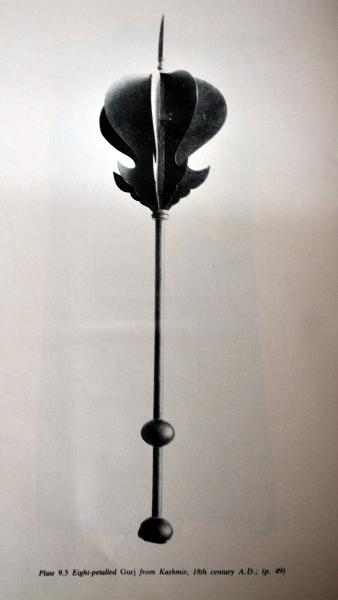

Gurj from Kashmir, 18th Century A.D.
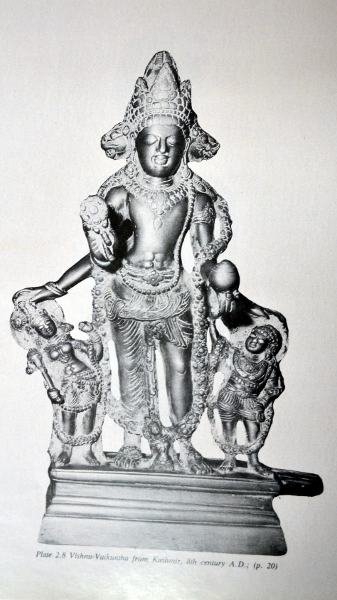
Vishnu Vaikuntha from Kashmir, 8th century A.D.
Came across these in Treasures of the National Museum by Dr. N.K. Banerjee (1992)
-0-
Previously:
Kashmiri Swords, Divine Bow and Arrows, Shalimar the Clown