The Legend of Aishmukam as told in ‘Sport & folklore in the Himalaya’ (1913) by H. L. Haughton.
His honour did
wish, so, having got out a pipe and seated myself on a
rock, I listened with interest to the story of :
Zainudin-Walli of Pohar Pajjan
 |
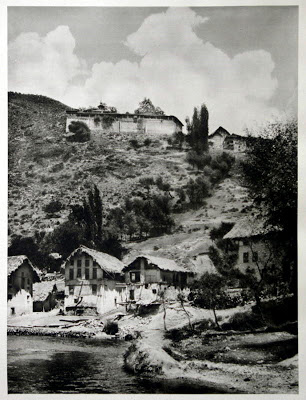
| Aishmukam, 1927. Martin Hürlimann |
“Many, many years ago the Liddarwat was not
inhabited, being given over to the beasts of the forest
and djins and fairies. Gradually men moved up the
valley, clearing jungle, bringing water in little irrigation cuts from the river, and making little patches of
cultivation near the huts which they built. But beyond a certain point, no man could establish himself on
account of the enmity of numberless snakes, and that
djin who, in the form of a snake, was the king of them
all. Many had tried to build houses and settle there ;
but all had either died of snake bites, or had been
obliged to beat a retreat. At last there came to the country a very holy
Pir, named Zainudin-Walli, who, on seeing the stream,
the fertile valley, and the gently sloping hills, asked
why it was that no one lived in such a spot, where but
little labour might produce fine crops of rice and corn,
and where there was grazing for so many cattle. Then
the people told him of the djin, who, assuming the form
of a snake, lived in a cave on the side of the hill, and
how that this evil one and all the snakes who were his
subjects prevented them from settling and living there.
So the Pir, who in his sanctity feared nought, desired the people to show him the cave where the djin lived,
and with several men as guides, set out for the spot. When they came near to the cave, the men who
accompanied the saint pointed to the dwelling of the
djin, but would not themselves go near. But Zainudin-
Walli without hesitation entered the cave, and at once
perceived a large serpent, which raised its crest and
hissed at him with widespread hood. Nothing daunted,
the Pir, calling upon Allah and the prophet, cursed the
snake and turned him into stone. And thus he stands,
a figure of stone to this day, and on his broad hooded
head a lamp is kept burning in honour of the saint who
overcame him. When Zainudin-Walli had disposed of
this djin who was king of the snakes, he summoned
to him all the rest, and ordered that in future they
should bite no man unless he first attacked them and
tried to harm them. The news of the saint’s exploit, and the orders
which he had imposed upon the snakes, soon spread,
and men readily came up the valley and took up land
and built houses for themselves and their families.
Because of the beauty of the spot and the richness of
the soil, they called the place Aishmukam — ‘ the Home
of Luxury.’ Now it so happened that of all the snakes,
one, such as we call a Pohar, refused to obey the orders
of Zainudin-Walli, and continued to attack whomsoever
he met ; so the people of Aishmukam went to the Pir,
and reporting the matter to him, asked for his assistance again. At once the Pir went in search of the
rebellious Pohar, and having caught him, he put him into
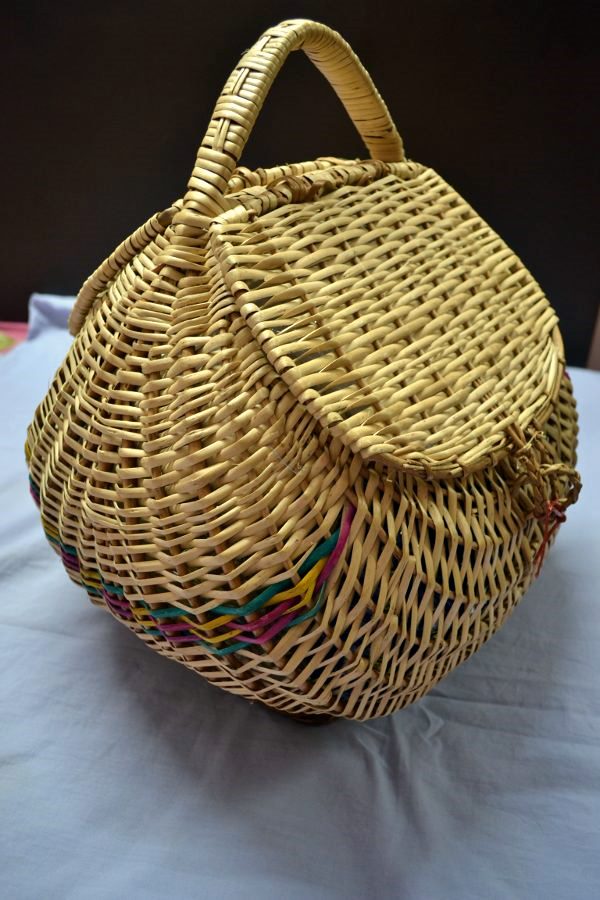
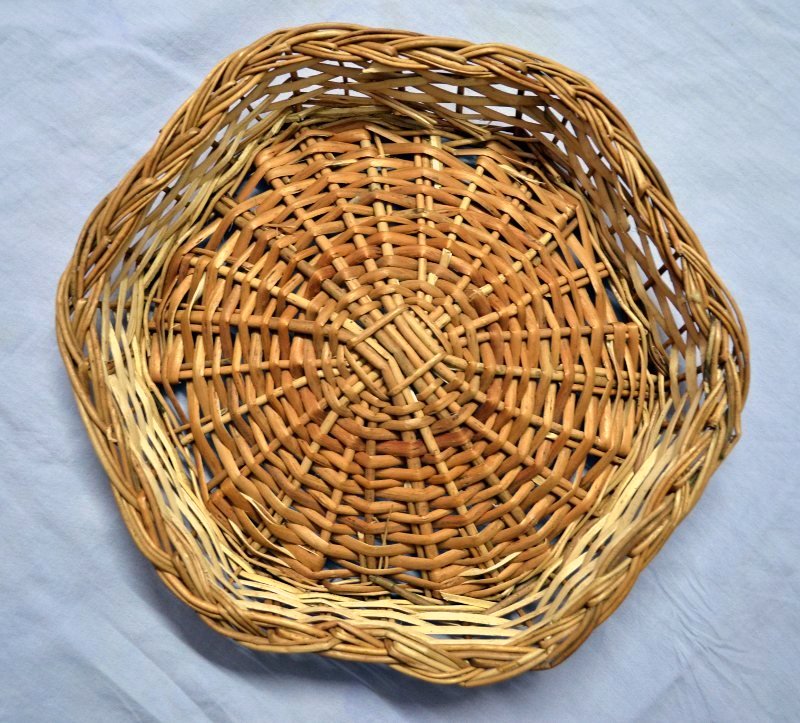
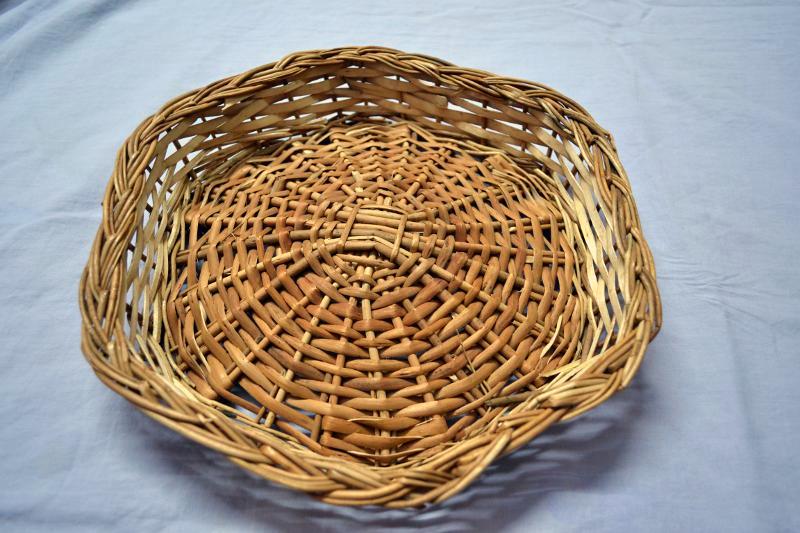
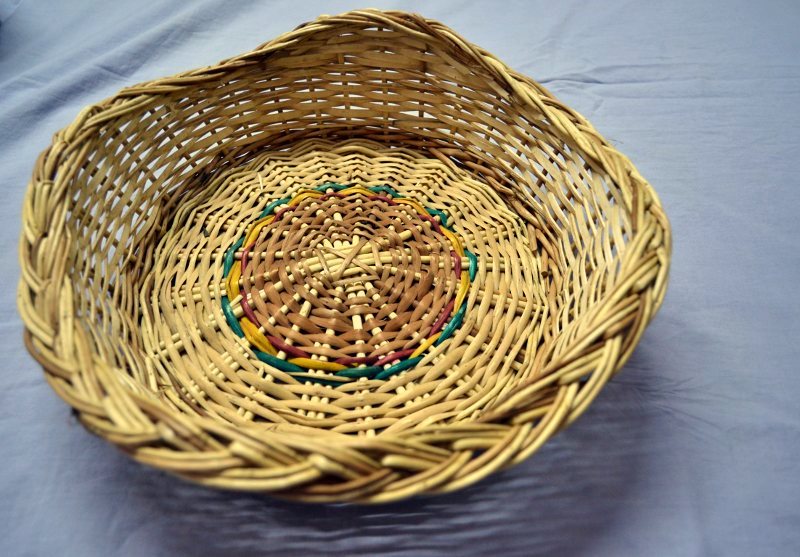
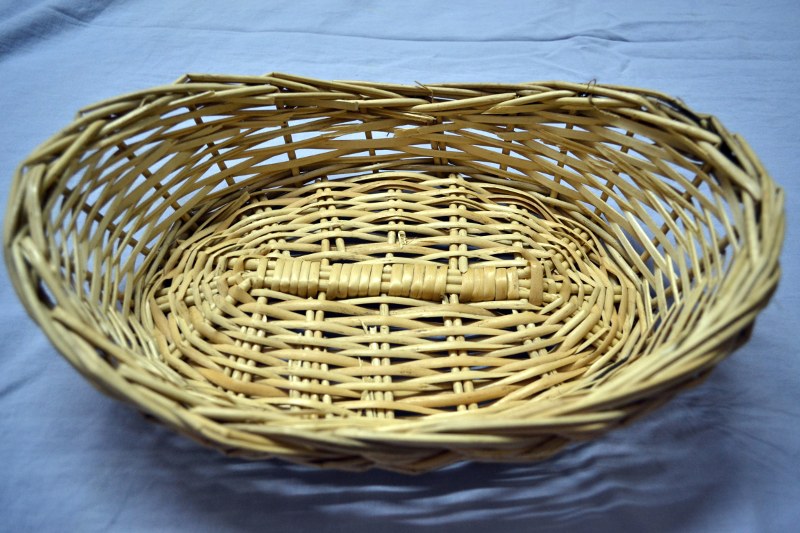
one of those round baskets, which we folks call a Pajjan,
and carried him to the top of that high peak, where he
left him imprisoned in the Pajjan. Wherefore from that
day the name of the hill has been Pohar Pajjan, and
the snakes of the district, remembering the orders of Zainudin-Walli, never harm those who do no harm
to them.”
The story-teller had spoken with a simple reverence, as though he had perfect faith in the powers of his saint, and in the snakes remaining true to their treaty obligations; personally, though interested, I am afraid I still remained wanting in faith, and killed several snakes within the next few days, for there were plenty of them about. Nor did the fact, that a few days later three men of Boogmoor village were bitten by snakes when cutting grass, increase my trust in the efficaciousness of Zainu- din-Walli’s arrangement. But of course, as my shikari said, the foolish men must have lost their heads and attacked the snakes first !
-0-
Highly recommend this book for legends from Gilgit