Vintage Ladakh

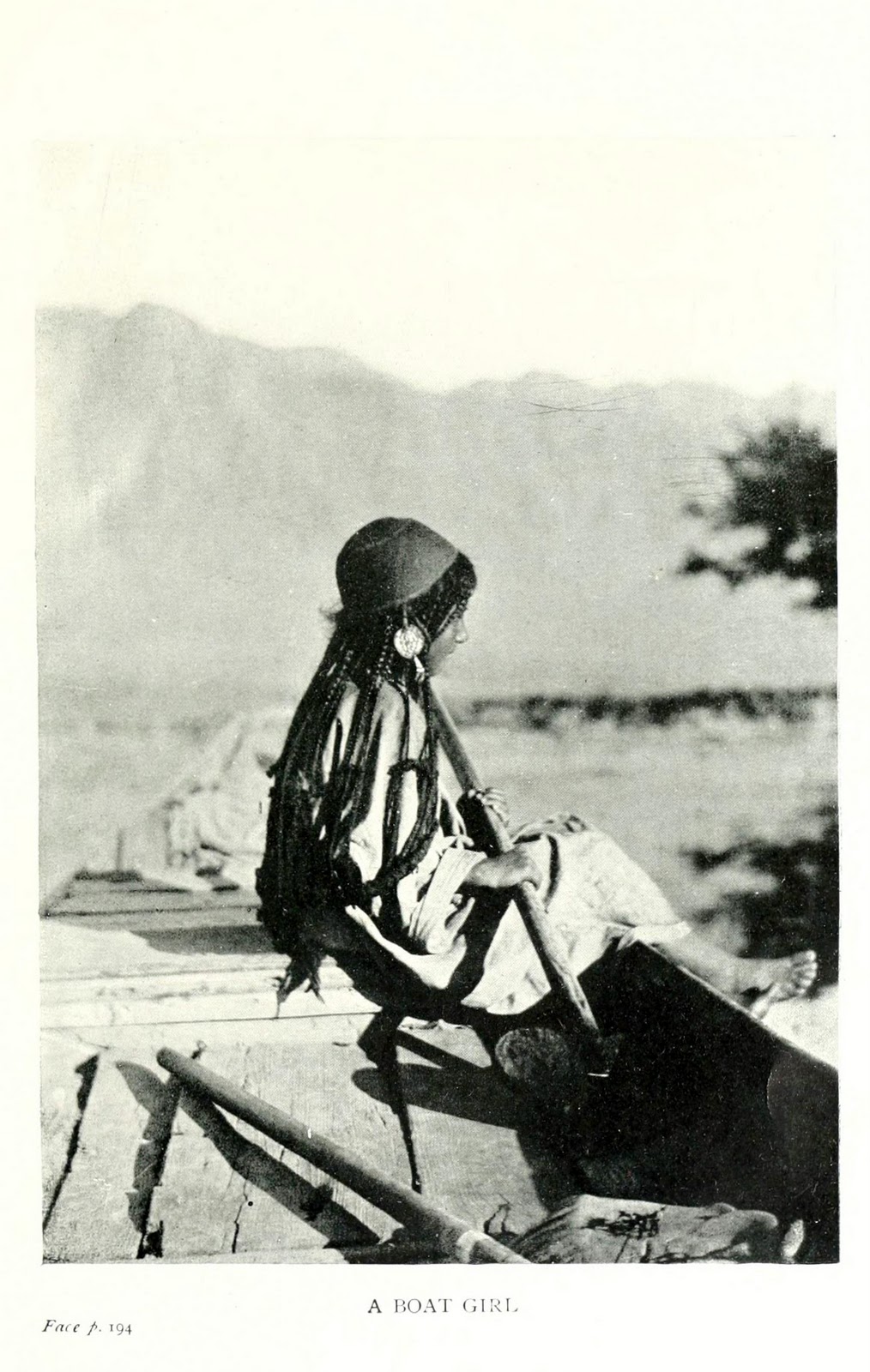
Photographs of Ladakh region from ‘Beyond the Pir Panjal life and missionary enterprise in Kashmir’ by Ernest F. Neve (1914, first published in 1912).


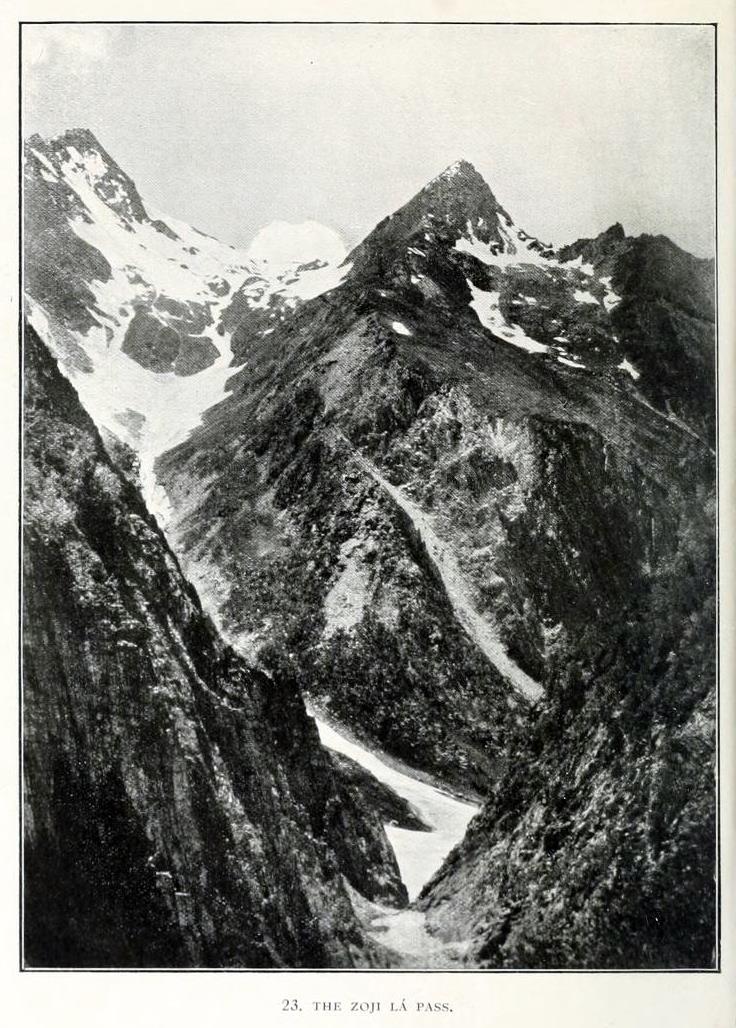
Zoji La Pass

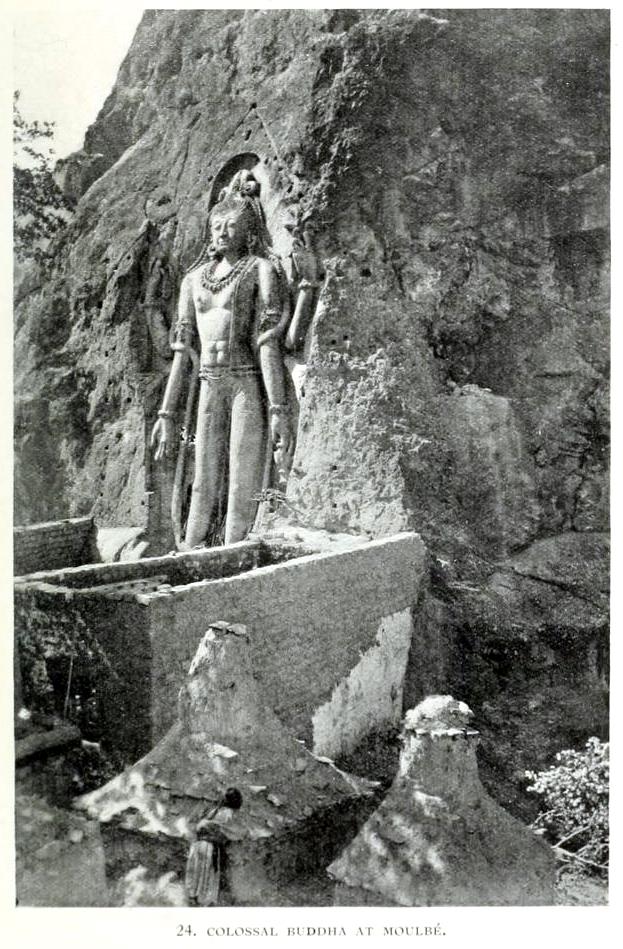
Moulbe Buddha

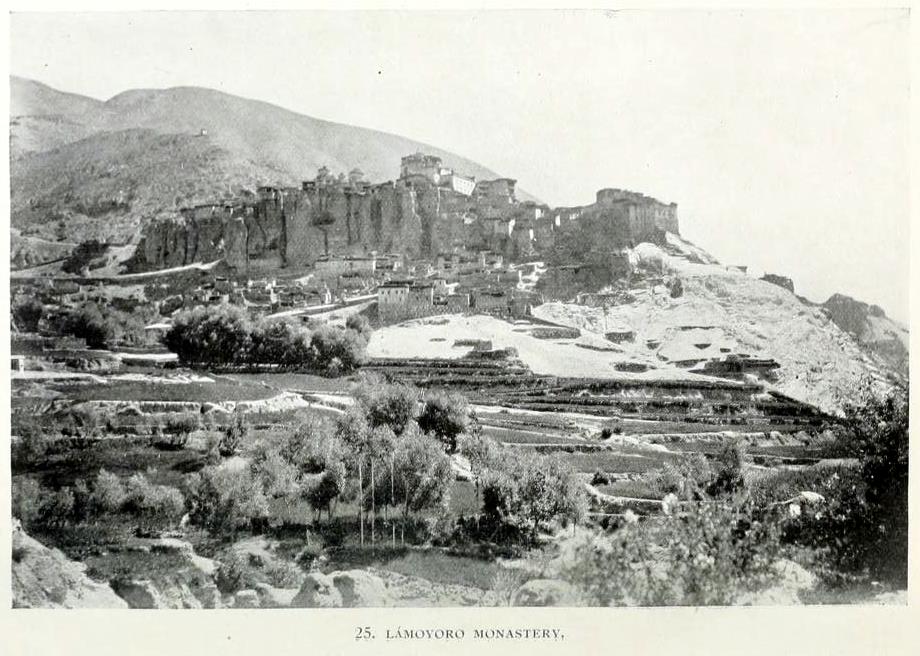
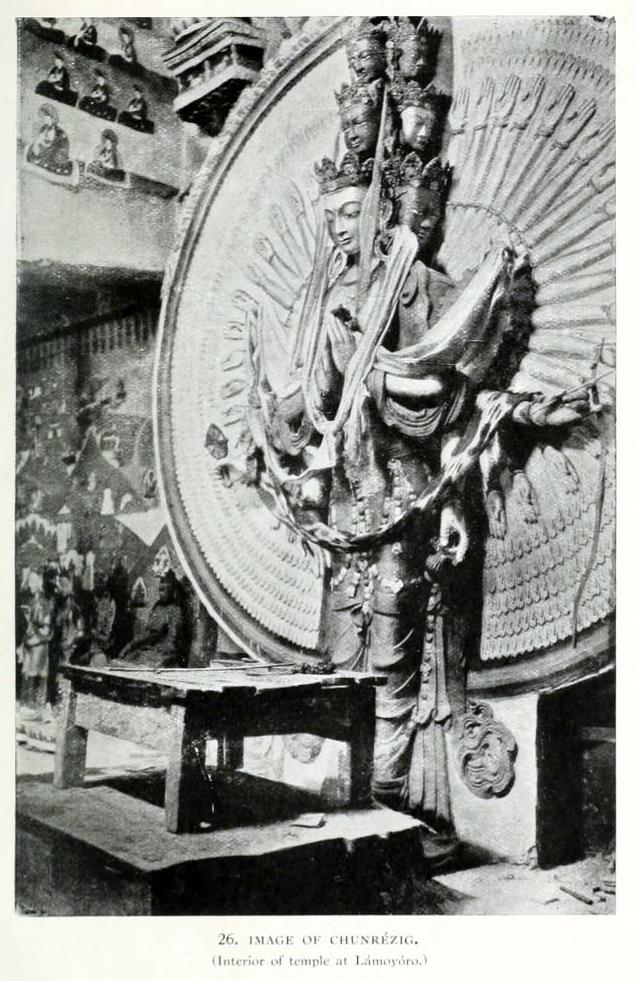
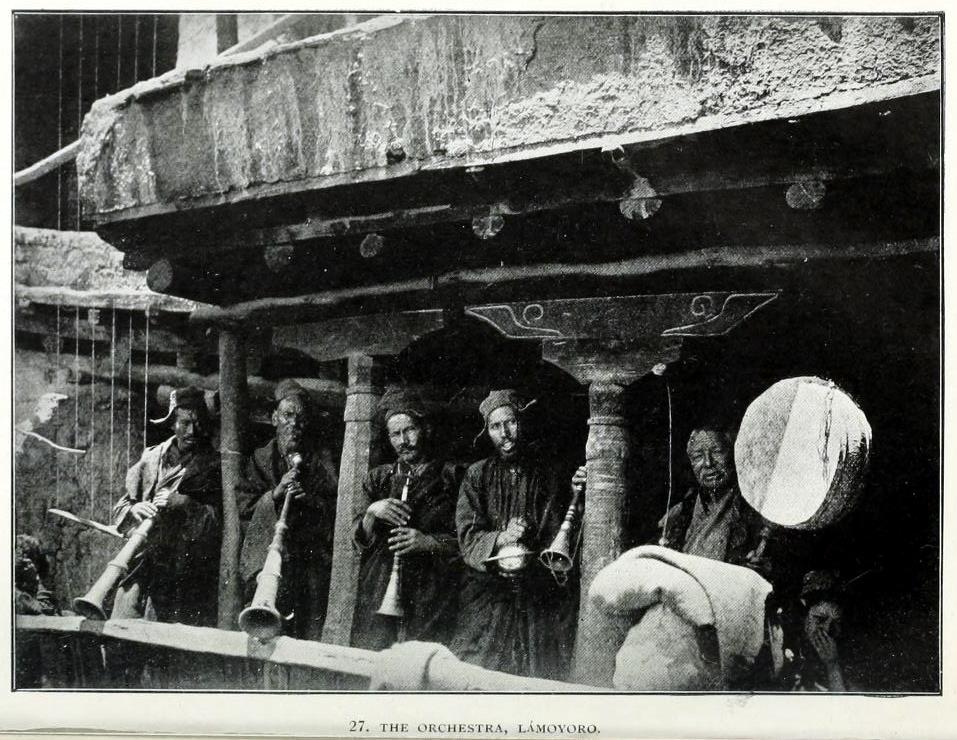
Lamoyora Monastery

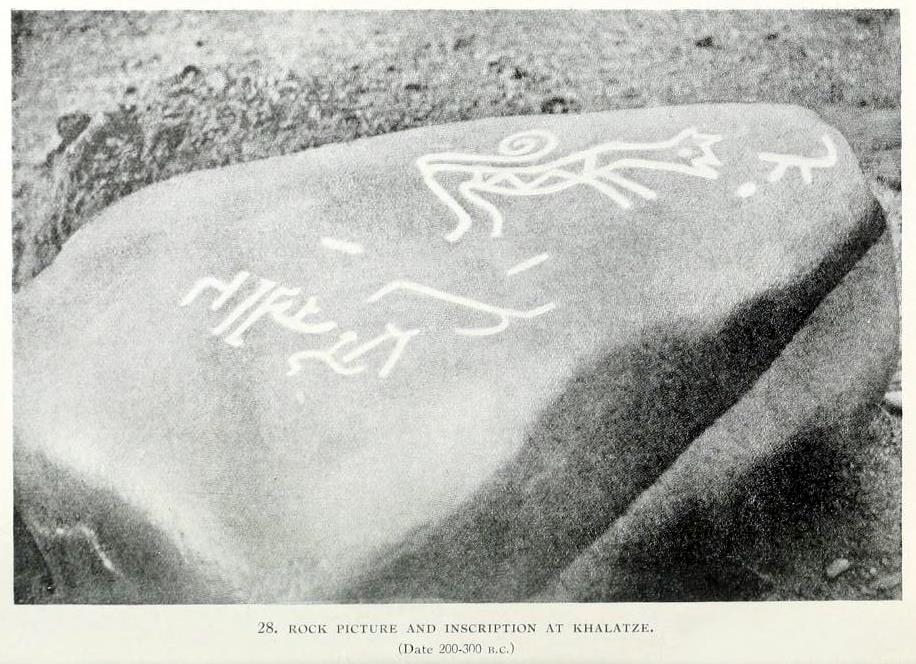
Rock art Khalatze dated 200-300 B.C.

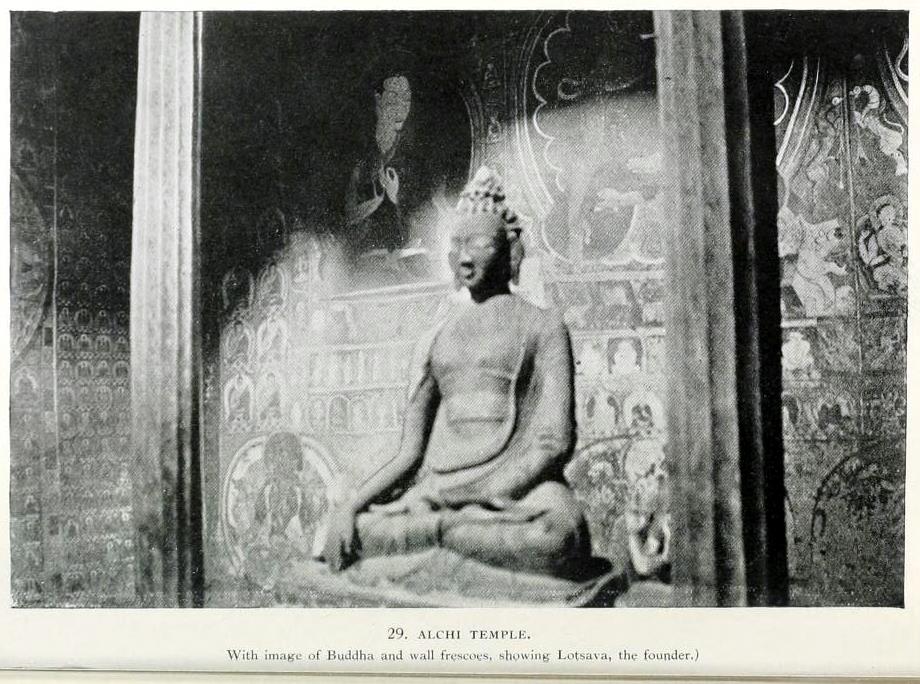
Alchi Temple

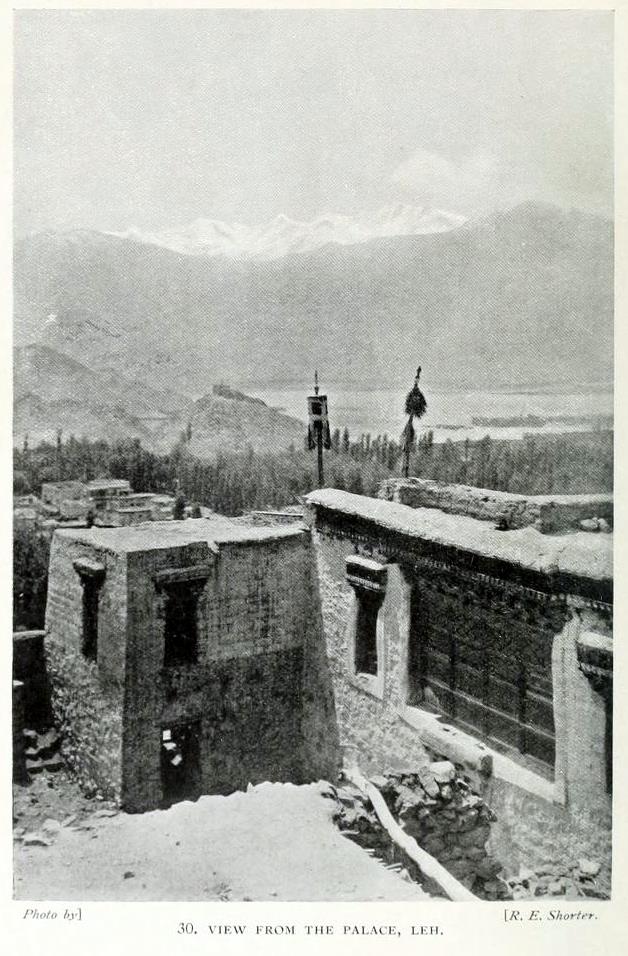
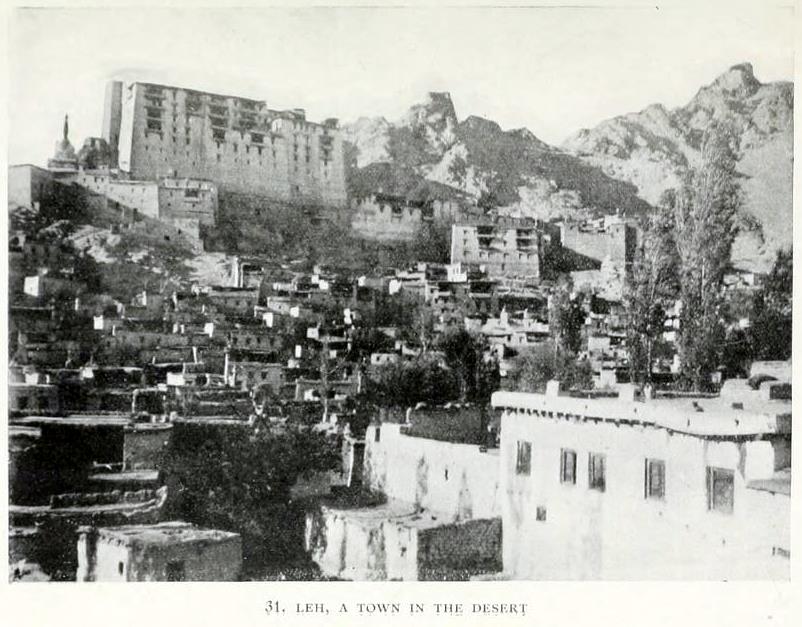
Leh Palace view

Town view of Leh

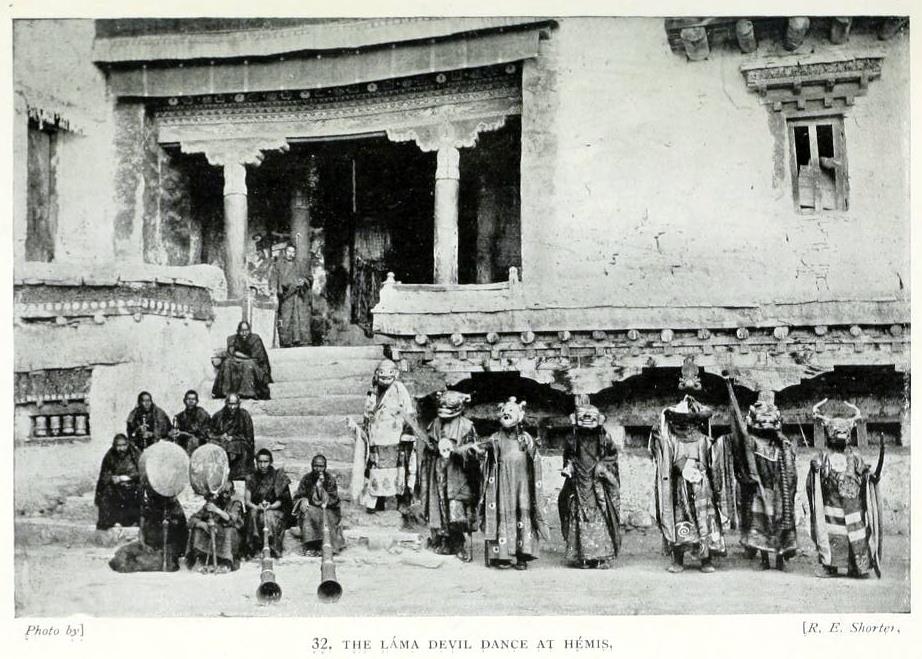
The Dance


-0-


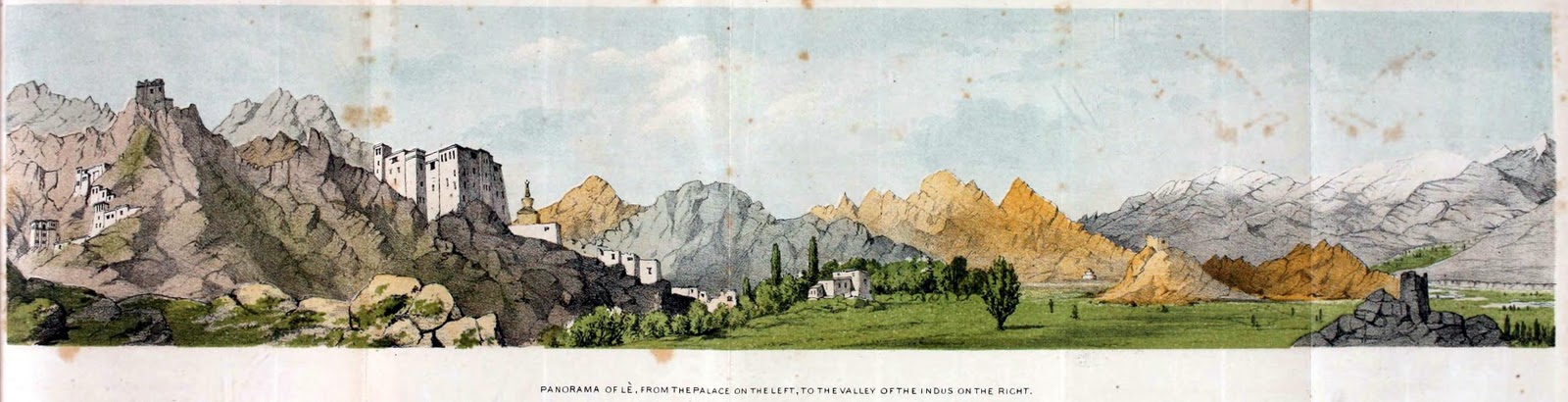
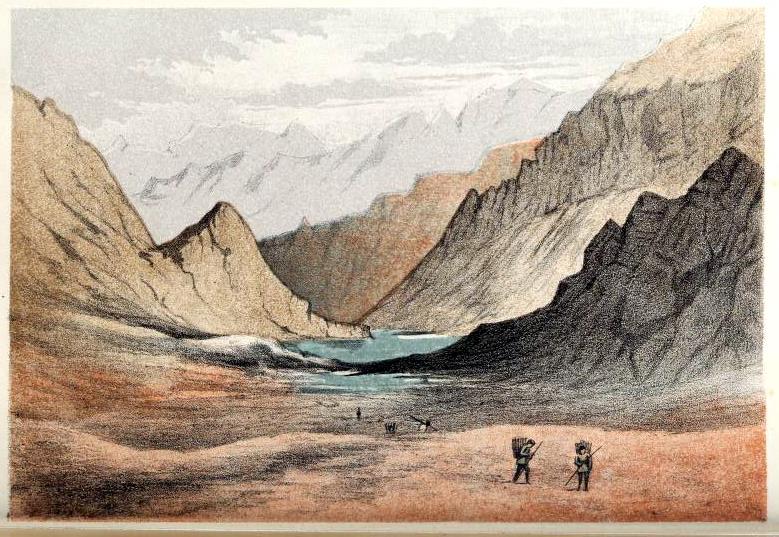
A paintings of Leh from ‘Travels in Ladâk, Tartary, and Kashmir’ (1862) by Henry D’Oyley

Panorama Leh
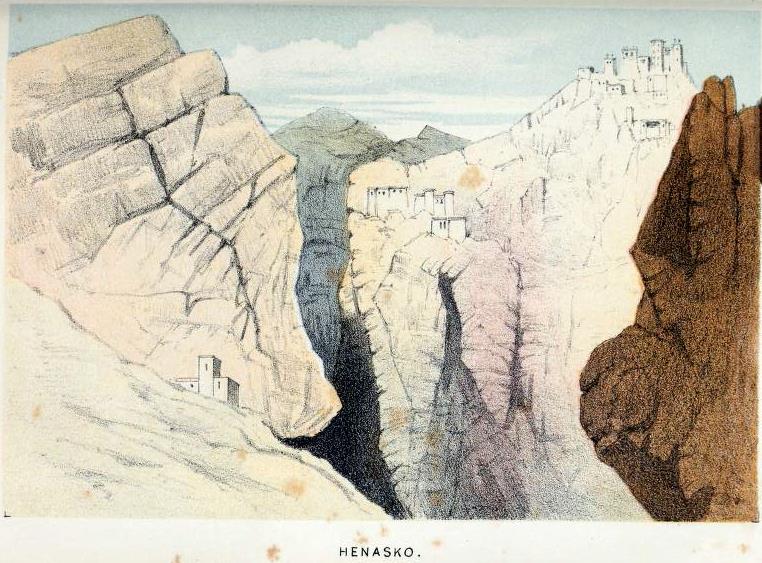
Village of Hensko near Photo La Pass (thirteen thousand feet)
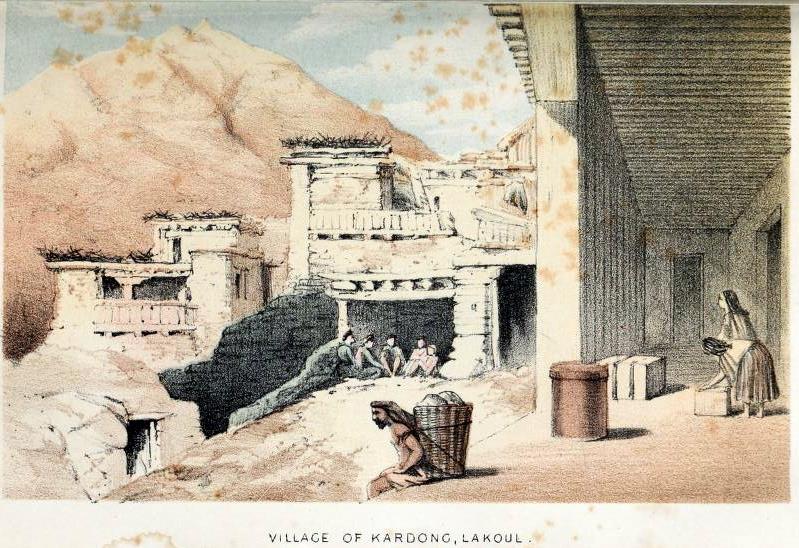
Village of Kardong, Lakoul 
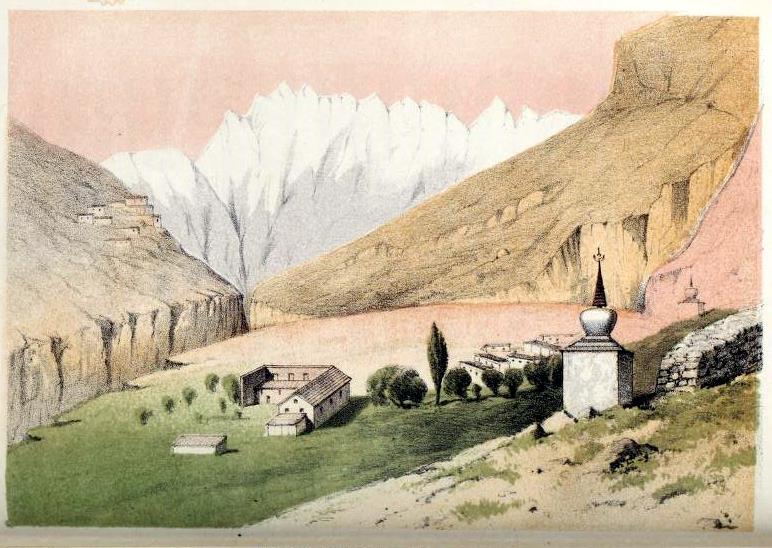
Moravion Mission House, Kardong

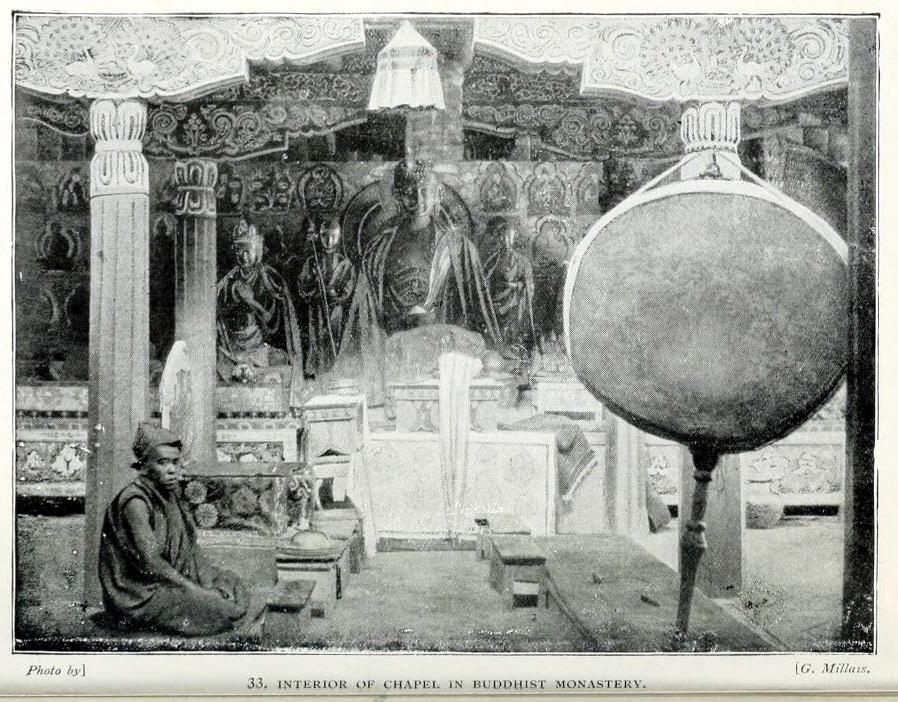
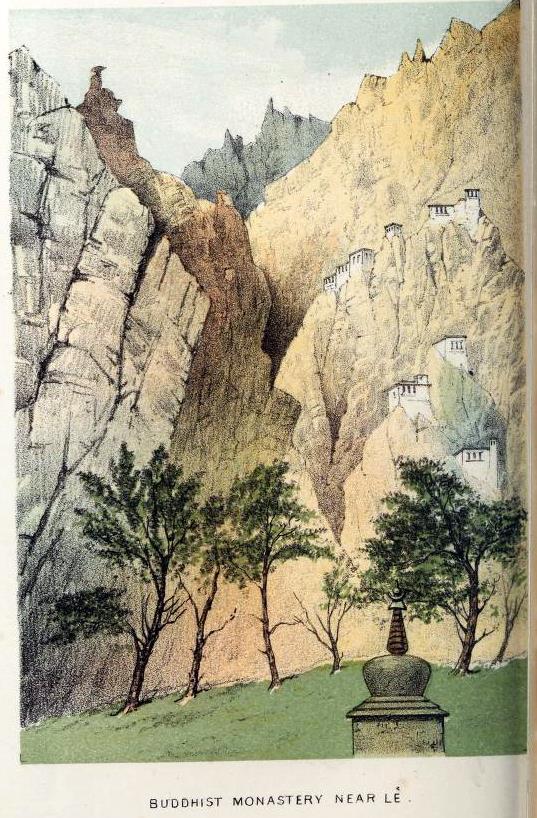
Buddhist Monastery Near Leh

j

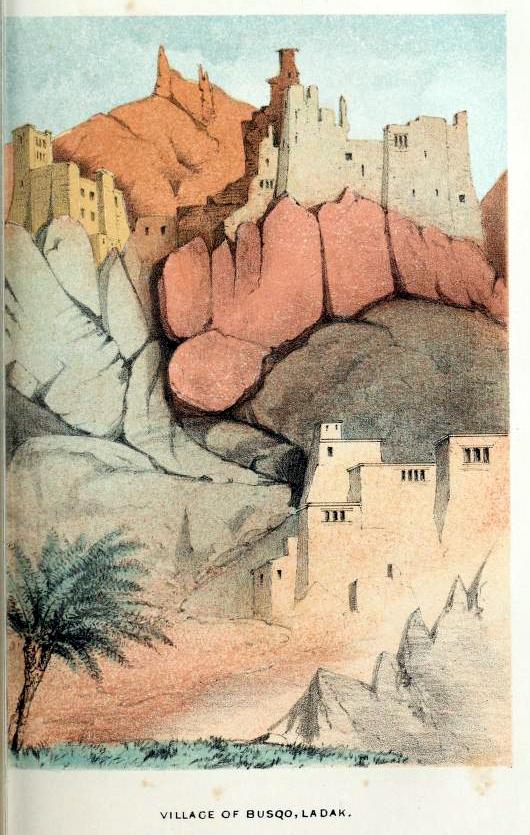
Busqo village Ladakh

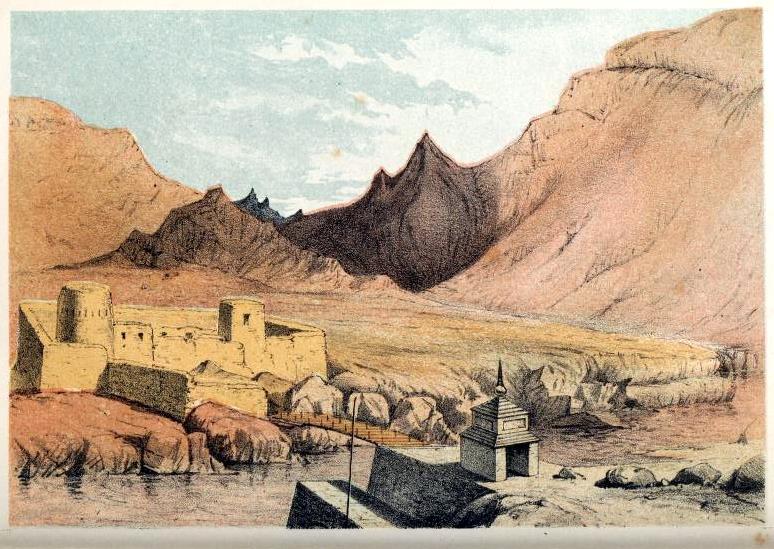
Bridge over Indus

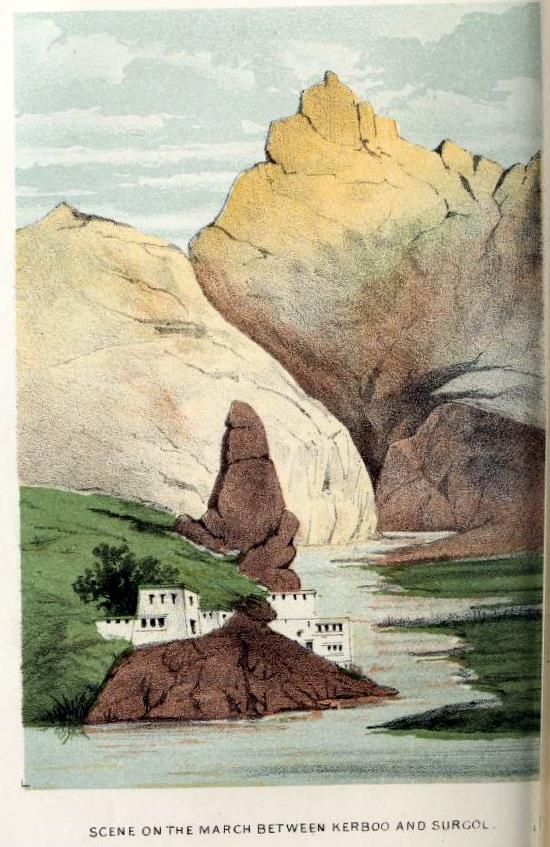
Kerboo-Surgol
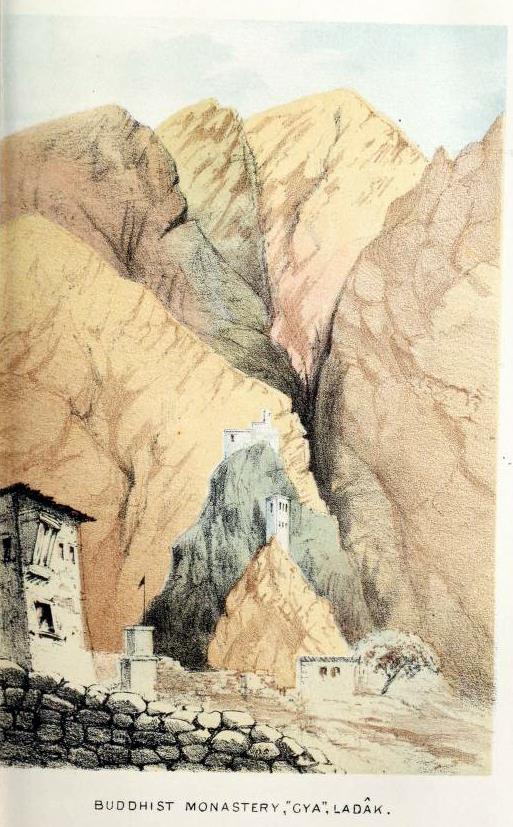
Gyam Ladakh
Pass of Bara Lacha
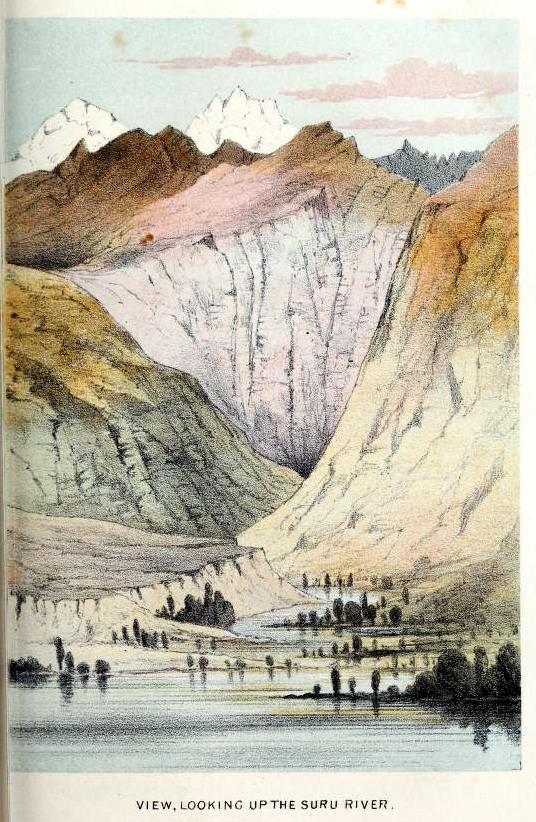
Suru River

-0-

Kashmir, 1912

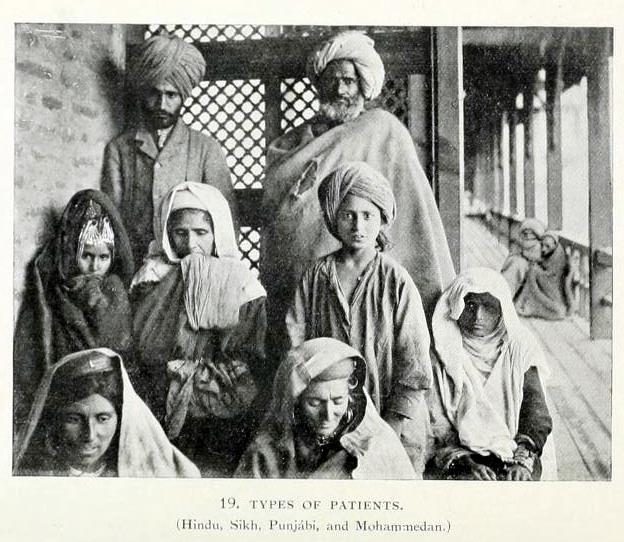
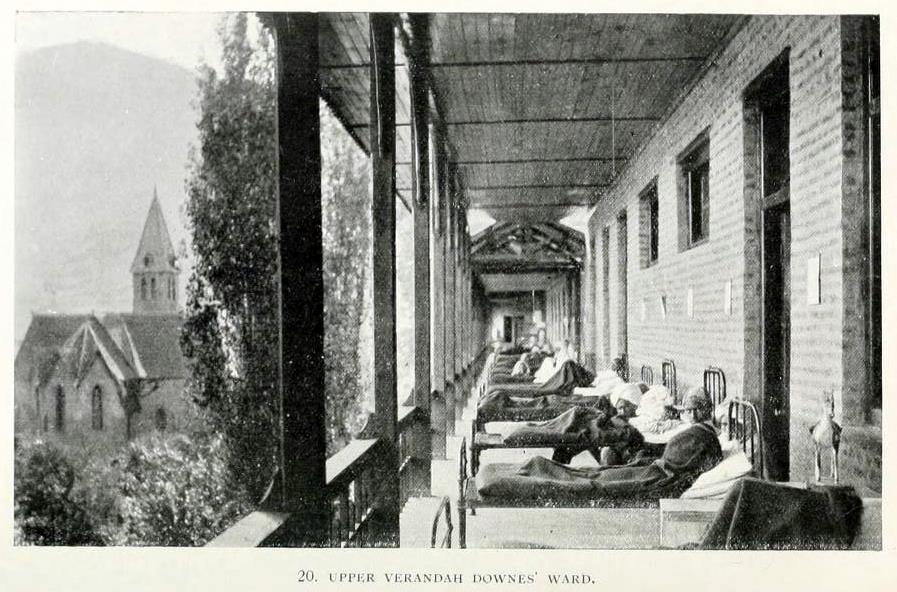
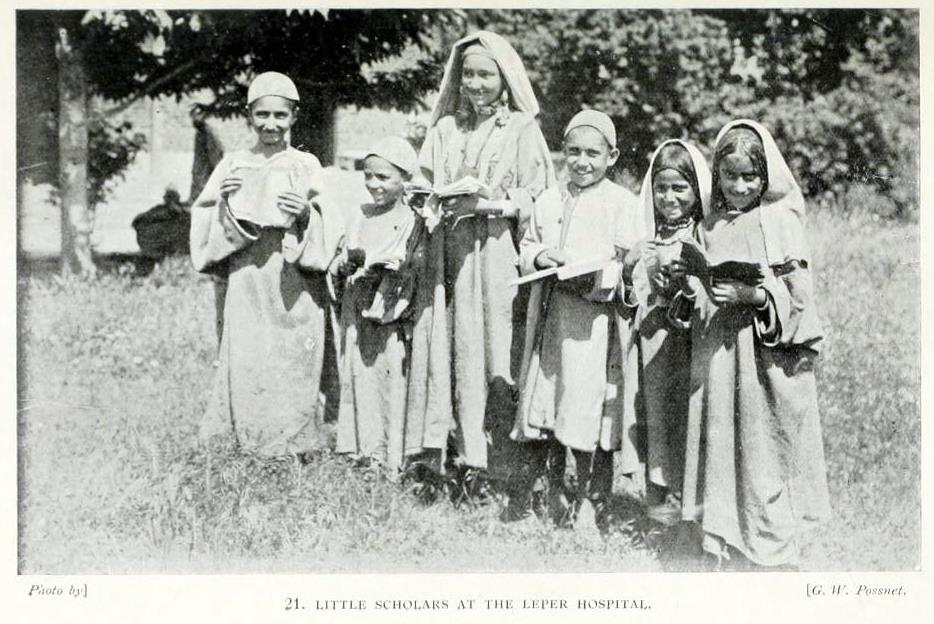
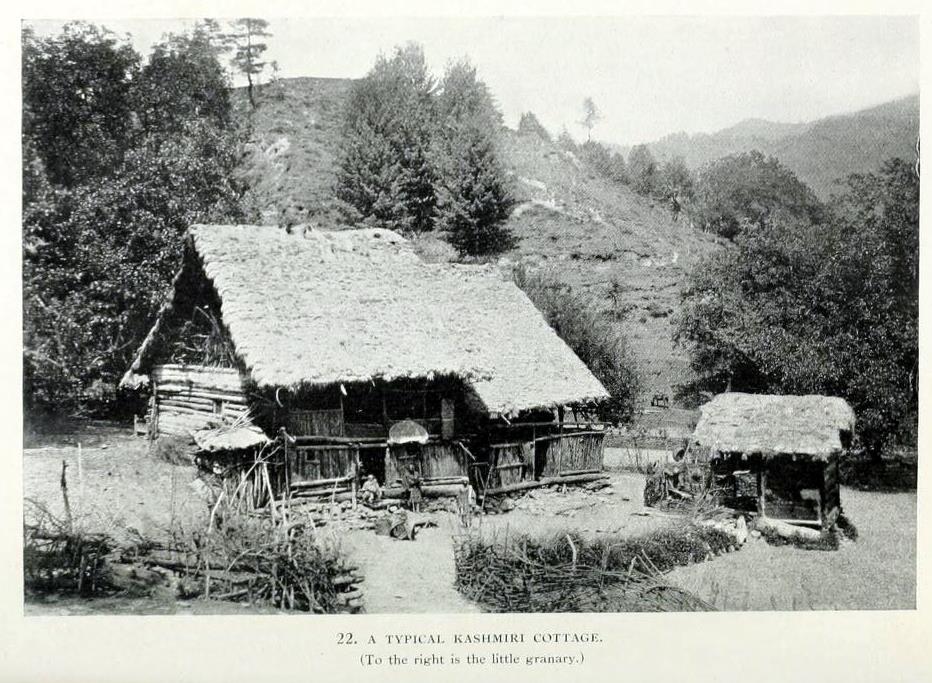
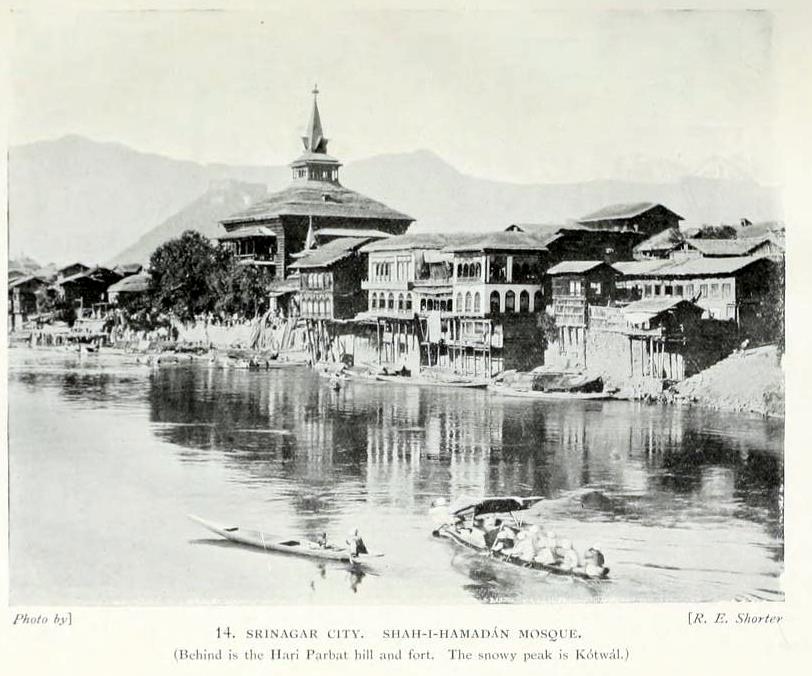
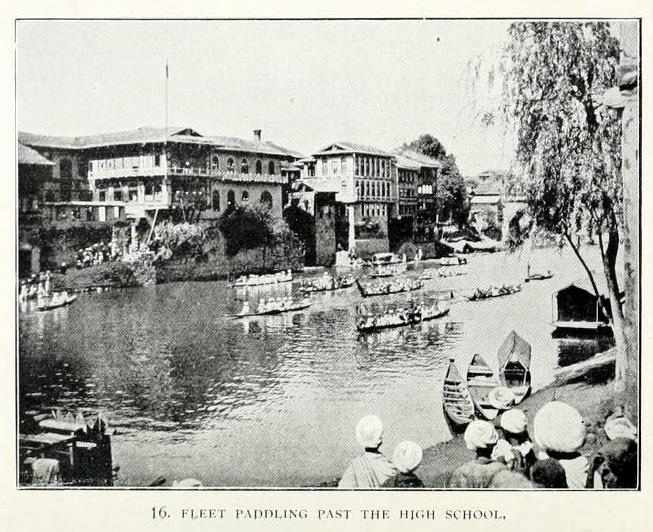
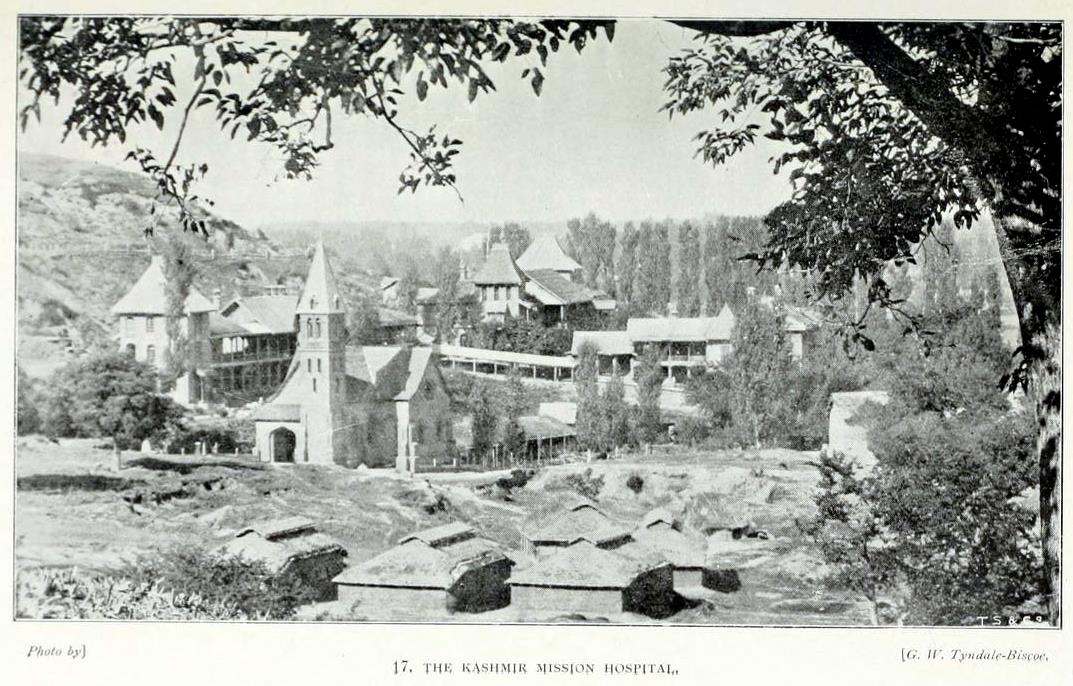
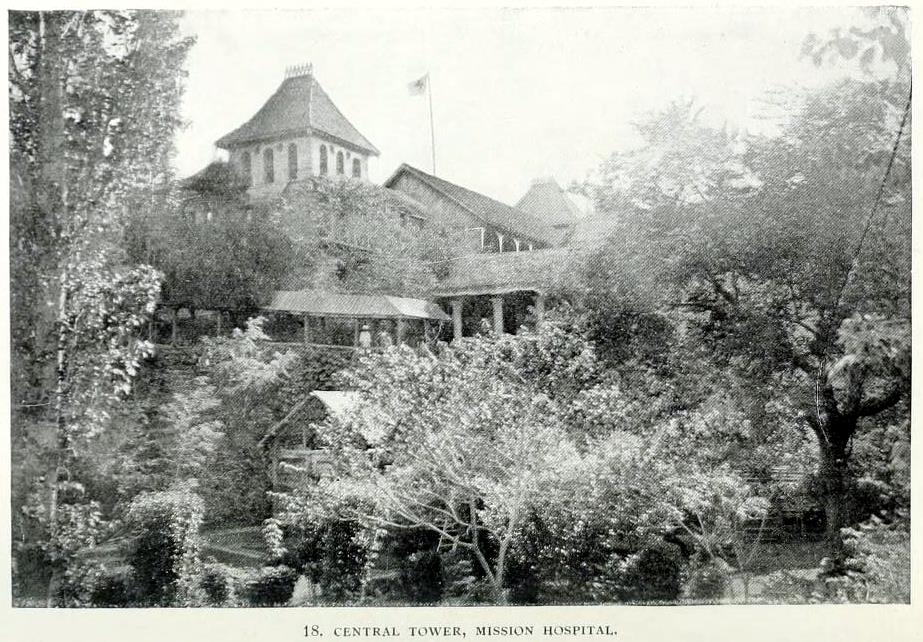
Photographs from ‘Beyond the Pir Panjal life and missionary enterprise in Kashmir’ by Ernest F. Neve (1914, first published in 1912). Photographs are by Dr. Neve himself unless mentioned otherwise. The rest of the photographs are by popular photographer from Sialkot R.E. Shorter (check out his kashmir work here and here). Besides Shorter, we have G. W. Millais (Geoffrey W. Millais, son of Sir John Millais, his previously featured here and here), we have famous Biscoe, and we have new names like G.W. Possnet and two very Indian, B.D. Chadda and Shiv Nath (Vishwanath?).

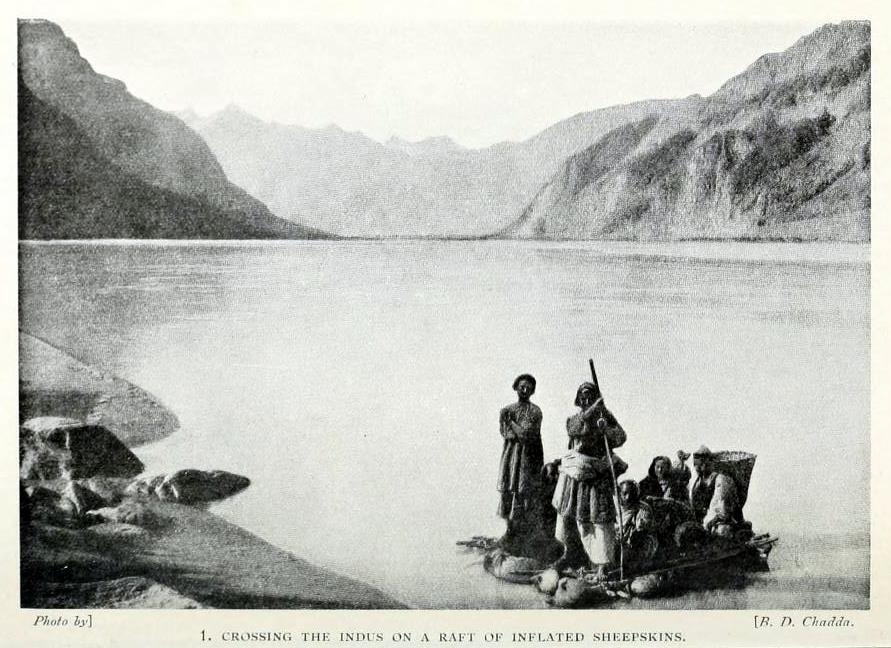
Crossing the Indus on a Raft of inflated Sheepskins. [More on crossing rivers on dead skin, later]
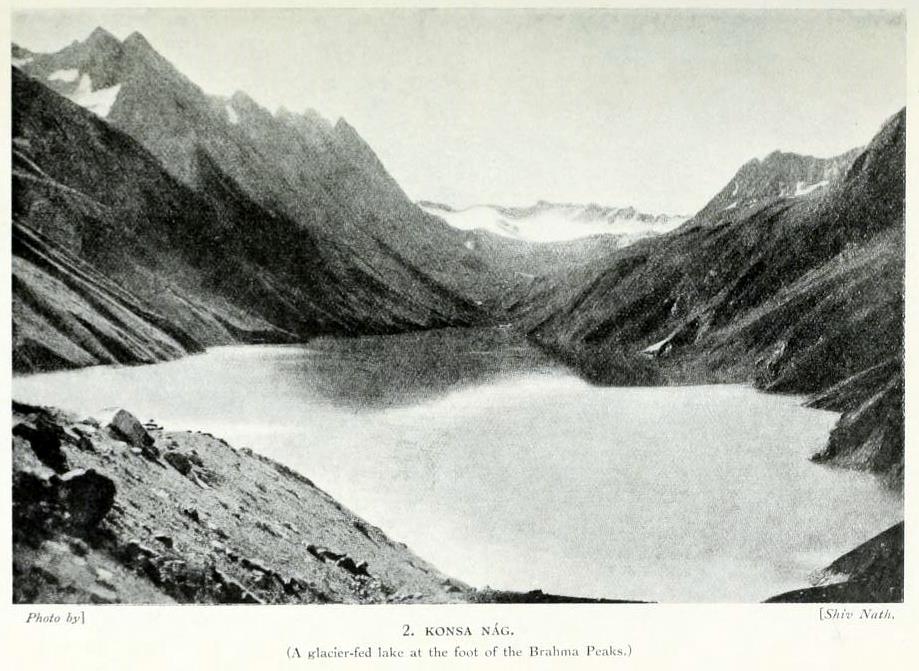
Konsa Nag, a the foot of Brahma Peaks

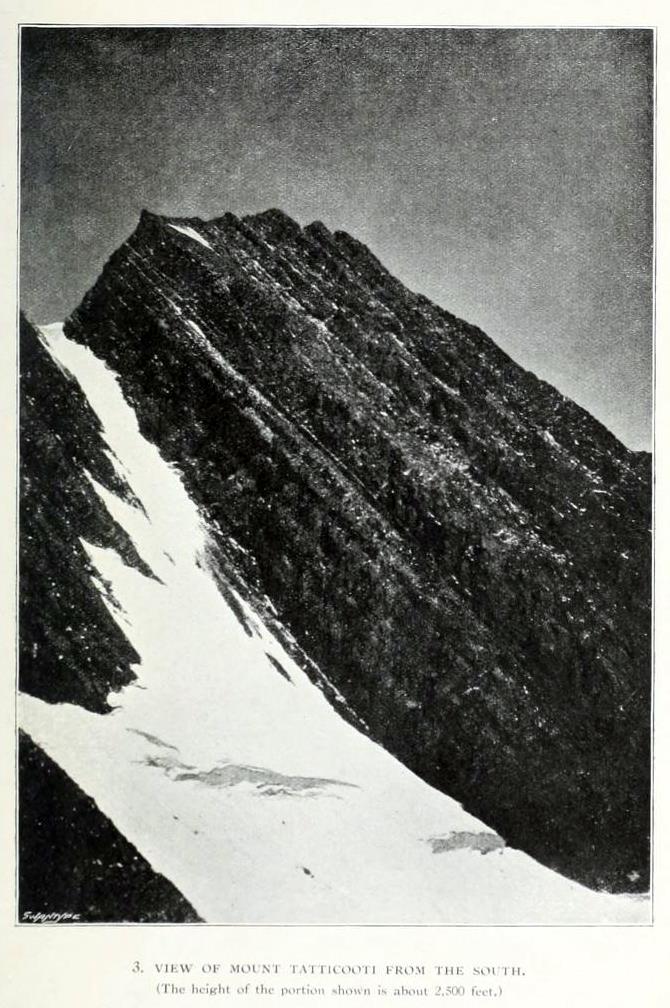
Mount Tatticooti, highest peak in Pir Panjal range

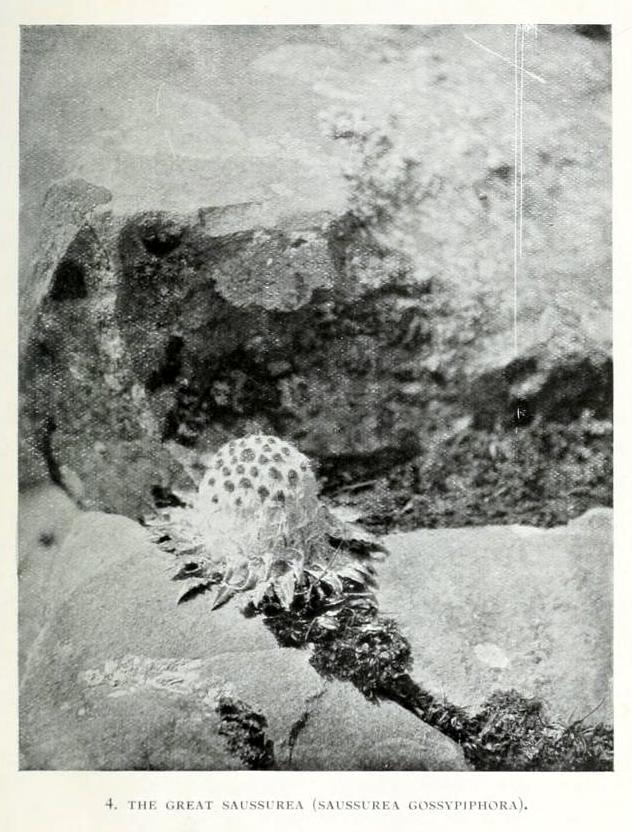
Saussurea, last flower found on Pir Panjal heights

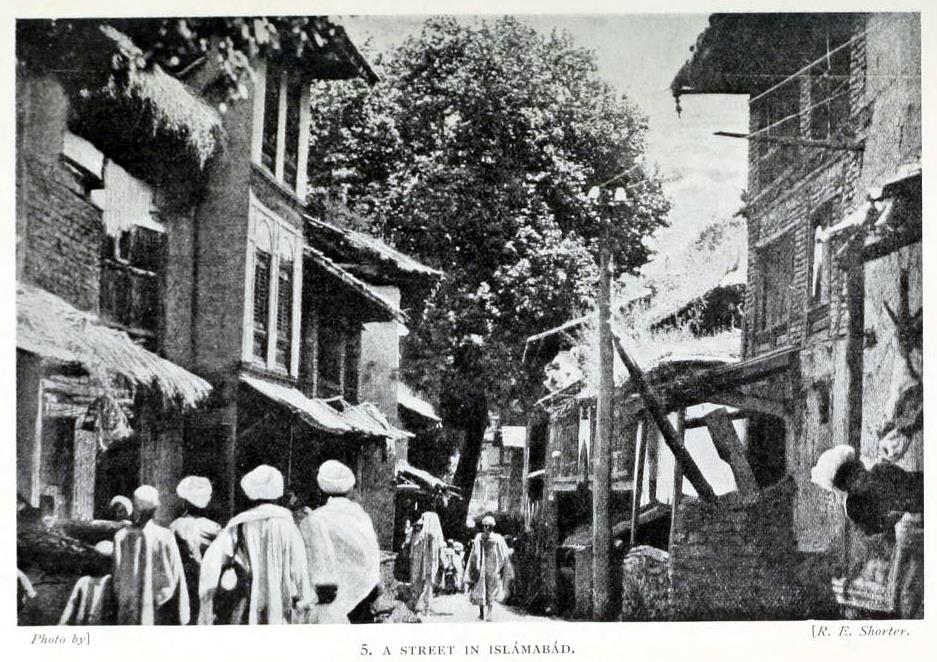
Street view Anantnag/Islamabad

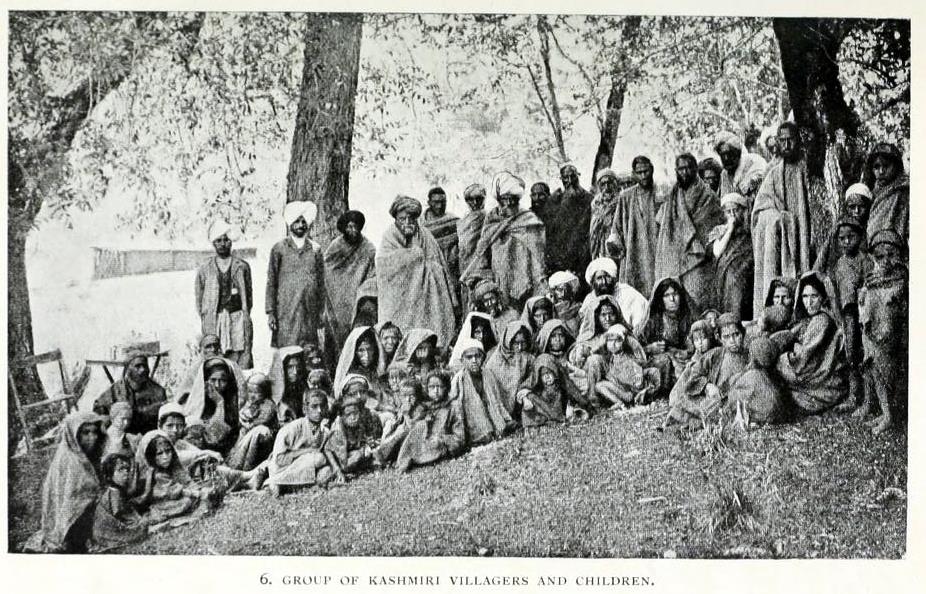
Kashmiri Villagers

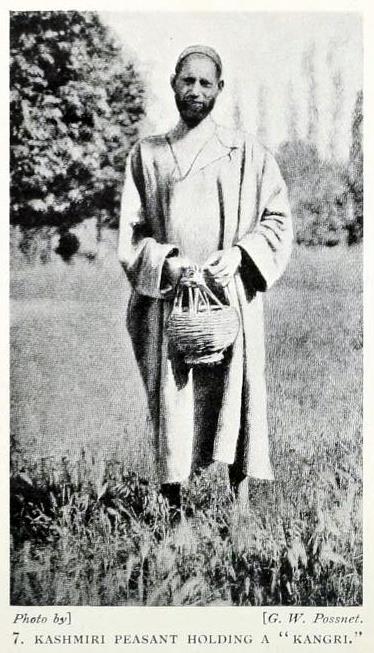
Peasant holding Kangri

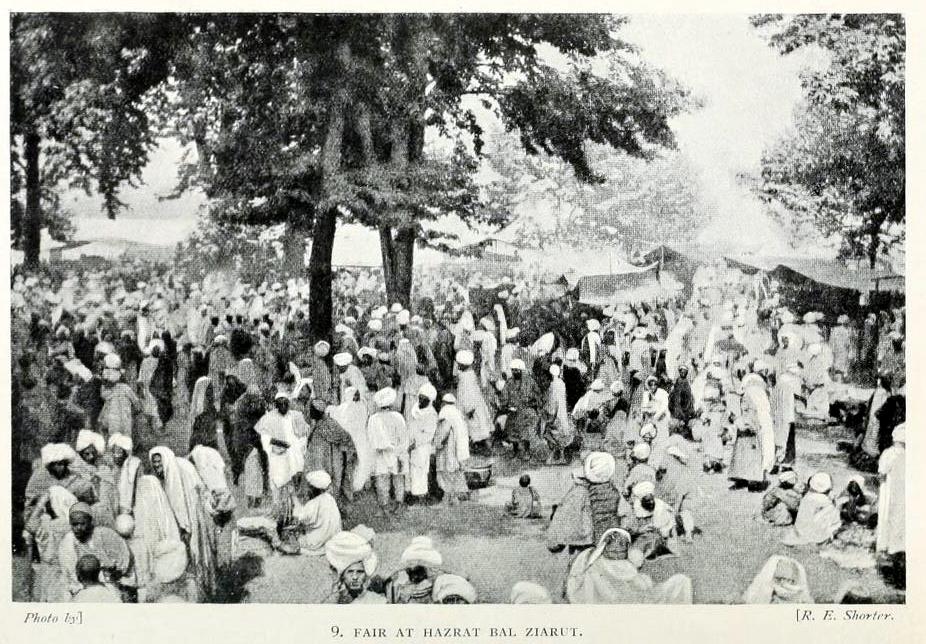
Fair at Hazrat Bal

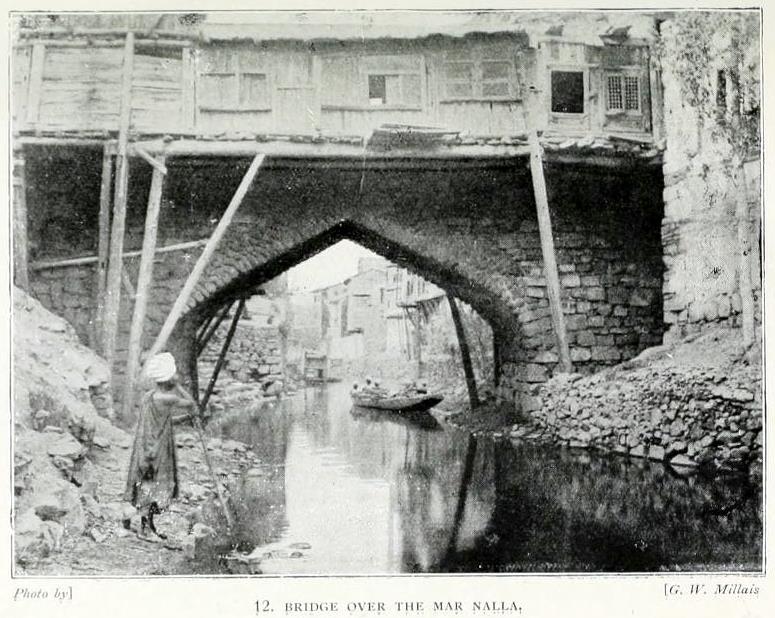
Mar Canal.
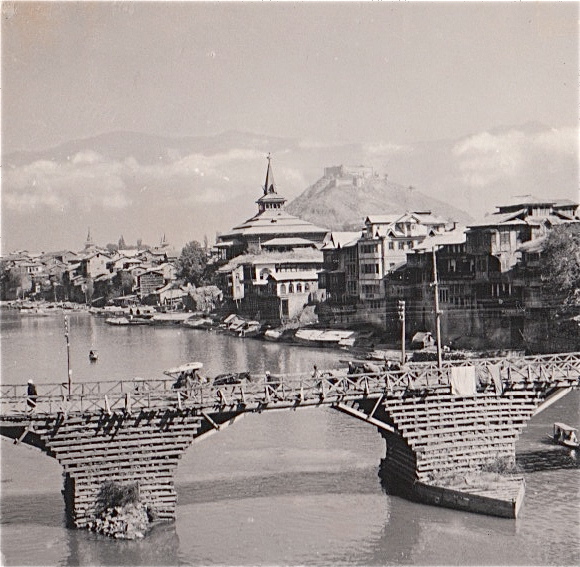
Many old travelogues call this bridge ‘Merchant’s Bridge’.
This should be ‘Bohri Kadal’, Bohris being the Punjabi merchant class of Kashmir

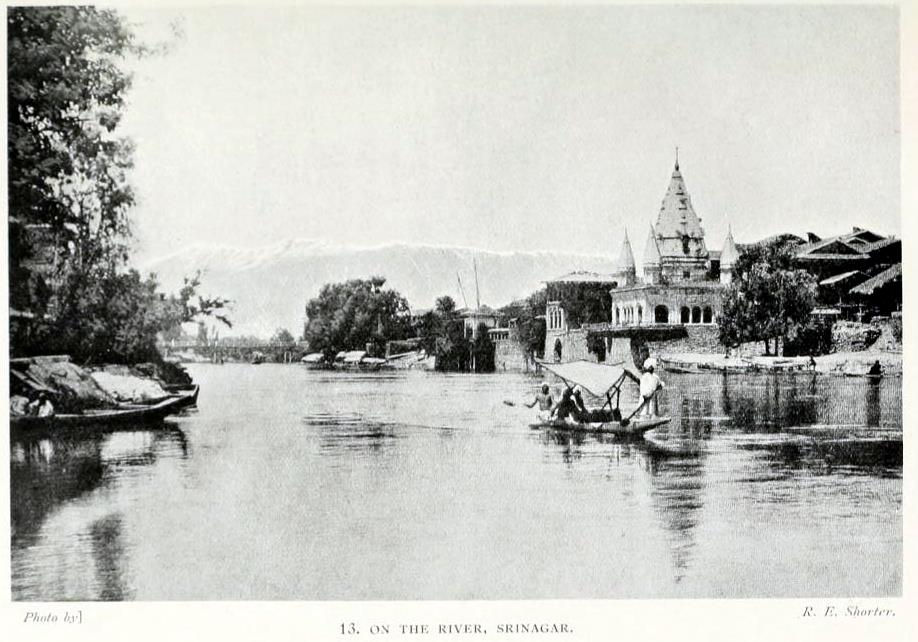
(I think is should be Tsont-i-kul or Apple tree Canal?)

Shah-Hamadan

Previously posted here from a year 1904 book but now identified to have been shot by  R.E. Shorter (which also means that the photographs posted here are actually probably a decade or so older that the stated 1912)

-0-

Leave and Arrive

Habba Kadal, 2008

Be not afeard; the isle is full of noises,
Sounds, and sweet airs, that give delight and hurt not.
Sometimes a thousand twangling instruments
Will hum about mine ears; and sometime voices
That, if I then had waked after long sleep,
Will make me sleep again; and then in dreaming,
The clouds methought would open, and show riches
Ready to drop upon me, that when I waked 
I cried to dream again.

This blog is now definitely floating in some strange waters. A couple of weeks ago my sister went to Jim Corbett National Park with her colleagues for an ‘Office Picnic. The place she works for, an IT firm based around Noida, has quite a lot Kashmiri Muslims on its payroll. In fact, the firm has a mini-branch of a sort operating from Srinagar.  It was simple, they hired a Kashmiri in Delhi who good at what he did and they got him to hire some more. Because the work involves technology, the firm was just as happy having them work from Srinagar. For the Picnic these outstation employees were also invited. So at Jim Corbett my sister got to interact with some Kashimiri Muslims. Her impression of them was of the usual type: one a bright beautiful girl but head ever covered and other a decent, honest, zealous boy who asks questions like, ‘So, why did you leave?’

On that infamous January night in 1990, my mother and sister were at my Massi’s place in Chanpora while I was at home with my Grandmother in Chattabal.

‘Your sister, who must have been 6 at the time, was quite a screamer as a kid ( in fact still is), master in the art of Baakh. When the loudspeakers from the mosques started their death songs about creating a new paradise on earth, your devil little sister, probably disapproving, or perhaps afraid or just hungry, or just for the fun of it, started crying at the top of her lungs. Your mother and I tried to console her as we were terrified that the sounds emanating  from her loudspeaker were going to attract the attention of whoever was singing the hit number  ‘Death to Kafirs’ from the mosque. After all our attempts to reason with her failed, we did the only thing we could think of: we stuffed her mouth with Parle-G biscuits, chunks and chunks of it. Megha chup ho Ja! Megha Dam Kar! Please shut up! That shut her up good and we again focused back our attention to the long-winding sermon from the mosque.The sermon stopped a few hours before dawn, it stopped just as suddenly as it had started. It was only next morning that we realized that it was all probably audio-taped sermons imported from Pakistan. No one could have stayed up that late into the night just to sit in front of a microphone and talk about killing. Most of it was in Urdu, in any case. Next morning, I asked a neighbour about happenings of the last night, but only to be greeted by silence. Not a word was spoken. As if he didn’t hear anything.’

At this point my Massi’s narrative as broken by her Bahu who added:

‘Yes, I too remember the night. When the sermon started, my mother shut me and my younger sister in a storeroom under a staircase.’

‘Where did you used to live?’

‘Jawahar Nagar. The night was same all over the city.’

I don’t remember what happened that night in Chattabal. I have no recollection of it. All those nights are the same to me now. All I remember is that just around that time we stopped sleeping in Naya Kambra, the room closer to the outer wall and started spending nights in the Thokur Kuth, the main God Room, all eight of us. Those days, there were stories of people getting killed in sleep, in their beds. We stopped sleeping. I slept.

Given the nature of this blog, one would expect that I have a lot of Kashmiri Muslim friends or that at least I interact a lot with them or that I interact a lot with Muslims. That  definitely is not the case. As a Kid, growing up in Jammu, I did have a lot of Kashmiri Muslim ‘Cricket’ friends who taught me reverse swing. I had a Muslim friend in college who regaled me with stories like the one about Muslim men planning to melt all of American Gold at Fort Knox by crashing mercury filled plane into it. Given my ‘Muslim Parast‘ concerns, one would think I must be hanging out with Muslims all the time. That  definitely is not the case. In fact, I became conscious of this fact only last year when hoping to join my family for a holiday on 2nd October, I reached my mother’s place only to realize that she along with my sister had gone to the wedding of a U.P. Muslim friend of my sister somewhere deep in Ghaziabad. It occurred to me that even though I have read a bunch of books on Islam and Muslims, and even though my sister has read none, it was she who can now say that she has been to a Muslim wedding and not I. In fact, I am sure she doesn’t even think of it as a big deal. ‘You live there, We live here.’ is how she simply answered the question, ‘Why did you leave?’

I am writing all this after running into a Kashmiri Muslim from Baramulla last night at a Lohri ‘Party’ thrown by a bunch of couples from Ranchi and Kota living in Dwarka. It was a ‘beganay ki shaadi may Abdullah deewana‘ kind of scene for me as I just knew onlt one of the guys and that too only because we briefly worked together. On realizing that I am a Kashmiri, one of the hosts pointed to a guy in the room, a college buddy of his, and said, ‘He too is a Kashmiri.’ Indians are generally ignorant about complexities of ‘Masla-e-Kashmir’, this ignorance is often a cause of heartburn for Kashmiris but in this particular case, it somehow gave me pleasure that these simple working guys knew nothing about our history and didn’t care about its complexities. To them, we both were just Kashmirirs. Just when you put people in cozy, comfortable definitions, people break out of them. And so I met a fellow Kashmiri and we started a brief conversation with the usual questions, ‘So, where do you live?’ ‘Where I used to live! Well, you know Chatchbal.’

-0-

till

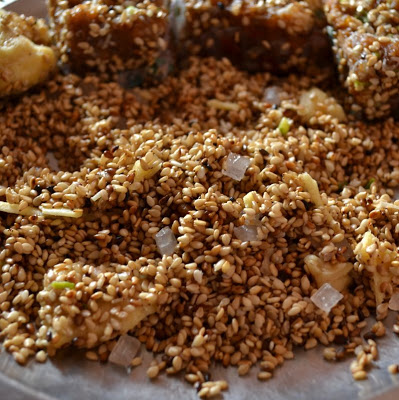
Till. Distributed four days after birth of a child. I recently became an Uncle. I reached my mother’s place just in time to enjoy some till.


-0-
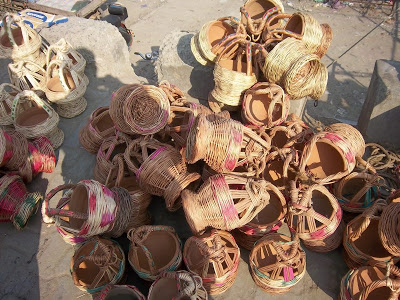
Kangir Seasonal Ditty

Manjho rav ti Tsa’ndav log Kangre,
Poh av ti hoh bariv Kangre,
Magh av ti drag Voth Kangre,
Phagun av ti zagun hyo tukh Kangre


The month of Maghar (Nov/Dec) is to look for Kangri,
Fill the fire-pot even with the rice-husk, because it is Poh (December/January)
It is the month of Magh (Jan/Feb) and the Kangri has become scarce.
Its existence becomes suspicious in the month of Phagun (February/March)

Came Cross these lines in ‘Kashmir Hindu Sanskars (Rituals, Rites and Customs): A study’ by S.N. Pandit.

-0-
100 fun things they did in downtown


Shared and compiled by Arun Jalali. Watch out for Vadder Gun!


  1. Akus Bakus
  2. Sazza – (Hop Scot)
  3. Tule Langun
  4. Play “Ring”- (flying much like Frisbee)
  5. Garam Bal ( sat Katter- 7 Nos of round Terracota plates stacked and hit by a ball)
  6. Ball Badminton (Plywood rackets and ingeniously made shuttle corks.)
  7. Kho kho, 
  8. Badminton with PVC ball,
  9. Football, (with ingenious materials)
  10. Cricket – with Bera-baal,
  11. Hikkat, (kukkudi)
  12. Rope skipping
  13. Ear (kan)radio non power device
  14. Matchbox Car that powered by rubber band
  15. Paper rocket propelled by rubber band/ airplane made from paper
  16. Gulel, games, (slingshot) with rodi faul ya kani faul
  17. Chore Police (in Razdan Angun)
  18. Single tire cycles- Sliced from truck tires /others got from scrap steel bearing rings guided with specially steel rods having U -shape at one end and a small hold on another.
  19. Gulli Danda (lauth & lathkij)
  20. Khira putt  a Winter snow game  skiing on frosted snow
  21. Sheena jung a game with no rules
  22. Hara with Ali Baba’s 3 tullus.- Kodiya  tekh &, quin/  hesh-0/0 or up up
  23. Lakkad Lakkad (jut jut)
  24. Kaw – Kaw bata kavo
  25. Cricket with Class note book (Randomly open your text book -if pg 264 opens you made 4 runs or if page 260 opens you are out)
  26. Bow Arrow (Teer Kamman–less played)
  27. Banta (Marbles)
  28. Blind & Catch (catch your friends blind folded)
  29. Chidya – ud
  30. Slingshot with Elastic Rubber  &  folded paper.
  31. Paper boat / paper jet
  32. Crosses & dots ( 9 squares)
  33. Paper Pin Wheels
  34. Origami ( folding paper into a ball  or a conical shape
  35. Make Fans with folded paper.
  36. Lottery ( paper pieces folded  on a sheet )
  37. Origami Parachute
  38. Activity , cut  glass bottle to make a tumbler or lamp shade.
  39. Activity Make kerosene Chimney ( for lighting purposes)
  40. Play Tencha {tinkay } (seven or nine or eleven pebbles, tossed in air)
  41. Play “ Vish Amrit
  42. Make shuttle cock with bird feather’s
  43. Origami – whistle
  44. Rubber Band Guns
  45. Vadder Gun (made out of steel packing strips)
  46. Listening Share–Bakra conflict stories
  47. Water Ball and elastic rope
  48. Helium balloons
  49. Blow balloons from soap solution
  50. Yo Yo with Small Rubber ball (1”) and elastic rope
  51. Card Games 2.3.5 / sweep/ 10 Warki/ bank etc.
  52. Aais Pais (Hide and seek)
  53. Watani –ghur for toddlers (by A.Bambroo)
  54. Hagur(d) (by A.Bambroo)
  55. Thread winding ( threads & hands)
  56. kurkatch muhul 2 friends on hinged balance (by A.Bambroo)
  57. Thar Nanuk (Heads  & Tails) ( by  D Labroo)
  58. Guttyi ( by D.Labroo)
  59. Make weighing scales using shoe polish box cups
  60. Make Toy hut from mud and  wooden pieces.
  61. Play Kash – throw terra cotta glazings in air over roof tops
  62. Make origami rose with hanky
  63. Collect kaw shup from sand/ river bed.
  64. Tow –ve ( clapped hands girl game)
  65. Play juph & tak with hara’s
  66. Play tischan with hara’s ( like carom)
  67. Samandar ( is like hop-skot).
  68. Play “taar” throw porcelain pieces in river so as to  skid on water.
  69. Winding Button & string for a cute whistle
  70. Making the snow man ( sheen mohinuv)
  71. Khari patt on snow.
  72. Consuming the chilling cold shisr ganth and its competition.
  73. Bursting fish bladders
  74. Bursting paper bags
  75. Playing chak-mak the white marble game
  76. Childhood Game -Conceal your Friends slippers and see the fun
  77. Play cycle cycle ( 2 persons lie  down on floor on opposite sides to simulate cycling by touching each other’s feet)
  78. Atya patya (ref: http://blogs.timesofindia.indiatimes.com/just-this-n-that/entry/games-we-played)
  79. Reading hindi novels from raj pocket books (murtiyo ka hangama)
  80. Blowing  thin cotton flake in air and watching how it gets airborne
  81. Fauka doine-From a burst balloon make small (marble size) balloons by and burst them on floor. 
  82. Desi Yo-Yo made from thread bobbins (wooden bobbins)
  83. Visiting Ramkoul temple in Maharaj Gunj
  84. Camping  for Rishi peer’s salvation day celebrations
  85. Swimming in Jhelum Early morning bath.
  86. Aiming for Walnuts (Razdan Angun) 
  87. Make Geometric Art using compass  box. (ref: http://en.wikipedia.org/wiki/Flower_of_Life#Seed_of_Life))
  88. Chotain Potain (gyur maich lala.. ho lala, aaya raja choitain potain)
  89. Making earthen wares using guruyt maich
  90. Balancing peacock feather streak on eye lashes
  91. Collecting peacock feathers (more-schaal) as good omen  for better grades in class
  92. Twisting eye lids to scare  someone ( tyare kadain)
  93. Finger juggling (using thumb and first finger of both hands )
  94. Cracking bones and holding a competition for the loudest and most consistent ones.
  95. Kabbadi in razdan angun
  96. Make origami cap with paper (gandhi cap)
  97. Helping parents for mud plastering ( livuyn)
  98. Playing music chairs using vidya-bhavan school tools.
  99. Flying kites with long tails sometime with tik vavij attached.
  100. Collecting match box packaging
-0-
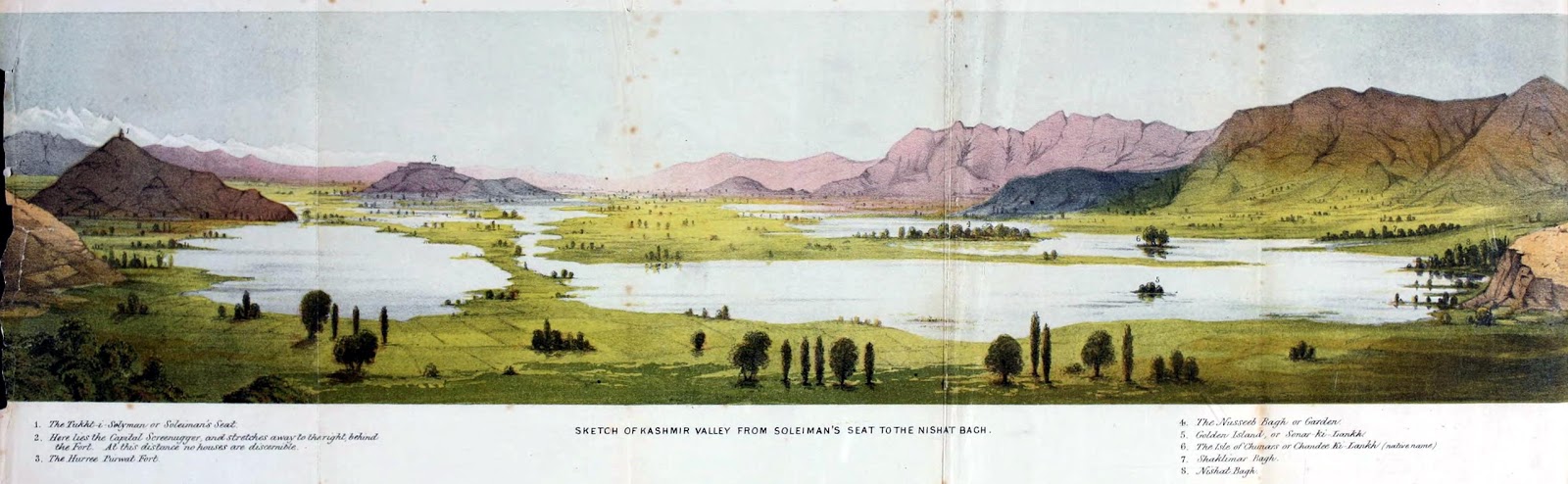
Panoramic view of Srinagar, 1862

Came across this stunning painting in ‘Travels in Ladâk, Tartary, and Kashmir’ (1862) by Henry D’Oyley Torrens. The places marked in the painting (starting from left and going in clockwise direction):
1. Shankaracharya
2. The Capital city
3. Hari Parbat
4. Naseem Bagh
5. Island of Son Lank (Golden Island)
6. Island of Rop Lank (Silver Island) or Island of Chinars or Char Chinari of nowadays
7. Shalimar Bagh
8. Nishat Bagh

-0-
Kashmir, 1944

From Louise Morgan’s Flickr Collection [check out the complete collection] having photos of India taken by one Major E Brookman in 1943/4. Louise bought the collection in 1980s from an antique shop in Seven Dials, Brighton, UK for around a dollar. She now plans to visit some of these places.

‘The Greengrocer’

Third Bridge – Fateh Kadal, Srinagar July 1944

Gulmarg 1944
Gulmarg, Summer 2008

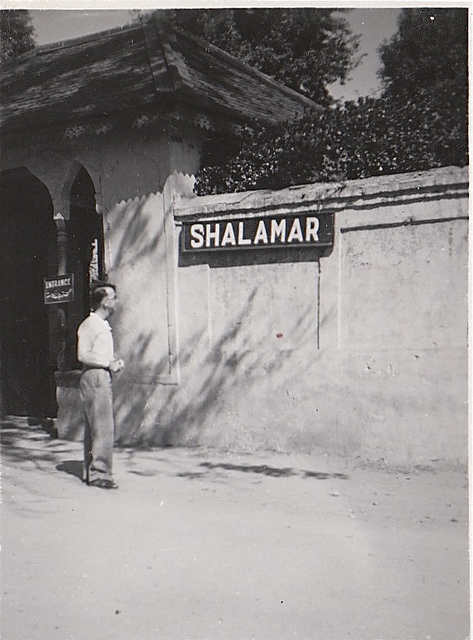
Shalamar
(I am really intrigued to see that the garden used to be referred as Shalamar, a name that Kashmiris still use even though now Shalimar is in more currency)

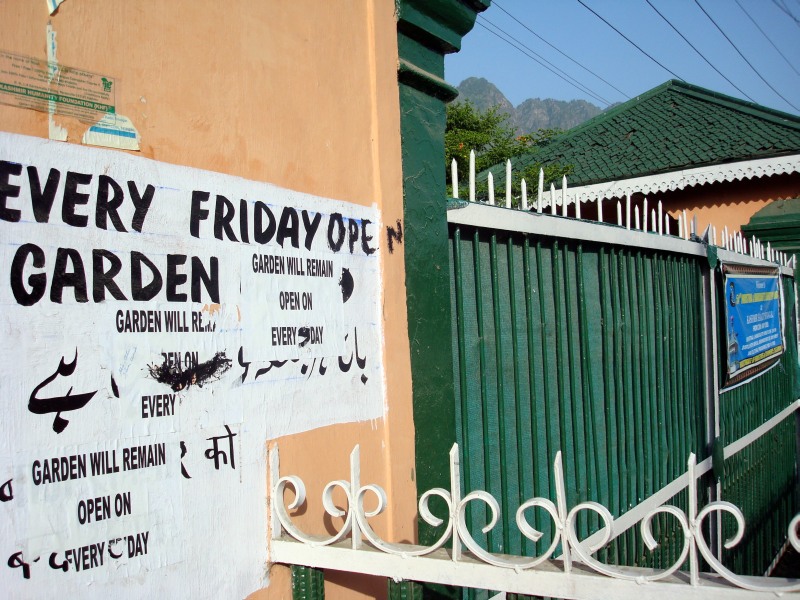
Entrance of Shalimar Garden. Summer 2008.
-0-