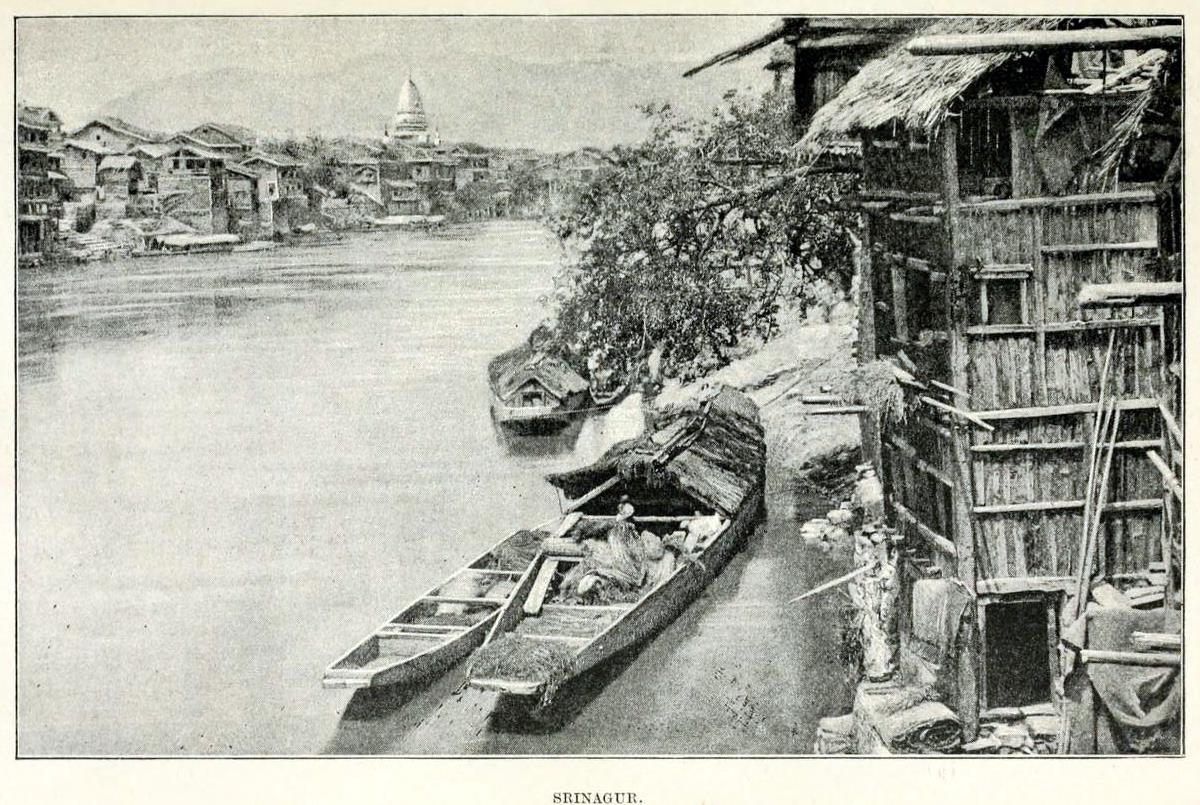
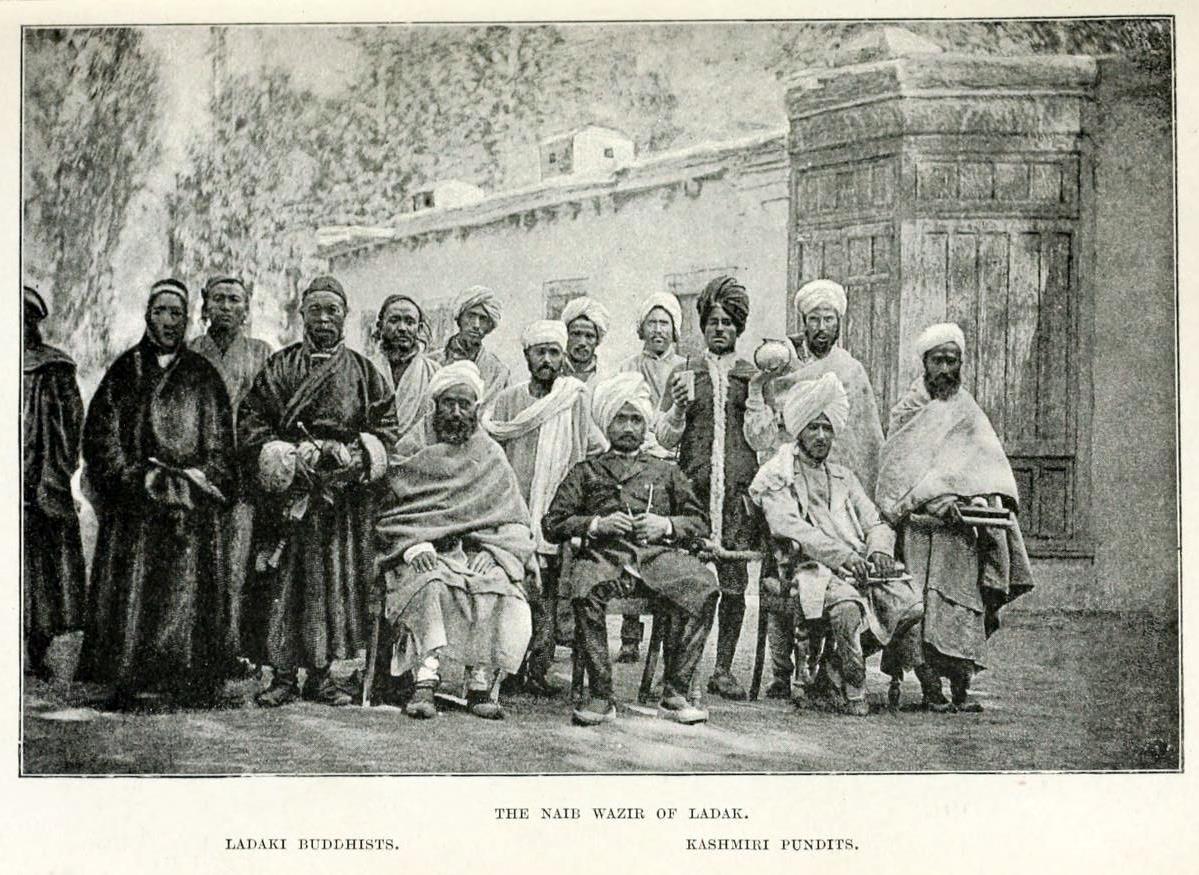
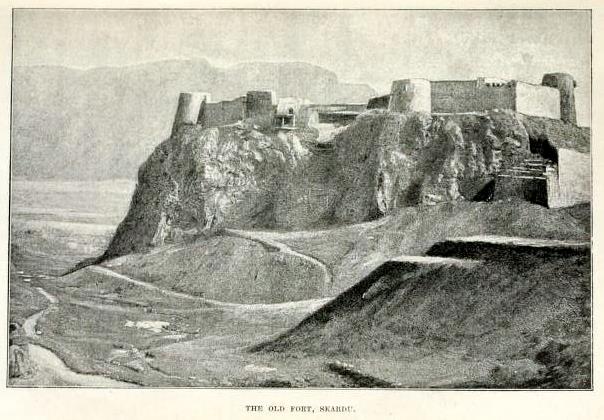
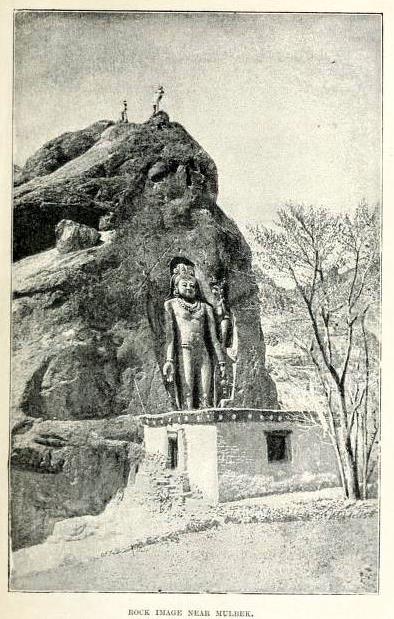
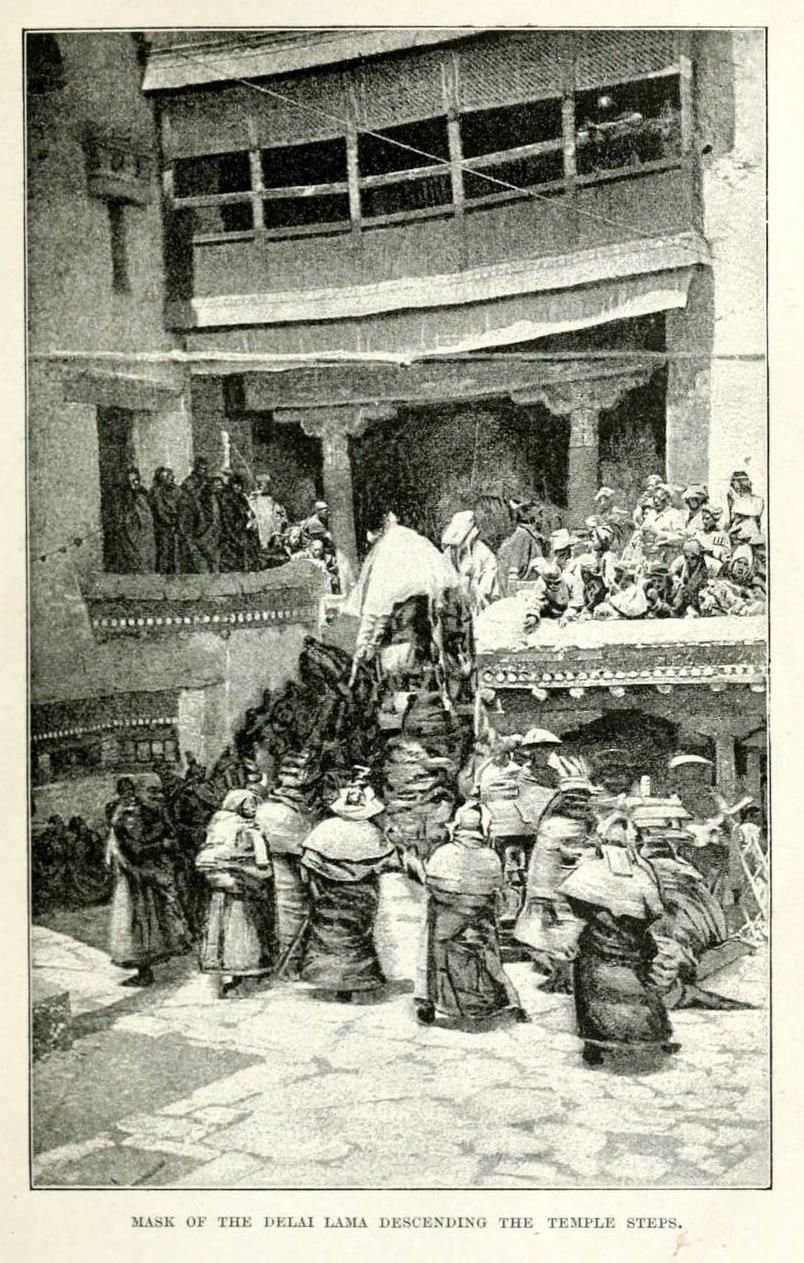
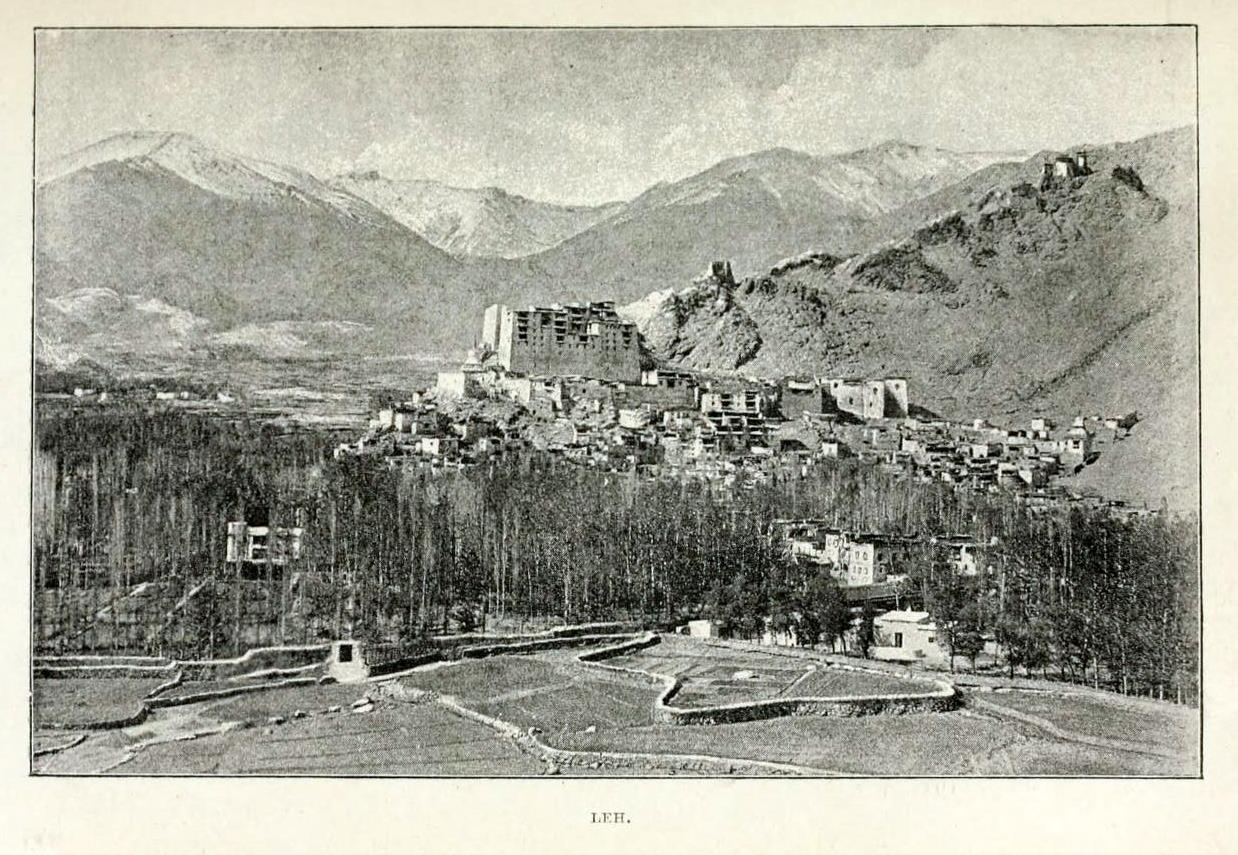
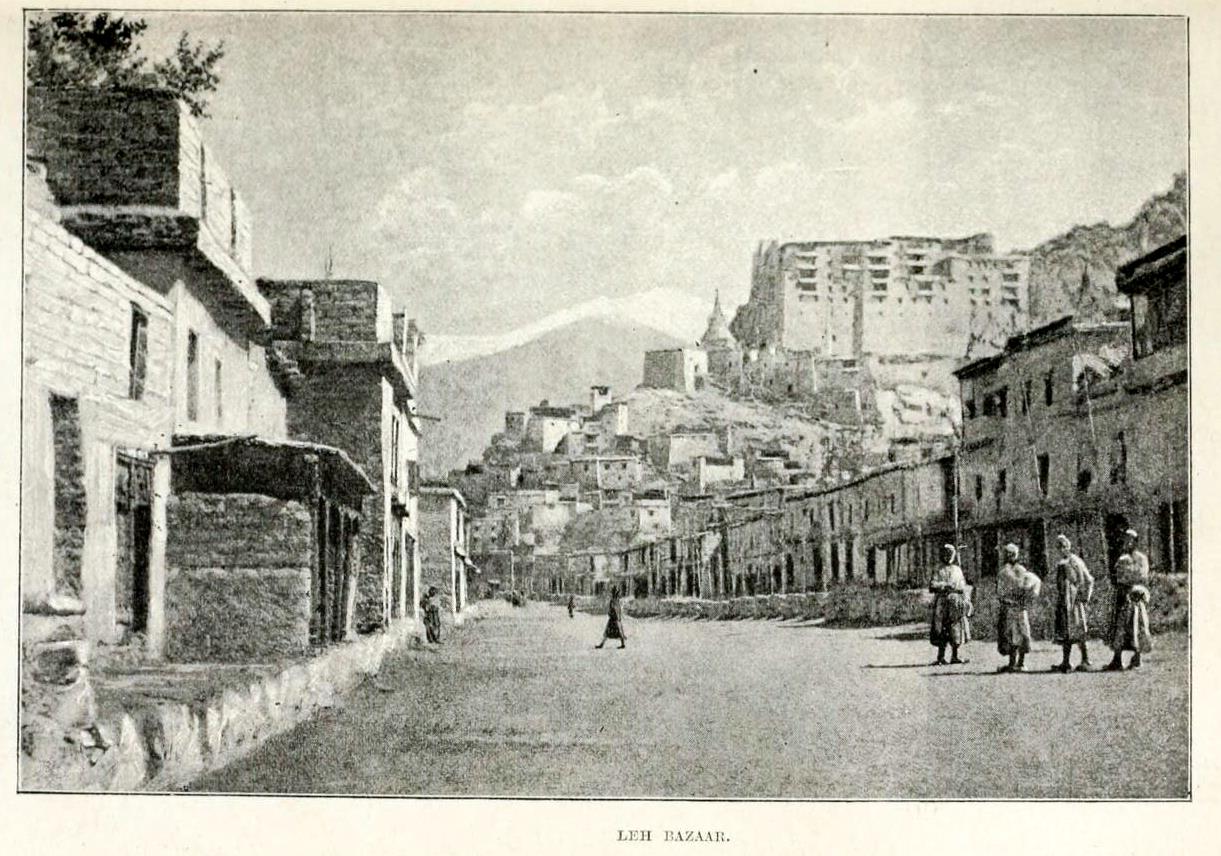
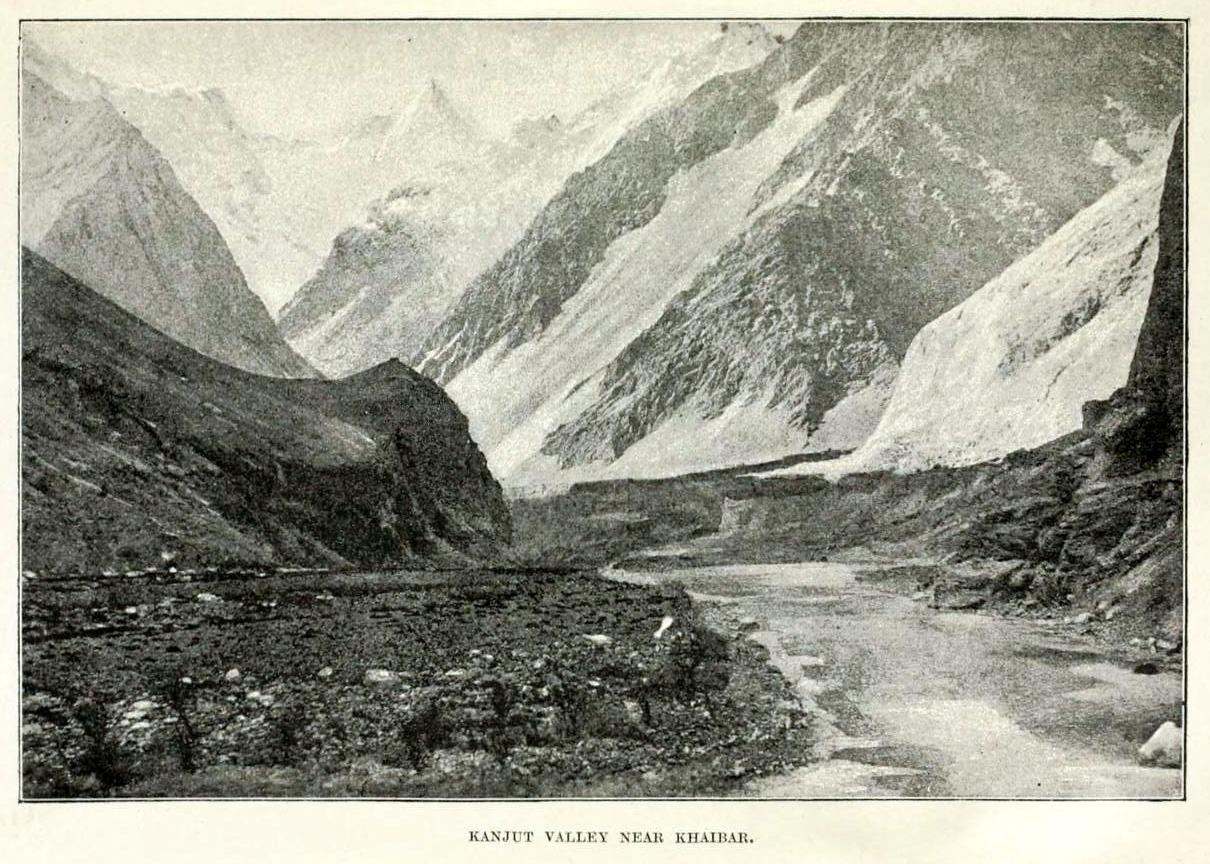
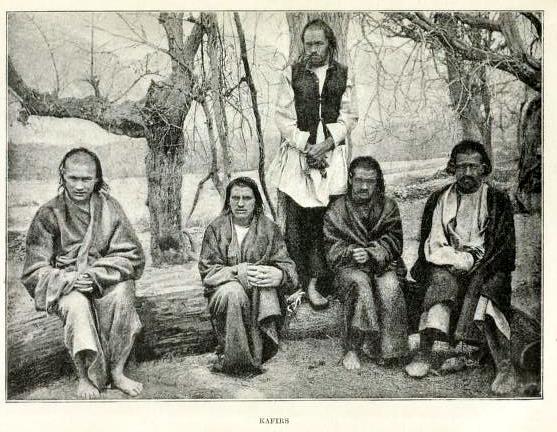
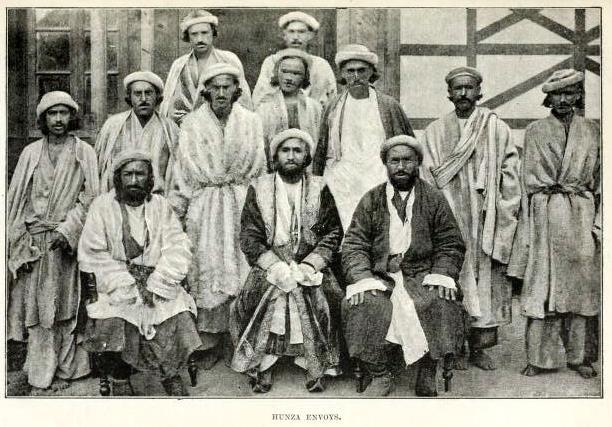
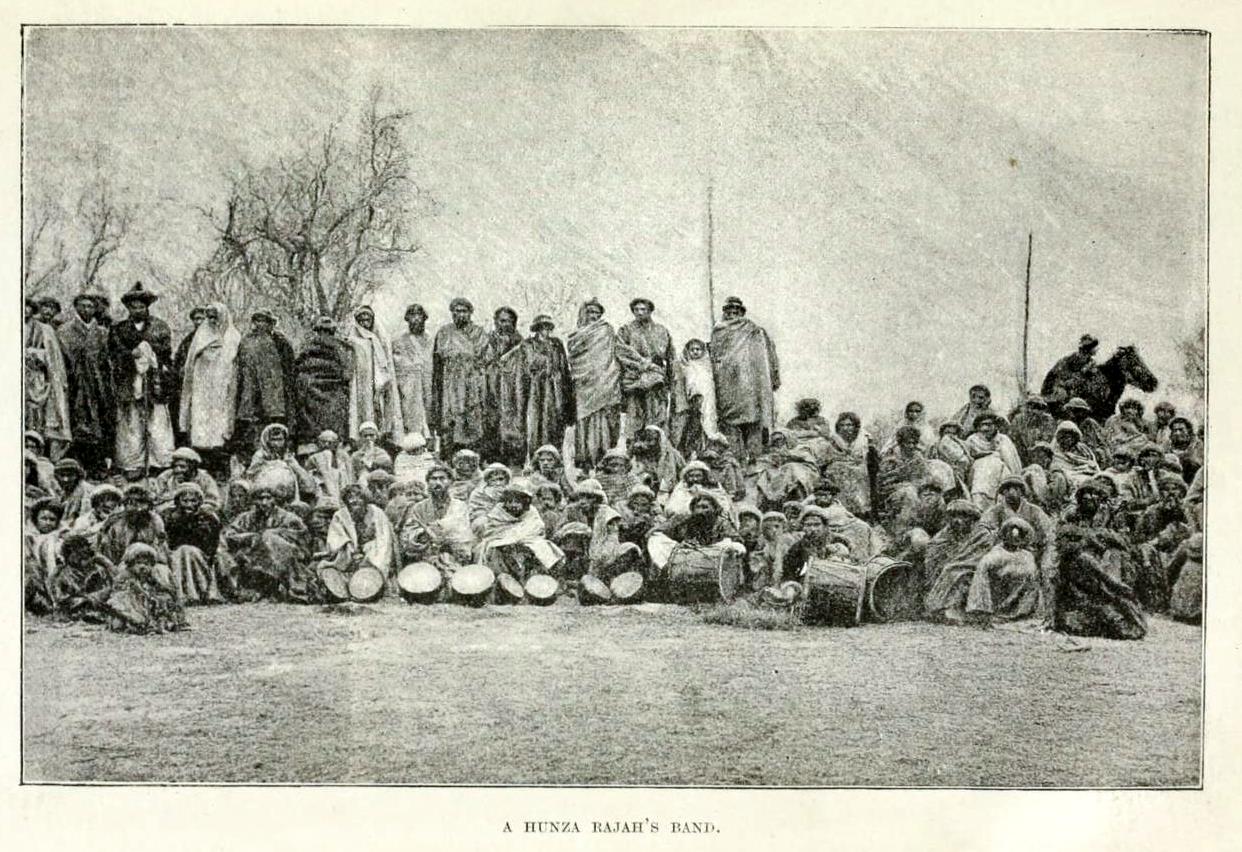
Cashmere, Little Tibet, 1874

From ‘Central Asia, travels in Cashmere, Little Tibet, and Central Asia’ (1874) by Bayard Taylor.

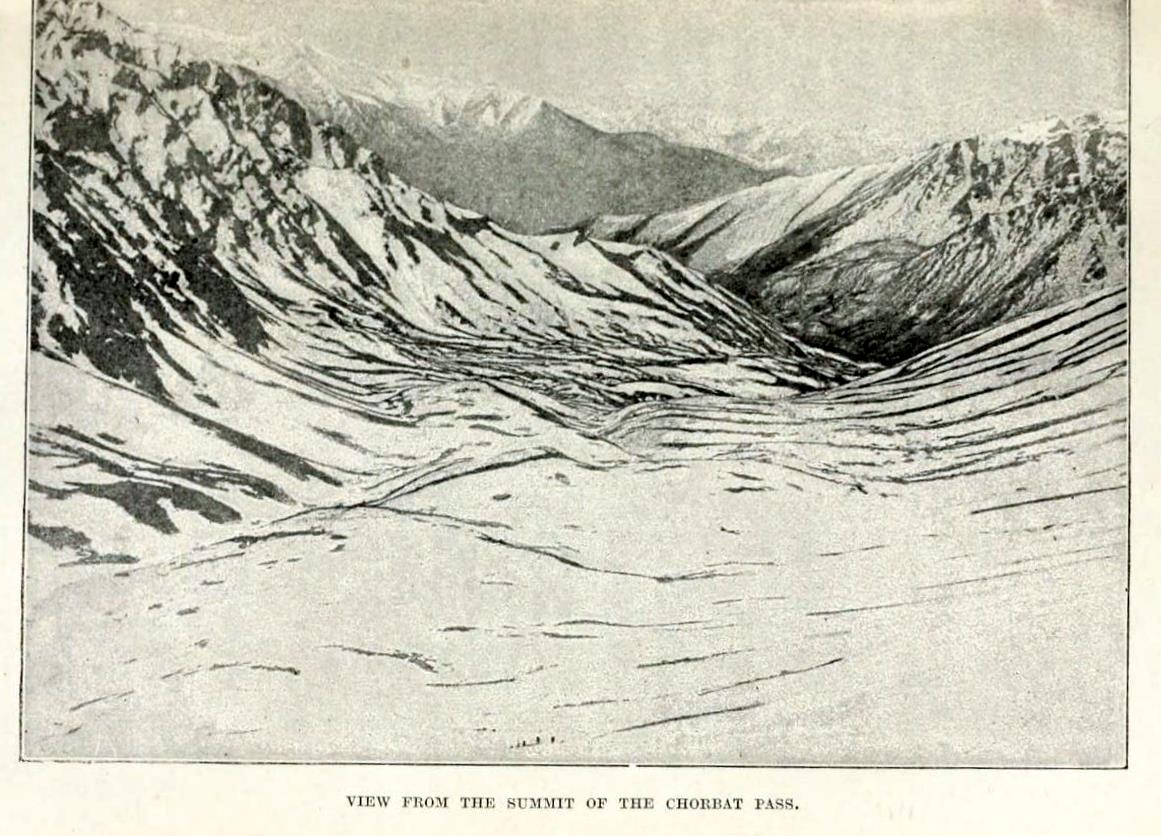
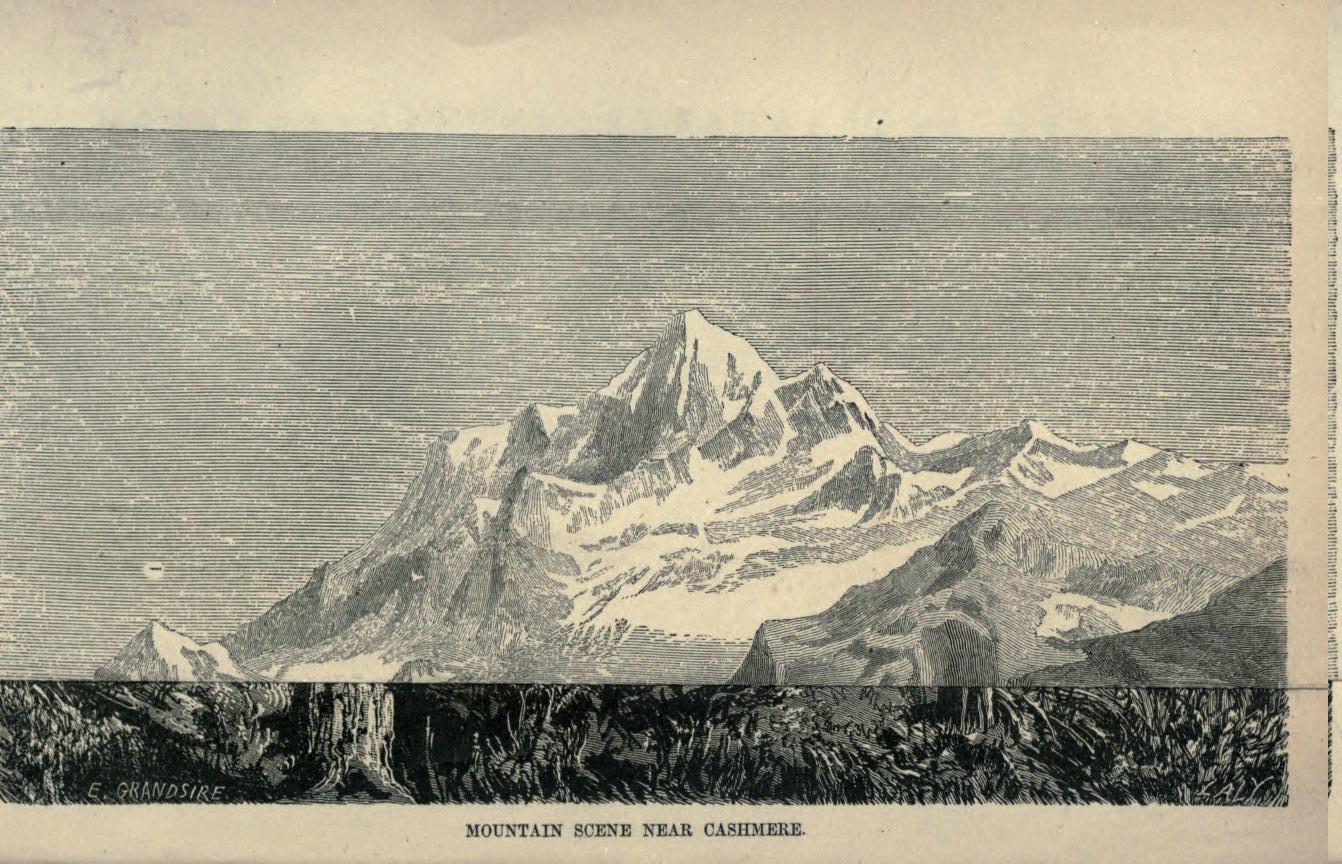
Mountain scene near Cashmere

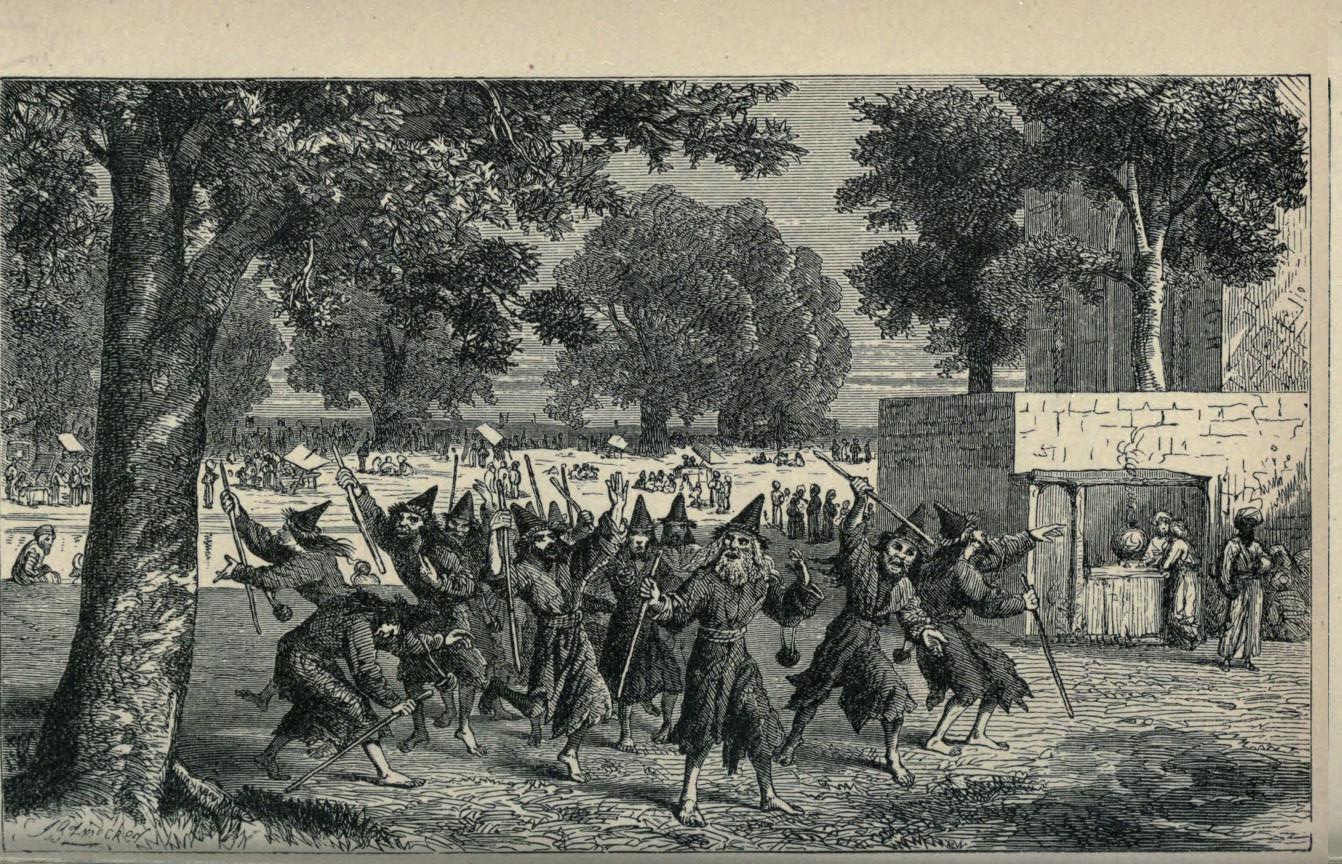
Priest of Skerwuchun (?) in Numbra valley.

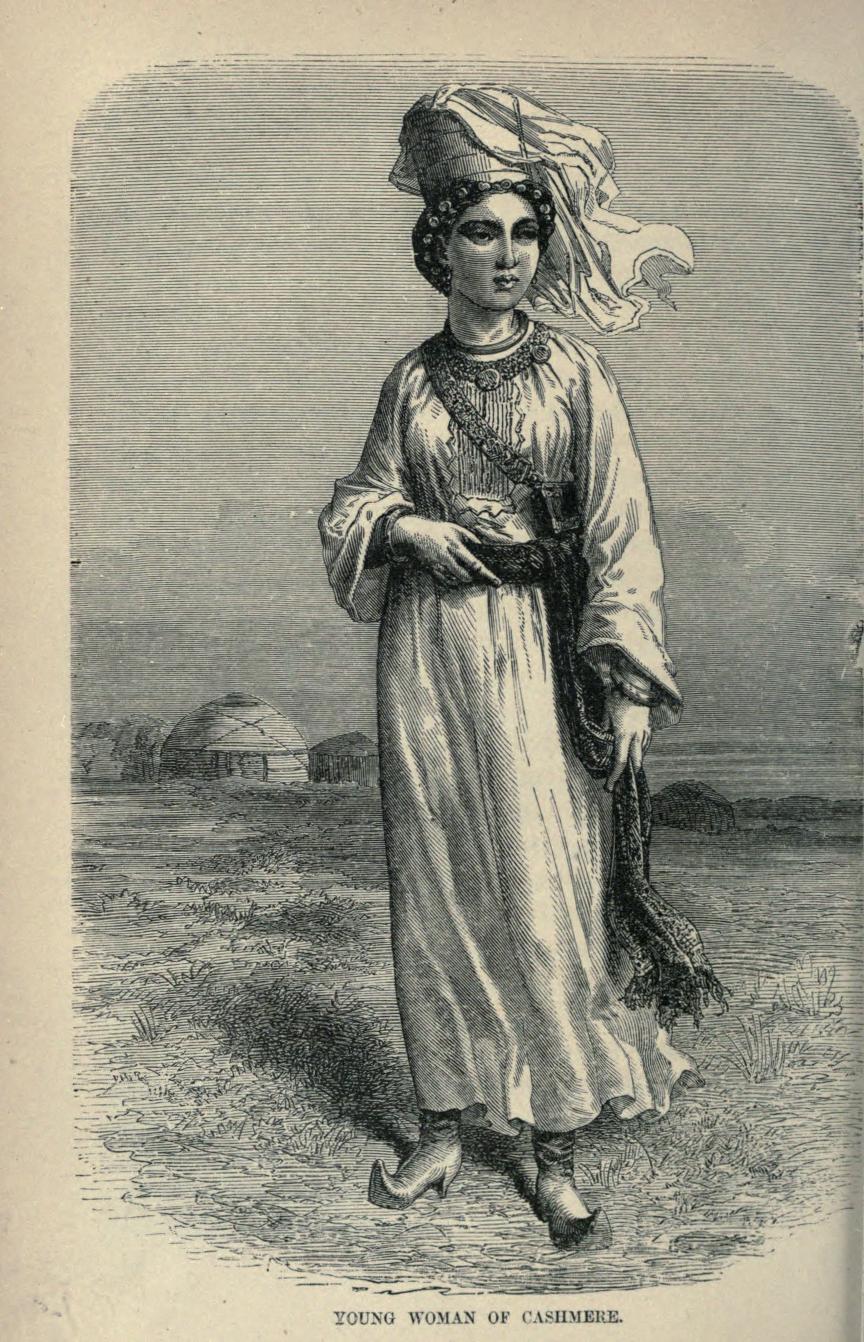
Young woman of Cashmere(?)
Really, and named what? Joséphine de Beauharnais.

-0-

Untitled Post

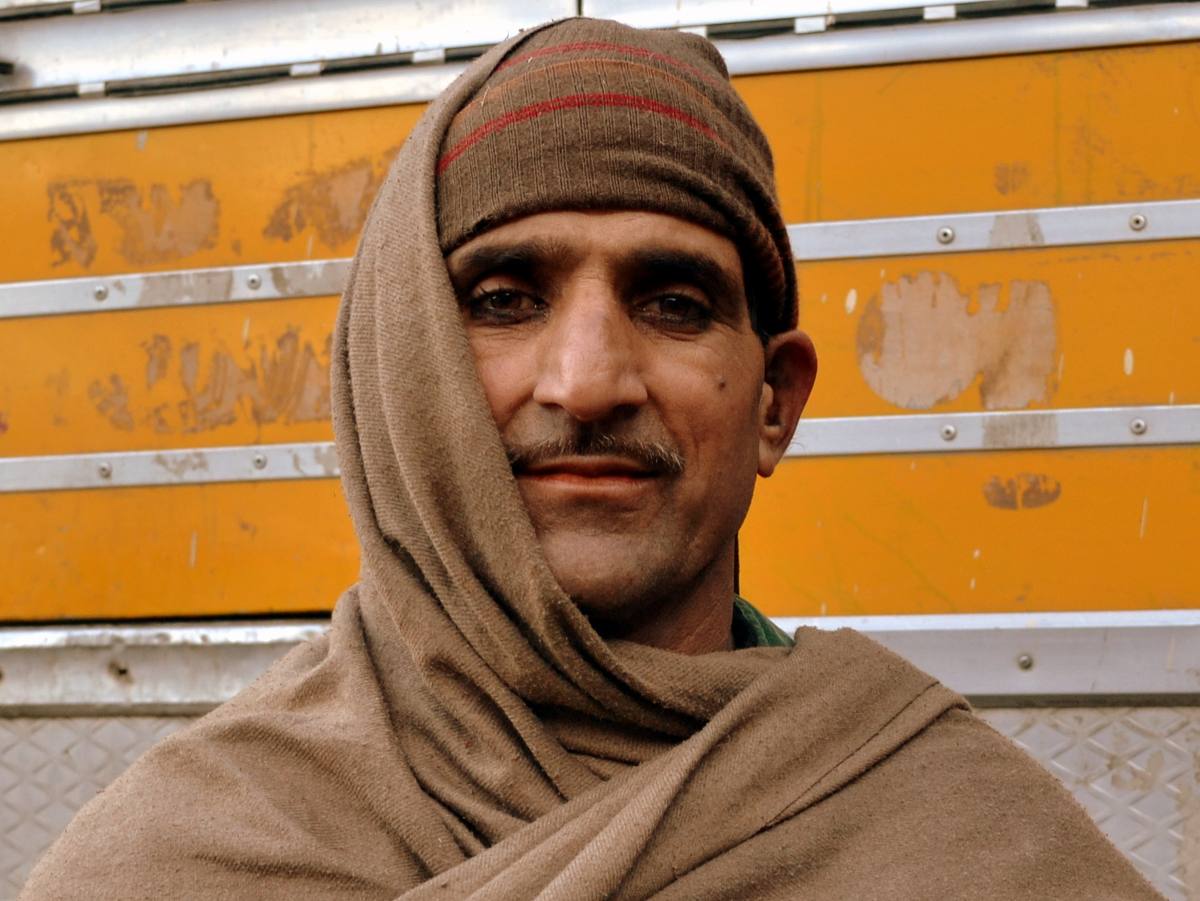
Kashmiri man caught singing Bumbro Bumbro, Shyam Rang Bumbro, just the refrain, ad infinitum, at 6:00 in the morning while carrying loads of vegetables on his back working in the bustling Sabzi Mandi of Jammu.

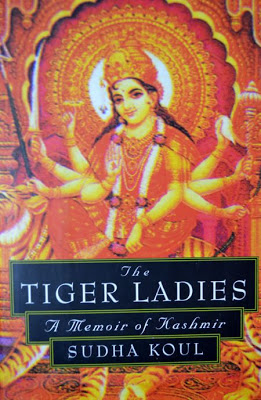
The Tiger Ladies by Sudha Koul

The Tiger Ladies: A Memoir of Kashmir
Sudha Koul
Beacon Press (2002)

The book is about a woman born in Kashmir, about growing up in the happy valley, about working in acursed dry plains of India and about getting older in blessed America remembering Kashmir. It is diasporic writing. It’s about endings. It’s about women making new beginnings. It is women’s diasporic writing. It is about ‘Tiger Ladies’ to make these beginnings. It is about grandmothers, mothers and daughters. In a way it is about the past, the present, the future. When not a memoir it is a lyrical elegy to a world that is gone. And yet it celebrates life and the strange women that make life possible. A magical world occupied by women who have midnight baths in chilling water to conceive children.  A world where women tell stories of a sad god-woman whose husband offered her only guilty sex and mother complex instead of love. O yes, this writing is done with an alien reader in mind, so we have a really ‘modern’ and yet magical re-telling of the life story of Rupa Bhavani (1620-1721). It is about stories like that. About the  undercurrents, about the flooding and the resettlement. The class divisions, the economic divisions, the religious difference and everything else, in true Kashmiri tradition, is alluded to without any clear spelling out of chasms. Nehru and Indira and the famous family planning scheme of her son make an appearance and probably sum up ‘India’ experience in the book. The picture of ‘Kashmir as it was’ that gets painted which almost all of Kashmiri diaspora may find identifiable: the paradise that it was. Everything in the writing almost makes sense. is convincing and beautiful. By the end of it when some woman like Ayesha Andrabi is included in list of Tiger Ladies, you are convinced of the book’s underlying theme of woman as harbingers of new beginning and as custodians of past.

I liked the book, the stories that women tell are always interesting, do read it for the nostalgia. It just that after reading this book I read two Kashmiri short stories that made Sudha Koul’s memoir all the more interesting as these two stories offered a parallel image of good ol’Kashmir. We keep reading about how in old days woman on a Kashmiri street has nothing to fear, that people were nice and respectful.  Trukunjal (A New Triangle) by Rattan Lal Shant is a sort of love story set in Kashmir of what can be guessed to be late 1970s or the 1980s. In an incident presented in the story, a woman has her cloths torn off by a mob even as her husband tries to be a ‘hero’ beating a tongawalla who tried to make a pass on his wife. Pagah (Tomorrow?) written in late 1970s by Hari Krishen Kaul tells the funny sad story of two Kashmiri boys, two friends, a Pandit and a Muslim, who successfully manage to fail every year at school and hence stay in the same class of their government school for almost two decades dreading tomorrow because they would have to go to school again. As a kid, the pandit boy used to gawk at a ‘convent going’ pandit girl who later goes on to marry a nice pandit boy while our two foolhardy protagonist still worry about tomorrow. Sudha Koul’s book is in many ways about the world of that ‘convent girl’ who went on to be the first woman Kashmiri IAS officer.

-0-

You can purchase the book here:

Buy The Tiger Ladies: A Memoir of Kashmir from Flipkart.com

Chunna’ kuney, chunna kuney

Old Jammu.
The poet’s brother used to work in Delhi.


Chunna’ kuney, chunna kuney,
Vuchh oard na’ yoard kuney,
This phyur talai mool n’ kuney,
Chhukhai tsaitan svori’tan sukuney

He is nowhere, he is nowhere,
Don’t look hither and thither,
Under this tree, there is no root,
If you are awake, do look.

~ Rupa Bhavani (1620-1721) – The lady, more famous for riding tigers and turning into ball of light at night much to the horror of her husband and mother-in-law, famous for floating down a mat on Jhelum river preaching difference between silver, gold and pearls to a Muslim missionary, was also a poet.

-0-

“The language is archaic; there are double and occasionally more meanings to what she said. The expressions are obscure, unintelligible, mystical and esoteric. The devotees, afraid to incur the saint’s displeasure, refuse to explain the sacred secrets; probably they themselves know precious little of what they recite or contemplate in blind admiration. “

~ Prem Nath Bazaz writing on Rupa Bhavani’s Vakhs in his book Daughters of Vitasta.

Life Cycle of a folklored Kashmiri Snake

Continuing with the snake tales.

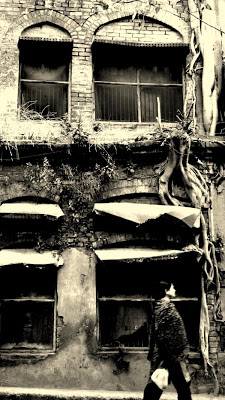
An abandoned shop turned parking lot turned temple in Jammu

“Listen. If for the space of one hundred years the sight of no human eye falls on a snake a crest forms on its head, and it becomes a shahmar; if for another hundred years it comes not into the sight of a man, it is changed into an ajdar; and if for three hundred years it has never been looked on by a human being it becomes a viha. A viha can stretch itself to any length, possesses enormous power, and can change its appearance at will ; it is very fond of assuming the form of a woman, in order that it may live with men.”

~ from a version of the story ‘The Philosopher’s Stone’ (another version of which features Kurdish govenor of Kashmir, Ali Mardan Khan) in ‘Folk-Tales of Kashmir’ by Rev. J. Hinton Knowles (Second Edition, 1893). The snake woman claims to be Chinese and Ali Mardan Khan  builds Shalimar Garden for her. In Kashmiri the name for the snake is given as Shahmar. Shahmar also appears in ‘Hatim’s Tales: Kashmiri Stories and Songs’ (1928), recorded with the assistance of Pandit Govind Kaul by Sir Aurel Stein.
Here’s the interesting part: Shahmar is the lord of snakes in Armenian folklore too. In one of its most popular appearance in a story, it gives a hunter named Purto a magical stone.* That’s not all, Viha in Uralic language means snake-poison as well as hatred. Considering that the The Levantine Viper (Macrovipera lebetina) infamous in Kashmir as Gunas is infamous in Russian belt as Gjurza makes me wonder if all our snakes and their gods and demons came from Urals.

-0-
*Encyclopedia of Russian and Slavic Myth and Legend by By Mike Dixon-Kennedy.

-0-

The snake woman or Lamia by J. Lockwood Kipling, father of Rudyard Kipling.
It accompanies the story of ‘The snake-woman and the king Ali Mardan’
in ‘Tales of the Punjab : told by the people’ (1917) by Flora Annie Webster Steel (1847-1929).

-0-

wolo myaani poshey madno

A woman at Gulmarg.
The Place is supposed to have been
discovered and patronized first by
Habba Khatoon.

Dil nith colham roshey,
Walo myaani poshey madano!


Wolai ve’si’ gachavai hiyey,
yus gav su katee yiyey,
Praaraan chhas channi ziyey,
Walo myaani poshey madano!


Wolai ve’si’ gachavai handey,
Laanyum nyai kati andey,
Loo’ka’ ma’ti ka’dnas randey,
Walo myaani poshey madano!


Wolai ve’si’ gachavai babrey,
Chhokh me’ loinam tabrey,
Zanh ti aam nai khabrey,
Walo myaani poshey madano!


Wolai ve’si’ gachavai krechhey,
Khalqav tuj has rechhey,
Timan tay myon hyu gachhey,
Walo myaani poshey madano!


Wolai ve’si khasavai vantai,
Khalqav b’ari’ has kan tai,
Tee booz ta’mi’ saadan tai,
Wo’lo myaani poshey madano!


Wolai ve’si gachhvai aabas,
Dunya chhu nendri ta khaabas,
Praaran chhas bo’ jawaabas,
Walo myaani poshey madano!

-0-

Having snatched my heart you have gone far off,
Come, my love, my flowery Cupid!

Let us go, mu friend, to gather jasmine,
Once dead, none can enjoy life;
I hanker for your prosperity, Love,
Come, O Come, my flowery Cupid.

Let us go, friend, to gather dandelion,
The tangled strands of destiny cannot be freed,
The populace relishes my humiliation,
Come, O come, my flower Cupid.

Let us go, friend, to gather basil,
Wounding my heart with the axe,
Disdains he even to inquire of me,
Come, O Come, my flowery Cupid.

Let us go friend to gather herbs,
Heartless people make fun of me,
Would that they were in a similar plight!
Come, O Come, my flowery Cupid.

Let us go, friend, to the woods:
People poison his ears against me,
Naively he gives credence to these tales!
Come, O Come, my flowery Cupid.

Let us go, friend, to fetch water:
The world is fast aslumber, Love,
I yearn for a response from you,
Come, O Come, my flowery Cupid.

~ A Translation by S.L. Sadhu offered in his ‘Habba Khatoon’ written for Sahitya Akademi’s ‘Makers of Indian Literature’ series.

An interesting thing about the books on Kashmiris written by Kashmiris under this series is that they seldom actually offer the original Kashmiri lyrics. It’s like they (the publishers, not the writers as it does seems the original lyrics were left out in the final edit) never thought other Kashmiris might be interested in reading these books some day and might want to read the originals too.

-0-

He stole my heart, then
enraged, he left.
Come back my flower, my God, my Love!

Come my friends, let us gather Jasmine,

One who is gone,
never returns.
And yet I wait on all your life.
Come back my flower, my God, my Love!

Come my friends, let us gather Dandelion,

It was fate,
not meant to be, they say.
All that people now offer is abjection.
Come back my flower, my God, my Love!

Come my friends, let us gather Basil,

My beauty
he threw to axes,
it went to pieces,
And he never even returned to know,
if I was alive
Come back my flower, my God, my Love!

Come my friends, let us gather wild herbs,

People mock and taunt,
Not if,
they too had gone through,
what I am going through,
Come back my flower, my God, my Love!

Come my friends, let us go to the woods,

People poison his two ears
That simple man,
what if he hears their tales of me,
what if he believes their falsehood!
Come back my flower, my God, my Love!

Come my friends, let us go to the river,

While the world is still asleep and dreaming,
I await,
I wait for an answer
Come back my flower, my God, my Love!

-0-

Some additional verses. Sung by travelling bard Noor Mohammad of Handwara.

Kashmir pages and pictures, 1912

From ‘Indian pages and pictures: Rajputana, Sikkim, the Punjab, and Kashmir’ (1912) by Michael Myers Shoemaker (1853-1924).

Jahangir’s Garden, Lake Ganderbal

Lotus of Dal Lake

Shalimar

A Group of Merchants

Jumma Masjid 

Onward to the Ninety-nine names of God in a Doonga

Srinagar

A Kashmiri Boatman

The Mansion of the Minister of Shawls, Srinagar

Martand

Nishat

Pandrathan

Habba Kadal 

Shalimar

Shankaracharya/Takhat-i-Sulaymani/Gopadiri/Sir-i-Shur

-0-