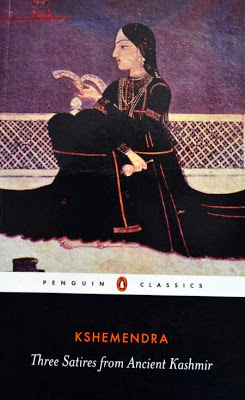
Kshemendra Three Satires from Ancient Kashmir by A. N. D. Haksar

‘Victory to that lord supreme,
the illustrious bureaucrat,
infalliable, who can at will
delude the whole world with deceptions’

~Narma Mala, Satire 1

‘This humbug is a scoundrel in search of prestige and recognition. Indifferent to merit, he will fawn on those without it. Hostile to his own kin, he will exude fraternal compassion for outsiders. He is also pitiless. With bowed head, he will be all sweetness when it suits him. But once his purpose is served, he will only wrinkle his brow and say nothing.’
[…]
Hambug seemed upset at having to wait for long. He fixed his gaze on his progenitor and the god’s lotus throne, and stood proud and motionless, as if impaled on a spear. The four-headed god realized that the newcomer wished to be seated. His teeth gleaming in a smile, as if at his carrier, the swan, he said kindly,’Son, sit in my lap. You are worthy of it by virtue of the dignity that your great and remarkable austerity and other merits have given you.’
On hearing these words, hambug carefully sprinkled water on the creator god’s lap to purify it, and quickly sat upon it.’Do not speak loudly,’ he said to the god,’and if you have to, please cover your mouth with your hand so that your breath does not touch me.’ Brahma smiled at this unparalleled concern for ritual purity. ‘ Hambug you certainly are!’ he said with a wave of his hand. ‘Arise. Go to the sea-gridled earth and enjoy pleasures unknown even to the denizens of heaven.’

~Kalavilasa, Satire 2

Victory to the Heramba!
The ten directiond smile, lit up
by the brilliant radiance
of the playful raising of his tusk,
slender as lotus.
And victory to the courtesan,
lightning in the clouds of vice;
to libertines, the thespians
in the artful play of crookery;
and to that river of deception,
the procuress, whose forceful current
sweeps away, like trees, the people.

Desopadesa, Advice from the Countryside, Satire 3

More about the eleventh century CE funny guy from Kashmir:

‘Kshemendra’s work was earlier known only from quotations in some anthologies and a refrence in the Rajatarangini. In modern times, its first manuscript was discovered by A.C. Burnell, at Tanjore, in 1871. This was the Brihatkathamanjari, the abridgement of the lost work [of Gunadhya’s] already mentioned. In the succeeding half-century Indologists G. Buhler, A. Stein, B. Peterson, S.C. Das and M.S. Kaul located manuscripts of his other works, at different times, mainly in Kashmir. So far, eighteen of these have been found, and their texts edited and printed. Another sixteen are known, at least by title, from reference or quotations in the discovered texts, but still remain lost.’

-0-

It is tempting but wrong to see present in past. To read these ancient sketches, to see the scene in front of you and go, ‘Indeed nothing has changed.’  Even if it is not the intention, the work for the troubled place of its origin, and the way it is presented in this book, the translated words of this ancient Kashmiri does seem to offer the bitter sweet pill of present coated in past. The book runs a little trick on simple readers, casual book-self browsers. Trick, the cover say’s ‘Three Satires from Ancient Kashmir’ but inside you find one of the satires, Kalavilasa, the one in which Muladeva, the king of thieves describes the ways of swindlers of the world, was in fact set in Ujjayani, near present Ujjain in Madhya Pradesh. The blurb on the last page claims, ‘these little-known exposes of eleventh-century society find resonance in India even today.’ If sketch of  bureaucrats, scribes, gurus, traders, and the all thieves of the world in Kshemendra’s writing be true, be still relevant, then what about his sketch of women, his blood sucking witches. who make a man ‘struct and dance like a pet peacock.’ While Kshemendra’s sketch of men may still be acceptable, identifiable, to today’s Shabhya people, but probably not his sketch of women and ‘their ways’. No cultured man will quote Kshemendra to score a point in a debate on ‘women’s liberation’. This is not ancient times. There has been progress.  We live in modern age. We…

‘A Nit-picking man. One of the many hambugs infesting Kal-yug. Listen, stop scratching your bum, wondering what-this-what-that, you Kashmiri bum, trader of black-ink, dweller of ivory island. You have to run down one of your own. Look around, ask the man on street what he thinks of ‘women and their ways’. The man pours his heart and piss on walls of public urinals. Don’t be surprised if he says the same sundry things that I wrote a thousand years ago. Just read me in translation. Me in translation by a bureaucrat and marvel. ‘

-0-
You can purchase the book here:

Buy Three Satires from Ancient Kashmir from Flipkart.com

but you have no mangoes

Near Fatehpur Sikri. Summer. 2011.

“It was spring-time in Kashmir, and the flowers were all out to greet the couple on their honeymoon. They were as happy as any newly-wedded couple has ever been, but even in that time of bliss they could not forget the lonely man in Anand Bhawan who was sweltering in the heat of the plains to prepare the country for the final struggle.

From Gulmarg they sent a jointly signed telegram:
WISH WE COULD SEND YOU SOME COOL BREEZE FROM HERE.
He must have been touched by their affectionate concern but Jawaharlal summoned his celebrated and subtle sense of humour to promptly send the telegraphic reply:
THANKS. BUT YOU HAVE NO MANGOES.”

Came across it in fantastically titled book ‘Indira Gandhi: Return of the Red Rose’ (1966) by K.A. Abbas.

Summary:
Kashmir: Cool. India: Hot. But. India: Mangoes. Kashmir: No Mangoes. And so it is appropriate, you too shall be ordained to brotherhood of mangoe-hood.
-0-

-0-

come, ye burnt soul, ye roasted fowl

Runs to Mountain.
 Gulmarg. Summer 2008.

Har sokhta-jaaney ke ba Kashmir dar aayad 
Gar murg-e-kabaab ast ba baal-o-par aayad

Every burnt soul that comes into Kashmir gets life;
 If it be a roasted fowl, it gets wings and feathers at once.

~ Urfi, 16th century Persian poet of Akbar’s court. He accompanied Akbar on his Kashmir visit in 1588. Died of dysentery in Lahore in 1591. Thirty years after his death his body was dug-up to be reburied in Najaf, Iraq. [more about him].

Came across the translation in ‘Surname Book and Racial History: A Compilation and Arrangement of Genealogical and Historical Data for Use by the Students and Members of the Relief Society of the Church of Jesus Christ of Latter-day Saints’ by Susa Young Gates (1918)

-0-

Previously: Garmiyon may Kashmir jannat hai

Kalidas Kashmiri

Bharat Bhushan in costume drama Kavi Kalidas (1959)

Birth-Place of Kalidasa By Pandit Anand Koul. Published in Journal of Indian History VII (1928).

 THERE can be no Indian who has not heard the name of the greatest dramatist and the most illustrious poet that India has ever produced, namely, Kalidasa. The great poet, Goethe, bestows unqualified praise on his works. The richness of creative fancy of this genius, his delicacy of sentiment and his keen appreciation of the beauties of Nature, combined with remarkable powers of elegant description, which are conspicuous throughout his works, rank Kalidasa as the prince among the Oriental poets. Kalidasa’s fame rests chiefly on his dramas but he is also distinguished as an epic and a lyric poet, possessing great magic power and spell to entrance. He has written three plays – Shakuntala, Vikramorvasiya and Malavikagnimitra. He has also written two epic poems, entitled Raghuvansha and Kumarasambhava. His lyrical poems are Meghaduta and Ritusamhara. He carried ornateness to a pitch far beyond any poet’s a pitch which deserves the epithet of ‘exalted excellence’. He occupies a throne apart in the ideal and immortal kingdom of supreme creative art, poetical charm and dramatic genius.

It is, by no means, improbable that there were three poets of this name; indeed, modern Indian astronomers are so convinced of the existence of a triad of authors of this name that they apply the term Kalidasa to designate the number 3. One Kalidasa was with King Bhoja of Malva at about the end of tenth century of Christian era, about whom it is said, that he had gone to Ceylon to see the king of that island named, Kumaradasa. This king was a good poet and had sent a copy of his own poem Janaki Harana as a present to King Bhoja. This poetic work had pleased Kalidasa very much and he became anxious to make a personal acquaintance with him. He went to Ceylon and there he was staying in an old woman’s house. King Kumaradasa used to pay frequent visits to Matara and when he was there he always stayed in a certain beautiful house. During one of these visits he wrote two lines of unfinished poetry on the wall of the room where he had lived. Under it he wrote that the person who could finish this piece of poetry satisfactorily would receive a high reward from the king. Kalidasa happened to see these lines when he came to this house in Matara and he wrote two lines of splendid poetry under the unfinished lines of the king. He was In hopes that his friend king Kumaradasa would be well pleased with this and would recognize his friend’s poetry. But the unfortunate poet had not the pleasure of getting either reward or praise from the king, because the authorship of this poem was claimed by a woman in the same house, who had seen that the poet Kalidasa had written these verses. She secretly murdered Kalidasa and claimed the reward, stating that the poem was her own. But nobody would believe that the woman could have written such poetry which could have only been the work of a real poet. The king, when he saw the lines of the poetry, said that nobody but his friend, Kalidasa, would be able to understand him so well and to complete in such an excellent way the poetry which he (the king) had written and he asked where Kalidasa was, so that he could hand over to him the promised reward. Nobody knew where he was and at last search was made everywhere and, to the great sorrow of everybody, his body, which had been hidden, was found. One can hardly imagine how sad King Kumaradasa was when he heard that Kalidasa had been murdered, for he had loved him so much both as poet and as friend. A very grand funeral pyre was erected and the king lit the pyre with his own hands. When he saw the body of his dear friend consumed by the flames, he lost his senses altogether through his great grief and, to the horror of all the people assembled, he threw himself on the funeral pyre and was burnt with his friend (see page 147 of Stories from the History of Ceylon by
Mrs. Marie Musseus-Higgins
).

 To return to Kalidasa of our subject. He was appointed as a courtier by Vikramaditya and was greatly esteemed by him for his eminent merit. He was one of the nine gems of his court What a genius he was, may be found from the following
anecdote :-

King Vikramfiditya once composed a poetic line – Bhrashtasya ka(a)nya gatih ? meaning – What other end may not a fallen person come to ? or, in other words, the vicious wheel of vice revolves. He asked Kalidasa to complete this unfinished verse. Next day Kalidasa went purposely to a butcher’s shop whereby the king had to pass. When the king came and saw Kalidasa there, he stopped and held the following dialogue with him in poetry, which Kalidasa completed with that very line which had been composed by the king himself the previous day : –

V. Bhiksho mamsa-nishevanam prakurushe?
K. Kim tena madyam vina? 
V. Madyam, chapi tava a priyam bhavatah? 
K. Varanganabhih saha. 
V. Vesya (a)pyartha-ruchih, kutas tava dhanam? 

K. Dyutena chauryena va.
V. Dyuta-chaurya pardgraho (a)pi bhavatah? 
K. Bhrashtasya ka(a)nya gatih?

V. O mendicant, do you indulge in eating mutton ?
K. What is the good of it without liquor ?
V. Do you like liquor too ?
K. Together with prostitutes.
V. A prostitute requires to be given money ; wherefrom do you
get it?
K. Either by gambling or stealing.
V. Are you addicted to gambling and stealing too ?
K. What other end may not a fallen person come to ?

Pandit Lakshmi Dhar Kalla, M.A., M.O.L,., Shastri, late Government of India Research Scholar in Archaeology, is to be thanked for the research he has recently made, fixing the birth-place of Kalidasa the sun among the poet-stars of the world – in Kashmir. He has given a new interpretation to Kalidasa’s poetry in the light of the Pratibhijna philosophy of Kashmir. He gives five following proofs from the works of Kalidasa that determine the birth-place of the poet in Kashmir:-

 I. (a) Disproportionately detailed and minute physical and natural description of the Himalayas,
     specially of the northern parts
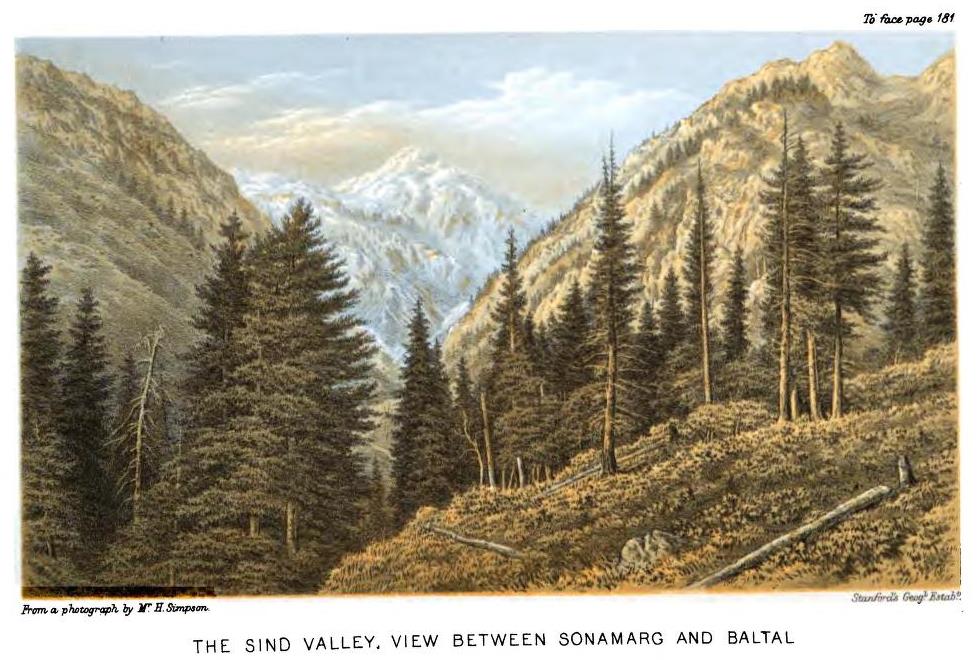
of Kashmir, or more definitely, the Sindhu Valley in Kashmir.

    (b) Feeling shown for, and patriotic references to, Kashmir.

 II. Unconscious and spontaneous references to scenes, sights and legends of Kashmir.

III. Direct allusions to local sites and usages, social customs and conventions along with such other  
      miscellaneous matters as
are preferably known only to the natives of Kashmir.

IV. The personal religion of Kalidasa was the ‘Kashmir Saivism’ known as the Pratyabhijna School of  
      Philosophy, which has
its home in Kashmir and which was not known outside Kashmir during the
      days of Kalidasa, till after its popularization by
Somananda in the ninth century A.D.

 V. ‘The argument of Meghaduta points to Kashmir as the home of Kalidasa.

Matrigupta, who was appointed as king of Kashmir by Vikramaditya, is considered to be Kalidasa by Dr. Bhaudaji (see footnote on
page 83 of Stein’s Translation of the Rajatarangini). Matrigupta was no doubt, a poet, but he could not be identified with Kalidasa, because the latter was sent to Kashmir as king by Vikramaditya after only six months’ attendance at his court and he left Kashmir after Vikramaditya was dead (see Stein’s Translation of the Rajatarangini, page 95) ; while Kalidasa was with Vikramaditya at Ujjain for many years.

There is a saying current among the Kashmiris – Kalidasas chhuh panani vizih wunnan (i.e., Kalidasa falls into darkness in his own case). Proverbs prove facts which are handed down from generation to generation. The above saying goes to prove that Kalidasa was a Kashmiri. Evidently it has reference to a certain indiscretion on his part in his lifetime which must have brought him into some sort of trouble.

 -0-

Among others Hindi writer Mohan Rakesh too seems to have believed that Kalidas had a Kashmiri touch. It comes across in his Ashadh Ka Ek Din (1958) based on Meghaduta (made into a film by Mani Kaul).

-0-
Alternative title for the post: Did Kalidas ghost-wrote the ‘Jai-tries-to-not-talk-Mausi-ji-into-offering-Basanti’s-hand-to-his-best-buddy-Veeru’ scene from Sholay? 

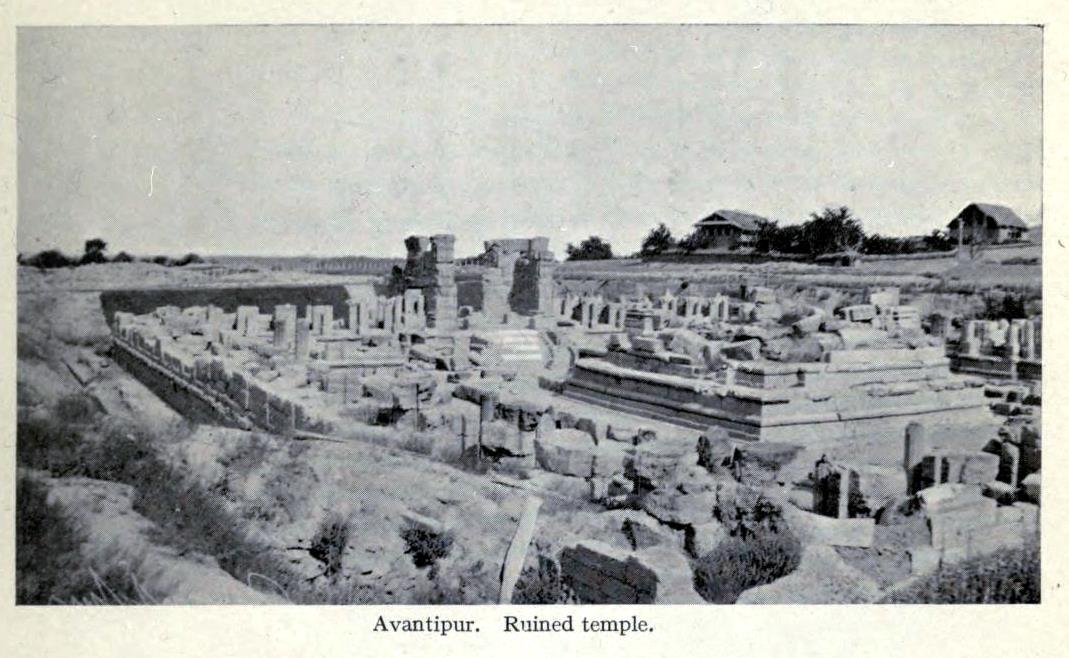
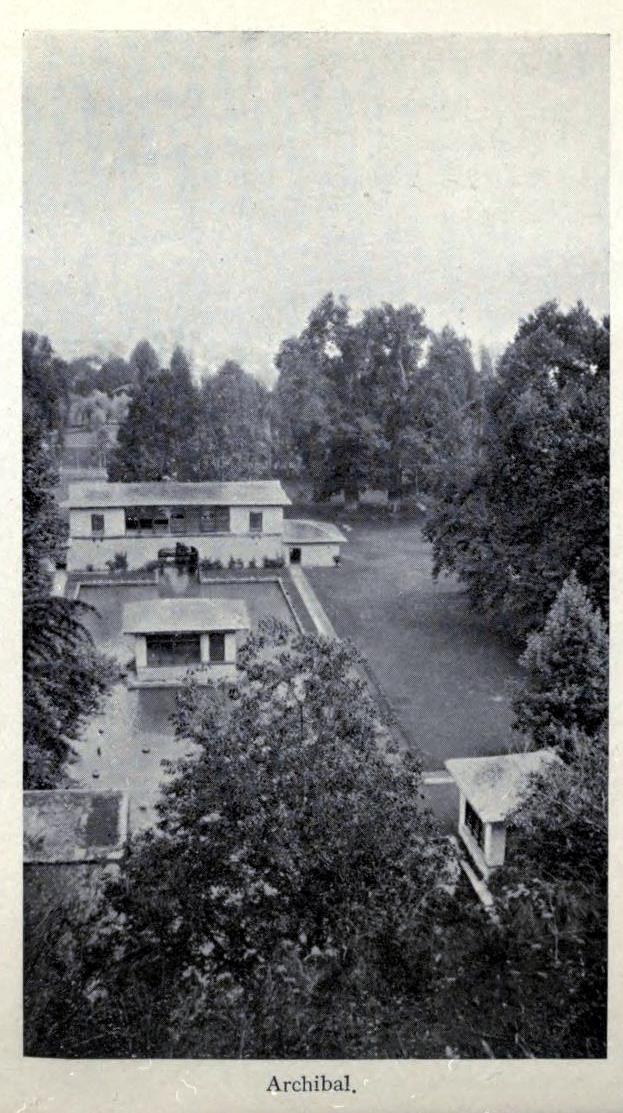
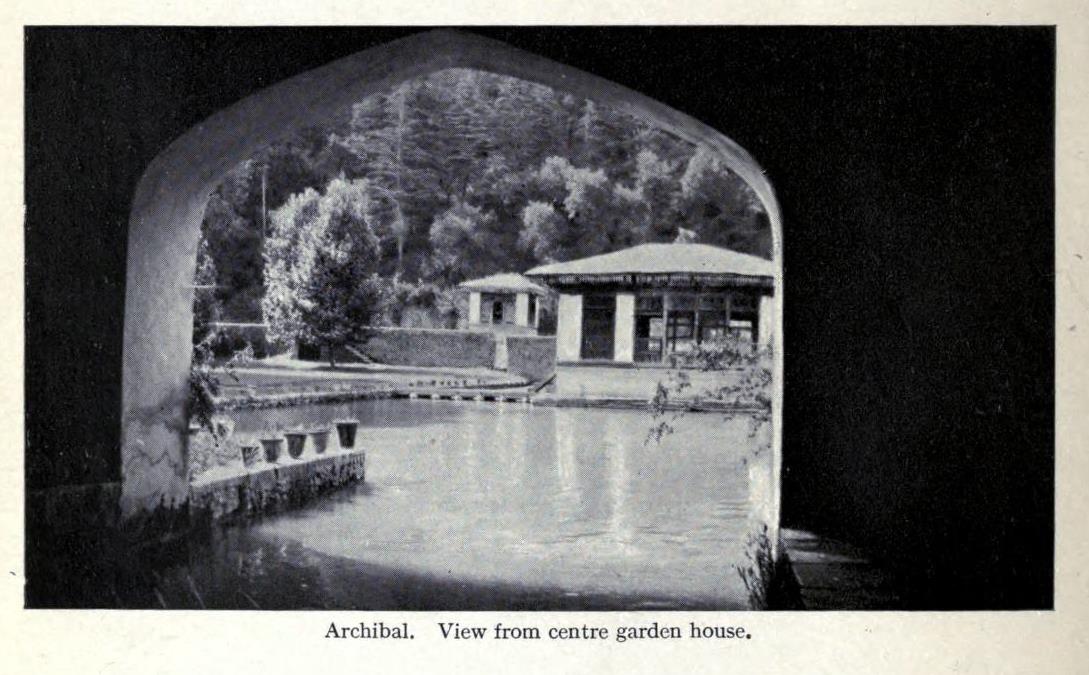
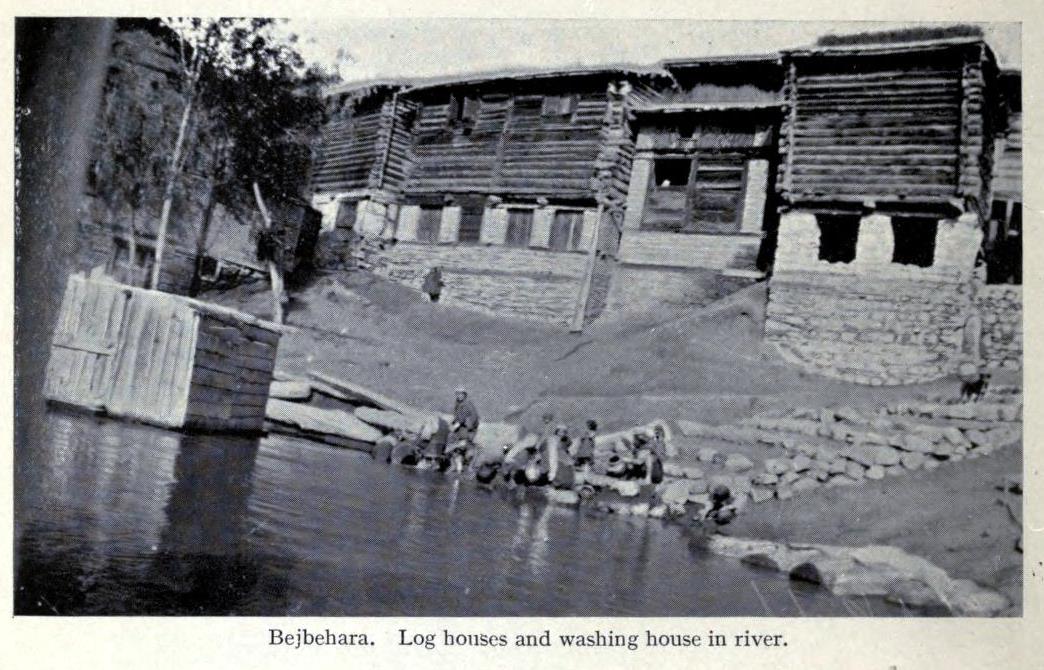
three weeks in Cashmere, 1920

Rest of the photographs from ‘Cashmere: three weeks in a houseboat’ (1920) by Ambrose Petrocokino who fought in Greco-Turkish War of 1897, the Boer War and the First World War.[bio]

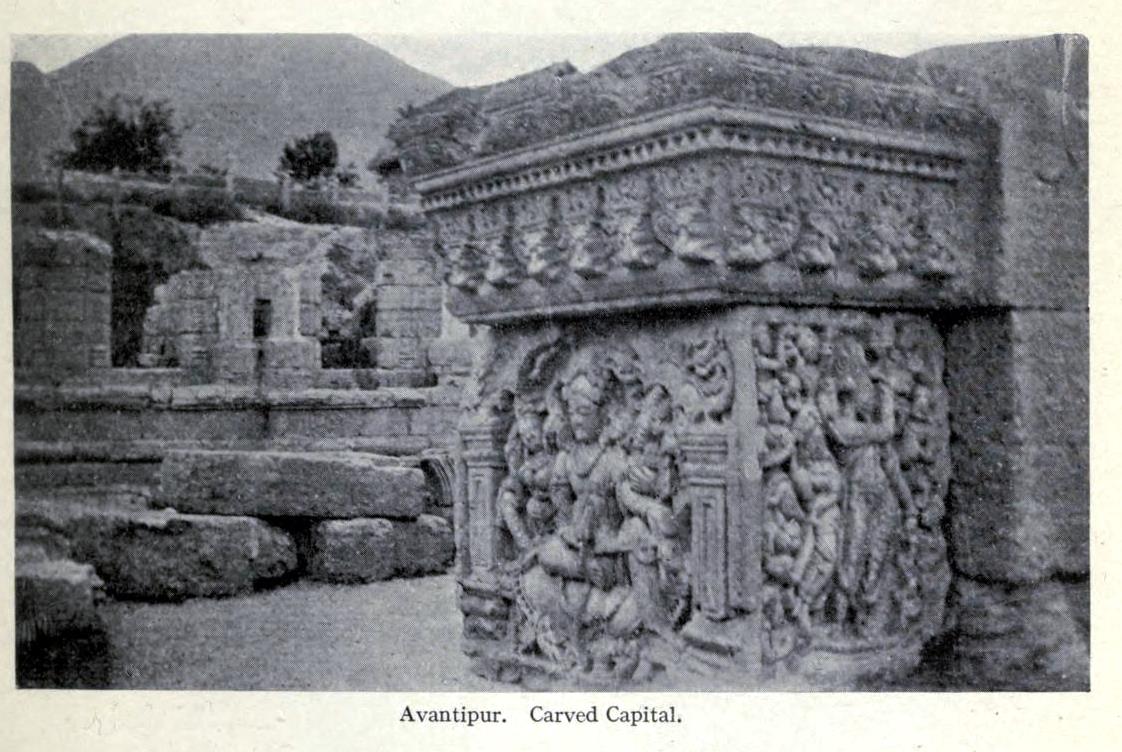
Avantipur

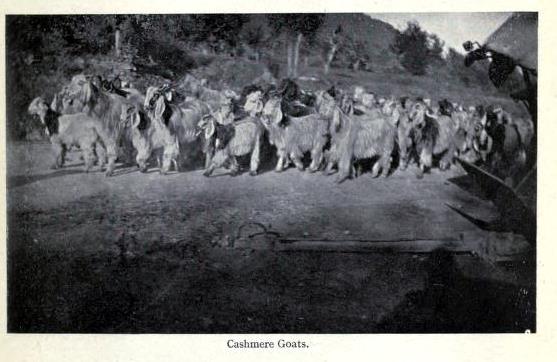
Kashmiri Gaots

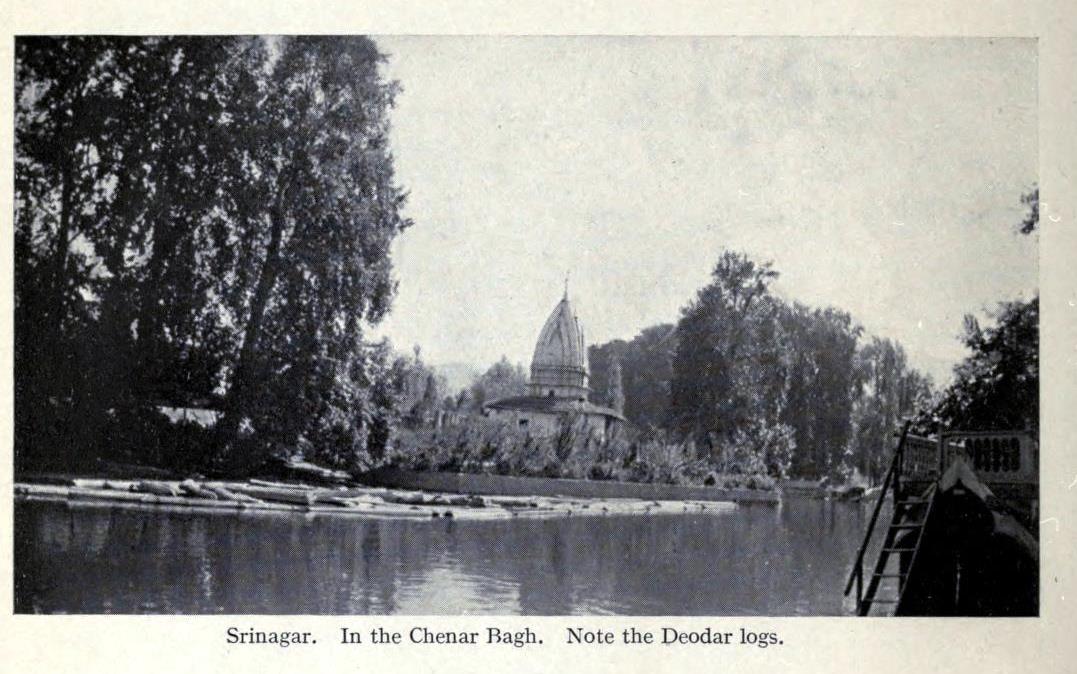
Chenar Bagh. Note Deodar logs.

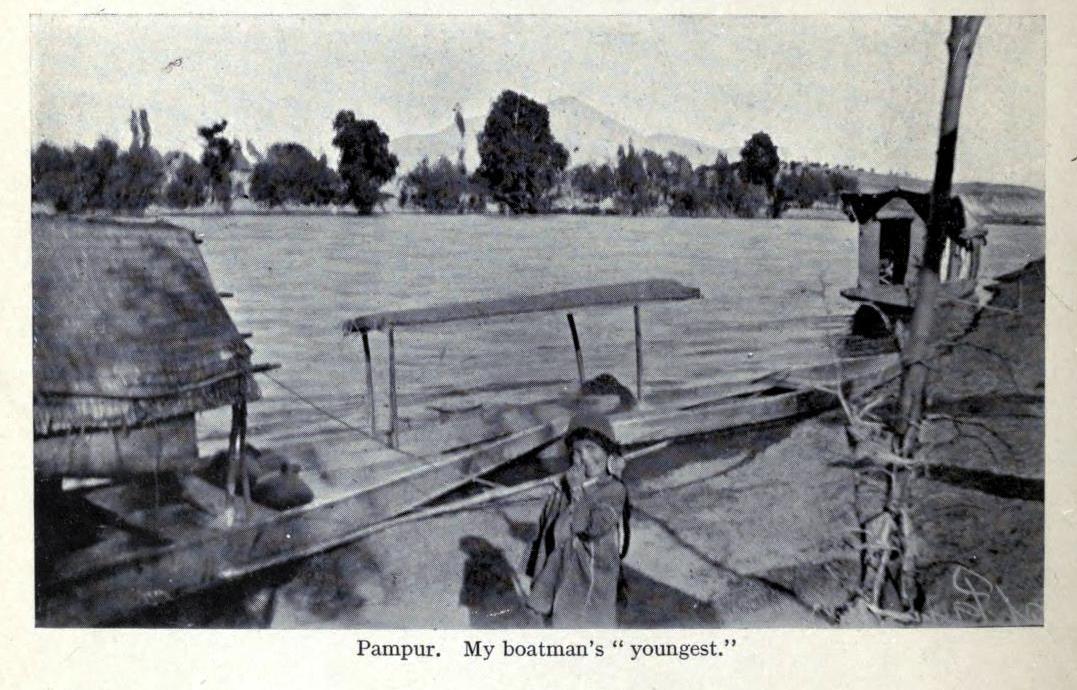
Pampur

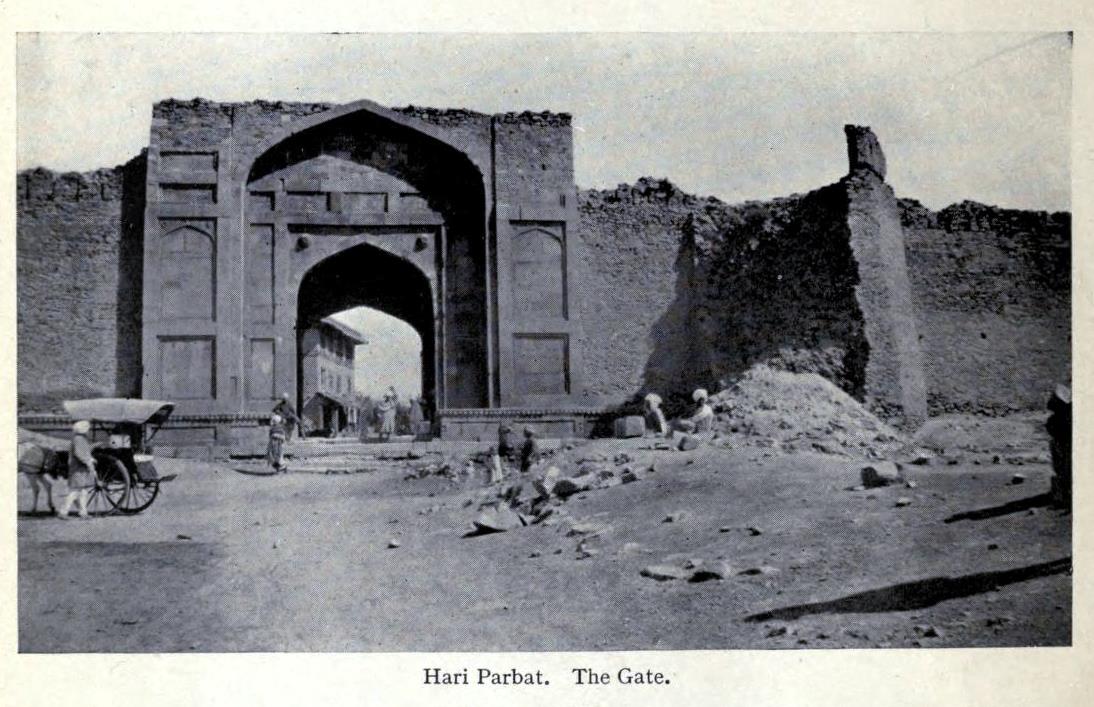
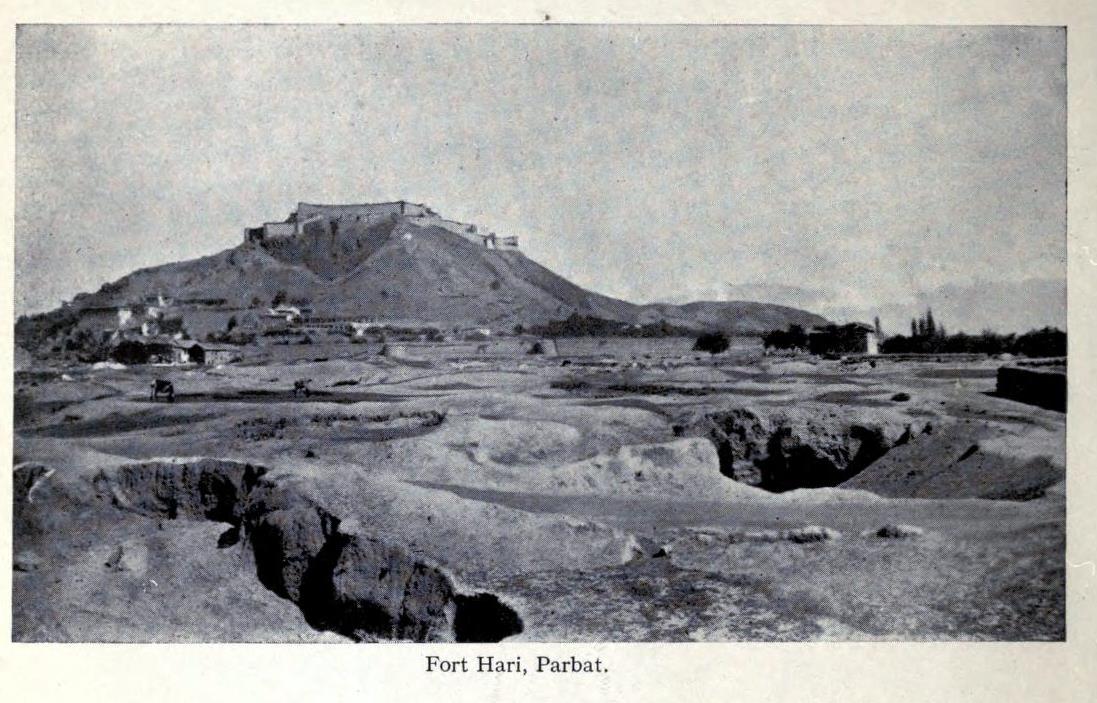
The Gate. Hari Pabat. It is still there but the surroundings are  a lot more congested.

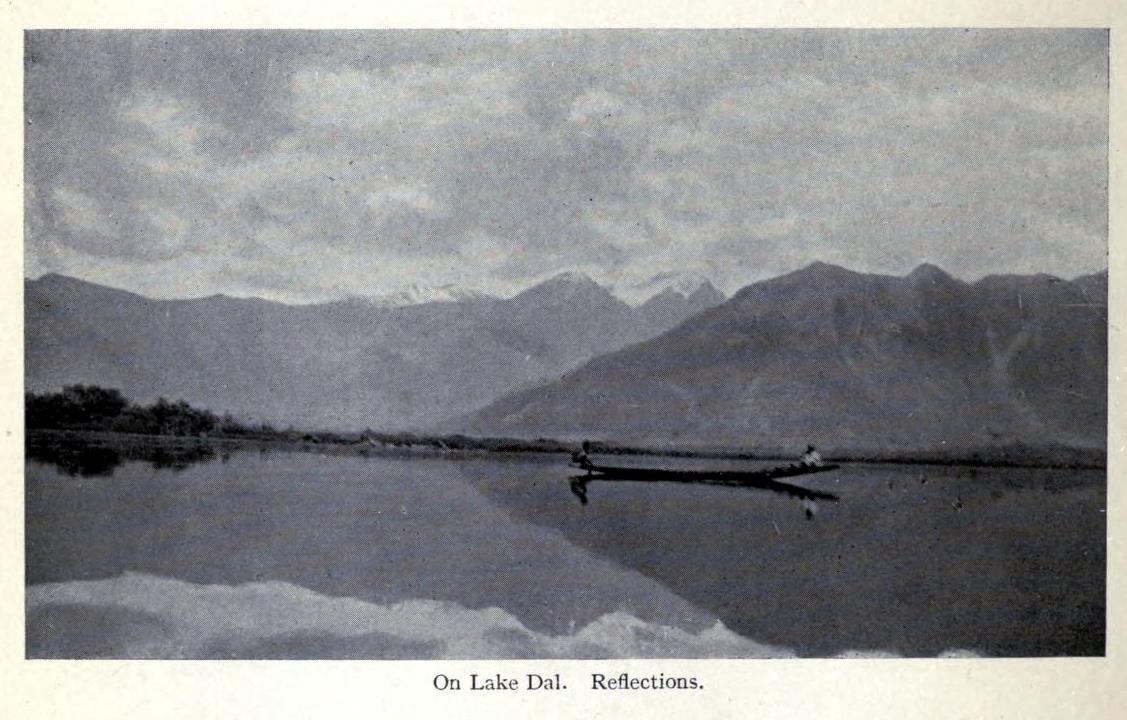
Dal

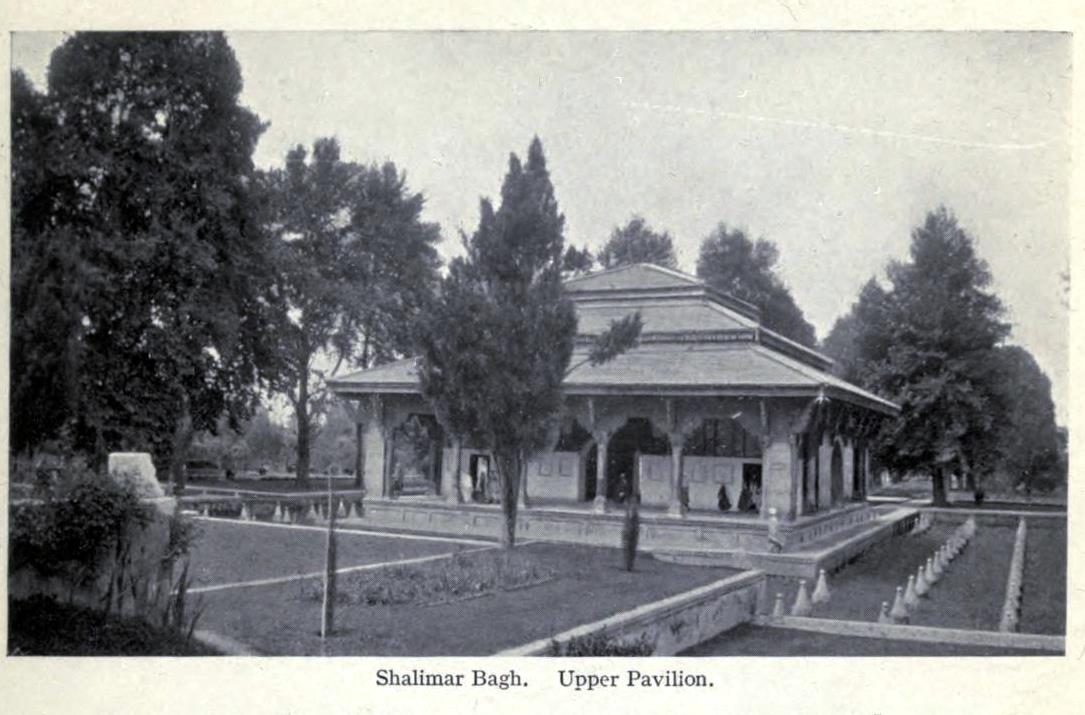
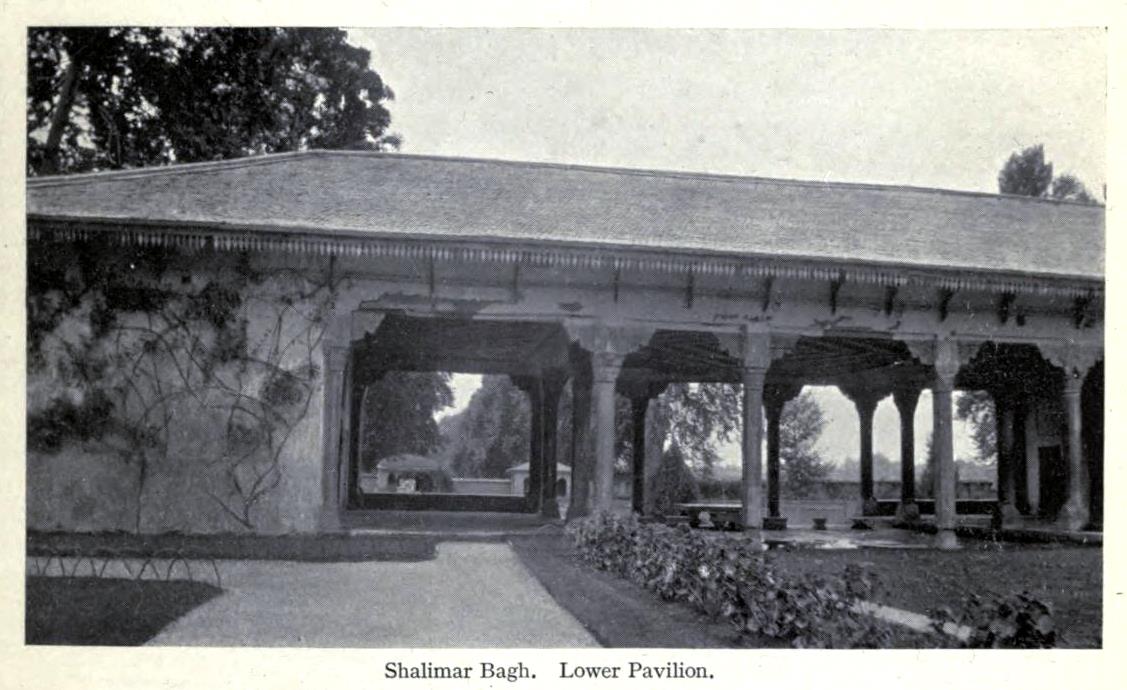
Shalimar

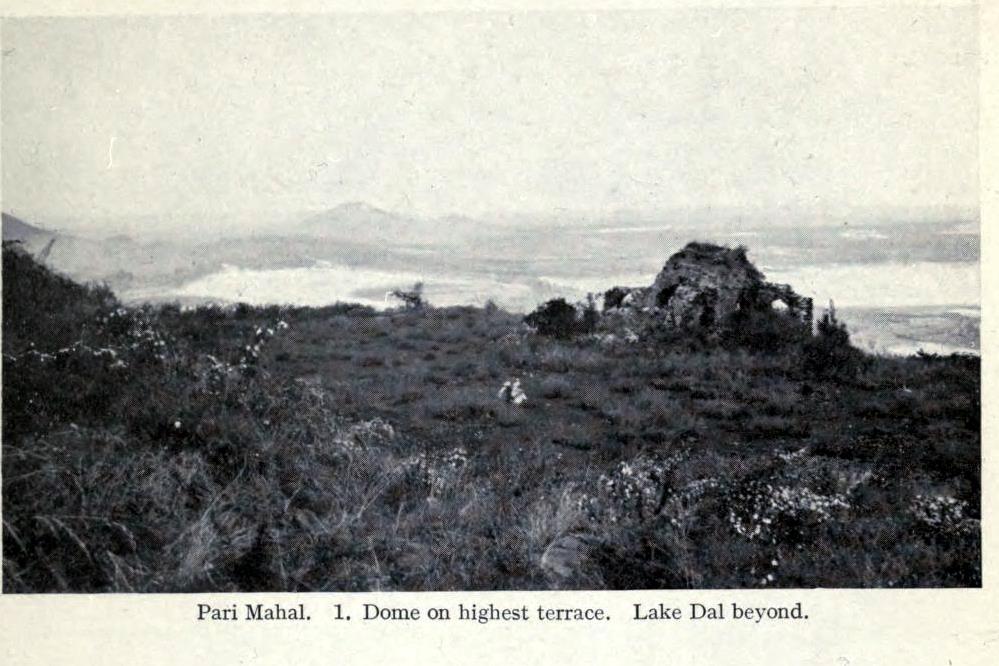
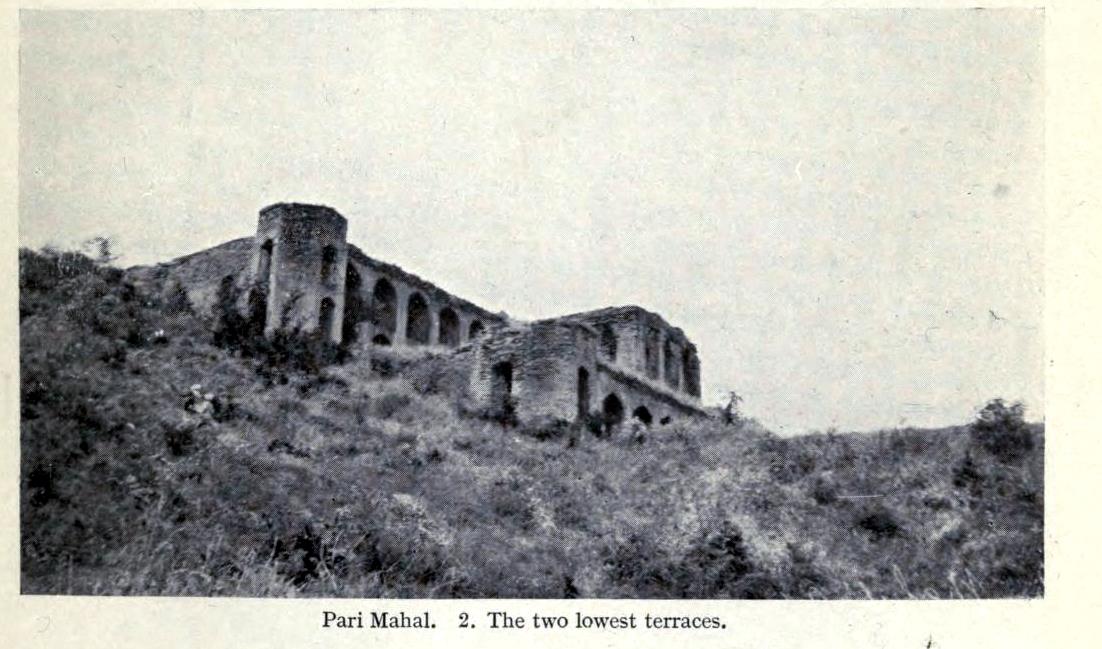
Pari Mahal

pari Mahal

Shalimar

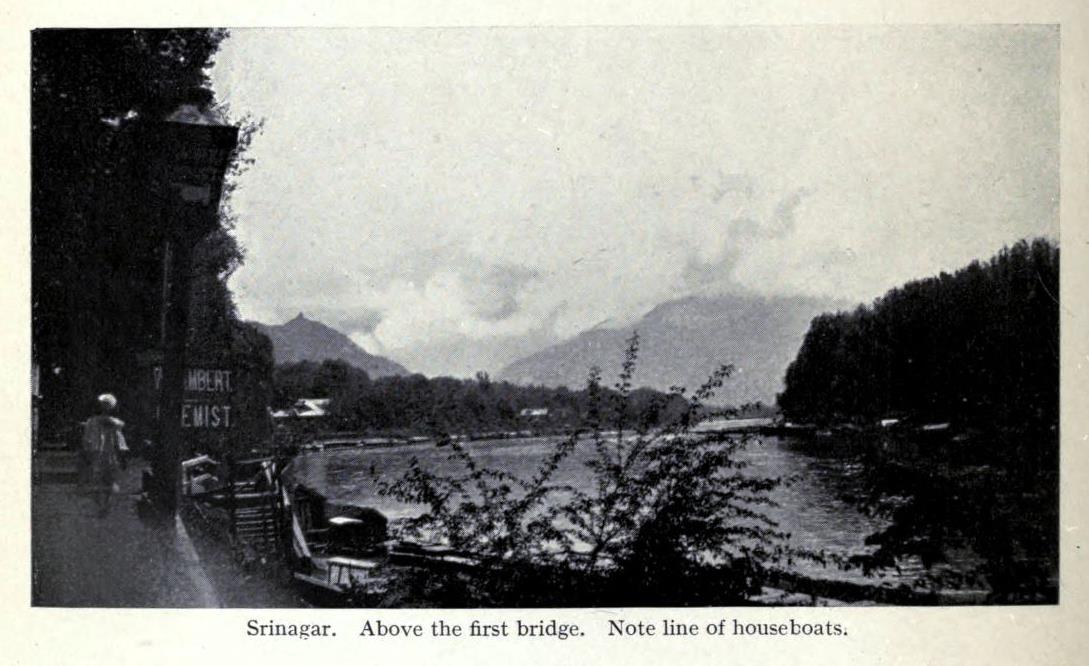
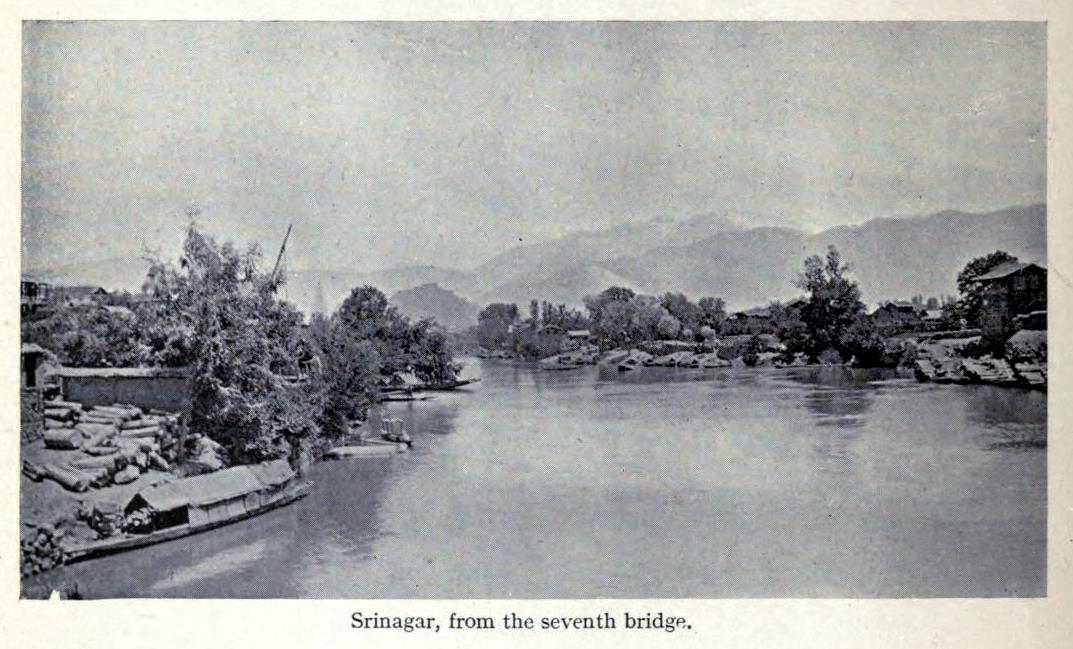
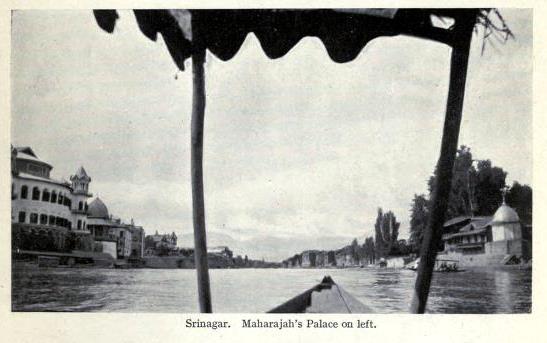
Srinagar

Srinagar

Avantipur

Achbal

Achbal

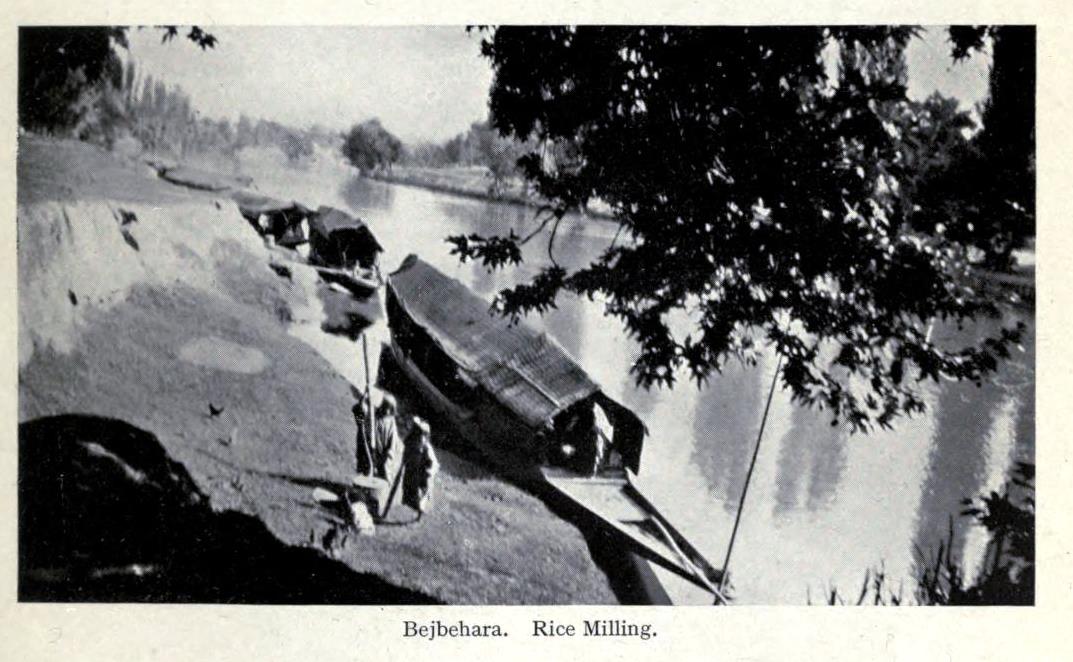
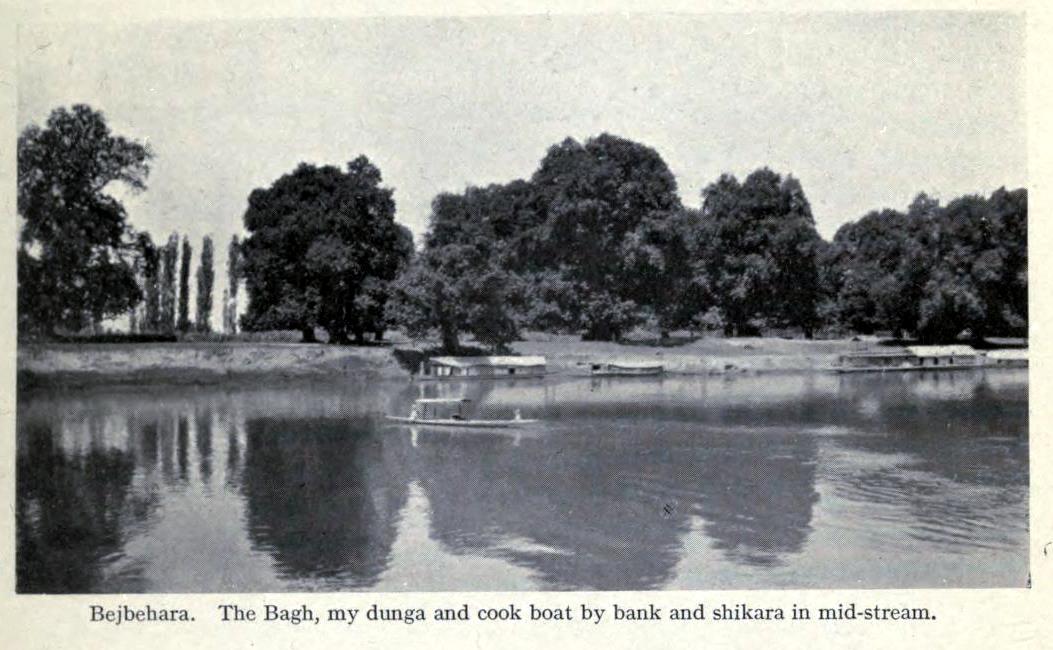
Bijbehara

Bijbehara

Bijbehara

On Route to Srinagar.

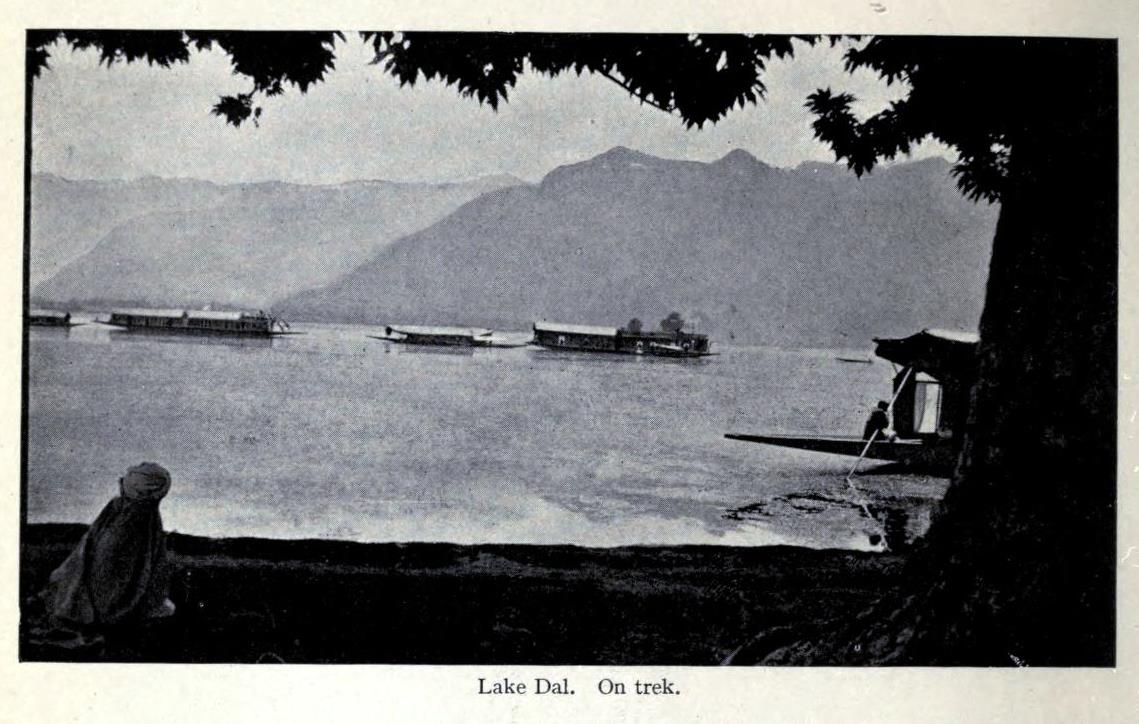
Dal

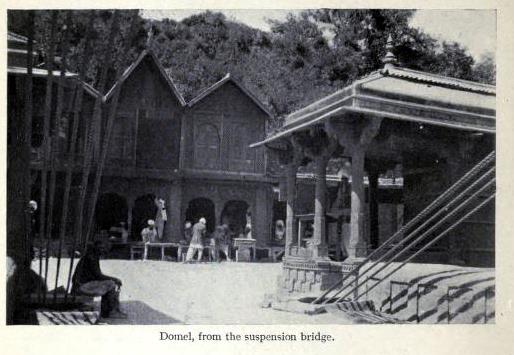
Bungalow at Domel on route to Srinagar

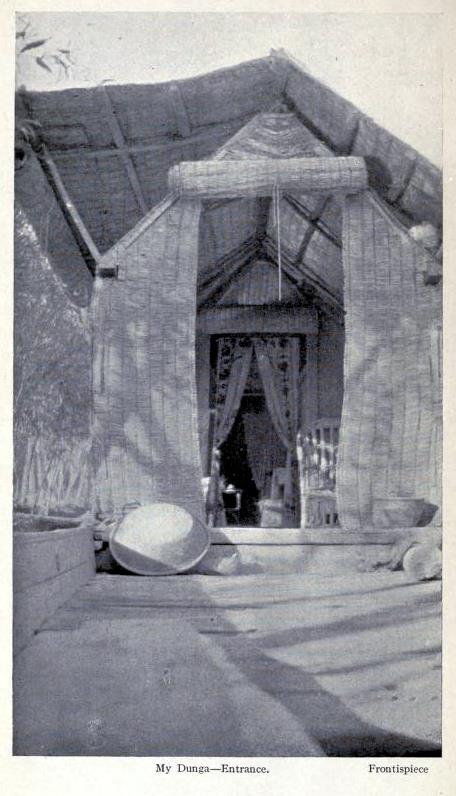
Dunga

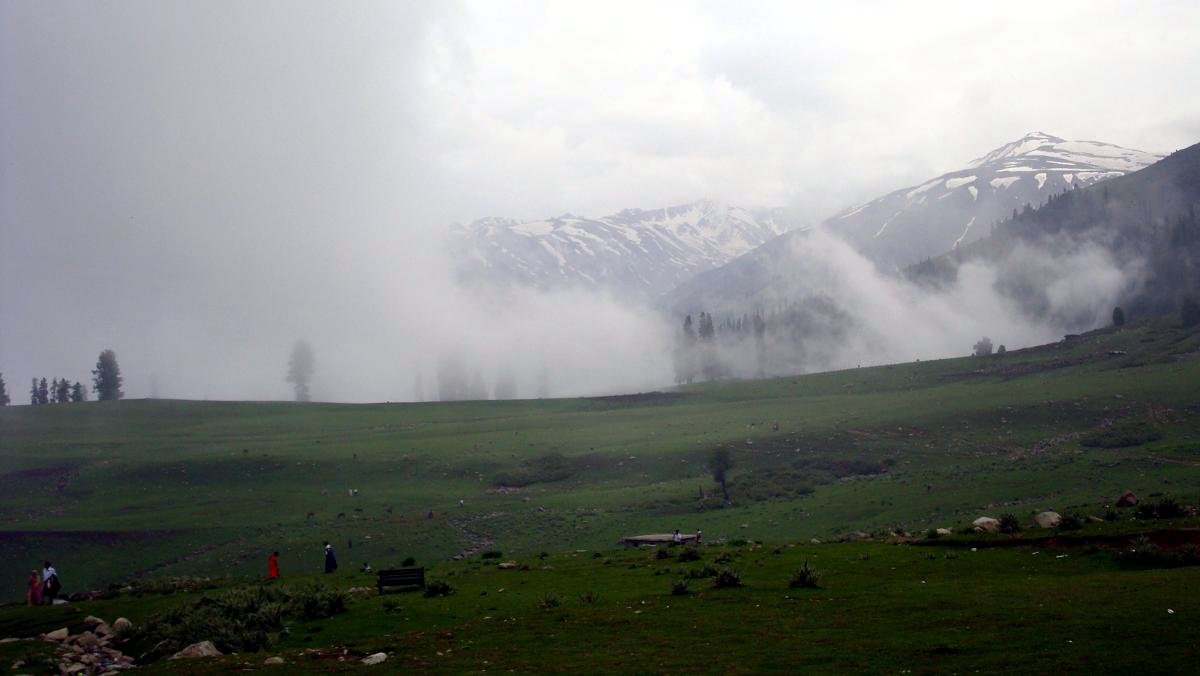
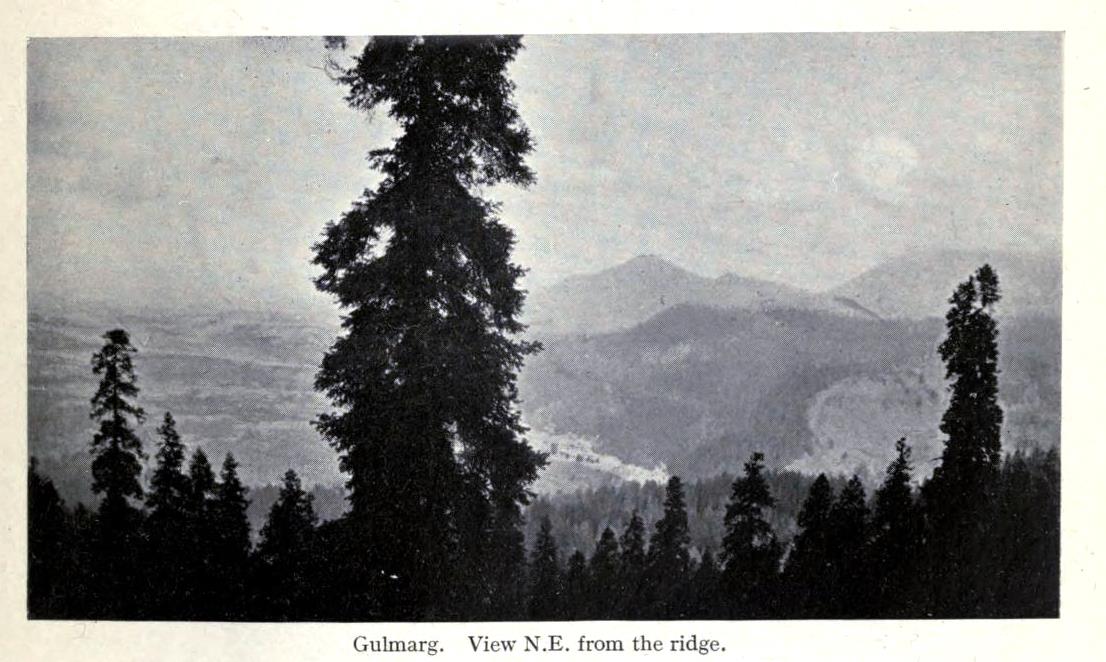
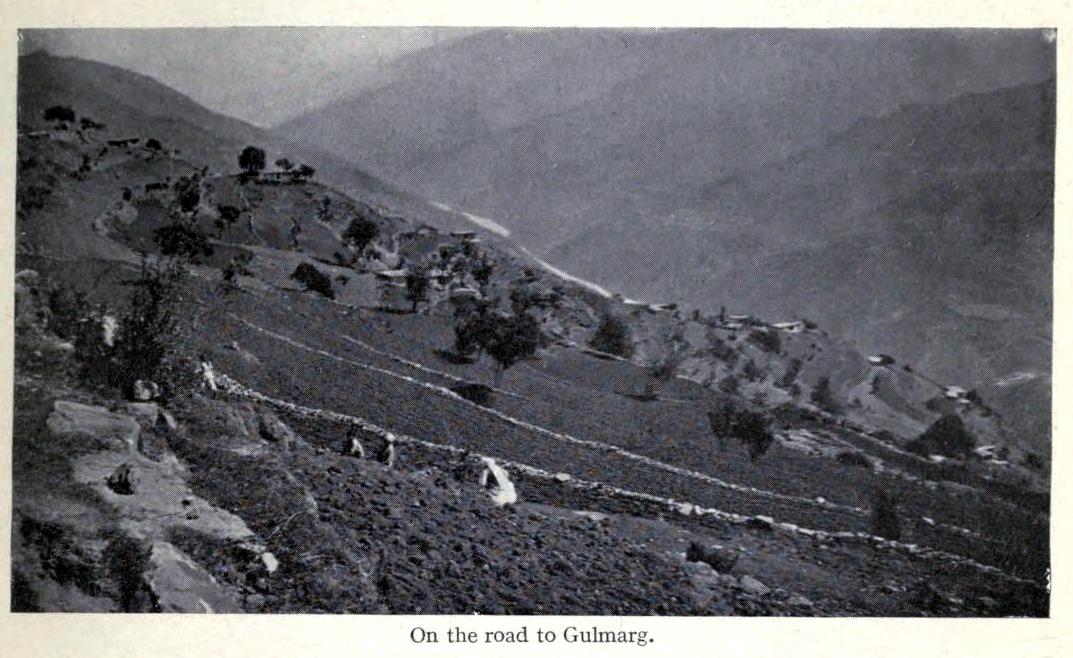
Gulmarg

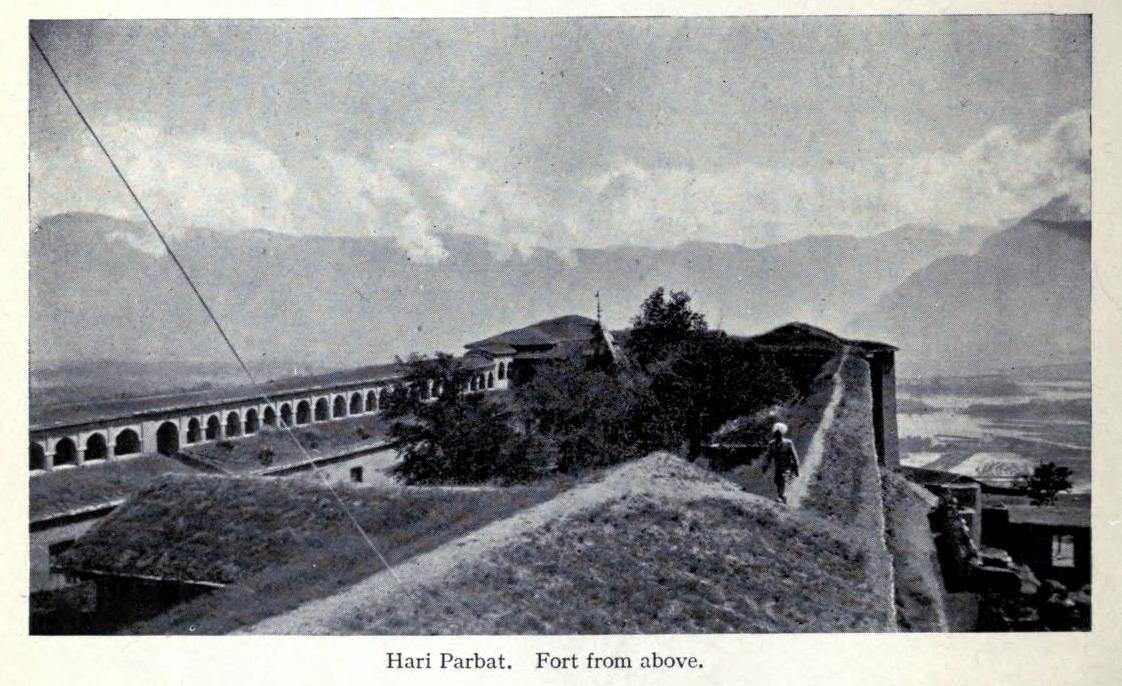
Fort of Hari Parbat

Sher Shahi Palace

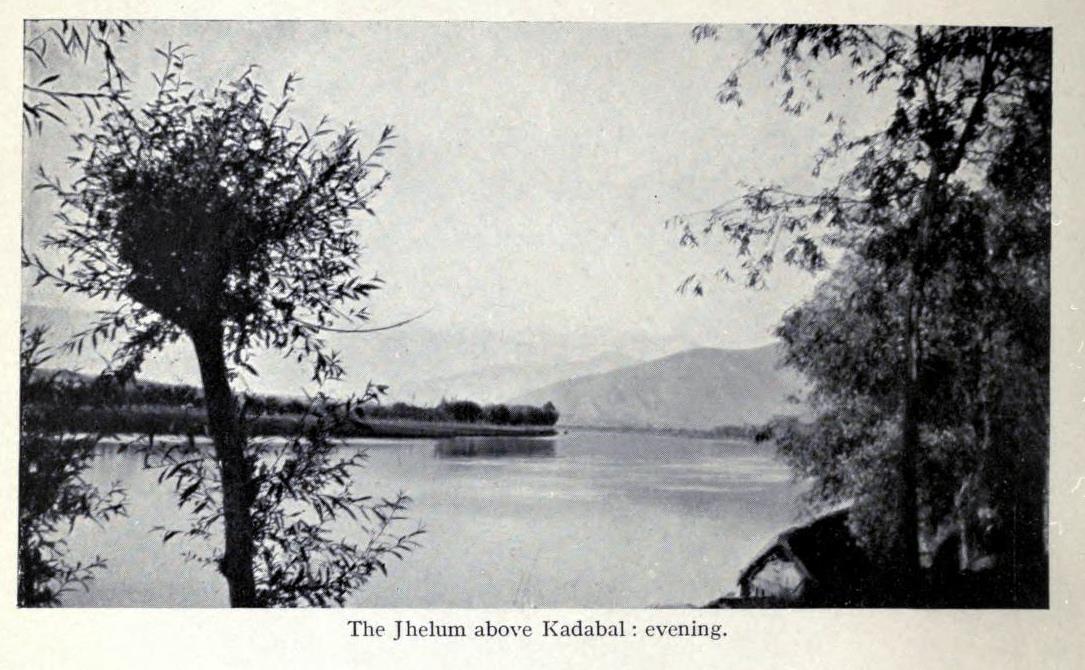
Kadabal

Parbat

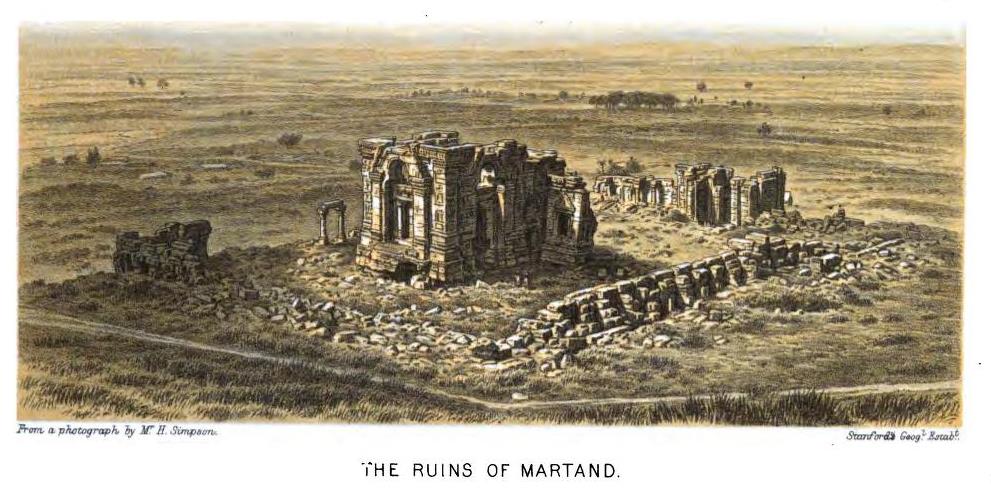
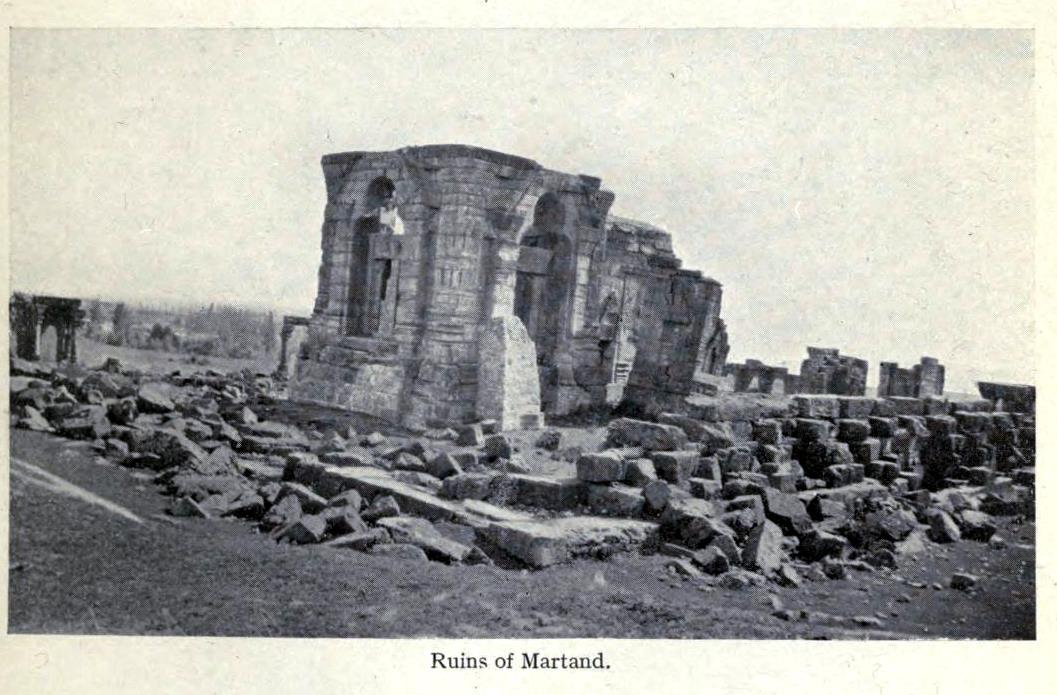
Martand

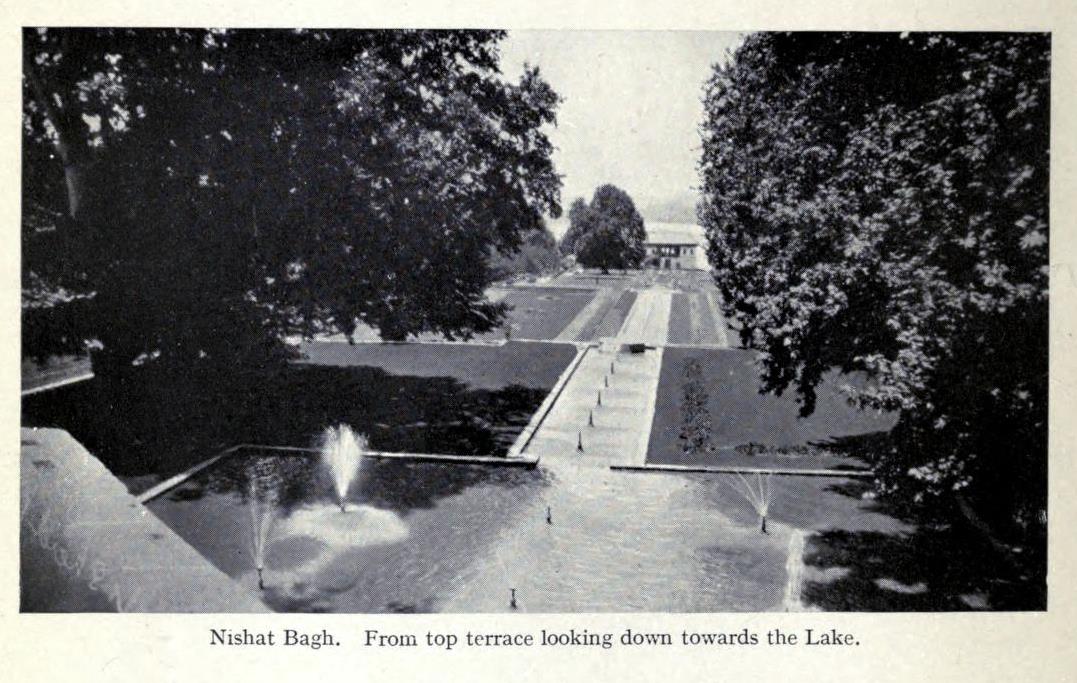
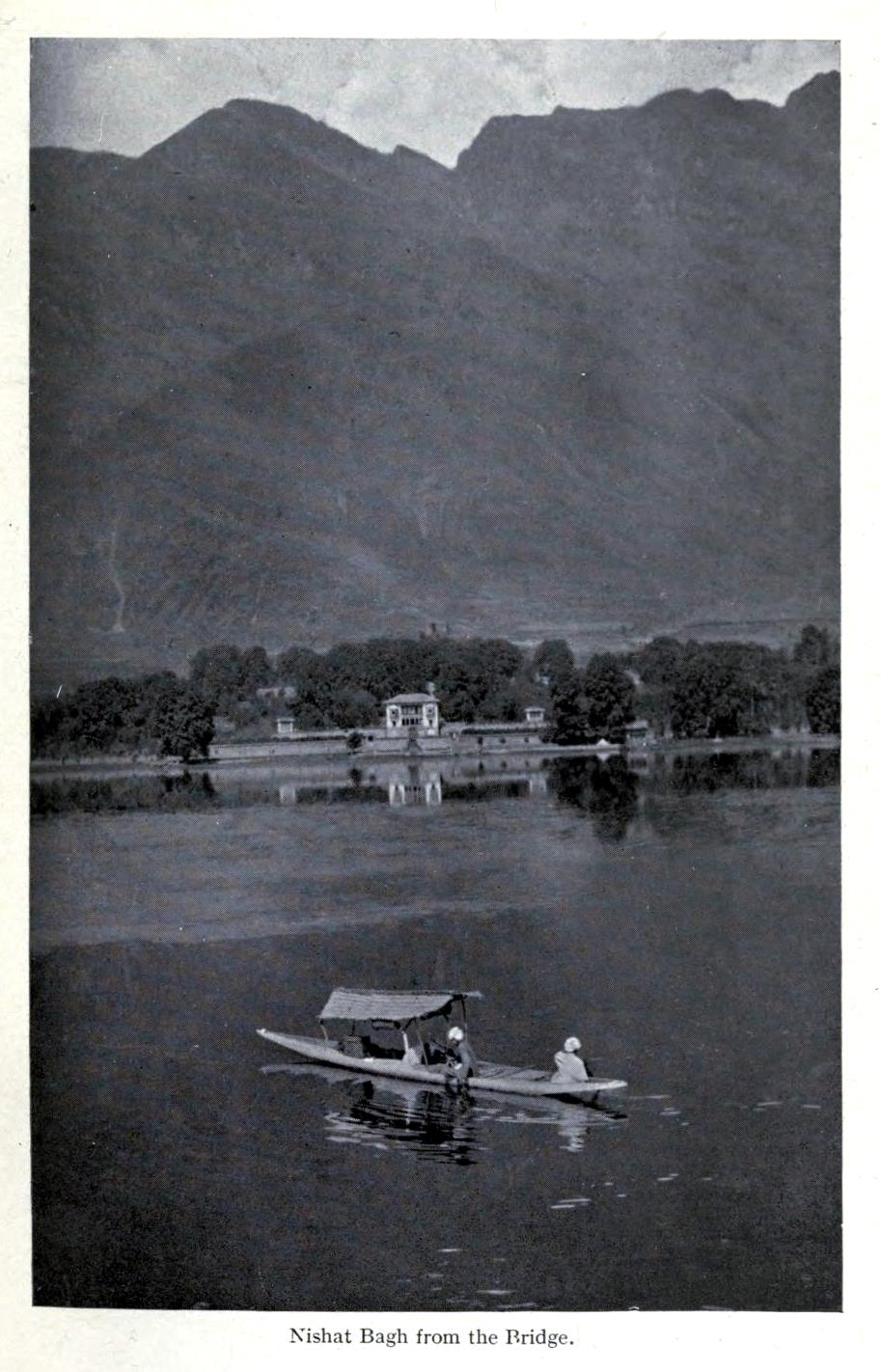
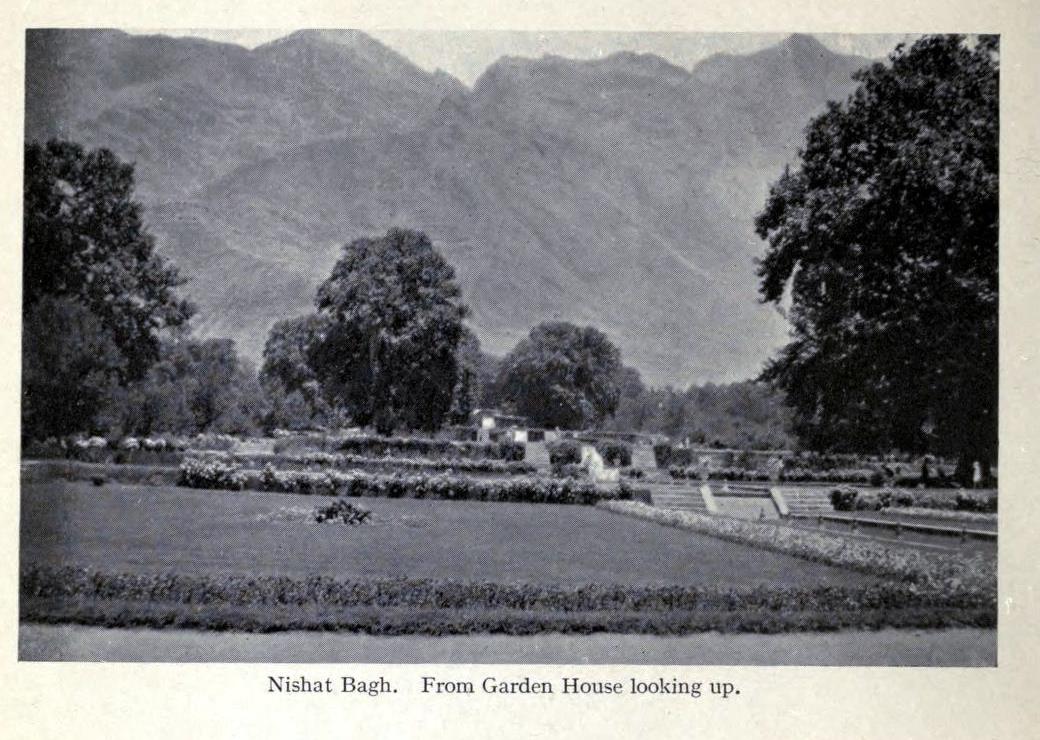
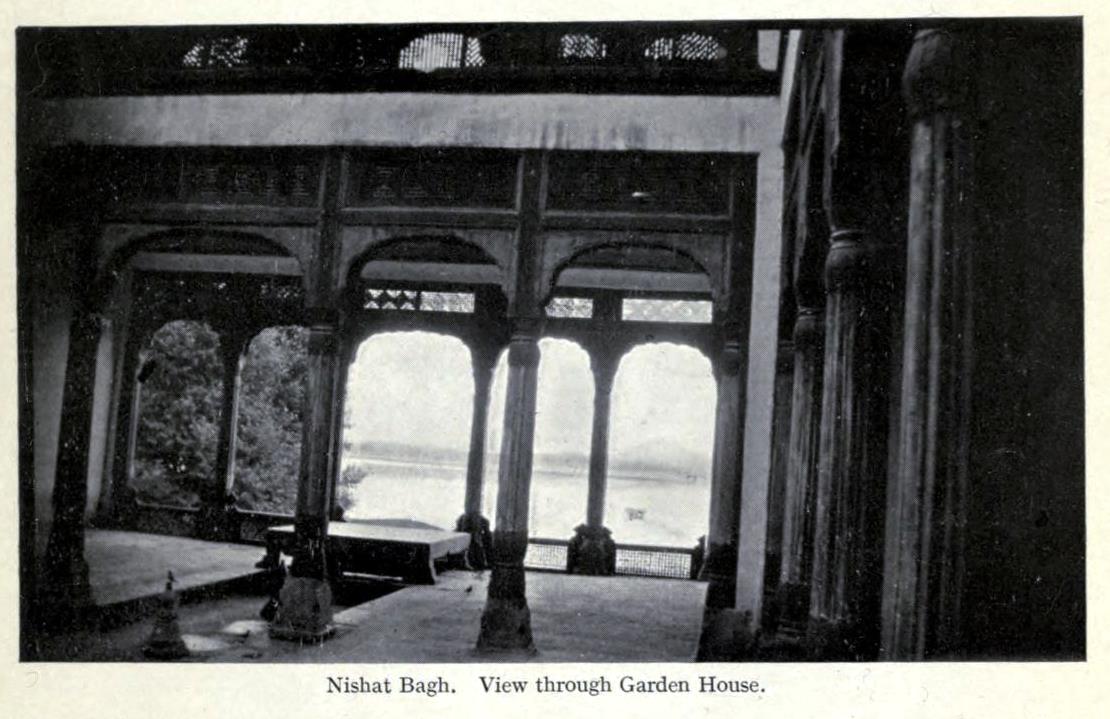
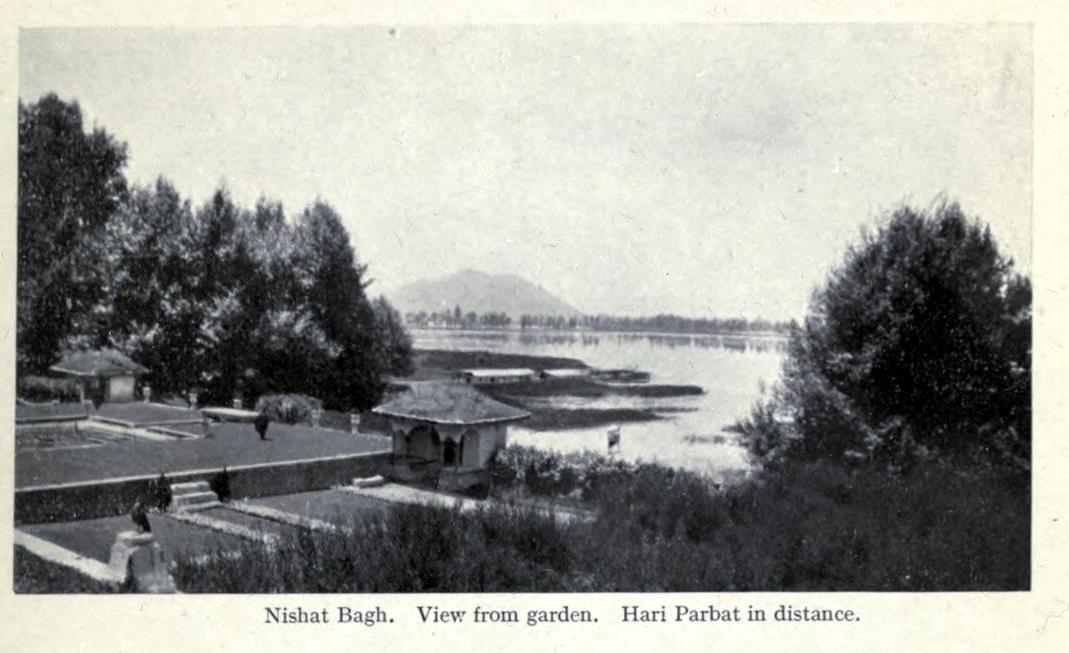
Nishat
Nishat
Nishat
Nishat
Nishat

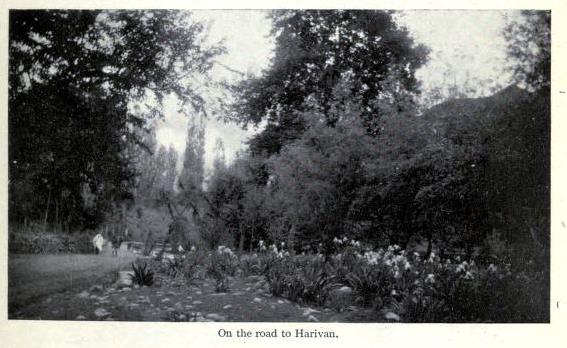
Harwan

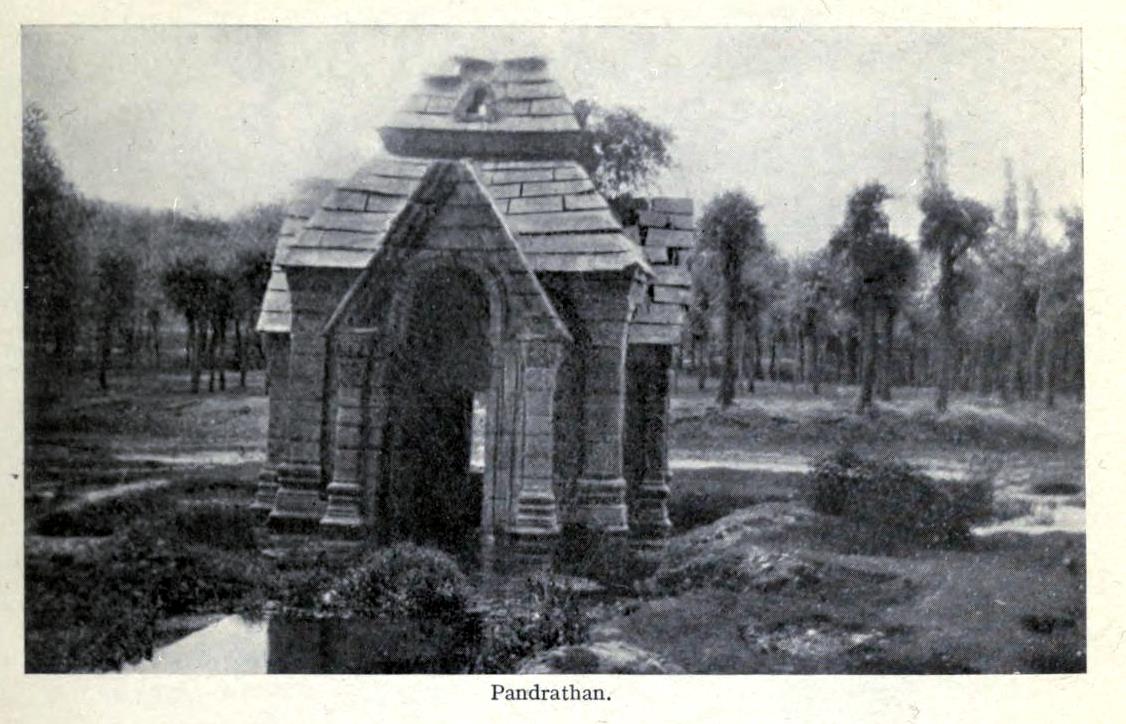
Pandrathan

Rainawari (?)

Gulmarg

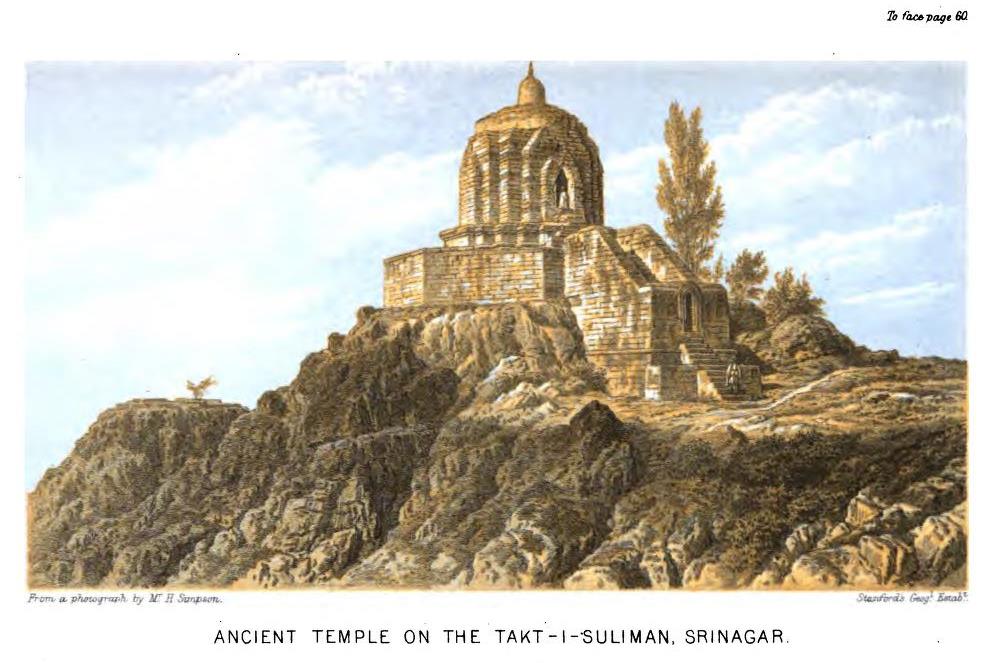
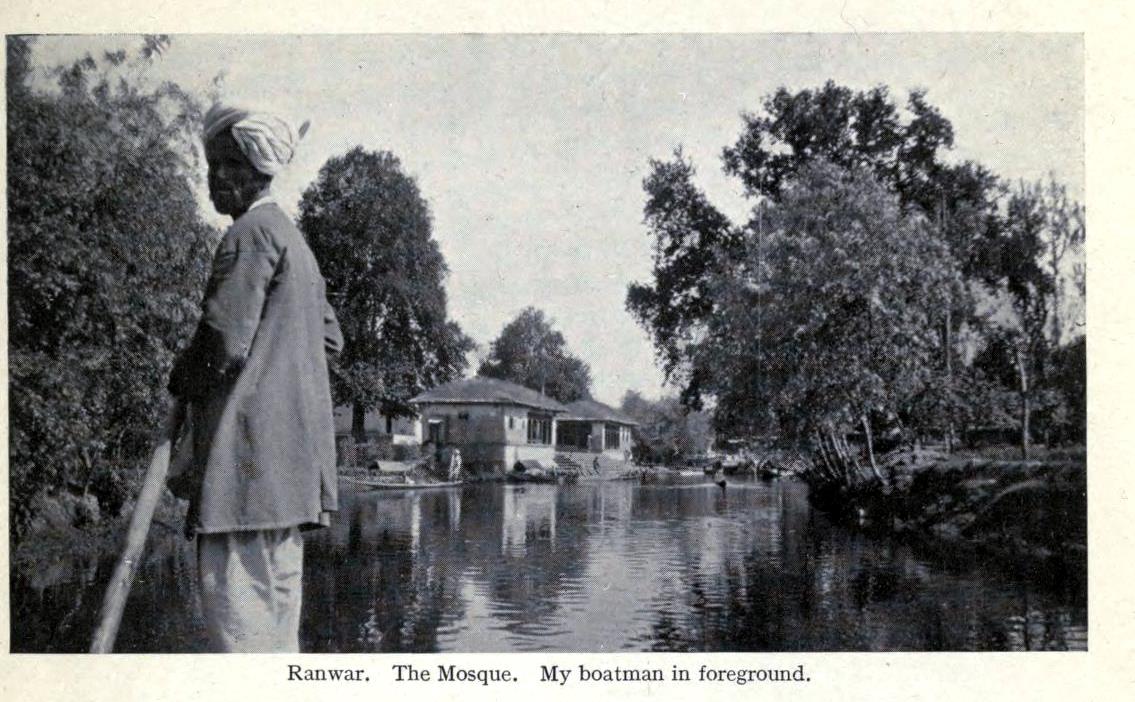
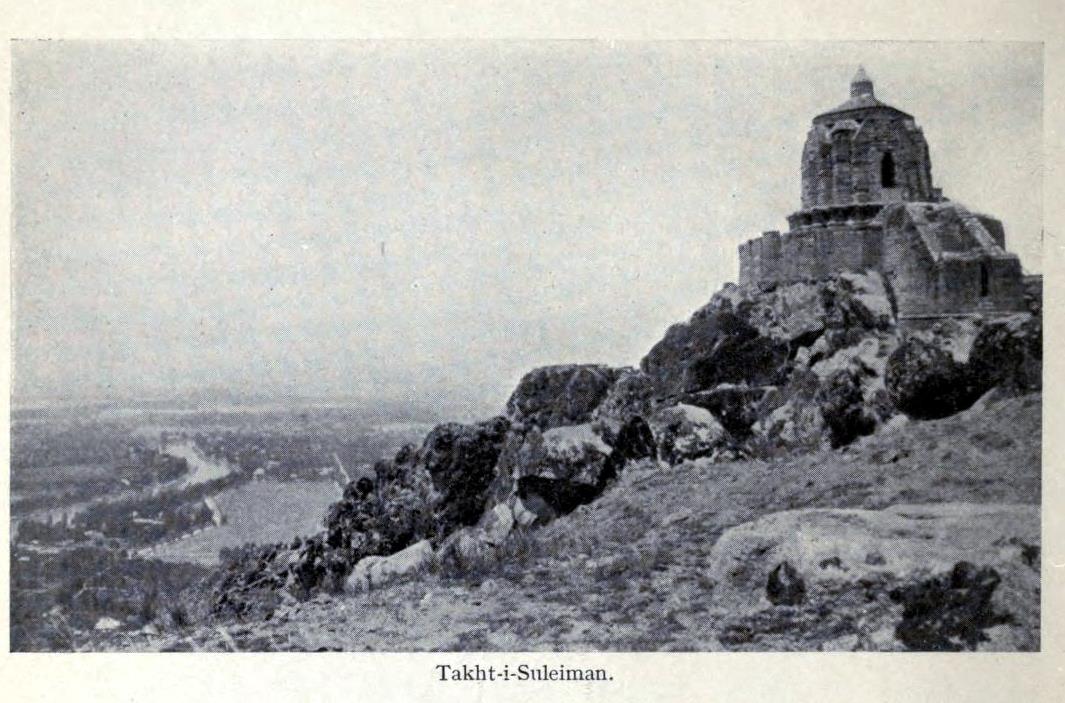
Takhat

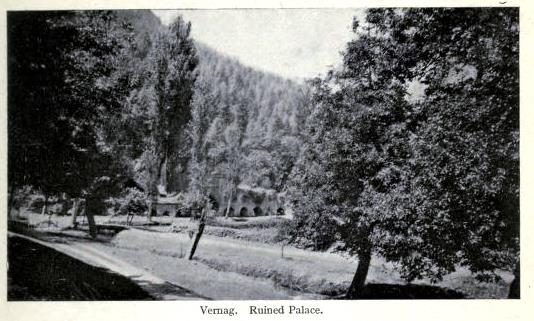
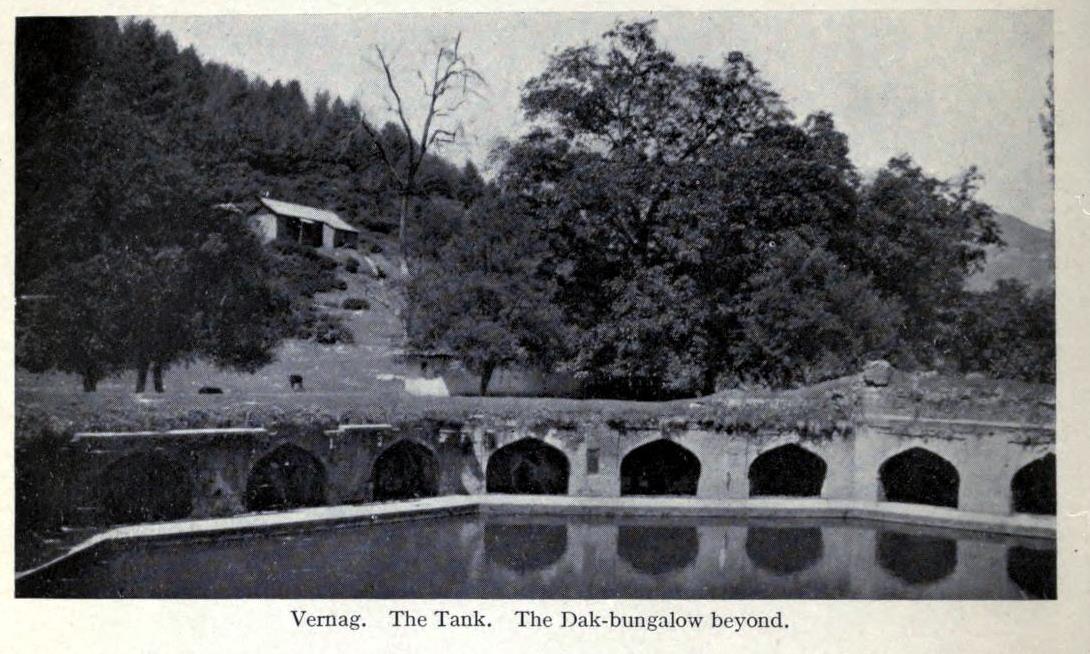
Verinag

Verinag

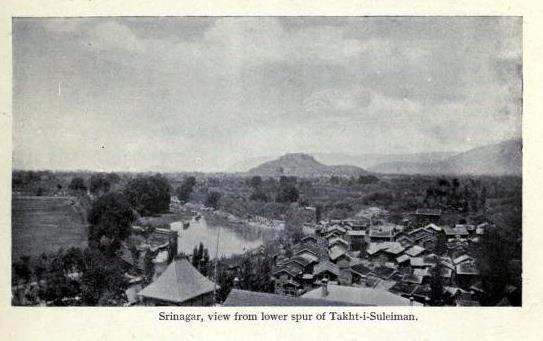
Srinagar

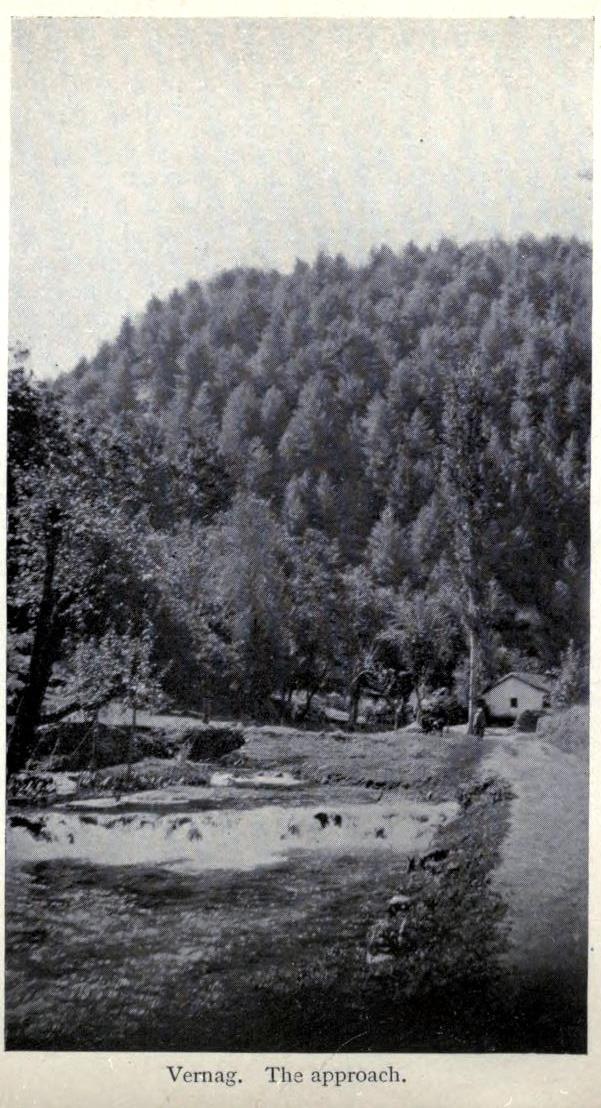
way to verinag

 You may also want to check out: Hazrat Bal, previously from the same book

 -0-

Routes to Srinagar

Compiled from a list of old routes to Srinagar given in ‘The Happy Valley: Sketches of Kashmir and the Kashmiris’ by W. Wakefield (1879).

Travellers in Kashmir.  By  Miss G. Hadenfeld  
Route 1
The Gujerat and Pir Panjal Route (or the Mugal route)
Gujerat to – 
1. Dowlatnagar
2.Kotla
3.Bhimber
                  Distance: 28 and a half miles
 4.Saidabad
                  Distance: 15 miles
5.Naoshera 
                  Distance: 12 and a half miles
6.Changas
                  Distance: 13 and a half miles
7. Rajaori
                  Distance: 14 miles
8.Thanna Mundi
                  Distance: 14 miles
9.Baramgalla
                  Distance: 10 and a half miles
10.Poshiana
                   Distance: 8 and a half miles
11.Aliabad Serai
                   Distance: 11 miles
12. Hirpoor
                  Distance: 12 miles
13. Shupiyan
                  Distance: 8 miles
14.Ramoo
                  Distance: 11 miles
15.Srinagar (arrive via village Wahtor)
                   Distance: 18 miles
Route 2

The Rawal Pindi and Marri Route
Rawal Pindi to –
1. Barakao

                  Distance: 13 and a half miles

2. Tret

                   Distance: 12 miles

3. Marri

                   Distance: 14 and a half miles

4. Daywal

                   Distance: 10 miles

5. Kohala

                   Distance: 11 miles

6. Chatar Kalas

                   Distance: 11 and a half miles

7. Rara

                    Distance: 12 miles

8.Tinali

                    Distance: 12 miles

9. Ghari

                    Distance: 10 miles

10. Hatti

                    Distance: 12 miles

11. Chakoti

                    Distance: 15 miles

12. Ooree

                    Distance: 16 miles

13. Oorumboo

                    Distance: 11 miles

14.Baramula

                    Distance: 15 miles

15. Pattan

                    Distance: 14 miles

16. Srinagar (arrive in city after passing through suburb of Chatterbal)

                    Distance: 17 miles

Route 3

The Gujerat and Punch Route (when Route 1 is under snow)

Gujerat to – 
1. Dowlatnagar
2.Kotla
3.Bhimber
                  Distance: 28 and a half miles
 4.Saidabad
                  Distance: 15 miles
5.Naoshera 
                  Distance: 12 and a half miles
6.Changas
                  Distance: 13 and a half miles
Changas to –
7. Rajaori
                  Distance: 14 miles
8.Thanna Mundi
                  Distance: 14 miles
9. Sooran
                  Distance: 16 miles
10. Punch
                  Distance: 14 miles
11. Kahoota
                  Distance: 9 miles
12. Aliabad
                  Distance: 8 miles

13. Hydrabad (have to cross Haji Pir Pass)

                  Distance: 7 miles

14. Ooree

                  Distance: 10 miles

15. Oorumboo

                    Distance: 11 miles

16.Baramula

                    Distance: 15 miles

17. Pattan

                    Distance: 14 miles

18. Srinagar (arrive in city after passing through suburb of Chatterbal)

                    Distance: 17 miles

Route 4
The Rawal Pindi and Abbottabad Route
Rawal Pindi to –
1. Barakao

                  Distance: 13 and a half miles

2. Tret

                   Distance: 12 miles

3. Marri

                   Distance: 14 and a half miles

4. Khaira Galli

                   Distance: 9 miles

5. Doonga Galli
                   Distance: 11 miles
6. Bara Galli
                   Distance: 8 miles
7. Abbottabad
                   Distance: 14 miles
8 Mansera
                   Distance: 15 and a half miles
9. Ghari
                   Distance: 19 miles
10. Mozufferabad (crossing Krishenganga river)
                   Distance: 9 miles

11.Hattian

                   Distance: 17 miles

12.Kanda
                   Distance: 11 miles
13.Kathai
                   Distance: 12 miles

14. Shahdera

                   Distance: 12 miles
15.Gingle
                   Distance: 14 miles

16. Baramula

                   Distance: 18 miles

15. Pattan

                    Distance: 14 miles

16. Srinagar (arrive in city after passing through suburb of Chatterbal)

                    Distance: 17 miles

-0-

Route 5

Banihal Cart Road

The Banihal Route from Jammu was off limits for visitors and for the longest time was only meant for personal use of the royal Dogra family based in Jammu.*
The route began at Railway terminal at Jammu Tawi. Involved crossing Banihal Pass (at 9,200 feet) and you arrived in Srinagar via Verinag. 
* From: ‘A guide for visitors to Kashmir’ (1898) by W. Newman, Updated by A. Mitra.
Route 6
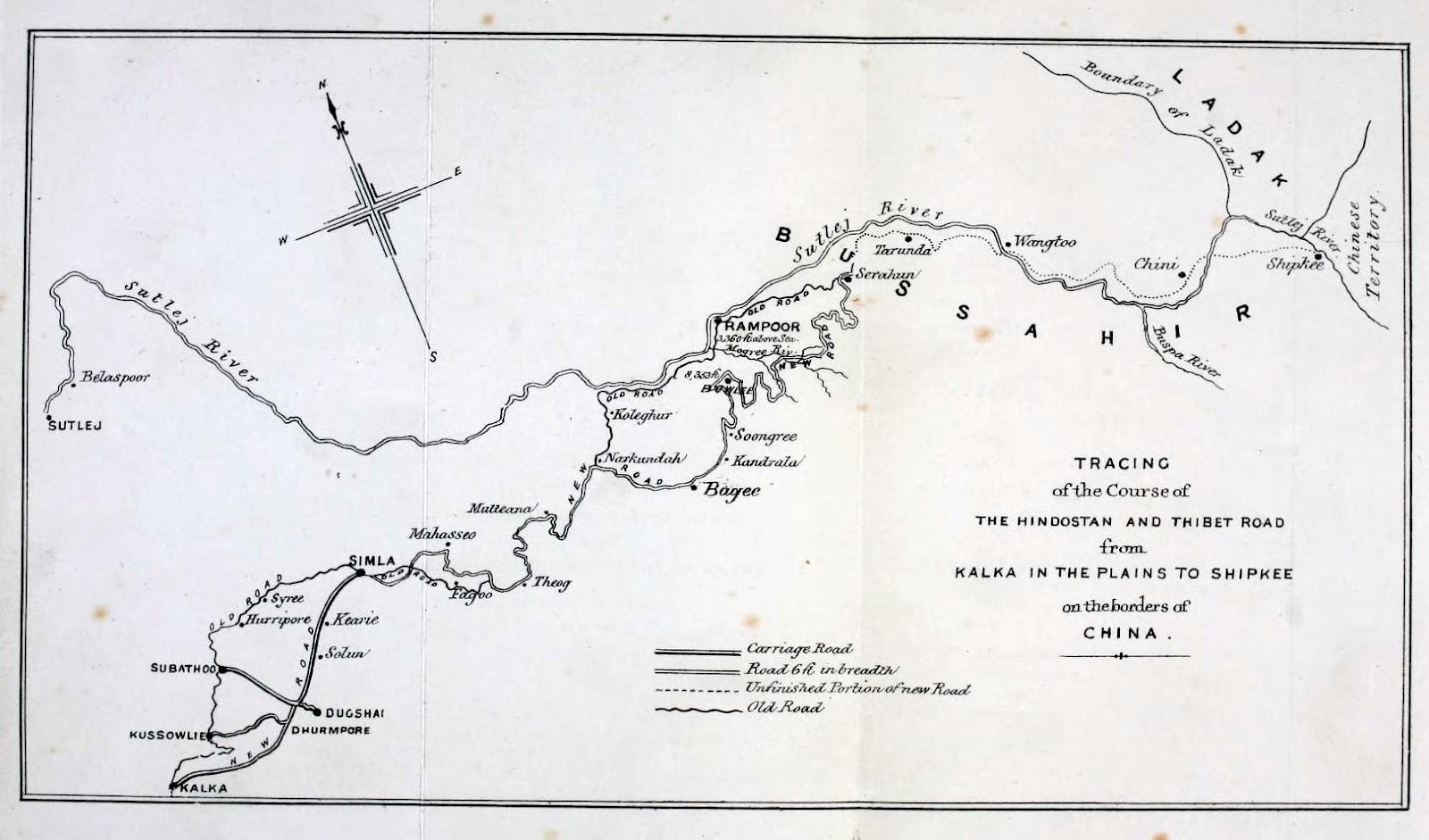
via The Hindustan and Tibet Road. Given in ‘Travels in Ladâk, Tartary, and Kashmir’ (1862) by Lieut.- Colonel Torrens 
You could arrive into Srinagar (and still can) via Leh. But to reach Leh you had to take the The Hindustan and Tibet Road road (for sometime the British did think about road linking Delhi and China). Shimla to Shikpi Pass.  Crossing Chandra Bhaga (Chenab) at Koksar on dead inflated buffalo skin.   
-0-

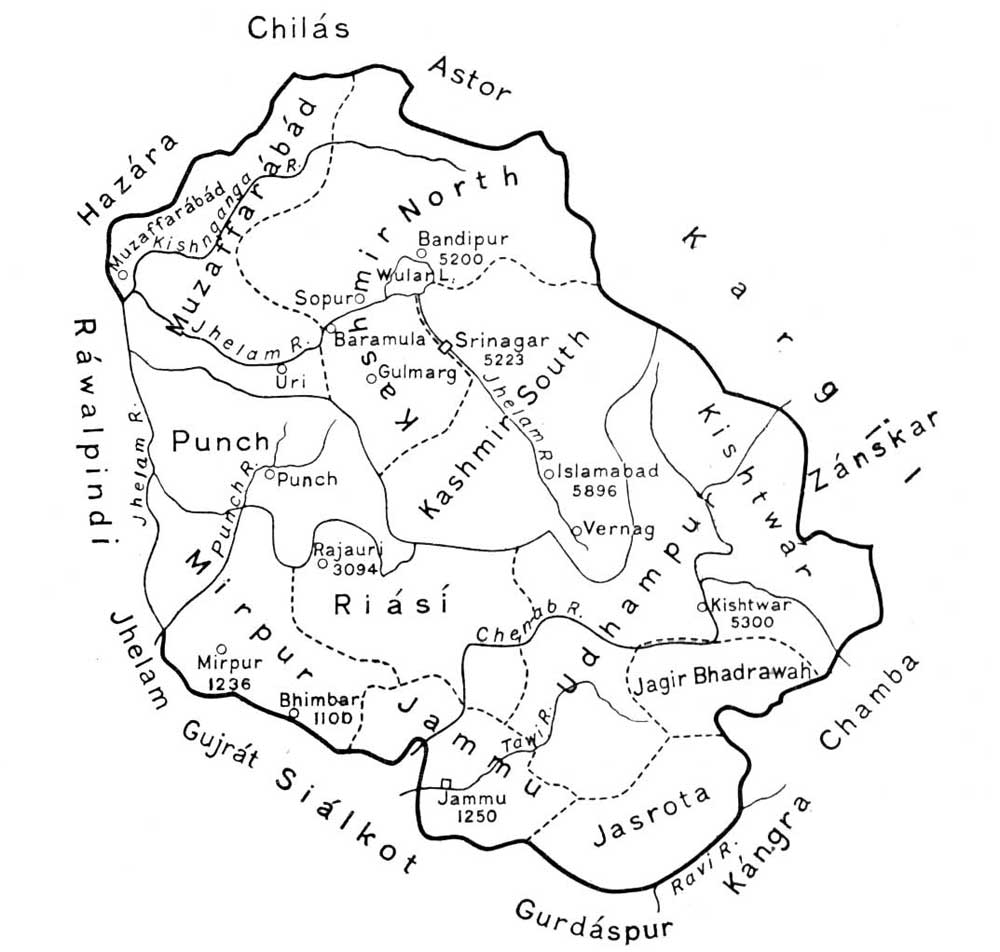
Map of the Kashmir Valley and Jehlum Valley. From ‘The Panjab, North-West Frontier Province, and Kashmir’ (1916) by Sir James McCrone Douie.

Old Photographs of Hazrat Bal, 1917

I asked my mother if she had ever been to Hazrat Bal. Yes. She has been. She went many moons ago with her then office colleagues. It must have been the 80s. The way a little stream of free flowing water washed your feet as you entered the complex impressed her much. ‘Like it does at Golden Temple,’ I propose to come up with an appropriate image.

‘Not a lot of Pandits used to go there, certainly not the older generation. They would go to Makhdoom Sahib on Parbat but seldom to Hazrat Bal. But younger generation had started exploring.’

The image of the famous Srinagar mosque that now comes to mind is of a hard marble dome and a minaret on the banks of Dal. But it wasn’t always like that.

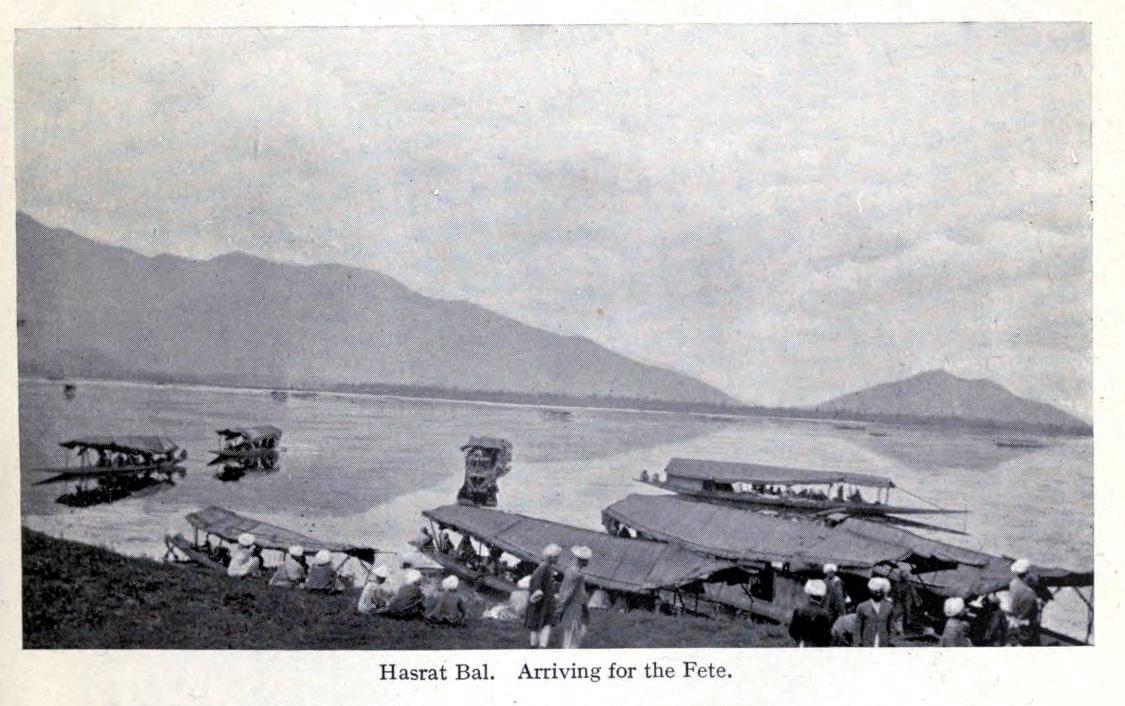
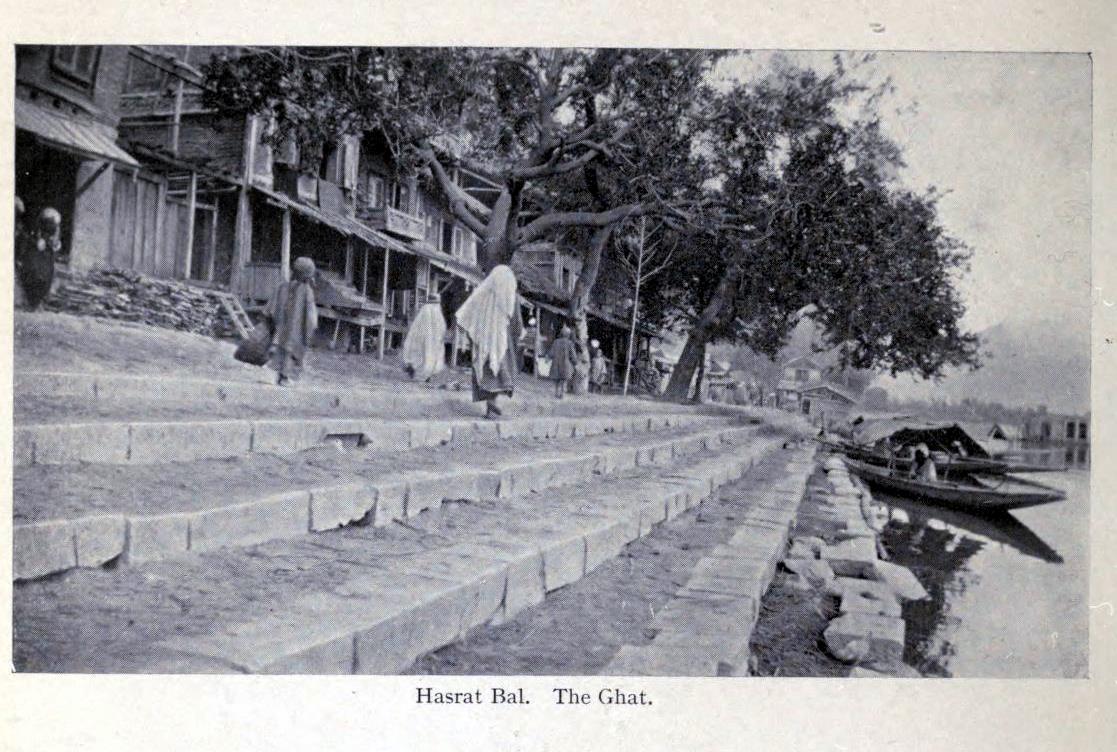
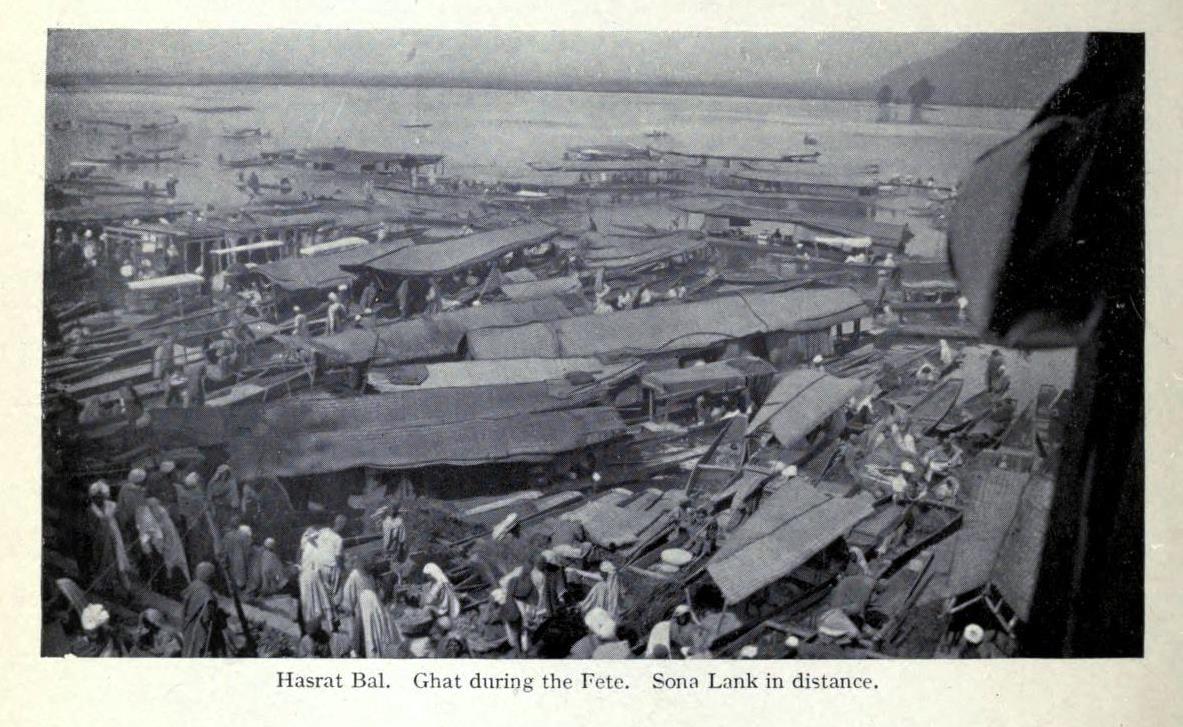
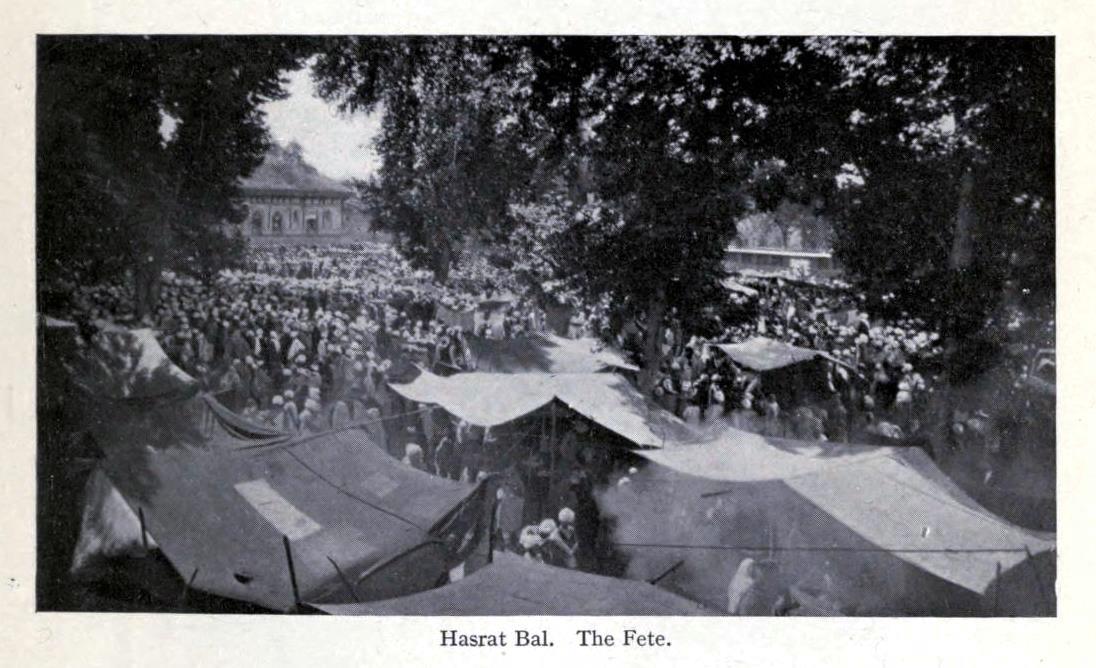
Here are photographs of the old Hazrat Bal in around 1917 that I came across in a wonderful book titled ‘Cashmere: three weeks in a houseboat’ (1920) by Ambrose Petrocokino.

Hasrat Bal. Arriving for the Fete.
Hasrat Bal. The Ghat.
Hasrat Bal Ghat during the Fete. Sona Lank in distance.
Hasrat Bal. The Fete.
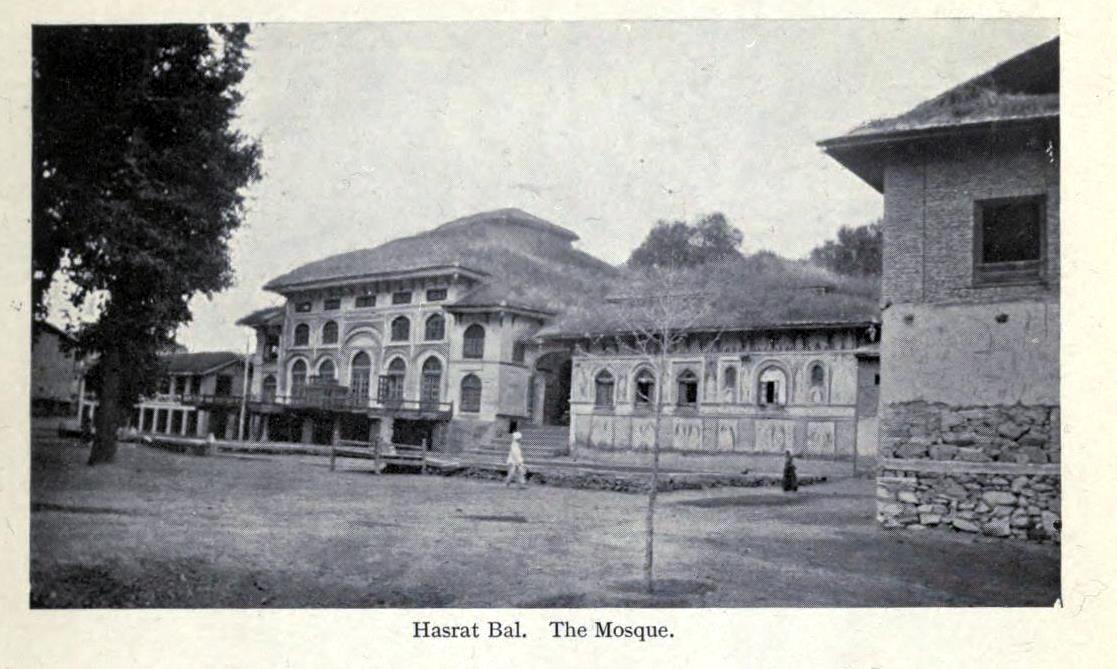
Hasrat Bal. The Mosque.

The story of the spot goes back to Mughal times when Sadiq Khan, the governor sent in by Shah Jahan, built a garden and palace at this picture perfect spot on the side of Dal. He called it Ishrat Mahal or the Pleasure House. It was 1693 and in time the place around it came to be known as Sadiqabad or Bagh-i-Sadiq. When Shah Jahan visited the place in around 1634, he converted the pleasure palace into a mosque. Around the same time, in around 1635, a holy relic was brought to India by one Sayeed Abdullah, a keeper at  Kaaba, who settled somewhere at Bijapur in the state which in now known as Karnataka.. Syed Hamid, son of Sayeed Abdullah, having fallen on hard times after Aurangzeb’s conquest of Bijapur, sold it to a Kashmiri trader named Khwaja Nur-ud-Din Eshai. One knowing about the sale of such an artifact, Aurangzeb imprisoned the Kashmiri trader at Lahore on charges of perpetrating hoax, but later had the said relic sent to the shrine of Khwaja Moinuddin Chishti at Ajmer. Aurangzeb later had a change of heart (some say it was ‘divine intervention’) and allowed for the relic to be sent to Kashmir. But by this time Nur-ud-Din Eshai was already dead in prison, so the relic was brought to Kashmir in around 1699 by his daughter Inayat Begum whose progenies came to known as Nishaandehs –  keeper of the sign. Initially, the relic was kept at Naqshband Sahib Shrine at Srinagar. But soon, keeping in mind the growing number of people thronging to take a look at the relic, a new place for keeping the relic was proposed – the shrine at Bagh-i-Sadiq.  And so moi-e-muqaddas was placed at the shrine that came to be referred as Madina-i-Sani and Dargah-i-Sharif.  The mosque was set to distinct Kashmiri  architecture – wood, slanting roof and iris on the roof. The present look of the shrine came in around as late at 1968 when Sheikh Mohammad Abdullah as head of Muslim Auqaf Trust had the old structure dismantled and started work in a new structure. This new structure was completed in around 1979.

-0-

Aside: To get a better understanding of the politics and economics of Shrine culture in Kashmir, do check out Chitralekha Zutshi’s ‘Languages of Belonging: Islam, Regional Identity, and the Making of Kashmir.

-0-

Update:
All round the sides of the Dal Lake there are broken walls and terraces, the remains of early Mughal gardens. Hazrat Bal, the village close to the Nisim Bagh, stands on the site of one of these. The large mosque, where the hair of the Prophet is preserved, and specially venerated once a year at a great mela, is built round the principal garden-house. The narrow stone water- course runs beneath it, and through the village square, in the midst of which a beautifully carved stone chabutra figures conspicuously and still forms a convenient praying platform. The old entrance can be seen in the long line of stone steps leading down to the water, but the most interesting feature at Hazrat Bal is the carved stone fountains. 

~ C.M. Villiers Stuart’s ‘Gardens of the Great Mughals’ (1913)

travel through Kashmir…1911


‘Across the roof of the world; a record of sport and travel through Kashmir, Gilgit, Hunza, the Pamirs, Chinese Turkistan, Mongolia and Siberia’ (1911) by Percy Thomas Etherton.

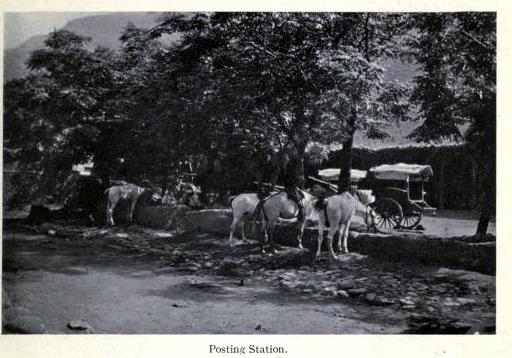
Changing Tangas on the road to Srinagar

A waterway in Srinagar

Tragbal Pass

Ravine in Gilgit Valley
Minimerg

Telegraph station buried in Snow at Minimerg

A summer view of the valley leading to the Burzil Pass

Coolies near the summit of the Burzil Pass

-0-

usual hubris


Motilal Nehru Park, Agra. 2011.

It is comical that the format of writing such pieces is still the same and has been well adopted by the freshest set of Kashmiri pundit diaspora. There are the Aryans and there are our esteemed ancestors.

Kashmiri Brahmans – The usual surnames of the Kashmir Brahmans is Pandit. The following observations in Sir George Campbell’s Ethnology of India give an exact description of their ethnology and character :-
 The Kashmiri Brahmans are quite High Aryan in the type of their features, very fair and handsome, with high chiselled features,
and no trace of intermixture of the blood of any lower race. ***The Kashmiri Pandits are known all over Northern India as a
very clever and energetic race of office-seekers. As a body they excel the same numbers of any other race with whom they come in
contact.- Ethnology of India, pp. 57-50.
 The late Mr. Justice Sambhu Nath Pandit of the Bengal High Court was a member of this class. So was also the late Pandit Ayodhya Nath, who was one of the ablest advocates of the Allahabad High Court, and ‘also one of the principal leaders of the Congress.
Babu Gobind Prasad Pandit, who was one of the pioneers of the coal mining industry of Bengal, was also a Kashmiri. He amassed such wealth by the success of his enterprise, that he became known as one of the richest men in the country in his lifetime, and,
after his death, his descendants obtained the title of Maharaja from the Government of India.”

~ ‘Hindu Castes and Sects. An Exoisition of the origin of the Hindu Caste System and the Bearing of the Sects towards each other and towards other religious Systems’ (1896) by Jogendra Nath Bhattacharya.

-0-

this is ‘Where Three Empires Meet’, 1893

From ‘Where Three Empires Meet: A Narrative of Recent Travel in Kashmir, Western Tibet, Gilgit, and the Adjoining Countries’ (1893) by E. F. Knight.

Srinagar.
Who knew Walter Roper Lawrence, the British Settlement Commissioner who came to Kashmir in 1889 was known as ‘Bandobast walla’!

Ladaki Buddhists. The Naib Wazir of Ladak. Kashmiri Pundits.
The Old Fort. Skardu.

Samaya near Nagar Bank in Hunza

Encampment of Spedding’s Pathans (the private army of civil engineer Charles Spedding)

Nilt Nullah from near Maiun

Nanga Parbat

famous Buddha near Mulbee 

Mask of the Dalai Lama descending the temple steps, Hemis,

Leh

Leh Bazaar

Kanjut Valley near Kyber

Kafirs. (From Kafiristan. The so called ‘cannibals’. In one incident given in this book, this group of ‘Kafirs’ comes across as people who were capable of taking that title and play joke upon other people based on their dietary notoriety.

Hunza Envoy

Hunza Raja’s Band

Hunza Castle and Town

Raft of inflated Skins, Kapalu

The Devil Dance, Hemis.

Hamis Monastery. 

The Mystery Play, Hemis

Baltis.
From what I have heard these folks were never treated humanely in Srinagar. 

Chorbat Pass

Monastery at Razgo 

-0-