shruff

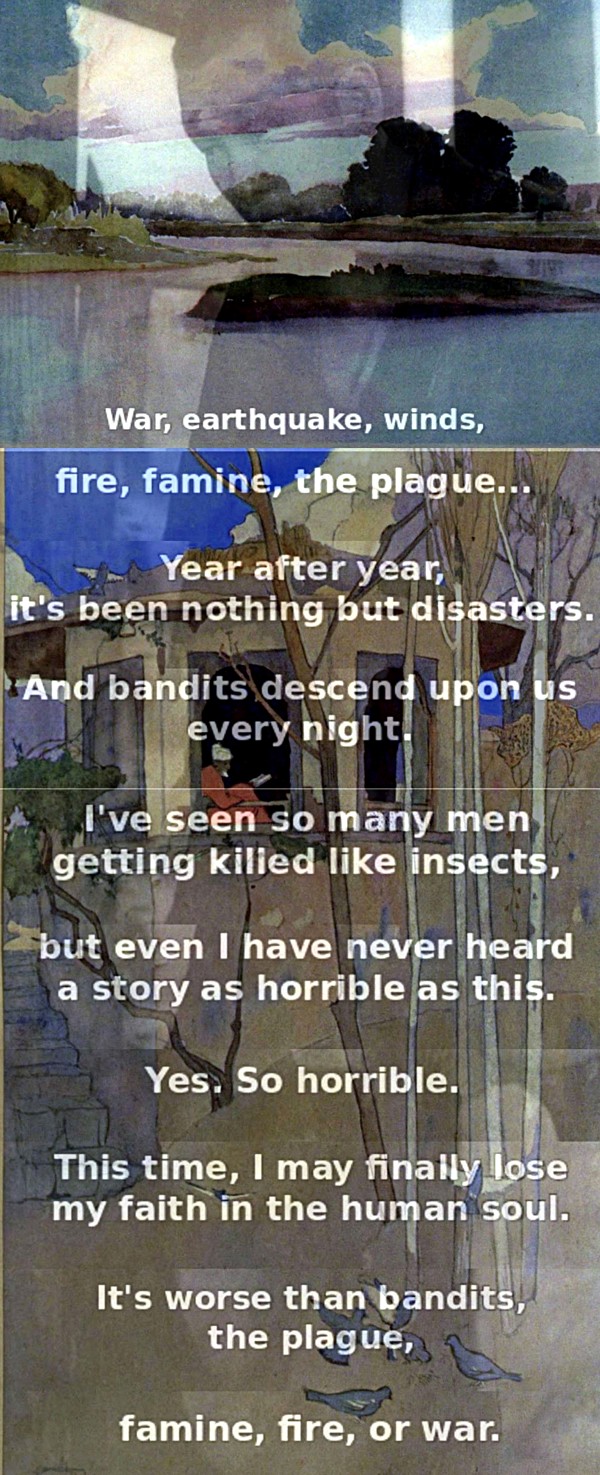
One of my favorite sounds
For “as aaye na Chakravan”
For we have been scattered
-0-

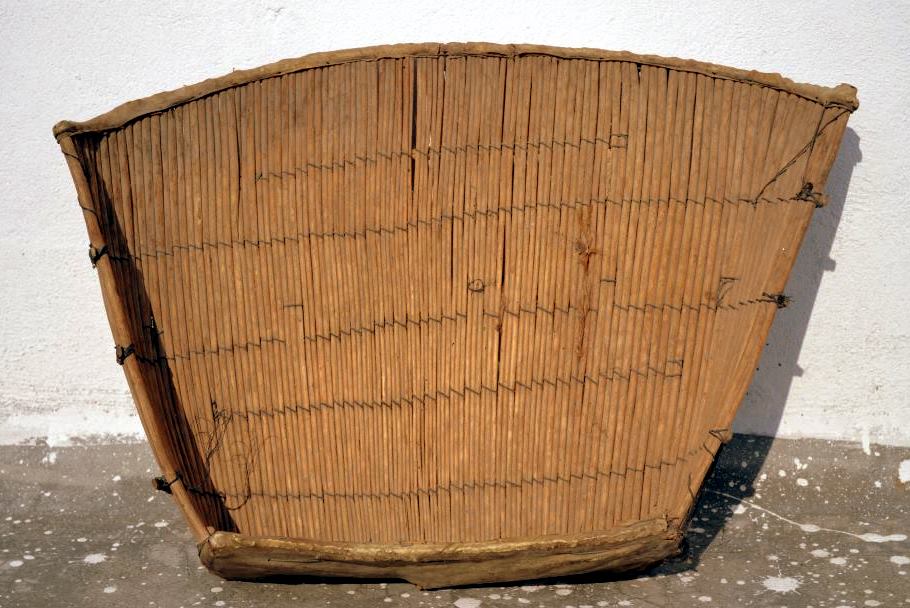
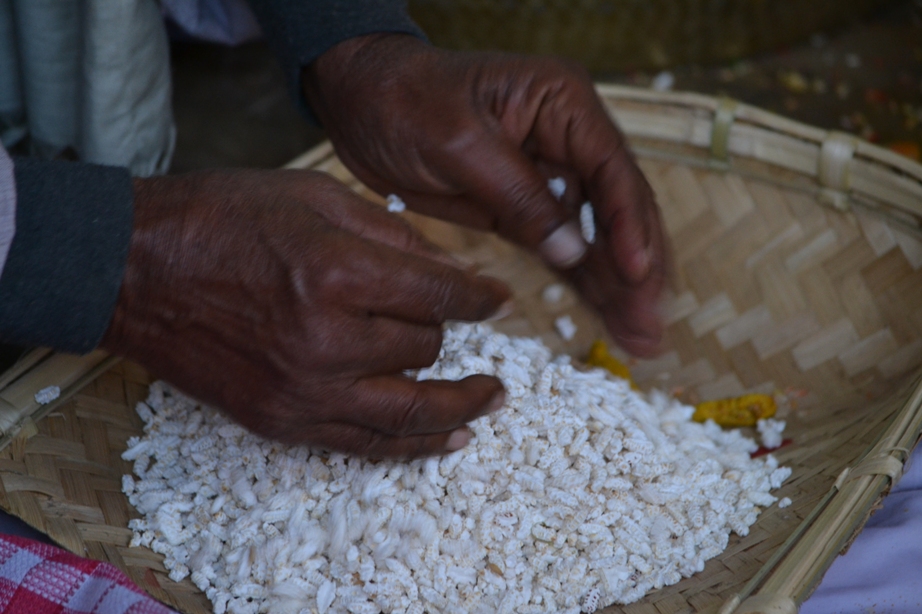
Update December 2012: Learnt something new. In some place in U.P., some people actually call it Shoof. And is an important part of Brahmin marriage ritual.

Captured at a wedding.

-0-
Juggernaut, Kashmiri Shawls, 1854

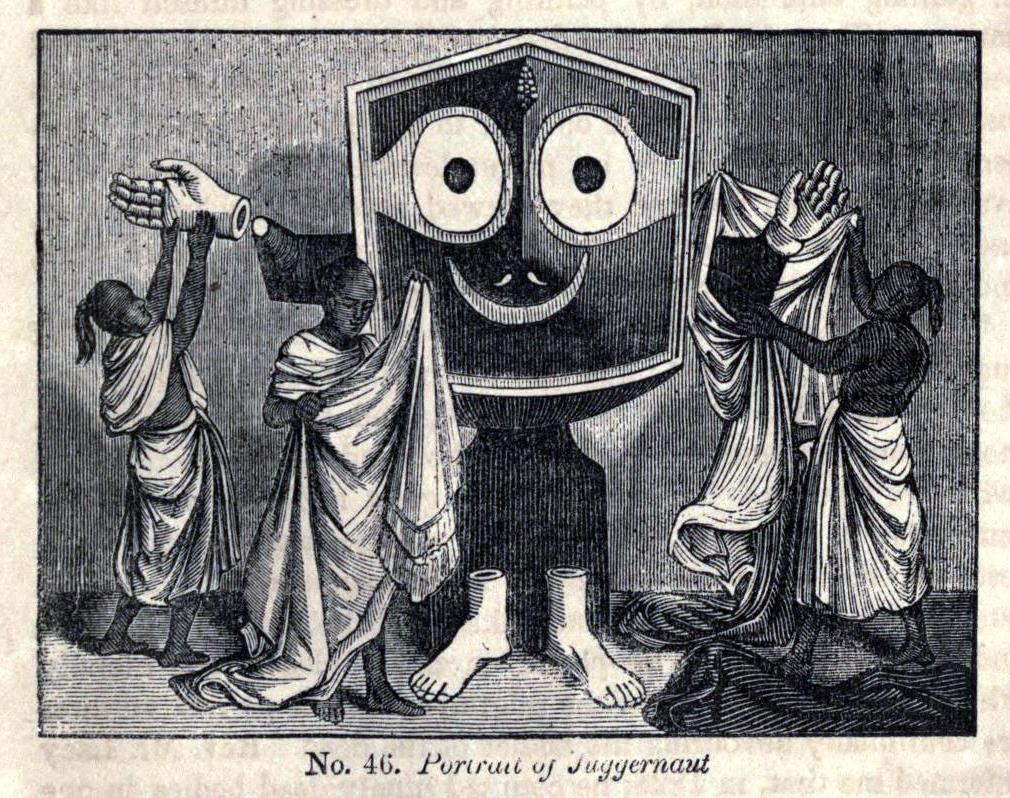
French love for Kashmiri Shawls is well known and well documented. While it seems obvious that these shawls must have been alluring for Indian too, but that business isn’t as well documented. There is mention of Indian royals buying these Shawls, but following has to be the strangest patron of Kashmiri Shawls: Lord Jagannath of Puri.

“No.46 is a portrait of Juggernaut. I have taken this portrait as I saw him in the morning, while the Brahmins were making his toilet. He appeared to be well supplied with fine Cashmere shawls and valuable jewels, and the Brahmins were so arranging them as to display the beauties of his person to the best advantage. In the evening he is entirely disrobed, and his shawls and jewels, and also his hands and feet, which are made of gold, are carefully locked up in a strong box.”

~ India and its inhabitants (1854) by Caleb Wright, Alexander Duff, John Statham and J. J. Weitbrecht.

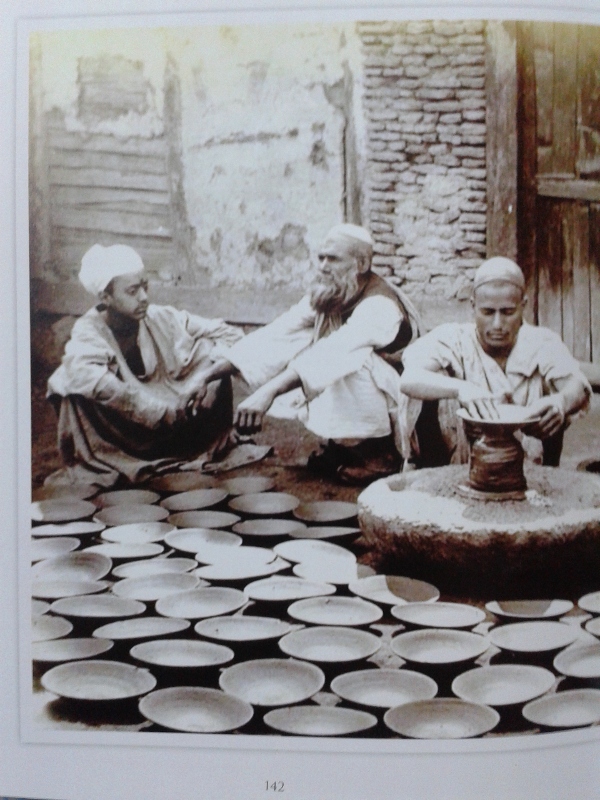
kral, 1920s

Buyer:Pundit:Seller:Muslim:Maker:Muslim
1920s

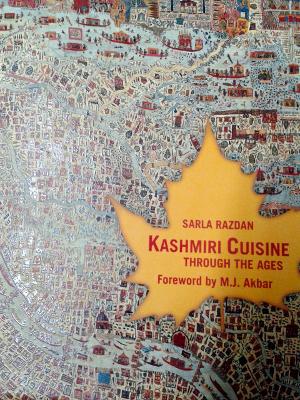
Came across this photograph in cookbook ‘Kashmiri Cuisine Through The Ages’ by Sarla Razdan. It’s a fine book with lots of recipes explained in simple terms and steps, and on top of that the book is packaged in with many beautiful photographs of Kashmir, both new and old (albeit a bit too casually for my taste). But, do not be misled by the title. This book actually offers no clue about the history of Kashmiri Cuisine. There is however a nice little introductory essay by the author that will find resonance with ‘9AM Batta’ generation. Thanks to my early school days in Srinagar, I could relate to it. And the book has me wondering: how come only Kashmiri Pandit women are writing books about Kashmiri Cuisine (one can find about a dozen listed in online stores) but not Kashmiri Muslim women. 

-0-

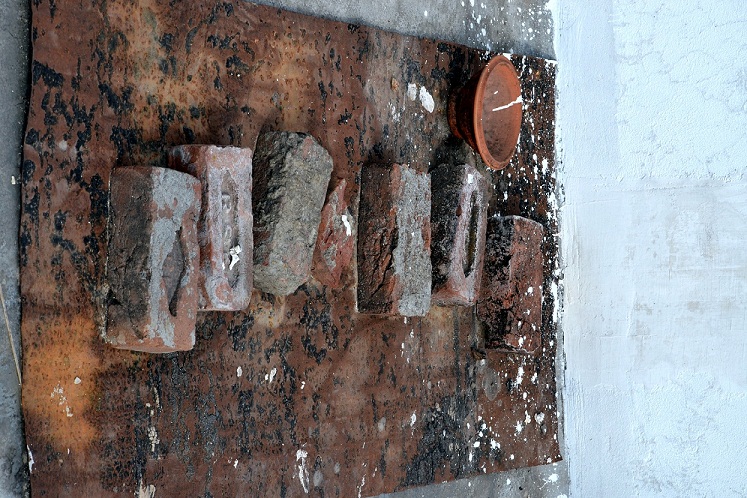
Tok and Bricks. Jammu. 2012.

-0-
Buy Kashmiri Cuisine Through The Ages from Flipkart.com

-0-
The People of Kashmir in India, 1868

One of the response of British to the events of 1857 was to try and better categorize the people they ruled. They went around with their cameras and shot all kind of natives, all tribes, castes, races, religions, belonging to places all across the length and breadth of this land and put them in books and added neatly brief captions to these photographs describing in brief the ‘must remember’ of each native type. All this in hope that it would help them govern these people and more importantly the land better. One of the gigantic product of such an exercise was the eight volume series titled ‘The People of India‘ published between 1868 and 1875. It’s a pretty plain book, a book of colonial pen. But it is a picture book. And a picture book is always interesting. Interestingly, there are essentially two type of tribals captured in this famous colonial work: those natives that were still tied to their heathen faith, all looking, well, tribal, and those that had crossed over to Christ, looking like they have just had a fresh scrubbing and headed straight for their study desk. 

Anyway, from various volumes of ‘The people of India : a series of photographic illustrations, with descriptive letterpress, of the races and tribes of Hindustan’ (1868) by John William Kaye, Meadows Taylor,  J. Forbes Watson, here are photographs of some of the Kashmiris that one could come across in India back then.

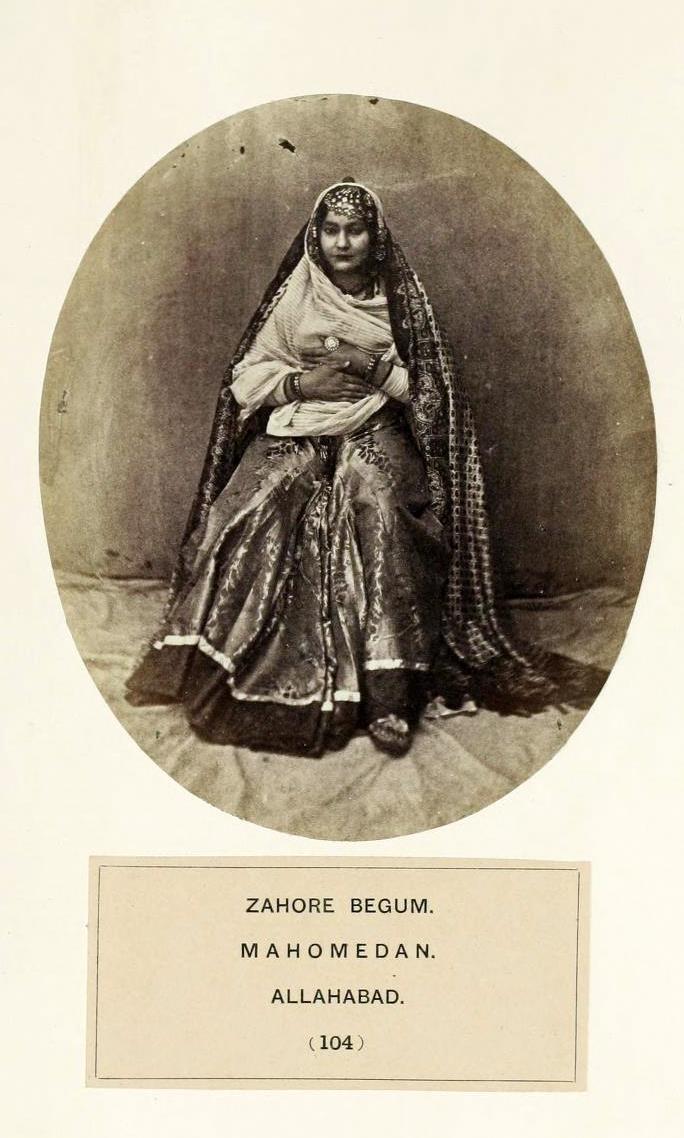
Zahore Begum, Mahomedan, Allahabad.
[from Volume 2]

 “Zahore Begum is a Cashmere Mussulmani, and follows the profession of a courtezan. As may be supposed, her charecter is not very respectable. She belongs to the Soonee sect of Mussulmans.
She has a very fair complexion, black hair and eyes; she wears a black silk dress and yellow shawl; a diamond ring on her left thumb, cloth shoes, embroidered with gold and set with precious stones, and her silver anklets have small bells attached to them.”

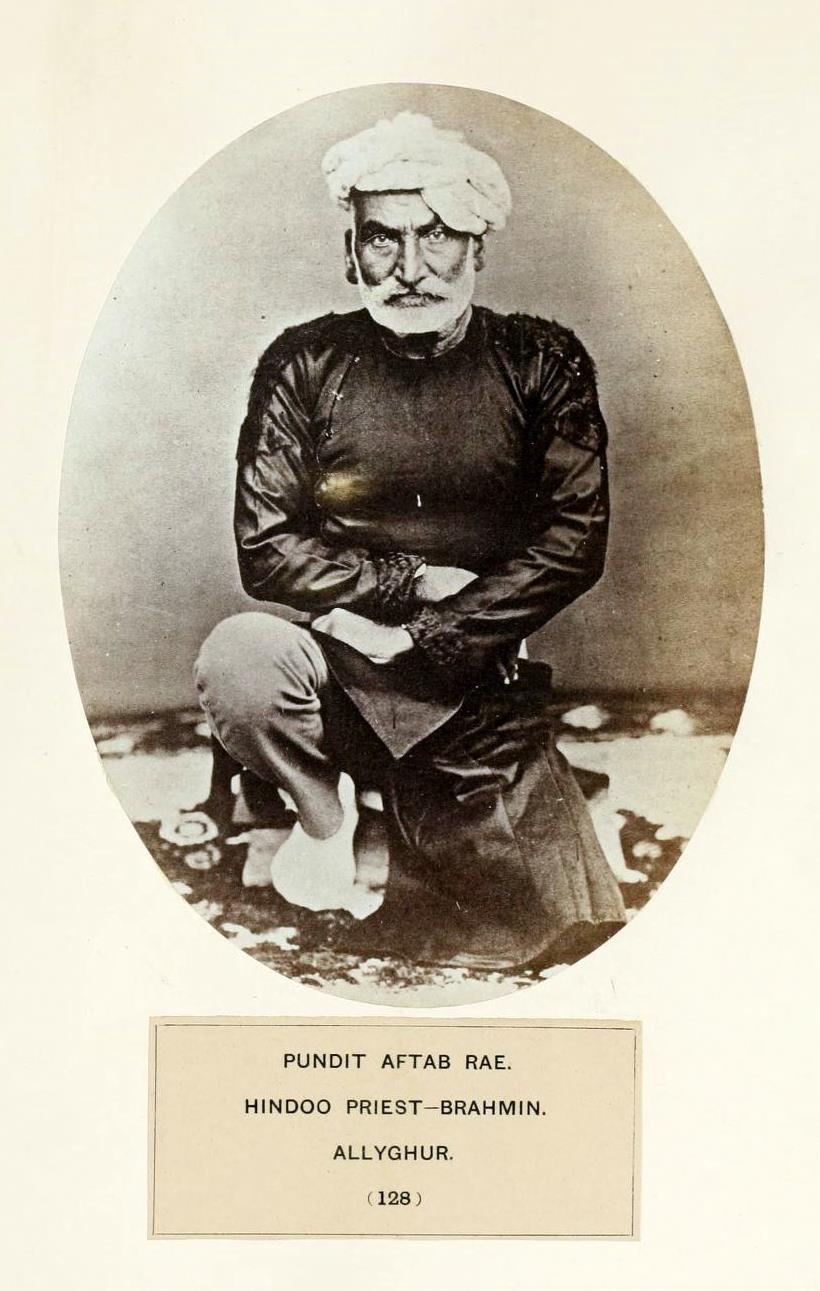
Pandit Aftab Rae. Hindoo Priest – Brahmin. Allyghur.
[from Volume 3]

“Aftab Rae, like Ramnarain, is a Pundit, or expounder of the Hindoo scared books. He is a Brahmin of Cashmerian origin, but his family have lived at Lucknow for more than a century. He has himself resided in Allyghur and the neighbouring districts for nearly fifty years. Persons of this class are rarely to be met with in this part of Hindoostan. They are for the most part shrewd, clever, and designing. Their habits are migratory, generally seeking employment in the civil department under Government. They go any distance to obtain it. They are Brahmins by caste, and a keen-eyed, crafty race. Their food is mutton, fish, vegetables, and grain, but not beef; and they generally live to the age of seventy or eighty years. Aftab Rae is seventy years of age; his height is five feet six inches, complexion fair, hair and eyes grey.”

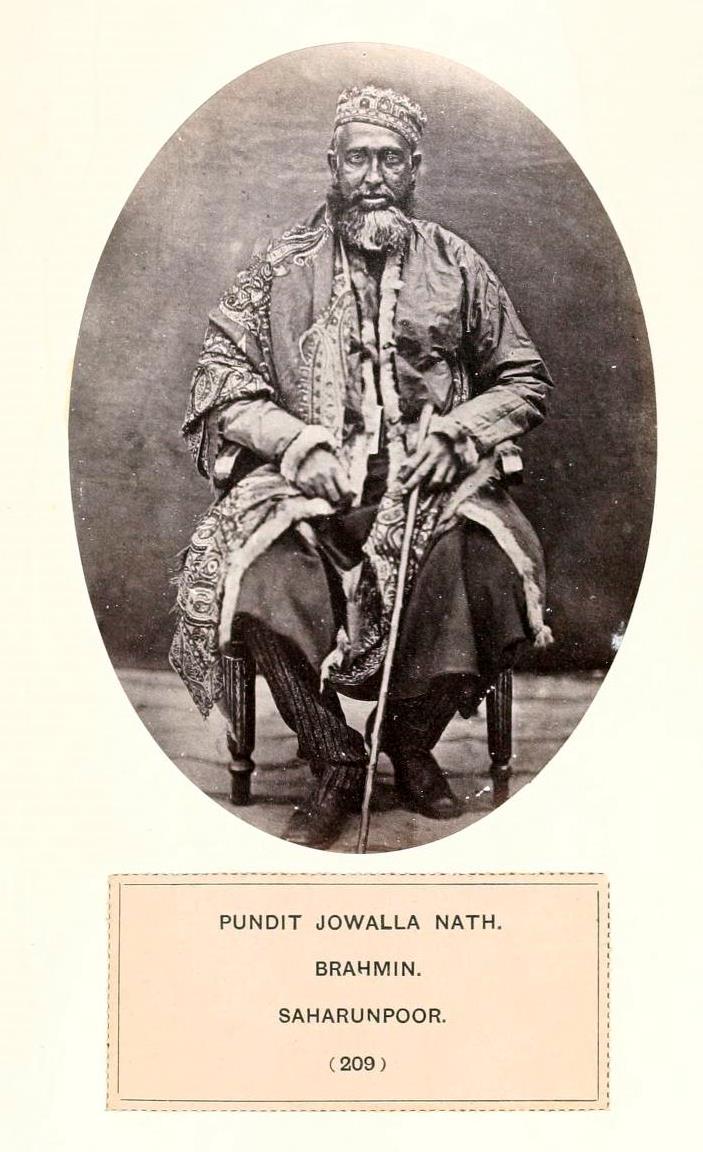
Pundit Jowalla Nath. Brahmin. Saharunpoor.
[from Volume 4]

“The gentleman here represented is a fine specimen of his class, a secular Brahmin, in the service of Government. Well educated and liberal in their ideas, they are for the most part above the narrpw-minded and exclusive sectarianism of Brahmins of religious or priestly profession, and prove most intelligent and valuable public officers. The Pundit is, or was, tehsildar, or collector of revenue of the Roorkee district. He is a native of the valley of Cashmere; and as will be evident from the Photograph, his features are of the highest class of Aryan charecter – identical, in fact, with the European; and the difference between them, and those of other Brahmins represented in this work, will be at once evident on comparison. Pundit Jowalla Natli is a person of essentially European mind. He has mastered the English language, which he both writes and speaks with a fluency and correctness rarely attamed by a foreigner ; and his honorary title of Pundit could only be assumed upon a high standard of proficiency in the Sanscrit literature of his own country.

His costume is a richly embroidered robe or choga of Cashmere cloth, trimmed with fur, with an under vest of cloth. His trowsers and shoes are of Enghsh fashion, and the embroidered cap is perhaps an invention of his own, since it is not common among his people. Notwithstanding his English habits and manners, the Pundit preserves the rules of his own caste inviolate; while he, and his class generally, are free from those gross superstitions and idolatrous observances, which are followed by Brahmins of other and less enlightened professions. There is no doubt that educated natives of India, in the class to
which the Pundit belongs, are increasing in numbers and in influence ; but they can do little as yet, perhaps, to affect the ignorance and bigotry of their countrymen. “

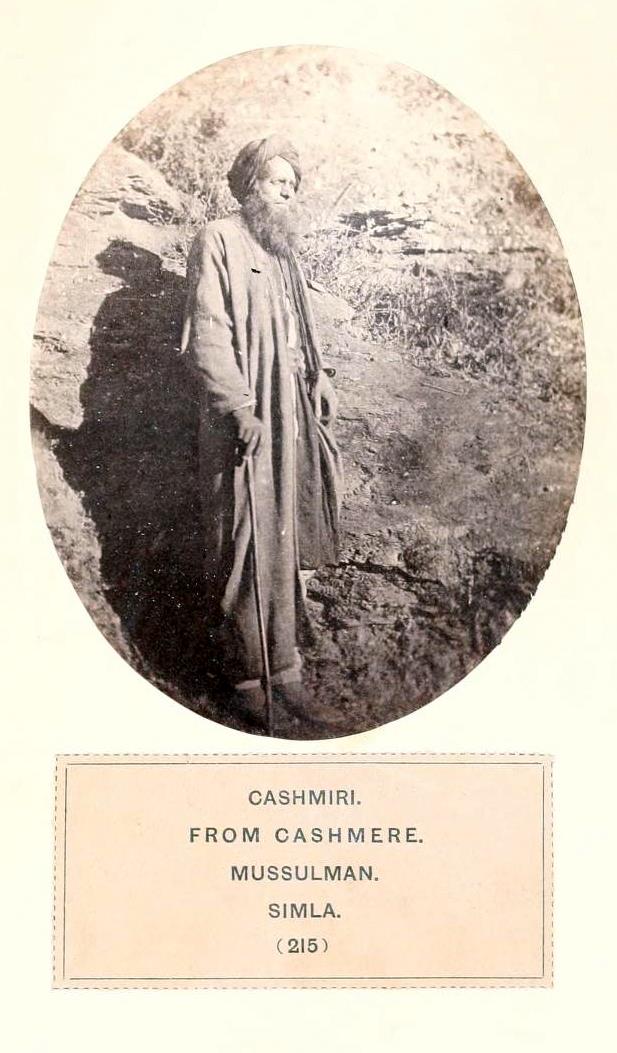
Cashmiri From Cashmere. Mussulman. Simla.
[from Volume 4]

 “MAHOMEDAN merchants from Cashmere are very commonly met -with at Simla, and, indeed, in all the northern stations of India. They bring shawls, scarves, embroidered cloths, and other local manufactures for sale, as well as dried fruits, which are readily disposed of. The costume of the Cashmiris differs from that of ordinary Mahomedans of India. Instead of the tight and often ungraceful tunic, the garment shown in the Photograph, which is called chogha, is almost universally worn, especially in winter. The best are made of soft serge, or cloth, woven from the fine wool of the shawl goat, and the natural colours, brown, grey, or white, are preserved. These garments are frequently handsomely embroidered on the chest and shoulders, as also down the back, by silk or woollen braid in remarkably chaste patterns; and there is no class of Cashmere manufacture, perhaps, which more perfectly exhibits the exquisite taste of the artizans of the country, than these embroideries. They are never in varied colours, and the best effects are produced by braids in monotone, crimson upon white, dark grey upon light grey, and other combinations. These manufactures, both in shawls, scarves, cloaks, and even choghas, are now becoming known in Europe, and are to be found for sale in the shops of London and Paris shawl merchants; while in the beautiful collections of the India Museum, many specimens of the finest descriptions of work can be examined by those interested in Indian productions. 

The Mahomedans of Cashmere are in no wise different from their brethren of Northern India. They are, for the most part, Soonnies, and have a strong admixture of Aftghan blood; but, as a rule, they are not a military class, nor have they ever been remarkable for the military spirit so abundantly displayed by Mahomedans elsewhere. They are, however, a fine, handsome race of people, and their women, who have not unfrequently fair, ruddy complexions, are esteemed very beautiful — the Circassians, as it were, of India. Since the sale of Cashmere to Golab Sing, the Rajah of Jummoo, by Sh H. Hardinge, in 1846, the oppressive character of the local administration has induced many of the shawl weavers and embroiderers to leave their native country, and settle in the northern cities of India ; and in most of them, colonies of native Cashmiris have been established, which subsist upon the manufacture of articles in local estimation; but the shawls have not the softness or beauty of those produced in Cashmere, and the best articles produced are perhaps the embroidered shawls, scarves, and choghas, before alluded to. 

Cashmere was originally an independent Mahomedan kmgdom, but was conquered and attached to the imperial dommions by the Emperor Akbur in 1587, and was used by him and by his successors as a place of retreat from the summer heats of India. It passed from the Mahomedan rule to that of the Sikhs in 1818, and remained in then- possession till its sale to the Rajahs of Jummoo. Could the entire possession of the Punjab have been foreseen, it is not improbable that the beautiful valley might now have been a British province. 


-0-
Some shawl bearers:

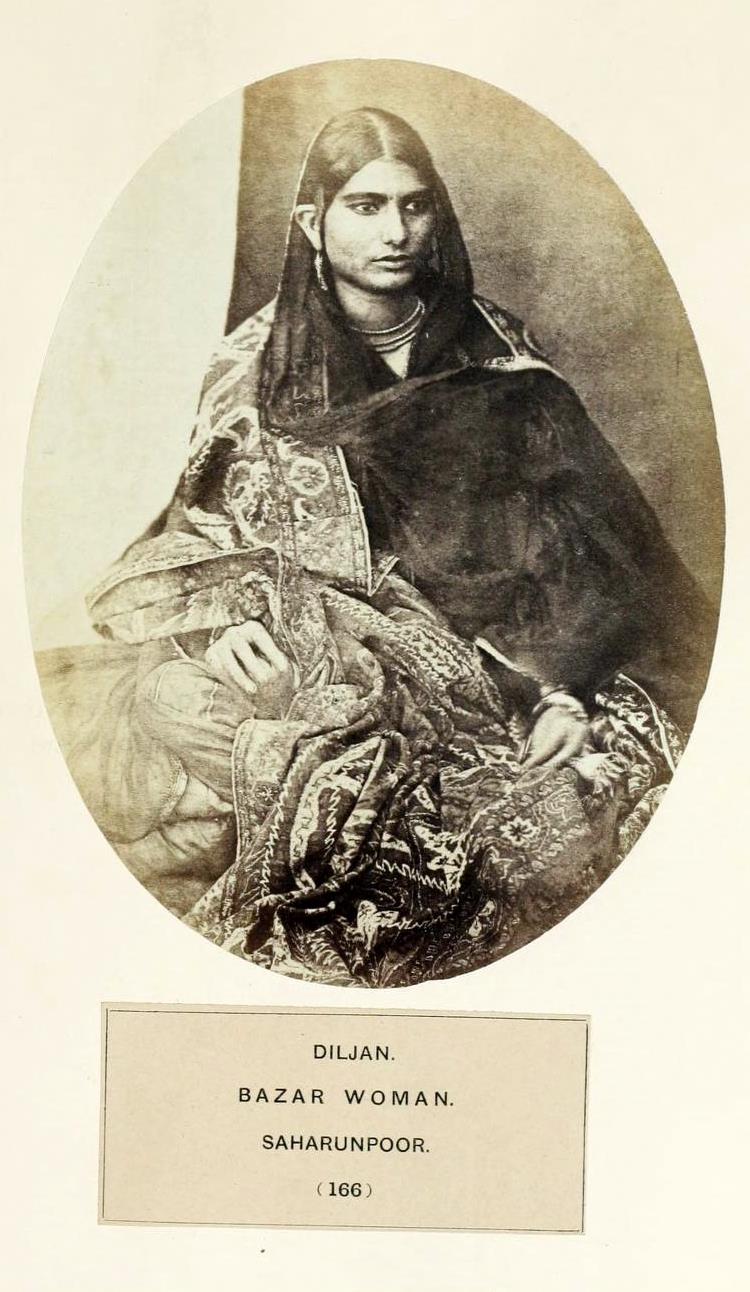
Diljan. Bazar woman. Saharunpoor.
[from Volume 3]

“Diljan, the “heart of life,” is like Wuzeerun, a Mahomedan courtezan. Her dress is black tunic, black silk trowsers, and Cashmere shawl.”

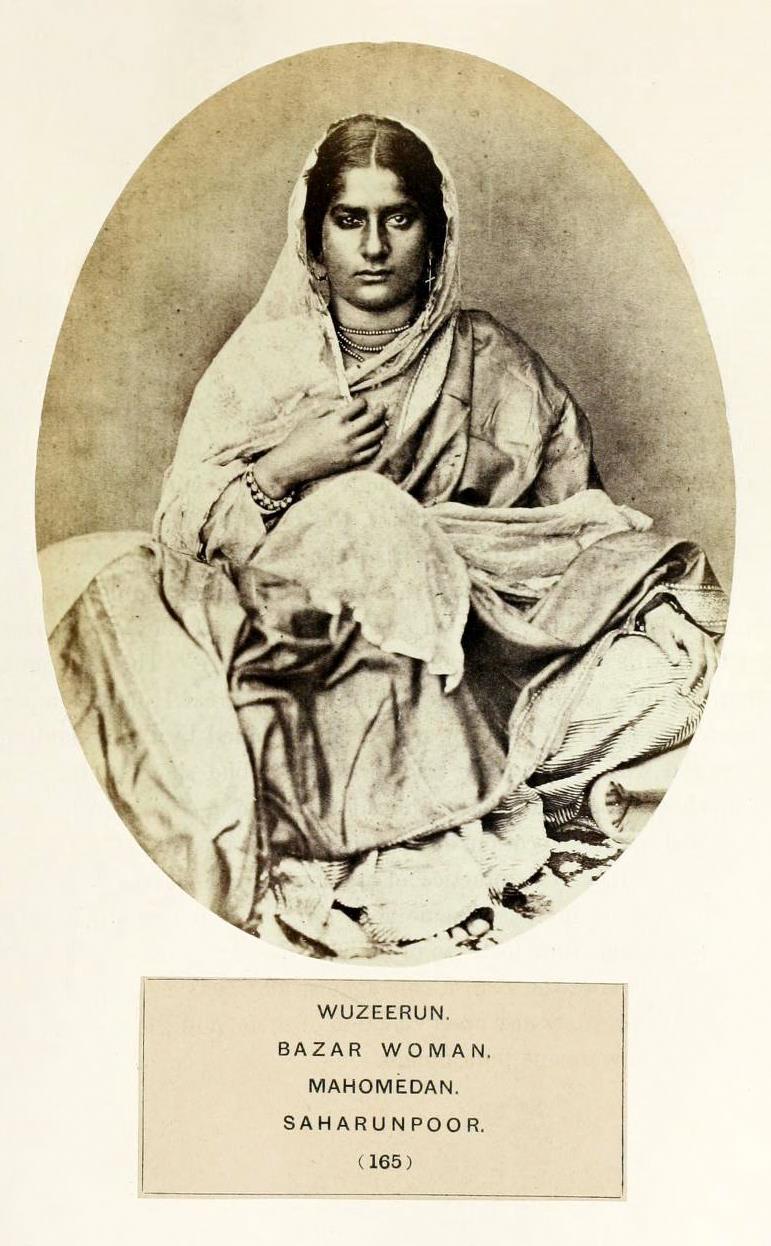
Wuzeerun. Bazar woman. Mahomedan. Saharunpoor.
[from Volume 3 ]

THIS photograph represents a Mahomedan bazar woman, or professional courtezan. Her dress is a yellow tunic, green silk trowsers, and red Cashmere shawl. There is little to be said for women of this class, who exist under many denominations all over India, and the nature of their profession debars description of them. Many are dancing women, Mahomedans as well as Hindoos. They can never contract real marriage, though some of them avail themselves of the form ” Nika,” under the Mahomedan law, the offspring of which is legitimate, though in a secondary degree. In such cases those married and secluded become honourable women. Public coutezans are devoted by their families to the profession from their early youth ; and, on attaining a fit age, they are married to a dagger, or a tree, with all the ceremonies of a real marriage. This custom obtains as well among Hindoos as Mahomedans. Many of the great Hindoo temples have bands of courtezans attached to them, who are maintained by the revenues of the establishment, and who follow then trade without public shame. It is a strange anomaly that, while a courtezan, born of, or adopted into, a courtezan family, is not held to pursue a shameless vocation, other women who have fallen from good repute are esteemed disgraceful. The practice of purchasing children to be instructed as courtezans was commonly practised some years ago, even in British territories, and is frequent at the present time in those of native Princes; but the stringent nature of the laws existent under the British rule against all practice of slavery, however 
it may be disguised, prevents any open violation of them, and the customs formerly existent can hardly now escape punishment. 
-0-

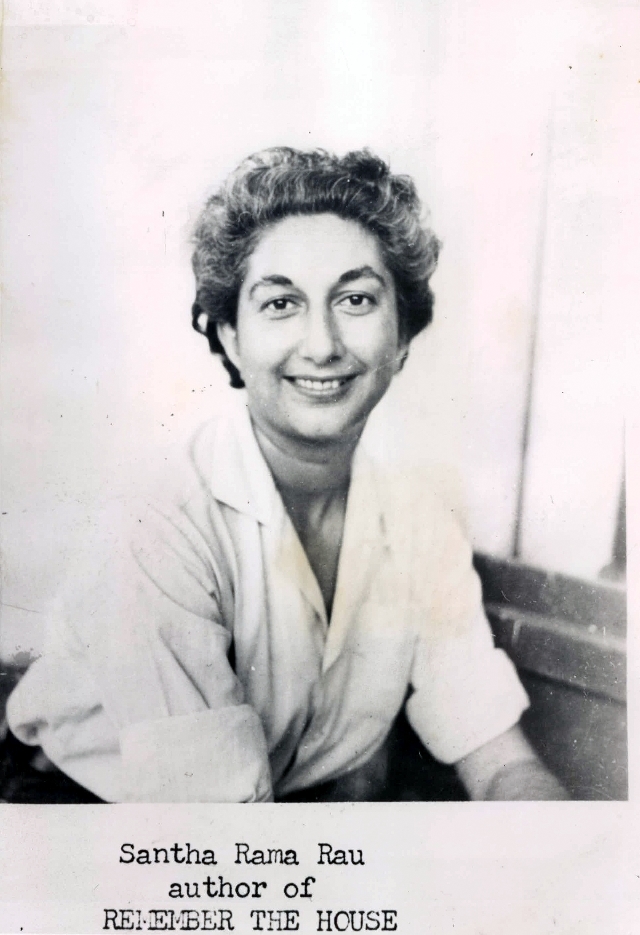
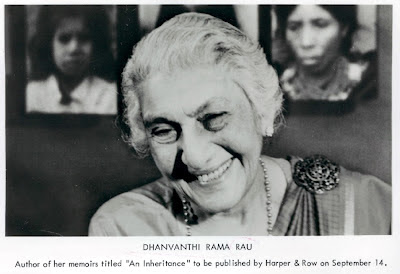
Rama Rau Battas from down South

Daughter: Santha Rama Rau spent most of her life defining and explaining India to the world. A citizen of the free world.

Mother: Dhanvanthi Handoo Rama Rau, founder and president of the Family Planning Association of India, fought for women’s reproductive rights in India. First Kashmiri girl to marry outside the community. A citizen of free India. 
Grand-mother: A just about five feet tall imposing woman who lived in India but held on to the age-old beliefs of Pandit creed. A woman who worried about finding a suitable ‘Pandit’ boy for her tall grand daughter. A woman of old world pre-occupations, old world biases, and at times old world charm and wisdom. A citizen of imagined Kashmir. 


In ‘Cooking of India’, Santha Rama Rau had this to say about her mother’s side of the family:

“In all of this, their fierce sense of origins, their strong feeling for the “Kashmiri Brahmin community,” remained undiminished even though they were exiled in uncomprehending, if not hostile territory. So intense was this feeling that it never allowed them to realize that their food, like their manners, language, even in some cases their dress, had been strongly influenced by centuries of Muslim rule in Kashmir and later in Allahabad. Unlike most Brahmins they ate meat (though not beef); on the rare occasions when they served rice it was in the form of pulaus (imaginative variation of the Persian polo, or pilaf). They delighted in serving an iced sherbet like mixture of fruit juices, a drink they had adopted from the Moghul courts of North India.”

To my collection of Kashmir travelogues, I add Santha Rama Rau’s description of Kashmir visited in 1939 when she was sixteen. Santha Rama Rau’s Home to India (1945):

The diary I kept of the summer Premila and Mother and I spent in Kashmir was entitled romantically. Journey into Limbo. The reason which suggested the title is obscure, but in retrospect it does not seem inappropriate, for it conveys the timelessness of that summer.On the route to Kashmir you can go by train only as far north as Rawalpindi. From there the hourney has to be made in one of the cars on hire at Rawalpindi station. The stockily built Mohammedan driver of our battered Fiat, with his gaudy turban, knew he was a “character”. He warned us before he left the station that he was always sick on this trip, but if we would let him stop the car every forty minutes or so, things could be managed very neatly.
All the way up to Srinagar he used one hand for steering and the other for holding the door on. While Premila, with remarkable imperviousness, slept through the entire journey, the driver talked to me about the good done by the Congress Party for the peasants and small shopkeepers in this part of the country. He said too few people realized how far-reaching the influene of the Congress was in the princely States. Certainly there was a great deal of work still to be done, but while the Bristish protected the Maharajas the people were bound to remain oppressed. I was surprised at his fluent use of political phraseology as he discussed representative government needed in the States which the Congress wanted, and hoped to institute in time, when the power of the Princes could be broken. We of British India, he said, under-estimated the force of the people themselves in the States.
When I asked him why he wasn’t afraid to talk to us so freely, he became excited. “Tell the officials if you want to! Tell the Maharaja himself! We will fight them and the British. Wait and see, we’ll fight!”
I asked him what he would fight the British with – guns? machines? I reminded him that we had not been allowed to produce armaments in the country.
“Machinery!” he said, and tool his hand off the steering wheel to dismiss the industrial age with a flourish.”If we have it, good. If not, still good.”
“Then what will we fight with?”
He looked at me with scorn.”What we really need is to exploit our unity. If every Indian were to spit once, we could drown the British!”


You can read the complete book here.


-0-
Probable clues to what Pandit writing would read like in a few decades from now when fresh blood will start describing their world, and the world of their parents and grand-parents. And when they will describe their visits to The One Great Limbo of their lives. 
-0-

Selling Smoke and Pipe Dreams, 1852

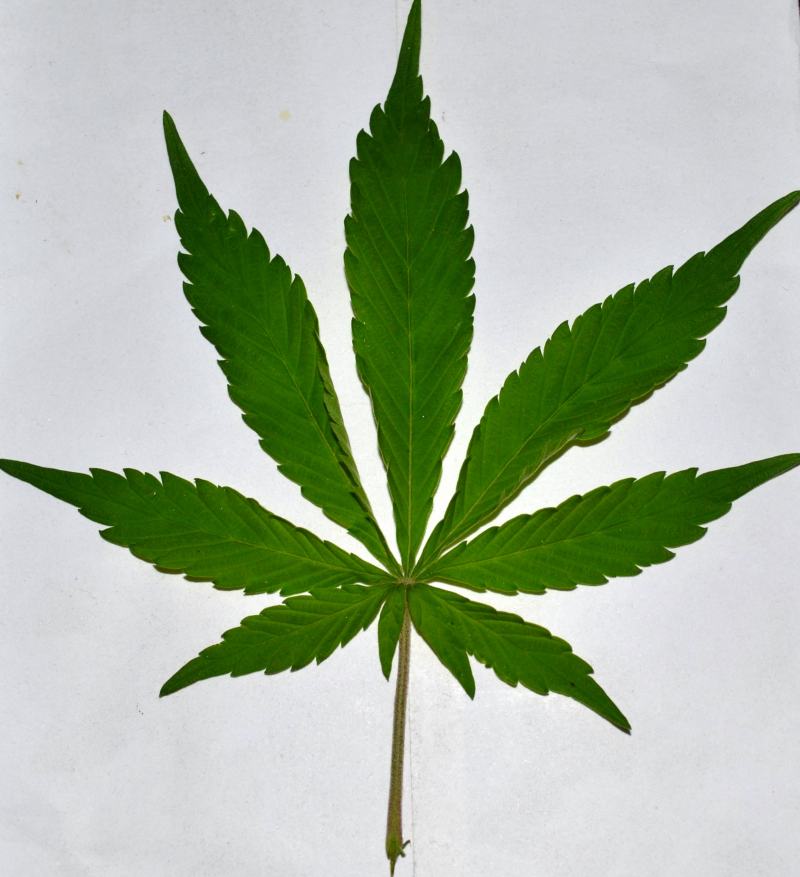
Thus, Cannabis Indica grows higher, stronger, and more luxuriantly in Cashmere than in the plains of India, and has been monopolized by the Cashmerean government. The churrus is prepared from it, and sold in India, where it is mixed with tomakoo (tobacco), and used for the purpose of producing intoxication, principally by the faqueers, who smoke it through the hooka. Besides the hemp-plant, two other valuable productions of the country, saffron (Crocus sat.) and the putchuk-root (Costis nigr. Cashm.) have been monopolized by the government. Notwithstanding this fact, and the proximity of the country, it is stated in the Bengal Dispensatory,p.692 [O’Shaughnessy. 1841],”Putchuk-root is brought from Lahore, where it is called koot, it is of unknown origin; it is chiefly exported to China, where it is used as incense,”

~ ‘Thirty-five Years in the East: Adventures, Discoveries, Experiments, and Historical Sketches, Relating to the Punjab and Cashmere; in Connection with Medicine, Botany, Pharmacy, Etc.’ (1852) by John Martin Honigberger, physician in the court of Ranjeet Singh at Lahore.


-0-
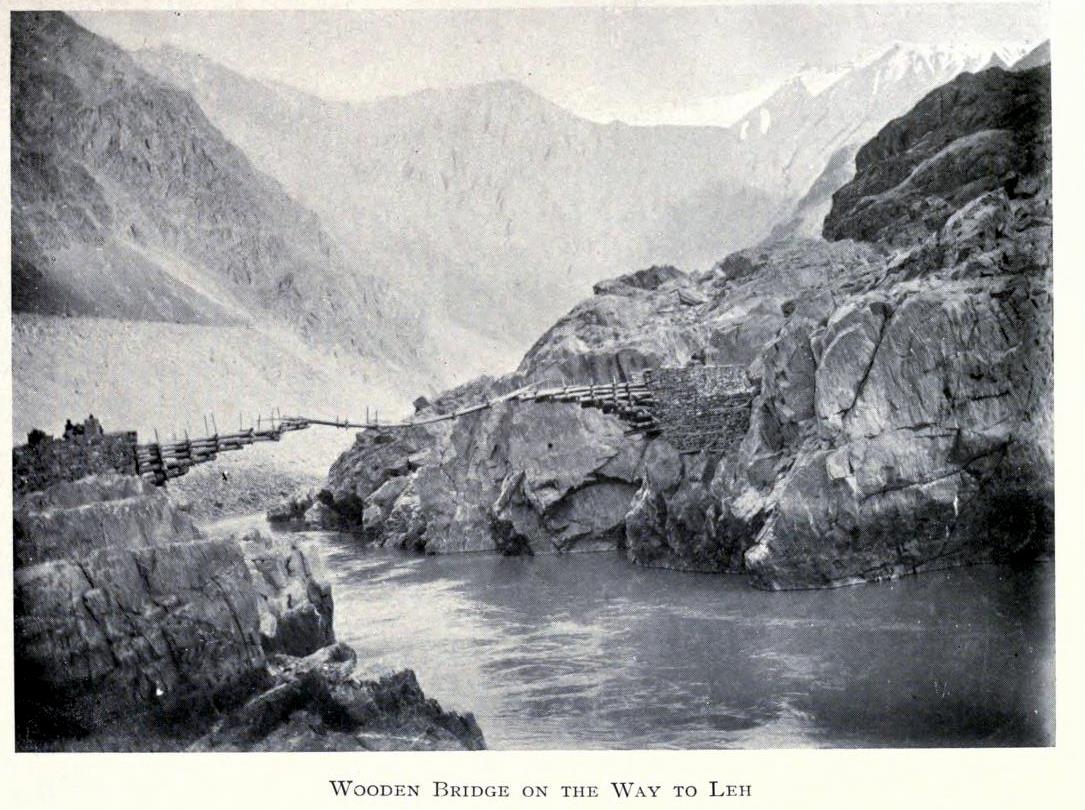
Apropos a place called Mujgund,
and a good samaritan Charsi at Tsrar.
-0-

too much pleasure and enjoyment

“All the people I send into Kashmir turn out haramzada; there is too much pleasure and enjoyment in that country”

~ Maharaja Ranjit Singh to Sir Alexander Burnes of the East India Company.
Came across it in ‘The Abode of Snow: Observations on a journey from Chinese Tibet to the Indian Caucasus, through the upper valleys of the Himalaya’ by Andrew Wilson (1875) .

Mad sons of Freud on Er. Suyya

#fail
The kind of hacks Freud spawned. Yet, Freud’s impact on people and their way of interpreting stories, written and oral, can’t be ignored. 
Here is ‘A Birth of the Hero Myth from Kashmir’ by Captian M. R.C. Macwatters (based at Lucknow) in International Journal of Psycho-Analysis. Volume II, Sept-Dec 1921. [via archive.org]:

The Valley of Kashmir is a wide alluvial plain which to this day is liable to disastrous floods because at its outlet the main river escapes through a narrow gorge which obstructs the escape of any considerable accumulation of water. In fact the whole valley is almost as dependent as Holland on its drainage and other engineering works.
The first serious attempt to protect it by dams and drainage operations was made by Suyya in the ninth century and an account of his exploits is given by a historian named Kalhana who wrote three centuries later. Although much of his story appears to be historical, the account of Suyya’s origin is a typical birth-myth, which utilizes a part of his engineering exploits for its symbolic expression. Kalhana recounts how such protective works as already existed had been neglected by a series of kings until the reign of Avantivamam and how famine had come upon the land in consequence. He then proceeds as follows: 
Chapter V, Paragraph 72. Then through the merits of Avantivamam there descended to earth the Lord of Food himself, the illustrious Suyya to give fresh life to the people. 
73. The origin of the wise man was not known, and his deeds which deeds which made the world wonder proved that though [he appeared] in the fourth period (Yuga) he was not bom from a [woman’s] womb
74. Once a Candala woman, Suyya by name, found when sweeping up a dust heap on the road a fresh earthen vessel fitted with a cover. 
75. Raising the cover she saw lying in it a baby, which had eyes like two lotus leaves and was sucking his fingers. 
76. ‘Some unfortunate woman must have exposed this lovely boy‘ Thus she thought in her mind, and then from tenderness her breasts gave milk. 
77. Without defiling the child with her touch she arranged for his keep in the house of a Sudra-nurse and brought him up. 
78. Taking the name of Suyya he grew into an intelligent [youth] and having learned his letters became a teacher of small boys in the house of some householder. 
79. As he endeared himself to the virttious by observances in regard to fasts, bathing and the like, and showed a brilliant intellect, men of sense kept around him in assemblies. 
80. When these were complaining in their conversation of the flood calamity he said ‘I have got the knowledge [for preventing it] but what can I do without means?’ 
81. When the King heard through spies that he was saying these words persistently, as if he were deranged In his mind, he was surprised. 
82. The King had him brought up and questioned him about this saying. He calmly replied also in the royal presence ‘I have got the knowledge.’ 
83. Thereupon the Lord of the Earth, though his courtiers declared him (Suyya) crazy, was anxious to test that knowledge and placed his own treasures at his disposal. 
84. He took many pots full of money (dinnara) from the treasury and embarking on a boat proceeded in haste to Madavarajya. 
85. After dropping there a pot full of money at a village called Nandaka which was submerged in the flood he hurriedly turned back. 
86. Though the councillors said ‘that Suyya is surely only a madman’ the King when he heard this account became interested in watching the end of these proceedings. 
87. On reaching in Kramajya the locality called Yaksadara he threw with both hands money (dinnara) into the water. 
88. 89. There where the rocks which had rolled down from the mountains lining both river banks had compressed the Vitasta and made its waters turn backwards the famine stricken villagers then searched for the money, dragged out the rocks from the river, and thus cleared the [bed of the] Vitasta. 
90. After he had in this manner artfully drained off that water for two or three days, he had the Vitasta dammed up in one place by workmen. 
91. The whole river which Nila produced was blocked up by Suyya for seven days by the construction of a stone dam — a wonderful work. 
92. After having the river bed cleared at the bottom and stone walls constructed to protect it against rocks which might roll down he removed the dam. 
93. Then the stream flowing to the ocean set out on its course in haste as if eagerly longing for the sea after its detention. 
94. When the water left it the land was covered with mud and with wriggling fishes and thus resembled the [night] sky which when free from clouds displays black darkness and the stars. 
96. The river with its numerous great channels branching off from the original channel appeared like a black female serpent which has numerous hoods resting on one body. 
Following the example of Otto Rank in ‘The Myth of the Birth of the Hero‘ those points which are common to many such myths are printed in italics. Their analysis has been fully worked out by him and need not be dealt with here, but several features of the present story are worthy of mention. 
We may infer that the hero’s real father is the King. It is true that the phrase which attributes his origin to the merits of the King is a common expression in the flattery of oriental courtiers who attribute all fortunate events to the auspiciousness of their ruler, but we may interpret it as an implication of parenthood also, especially as the scene in which the King receives and welcomes him is very reminiscent of the scenes of reconciliation in other hero-myths. The hostility between father and son is not obvious but is perhaps hinted at in the neglect, not of the King but of his predecessors, and in the activity of his spies. The hostility of the courtiers must surely stand for the hostility between the hero and his brothers. Several points in the story show reduplication, for example he is found in a pot and embarks in a boat upon the water, these symbolising the same idea, and the first foster mother, like Pharoah’s daughter, hands him over to a second. 
We see the expression of a number of childhood fantasies in the tale. The hero boasts insistently ‘I have the knowledge’ and that even in the presence of the King (father). Just so would the child like to be able to boast of sex-knowledge even to his father but cannot, and even when he has the knowledge he lacks ‘the means’. Whereas in some fantasies it is the father who denies knowledge and power to the son, here the father encourages the one and provides the other (wish-fulfillment). Sir Aurel Stein’s notes on the word ‘dinnara’ here used for money are interesting. A dinnara is a unit of value so small that it was more likely a cowrie than a metal coin (and lends itself therefore to identification with seed) while the ideas of money and grain are largely interchangeable since payments were more often made in grain than in coin even up to recent times in Kashmir. 
The ‘infantile theory’ of generation from faeces comes to expression through the dust heap where he is found and through the mud which covered the land and swarmed with wriggling fishes. 
We find also an expression of the common fantasy of being one’s own father. The Hero engages in certain interesting operations at the outlet of the valley where he scatters money (or seed), as a result of which there is an accumulation of the waters for seven days, or if we allow ourselves to add the two or three days mentioned in verse 90, a total period of 9 or 10 days corresponding to the 9 months or 10 moons of pregnancy, and he achieves this result by the erection of a dam whose solidity the’ story emphasises, ‘a wonderful work’ indeed! In the opening sentence we are told that he ‘came to give life’ which he does by fertilising Kashmir, his mother-land. 


-0-

Some Stats


More than 500 people like the Facebook page of this blog nowThe blog has close to 400 readers. Most of them read the blog via email. More than half of them are Kashmiri Muslims. More than 1000 people reach the blog every day. Around 3% of them are using smart phones. With 3.4 % Srinagar is at No. 4 in list of cities where it is read. People download around 500 images from the blog everyday. I get 2-3 emails and 2 -3 comments per week. Most of the emails are from older generation. And comments are from relatively younger generation. Really young (at least in case of KPs) not looking for any of it. On last count (shared by concerned readers ) there are around 2-3 pages on Facebook (with thousands of ‘like’ ) that rely on this blog for their vintage content soup. 


And despite what stats might say. This blog actually runs on women power.
-0-