kuja boodi, kahan tha, kati osukh

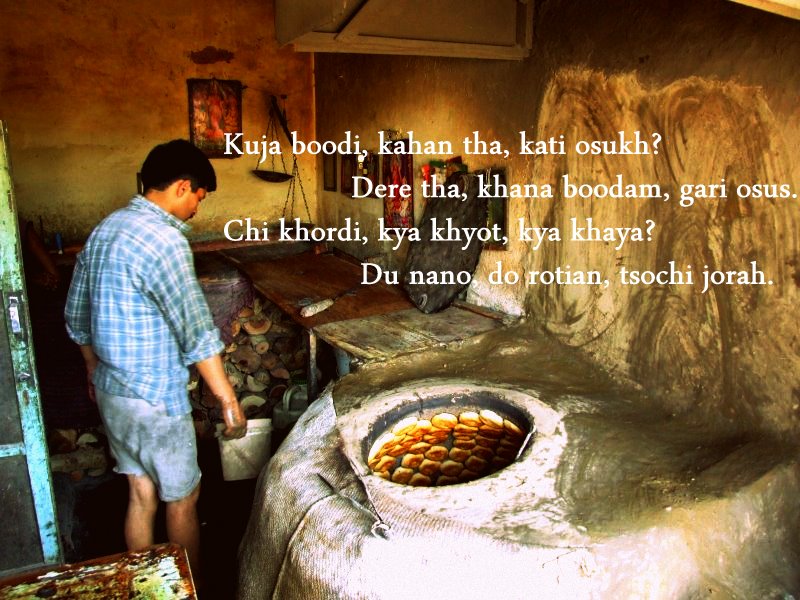
Kashmiri Bakery, 2008

Kuja boodi, kahan tha, kati osukh?
Dere tha, khana boodam, gari osus.
Chi khordi,kya khyot, kya khaya?
Du nano, do rotian, tsochi jorah.


Where were you?
At home.
What did you eat.
Couple of loaves.


One of the tri-lingual ditties developed by Kashmiri pandits in old days to learn Persian. I think I have often heard parts of it from my grandfather, but always employed in humorous situations, he would say, Kuja boodi Tau Tau (Kuja boodi Blah Blah).  


-0-
Found the complete ditty in ‘Kashmiri Pandit Community: A Profile’ by Triloki Nath Dhar.


Tagore’s Balaka

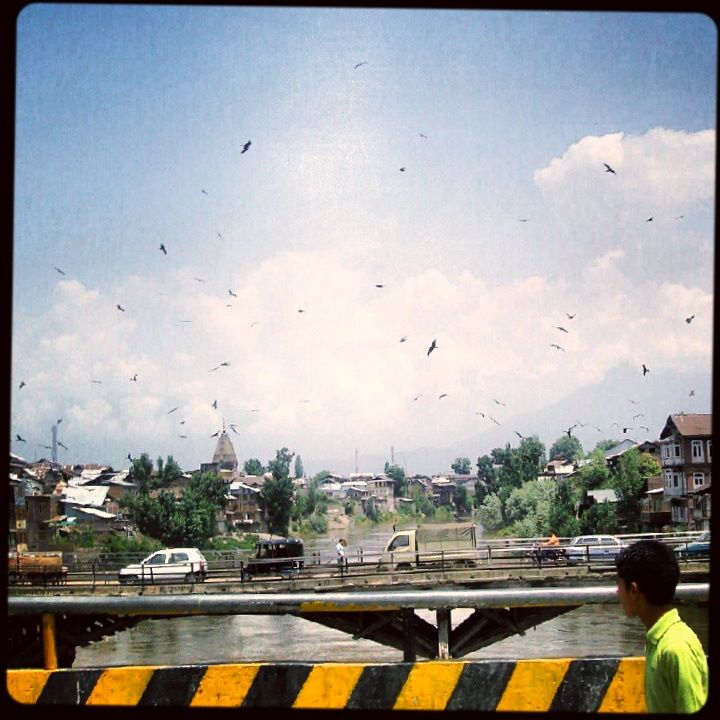
Habba Kadal, 2008

“I was in Kashmir. One evening, I sat by the River Jhelum. There was stillness all around. I felt I was sitting besides the Padma. Of course, when I lived on the Padma I was a young man, now I am old. Yet that difference seemed to have been wiped out by some link transcending time. A flock of geese flew over my head across Jhelum…I seemed to hear some ineffable call, and be led by its impulse to some far journey.” (Kshitimohan Sen, Balaka-Kabya-Parikrama,p.55)

Balaka
A Flight of Swans

The curving stream of the Jhelum glimmering in the glow of evening
merged into the dark like a bend sword in a sheath;
at the day’s ebb the night-tide
appeared with the star-flowers floating on the dark waters;
at the foot of the dark mountains were rows of deodar trees;
as if Creation, unable to speak clearly, sought to reveal its message in dream,
only heaps of inarticulate sounds rose groaning in the dark.
Suddenly I heard at that moment in the evening sky
the flash of sound rushing instantly far and farther in the plain of emptiness.
O flying swans
Storm-intoxicated are your wings
the loud laughter of immeasurable joy awakened wonder
which continued to dance in the sky.
The sounds of those wings,
the sounding heavenly nymphs
vanished after breaking the quiet of meditation.
The mountains, engulfed in darkness, shuddered,
shuddered the forest of deodar.
As if the message of those wings
brought for a moment the urge for movement
in the heart of ecstatic stillness.
The mountains desired to be roaming clouds of April,
the rows of trees spreading their wings,
desirous of severing the fetters of earth, were lost in a trice,
while in search of the end of the sky following that trail of sound.
The dream of this evening is shattered.
The waves of agony rise.
There is longing for the far,
O roaming wings.
In the heart of the universe is heard the agonized cry,
‘Not here, not here, but somewhere else!’
O flying swans,
tonight you have opened to me the covers of stillness.
under this quiet I hear
in air, water and land
those sounds of the undaunted and restless wings.
The heaps of grass are flapping their wings in the sky of the earth;
in some dark obscure corner of the earth
millions of sprouting swans of seeds are flapping their wings.
Today I see these mountains, these forests fly freely
from one island to another, from the unknown to the more unknown.
In the beating of the wings of the stars
the darkness starts crying for the light.
I hear the myriad voices of men flying in different groups to
unknown regions
from the shadowy past to the hazy and distant new age.
In my heart I heard the flight of the nest-free bird with innumerable
others
through day and night, through light and darkness
from one unknown shore to some other unknown shore.
The wings of the empty universe resound with this song –
‘Not here, but somewhere, somewhere, somewhere beyond!’

Translated by Bhupendranath Seal (Modern Indian Literature, an Anthology, Volume 3)

 “It is becoming easier for me to feel that it is I who bloom in flowers, spread in the grass, flow in the water, scintillate in the stars, live in the lives of men of all ages.
When I sit in the morning outside on the deck of my boat,before the majestic purple of the mountains, crowned with the morning light. I know that I am eternal, that I am anado-rupam, My true form is not that of flesh or blood, but of joy. In the world where we habitually live, the self is so predominant that everything in it is of our own making and we starve because we have to feed ourselves. To know truth is to become true, there is no other way. When we live in the self, it is not possible for us to realize truth.
[…] My coming to Kashmir has helped me to know clearly what I want. It is likely that it will become obscured again when I go back to my usual routine; but these occasional detachments of life from the usual round of customary thoughts and occupations lead to the final freedom – the Santan, Sivam, Advaitam.”
 ~ extracts from a letter written by Rabindranath Tagore in Srinagar, Kashmir on October 12th, 1915. [A Miscellany by Rabindranath Tagore]
 -0-

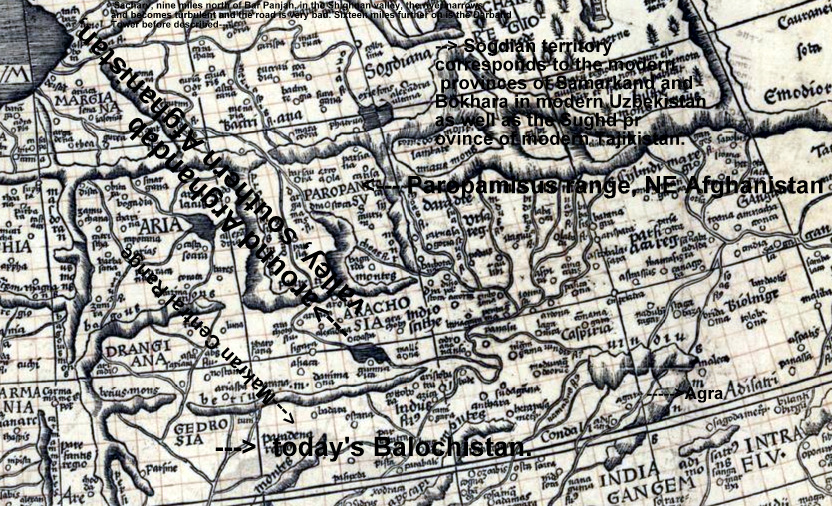
searching for Ptolemy’s Kasperia in old hellenic maps

Another failed attempt to find Ptolemy’s Kasperia in old hellenic maps.

Asian cut from ‘A Map of the Entire World According to the Traditional Method of Ptolemy and Corrected with Other Lands of Amerigo Vespucci’ by Martin Waldseemüller’s 1507. [available here]. This was the first map that depicted a world separated by Pacific ocean.
-0-
Note to self: do not try it again for sometime. It can drive one mad.

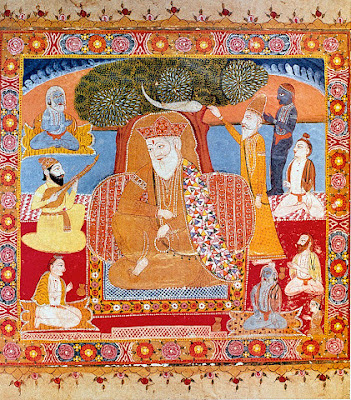
Guru Nanak Roff

A painting of Guru Nanak and his followers done in Kashmiri style.
Early 19th century. [Kashmiri Painting by Karuna Goswamy, 1998]

A couple of months back I found my Bua singing these lines to herself. We were preparing for my sister’s wedding, it was late at night, we were having a group singing session, like Kashmiris do, striking a spoon on metal platse and  kids beating an odd tumbakhnaer out of beat, everyone singing a song of their choice, often all at the same time. Hindi songs. Kashmiri songs. General fun. In this happy melee, I found my Bua singing some very odd lines. It was obvious she didn’t know the entire song as she kept repeating the same line over and over.

The lines went like this:


Guru Nanak yelli pyau thannay 

Zool kari’tyav
Heri’tay Bon’yay


A Kashmiri song referring to birth celebration of Guru Nanak. Roughly translated the lines mean:

The day Guru Nanak
was born
We light up our
houses
from top
to bottom

Intrigued, much later I asked her more about the song. She said she danced to it when she was in Matric. Back in 1976 a bunch of girls of Katleshwar School danced Roff, traditional Kashmiri dance, to these lines.

-0-
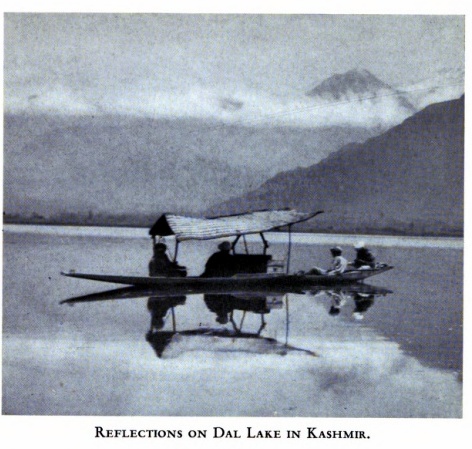
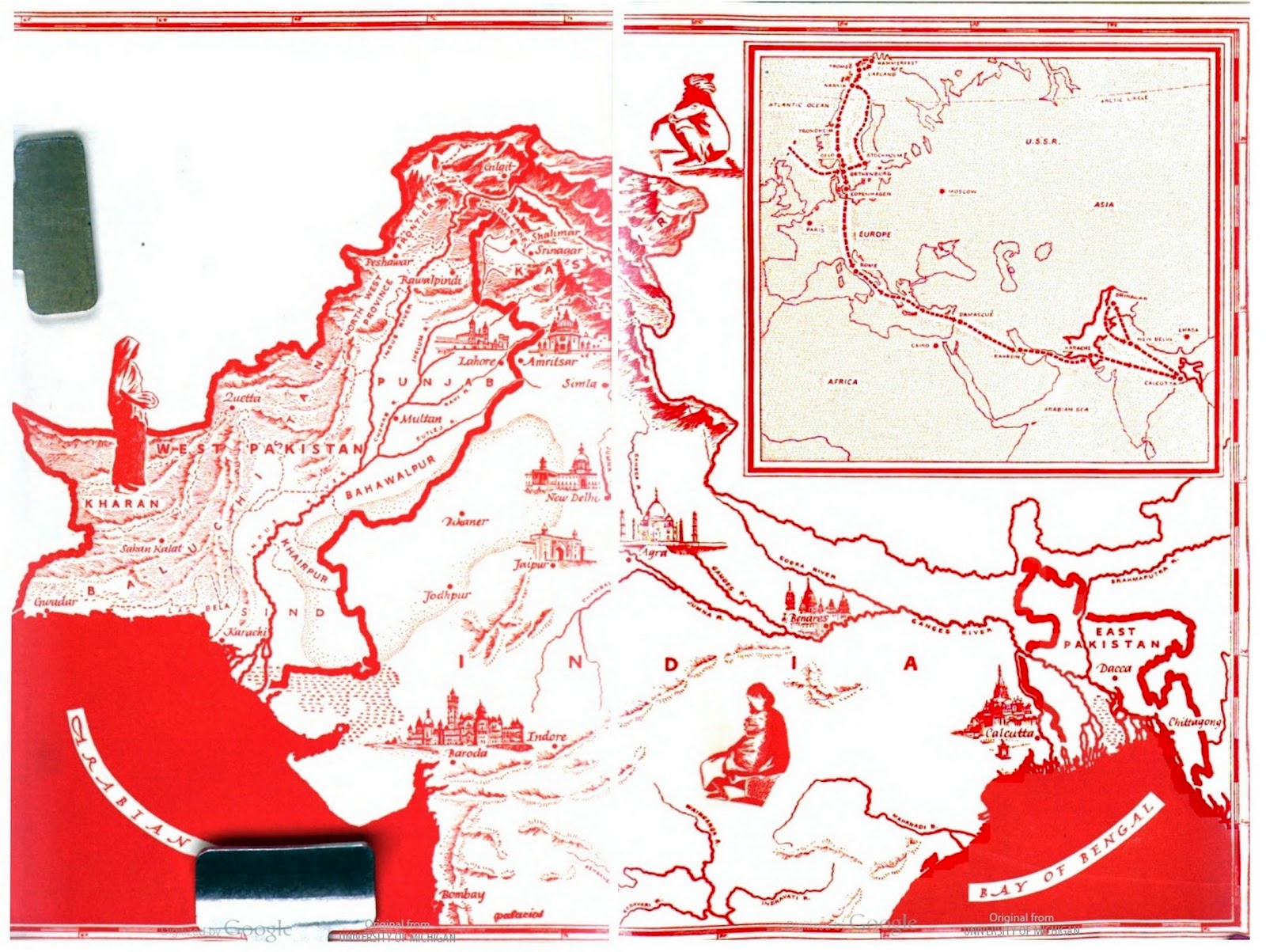
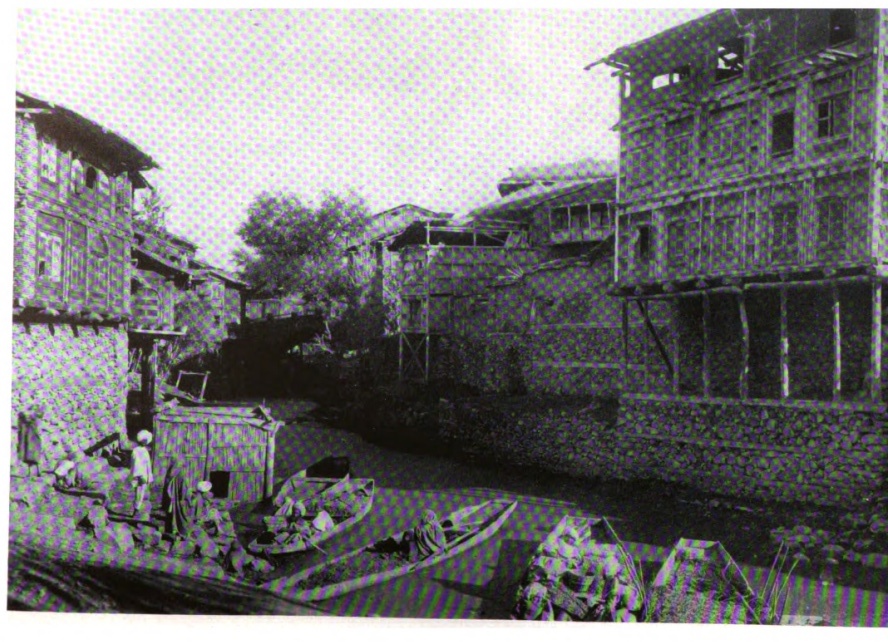
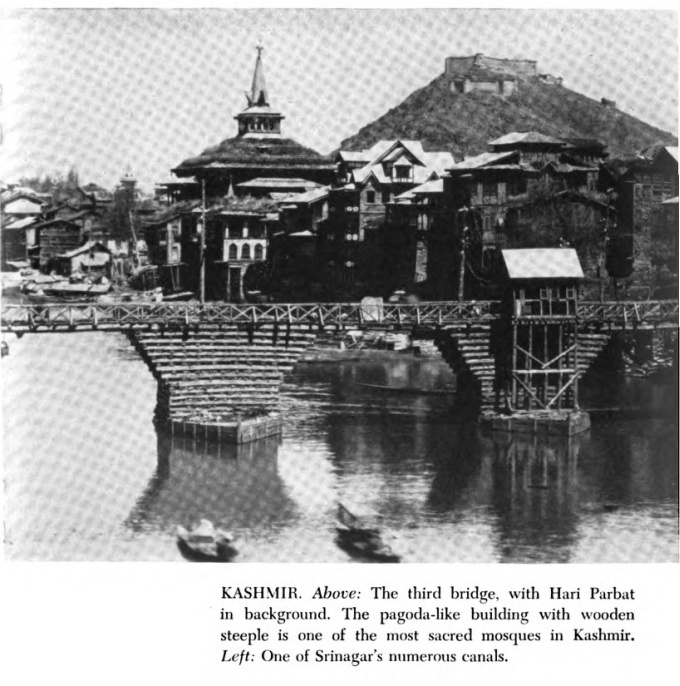
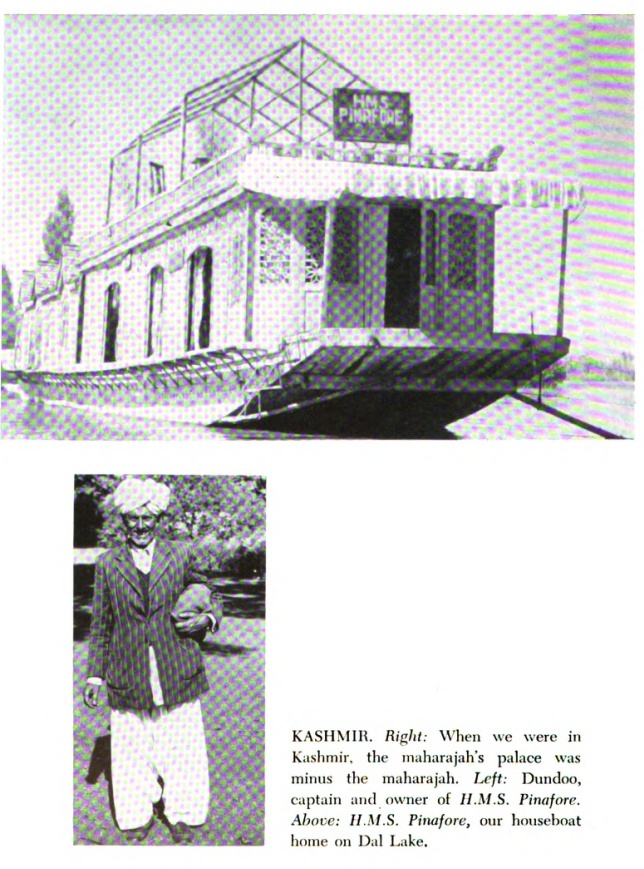
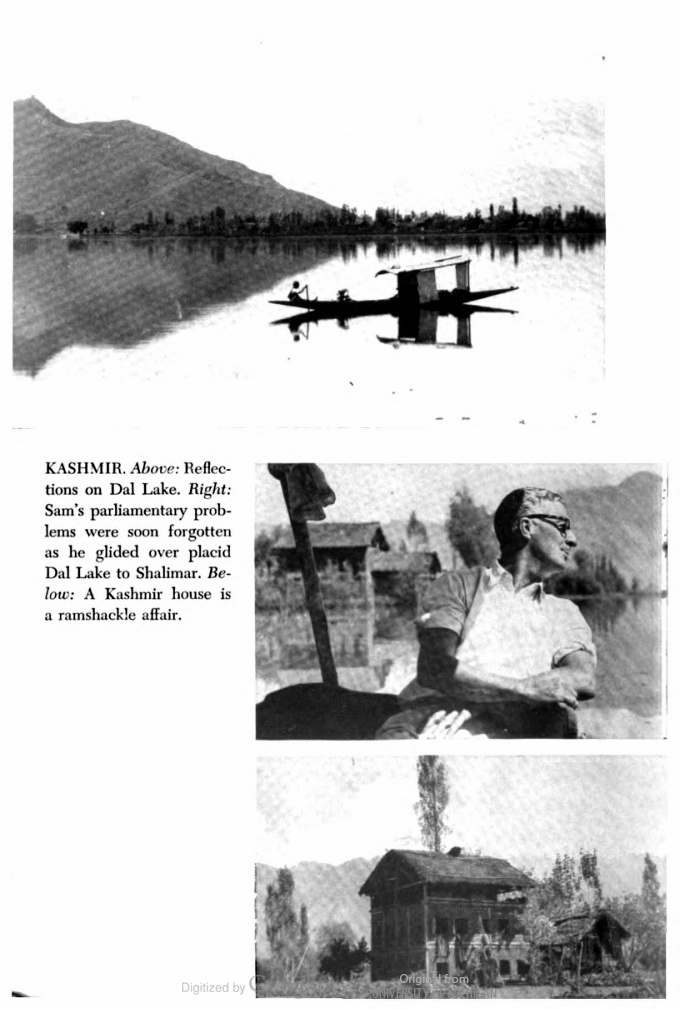
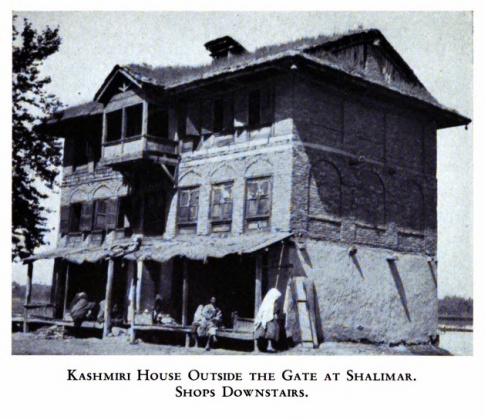
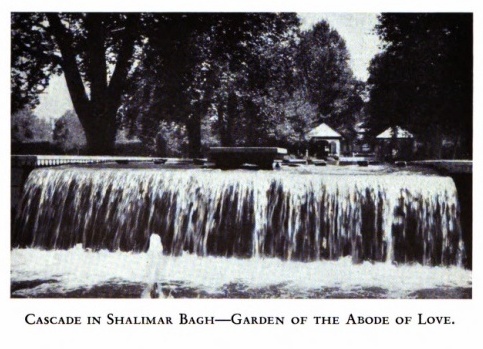
road to Shalimar, 1952

From ‘The road to Shalimar’ by Carveth Wells, 1952.

H.M.S. Pinafore.
This one too is still around 
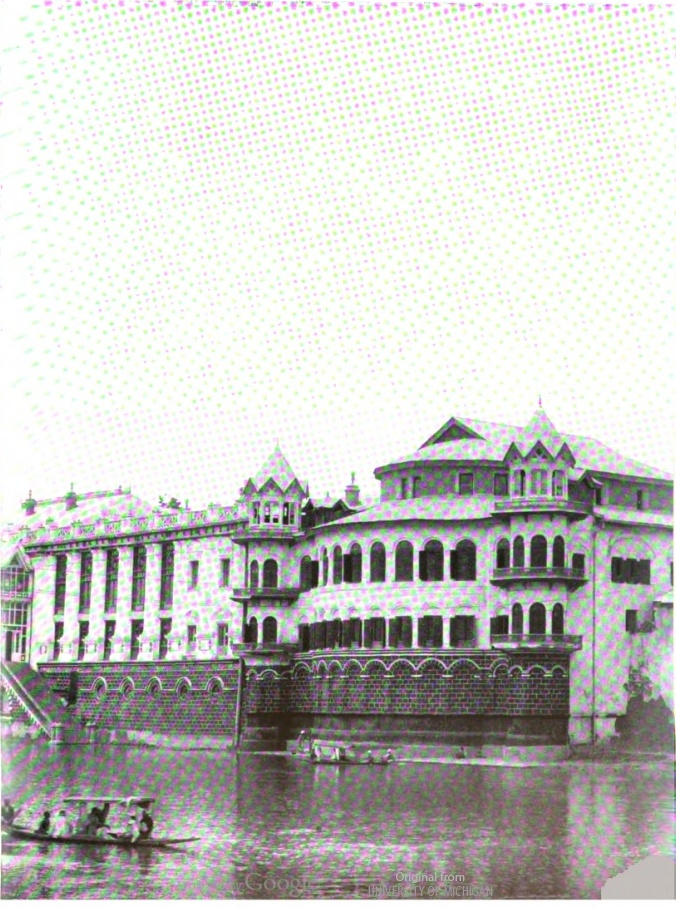
Sher Garhi palace. Built by Afghan governor Ameer Jawan Sher Qizilbash.
Later became palace of Dogras. 

Destroyed in fire, I believe, in late 1970s.

-0-
Hafiz Nagma


video link
Directed by Hamid Bala. A re-enactment of Hafiz Nagma set to love lyrics popular among Pandits as a Bhajan ‘Harmokh Bartal’ and believed to be dedicated to Shiva for reference to Harmukh mountain. A similar attempt at re-enactment was made in early 1980s.

-0-
In 1920s, Hafiz Nagma was banned in Kashmir by the ruling Dogra Maharaja. The Ruler felt that this dance form was losing its sufi touch and was becoming too sensual, debased and hence judged by him as amoral for the society.  It’s place was taken up by Bach’a Nagma, or the boy dancer, much like Bacha bazi of Afghanistan, although Kashmiri would claim minus the nasty exploitation bits.  

A page from a government of India publication on Kashmir, 1955

-0-

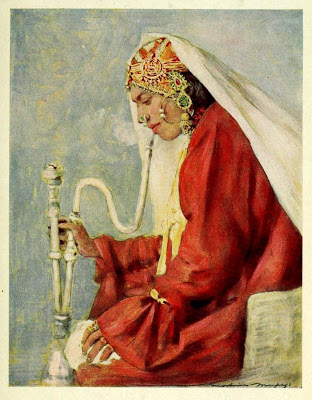
Dancing girl of Kashmir by Mortimer Menpes, 1902-3
-0-

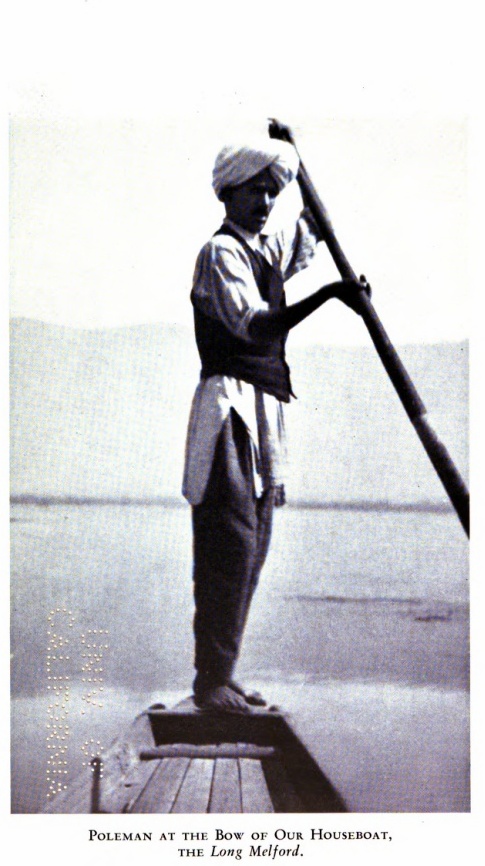
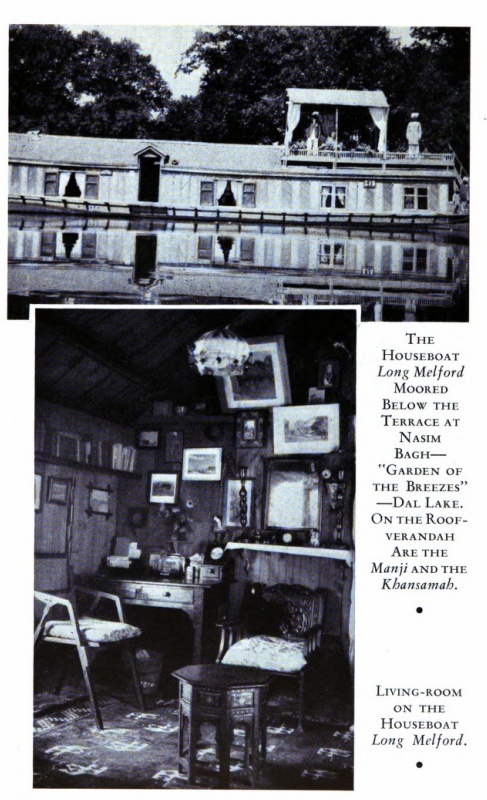
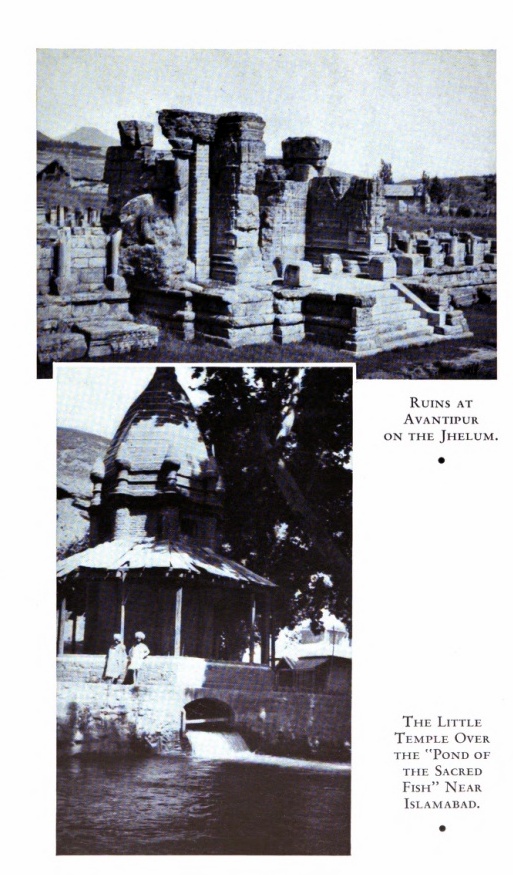
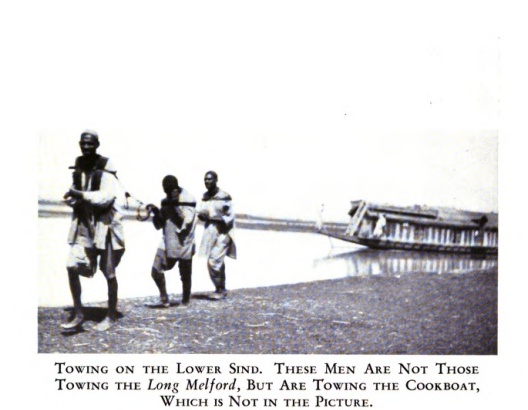
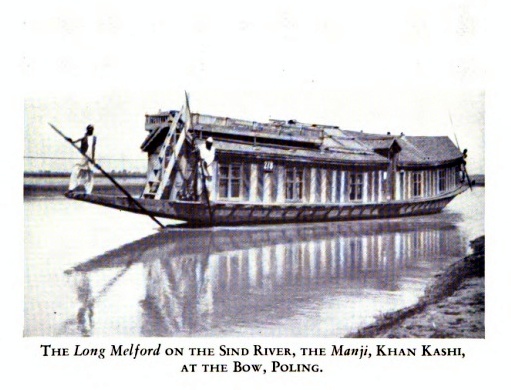
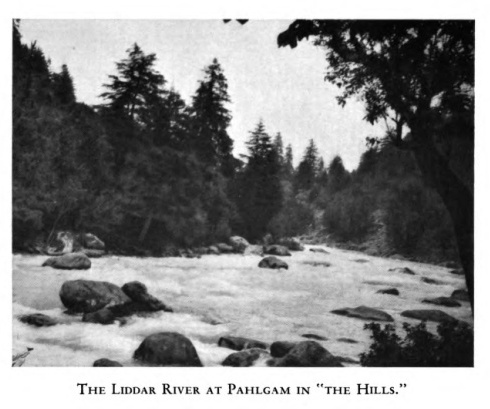
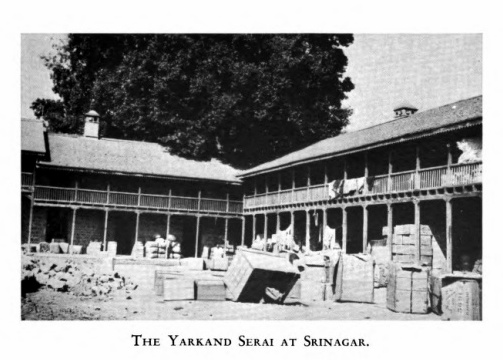
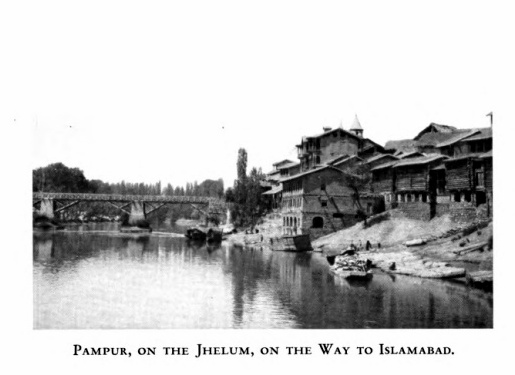
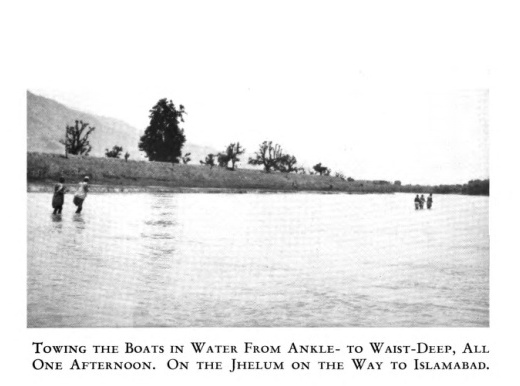
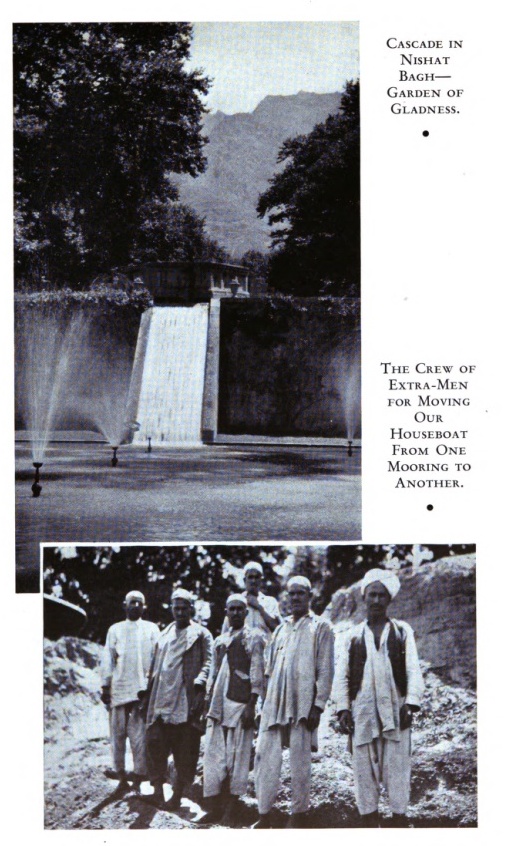
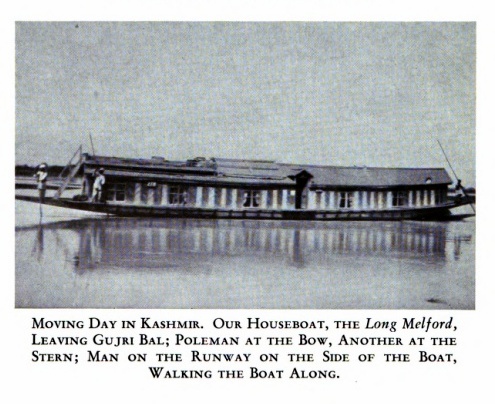
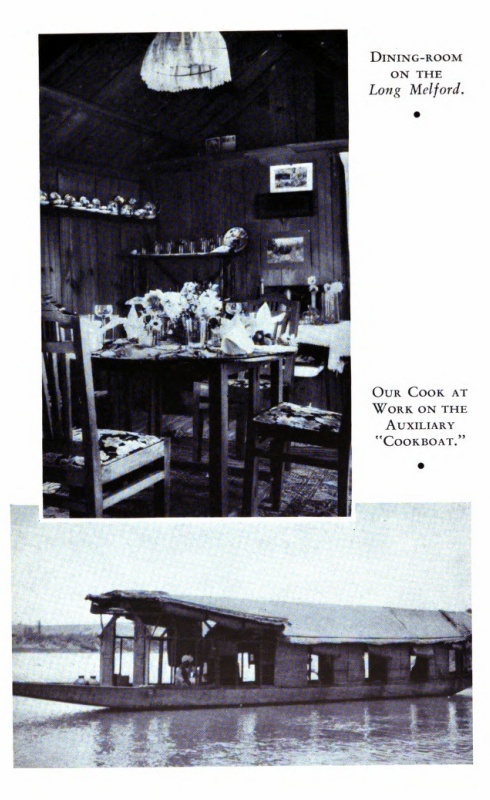
Houseboating in Kashmir,1934

Photographs from ‘Houseboating in Kashmir’ (1934) by Alberta Johnston Denis.

Mattan
Nagbal, Anantnag
(Thanks to a reader on facebook)

Yarkhand Serai near Safa Kadal

-0-
Long Mulford (houseboat no 278) is still around in Srinagar. Owner of the boat at the time was Mohammed Khan Kashi.

Rama, Rama recited Shekh Sana


Rama Rama paryav Shekh Sanahantay
henzimokha lob tami yar
but polun Koran zoluntay
vantay lo hay lo

~ Poet, Blacksmith Wahab Khar, (b. 1842).

J.L. Kaul in his book ‘Kashmiri Lyrics’ (1945), translates the lines as:

Shekh Sana recited the name of Rama,
And in an Indian girl he found his Love,
He worshipped an idol and burnt the Koran.
Sing hey ho for joy!

Who was this Shekh Sana? Why is the translation peppered with geography? The book offers no details. Well,  that’s not enough for me.

First, this is how I read it:

Rama, Rama
recited Shekh Sana
when
in face of a girl
he found love
He raised an idol
and burnt Koran
O, sing this song!

One would read these lines now and think reference to Koran burning, by a Muslim, is what stands out about these line. But actually what is happening in these lines is really beautiful.

Shekh Sana of these lines is (also) the hero of an Azerbaijanian qissa of Sheikh Sanan,* the man who fell fatally in love with a Georgian-Christian girl, Khumar. In this love story, Khumar’s father agrees to give his daughter to Sanan if he agrees to raise pigs and burn Koran. Sanan agrees, and yet the lovers die, pointing out the fallacy of all religions. Now, the beauty. Later, when this tragedy is transported by Wahab Khar to Kashmir, the poet has the hero recite name of Hindu god Rama and raise idols. Still later, when the same Kashmiri lines are later translated in English by a Pandit, the heroine becomes an Indian. Still much later, when I read those Kashmiri lines and translations, I have to spend hours just to get the context.
-0-

Update:
There is a alternative Kashmiri version in Shekh Sana of Mahmud Gami (1750-1855). In this version Shekh has a reawakening of  faith after an intervention by his friends and followers. In the end, the woman breaks her idols and accepts Islam.

The dame in clear submission
Gave up her pride and low passion.
The Sheikh then taught her the lessons of his creed,
And made her the “Kalima” of unity read.

[Tr. by Gulshan Majid, Medieval Indian literature: An Anthology Volume 2, Edited by K. Ayyappa Paniker]

It seems such creative interventions in folklores were not a exception around that time but a trend. In an alternative version of popular Kashmiri folktale of Heemaal Naagiraay put to Kashmiri masanavi form by Wali Ullah Motoo (d 1858), a contemporary of Mahmood Gami, Naagiraay is presented as a Muslim disguised as a Kafir, a Hindu. In this version after Heemaal and Naagiraay burn to ashes, a fakir from Madina restores the two bodies from ashes and then the bodies are buried according to Muslim ritual.

-0-

*Update:
In his biographical piece on life and work of Mahmud Gami, Muzaffar Aazim mentions that Gami’s Shekh Sana was based on a plot from a Persian work by Sheikh Attar (145-1146 – c. 1221) titled Manteq-ut-Tair [The conference of the bird, a Sufi allegory in which a pack of birds go looking for the mystical Simurgh]. This is the original source of the love story of Shekh Sana and Khumar. In this work the woman was a sun-worshiper and in Gami’s Kashmiri version the girl is a Hindu with a tilak on her face when Shekh Sana first sees her and falls in love.

Lost in Space

Moving east, high over the “roof of the world” – the Himalayas – Conrad remembers saying to himself,

“Why must men fight each other instead of enjoying the bounty and beauty of the world?” these are the
snow capped peaks – including K2 (28, 250 feet), world’s second highest mountain – in the extreme
north section of Indian Kashmir on the ill-defined India-China border. China invaded India in 1962
in a dispute over border claims in the area; now India and Pakistan are fighting 150 miles to the south.

Kashmir from Space.
Life. 24 Sept, 1965.

One might look at this and wonder: which one is Dal Lake? Which one is Wular? Is that Jhelum?

Here’s the fun part. None of them are there. Even K2 (mentioned in the article) isn’t there. It isn’t even capturing Kashmir as we know it.  These photographs were taken by Gemini 5 in 1965. Although the accompanying  article doesn’t mention the details. Here are the details (thanks to Google Earth): These photographs were shot while they were over Tibet (‘the roof of the world’) and the region known as Aksai Chin (where the fighting was and where famously “not a blade of a grass grows”). The lakes seen here (from bottom to top) are:
1. Bangongcuo Lake, Tibet
2. Ze Cuo lake at the foot of Zangqung Kangri , Tibet
3. Surigh-yilganing-Kol Lake, Lingzi Thang plains in Aksai-Chin

-0-