Kikli for Heer

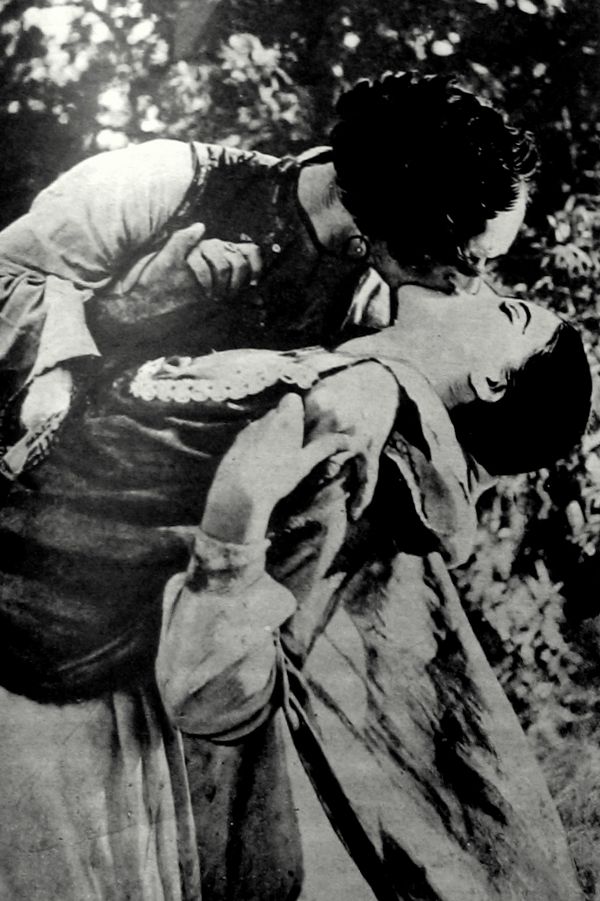
Heer Ranjha (aka Beauty of Punjab aka Hoore Punjab, 1929).
Starring Sulochana (aka Ruby Meyers) and D.Billimoria.

Kikali kalir di! 

Hold hands and whirl around
My brother’s turban is brown
His wife’s veil is red
Which she just won’t shed
Heer comes from Kashmir
Ranjha is of Hindustan

~ A translation of Punjabi folk song ‘Kikali kalir di‘ by Nirupama Dutt (from ‘The Tenth Rasa: An Anthology of Indian Nonsense’ (2007)) from version given in ‘Punjabi lok Git’, compiled by Devendra Satyarthi and Mohinder Singh Randhaw in around 1956 and published in 1961. Kikali would be Punjabi equivalent of Kashmiri Hikat.

The usage of Kashmir and Hindustan in the lines, rather than alluding to origins of the fabled lovers, is meant as a tease, to show the incomparability of two. A popular device used in wedding songs to show the unbalanced scale between bride (usually on the higher end) and groom (at the lower end).

I came across it while looking for Devendra Satyarthi’s travelogue on Kashmir  from 1930s (which I did manage to track down! And will make available soon. Available Here). Legendary Punjabi folklorist Devendra Satyarthi was the first to introduce Mehjoor’s work to India.

Now, re-watch Imtiaz Ali’s Rockstar (2011), which was a re-take on story of Heer-Ranjha, with a Kashmiri Heer and an Indian Ranjha.

-0-

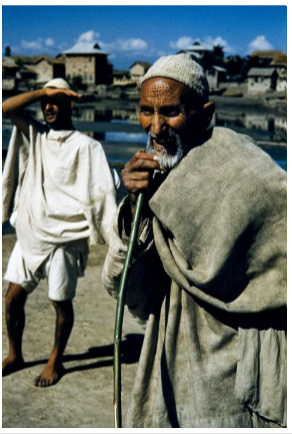
Painted Legs, 1957

Above is a picture of two Kashmiris in Srinagar shot by Brian Brake in 1957. What else can this picture tell us?

I showed this picture to couple of old uncles who grew up in Kashmir and they told me this interesting bit:

The man in the background is a farmer. Obviously, because his legs are painted. The paint used to be called Ka’lim, or coal tar [or Tar’Koul, as in Kashmiri]. It was a popular practice among rice farmers in Kashmir. During sowing season [May-June, just around when Brian visited Kashmir], before getting into water-logged fields, the sower would put coal tar on his legs, as water proofing, to avoid insects and skin irritation. Of course, then for months his legs would be painted black.

-0-

Previously:

Kashmir in Early European Verses

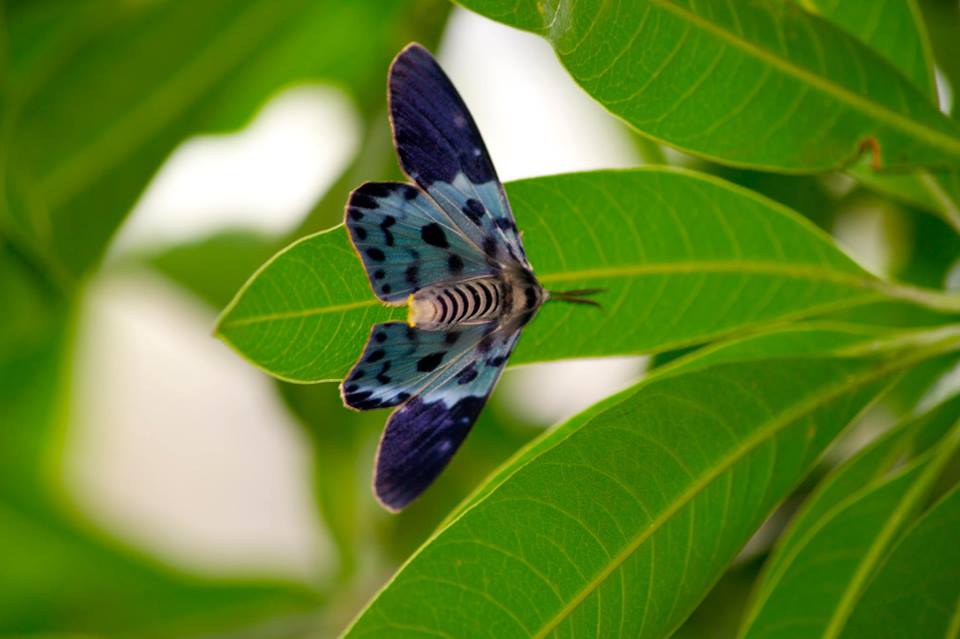
Kashmiri Butterfly in Byron’s Infidel

As rising on its purple wing
The insect-queen of easter spring,
O’er emerald meadows of Kashmeer
Invites the young pursuer near,
And leads him on from flower to flower
A weary chase and wasted hour,
Then leaves him, as it soars on high,
With panting heart and tearful eye:
So Beauty lures the full-grown child
With hue as bright, and wing as wild;
A chase of idle hopes and fears,
Begun in folly, closed in tears.
If won, to equal illd betrayed,
Woe waits the insect the maid,
A life of pain, the loss of peace,
From infant’s play, or man’s caprice:
The lovely toy so fiercely sought,
Has lost its charm by being caught,
For every touch that wooed it’s stay
Has brush’d the brightest hues away
Till charm, and hue, and beauty gone,
‘Tis left to fly or fall alone.
With wounded wing, or bleeding breast,
Ah! where shall either victim rest?
Can this with faded pinion sir
From rose to tulip as before?
Or Beauty, blighted in an hour,
Find joy within her broken bower?
No: gayer insects fluttering by
Ne’eer droop the wing o’er those that die,
And lovelier things have mercy shown
To every failing but their own,
And every woe a tear can claim
Except an erring sister’s shame. 

~ Lines from “The Giaour” (1813) by Lord Byron. A work of romantic Orientalism that looks at contrast between Christian and Islamic ideals. This was also one of the first works in which Vampire made an appearance.
His biography was written by Thomas Moore who went on to make Kashmir famous with his Lalla Rookh. Byron was father of Ada Lovelace, the first programmer.
Not the purple queen of Kashmir
June 2013. Kochi.

-0-

Kashmir in forced exiles and paradise lost

There [in Cashmire’s vale], Heaven and Earth are ever bright and kind;
Here [in Albion], blight and storms and damp forever float,
Whilst hearts are more ungenial than the zone –
Gross, spiritless, alive to no pangs but their own.
There, flowers and fruits are ever fair and ripe;
Autumn, there, mingles with the bloom of spring,
And forms unpunched by frost or hunger’s gripe
A natural veil o’er natural spirits fling;
Here, woe on all but wealth has set its floor.
Famine, disease and crime even wealth’s proud gates pollute

~ lines from ‘Zeinab and Kathema’ (1809) by Percy Bysshe Shelley, husband of Mary Shelley (of Frankenstein fame), and a friend of Lord Byron. This poem was about a Princess from Paradise – Kashmir – forceable taken to Hell – England.

-0-

Kashmir in evil that ignites poetry

The Poet, wandering on, through Arabie,                            
And Persia, and the wild Carmanian waste,
And o’er the aerial mountains which pour down
Indus and Oxus from their icy caves,
In joy and exultation held his way;
Till in the vale of Cashmire, far within                           
Its loneliest dell, where odorous plants entwine
Beneath the hollow rocks a natural bower,
Beside a sparkling rivulet he stretched
His languid limbs. A vision on his sleep
There came, a dream of hopes that never yet                        
Had flushed his cheek. He dreamed a veiled maid
Sate near him, talking in low solemn tones.
Her voice was like the voice of his own soul
Heard in the calm of thought; its music long,
Like woven sounds of streams and breezes, held                     
His inmost sense suspended in its web
Of many-coloured woof and shifting hues.
Knowledge and truth and virtue were her theme,
And lofty hopes of divine liberty,
Thoughts the most dear to him, and poesy,                          
Herself a poet. Soon the solemn mood
Of her pure mind kindled through all her frame
A permeating fire; wild numbers then
She raised, with voice stifled in tremulous sobs
Subdued by its own pathos; her fair hands                          
Were bare alone, sweeping from some strange harp
Strange symphony, and in their branching veins
The eloquent blood told an ineffable tale.
The beating of her heart was heard to fill
The pauses of her music, and her breath                            
Tumultuously accorded with those fits
Of intermitted song. Sudden she rose,
As if her heart impatiently endured
Its bursting burthen: at the sound he turned,
And saw by the warm light of their own life                        
Her glowing limbs beneath the sinuous veil
Of woven wind, her outspread arms now bare,
Her dark locks floating in the breath of night,
Her beamy bending eyes, her parted lips
Outstretched, and pale, and quivering eagerly.                     
His strong heart sunk and sickened with excess
Of love. He reared his shuddering limbs and quelled
His gasping breath, and spread his arms to meet
Her panting bosom:…she drew back a while,
Then, yielding to the irresistible joy,                           
With frantic gesture and short breathless cry
Folded his frame in her dissolving arms.
Now blackness veiled his dizzy eyes, and night
Involved and swallowed up the vision; sleep,
Like a dark flood suspended in its course,                        
Rolled back its impulse on his vacant brain.

Alastor (1815) by Percy Bysshe Shelley, about a man traveling from Arabia finding perfection, a woman, in Kashmir

-0-

All of these works were the by-product of Bernier’s description of Kashmir traveling in Europe, including the work that directly influenced these poets – by a novel called The Missionary (1811) by Sydney Owenson. Influenced by more recent travelogues too, this story was about a Missionary traveling from Goa who falls in love with a Prophetess of Kashmir named Luxima whose brave ‘Sati’ death causes a revolution.

At last, through the branches of a spreading palm-tree, he beheld, at a distance, the object who had thus agitated and disturbed the calmest mind which Heaven’s grace had ever visited. She was leaning on the ruins of a Brahminical altar, habited in her sacerdotal vestments, which were rich but fantastic. Her brow was crowned with consecrated flowers; her long dark hair floated on the wind; and she appeared a splendid image of the religion she professed – bright, wild, and illusory; captivating to the senses, fatal to the reason, and powerful and tyrannic to both.

-0-

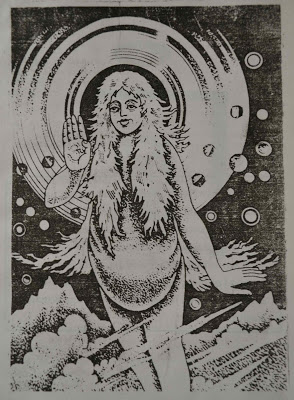
The modern popular sketch of Lal Ded

-0-

Magic of the Mountains, 1955

Magic of the Mountains
Directed by Mushir Ahmed.

This collage of beautiful images was winner of President’s Gold Medal for the Best Documentary Film at 3rd National Film Awards of 1955.

And it has bits of Kashmiri music filtering in and out. (I believe legendary Raj Begum can also be heard in one of the songs.)

-0-

Lyrics, trs.,Mahmud Gami’s Vasiye Naaraay


Mahmud Gami’s Ghazal

Vasiye Naaraay Daez maey Tan Taey
Yaaras Wantaey bozyam na
Friend, my body is in flames
Tell my love, won’t he listen
Poshaey Mot chum Baey Rosham tae
Rosaey Rosaey Bozyam na

My lover is again peeved
Even if peeved, won’t he listen
Kar saey maal saein poshan taey
Sui chum ratith Katihisana Jaay
I will make a garland of beautiful flowers
But which place holds him back
Dit’cham laer C’tuuram sam taey
Yaras wantam bozam na
But like a thief he ran away
Tell my love, won’t he listen
Vasiye Naaraay
Friend, I am aflame 
Yakhlaas gov aevyul pan taey
Aashaeq kyaet walnaey aay
I realized, like delicate thread
Why lovers get entangled?
Laasheaq chuey na ashiq’kas T’cyam taey  (?)
Yaras wantam bozyam na
Isn’t fair, cheating on love  
Tell my love, won’t he listen
Vasiye Naaraay 

Friend, I am aflame

Kavyin Doony’n ho Kar’yawin taey (?)
Yaawan t’chooran karnam graav

Earthen Hearth ??????????????????
Thief of my youth is now complaining

Booz kya won’nae Mahmuda’n taey
Yaaras wantam bozyam na

Listen to what Mahmud say’s
Tell my love, won’t he listen

Vasiye Naaraay Daez maey Tan Taey
Yaaras Wantaey bozyam na
Poshaey Mot chum
Baey Rosham tae
Rosaey Rosaey Bozyam na
Vasiye Naaraay

-0-

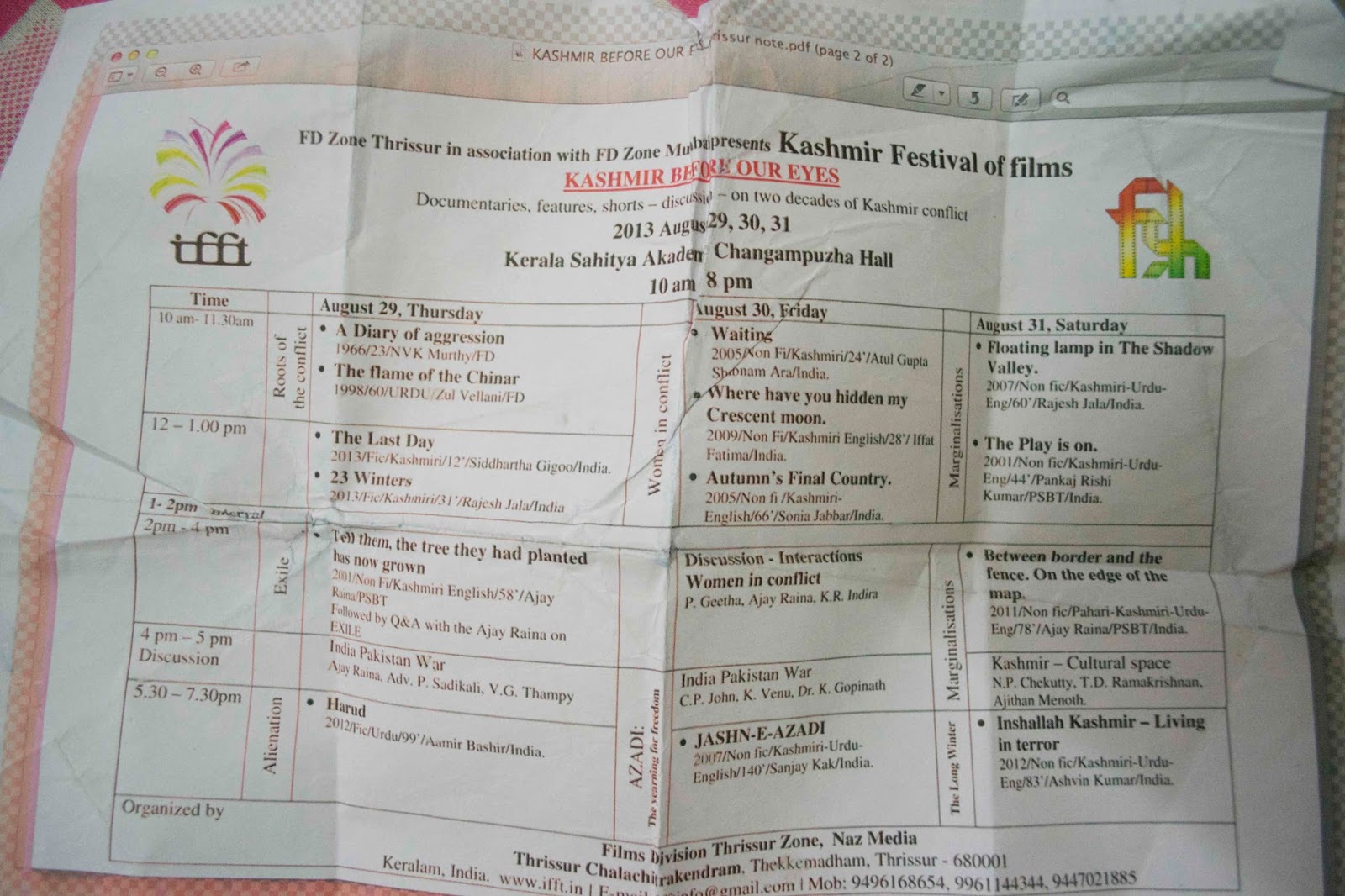
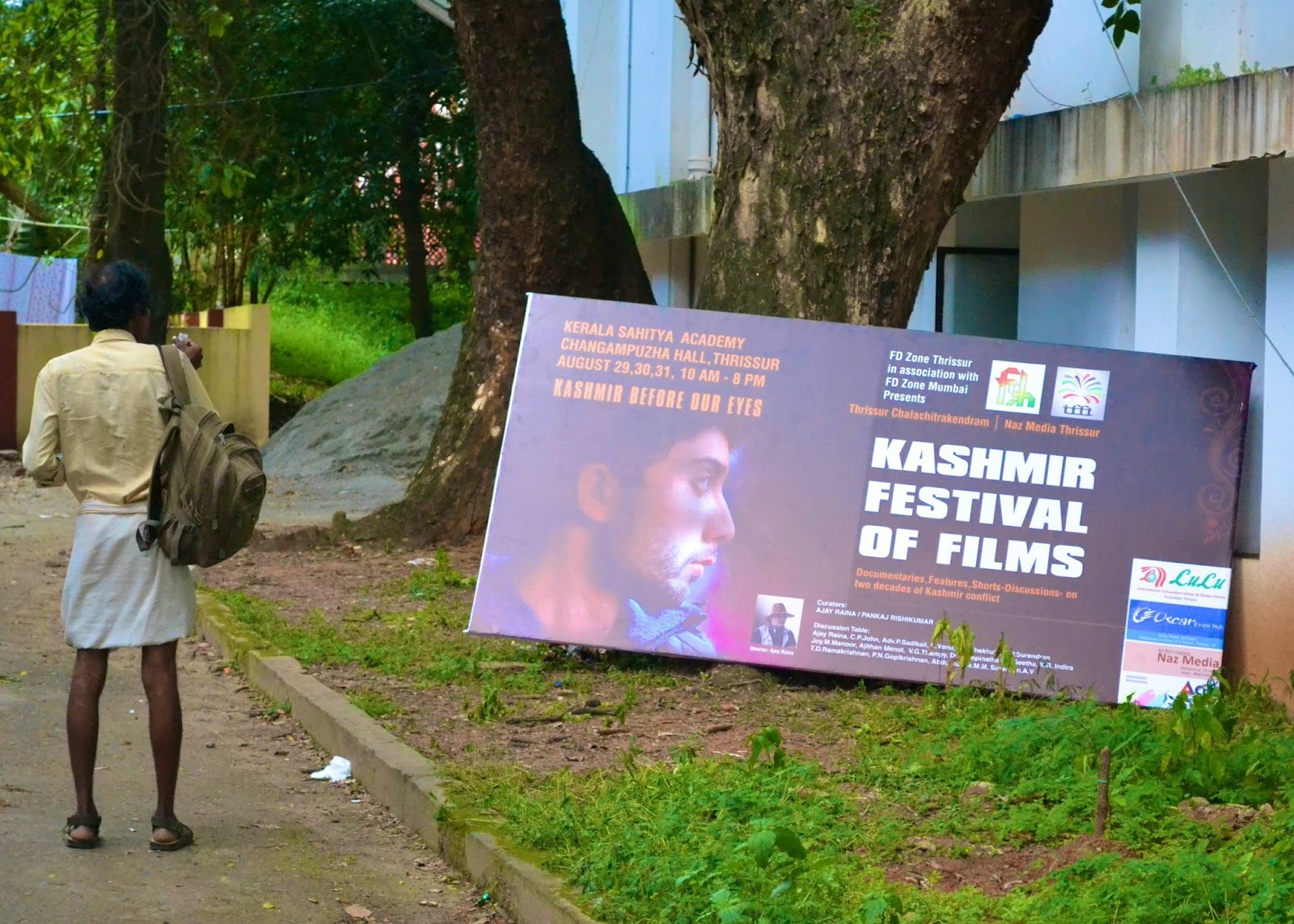
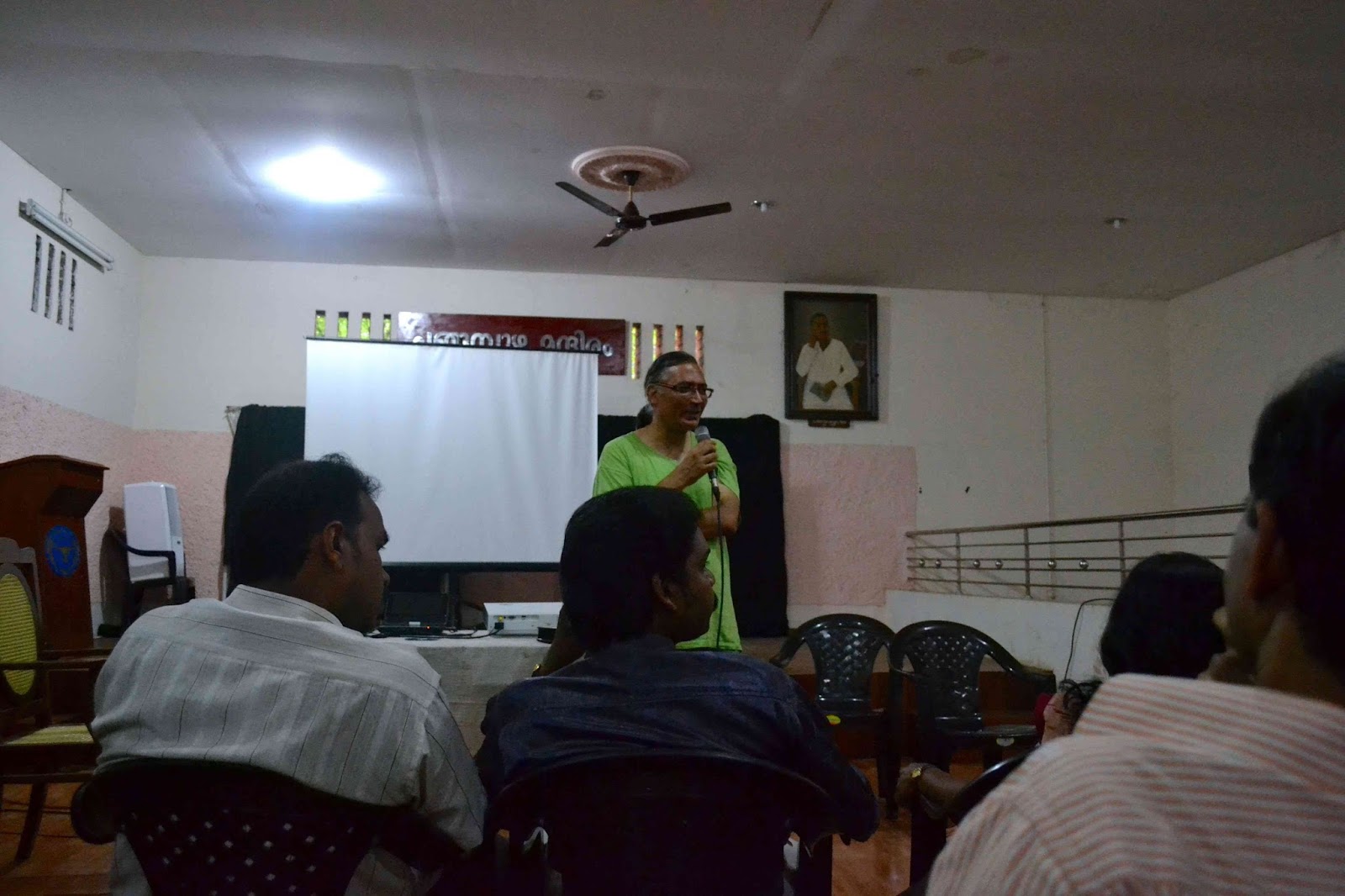
Kashmir Before Our Eyes, in Thrissur, Kerala

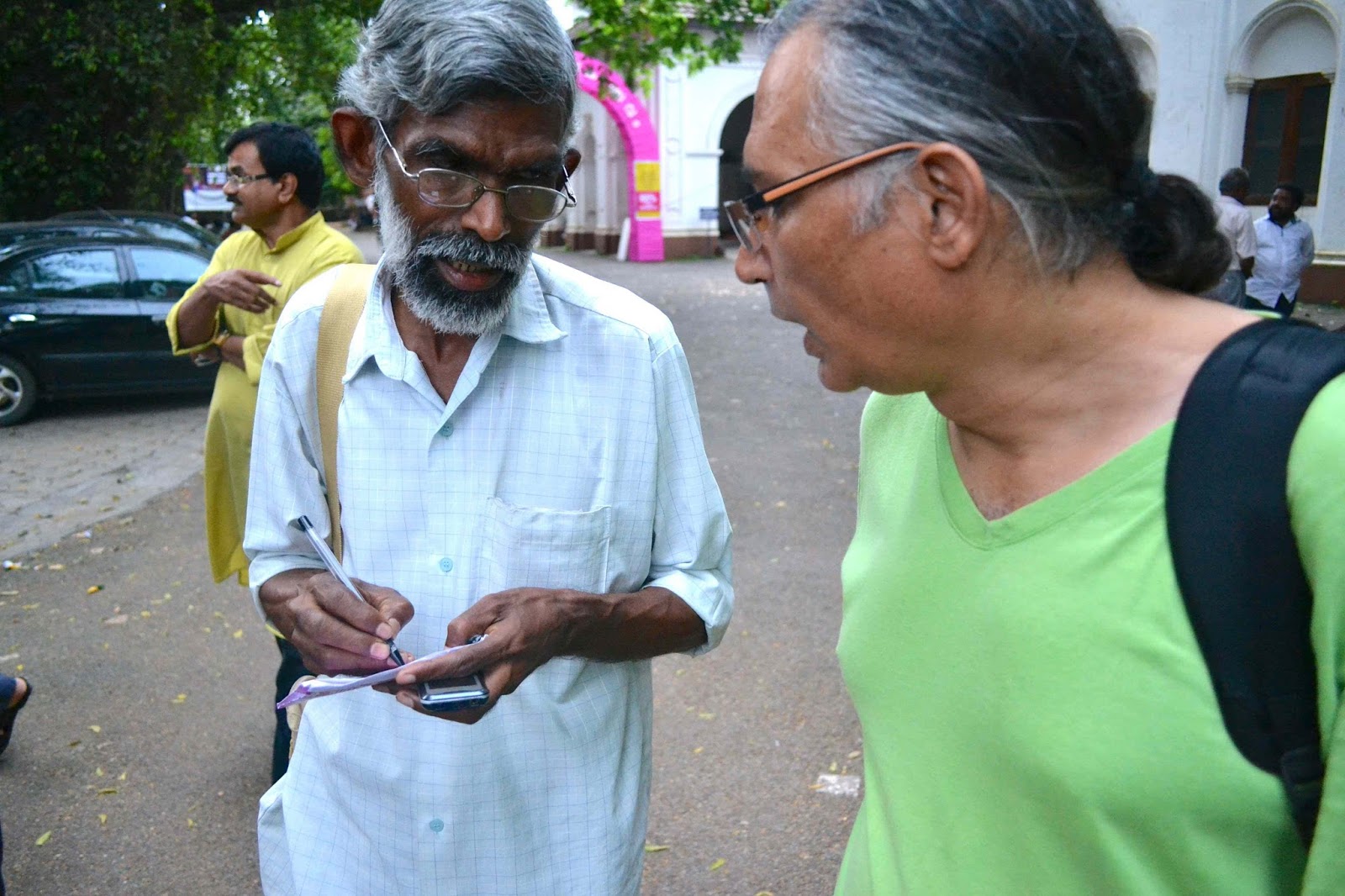
Ajay Raina offering details to a man who wanted to show film about Bhands to his young students (‘The Play is on’ by Pankaj Rishi) and wanted to know more.

-0-

Snapshots:

A young man told Ajay Raina why in his film ‘Tell Them “The Tree they had Planted, Has Now Grown’, it seemed he was trying to balance things out. What didn’t he just point out ‘wrong’ as wrong? Why didn’t he put the blame somewhere

Ajay explained.

I remember when the film first came out in 2001, it was kind of a wake-up call. I call to return back to ‘our’ stories. It was inspiring. I was in college and there yet existed no middle discourse on Kashmir. No proper conversation. Thanks to the feast, I got a chance to talk to the filmmaker. Mostly talked about films and memories.

I asked the questioner if he was worried about Muslims, did the film make him fear them. He laughed and replied, ‘Why should I be! I am a Muslim. But a wrong is a wrong and has to be pointed out.’ He was concerned about the new trend of public Janmashtami celebrations in Kerala.

While talking about the films and the cultural spaces in Kashmir, Ajay was kind enough to introduce me to the audience and asked me to speak a bit. I mostly talked about other things. Like the fact, how Malayalam is living thriving language, that how the entire discussions on the films were mostly held in the local language. Something that the Kashmiri in me finds surprising.

Met ‘Cine Nun’, Sister Jesme, author of Amen, an  autobiographical work dedicated to Jesus and critical of sexual repression in Catholic Kerala. She said she believed in Catholic Aesthetics.  

A man asked me about my religious beliefs. I answered I had none worth speaking. He then introduced himself as a Rationalist born in a Muslim family. He wanted to know why wasn’t there a secret society of Rationalists/Atheists in Kashmir…could it be formed…would it help? I told him there are enough secret societies and enough open secrets in Kashmir. He asked me why was I wearing a naerwan.

A man asked me where was I from. I told him I was from no where in particular. ‘Good. I thought you are from JNU. I have lived in Delhi for 30 years.’ He then suggested a solution to Kashmir. ‘Kashmiris should be kept naked. They carry guns in pherans.’ I was reminded of a story about Akbar and the reason why it was said he introduced Pheran to Kashmir. ‘To make fierce Kashmiris effeminate,’ said Kashmiris to Angrez log.

A young student was happy about watching the films, it helped him know more about the Kashmiri friends he had back in Mangalore.

An old man, a teacher, asked Ajay Raina more about Bhands. He wanted to introduce his students to the folk art of Kashmir.

when we meet and how we meet


Train may baithe do Kaashmiri

Train may baithe do Kaashmiri

Raat Bhar ‘Hata Warai !Hata Warai!’

Howay Howay

Two Kashmiri meet in a train
and for the entire night
the train
rings with shouts of :
‘How are you? Are you fine?’

~ lines from a funny multi-lingual Kashmiri song sung at weddings about people of different races meeting each other in a train.

-0-

ays che wodwin jaanawaar

We are flying animals

~ line from a Kashmiri song.
-0-

lyrics, trs., notes: Harmukh Bar Tal

An interesting case of a popular Kashmiri love song. Harmukh Bar Tal, popular as a Bhajan among Pandit and the same song is popular as a love song among Kashmiri Muslims. Of course, as is often the case in Kashmir, it is so popular that no one remembers the original writer and the meaning of the lines is not give and assumed to be understood. I hope people realize something even as simple as giving translations along with the original lines along with a Youtube video  goes a long way in keeping a language alive. The are people doing it for Urdu and even Hindi online. But, Kashmiris would just sit and talk about ‘dying culture’.
Anyway, back to the song. There are a couple of versions of the song available (all with same tune).

First version is a Pandit one by Rajinder Kachroo. Second version is by Shameema Dev and third one is a more recent production (singer not give!) presented as a Hafiz Nagma. Based on who is singing, some words change. Praraey become Zaagaey, both meaning wait. Yee become Tee both meaning that. Posh (Flower), Golab (Rose), Shaeyri (Lavender) move around interchanging-ly. Two (completing) extra line coming in from Shameema Dev’s version. Personally, based on what I hear, I find Zaagaey, Tee, replacement of Posh with Shaeri (which in turn gets to compete with Golab) etc. really interesting.

Based on all the three versions, here’s what I could make of the love song. A transliteration (done in an hour, someone with more knowledge of the language could have done it in five):

Harmukh bar tal praraey (zaagaey) Madano
I will wait at the gates of Harmukh, for you my love


Yee Dapham tee (yee) laagyoo
What ever you ask, I will offer


Posh (shaeyri) dapham 
Ask for flower (Lavander)

Golab (shaeyri) laagaey Madano

I will offer Rose (Lavander), my love

Yee Dapham tee laagyoo
What ever you ask, I will offer


Phambas ti Naaras mil goom
My Yarn and Spindle, all entangled 
Cotton and Fire are now one

Valla tche path dil goom

Oh, God!, My heart is stuck on you

Be’no ye dooryer tchalay Madano
I can’t take this distance anymore

Ye dapham ti lagayo

What ever you ask, I will offer

Kabeel’e Drayas Pranaey
I left my old tribe, my people

Kya osum Deklanay
What was the push?

Be’no ye dooryer tchalay Madano*
I can’t take this distance anymore

Harmukh bar tal  praraey Madano
I will wait at the gates of Harmukh, for you my love

Yee Dapham tee laagyoo
What ever you ask, I will offer

Kongas karmay chamayee

In am tilling in saffron fields

Maenz ho lagith naman
Henna still fresh on my nails

Mushtakh goham kaman Madano
Yearning, for whom, my love

Yee Dapham tee laagyoo

What ever you ask, I will offer

Yaawan myaanay Thazro
My youth is at its zenith

T’chekor dejyo Nazro
Where are your eyes lost?

Kaaei we’tce hung Zazoor Madano**
It is wracked, blotched and decaying, my love

Yee Dapham tee laagyoo
What ever you ask, I will offer

The imagery that the song creates in a Pandit mind is that of Parvati at the foot of Harmukh singing out a love song to Shiva who is still mourning for Sati.

-0-

** Found the meaning of ‘hung‘ in that beautiful line thanks to work of George Abraham Grierson Sahib.
* In Rasul Mir’s ‘Bal Marayo’ we find an identical line that goes like this: Butino Ye Doorer Choon Zaray, Bal Marayo

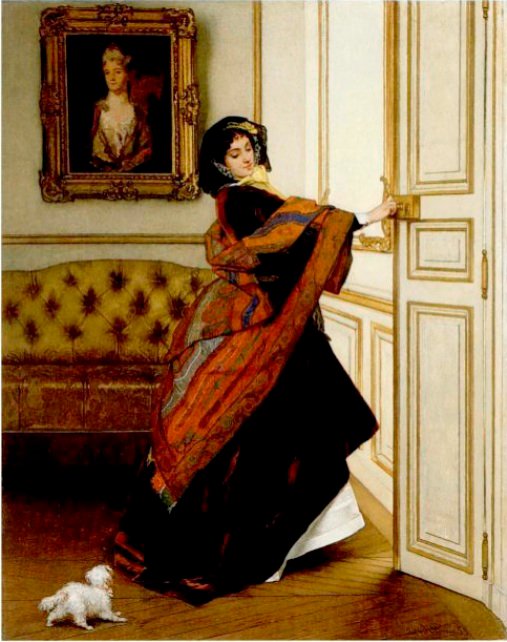
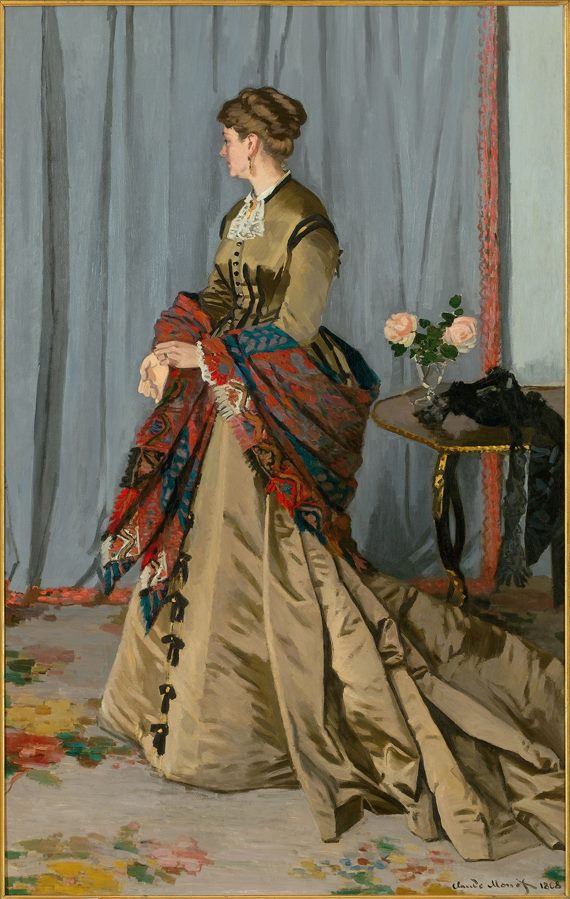
Kashmiri Shawl in European Paintings

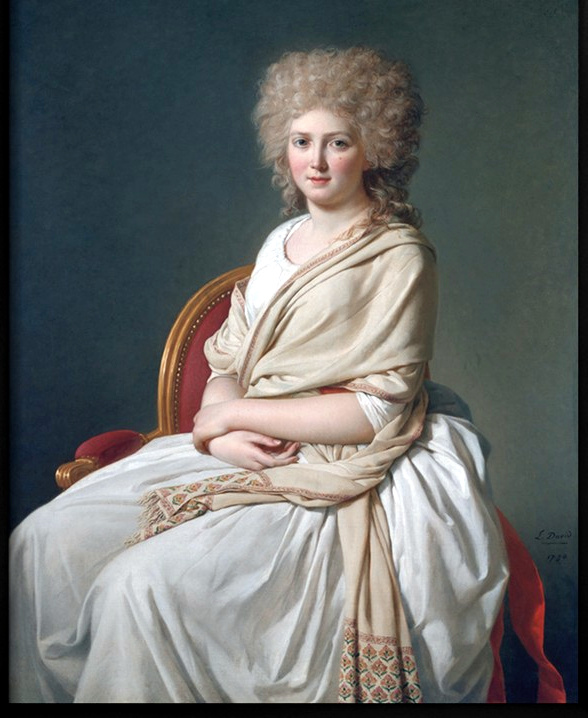
Marquise de Sorcy de Thelusson, Portrait in 1790 by Jacques Louis David

The portrait of Marquise de Sorcy de Thelusson by Jacques Louis David is considered the first appearance of Kashmiri Shawl on European canvas.

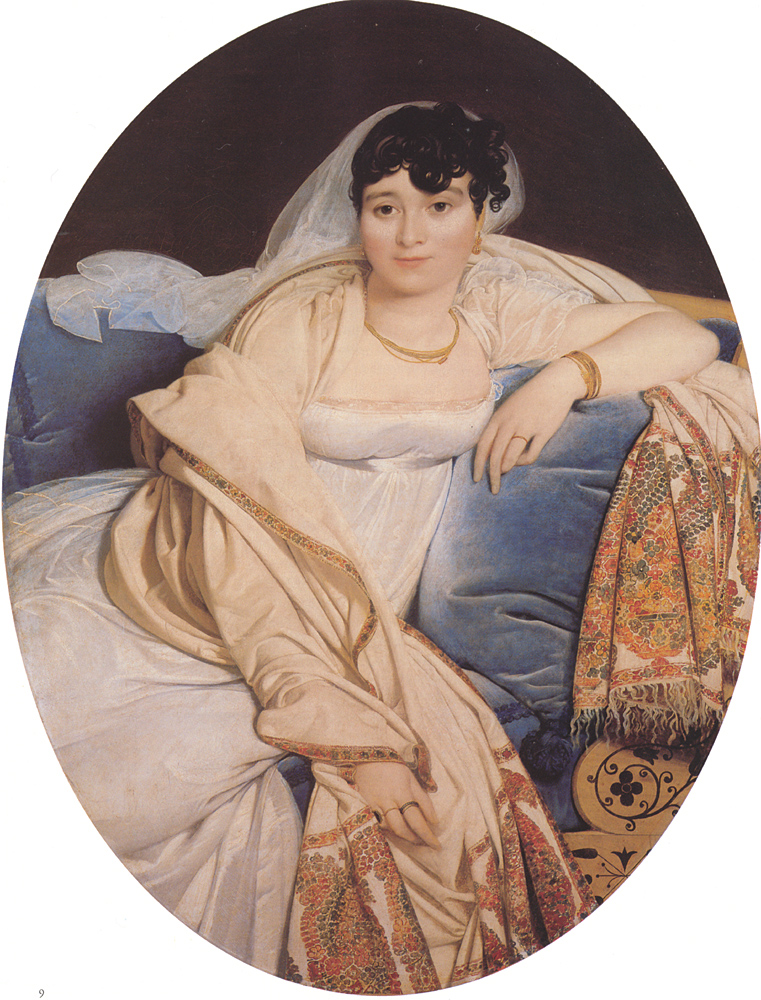
Madame Philibert Riviere by Jean Auguste Dominique Ingres, 1806
L’Imperatrice Josephine (1809) by Antoine -Jean Gros (Musee Massena)

The famous story of Kashmiri shawls arriving in Europe goes like this:

In around 1796, in the time of Abdulla Khan, an Afghan Governor of Kashmir, a blind man named Sayyid Yahyah came to Kashmir from Bhagdad, and left with a orange Shawl as a gift from the governor. The Sayyid then went to Egypt, and gave it to the Khedive (Ruler) there. When Napoleon arrived in Egypt, Khedive gave the same shawl as present to him. In turn, Napoleon on reaching back France gave it to Josephine. It was Josephine who made it, a Shawl worn in the subcontinent by men, a rich fashion statement for women.

Will You go out with me, Fido?, by Alfred Stevens, 1859

Madame Louis Joachim Gaudibert by Claude Monet, 1868

Based on some of the names and a sequence given in ‘Flowers, Dragons and Pine Trees: Asian Textiles in the Spencer Museum of Art’  by Mary M. Dusenbur.

-0-