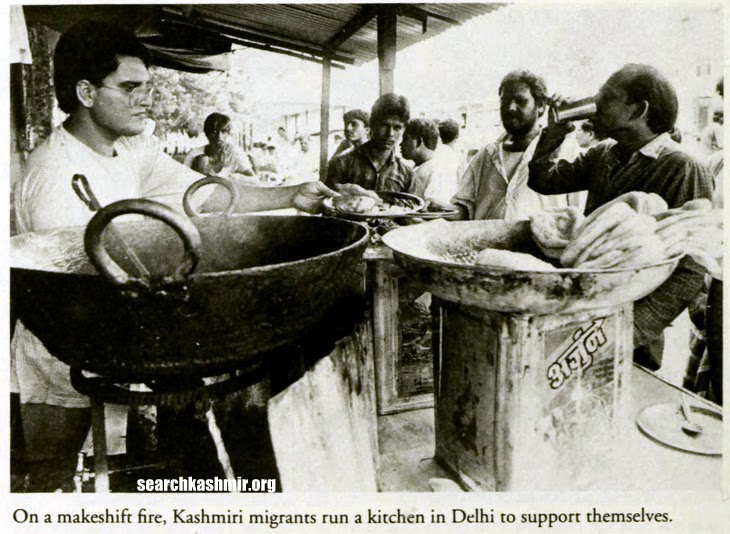
Migrant da Dabba, Delhi, 1992

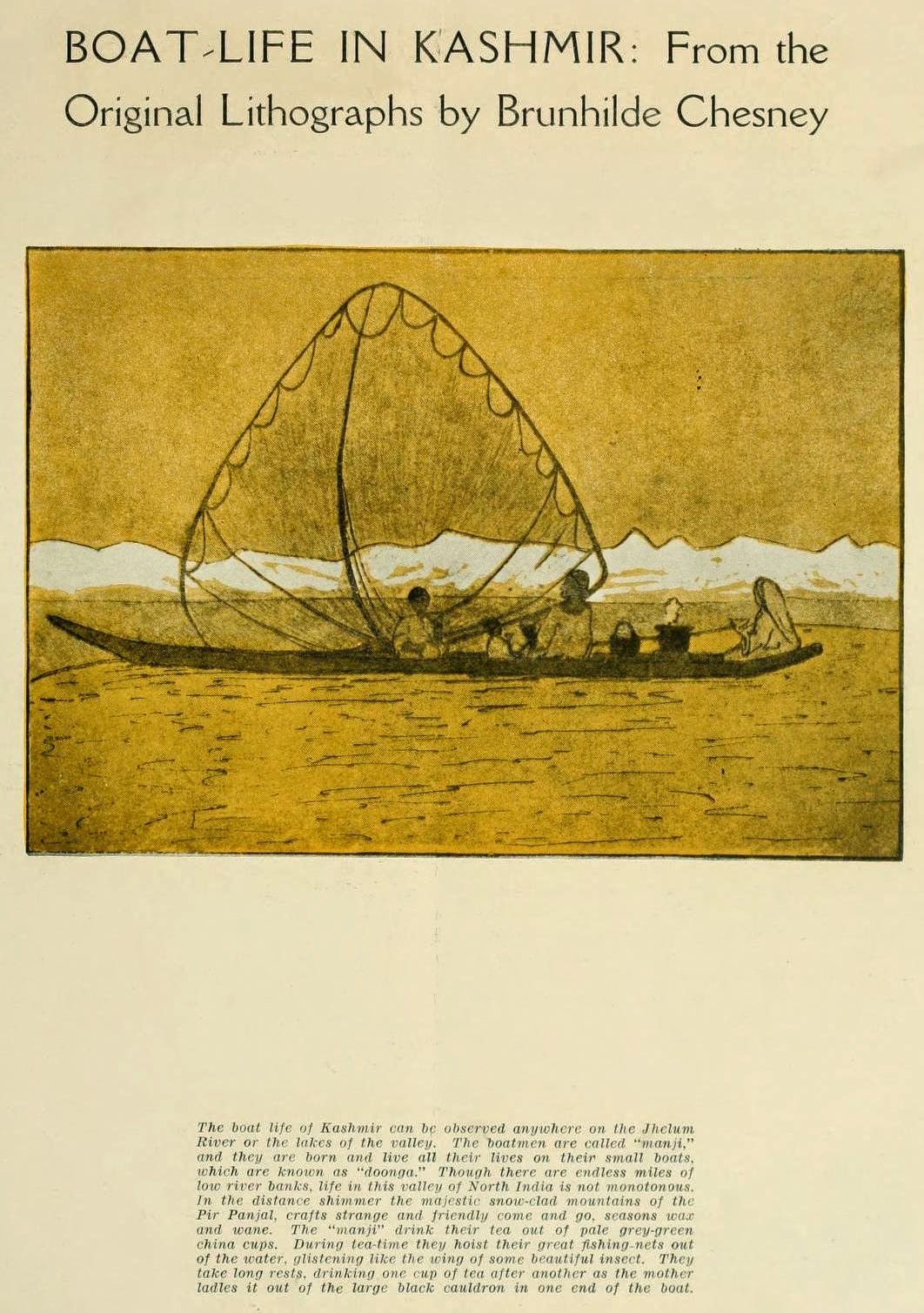
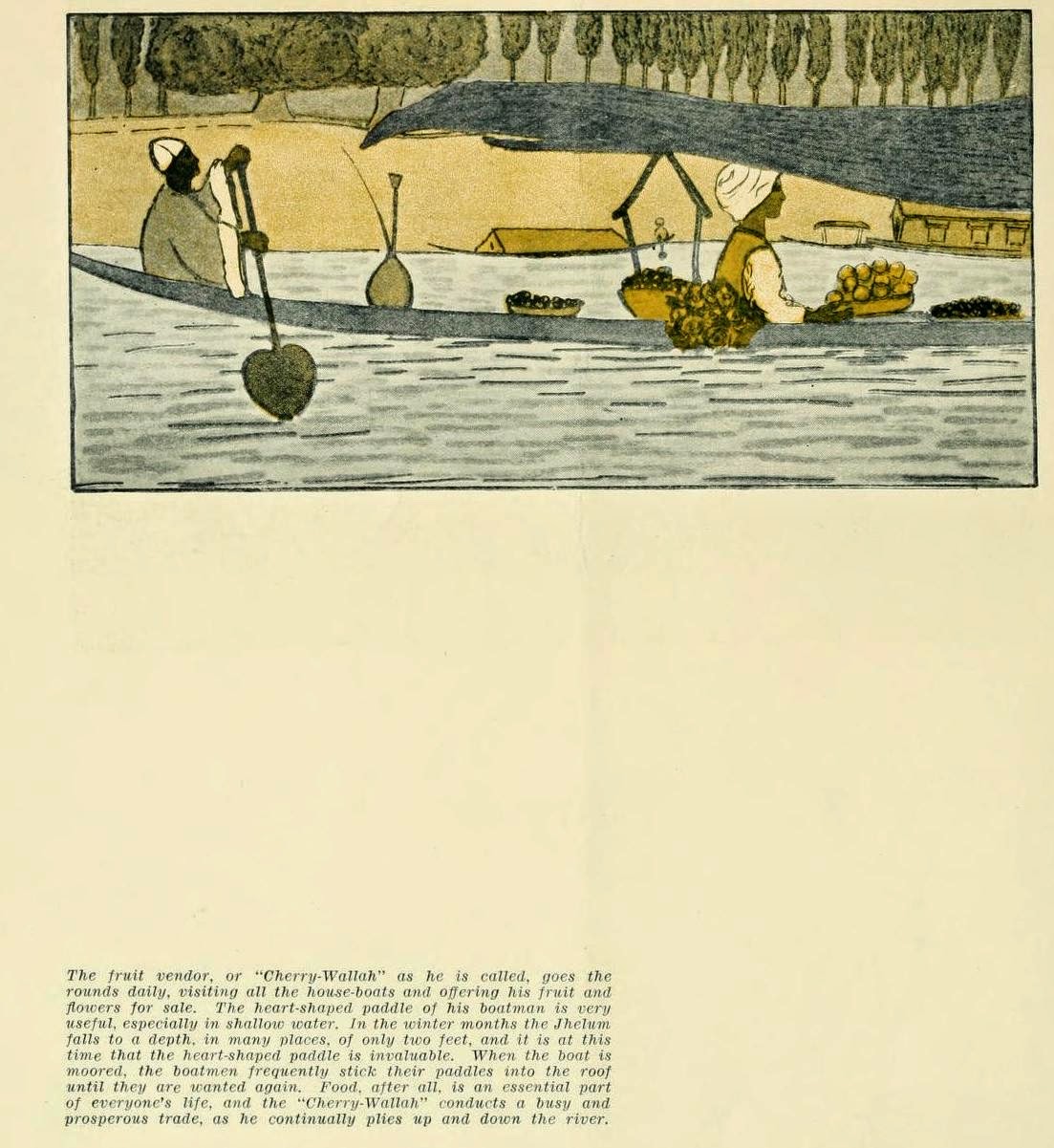
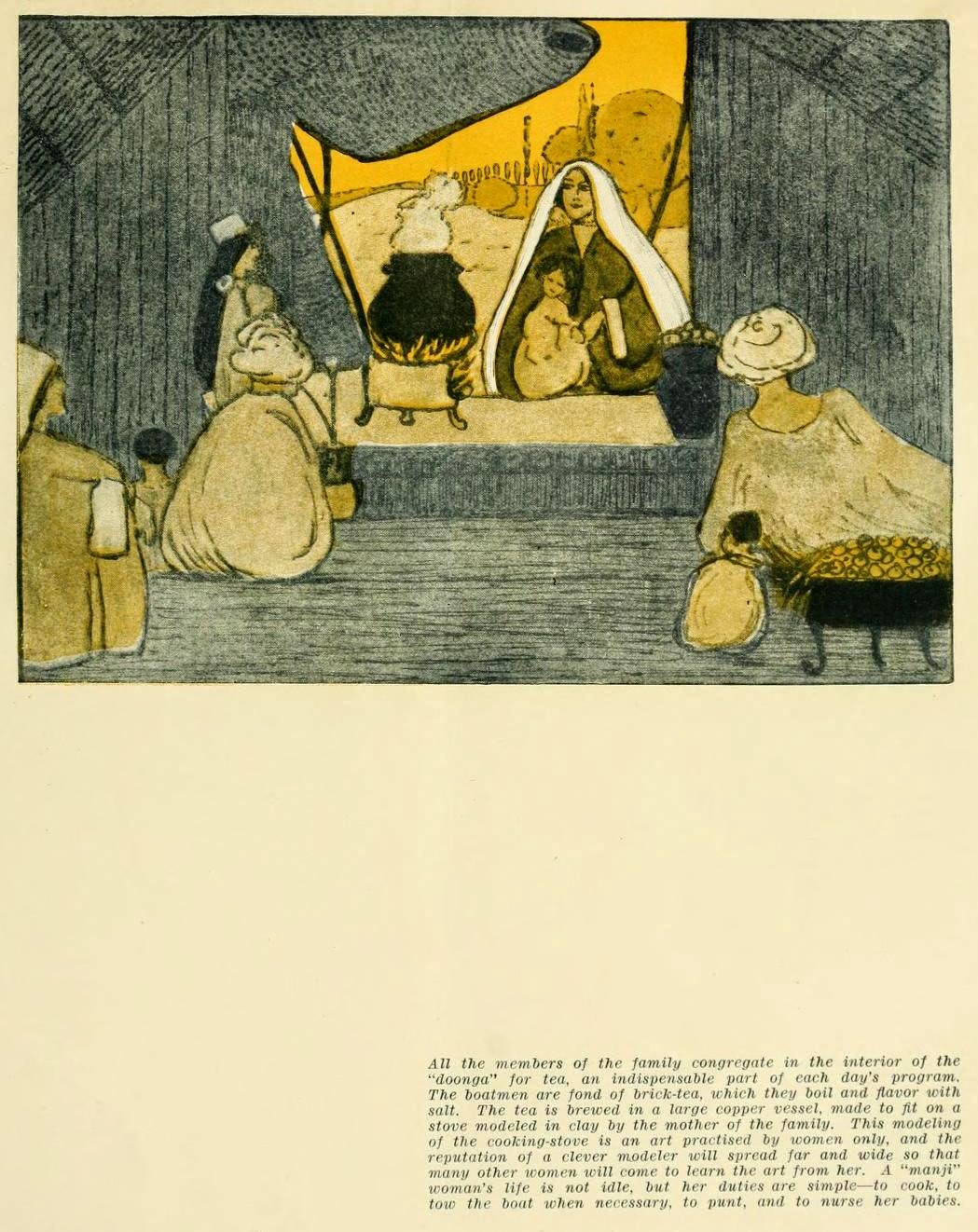
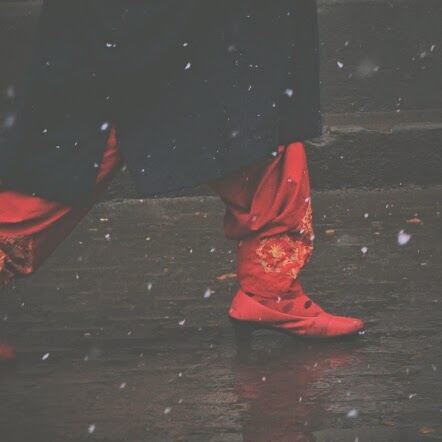
A scene from early 90s. “On a makeshift fire, Kashmiri migrants run a kitchen in Delhi to support themselves.” Since there in not single work in early 90s on this specific tribe, these pieces come from multiple sources. This one is from the book, “The Kashmir Tangle : Issues and Options” (1992) by Rajesh Kadian.

The story of Delhi Migrants that I remember from this era involves an unnamed Pandit who became a bus conductor in Noida. The man, a misfit in the big bad city, was murdered, it was said by fellow conductors over petty professional rivalry. I waited, but no one wrote his story.

-0-

Kanakavatsa, the Bihari Monk in Kashmir

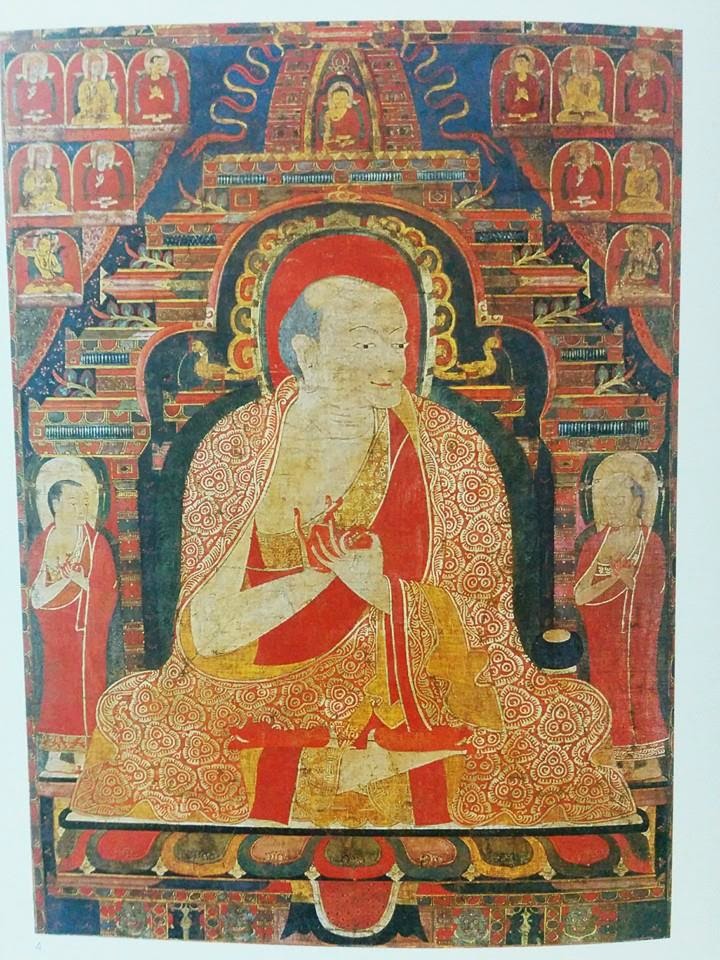
14th century Thangka painting via: British Museum 

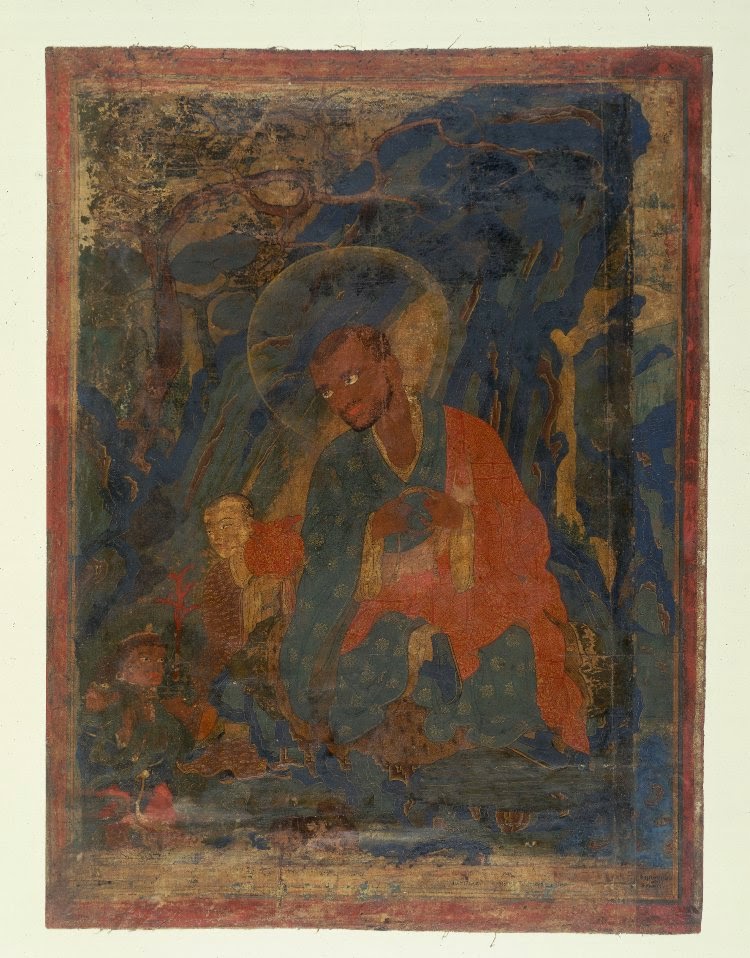
Kanakavatsa, the legendary figure from Buddhism, one among the sixteen Arahat of Indian origin from Buddha’s time, is believed to have been born in Bihar and lived with his 500 Arahats on the “Saffon Hill” in Kashmir under the patronage of the local King. In the the iconography of Kanakavatsa, a barbarian King is often shown kneeling before him worshipping. In the above image, an “an Indian adorant offers coral” while the ethnicity of Kanakavatsa by his color.

-0-

Portrait of Pandit Shakyashribhadra


Kashmiri Pandit Monk Shakyashribhadra (1145-1244), about 1300, Shakya Monastery, Tibet. He went there in about 1204 after destruction of Nalanda, and returned after a decade to live another three decades in Kashmir. This is one of the rare portraits in which ‘Kashmiriness’ of his features is prominent. Came across it in the book “The Arts of Kashmir” Ed. by Pratapaditya Pal.


In Tibet he is known as Kha­-che-Pan-chen (‘The Great Kashmiri Pandit’)…where Kha-Che, the synonym for Kashmiris in Tibet, means ‘big mouth’.


-0-
Previously: Shakyashri Raw Data in Hypertext

Seda Khan’s Tomb Inscription

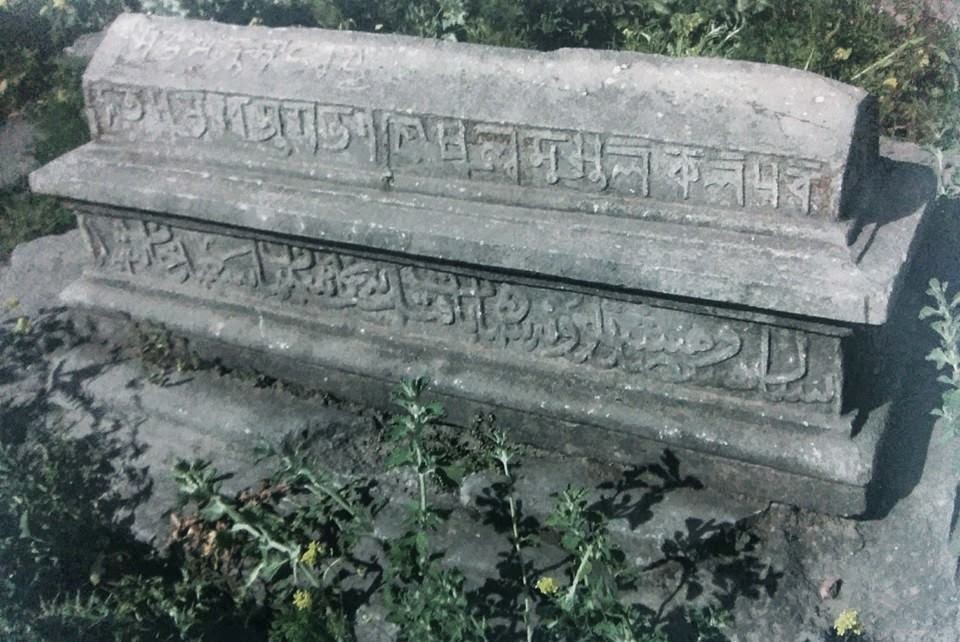
Tomb inscription of one Seda Khan – who died in a battle in the reign of Mummad Shah (1484-1537). It is in the cemetery next to Ziarat of Bahauddin at Hariparbat. The inscription is in Sharda as well as Arabic script. Photograph by Kakori Lewis.

Came across it in the book “The Arts of Kashmir” Ed. by Pratapaditya Pal.

-0-
#tovisitinfuture

Sharaf Rashidov’s Song of Kashmir

In 1955, on a diplomatic goodwill mission for USSR to Kashmir, Uzbek communist leader Sharaf Rashidov, a name that in later years would be called ‘a communist despot’ and a few years later would be called ‘a true Uzbek hero’, came across Dina Nath Nadim’s opera Bombur ta Yambarzal, a modern re-telling of an inspiring old Kashmiri story. By the end of 1956, Rashidov was already out with his interpretation of the story in a novella titled ‘Kashmir Qoshighi’ ( also known as Song of Kashmir/Kashmir Song/Kashmirskaya song) acknowledging Nadim’s work.

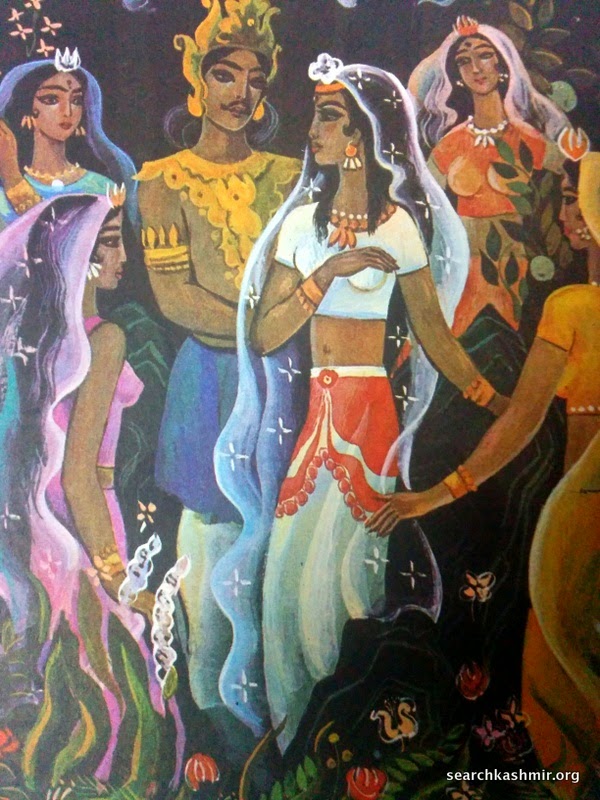
I finally managed to get my hand on it. This is the English edition published in 1979 by Gafur Gulyam Literature and Art Publishers, Tashkent. Translation by A. Miller, I. Melenevsky. Illustrations by K. Basharov and R. Halilov.

From the foreword:

“Memory is a drawing on a rock and a picture on a canvas.

Memory is line of words carved on a stone slab and a book.

Memory is a fairy-tale, a tradition and a legend.

Memory is song and music.

In them we find the people’s memory, which widens its banks as it flows from generation to generation. This is where we find the people’s wisdom, the blazing torch that is passed from generation to generation.

Take it, bear it, pass it on!

Add grain to grain and line to line, fruit to fruit and music to music, blossom to blossom and song to song!”


-0-

-0-
Previously: Russia and Bombur ta Yambarzal, including bits about the Russian animated film from 1965 based on the story.

Kashmir, 1956


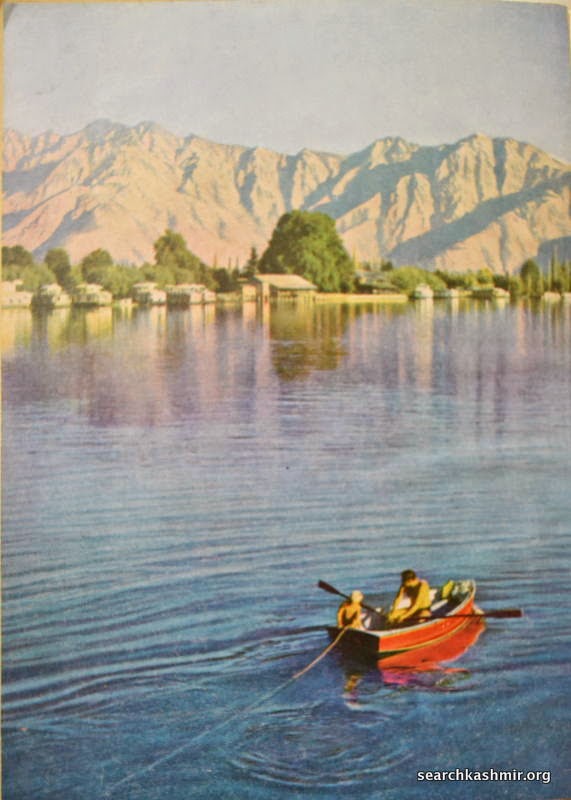
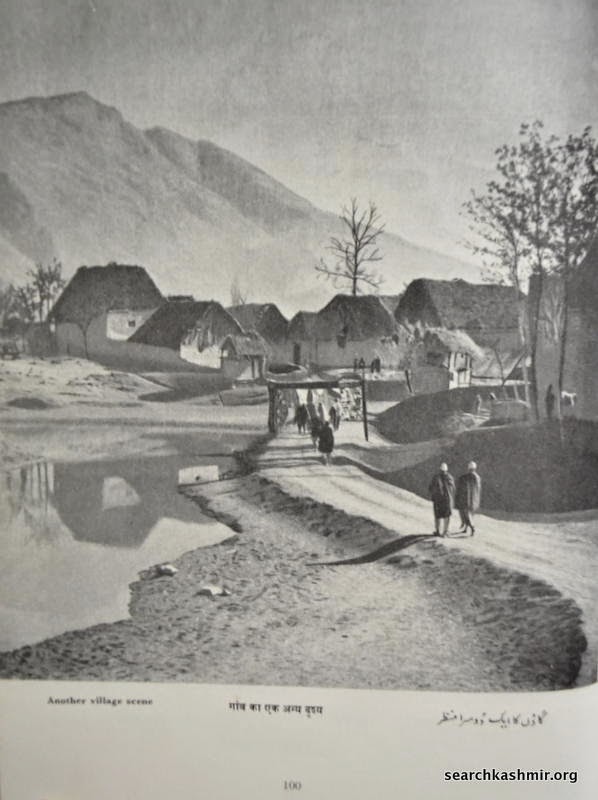
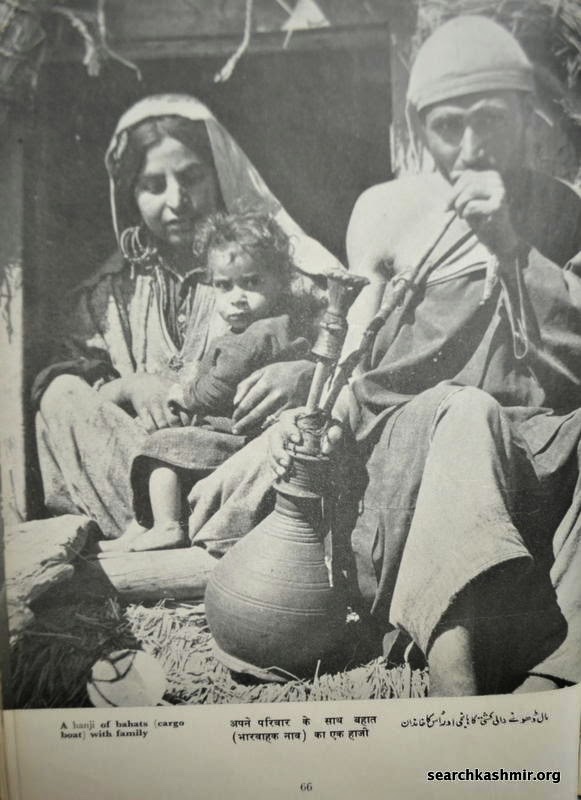
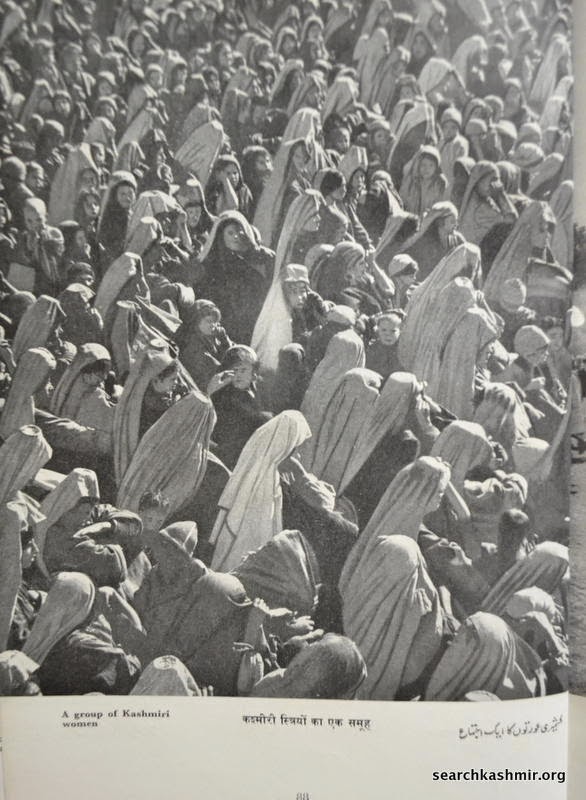
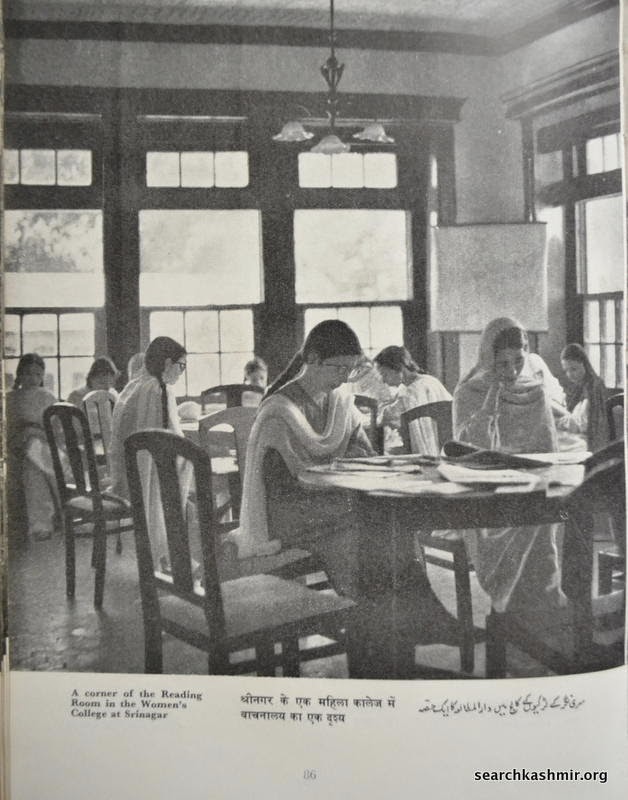
The free book uploaded this month: A photo-book published first in November 1956 by Publications Division. This is the second edition that came out in May 1962. Most of the photographs are from around early 1950s.

A corner of the Reading Room in the Women’s College at Srinagar. 1956
And with that SearchKashmir in now in its 7th year. 
-0-

Complete listing of the project:

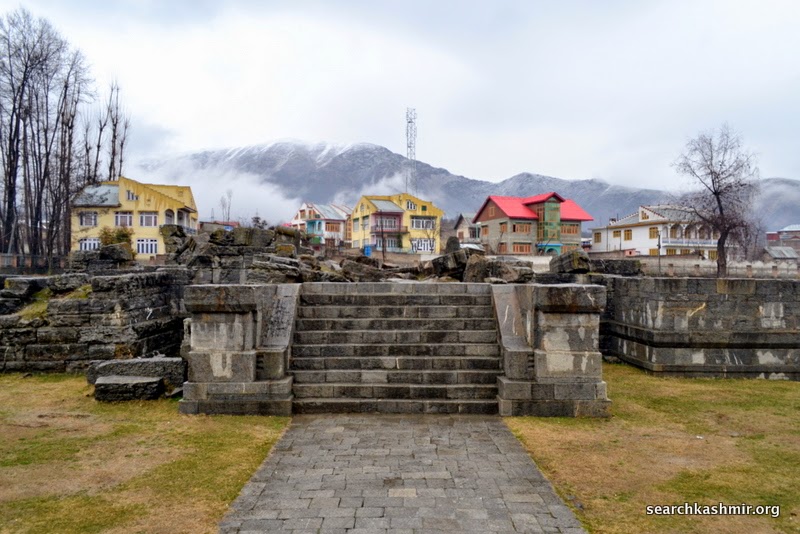
Complete Guide to Awantisvara Temple, Avantipur


A century ago, when the digging began at Avantipora, people expected to find two temples dedicated to Shiva. Instead they found one dedicated to Vishnu (Awantiswamin Temple) and the other dedicated to Shiva (Awantisvara Temple). The smaller of the two, Awantiswamin was found to be more stunning while Awantisvara was found to be in a more decrepit state.

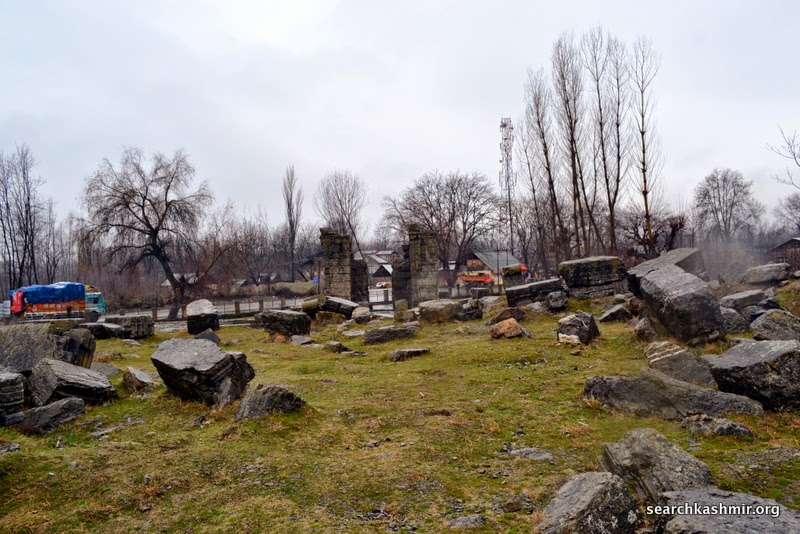
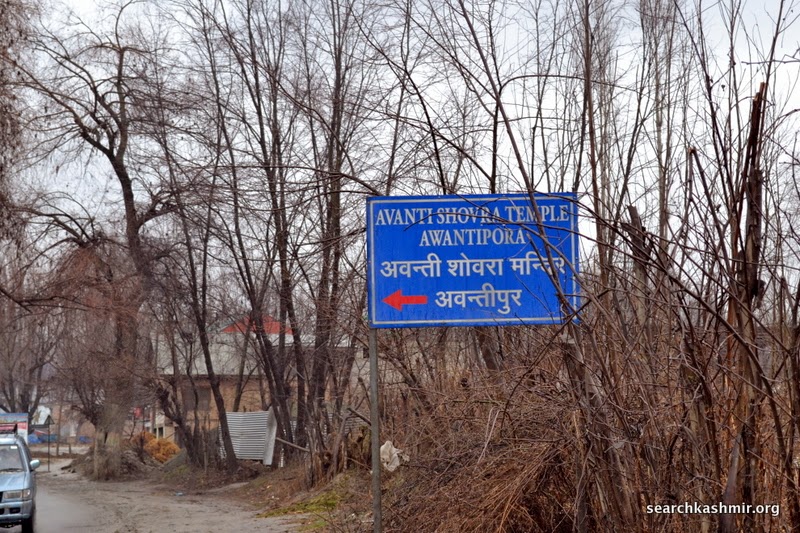
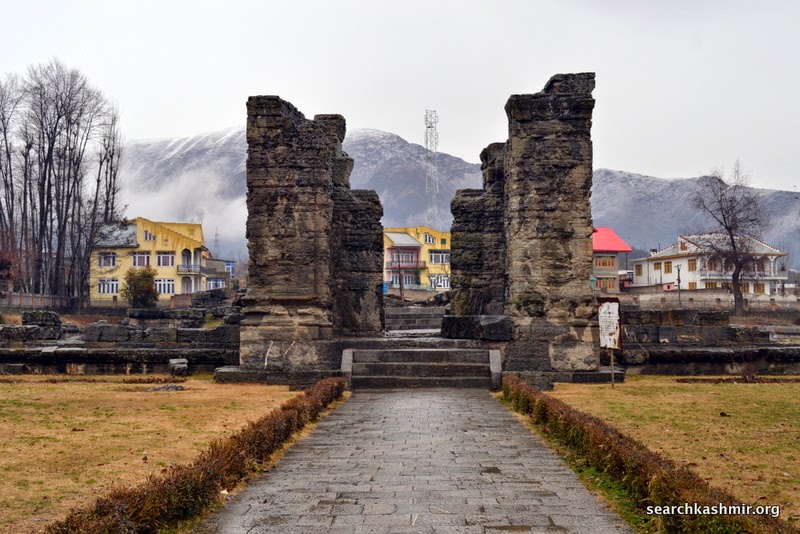
Awantisvara temple is located near the hamlet of Jaubrar about a kilometer to the north-west of the Awantiswamin temple. While leaving Srinagar and moving onto Bijbehara, this is the first ruin of Avanitpur.

This temple too is believed to have been built by King Avantivarman (AD 855 – 883 AD), the first king of the Utpala dynasty.

Archaeologist Debala Mitra gives the layout of the complex:

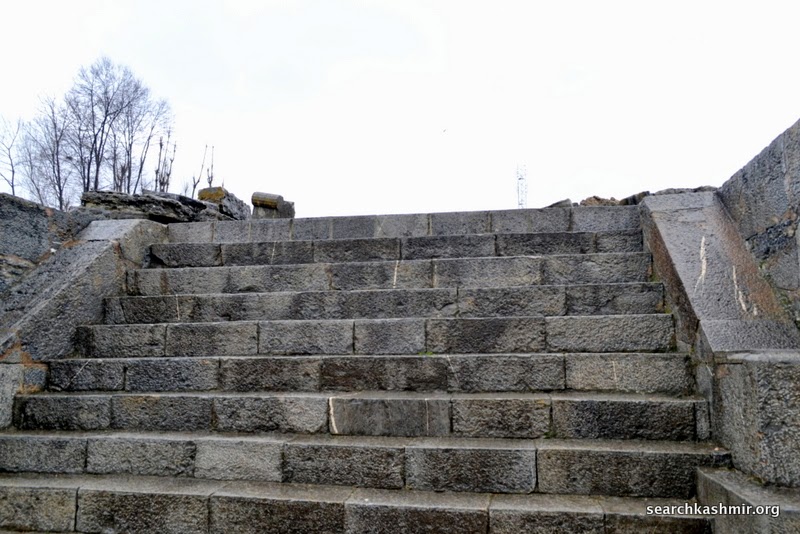
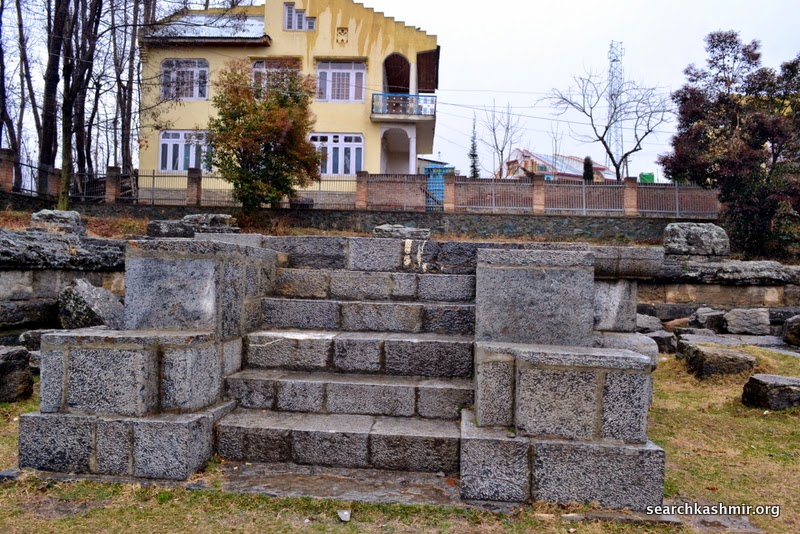
“Facing the west, the complex consists of a panchayatana temple in the middle of an oblong courtyard, two subsidiary shrines (one each at the north-easter anf south-eastern corners)”, a quadrangular array of cells around the periphery of the courtyard and a double chambered imposing gateway in the centre of the western row of cells in two flanks.”

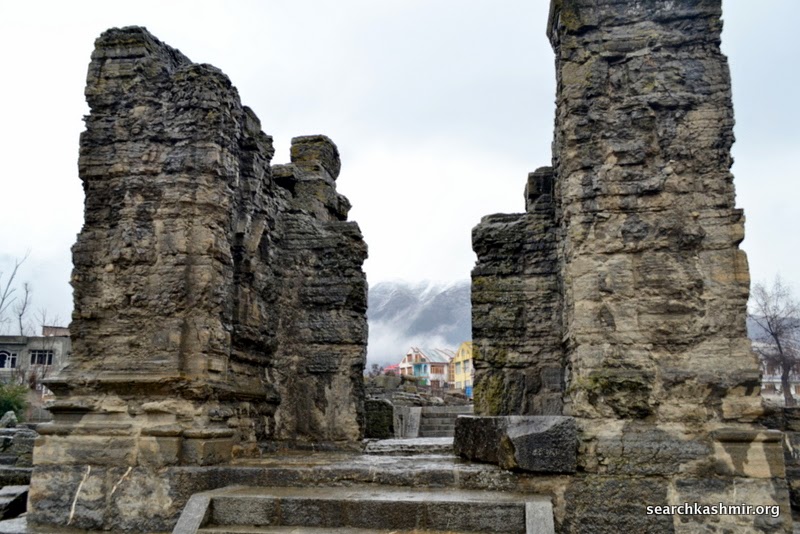
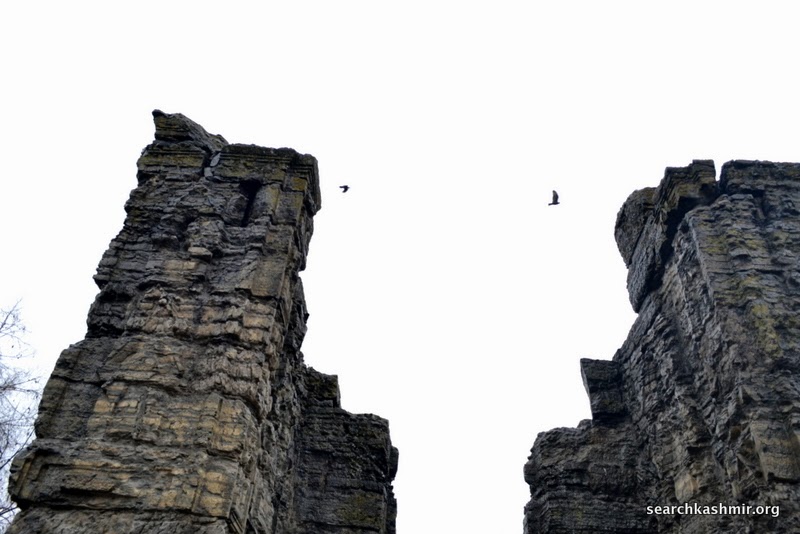
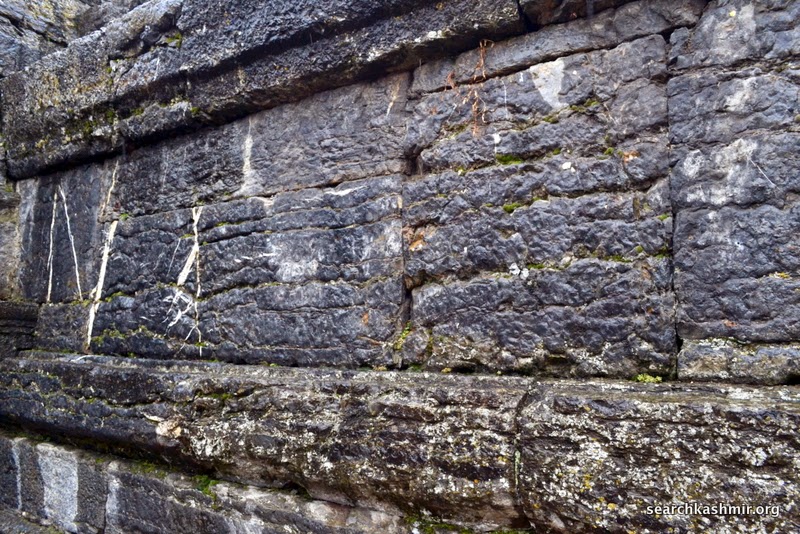
The ruins suggest that the temple was laid to be a immense monument but for unknown reasons the construction was never completed.
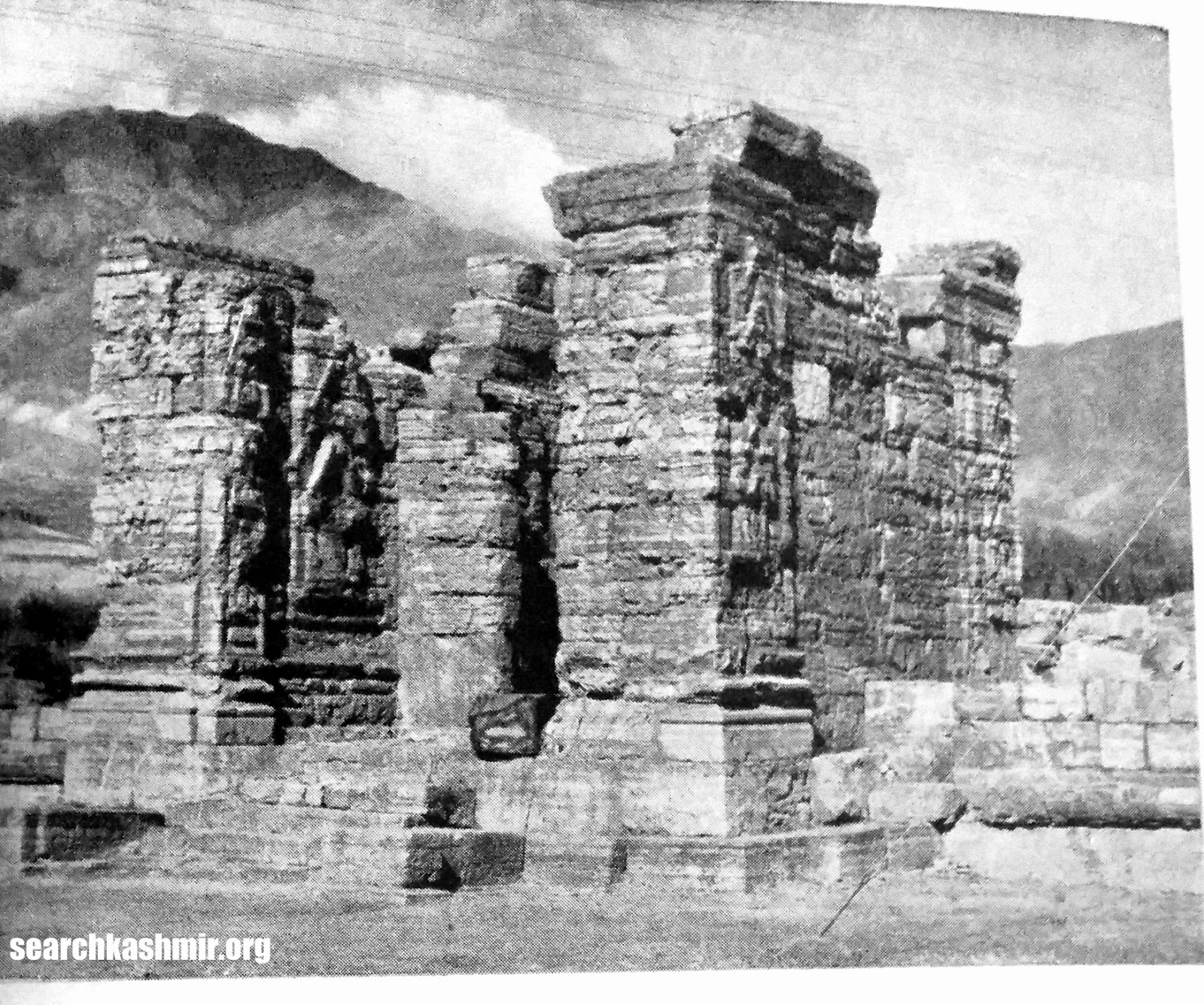
From the book ‘Pandrethan, Avantipur & Martand’ (1977) by Debala Mitra
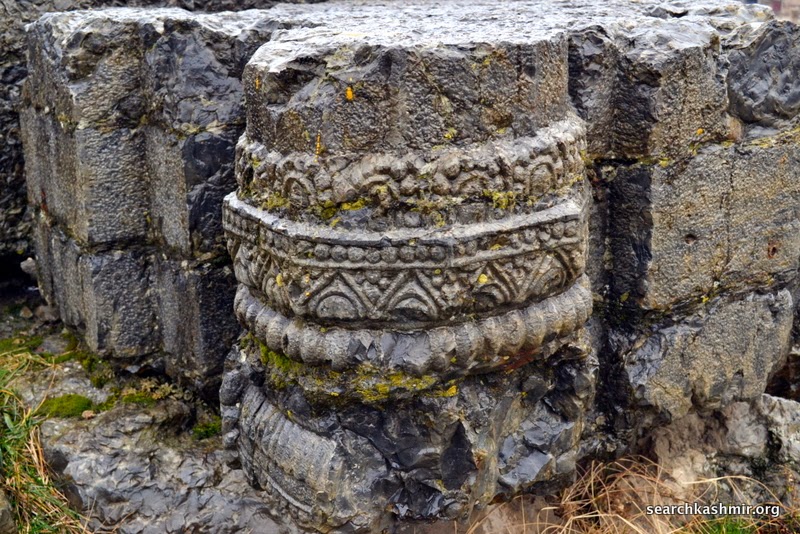
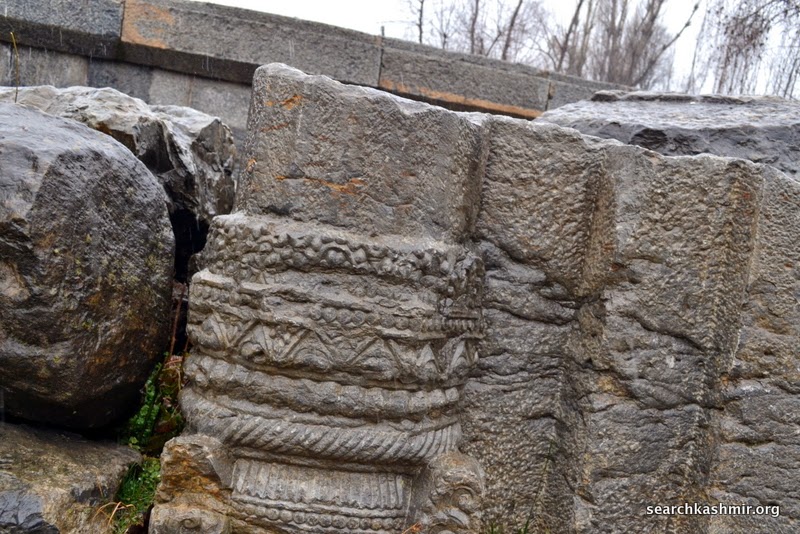
What would have been a ‘ghata– (pot) shaped’ pillar. Something not found in design of Awantiswamin temple.

“The interior of the central shrine is still covered with a heap of large stones, and it is not yet known if any fragments of the image of Avantisvara-Mahadeva, which was worshipped in this temple, will be found.” ~ D. R. Sahni in 1913 after doing the initial digging.

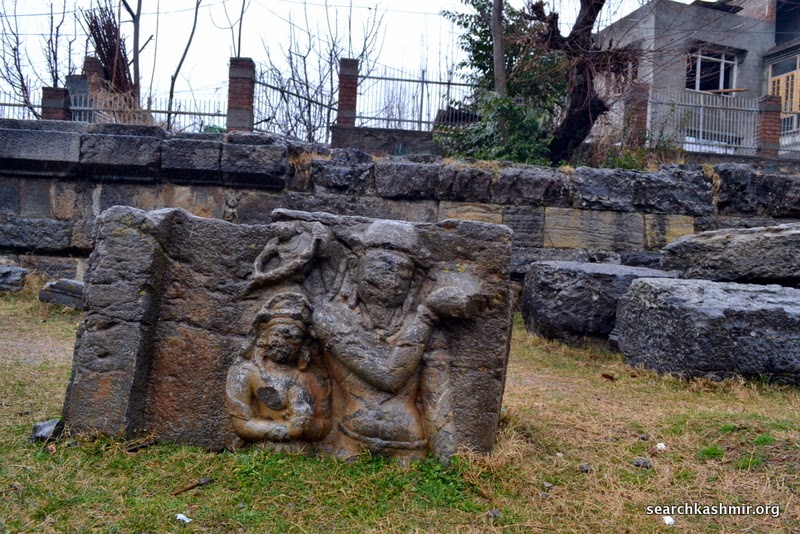
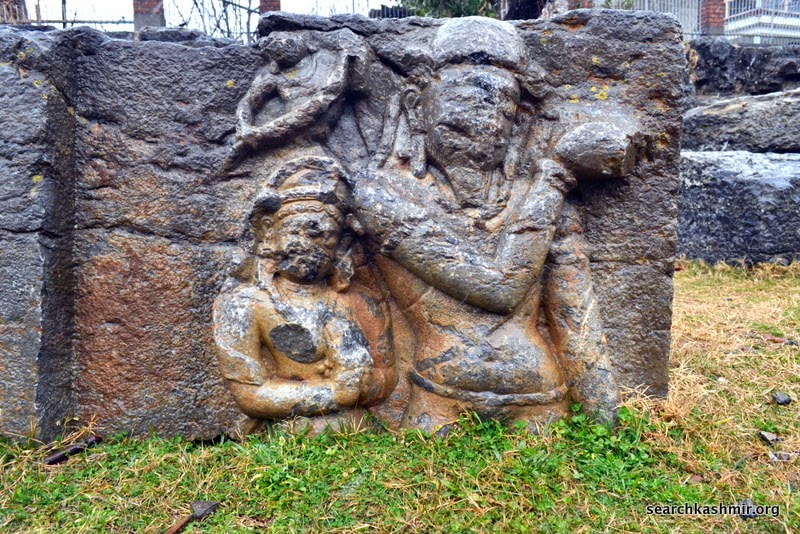
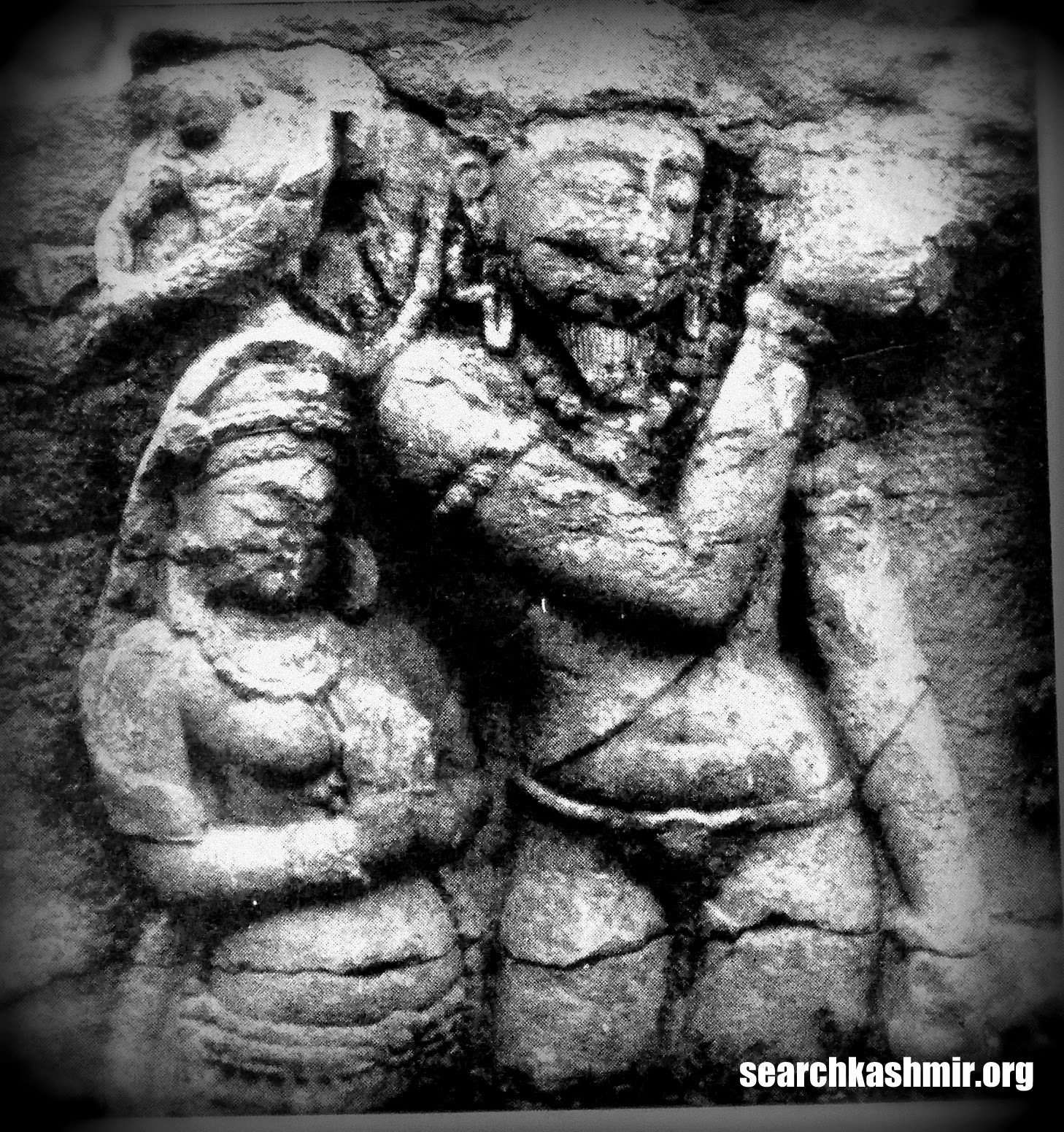
The relief of Avantivarman and his queen.  
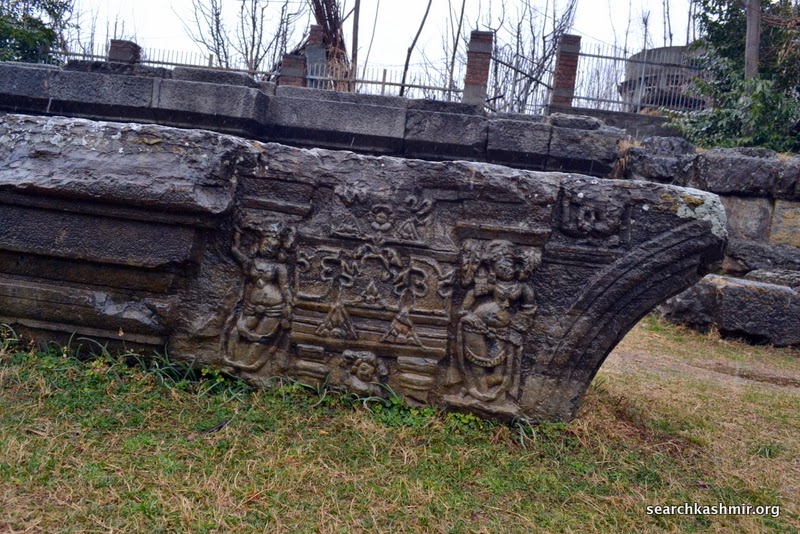
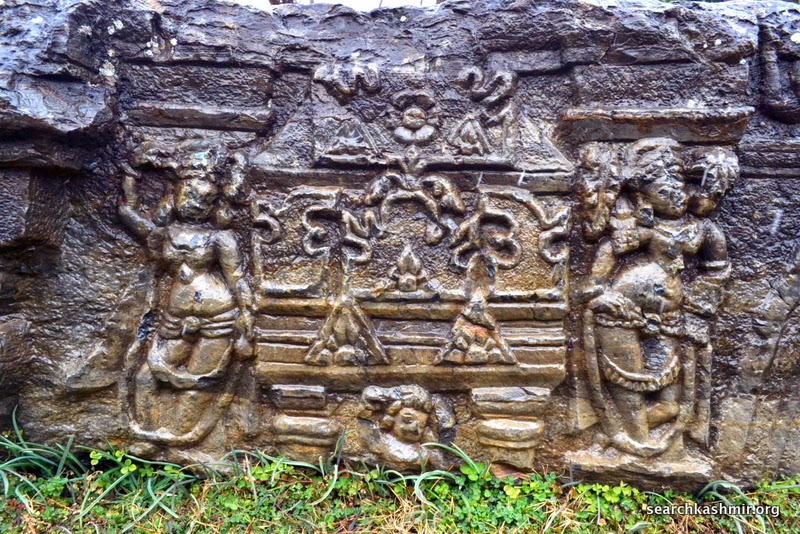
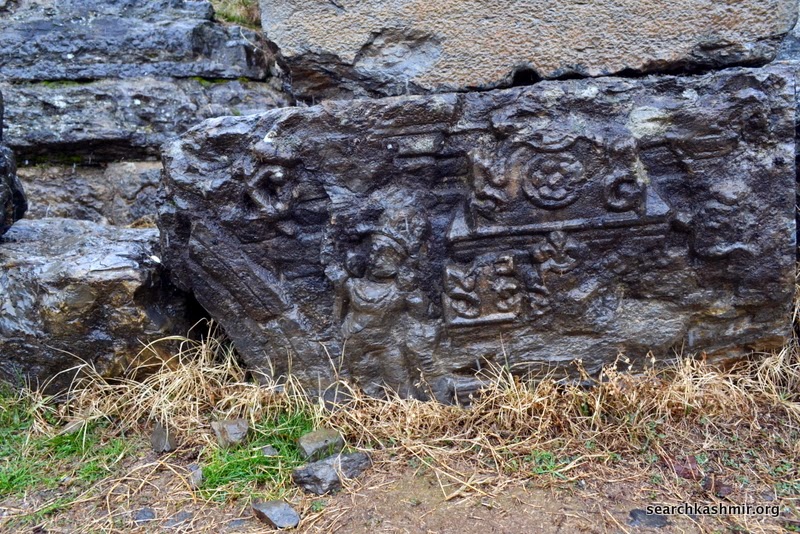
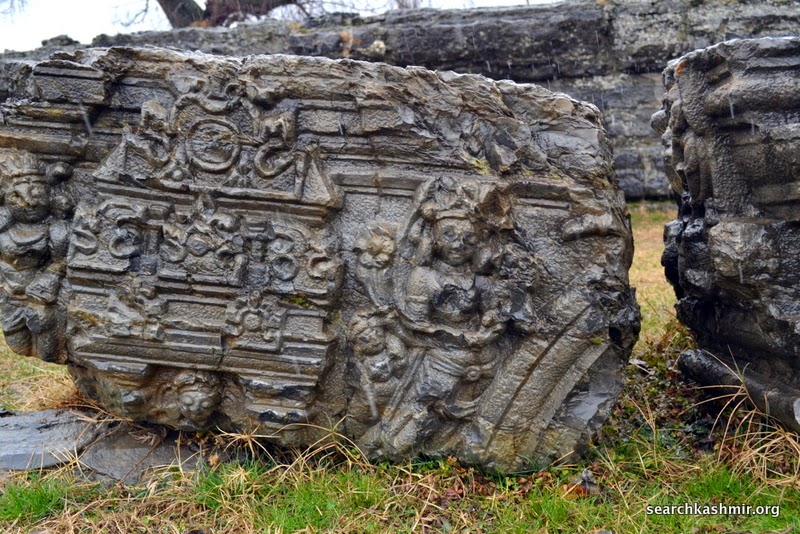
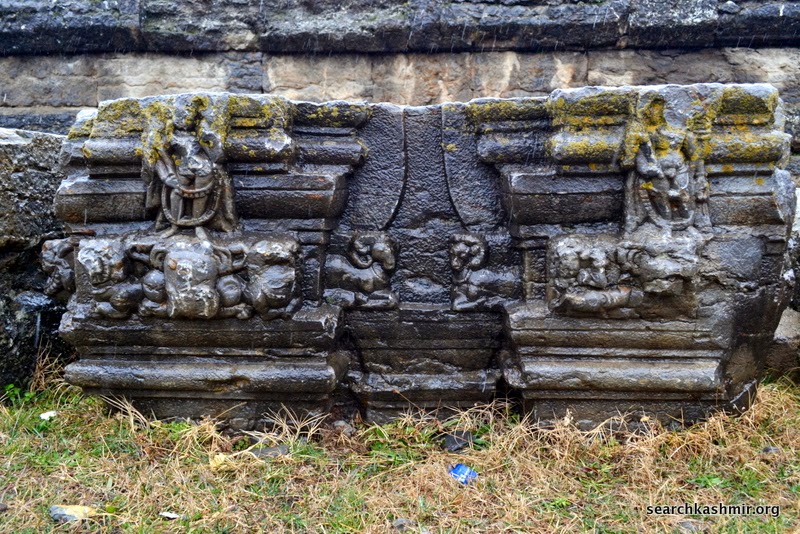
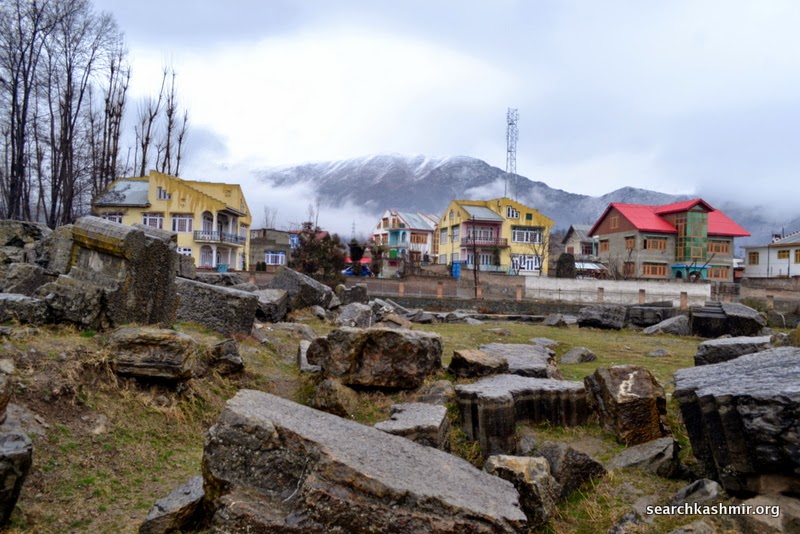
The ground is littered with stones bearing such carving which were meant to be part of the temple.

Some part of the relief is buried under the ground

The injury to the stone is definitely recent and man made.
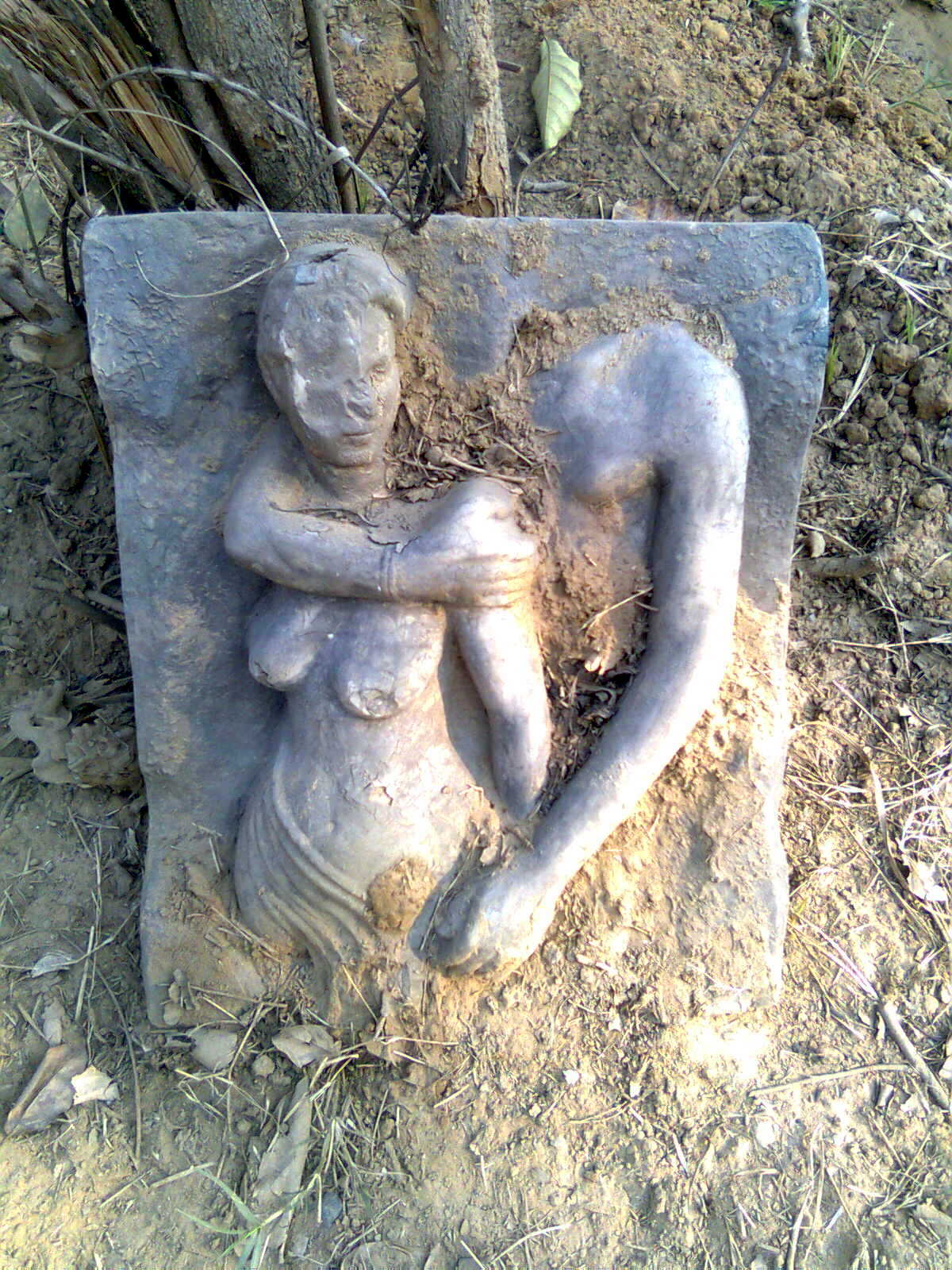
From the book ‘Pandrethan, Avantipur & Martand’ (1977) by Debala Mitra, the carved stone in a more pristine form.
Apparently there is something about breasts that makes the modern man very violent.

Found this beautifully carved and selectively mutilated stone slab sitting under a tree somewhere in Gurgaon, right next to a yellow, dusty, empty plot. [2010] 
This is one of the fluted shafts of the smaller shrines around the main complex

Vidyadhara, or the wisdom holders

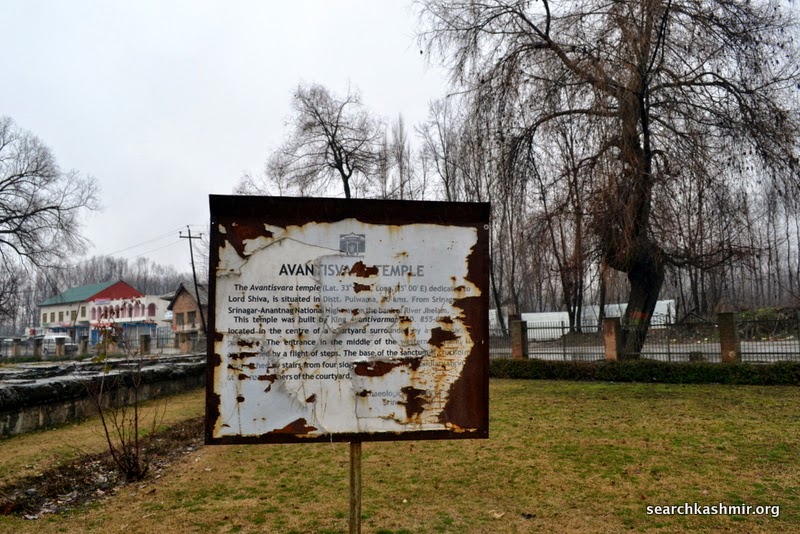
In 2014, Awantiswamin is kept by ASI as site keeping in mind the tourists, there is an office and a ticketing system, while Awantisvara is more like a local public park. It is open for everyone with just a low barrier at the main outside gate designed to keep out the animals.

-0-
Previously:
Complete Guide to Awantiswamin Temple, Avantipur