Further up, ten miles northwest from merchant town of Shikaspora,
or ‘Trash Town’, nestled in the Himalayan glaciers is a lake of pure waters known
as Kaunsa Nag, or the ‘Witch Lake’. All through the year, most of the lake is
covered under a thick sheet of ice that moves with the wind. On the eastern
shore of the lake can be seen a Muslim Mosque and a Hindu Temple. The
construction is recent but the natives believe them to be ancient. The rugged old
look of the two structures is due to the rather half-witted engineering by
locals that relies heavily on abundant ice cut stones found strewn all around
the lake. They look like piles of stones hurriedly put together by children,
something like the beach castle that Little Elsie made last summer on the beach
of Northumberland. Only these are much bigger.
or ‘Trash Town’, nestled in the Himalayan glaciers is a lake of pure waters known
as Kaunsa Nag, or the ‘Witch Lake’. All through the year, most of the lake is
covered under a thick sheet of ice that moves with the wind. On the eastern
shore of the lake can be seen a Muslim Mosque and a Hindu Temple. The
construction is recent but the natives believe them to be ancient. The rugged old
look of the two structures is due to the rather half-witted engineering by
locals that relies heavily on abundant ice cut stones found strewn all around
the lake. They look like piles of stones hurriedly put together by children,
something like the beach castle that Little Elsie made last summer on the beach
of Northumberland. Only these are much bigger.
I must say there is something mystical about this lake and
its two ancient sentinels, standing next to each other, guarding the faithful
from cold indifferent beauty of nature. Hasn’t
our lord said, “…for truly I say to you, if you have faith the size of a
mustard seed, you will say to this mountain, ‘Move from here to there,’ and it
will move; and nothing will be impossible to you.”
its two ancient sentinels, standing next to each other, guarding the faithful
from cold indifferent beauty of nature. Hasn’t
our lord said, “…for truly I say to you, if you have faith the size of a
mustard seed, you will say to this mountain, ‘Move from here to there,’ and it
will move; and nothing will be impossible to you.”
The place does cast a certain spell on you. You can almost lose yourself here. The only
thing that keeps you grounded to reality is the constant fluttering sound of
the green banner on the Mosque and the Saffron banner on the temple. It found
them a bit loud. Little Elsie however found those flags quite amusing. She took
out the whitest of her handkerchief and holding it over her head went
fluttering around the two shrines. Towards noon the wind grew a bit stronger.
Our native helpers were mortally scared that he would be blown into the lake
and captured by the Jinn. He claims the place is infested by a Jinni named Wav.
Muslims of the valley believe Prophet Solomon commanded a powerful Jinni to
guard this place. Hindus believes a divine snake of Vishnu (or Shiva, natives are always confused about it) sleeps
under its waters. Native will swear on the truth of such fantastical tales.
Only last year, Professor Knowtall in Lahore published a collection of the
fantastical tales told by Kashmiris. At the lake I heard a story worthy of
Professor Knowtall’s collection. My narrators were the two holy men, one Muslim
and another Hindu, the lonesome inhabitants of the two shrines. These men stay
here on the lake even in peak of winter. They claim it is just their faith and
mutual hatred of each other that keeps their blood warm in the coldest of
winters. The two came to dwell here atop this mountain in rather dramatic
circumstances.
thing that keeps you grounded to reality is the constant fluttering sound of
the green banner on the Mosque and the Saffron banner on the temple. It found
them a bit loud. Little Elsie however found those flags quite amusing. She took
out the whitest of her handkerchief and holding it over her head went
fluttering around the two shrines. Towards noon the wind grew a bit stronger.
Our native helpers were mortally scared that he would be blown into the lake
and captured by the Jinn. He claims the place is infested by a Jinni named Wav.
Muslims of the valley believe Prophet Solomon commanded a powerful Jinni to
guard this place. Hindus believes a divine snake of Vishnu (or Shiva, natives are always confused about it) sleeps
under its waters. Native will swear on the truth of such fantastical tales.
Only last year, Professor Knowtall in Lahore published a collection of the
fantastical tales told by Kashmiris. At the lake I heard a story worthy of
Professor Knowtall’s collection. My narrators were the two holy men, one Muslim
and another Hindu, the lonesome inhabitants of the two shrines. These men stay
here on the lake even in peak of winter. They claim it is just their faith and
mutual hatred of each other that keeps their blood warm in the coldest of
winters. The two came to dwell here atop this mountain in rather dramatic
circumstances.
Many years ago, during the reign of Sultan Shamatudin, the
two sects went to war with each other over the religious rights to the lake. Both
had scriptural evidence to support their claim. One was rooting for Giant
Serpents and another for Windy Jinn, both protectors of Kashmir. The leaders on
both sides were very powerful and advanced in mystical prowess. Of them it was
said, ‘Even a stare can silence a brook. A tear can flood a town. A laugh can
make a lion pee.’ (My translation doesn’t do justice to the lines, but they sounds
much better in native tongue). With power of righteousness on their sides they
armed themselves with weapons that could shred hundreds in a matter of seconds.
Many thousands died. Three times Kashmir was denuded of human population, three
time they all were reborn, risen from dead after having their sins accounted.
Yet the solution was not found. After much bloodshed it was decided that the
matter be settled by a duel of faith. It was a simple affair. Each side was to
choose one man, the one most faithful among them. Then the two men were sent to
live up at the lake for the entire duration of winter. At the end of winter,
the man still alive could claim the lake for his people. Each side chose one
pious man to whom were handed some Kehwa leaves (Kashmiri mild tea leaves), a
handful of almonds and some sugar candies. Before sending their heroes off with
a pat on the back, the tribesmen came out to greet them and shouted out loud, ‘Bala’ey
Dafa’ (a most emotional Kashmiri farewell greeting meaning ‘I wish I could come
with you but I love my life’. Natives have a knack for expressing their feeling
in very few words). On reaching the lake, the first thing the two men did was
to build their respective dwellings. These men built the first mosque and the
temple on the lake. Chanting
‘Blissmilla’ and ‘Wham Bham Bhoolay’, the two holy warriors went into their
respective caves and waited for the winter to pass them by.
two sects went to war with each other over the religious rights to the lake. Both
had scriptural evidence to support their claim. One was rooting for Giant
Serpents and another for Windy Jinn, both protectors of Kashmir. The leaders on
both sides were very powerful and advanced in mystical prowess. Of them it was
said, ‘Even a stare can silence a brook. A tear can flood a town. A laugh can
make a lion pee.’ (My translation doesn’t do justice to the lines, but they sounds
much better in native tongue). With power of righteousness on their sides they
armed themselves with weapons that could shred hundreds in a matter of seconds.
Many thousands died. Three times Kashmir was denuded of human population, three
time they all were reborn, risen from dead after having their sins accounted.
Yet the solution was not found. After much bloodshed it was decided that the
matter be settled by a duel of faith. It was a simple affair. Each side was to
choose one man, the one most faithful among them. Then the two men were sent to
live up at the lake for the entire duration of winter. At the end of winter,
the man still alive could claim the lake for his people. Each side chose one
pious man to whom were handed some Kehwa leaves (Kashmiri mild tea leaves), a
handful of almonds and some sugar candies. Before sending their heroes off with
a pat on the back, the tribesmen came out to greet them and shouted out loud, ‘Bala’ey
Dafa’ (a most emotional Kashmiri farewell greeting meaning ‘I wish I could come
with you but I love my life’. Natives have a knack for expressing their feeling
in very few words). On reaching the lake, the first thing the two men did was
to build their respective dwellings. These men built the first mosque and the
temple on the lake. Chanting
‘Blissmilla’ and ‘Wham Bham Bhoolay’, the two holy warriors went into their
respective caves and waited for the winter to pass them by.
At the end of the winter, people waited with bated breath for
their hero to arrive. One of them was going to return alive. But to their much surprise, both holy men walked down
from the lake alive. Thus the Gods had spoken. The lake belonged to the
followers of both religions. There were much celebrations and festivities. People showered Kehwa leaves, almonds and
sugar candies on the returning heroes. Thus was born the festival of
‘Daud-e-Dua’ for Muslims or ‘Chalo Bulawa’ for Hindus. But the joyous times
lasted only a year. During this year, certain unknown powerful people jealous
of the fame that the two holy men had attained started spreading scandalous rumours
(the natives are highly prone to rumours). In whispers (at first) it was said
the two men had become ‘humbistar’ (Shacked up) in the mountains. They asked,
‘How else could the men have kept themselves warm?’ Some said the deities of
the lake had swallowed them up but were vomited out for their bodies were fouled by sin. Some said the men hadn’t even been on the lake for the entire duration.
They were hiding in the houses of their ‘in-laws’ in a nearby village. In the beginning, afraid of the two holy men,
people laughed at these claims. The holy men sure of their clout, ignored
the snide remarks. All these allegations were serious, but the last straw that
broke the proverbial camel’s back came when someone accused them of stealing village goats at night during their stay at lake to satiate their bellies. When the holy men had gone up the hill, only days later the goats
had suddenly started disappearing at night. At that time, the villagers
had blamed ‘Rantus or a ‘Demoness’ for the theft. They had even caught an old
Rantus in the act of stealing and burnt her alive. But, in light of these new
revelations, they blamed the holy men for all that had gone wrong in the village. The holy men claimed innocence on all
counts. They rallied their supporters. The
people started calling them ‘Drokhlads’ or the ‘Chronic Vomitters’, the ones rejected even by Gods. (Even today their
followers are known as ‘Drokhlads’, however the two are separated along
religious lines owing to the position of goat in their respective theology).
their hero to arrive. One of them was going to return alive. But to their much surprise, both holy men walked down
from the lake alive. Thus the Gods had spoken. The lake belonged to the
followers of both religions. There were much celebrations and festivities. People showered Kehwa leaves, almonds and
sugar candies on the returning heroes. Thus was born the festival of
‘Daud-e-Dua’ for Muslims or ‘Chalo Bulawa’ for Hindus. But the joyous times
lasted only a year. During this year, certain unknown powerful people jealous
of the fame that the two holy men had attained started spreading scandalous rumours
(the natives are highly prone to rumours). In whispers (at first) it was said
the two men had become ‘humbistar’ (Shacked up) in the mountains. They asked,
‘How else could the men have kept themselves warm?’ Some said the deities of
the lake had swallowed them up but were vomited out for their bodies were fouled by sin. Some said the men hadn’t even been on the lake for the entire duration.
They were hiding in the houses of their ‘in-laws’ in a nearby village. In the beginning, afraid of the two holy men,
people laughed at these claims. The holy men sure of their clout, ignored
the snide remarks. All these allegations were serious, but the last straw that
broke the proverbial camel’s back came when someone accused them of stealing village goats at night during their stay at lake to satiate their bellies. When the holy men had gone up the hill, only days later the goats
had suddenly started disappearing at night. At that time, the villagers
had blamed ‘Rantus or a ‘Demoness’ for the theft. They had even caught an old
Rantus in the act of stealing and burnt her alive. But, in light of these new
revelations, they blamed the holy men for all that had gone wrong in the village. The holy men claimed innocence on all
counts. They rallied their supporters. The
people started calling them ‘Drokhlads’ or the ‘Chronic Vomitters’, the ones rejected even by Gods. (Even today their
followers are known as ‘Drokhlads’, however the two are separated along
religious lines owing to the position of goat in their respective theology).
At this point of the story, my two narrators broke into
tears for they were the Drokhlads of their generation. After their eyes and
nose ran dry, they continued:
tears for they were the Drokhlads of their generation. After their eyes and
nose ran dry, they continued:
As was the fair ancient law of the land, the men demanded
that they be proven guilty of these crimes. The matter went to the court of
Sultan Shahmatudin. The wise king asked for four witnesses to be presented.
Readily four goats were presented in the court. The king asked them, ‘Do you
bear witness to their crimes?’ Goats in reply just nodded their heads sideways.
Among the natives, a sideway nod can mean a ‘Yes’ and even a ‘No’. The king
took it as a yes nod and promptly delivered justice. The men were to be
banished back to the lake.
that they be proven guilty of these crimes. The matter went to the court of
Sultan Shahmatudin. The wise king asked for four witnesses to be presented.
Readily four goats were presented in the court. The king asked them, ‘Do you
bear witness to their crimes?’ Goats in reply just nodded their heads sideways.
Among the natives, a sideway nod can mean a ‘Yes’ and even a ‘No’. The king
took it as a yes nod and promptly delivered justice. The men were to be
banished back to the lake.
Drokhlads and their sympathizers protested. They claimed the
Goat had implied no. Abraham’s goat, God’s gentle creature that was ever ready
to sacrifice its life for faithful could never lie. Surly, it meant no. We
didn’t do nothing. The animal symbol of Prajapati Daksha would loose its proud
head before siding with falsehood. We didn’t do nothing. Surly, it meant no. The
Jinns and the Snakes left us alive, surely it meant no. Our skins didn’t melt under mountain snow. We didn’t do
nothing Surely it meant no. The sun on the lake rose in the east. Surely it meant
no. The moon spilt in two. Surely it meant no.
Goat had implied no. Abraham’s goat, God’s gentle creature that was ever ready
to sacrifice its life for faithful could never lie. Surly, it meant no. We
didn’t do nothing. The animal symbol of Prajapati Daksha would loose its proud
head before siding with falsehood. We didn’t do nothing. Surly, it meant no. The
Jinns and the Snakes left us alive, surely it meant no. Our skins didn’t melt under mountain snow. We didn’t do
nothing Surely it meant no. The sun on the lake rose in the east. Surely it meant
no. The moon spilt in two. Surely it meant no.
[These lamentations went on for days it seems for they now
form a bulky work of lyrics known as ‘Drokh-tar-Tarana‘, a MSC of which is
easily procurable in markets of Srinagar]
form a bulky work of lyrics known as ‘Drokh-tar-Tarana‘, a MSC of which is
easily procurable in markets of Srinagar]
After tearful farewell from even their enemies, whose hearts
had by now melted on hearing these lamentation, Drokhlad at the start of winter were
finally back at the lake and into their individual cave shrines. The villagers could be heard crying and chanting, ‘Ek sindh Drokh Bey sindh Gizah‘ (One man’s vomit, another man’s food). It is said at the end of winter when their
followers went to check on them, the caves were found empty with only two
empty wine cups inside each cave. The holy men had descended to heaven after
receiving the divine nectar. It is said the Day of Judgment and final Fair Beginnings
shall be near when the two return with proof of ‘Na’.
had by now melted on hearing these lamentation, Drokhlad at the start of winter were
finally back at the lake and into their individual cave shrines. The villagers could be heard crying and chanting, ‘Ek sindh Drokh Bey sindh Gizah‘ (One man’s vomit, another man’s food). It is said at the end of winter when their
followers went to check on them, the caves were found empty with only two
empty wine cups inside each cave. The holy men had descended to heaven after
receiving the divine nectar. It is said the Day of Judgment and final Fair Beginnings
shall be near when the two return with proof of ‘Na’.
The followers assigned two men, a Hindu and a Muslim, to
keep watch at the spot and to wait for the two holy men. The watch has since been
maintained. Every year believers throng the place on the day of
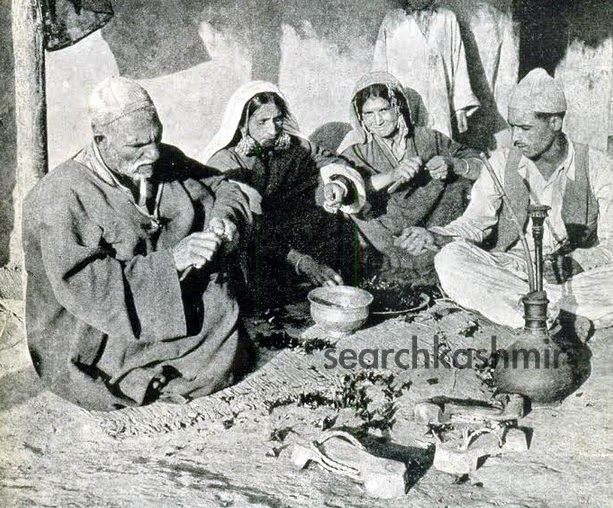
Chalo-Bulawa-Daud-e-Dua (We got to go, faith calls). They drop Kehwa leaves, a handful of almonds and some
sugar candies into the lake, hoping the lake would boil one day transform into
a a giant teakettle that will serve the nectar of truth to all the dwellers of
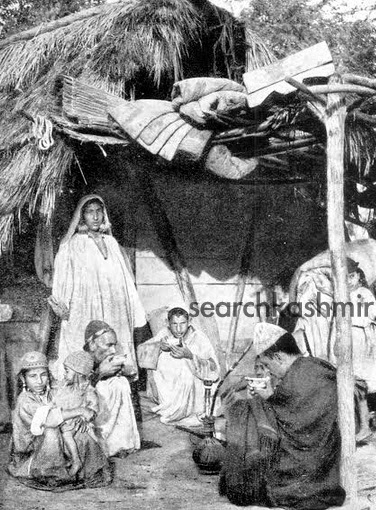
the valley, and later perhaps to the whole world. [It is quite a scene I am told when the natives visit the place with their wives and children in tow carrying samavars to the lake on their head.]
keep watch at the spot and to wait for the two holy men. The watch has since been
maintained. Every year believers throng the place on the day of
Chalo-Bulawa-Daud-e-Dua (We got to go, faith calls). They drop Kehwa leaves, a handful of almonds and some
sugar candies into the lake, hoping the lake would boil one day transform into
a a giant teakettle that will serve the nectar of truth to all the dwellers of
the valley, and later perhaps to the whole world. [It is quite a scene I am told when the natives visit the place with their wives and children in tow carrying samavars to the lake on their head.]
Centuries later, when Kashmir was annexed by Emperor Akhbaar,
he had a grand mosque and a temple constructed at the lake. Great Akhbaar understood
the true meaning of the story. His court poet, Aull Fazuul had the meaning inscribed
on a black marble and placed at the spot:-
he had a grand mosque and a temple constructed at the lake. Great Akhbaar understood
the true meaning of the story. His court poet, Aull Fazuul had the meaning inscribed
on a black marble and placed at the spot:-
“This temple and this mosque were erected for the purpose of
binding together the hearts of the believers in Hindustan, and especially those
of His worshippers that live in the province of Kashmir,
binding together the hearts of the believers in Hindustan, and especially those
of His worshippers that live in the province of Kashmir,
By order of the Lord of the throne and the crown, the lamp
of creation, Shah Akhbaar,
of creation, Shah Akhbaar,
In whom the seven minerals find uniformity, in whom the four
elements attain perfect mixture.
elements attain perfect mixture.
He who from insincere motives destroys this temple, should
first destroy the mosque;
first destroy the mosque;
he who from insincere motives destroys this mosque, should
first destroy the temple;
first destroy the temple;
for if we follow the dictates of the heart, we must bear up
with all men, but if we look to the internal, we find everything ought to be destroyed
proper.
with all men, but if we look to the internal, we find everything ought to be destroyed
proper.
O God, Thou art just and judges an action by the motive;
Thou knowest whether a motive is sublime, and tellest the
king what motives people should have.”
king what motives people should have.”
His motives weren’t religious, he just didn’t approve of the
design (and possibly out of environmental concerns) .
The mosque was again
built during the Afghan governorship and the temple came up during the Dogra
rule. The ticket counter I presume will follow soon.
built during the Afghan governorship and the temple came up during the Dogra
rule. The ticket counter I presume will follow soon.
~ Extract from private diary of an anonymous European woman
who visited Kashmir in 1874 with her children.
who visited Kashmir in 1874 with her children.