How High was the Water


About sixty days after the flood
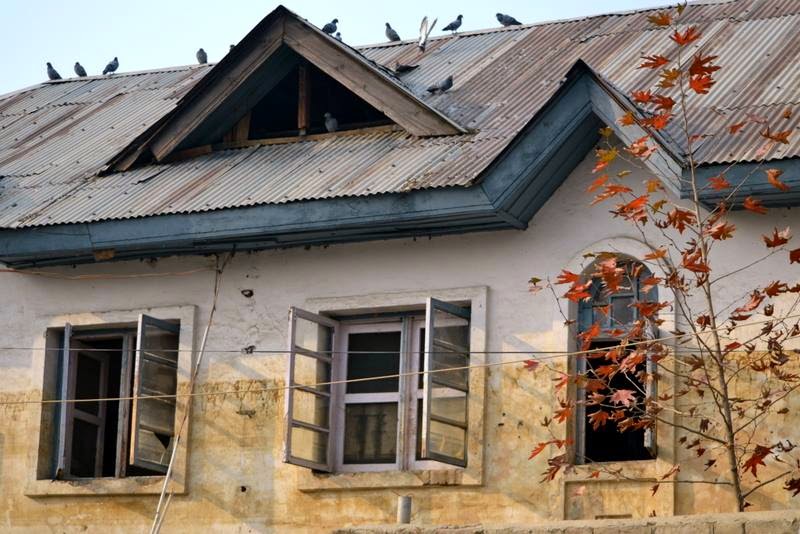
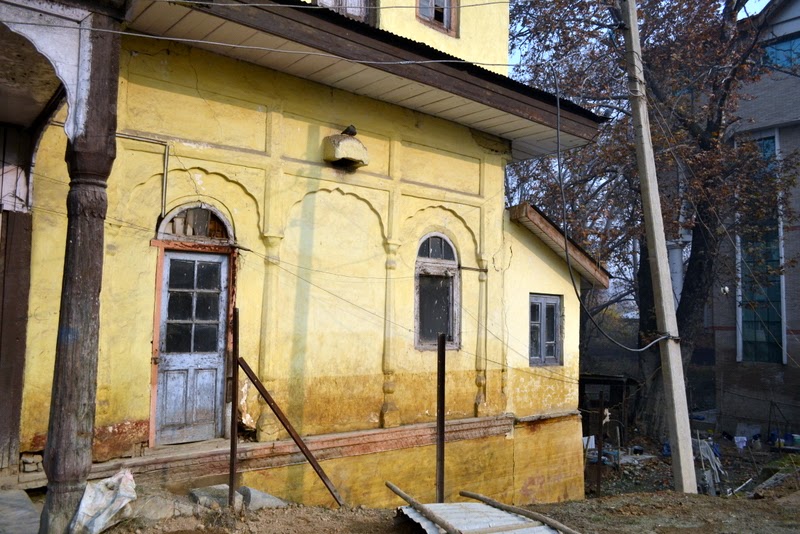
A city still damp
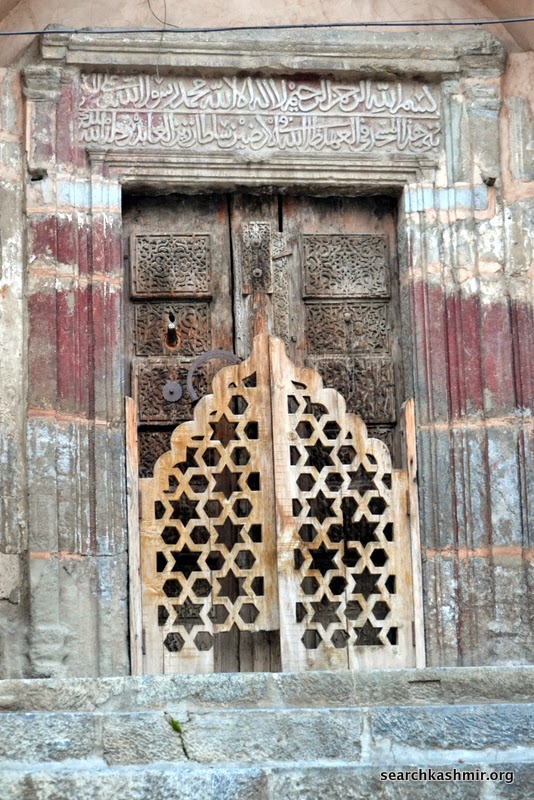
daubed in two shades


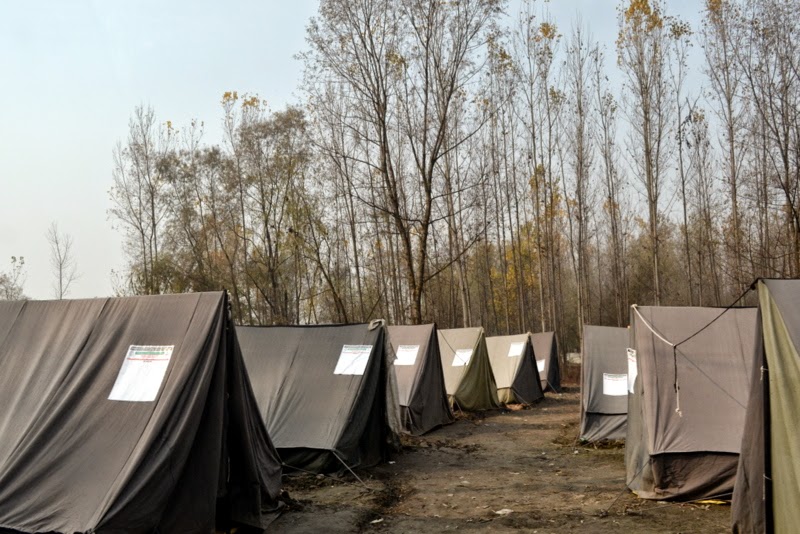
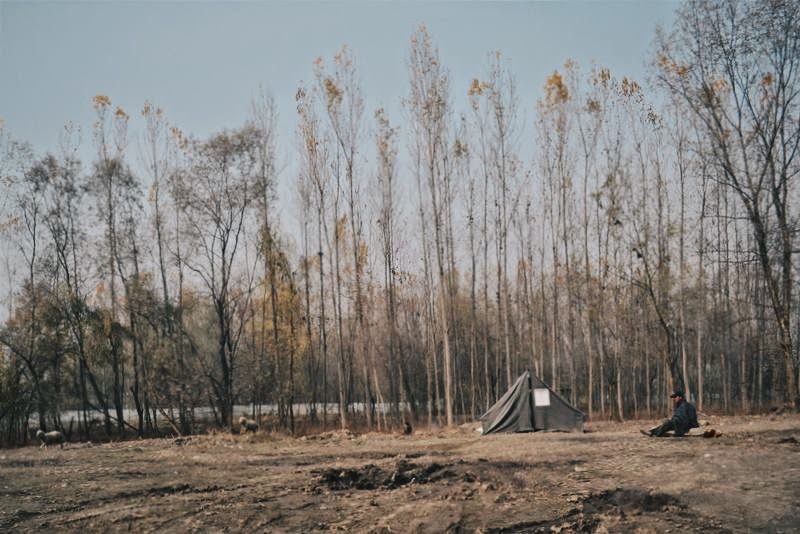
Camps near Dal
 
Camp dwellers.
Most of the government camps look empty. People mostly stay with relative with a nominal person staying in the camp the mark his presence, expecting relief. People on radio sound angry about the way damage is being assessed and relief being handed out.

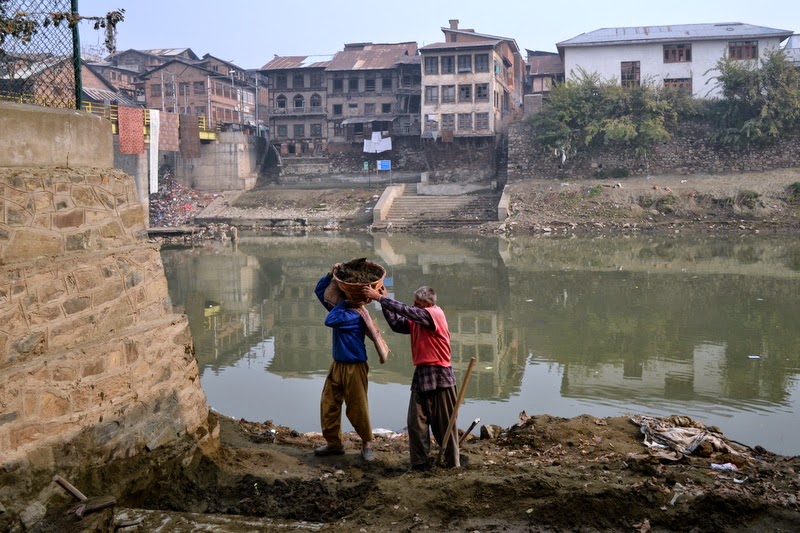
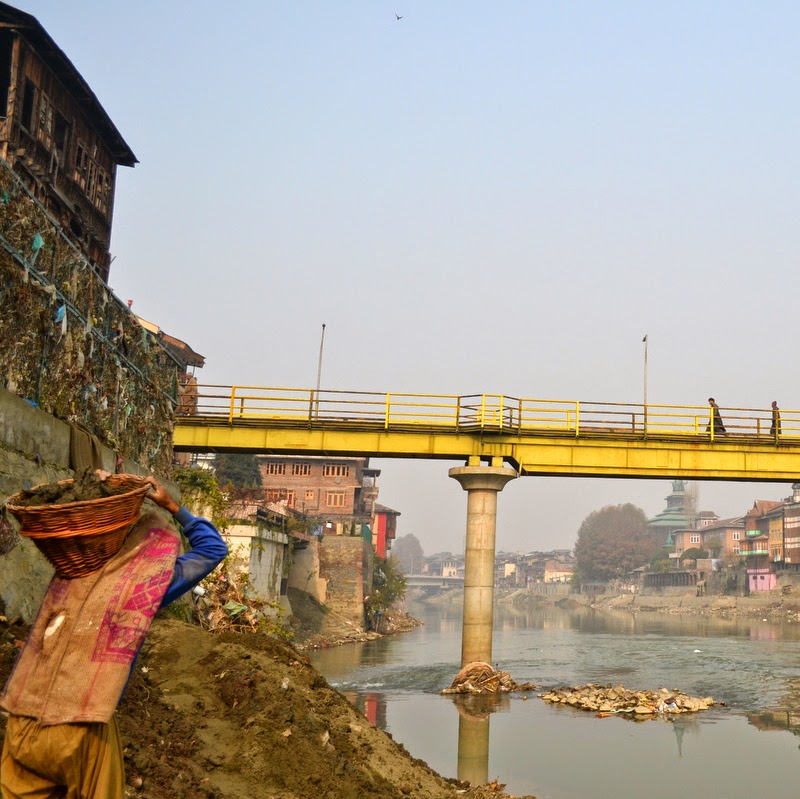
Clearing silt from the ghat near Fateh Kadal foot bridge

Not wishes tied to the walls of a shrine
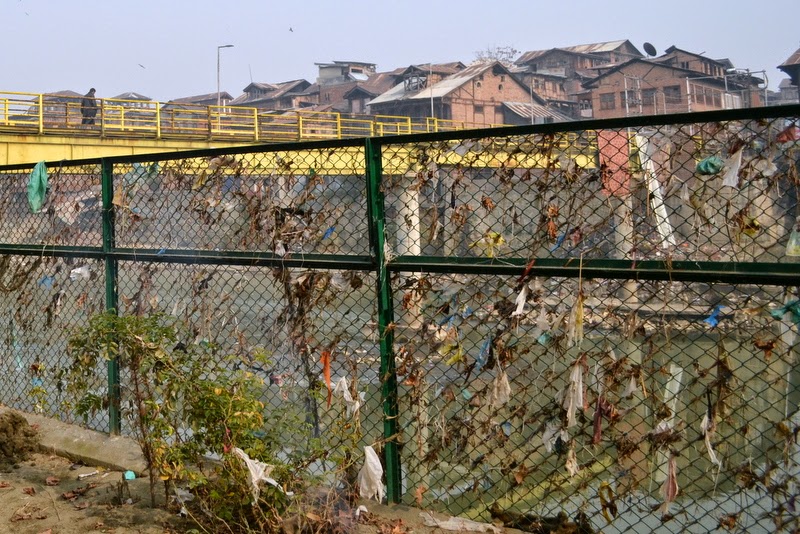
Polythene and rubbish brought in by water
stuck to the Mesh panel of a little garden by the ghat 

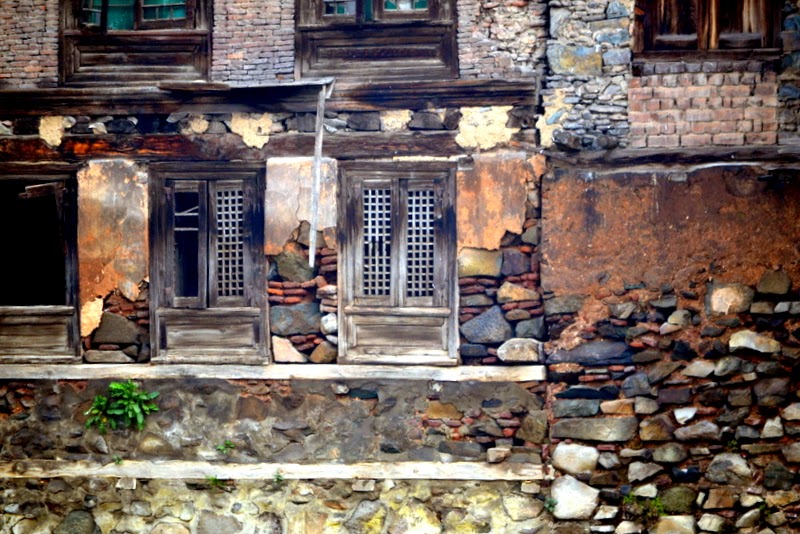
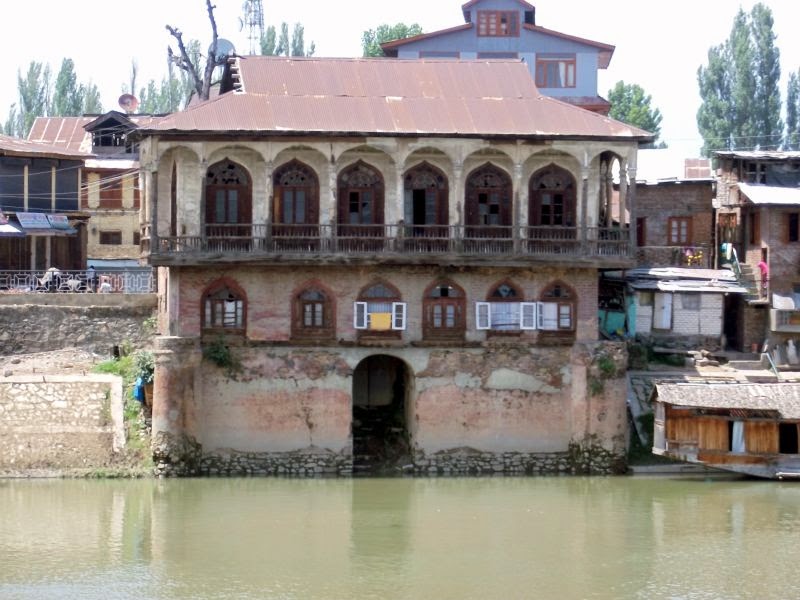
Soaked ancient brickwork of a house along the river

After two weeks under fifteen feet of water
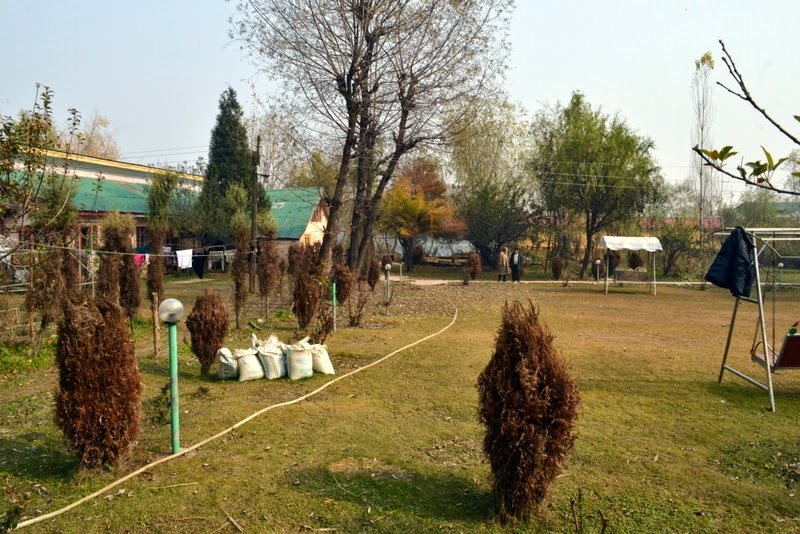
Dead plants in a private garden along Nageen lake
A positive side effect of the flood has been that the markets are flush with vegetables of great quality. 

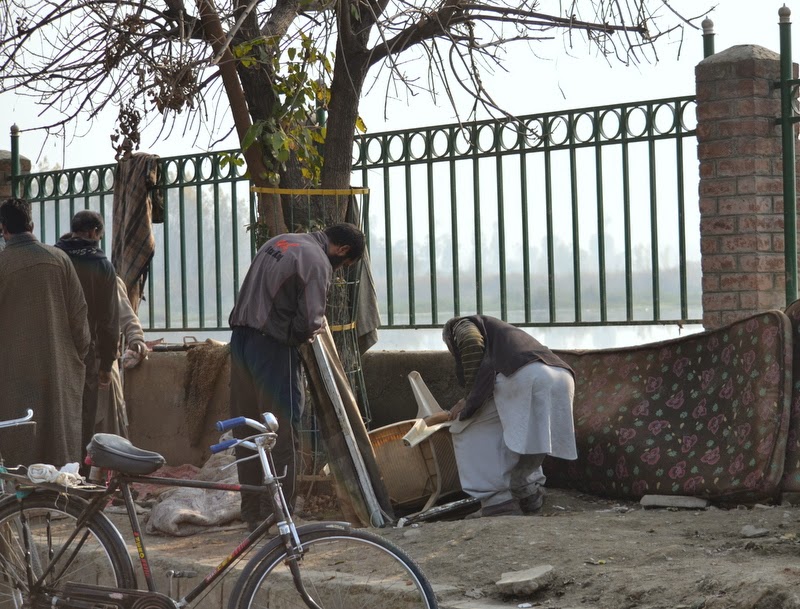
A roadside stall offering flood infested material for sale.

The level at SPS museum along Bund road

Level of water inside the museum
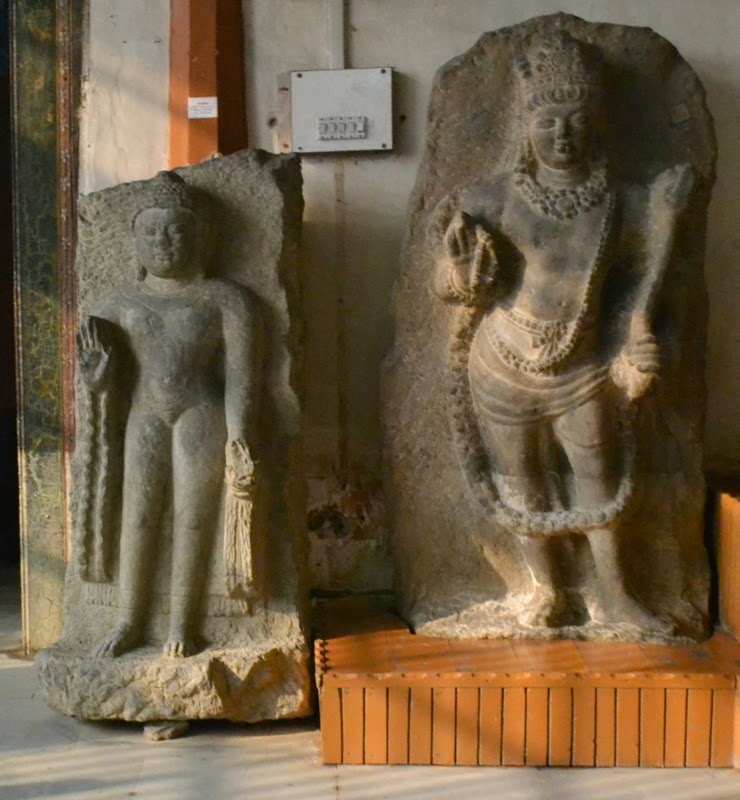
Knees of the deity
I was told, most of the damage to display material has been to the papermache works. With about 2% almost of them gone.
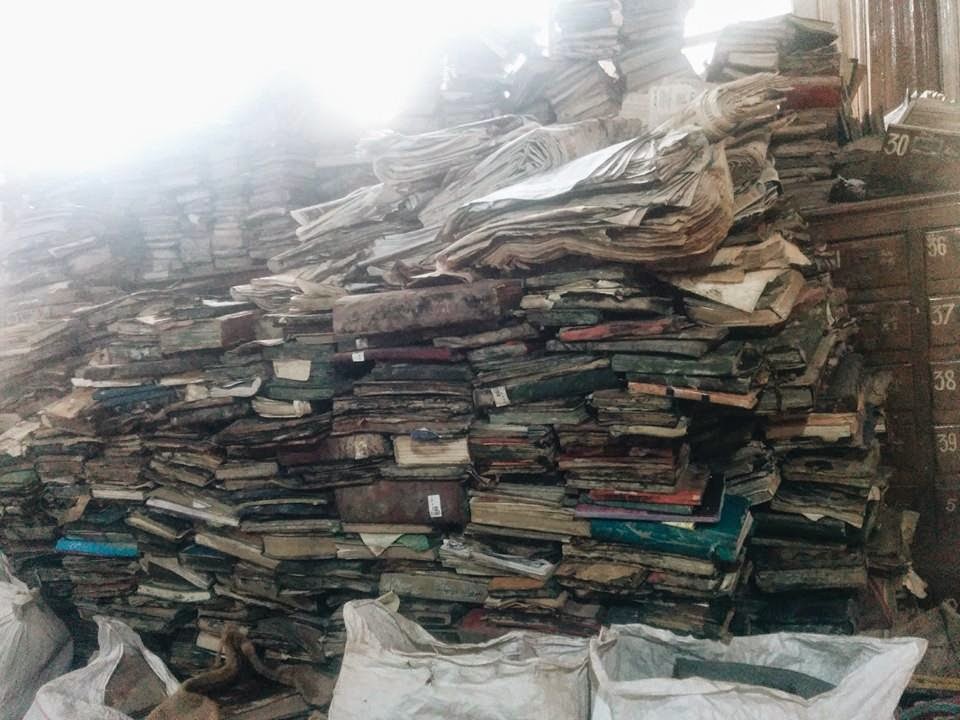
Soaked old journals inside the Library of the museum

-0-
My Address, was

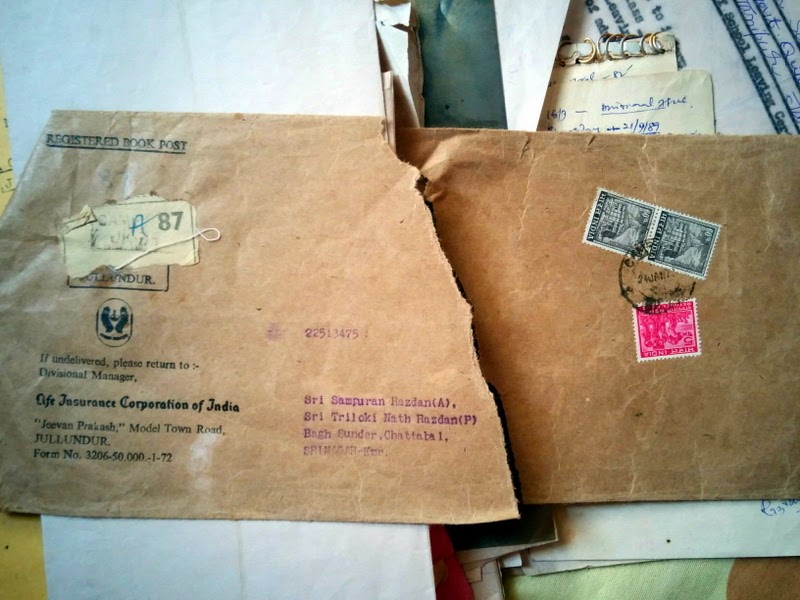
While clearing his bag of old papers to be thrown away, my father found this old envelope. Before I could stop him, he tore it into two. It carried our old Srinagar address. I kept it 
Last month my father packed his bags from Delhi NCR and moved back to Jammu. Fourteen years ago, I wasn’t there when he moved in, and I wasn’t there when he moved out. While moving in, none of my stuff had to be moved in but while moving out, he had to pack seven cartons of books collected over my seven year stay in the city.
Once the news of unpacking was passed on, my mind was caught in a strange mathematics. My grandfather spent a major portion of his life at that Srinagar address, about 65 years. At no other place did he live for a longer duration. So did my father, about 35 years. And weirdly enough, so did I, about 8 years. I haven’t stayed at a single place for more that 8 years. Right now, Chattabal is still the place were I have spent a major portion of my life. 
-0-
My Address
Today I effaced my house number
the name of the street at the outset.
I wiped away the directions of every road.
And still if you must search me out
just knock at the door
in each street of each city of each country
it’s a curse, a benediction both
and wherever you find a free soul
          – that’s my home!
Amrita Pritam, translated from Punjabi by the poet.

From – ‘India: An Anthology of Contemporary Writings’ (1983), Ed. by David Ray and Amritjit Singh.
-0-
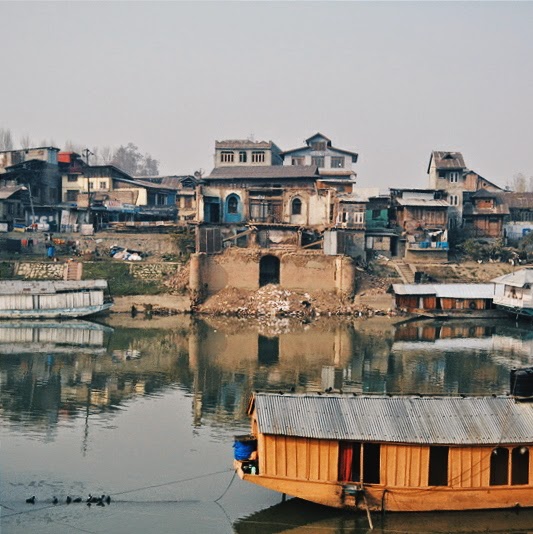
Aabi Guzar Toll


Previously, Aabi Guzar Gone, 22nd September:

“Over the years, I started coming across photographs of the place in old travelogues. Having never been to the place, the sight of the place in an old book became a thing of little joy for me. Earlier this year when I visited Srinagar, the thought of finally visiting the place did occur to me, but it was winter, the water levels were low, it would not have been a pretty sight, I told myself, ‘Next time when the water levels are higher.’


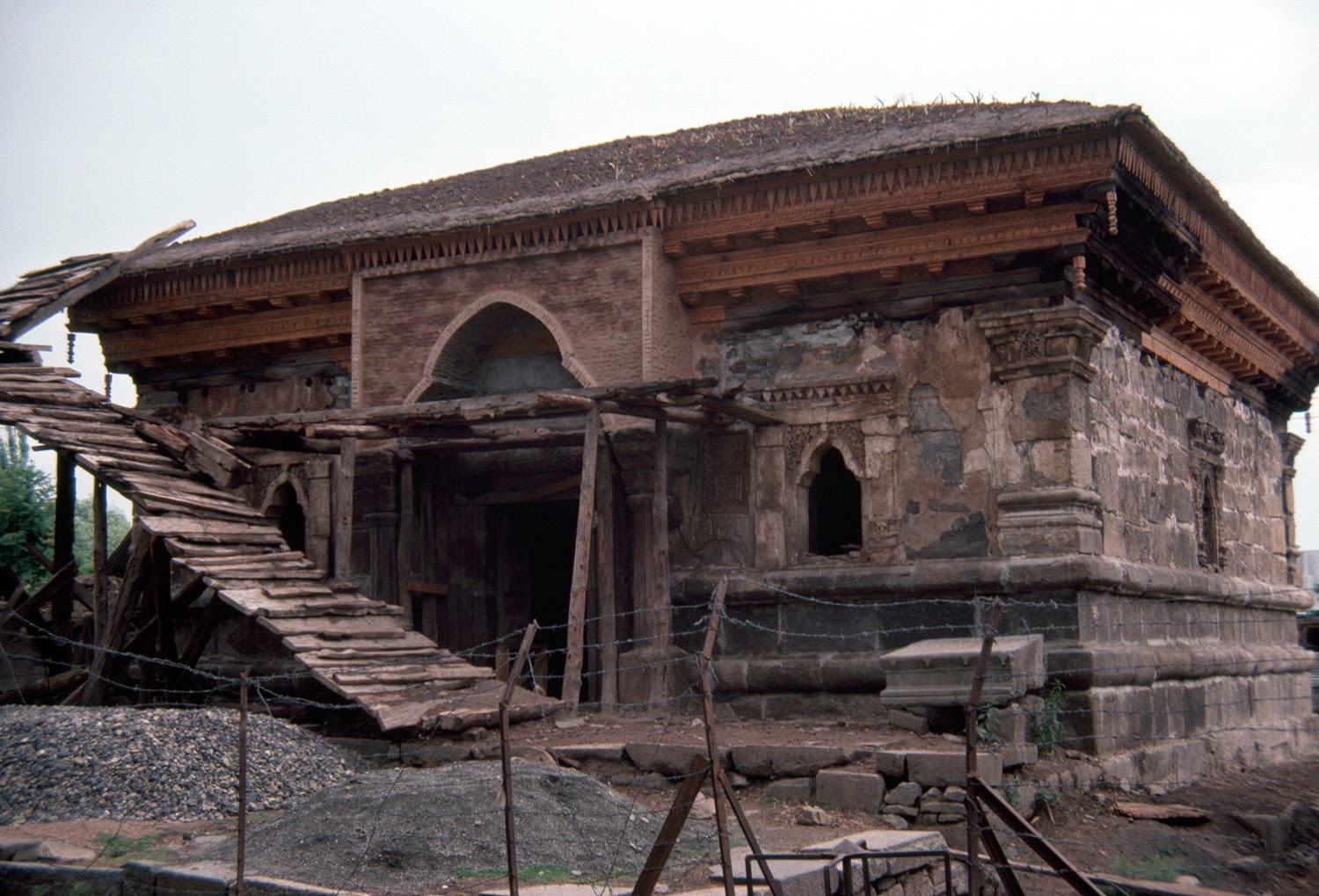
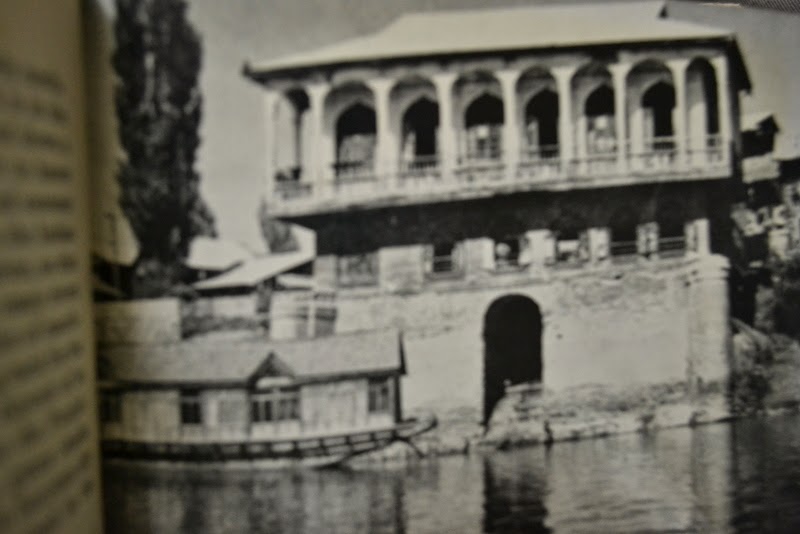
This old building is now gone, destroyed in the flood of September 2014.”


A page from ‘This is Kashmir’ (1954) by Pearce Gervis.

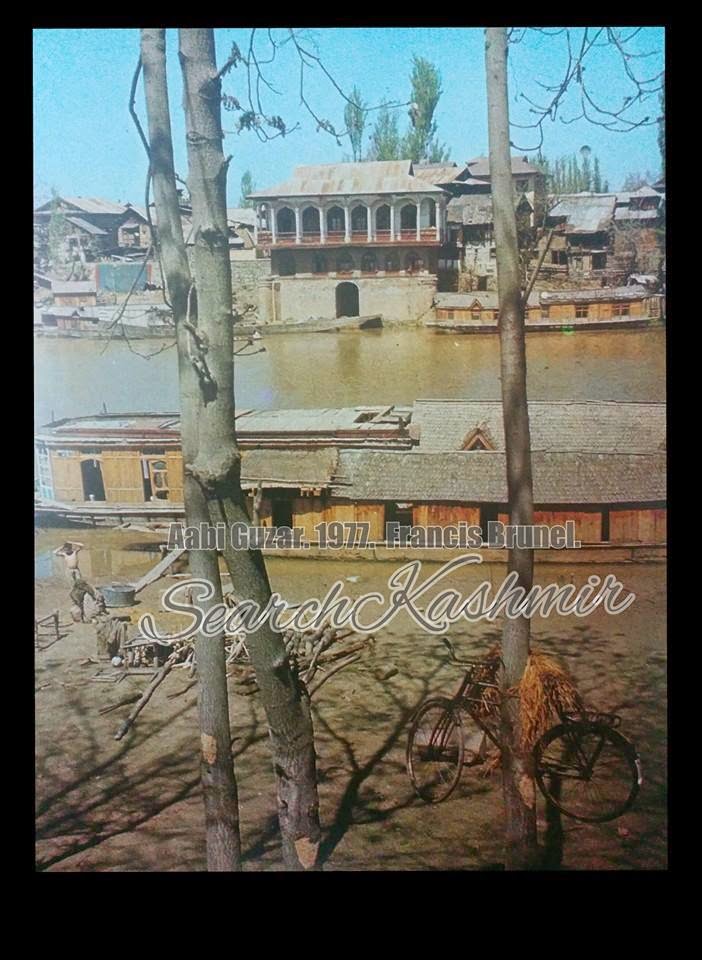
Aabi Guzar
Water Way Octroi
Francis Brunel, 1977
summer, 2010. 

-0-
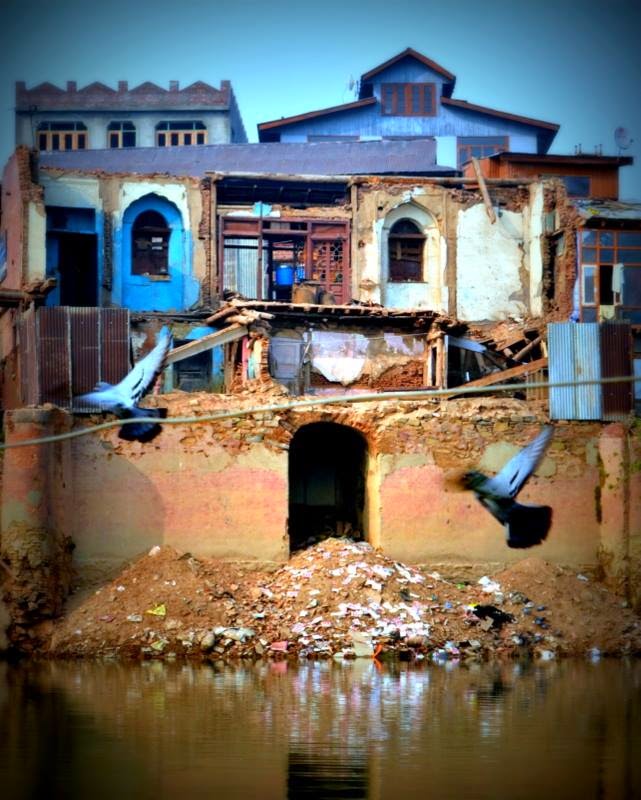
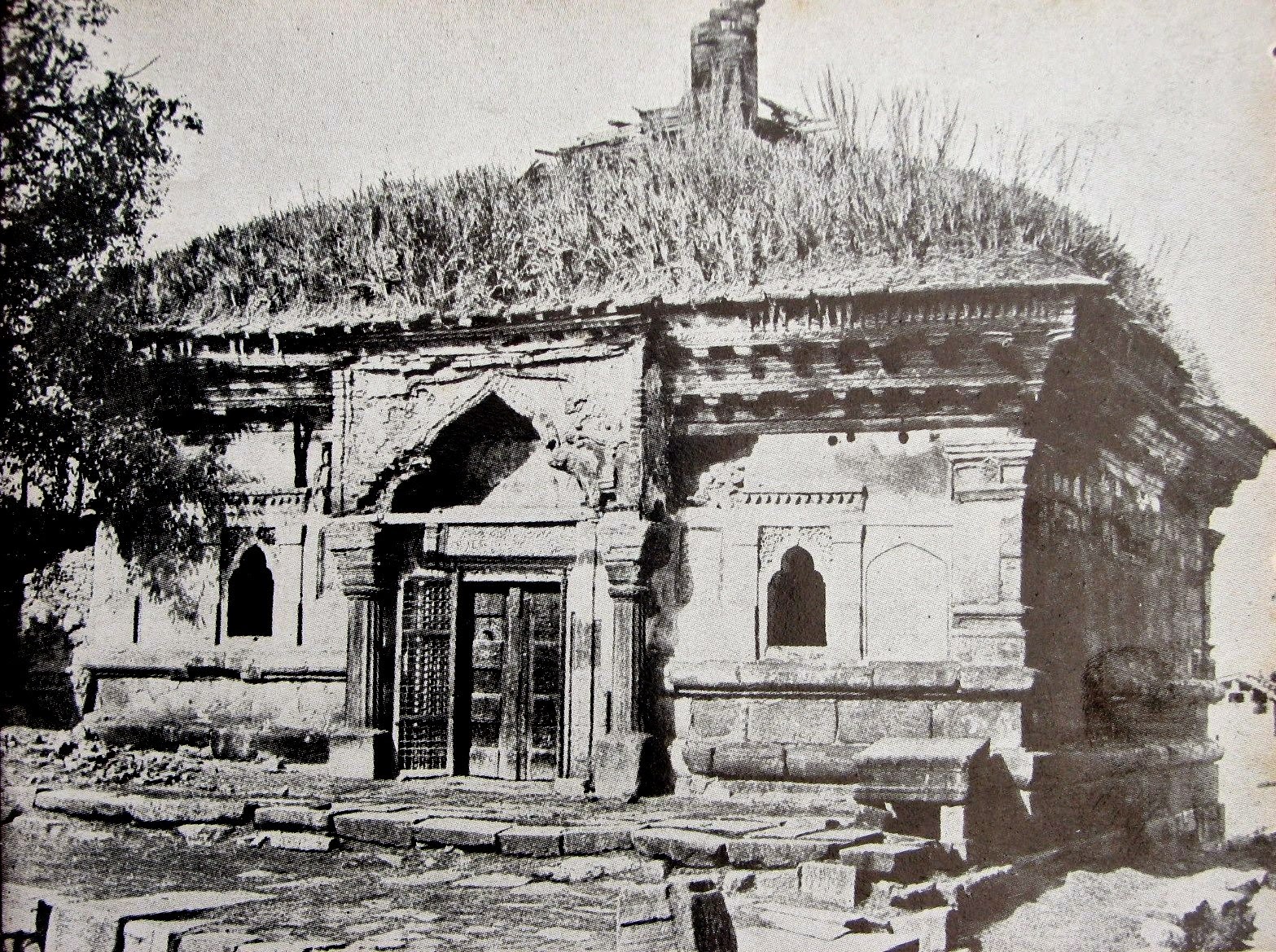
Finally visited the place on November 18th.

innards

-0-
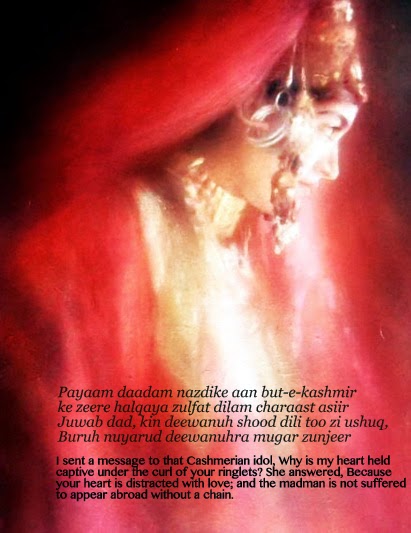
aan but-e-kashmir

Image: ‘Kashmiri belle’ by Gladstone Solomon, 1922.
Gladstone Solomon was the principal of Bombay school of art from 1919 to 1936.

Payaam daadam nazdiike aan but-e-kashmir
Ke zeere halqaye zulfat dilam charaast asiir
Juwab dad, kin deewanuh shood dili too zi ushuq,

Buruh nuyarud deewanuhra mugar zunjeer

I sent a message to that Cashmerian idol, Why is my heart held
captive under the curl of your ringlets? She answered, Because
your heart is distracted with love; and the madman is not suffered
to appear abroad without a chain.

~ unnamed Persian poet. 

Came across the lines in ‘Dissertations on the Rhetoric, Prosody, and Rhyme of the Persians (1801), Part 1 by Francis Gladwin. It is provided as an example of ‘Sawal-Jawab’ style of Persian poetry. Gladwin gave the verses in persian script and the translation but didn’t provide the name of the author or the verses in roman script. 
-0-
Payaam: message
aan but-e-kashmir: like a Kashmiri idol
mugar: unless

-0-
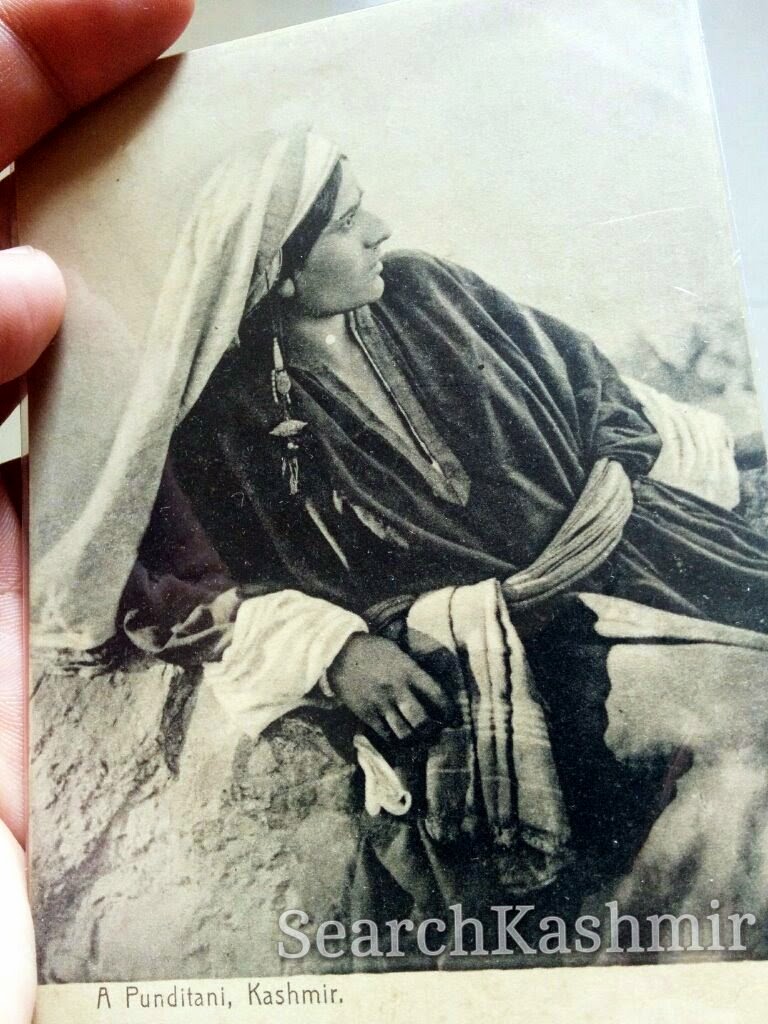
Panditani by Fred Bremner. Circa 1900

Panditani by Fred Bremner. Circa 1900. I first came across this iconic image in 2008, it turned out to one of the rarest postcards in Kashmir series. It took a lot of waiting and searching and now I finally have it.

-0-
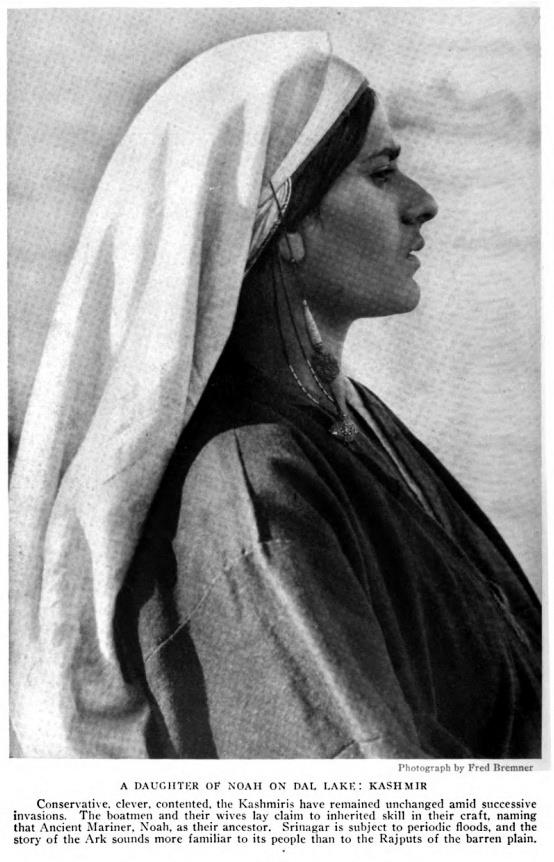
The photograph of the same woman that was captioned as that on a boatwoman by National Geographic Magazine in 1921.

-0-
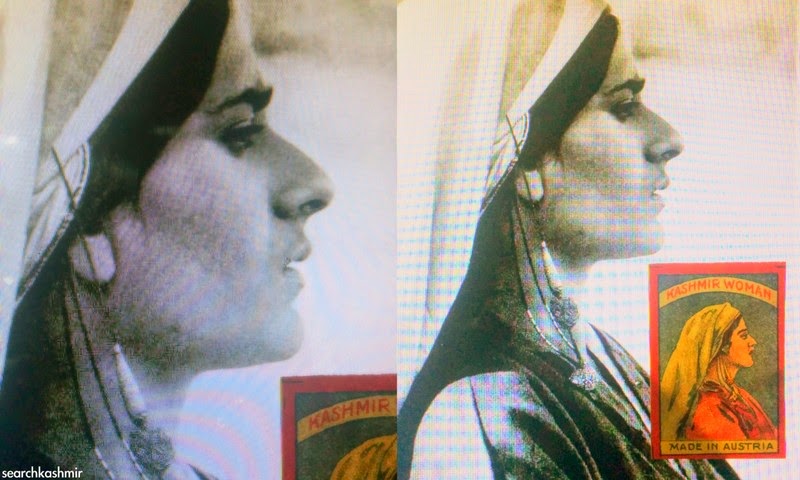
The same woman that went on to be on cover of cover of ‘Made in Austria’ safety matchbox.

-0-
first Persian verse composed by a Kashmiri


Ay bigird-i sham-i ruyat alami parvana’i
vaz lab-i shirin tu shurist dar har khana’i
Man bi chandi ashna’i mikhuram khun-i jigar
ashna ra hal inast vay bar bigana-i

O candle-faced one, the whole world flutters round thee like a moth;
thy sweet lips have caused commotion (or bitterness) in every home.
Such being the state of affliction of thy friend,
how woeful must be the plight of a stranger!

~ first Persian verse composed by a Kashmiri. Attributed by some chronicles to Sultan Qutub ud-Din [1373-1389] and by some others to Zayn al-Abidin [1420-1470].

From ‘Persian Poetry in Kashmir, 1339— 1846: An Introduction’ (1971) by Girdhari L. Tikku

-0-
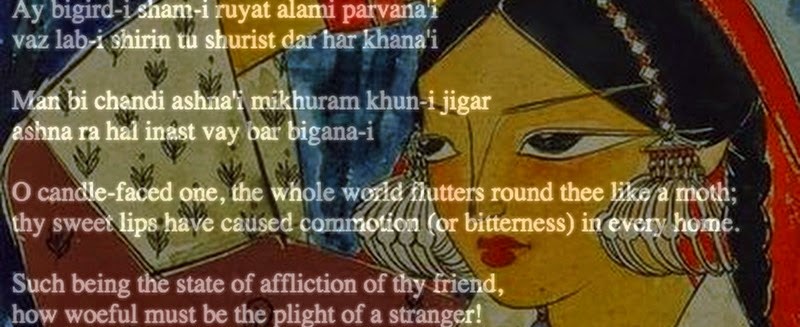
based on a painting of Kashmiri woman by B. Prabha.

-0-

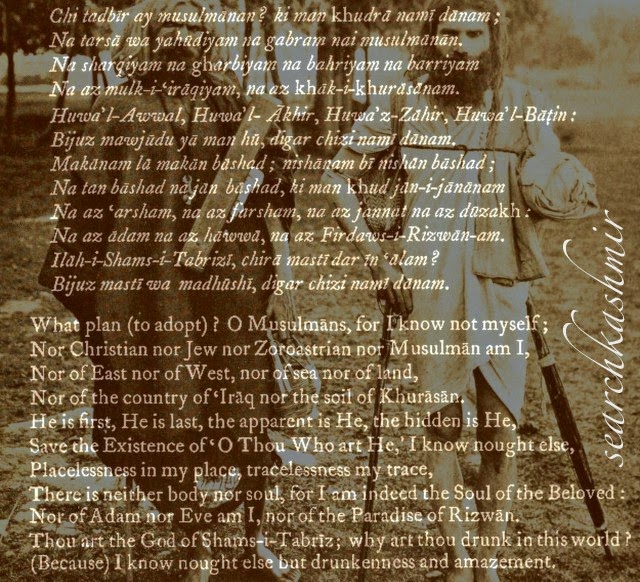
Tabrizi Song


A persian song ‘What Plan, O Musulmans’ based on ‘Diwan-e Shams-e Tabrizi’ of Rumi. This version was collected by Ananda Coomaraswamy from a Kashmiri minstrel named Abdullah Dar in around 1913 and presented in ‘Thirty Songs from the Panjab and Kashmir’

The same thought in more popular, still, in sub-continent in words of Bulleh Shah from Panjab. 
-0-

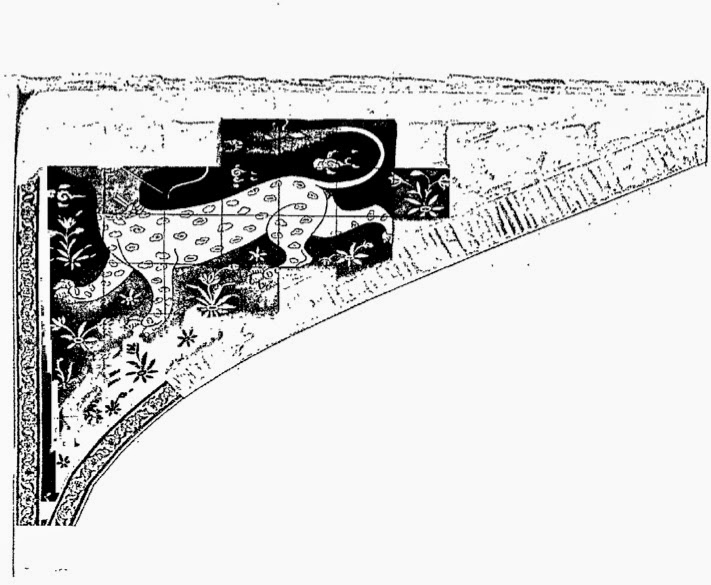
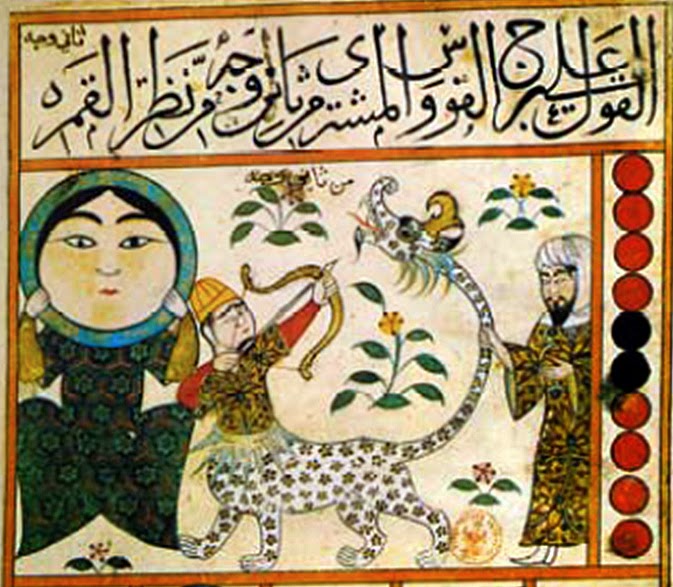
Monster of Kausar Nag

Gamera of Japanese Kaiju series

“One of our friends went to bathe in the spring and with little knowledge of swimming he went inside. Suddenly his two feet stopped swimming. We took his turban and tied a stone to it, and threw it over (the water). So he reached the bank by pulling it along with it. Then we saw that an animal had swallowed his feet in his mouth. However, much we tried to injure it with stone, stick and hatchet, it did not have any effect on it, until it swallowed the body of our friend to the knees. So we put wood on its head and lighted it. As it got burnt by the fire a sound like gun-fire was heard from the stomach of the monster. It jumped once into the air and flung itself into the spring. It was destined to die of its own food. The animal resembled a shield (‘Alq). Its length was two cubits and its width at the lower side was one cubit, and towards the head 8 girahs. Its skin was hard and granulated and that is why striking with the hatchet did not have any effect on it.”

~ An account of visit to Kausar Nag narrated by Moulvi Ghulam Hasan Shah (1832-1898) in his ‘Tarikh-i- Hasan’.

I came across it in ‘Historical Geography of Kashmir: Based on Arabic and Persian Sources from A.D. 800 to 1900’ by S. Maqbul Ahmad, Raja Bano (1984) where the writer suggest Hasan must have come across an alligator. However, given that gangetic turtles are found in some other lakes in the Himalayan region, it is more likely Hasan saw a type of a turtle, probably a Snapping Turtle, a creature that is known to survive in icy lakes.

Interestingly, while most Kashmiris now would be able to write tomes about Kausar Nag, its religious significance, its environmental significance and its history, why the war over it is necessary, yet, none can tell if there is (or was) a species of turtle found in the lake, its breeding cycle and diet. We are still busy chasing monsters.
-0-

-0-

Complete Anand Koul Collection

Between 1910s, 20s and 30s, Anand Koul remained one of the most prolific writers from Kashmir. He wrote books and shot off letters to various journals. Most of these writings are now often cited in writings about language, folklore and history of Kashmir. Last couple of years, I have been tracing, reading, uploading and sharing these works.

Works of Pandit Anand Koul complied/uploaded/scanned till now.

Pandit Anand Koul
1. A biography of Kashmiri historian Hasan Shah and History of Kashmir by Pandit Anand Koul for Journal and Proceedings of the Asiatic Society of Bengal vol 9 (1913)
History of Kashmir by Pandit Anand Koul for Journal and Proceedings of the Asiatic Society of Bengal vol 6 (1910)
Blog Link (2014)
2. Kashmiri Pandits by Pandit Anand Koul, 1924
Blog Link (2013)
3. Geography Of The Jammu And Kashmir State (1925) by Anand Koul
Book Link (2014)
4. “Birth-Place of Kalidasa By Pandit Anand Koul. Published in Journal of Indian History VII (1928).

Blog Link (2012)

5. Note on the Relation between Kashmir and Kerala (By Pandit S. Anand Koul.
Kerala Society Papers -1928. T. K. Joseph (Ed.) )

Blog Link (2013), this one was an accidental find while I was going through history of Kerala after moving to the place.
6. A Life of Nand Rishi by Pandit Anand Koul (1929)
+
‘Life Sketch of Laleshwari – A Great Hermitess of Kashmir’
+

(The Wise Saying of Lal Ded)
The Indian Antiquary
June, 1930

Blog Link (2014)
7. Kashmiri Riddles By Pandit Anand Koul (1933)
Link (2014)
8. Two volumes of ‘Archaeological Remains In Kashmir’ by Pandit Anand Koul, 1935

Blog Link (2012)

9. Kashmiri Proverbs Pandit Anand Koul (1933)
10. Wise Sayings of Nand Rishi by Anand Koul for ‘The Indian Antiquary’ (1933)
11. ‘Life of Rishi Pir Pandit Padshah’ by Pandit Anand Koul for ‘The Indian Antiquary’ (1931). There is a lengthy detour in the piece that touches upon story of Sarmad’s killing by Aurangzeb.

12.  ‘Life of Rupa Bhawani’ by Pandit Anand Koul and presented in ‘The Indian Antiquary’ (1932). Both this and the precious piece about Rishi Pir throw light upon the influence of Persian language among Kashmiri Pandits in around 1600s.

Link

13. Lalla-Vakyani, some additional sayings of Lal Ded collected by Pandit Anand Koul and presented in ‘The Indian Antiquary’ (1931-32-33). (one missing page, 2 sayings)

Link

14. A Visit to Kapal Mouchan by Anand Koul, 1909

Link

15. ‘The Kashmir Shawl Trade’ by Anand Koul, 1915. From ‘East And West  Vol. 14(1915)’

Important paper by Anand Koul on the Kashmiri Shawl trade with rare info. that went on to be primary source for later writings on the subject.
16. “Sanitation In Srinagar” by Anand Koul 1917. From “The Local Self-government Gazette (Vol. 3)”.
Important paper by Anand Koul on the early challenges in starting Sanitation municipal work in Srinagar as the head of the newly started department.
-0-

Only Kashmiri on Mars, 1898


In 1897-98 when H.G. Wells came out with his ‘The War of the World’ it took the western world by storm. The plot set in London had aliens from Mars who almost succeed at exterminating humans on this planet only to be stopped accidentally by microbial infection. Inspired by the success of plot and world’s fascination with Mars, a slew of derivative unofficial spinoffs by other science fiction writers followed. In one of the best know unofficial sequels to ‘The War of the World’, a Kashmiri, the only human living on planet Mars, puts end to the Martian scourge and saves earth for human race.

In ‘Edison’s Conquest of Mars’ written by American astronomer Garrett P. Serviss in 1898, actions begins where ‘The War of the World’ ends. Martians have been defeated, but humans know they will be back to finish the job. To stop them, a group of brave men lead by American inventor Thomas Alva Edison decide to take the fight to the Martians. In a they leave for Mars using the ‘anti-gravity’ device built by Edison. And on reaching Mars what do they find besides the giant Martians? Surprise! Surprise! A beautiful Kashmiri girl, the last one remaining of the race of humans that nine thousand years had been abducted from Kashmir and taken to Mars as slaves, the one who now sings songs to the aliens and keeps them entertained. The girl offers them the solution to the Martian problem, she tells them how to flood the canals of Mars and end the Martian civilisation.

I am not making this up. An extract from the book:

One of the first bits of information which the Professor had given out was the name of the girl. 


We Learn Her Name. 

It was Aina (pronounced Ah-ee-na).This news was flashed throughout the squadron, and the name of our beautiful captive was on the lips of all.
After that came her story. It was a marvellous narrative. Translated into our tongue it ran as follows:
“The traditions of my fathers, handed down for generations so many that no one can number them, declare that the planet of Mars was not the place of our origin.”
“Ages and ages ago our forefathers dwelt on another and distant world that was nearer to the sun than this one is, and enjoyed brighter daylight than we have here.”
“They dwelt—as I have often heard the story from my father, who had learned it by heart from his father, and he from his—in a beautiful valley that was surrounded by enormous mountains towering into the clouds and white about their tops with snow that never melted. In the valley were lakes, around which clustered the dwellings of our race.”
“It was, the traditions say, a land wonderful for its fertility, filled with all things that the heart could desire, splendid with flowers and rich with luscious fruits.”
“It was a land of music, and the people who dwelt in it were very happy.”
While the girl was telling this part of her story the Heidelberg Professor became visibly more and more excited. Presently he could keep quiet no longer, and suddenly exclaimed, turning to us who were listening, as the words of the girl were interpreted for us by one of the other linguists:
“Gentlemen, it is the Vale of Cashmere! Has not my great countryman, Adelung, so declared? Has he not said that the Valley of Cashmere was the cradle of the human race already?”
“From the Valley of Cashmere to the planet Mars—what a romance!” exclaimed one of the bystanders.
Colonel Smith appeared to be particularly moved, and I heard him humming under his breath, greatly to my astonishment, for this rough soldier was not much given to poetry or music:
“Who has not heard of the Vale of Cashmere,
  With its roses the brightest that earth ever gave;
Its temples, its grottoes, its fountains as clear,
  As the love-lighted eyes that hang over the wave.”
Mr. Sidney Phillips, standing by, and also catching the murmur of Colonel Smith’s words, showed in his handsome countenance some indications of distress, as if he wished he had thought of those lines himself.


Aina Tells Her Story.

The girl resumed her narrative:”Suddenly there dropped down out of the sky strange gigantic enemies, armed with mysterious weapons, and began to slay and burn and make desolate. Our forefathers could not withstand them. They seemed like demons, who had been sent from the abodes of evil to destroy our race.”
“Some of the wise men said that this thing had come upon our people because they had been very wicked, and the gods in Heaven were angry. Some said they came from the moon, and some from the far-away stars. But of these things my forefathers knew nothing for a certainty.”
“The destroyers showed no mercy to the inhabitants of the beautiful valley. Not content with making it a desert, they swept over other parts of the earth.”
“The tradition says that they carried off from the valley, which was our native land, a large number of our people, taking them first into a strange country, where there were oceans of sand, but where a great river, flowing through the midst of the sands, created a narrow land of fertility. Here, after having slain and driven out the native inhabitants, they remained for many years, keeping our people, whom they had carried into captivity, as slaves.”

The plot twist devised by Garrett P. Serviss mashed up some of the more popular obsessions of the western world around that time: ‘Canals of Mars’, ‘Eden on Earth’. The idea of Kashmir as Eden comes from 1806 writings of German philologist Johann Christoph Adelung who attempting to explain the common origin of all languages, postulated Kashmir as cradle of entire human civilisation. Add to that the romantic image of Kashmir in western mind as created by Thomas Moore’s famous lines from Lalla Rookh (1817) – ‘Who hasn’t heard of the Valley of Kashmir?‘, an exotic science fiction brew, (or Kehwa as we Kashmiris would prefer) is ready.

So, Who hasn’t heard of the Valley of Kashmir? Apparently, even Martians have!

-0-

Read:
Edison’s Conquest of Mars (1898) here at gutenberg.org