Tikkoo to Graham

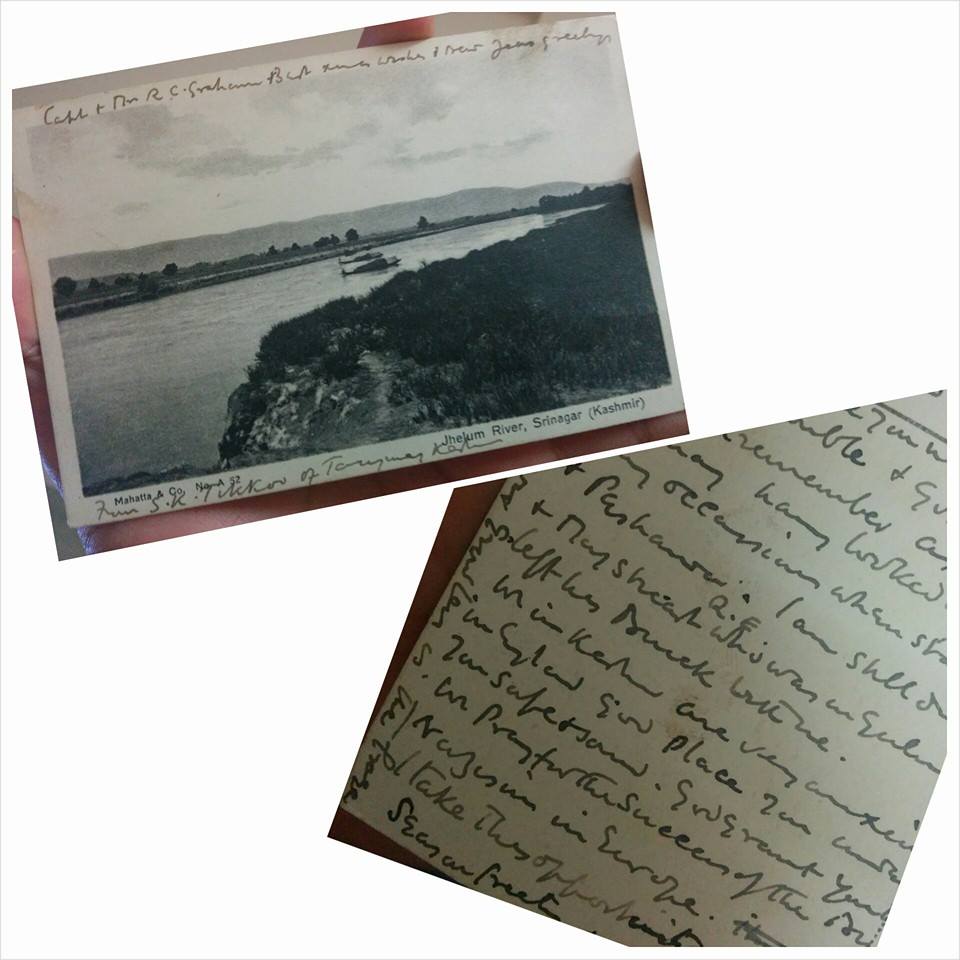
And interesting addition to the archive this year:

A postcard sent by one S. K. Tikkoo of Zaina Kadal to one Captain R. C. Graham of England in 1940. It wasn’t easy to read the handwriting but from the understandable bits it seems the two had met in Tangmarg. Sometime after that Captain who was placed in Peshawar moved to England due to World War 2. The two lost touch. But Tikkoo managed to find his England address. Along with new year greetings, Tikkoo wishes a sooner end to Nazism in Europe. That’s about it. After much searching I was able to find that one Sarvanand Tikkoo was postmaster of Gulmarg.

-0-

‘Kah-Kah’ Pal

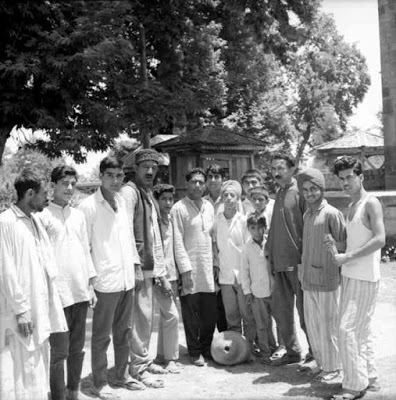
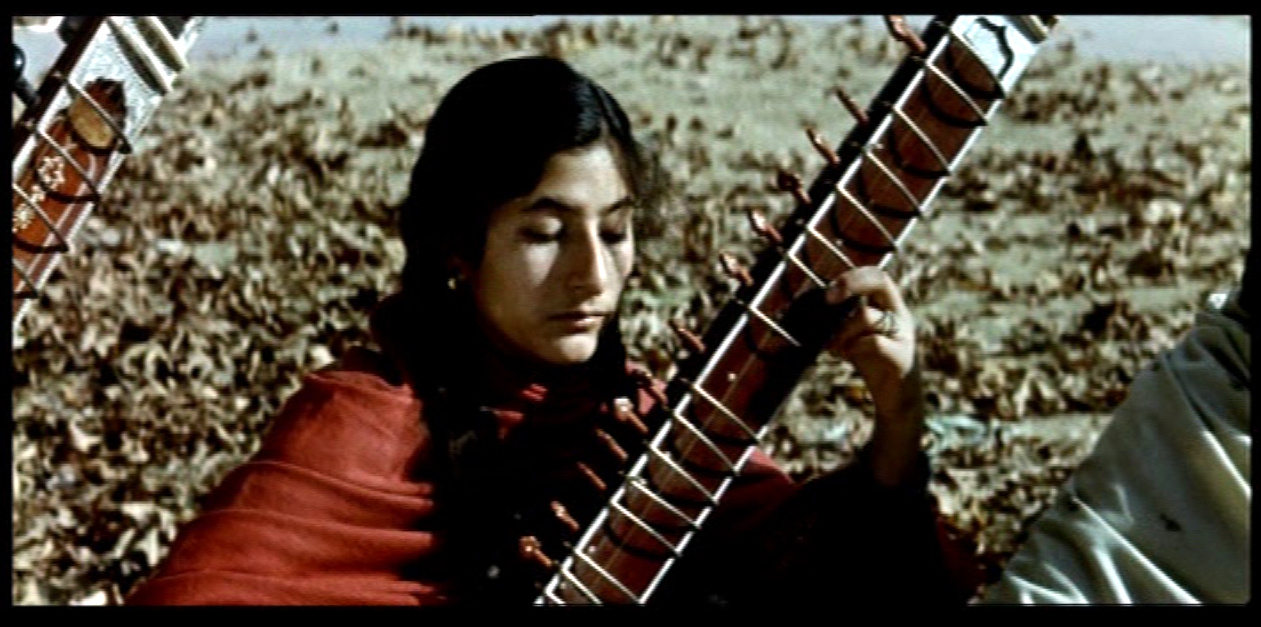
For centuries, no old chronicle of Kashmir, not even the later Persian ones, was complete without having a section on the ‘supernatural’ things witnessed at various places in Kashmir. In the photograph from 1970s (via Huntington Archive of Buddhist and Asian Art at The Ohio State University) can be seen the famous ‘Kah-Kah’ Pal (Eleven-Eleven Stone) of Vijeshwer Shiv Temple, Bijbehara. The green coloured conch shaped stone weighing roughly 60 kilograms, it was claimed could be lifted by eleven people using their index finger chanting ‘Kah’ (Eleven). The stone went missing in the 90s.

‘Kah-Kah’ Pal (Eleven-Eleven Stone) of Vijeshwer Shiv Temple, Bijbehara. Extract from a docu made in August 1977 on Gopi Krishna.

-0-

Similar stone lifting practice among South-Asian Muslims and Tibetans:

Dargah of Qamar Ali Shah Dervish in Shivapur near Pune.

Old Banihal Cart Road

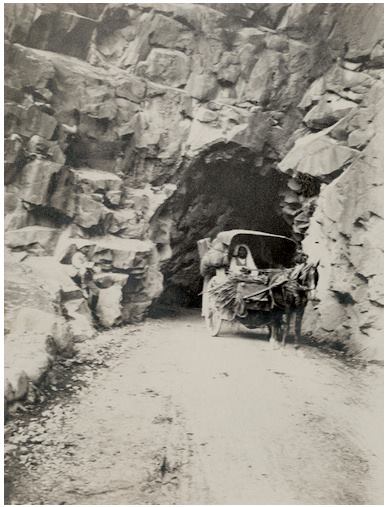
A photograph of old Banihal pass (at 9,200 feet) by A. Hodgson for National Geographic magazine 1921.

‘A guide for visitors to Kashmir’ (1898) by W. Newman mentions Banihal route to Kashmir but adds that it was meant only for the royal family. In addition, Walter Rooper Lawrence, the Land settlement officer in Kashmir from 1889 to 1895 in his book ‘Valley of Kashmir’ (1895) regrets that valley in not connect to plains via Banihal pass which was something achievable and desirable. The route linking Srinagar to Rawalpindi railhead, Jehlum Valley Cart road was already operational by 1890 using help of Spedding & Co, a private army of civil engineers maintained by Charles Spedding. The modern route via Banihal must have first come up in between those years. The road called ‘new’ Banihal route  [BC Road, Banihal Cart Road] was finally completed in 1915 at a cost of about 40 lakh and opened to public in around 1922. The main Kashmiri engineer for the Banihal project was Pt. Laxman Joo Tickoo. With the opening of the motor-able all weather road, the dreaded ‘Begar’ system, in which people would be forceful made to act like coolies for people crossing the treacherous passes, died

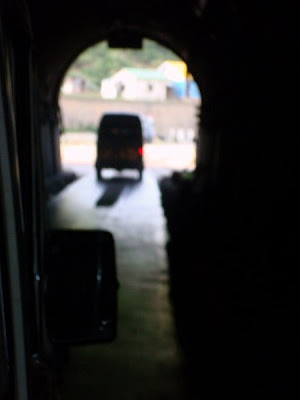
Jawahar Tunnel,
the present route
2008
-0-

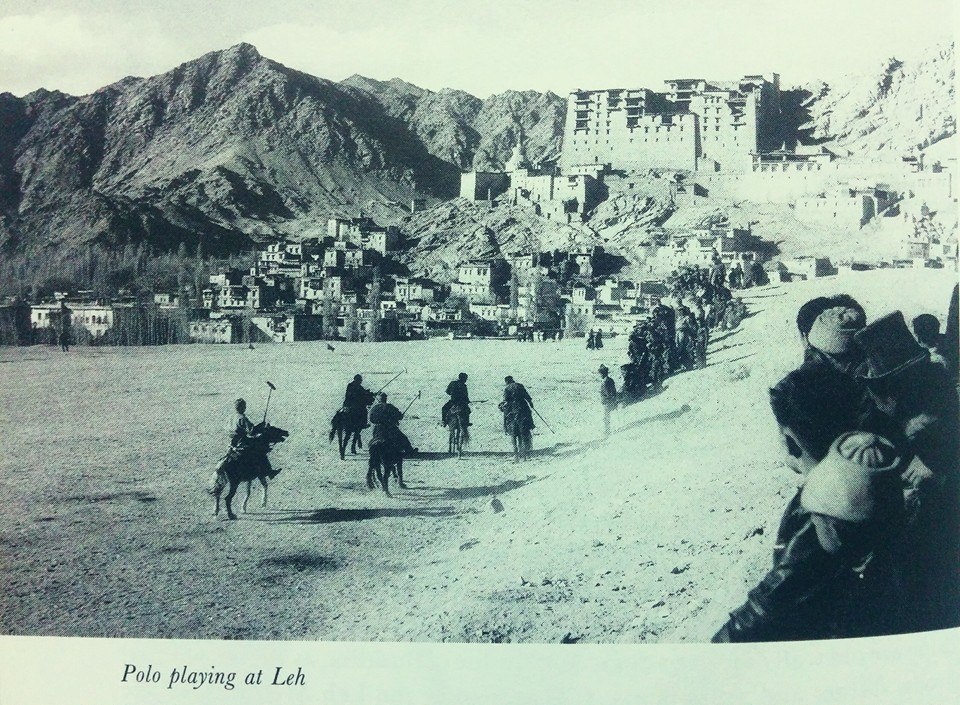
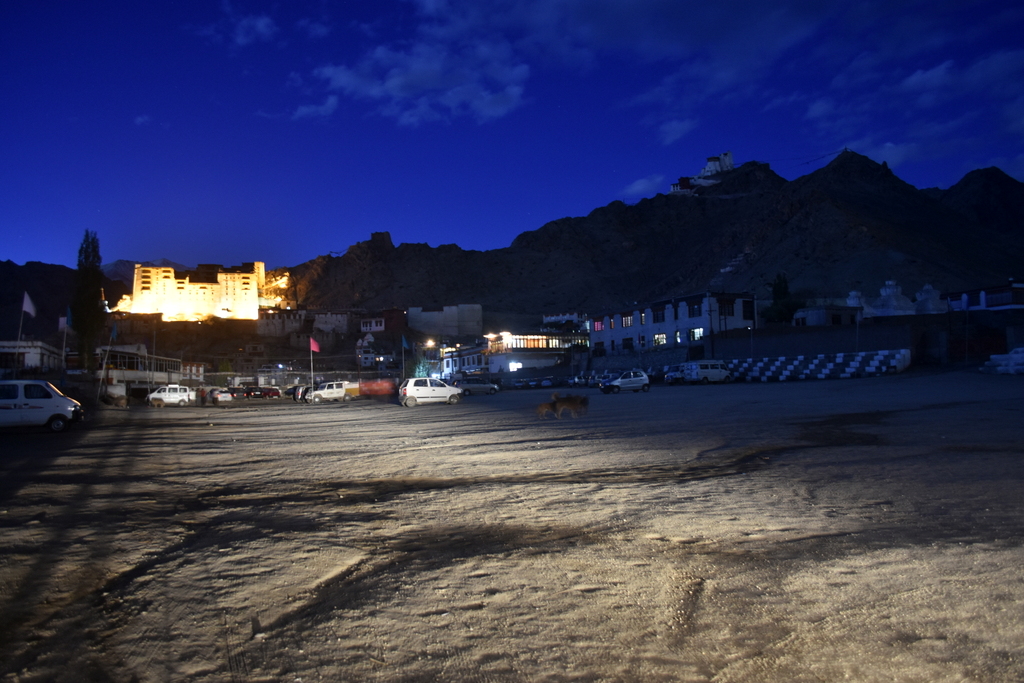
Leh Polo Ground by Radha Krishna Kaul

The famous Polo Ground in Leh was commissioned in 1885 by Wazir Pandit Radha Krishna Kaul.


I travelled to walk on it
no trace of his name
Leh Polo Ground, September 2015
At the museum of Hemis monastery, I found a gift by Radha Krishna Kaul to the monastery, a huge silk thangka. They wouldn’t let anyone photograph. 

-0-

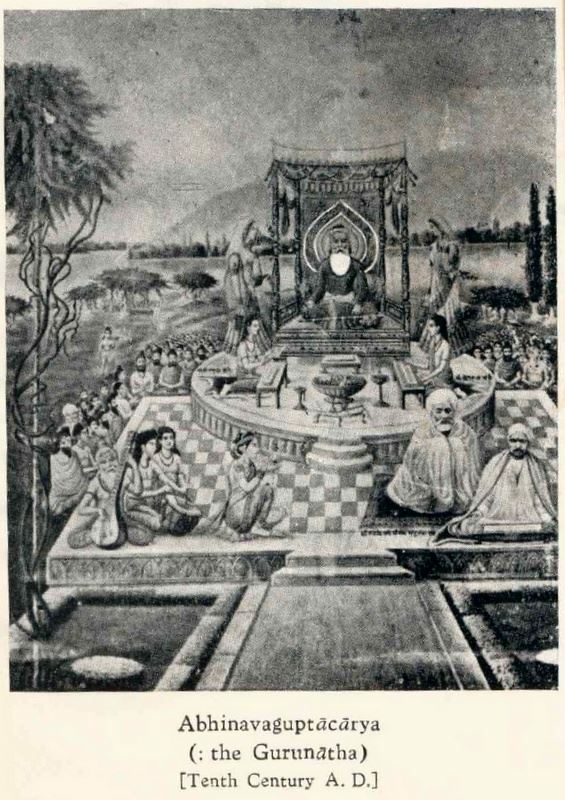
Portrait of Abhinavagupta

The iconic representational image of Shaiva philosopher Abhinavagupta (10th century). If you Google search now, this is the origin of most Abhinavagupta images that now flood the internet. This image first appeared in the book ‘Guru Nath Paramarsha of Madhuraj – Ed. P.N. Pushp’ (1960). Artist: Unknown.

The image is based on pen-portrait of Abhinavagupta by his Tamil student Madhuraj:

“Out of his deep compassion, [Śiva] has taken a new bodily form as Abhinava Gupta and come to Kashmīr. He sits in the middle of a garden of grapes, inside a pavilion [adorned with] crystal and filled with beautiful paintings. The room smells wonderful because of flower garlands, incense sticks, and oil lamps. It is constantly resounding with musical instruments, with songs, and with dancing. There are crowds of yogīs and yoginīs, realized beings, and siddhas. . . . In the center of the room there is a golden seat from which pearls are hanging. It has a soft awning stretched over it as a canopy. Here sits Abhinava Gupta attended by all his numerous students, with Kṣemarāja at their head, who are writing down everything he says. . . . Abhinava Gupta’s eyes are trembling in ecstasy. In the middle of his forehead is a conspicuous tilaka made of sacred ashes. He has a rudrākṣa bead hanging from his ear. His long hair is held by a garland of flowers. He has a long beard and reddish-brown skin. His neck is dark and glistening with musk and sandalwood paste. Two dūtīs stand at his side holding refreshments [wine etc.]. . . . He wears a silken cloth as a dhoti, white as moonbeams, and he sits in the yogic posture known as vīrāsana. One hand is held on his knee holding a japa-mālā and his fingers make the mudrā that signifies his knowledge of the highest Śiva. He plays on a resonating lute (ektār) with the tips of his quivering fingers of his lotus-like left hand.”

[From Paul Muller-Ortega’s translation of Guru Nath Paramarsha of Madhuraj, 

via: tantrikstudies.org]

“1000 years ago today, Abhinava Gupta sent pen to paper for the last time, completing his last great work, a multivolume commentary on the most profound and erudite philosophical text in Indian history (the Stanzas on the Recognition of the Divine [ Isvara Pratyabhijna Karika of Utpaladeva (c 900-950)]). We know the date because he wrote it at the end of his manuscript: the end of the month of Mārgaśīrṣa, in the year 4090 of the Saptarṣi calendar (corresponding to 1015 CE).”

-0-

Untitled Post

आज़ादी की चिलम का एक कश और ले
कश्मीरी
माल वही पुराना है
आ एक पीढ़ी और फूक दे

One more Prophecy


Parit tah buzit Brahman tshetan;
Agar ghatan tihindi Veda satiy;
Pattanach san nit thavan Mattan;
Mohit man gayshek ahankariy.

~ Lal Ded

Read and heard
only religion,
Brahman,
he was polluted;
Recited Vedas,
Rivers Shrank;
Stole stones from Pattan,
Placed at Mattan;
A beguiled heart,
it only goes khootspah.

Read and heard
only religion,
Muslim,
he was polluted;
Recited Koran,
Rivers Shrank;
Stole stones from Mattan,
built homes at Pattan;
A beguiled heart,
it only goes chutzpah.

-0-

Sati Stones of Kashmir

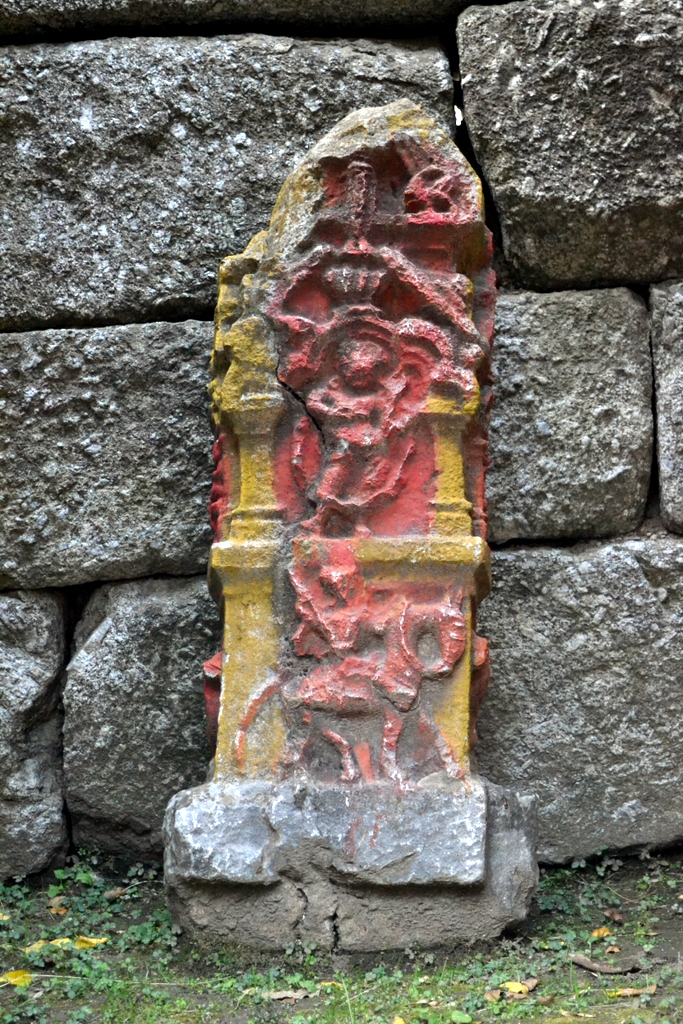
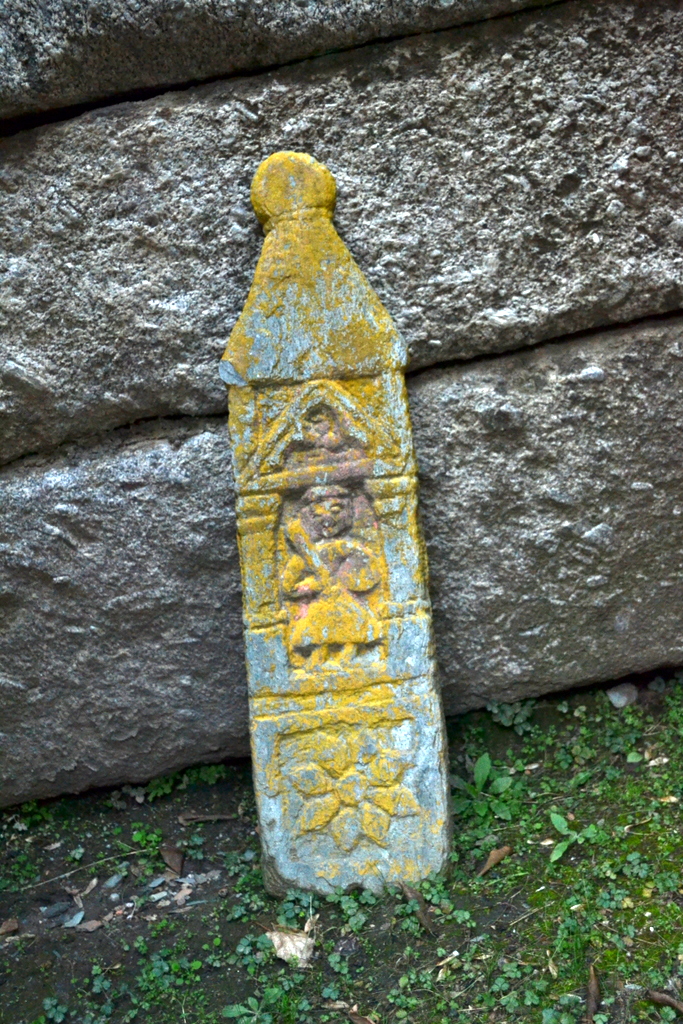
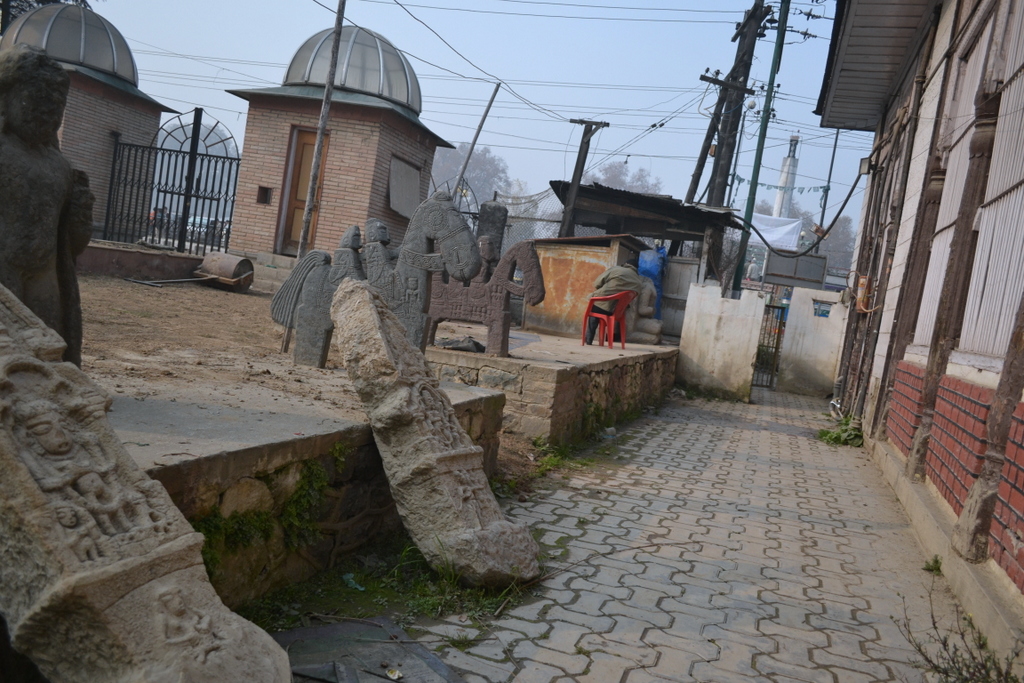
The colonnade of Buniyar Temple, situated along the Baramula-Uri road on way to Mohra, housed something that caught my eye: ancient sculptured stone slabs. In traditional Kashmiri architecture for temples suggests that colonnades surrounding a temple housed images of deities. Now, these empty colonnades at Buniyar house these stone slabs.

I need to find out what they are. These stone slabs are found all over Kashmir. A lot of them now placed in temples and worshipped. As usual, Kashmiris haven’t documented much, the stones are simply called ‘memorial stones’, I know a discovery awaits.


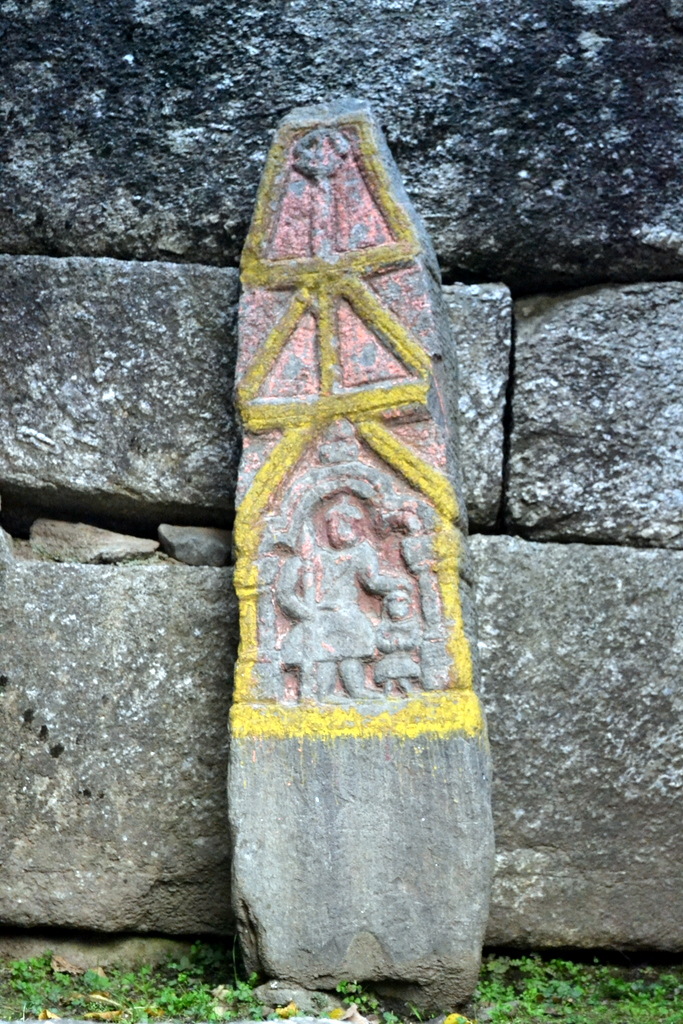
One of the stone slabs at Buniyar depicted a horse man with the upper panel of the slab depicting a woman. It is an iconography associated with ‘Sati-Stones’ of India. In ancient times when a woman burned for her husband had died, at the spot where she died, a stone memorial was put. 
Rajatarangini mentions Sati was practiced in Kashmir, yet there is not memory of it in the Pandit community. However, a more modern history tells us ‘Sati’ was almost revived by Pandits in around 1830s. * Still no memory of it.
Kashmir is know as ‘Satidesh’ (County of Sati). The mythical origins of the valley come from the story of Sati, the first wife of Shiva who immolated herself. Yet, no memory of ‘Sati’ practice. 
Still, these stone memorial stand testimony to a time when women were burnt alive and then worshipped.
I am not the first person to notice the ‘sati-stones’ of Kashmir. One of the first archaeological reports on ancient monuments of Kashmir did mention the probability that these were ‘sati-stones’.

Rai Sahib Daya Ram during his survey of monuments of Kashmir in around 1915 wrote:

“Another class of antiquities of this late period which are very common  everywhere in Kashmir, are a kind of memorial spans which might have been sati stones. […]The face of the slab is divided into two compartments, the upper one containing a standing figure of Bhairava with this usual emblems, and the lower a female figure seated between a bird and a dog, the vehicle of the diety referred to. In some examples, the female is represented as seated by the side of her deceased husband.”

Daya Ram in ‘Pre-Muhammadan Monuments of Kashmir’ ascribes the stone slabs to 14th century, the late part of Kashmir History, towards the end of Hindu rule when no big shrines were anymore constructed.
To understand these memorial stones (as with understanding the ancient architecture of Kashmir), we have to look at our Hindu neighbours.
Near Kashmir, Mandi in Himachal is famous for ‘Sati-Stones’. They would put up memorials for dead warriors and their burnt wives. 

In a paper on tombs at Hinidan in the Las Bela, on right bank of Hab river, about 73 miles from Karachi. The tombs were interesting because they belong to an era when Islam was new to the region and the rituals for the dead were a mix of native belief and Islamic rules. On some of the tombs, there were human figures drawn. Jean Philippe Vogel in Archaeological Survey of India, Annual Report 1902-1903 writes:

“In Kangra and other Himalayan tracts such slabs are commonly found in the courtyards of temples, near tanks and under banyan and pipal trees. That in many instances the stone exhibits more than one figure, is explained by the fact that women, who became Sati, were represented on the same slab with their husband. Curious examples of this kind is the so-called Sati slabs of the Rajas of Mandi. here they are called barselas, because they are worshipped for one year (bars), but the general name by which they are known in the Kangra valley is muhra. Near nagar, the ancient capital of Kullu, there is a collection of muhras, several of which have a figure said to represent either a Rani who died before here husband, or a Raja who became an ascetic. On some of them the effigy of a horse will be seen at the bottom of the slab as is always the case with the Mandi stones. “
It’s interesting that the place called Mohra in Kashmir is not far from Buniyar. Such memorial stones were more common in Lar Pargana of Kashmir. 
Rajatarangini tells us 14th century was a turbulent time as the local powers where constantly at war with each other and Islam was introduced in Kashmir. Men were dying in wars and women were getting burnt. 
 This brings us to the other kind of memorial stones found in Kashmir: the ‘Hero-Stones’
Two more slabs housed at Buniyar
These stone slabs were put up where a great warrior fell in war.
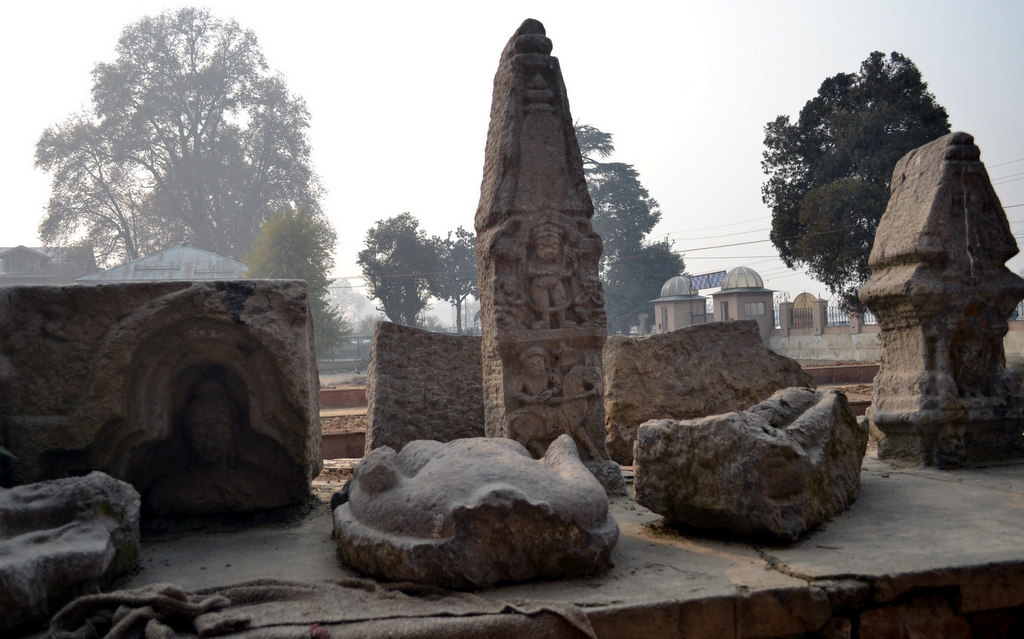
Sati Stone

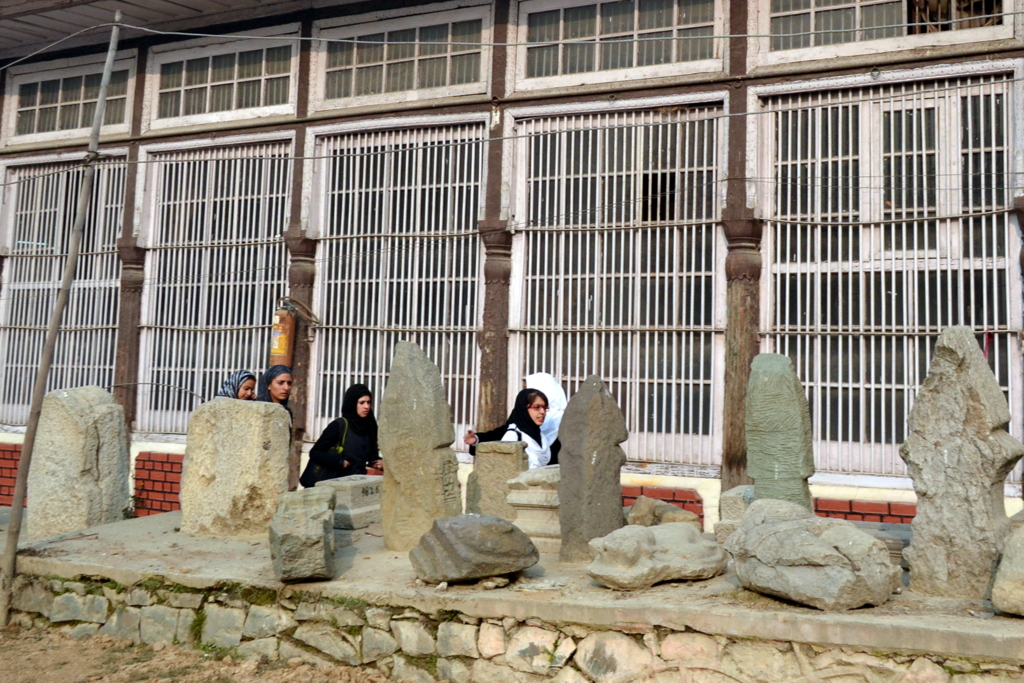
Some memorial slabs kept at SPS Museum, Srinagar
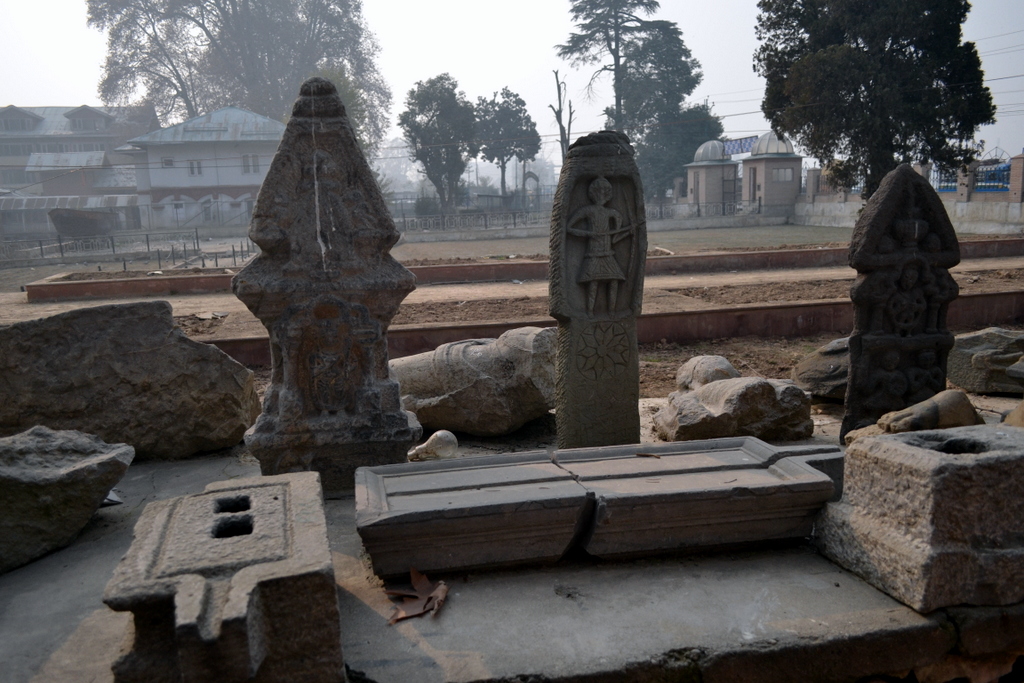
Hero Stone

These stones are essentially dead men and their dead wives, tales of war and bloodshed, reminders of gruesome ancient customs and traditions. These are episodes from Rajatarangini, our past.

-0-

“During the administration of Dewan Kirpa Ram [(1826-1830)] Kashmiri Pandits resumed the ancient practice of Sati in all likelihood persuaded by the Sikhs and the Punjabi Hindus.” [A History of Sikh Rule in Kashmir, 1819-1846, R. K. Parmu]


-0-
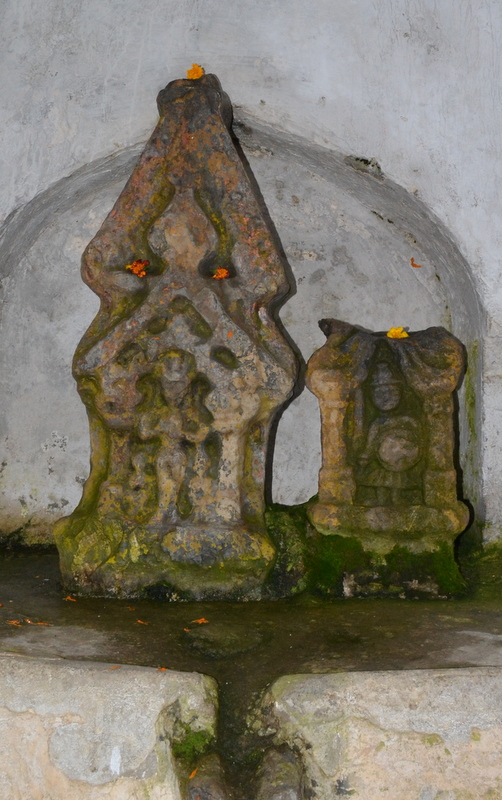
At Verinag.

-0-