Hasantika/Kangri Mankha

Winter arrives in Srinagar
Hasantika
of many blazing holes
is seen flashing in women’s quarters
like a row of lovelorn eyes
on fire
out to conquer Siva

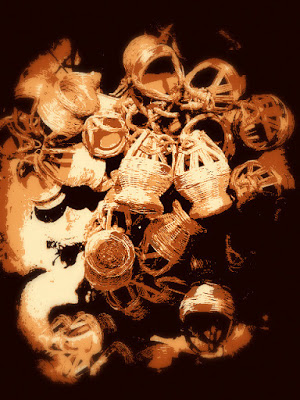
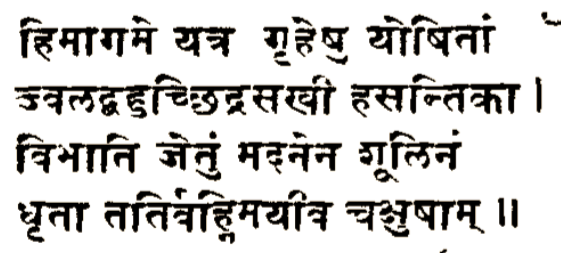
~ lines from 12th century Kashmiri poet Mankha in his work Srikanthacharitam. This is the earliest reference to use of ‘hasantika’ in Kashmir, the early form of beloved Kangar. 

-0-
Eugen Hultzsch gives the original line in 1886 article on Kashmiri Kangri published in IA. His article was in response to 1884 article by Knowles on trying to locate the origin of Kangri in Europe.
-0-

Nund Rishi Image and Image of Mulla

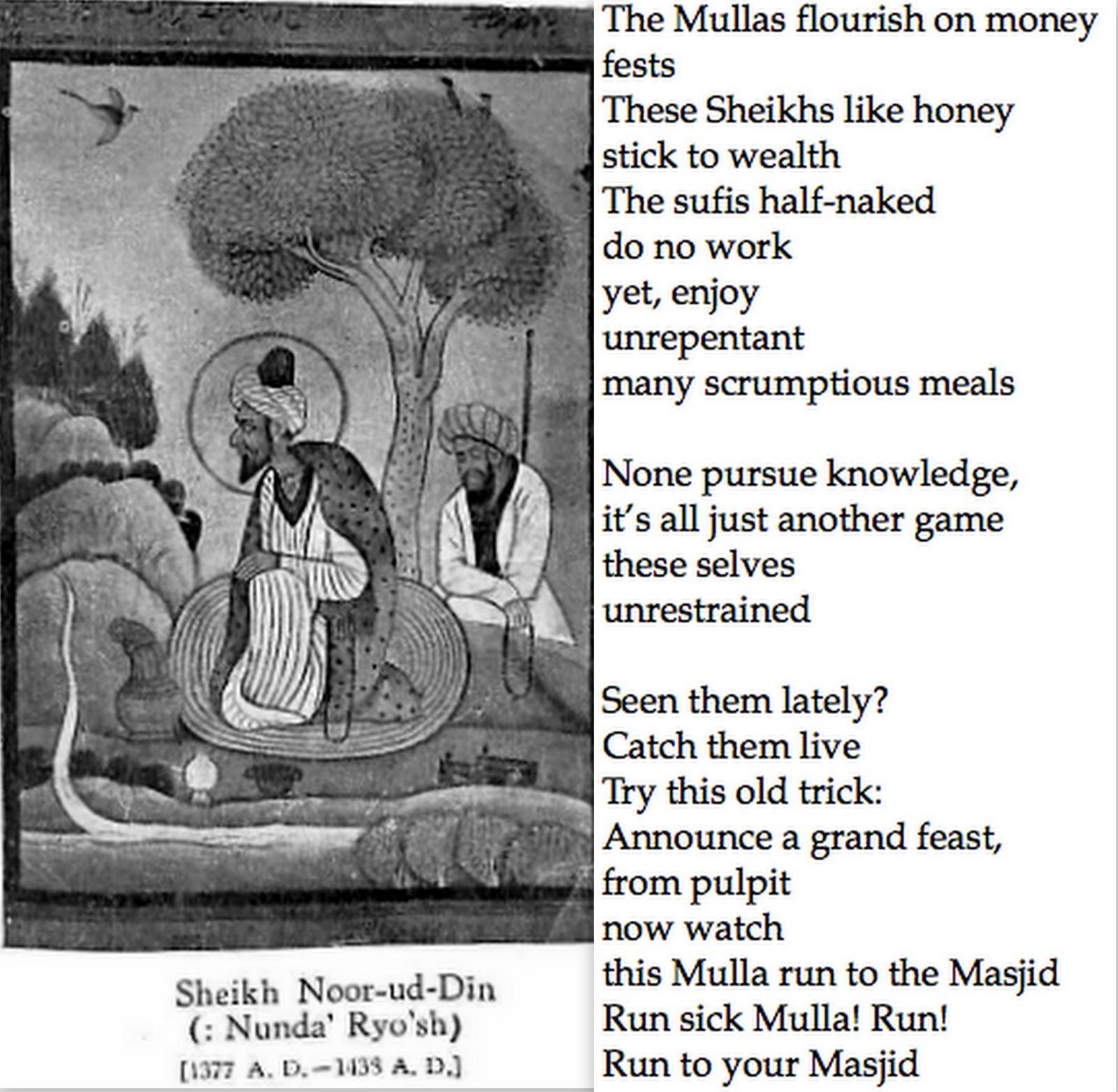
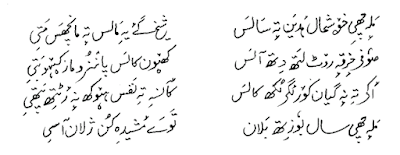
Nund Rishi. 14-15th century. This popular image Nund Rishi comes from a manuscript dated 17th century and titled “Kashmiri Kalaam”.*

-0-

The Mullas flourish on money
fests
These Sheikhs like honey
stick to wealth
The sufis half-naked
do no work
yet, enjoy
unrepentant
many scrumptious meals

None pursue knowledge,
It’s all just another game
these selves
unrestrained

Seen them lately?
Catch them live
Try this old trick:
Announce a grand feast,
from pulpit
now watch
This Mulla run to the Masjid

“Run sick Mulla! Run!
Run to your Masjid.”

-0-
*According to Kashmir Research Biannual Vol 1 No 1 P N Pushp, 1960. The painting comes from private collection of  Hakim Sayyid Shah Sahib of Astan-e-Pain, Kashtawar. Water colors in Kangri with Mughal touches. 

of hair and cut

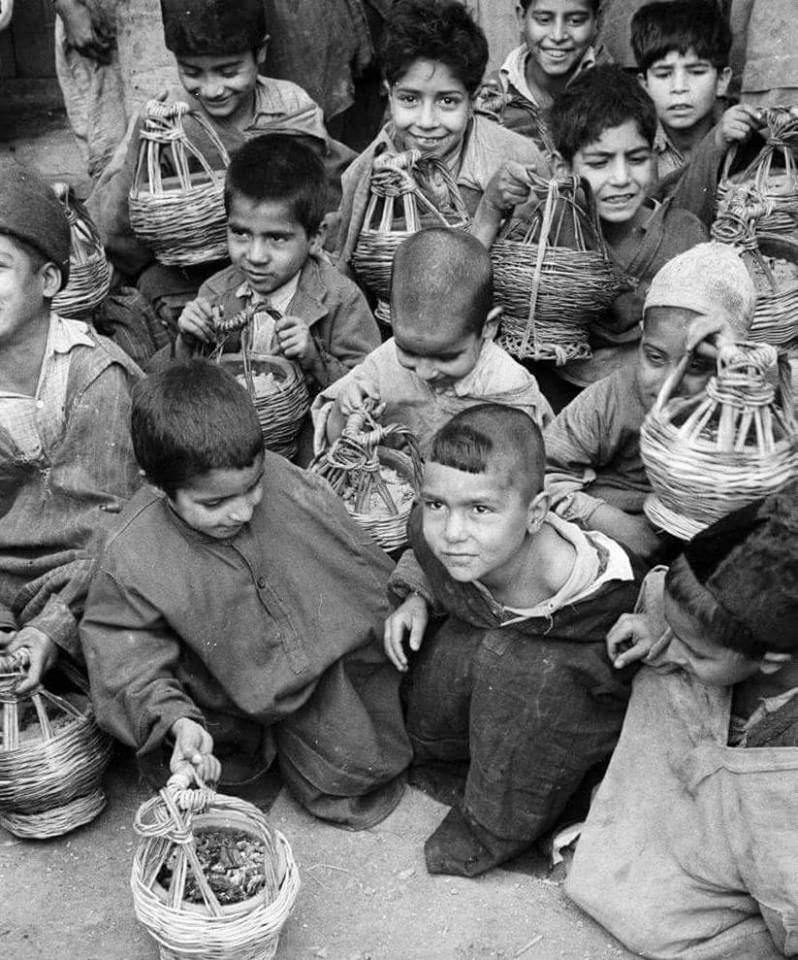
A group of kids. 1950s. Kashmir.

The thing to note in the photograph is a glimpse of ancient pre-islamic Kashmir. Notice the kid in the front with the partial tonsure. The one with Ronaldo cut.

Tarikh-i-Kabir of Muhammad-ud-Din Fauq (1892) mentions that muslim kids just like non-muslim kids used to grow a tuft of hair on the crown of their head. This hair used to be later shaved off on a particular day, at some shrines (like at Baba Rishi near Gulmarg), and the event was much celebrated (zarakasai). The tuft was known as Shika (Sanskrit), topp (“cap” in Kashmiri) or bichur (‘tuft’ as in Bil-bichur like of Bulbul).

The act of having tonsure was and is common in eastern religions.

In Islam, there are hadith against keeping partial tonsure. As the Kashmiri Muslim society moved closer to following a more literal and puritan version of Islam, the practise disappeared

-0-

Islamic art in Pandit religious art

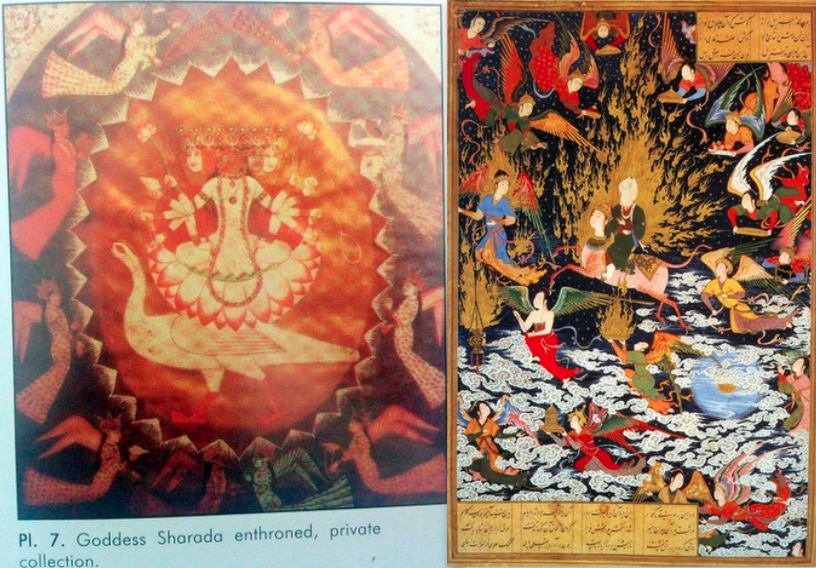
Left: Goddess Sharada enthroned surrounded by fairies. From a Private collection. Probably 18th century. Kashmir. Notice the way angels are painted around the orb. Came aross the image in “Cosmology and Cosmic Manifestation: Shaiva Thought And Art Of Kashmir by Bansi Lal Malla (2015). While writing about the image, the author missed an important art connection.

Right: 16th century, Ṣafavid Iran. Miraj painted by Sultan Muhammad for a manuscript of Nizami Ganjavi’s Quinary (“Panj Ganj” or “Khamsa”. Art styling inspired by Buddhist China. Khamsa was a work popular in Persian and Mughal courts. Notice the way fairies are drawn and the headgear on them.

In the right image, Khamsa influence on the court culture of Kashmir can be seen as late as 18th century. This mixing of culture, arts and “sacred” was not a phenomena unique to Kashmir, other major cultural centers also experienced it and continue to experience it. Only in case of Kashmir, it is least studied in detail.

-0-

Vesiye Gulan aamay bahaar (enhanced) by Raj Begum

farewell to the voice of Kashmir. Rest in Peace Raj Begum. End of an era. Last of the great songstress from valley.

Vesiye Gulan aamay bahaar
Perhaps the best remembered song by Raj Begum. Lyrics by Maqbool Shah Qraalwari (1820–1876)

Here’s a cleared and voice enhanced version of the recording. [The original audio (probably from tape) was uploaded by Muneeb Haroon]

Video: Clipping from “Spring Comes to Kashmir” (1956)

Lyrics:


Parvaan laegith gath Karas tath shamah royas tal maras, chum kal tuhinz moul chum ni haar, az saal antan balyaar. Vesiye Gulan aamay bahaar az saal antan balyaar.
Tath prani maaye Goi tche kyah maeshrovthas kyah chum mea rah ousukh zche myonui ghum gusaar az saal antan balyaar
Chum loal chi gaemich mea yaad, peoy na zche myonui zanh ti yaad, Goi na kanan paighaam yaar, az saal antan balyaar.
Aey yousuf khursheed ro Dar misr tchandath su ba su kaerthas zulaikha khas ta khaar az saal antan balyaar
Trevith cholum thavith firaaq, chum loal jigras ishtiyaaq mea haevith anun vanas bi zaar, az saal antan ballyaar.
Yaktaash Kot goam dhaali dith Zainul Arab chas jaan Nisar, khhooni jigar kormas Nisar Az saal antan balyaar
Shaaman cholum kaerithy sou graaiy paaman mei thavith goam jaaiy daman ratas Rozay shumaar az saal antan balyaar
Yas Zaali badnas ashequn naar su Zaani kyah gov hijr e yaar, Maqbool kornas dil nigaar Az saal antan balyaar.
Vesiye Gulan aamay bahaar az saal antan balyaar.


-0-

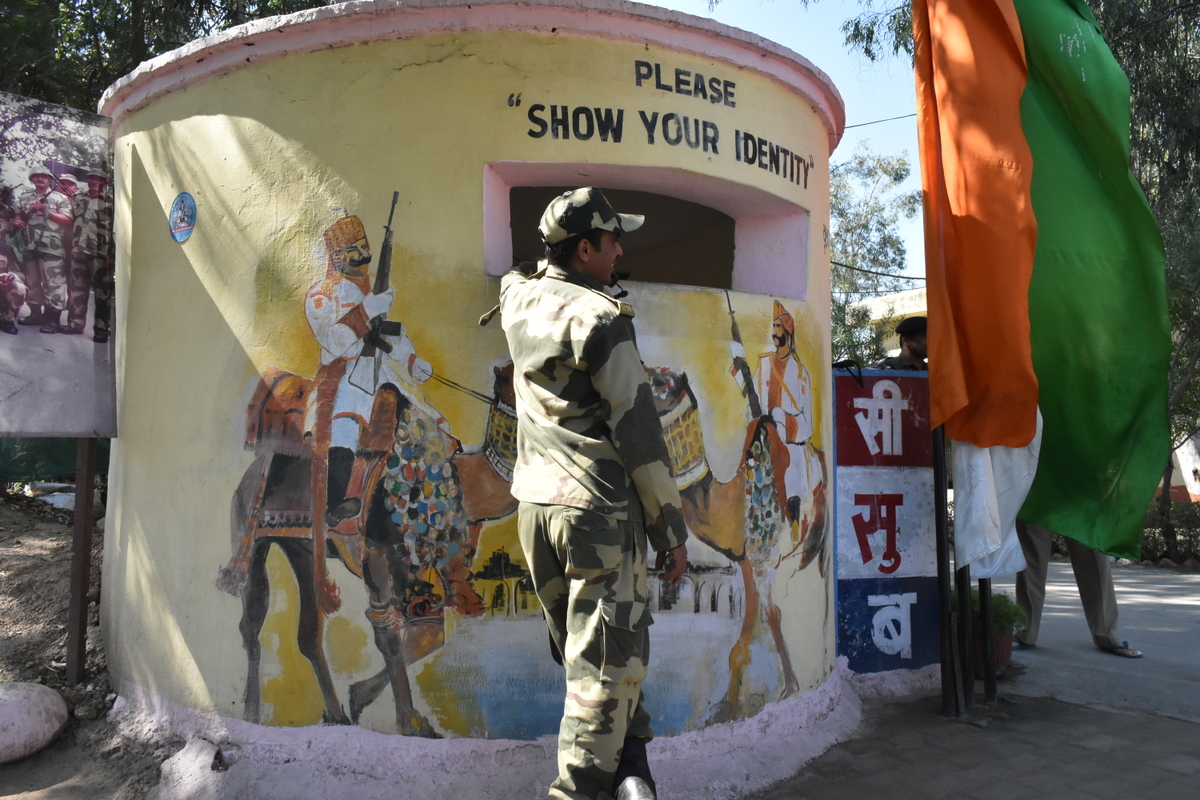
Suchetgarh Border

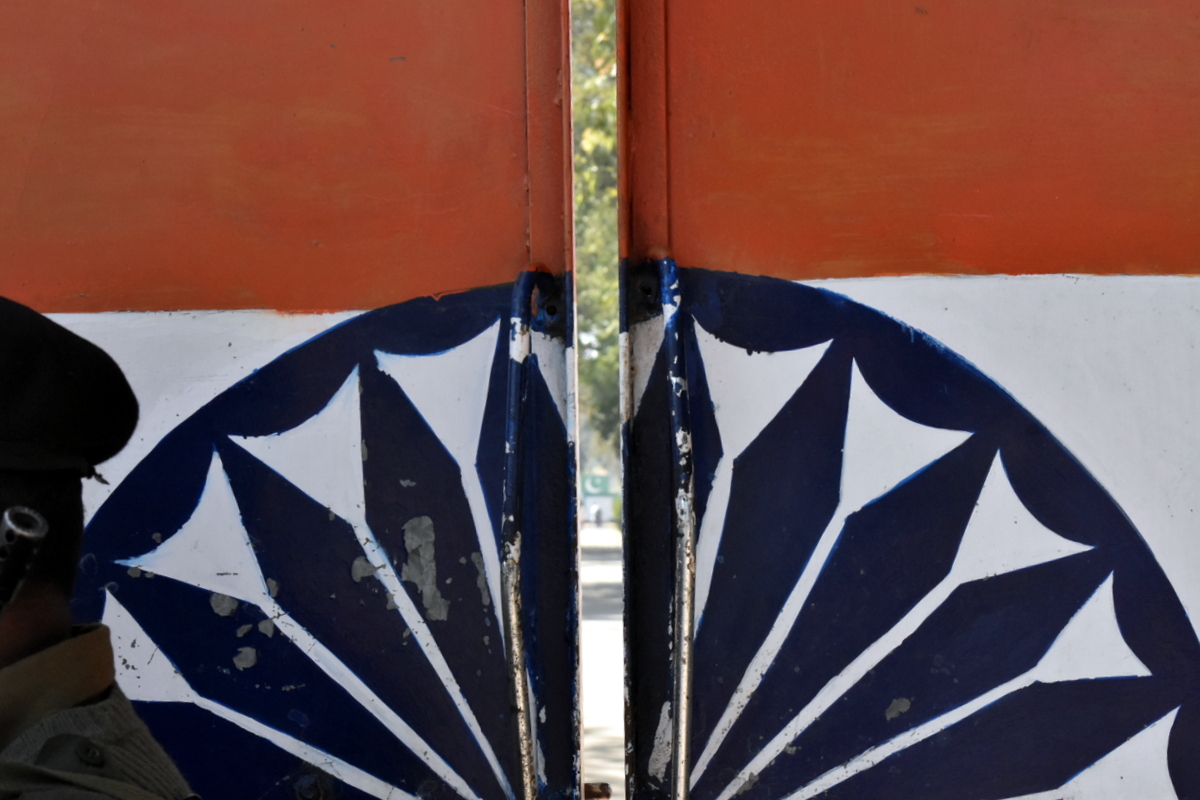
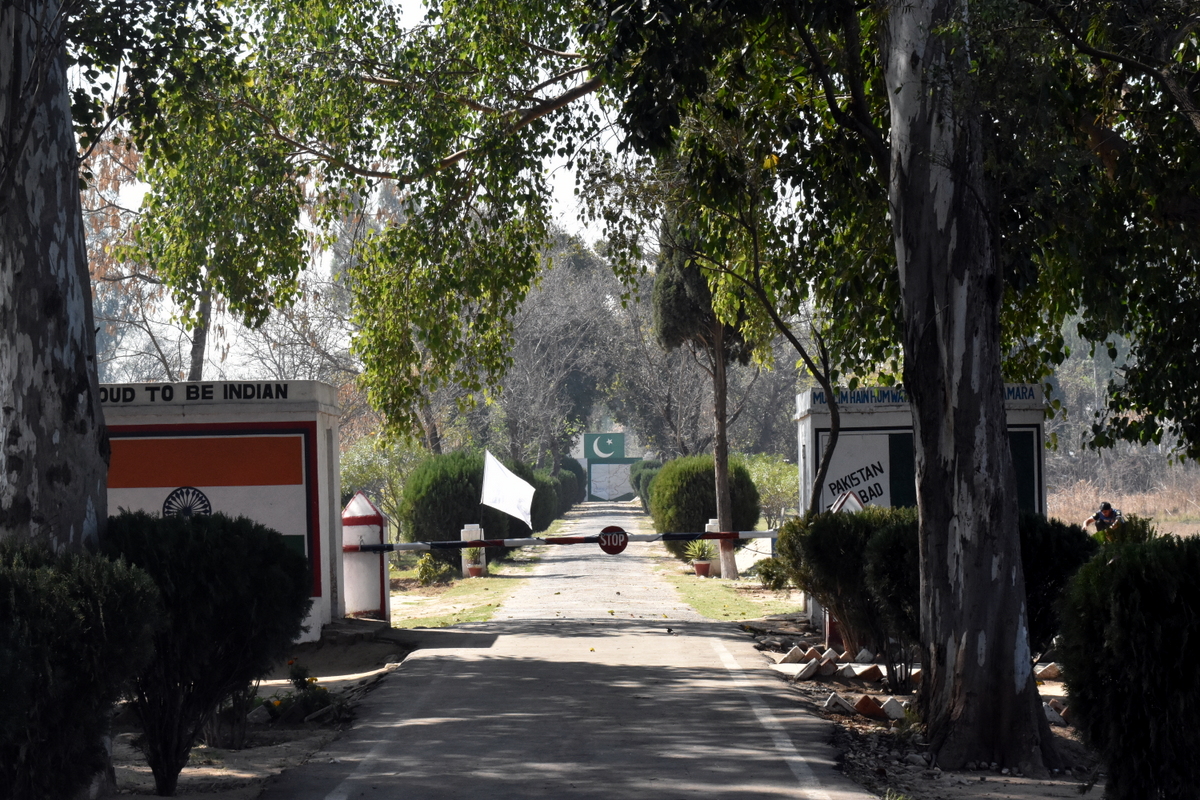
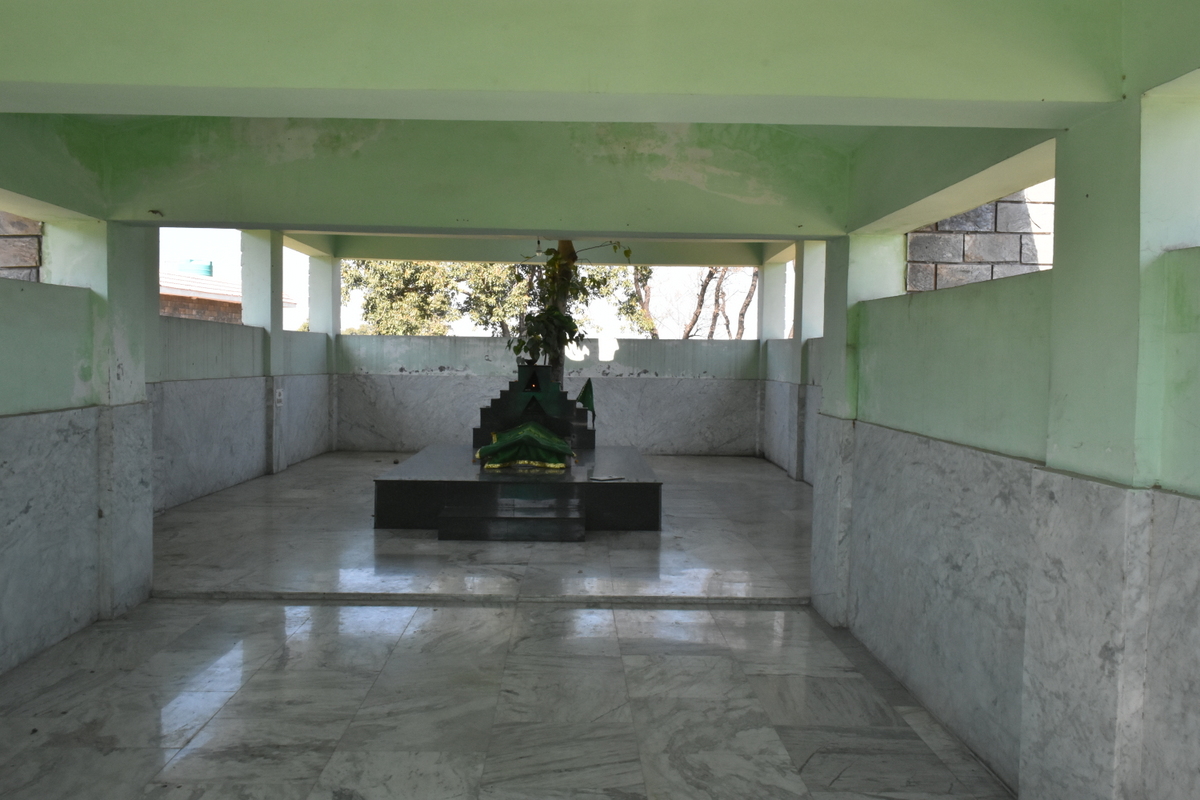
February, 2016Suchetgarh Border in RS Pura sector, Jammu.

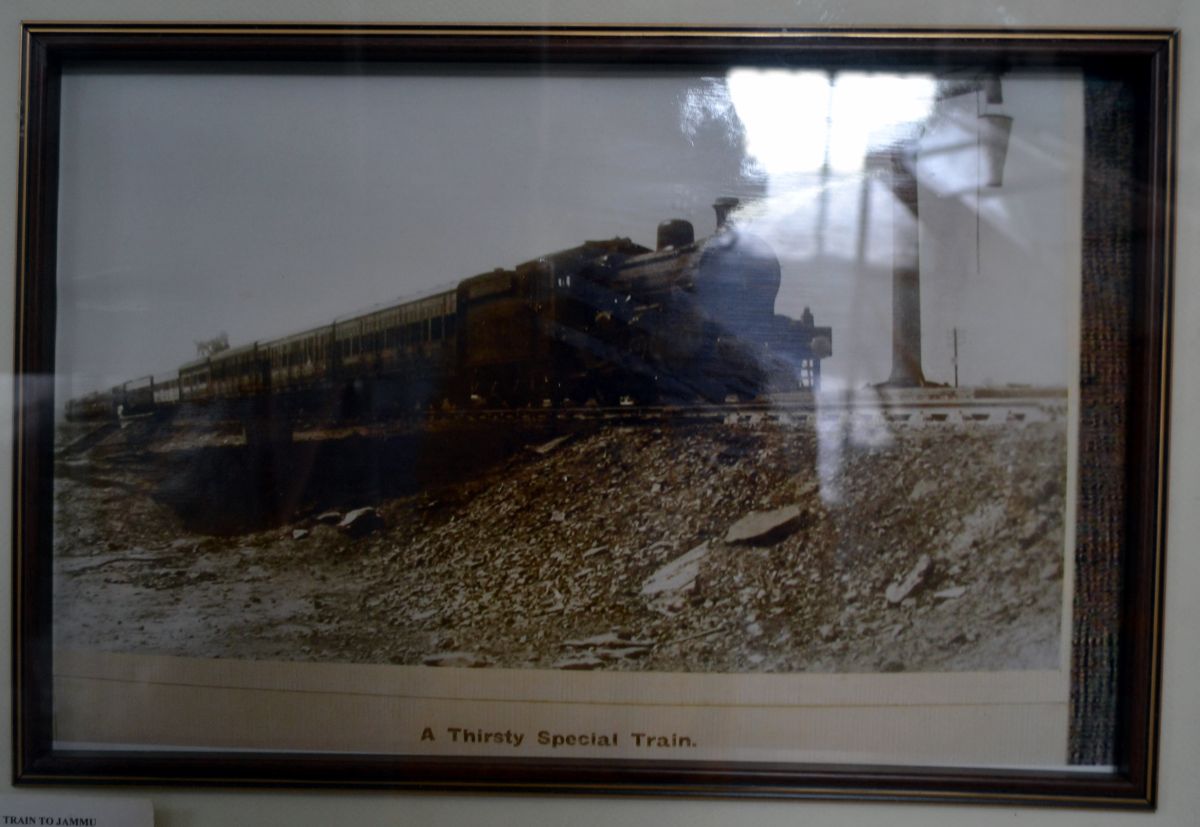
A Thirsty Special Train.
First Train to Jammu from Sailkot. 19th Cent. A.D.

Prior to 1947, Suchetgarh used to be an important railway station connecting to Sailkot. The railway line is now defunct and the place is now being promoted like “Wagha”, a place from where you can see Pakistan.

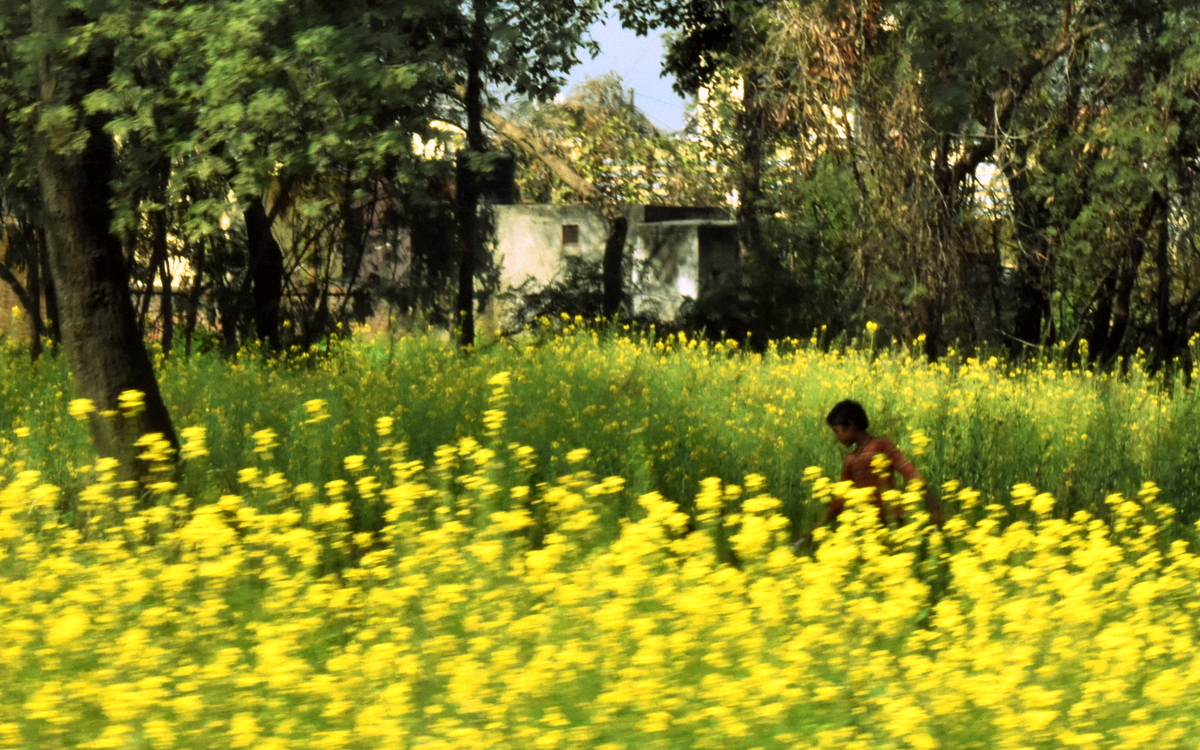
This is the season of mustard. All the border villages burn beautiful yellow.
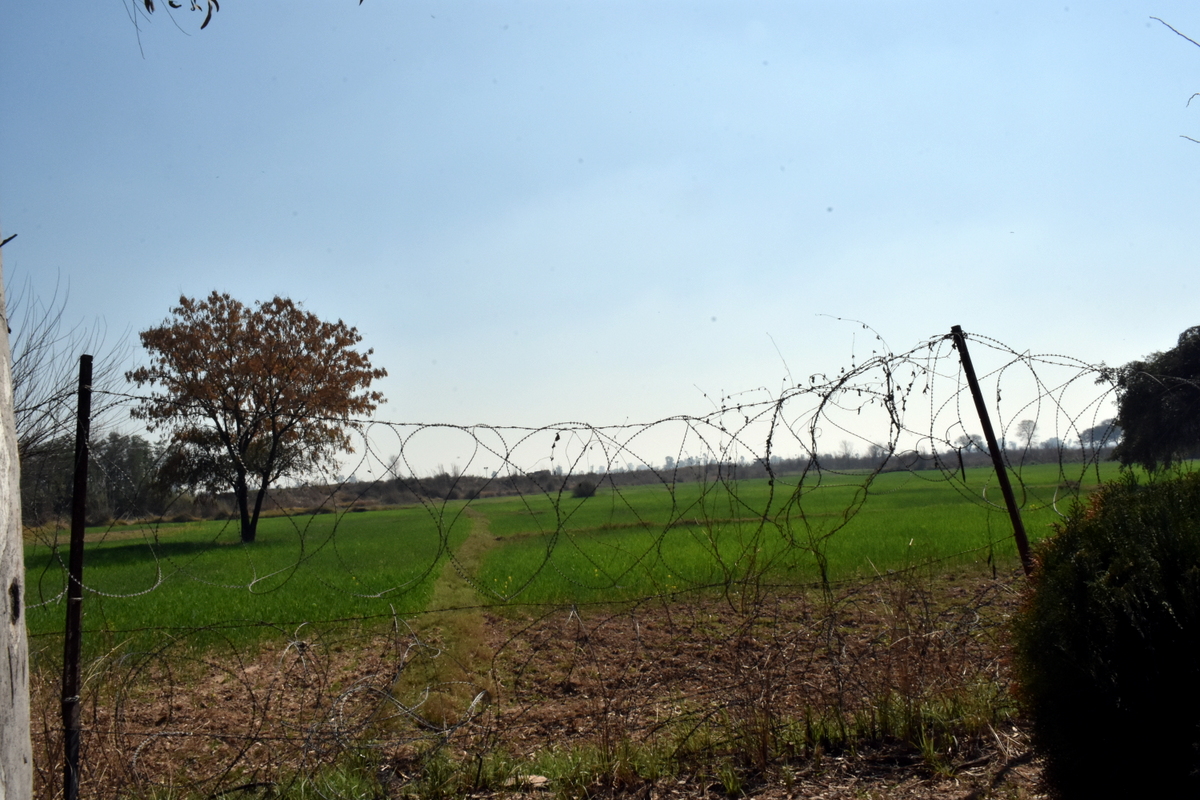
Border fences cut through the agricultural fields
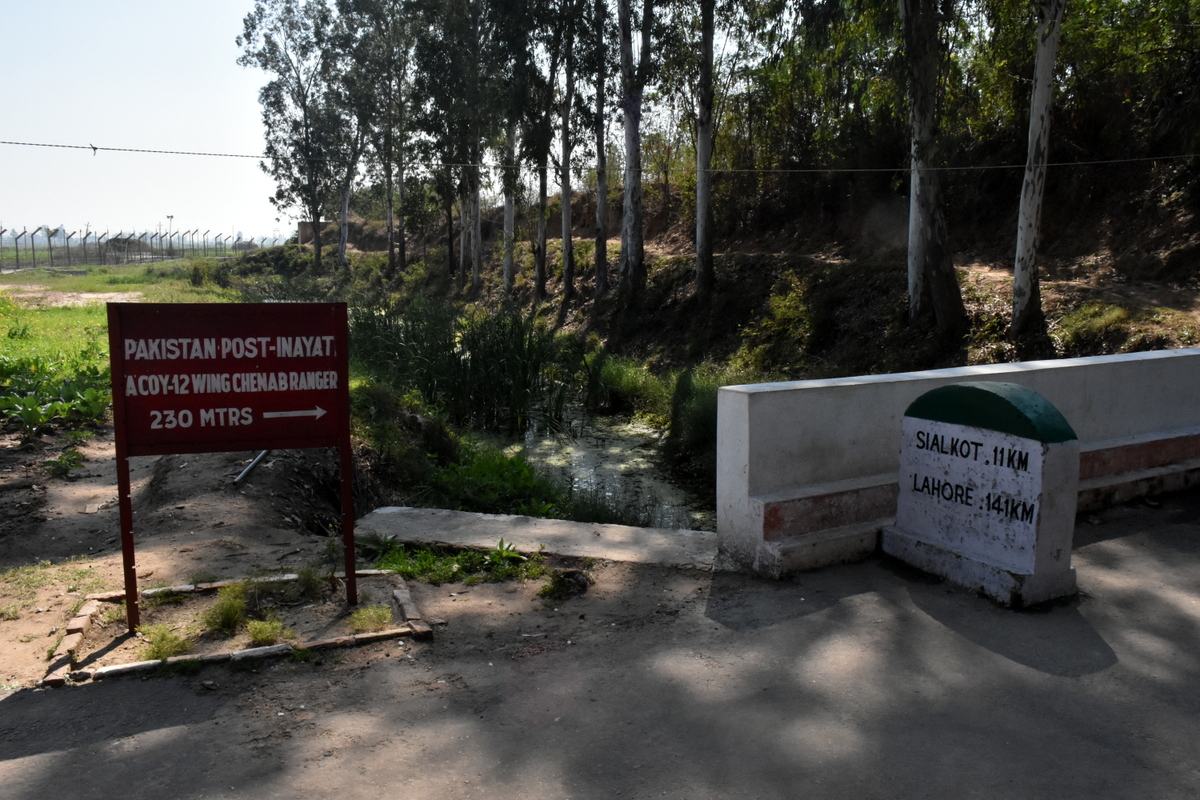
Sailkot is only 11 kilometers from here. This is the shortest road from Jammu to Pakistan.

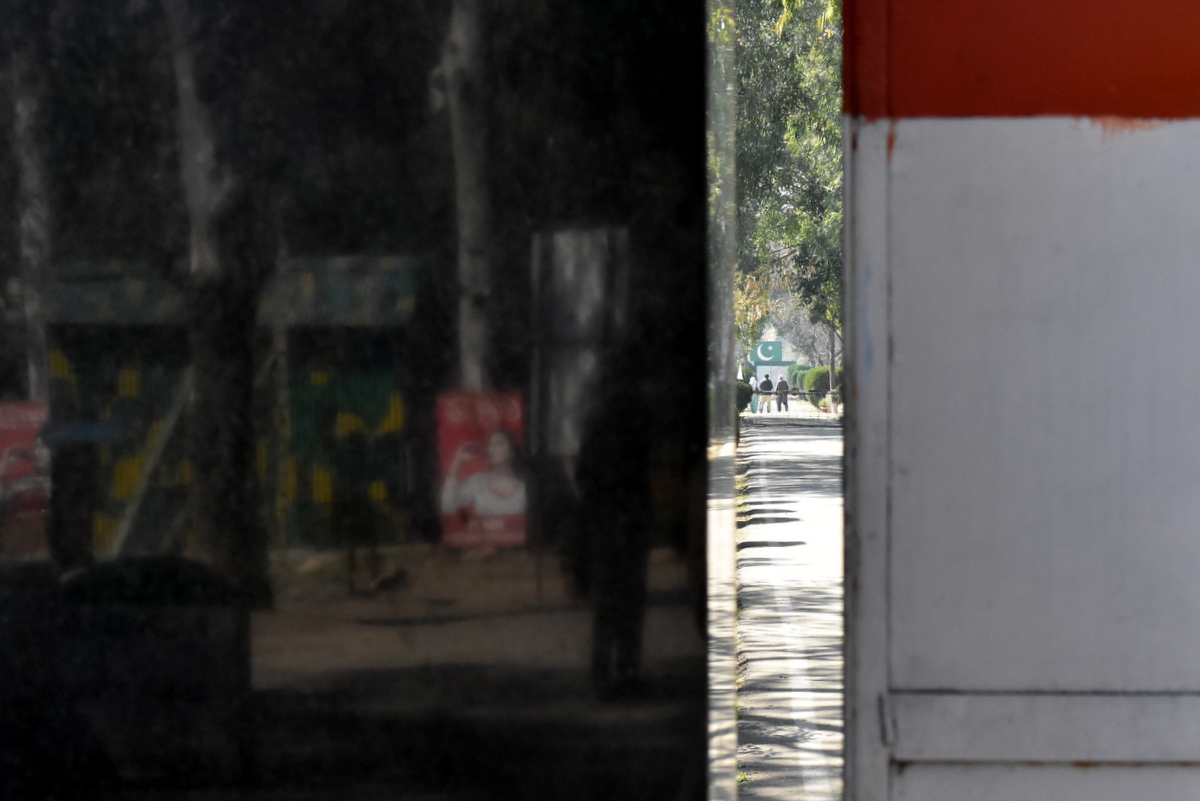
The other side

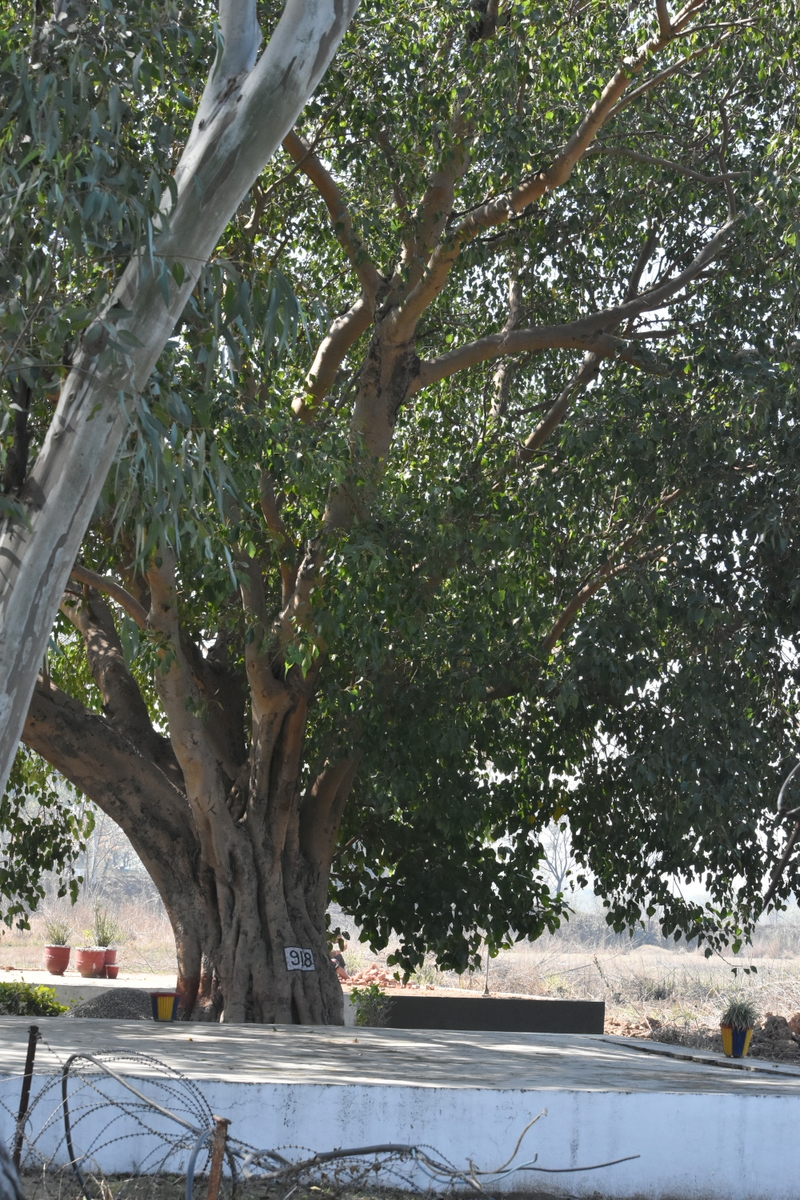
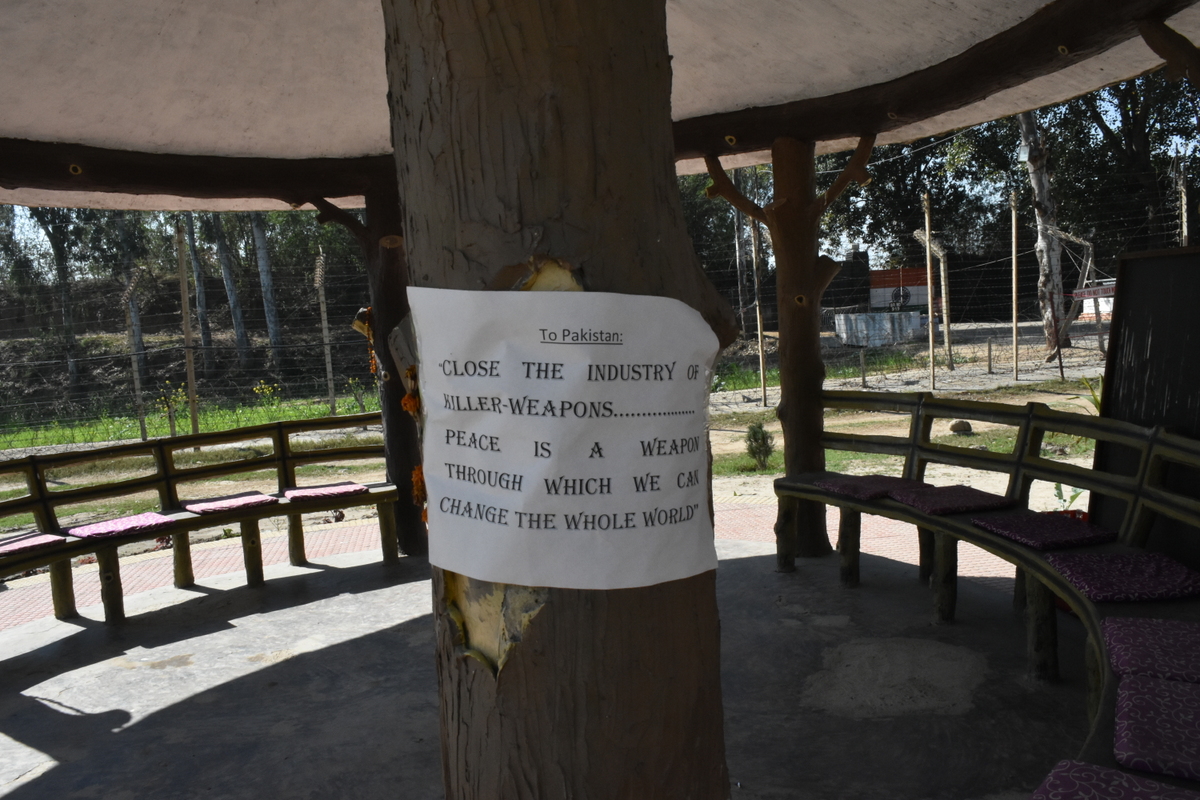
Here, at the border date, an old banyan tree is the function border pillar. Half of it is Indian and half is Pakistani.

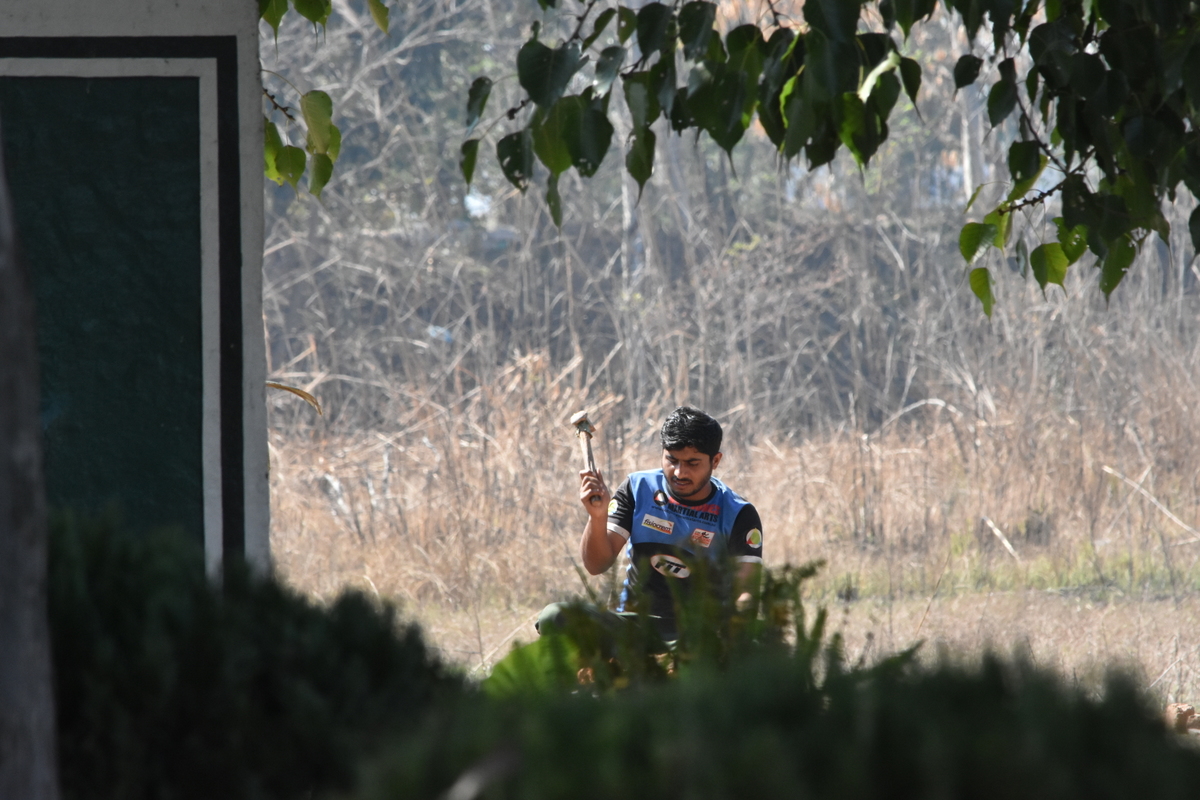
On the Pakistani side, under the shade of the same tree, a worker.

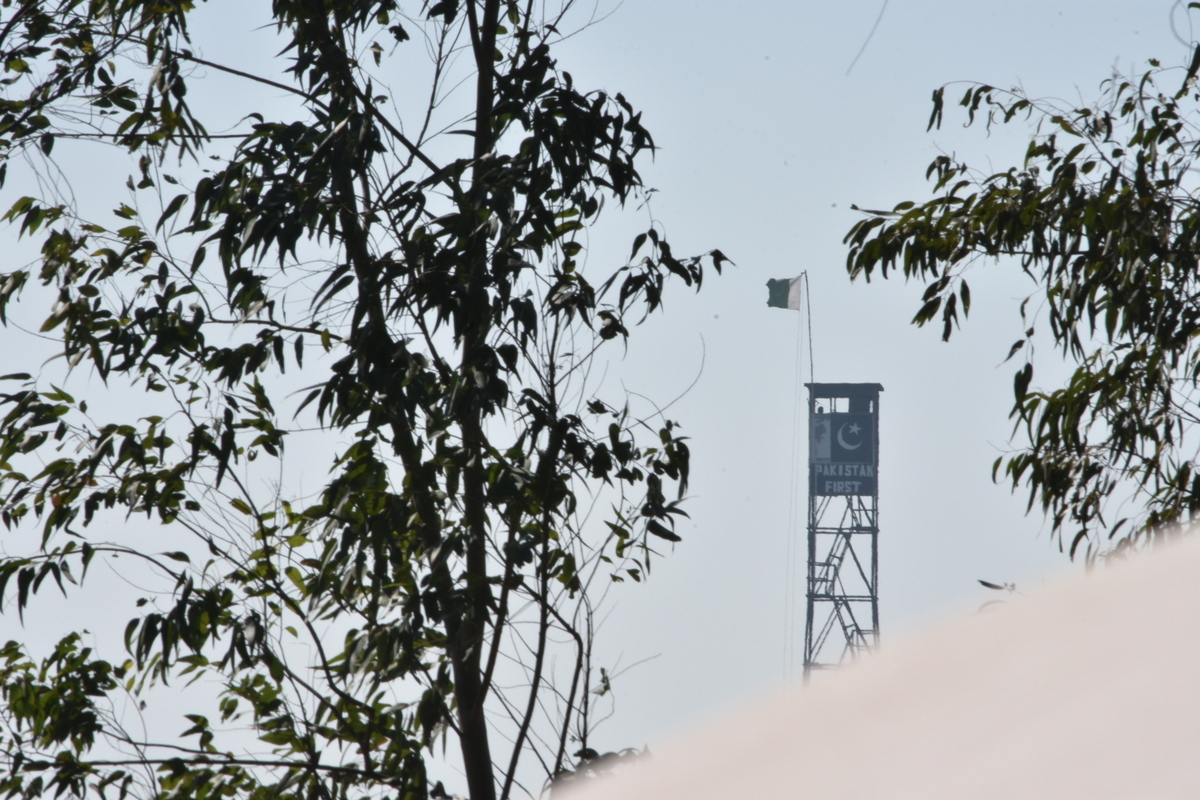
A Pakistani tower

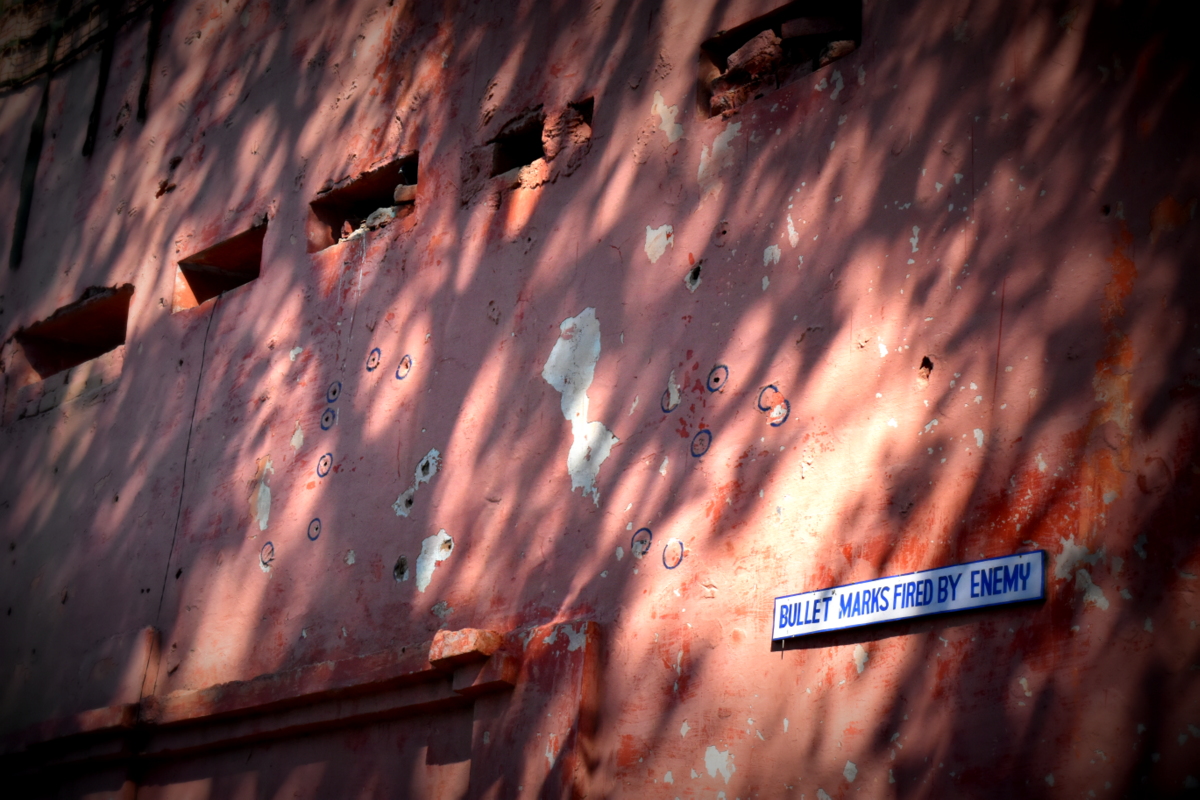
On the Indian side, the BSF office is where stood the old railway station. The wall facing the border has bullet marks, tagged as “Bullet Marks fired by Enemy”. The firing occurs only when tensions between the two countries run very high. When the body burns in fever, bullets arrive like sweat. The last recent bullet marks were from time Kargil war of 1999.

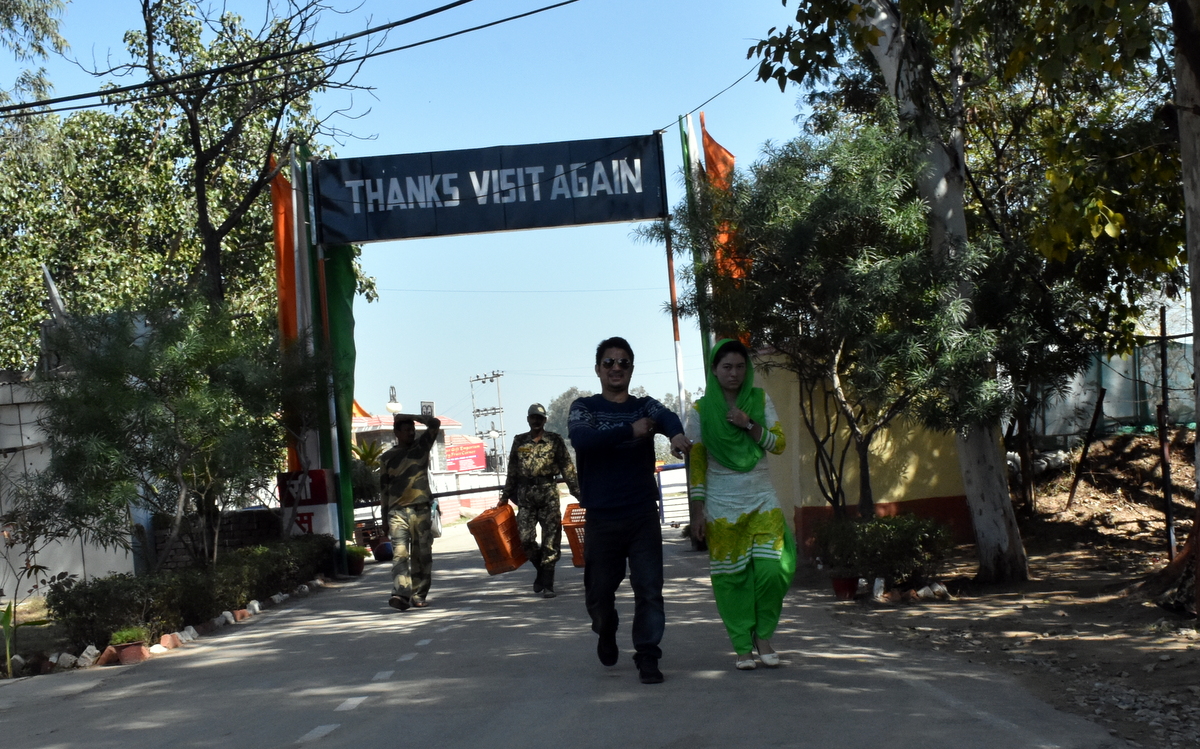
Tourists from Kargil region

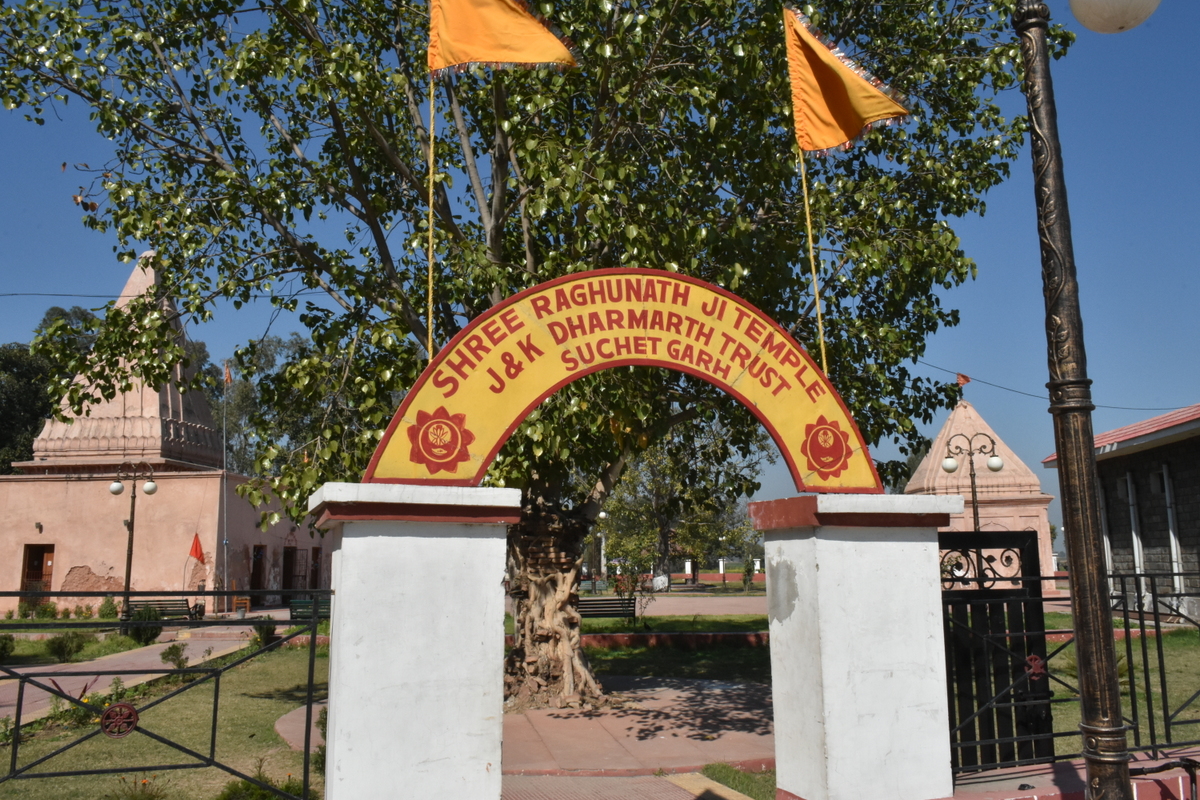
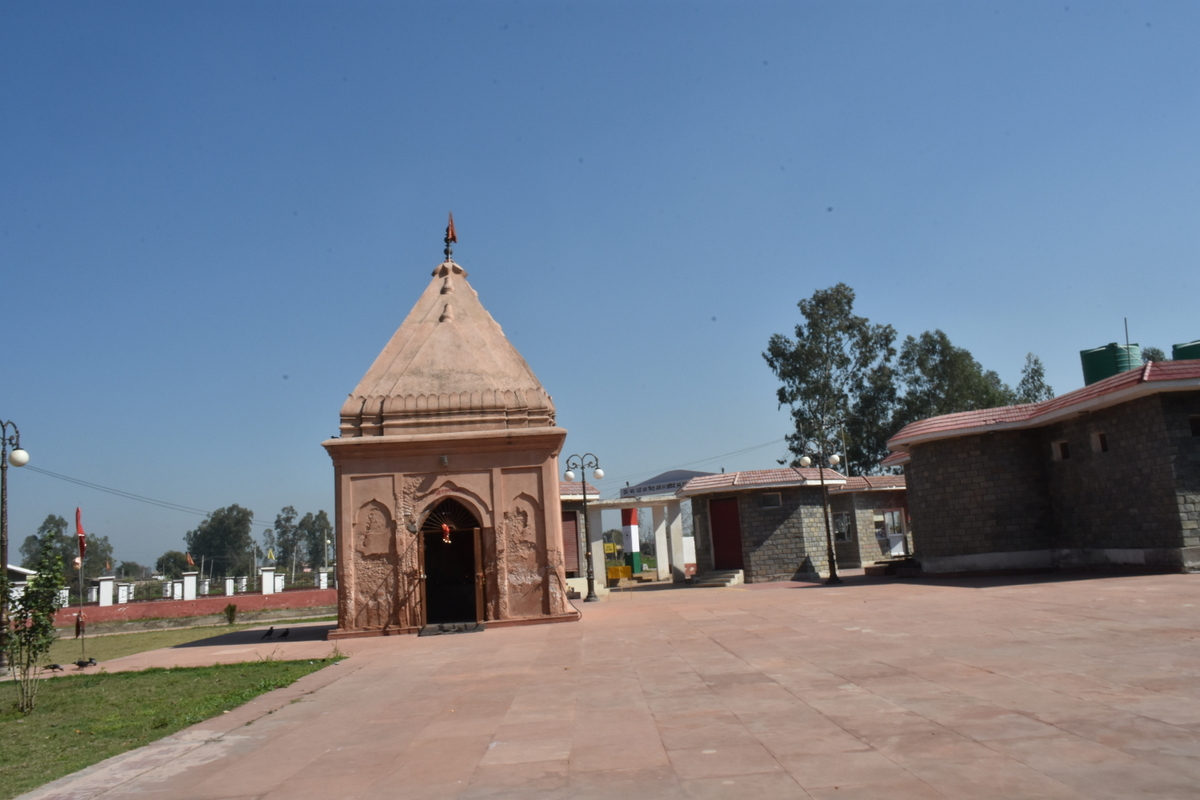
Just next to the border post is an old Hindu temple. This is said to be original Ragunath Temple that was later shifted to Jammu.

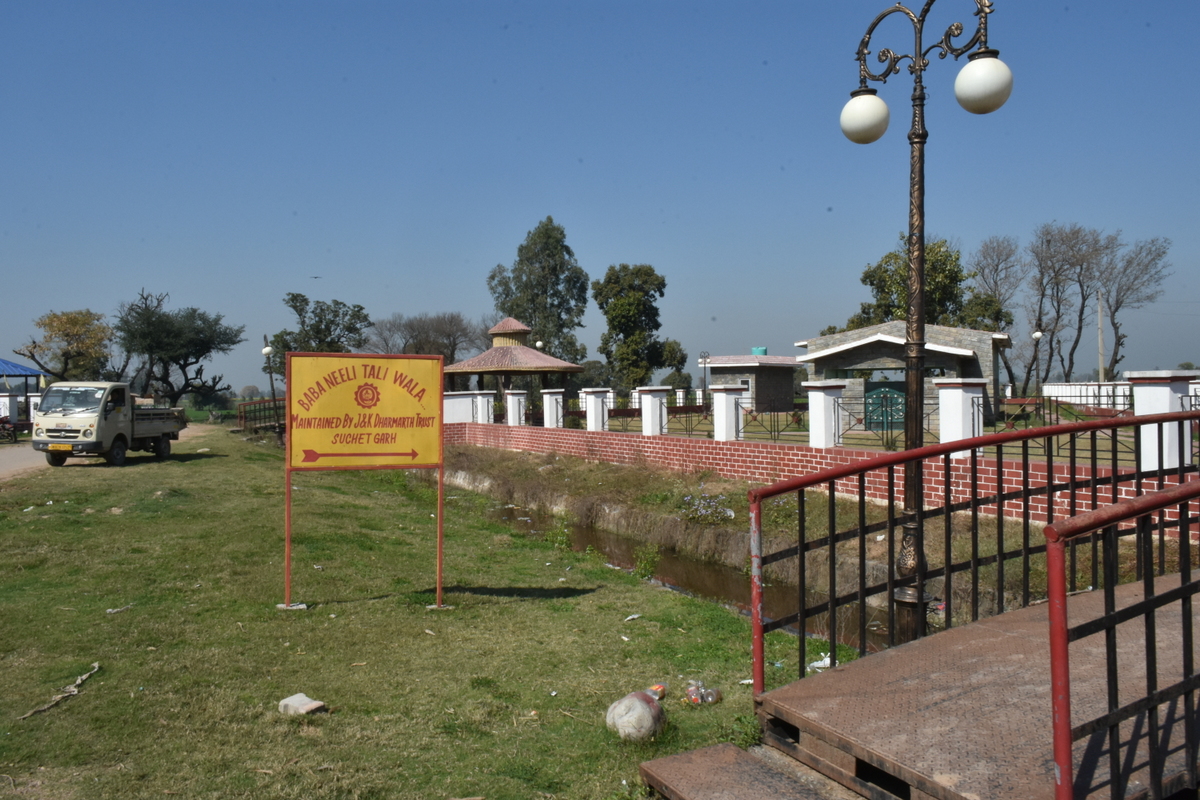
Across the temple is shrine of Muslim peer “Baba Neeli Tali Walla” that was recently renovated.

-0-

I wonder if there’s any old temple being renovated across the border fence at Post Inayat.

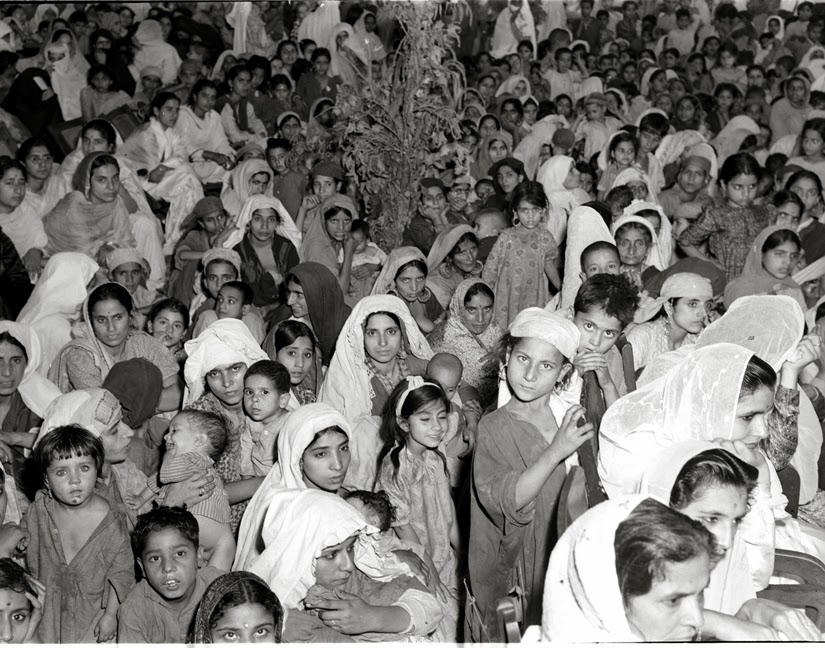
A Host of Women, 1949

Kashmiri women at the Baby Show held at Srinagar on September 25, 1949,
during the meeting of the Kashmiri National Conference
[Source: Indian Photo Division]


The photo can be divided in three spaces:

1. The periphery, away from viewer: standing women hiding their faces from the camera. Probably, women from affluent Muslim families. The viewers.

2. The boundary formed by a row of women sitting on chairs. Mostly Pandit.

3. Closer to the viewer can be seen the women from working class: there are Muslim women in Pheran and some Pandit women in Saris. All of them sitting together on the ground. Some women feeding babies. The reason the pheran of women is shaped liked that. A woman with a tyok on her forehead and her head wrapped in a Sari, smiling, looking into the camera, happy to be photographed. A little girl in neat dress, her hair neatly tied with a ribbon, happy in her space, unmindful of the crowd. The girl seems to have run away from her spot in the sitting row and instead slipped away to sit with the common crowd, closer to the absent stage.

bekal kallam – 190


Samav dah kah ta pantsa
lekh ti thokh
yath taarikhi lejji karav graay
Saari samav Kokras karva kuni zang
kaahan gaavan daalav vath

Gather you 10,11, 50
Spit and curse
Pot of history we shall churn
gather and tear out
so,
your cock of reason has but one leg
watch 11 cows lose their way

~ Lal Dread, 21st century witch of Kashmir

Untitled Post

-0-

Unimagine every Sikh you have known in your life time. Imagine you have just heard about them and have never come across one in life. Imagine hearing stories that they used to be your neighbours but don’t live there anymore. Imagine their empty houses and towns. Imagine they are all gone. Imagine Gurudwaras across India, some shut, some crumbling, some looted, some secured by Security forces, some run by Hindu men as part of job or homage to past. Imagine running into an occasional sikh pilgrim who you befriend and talk nostalgia with.

One might ask, “Where have they all gone?”

“Of course, Canada to seek material prosperity. Why they left is another question! Sitting in Canada why they curse India is understandable.”

In 1980s, when Punjab was reeling under militancy, Sikhs were about 3% of Indian population. A prosperous productive community. But just 3%. Yet, it is unimaginable to imagine that this 3% can disappear from India almost overnight. A sick thought. One would imagine, Indian society would forever be needled about an event like this. After all, disappearance of communities doesn’t happen in India. And if it does happen, it is not brushed under the rug of “hota hai, move on!”. Right?

Kashmiri Pandits were just around 3% of Kashmiri society in 1980s. By the end of 1990, this 3% was just gone. Who imagined it? Now, ask that question too often and you are being a nuisance. A nuisance that holds 97% hostage. 97% that in some cases wan’t Hindutva and in come cases an Islamic paradise.

Meanwhile history tells us 1980s saw the migration of Punjabis from border town of Punjab. Some of these Punjabi Hindus moved to a place called Faridabad near Delhi. The land prices sore. When the Punjab militancy settled down in late 90s, the land prices in the area crashed. Just as they crashed, Kashmiri Pandits moved in fleeing hope of returning to Kashmir. They bought land a low prices in arid wild lands where now societies have grown. Land prices in Faridabad have steadily increased over the decades. One can’t imagine them ever going down with a crash.

-0-

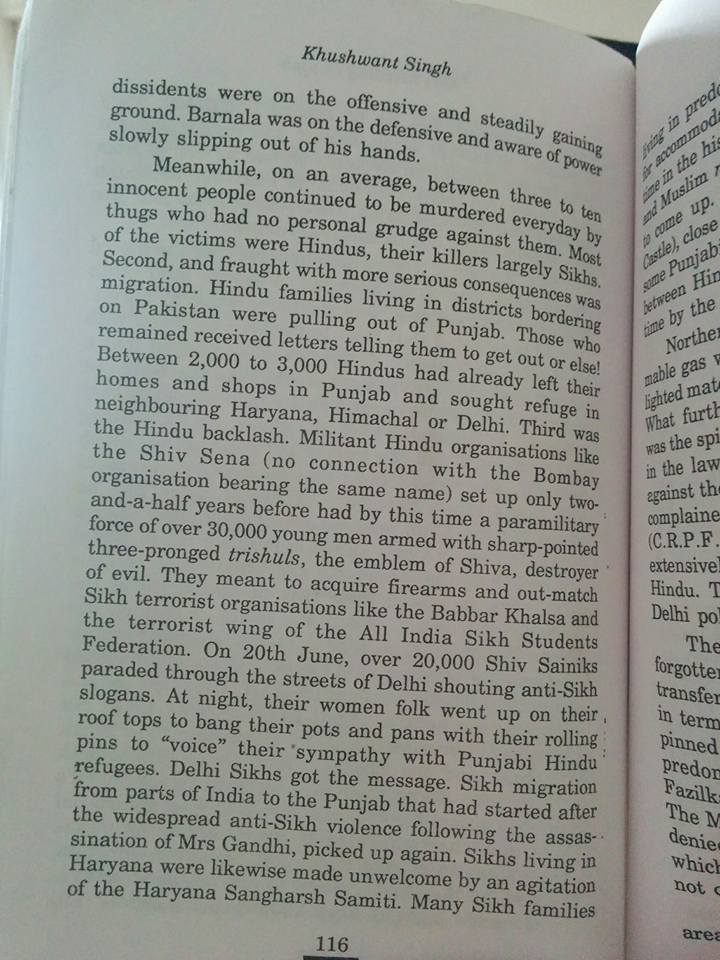
While in Jammu, I decided to give Kashmir a break and took up Punjab instead. However, Kashmir doesn’t leave you alone once it grabs your soul. I read “My Bleeding Punjab”, a compilation of Khushwant Singh’s notes on the violence in Punjab of 80s.

This is from around 1986 when threat letters and selective violence were previously successfully used to engineer a mass migration. Interestingly, none of the Kashmir experts on Pandit exodus mention this phenomenon. Another interesting point made by Khushwant Singh is about this the do numbri “Shiv Sena”. It is this Shiv Sena that also figures in stories from Kashmir of 80s where politically aggravating pandits were getting branded as Shiv Sainik by the majority community. I am sure even the people doing the branding had no clue that this Shiv Sena had nothing to do with Bal Thackeray. In all this, I have also realized that the tribal ritual of beating utensils to send out morse coded threats of violent death upon minority is still prevalent in Hindu society. In 2008, the method was used in Jammu while in Kashmir stones were flying. We are all in a one bad symphony of violence that has a secret language of its own. Sometimes it rings out like a shrill metal sound in that night and draws the children to its tune. I have heard this terrible song. Tie your children to the mast, the song is still playing.

-0-