saruff


First they came for the Socialists, and I did not speak out—
Because I was not a Socialist.

Then they came for the Trade Unionists, and I did not speak out—
Because I was not a Trade Unionist.

Then they came for the Jews, and I did not speak out—
Because I was not a Jew.

Then they came for me—and there was no one left to speak for me.

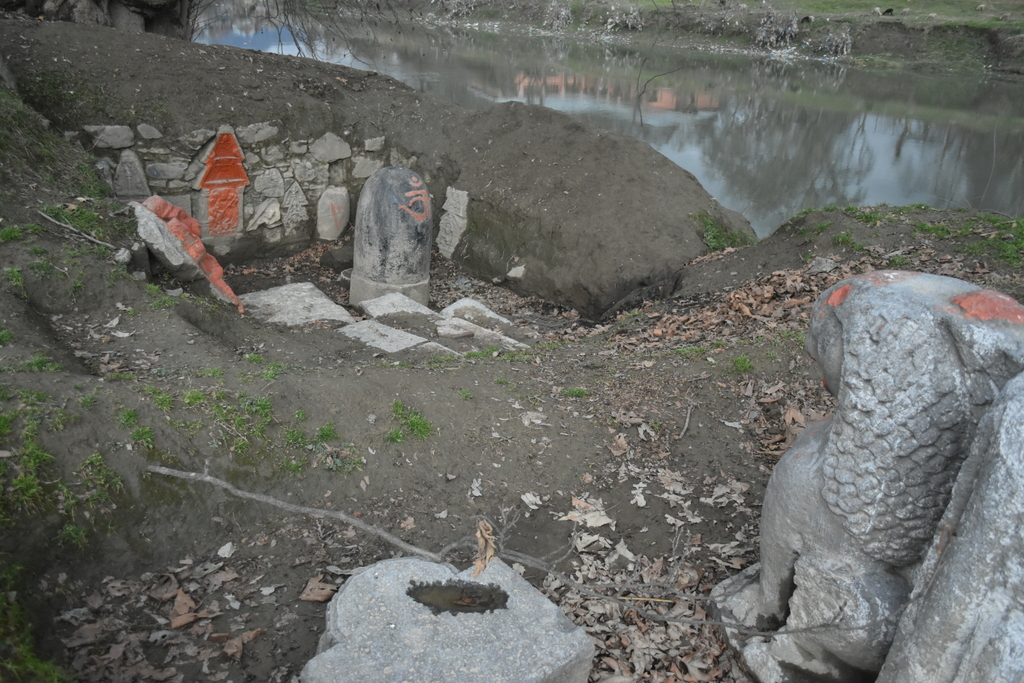
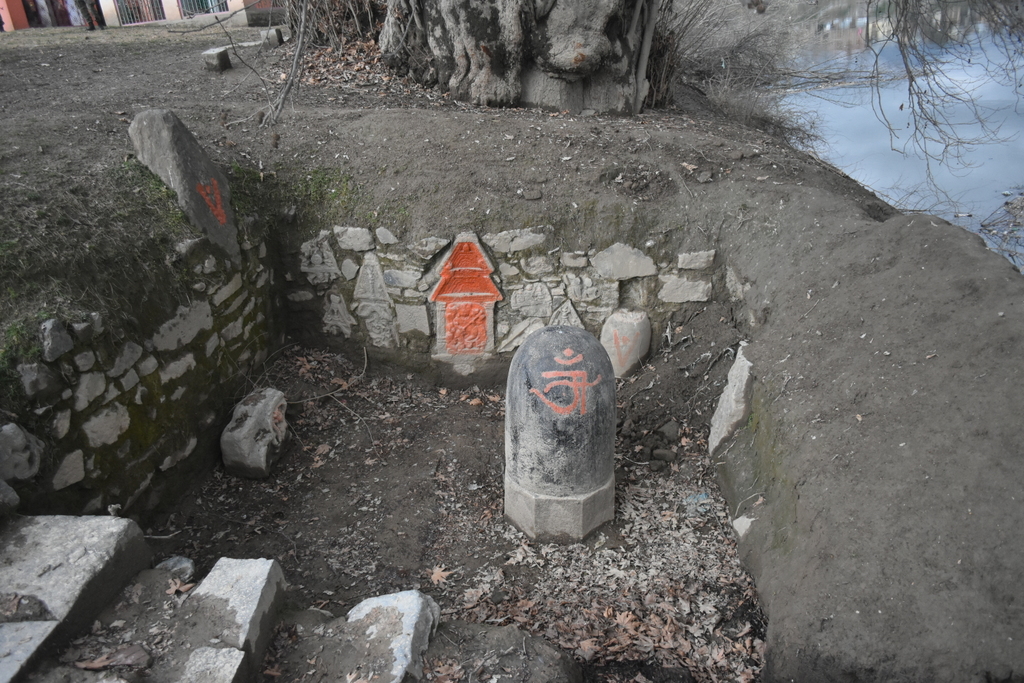
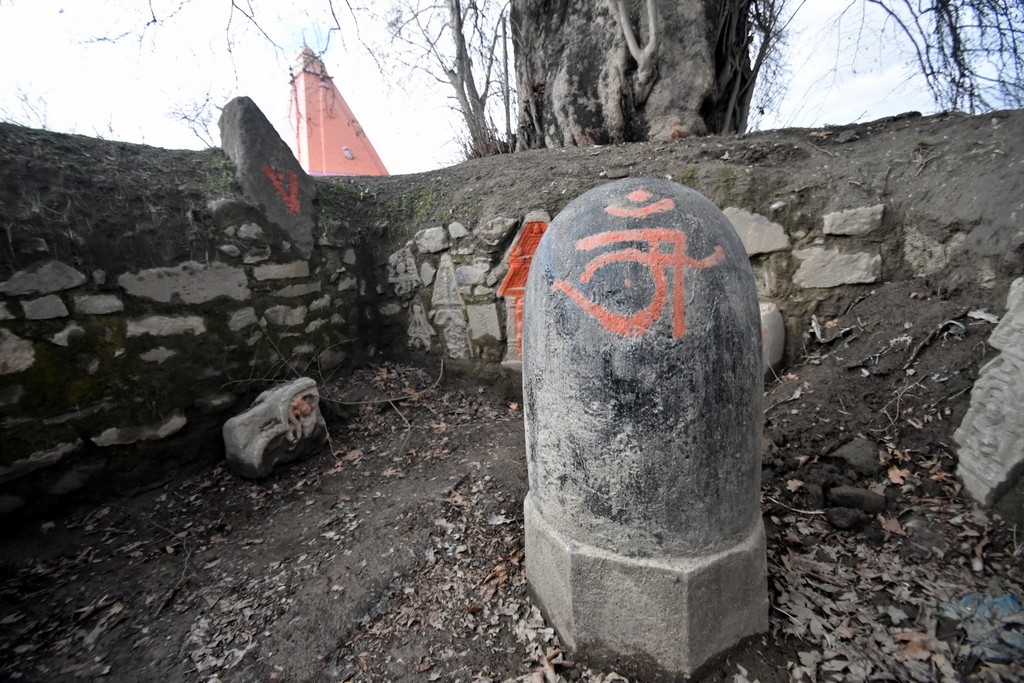
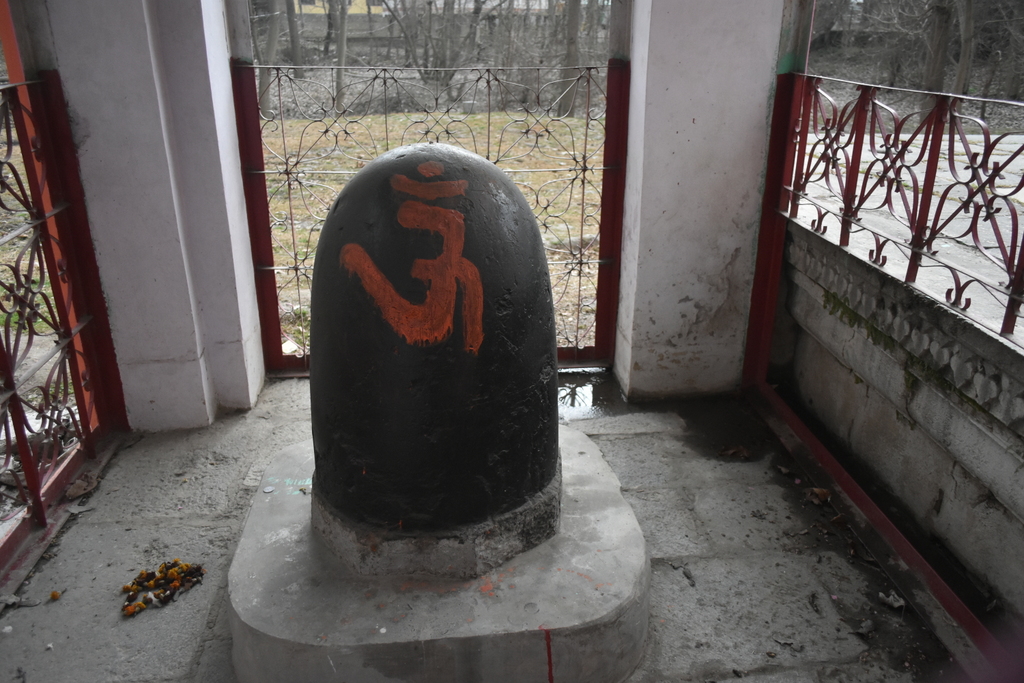
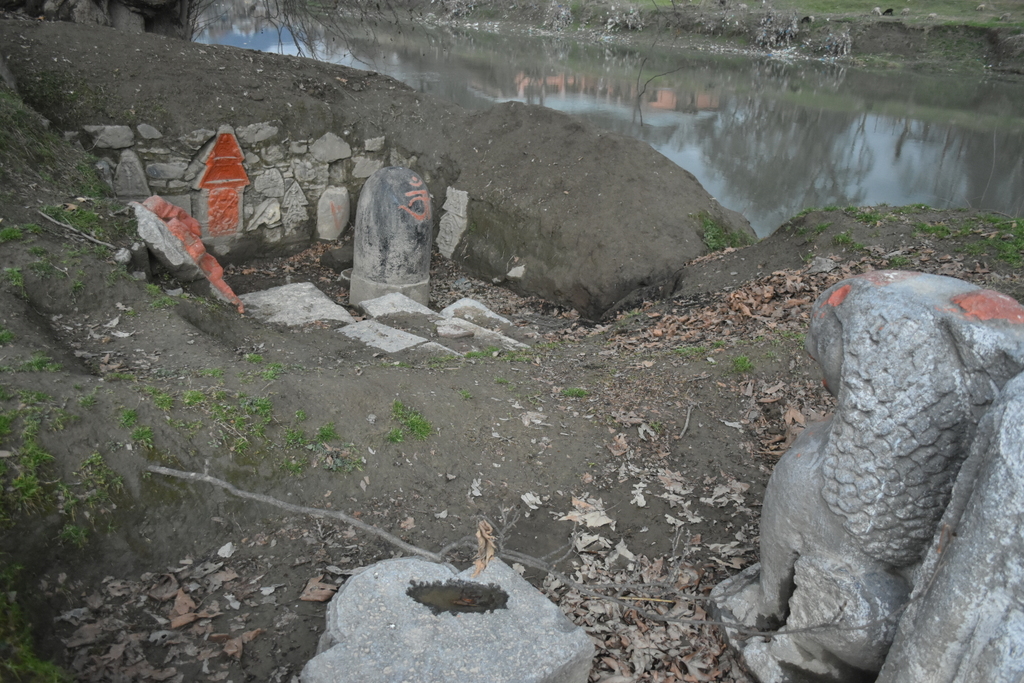
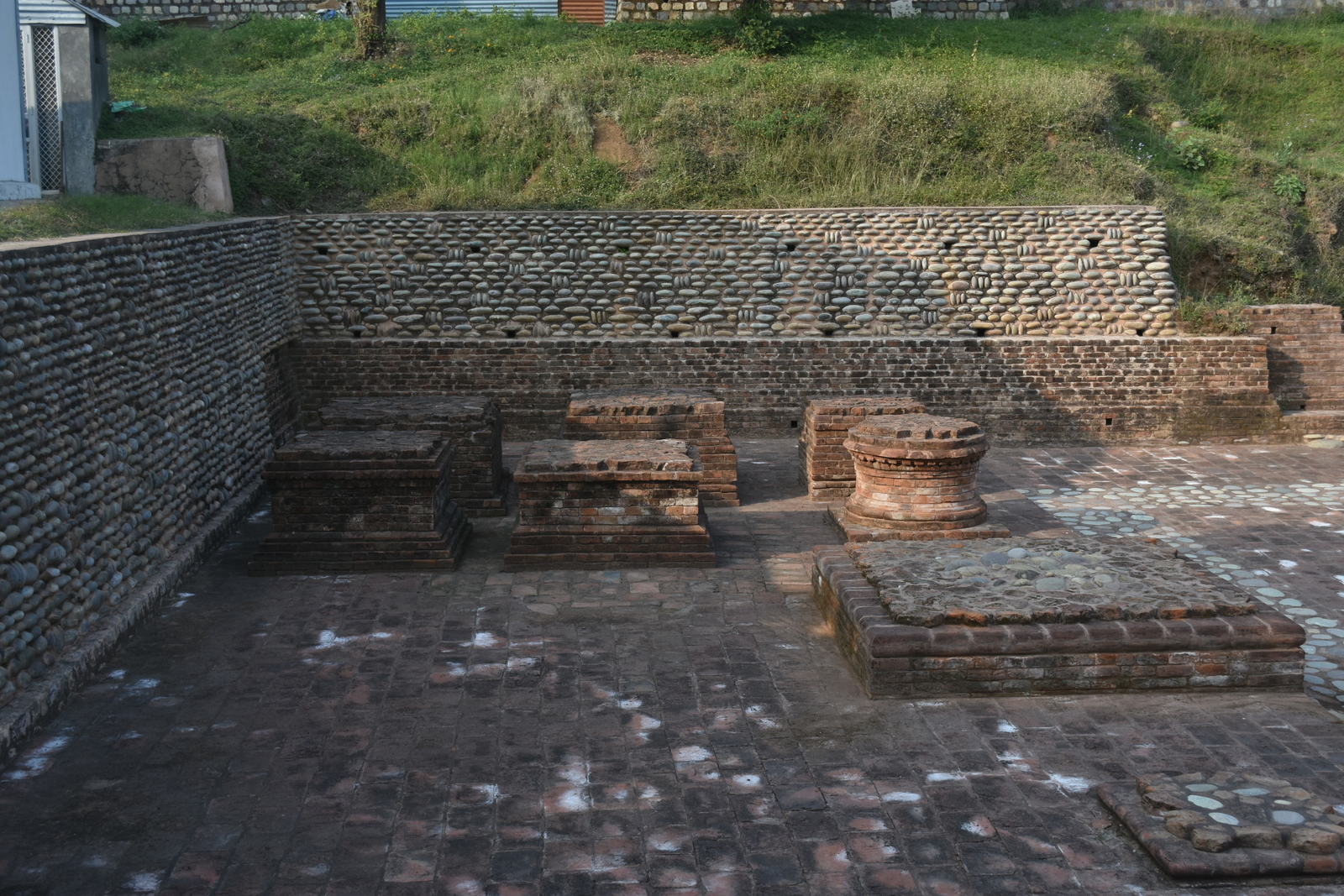
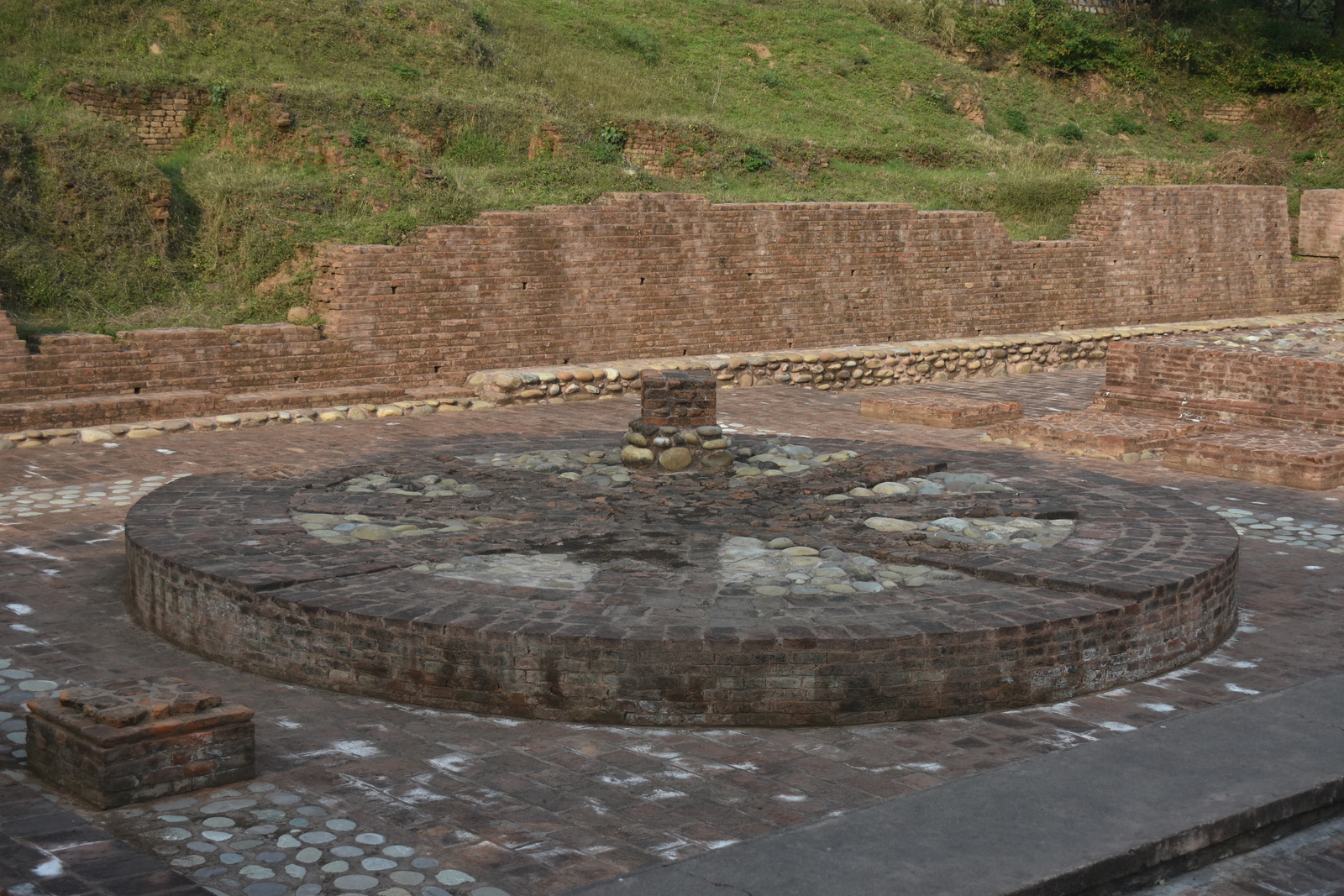
The Pit Temple of Bijbihara


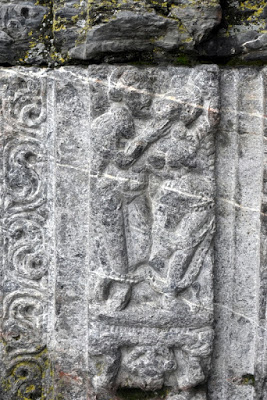
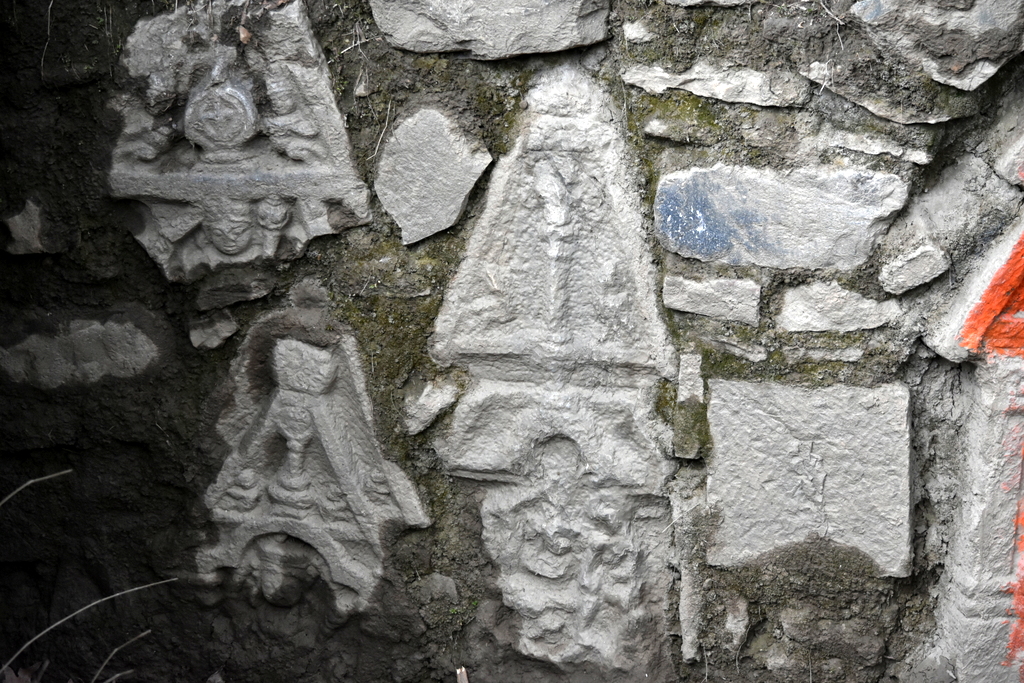
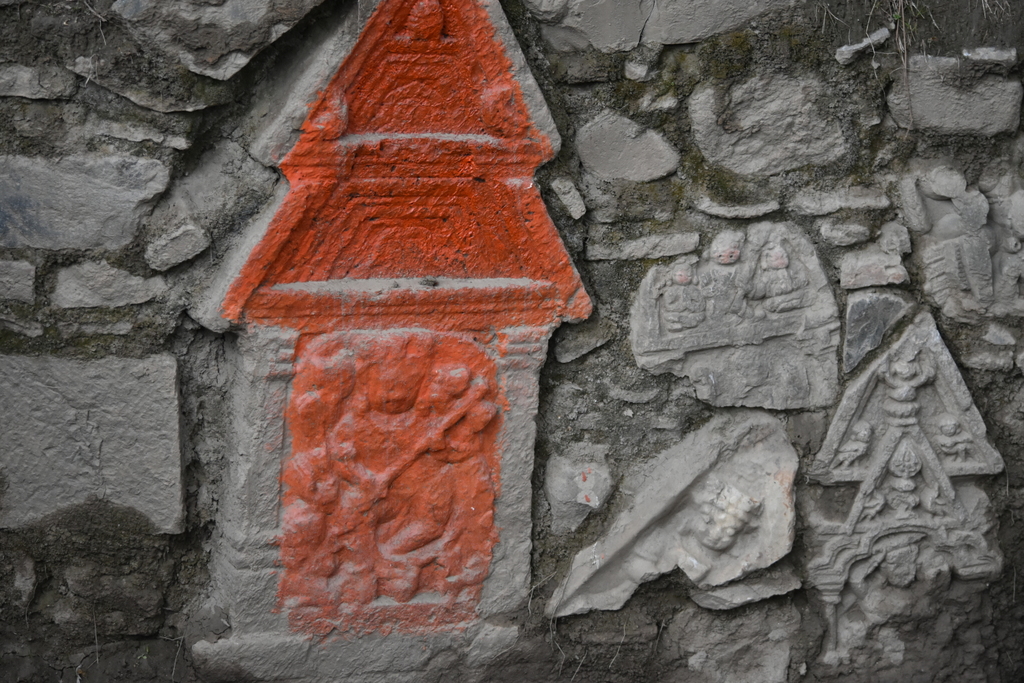
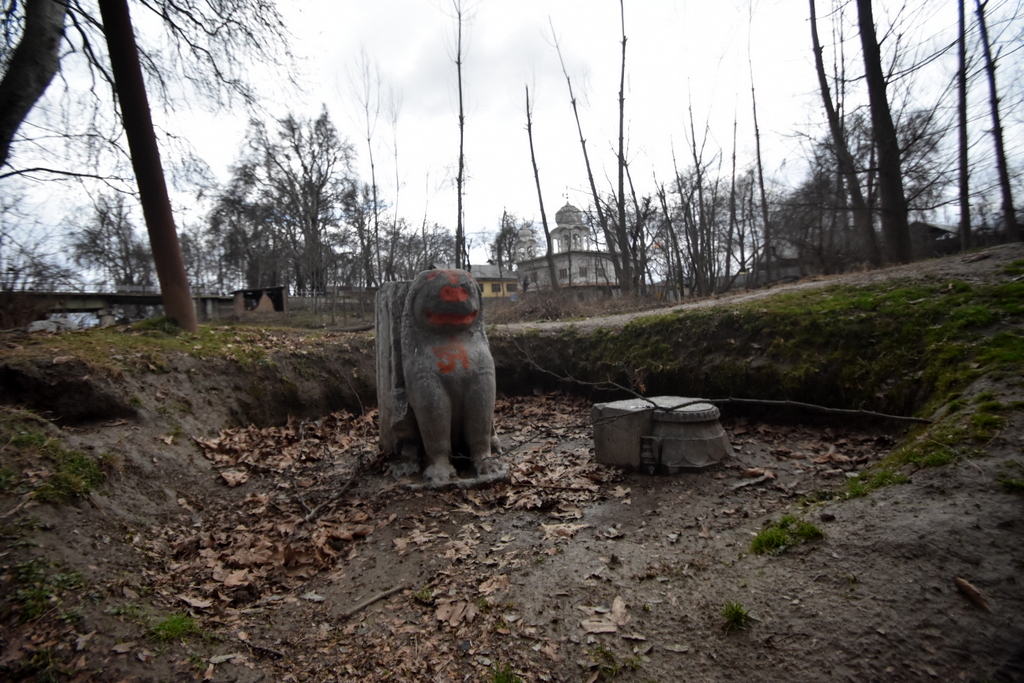
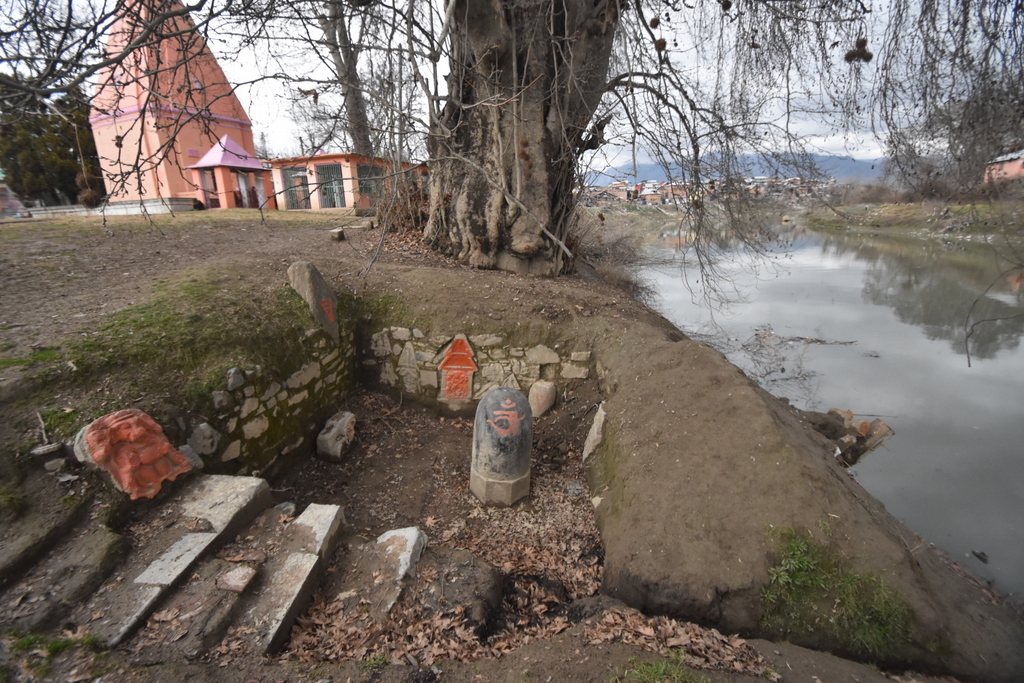
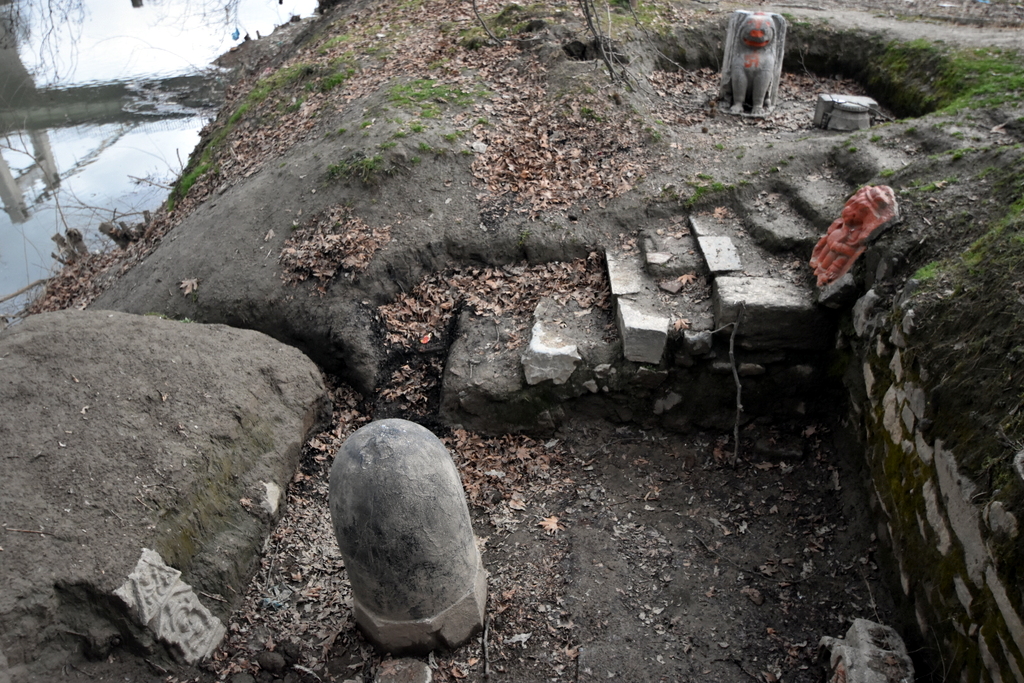
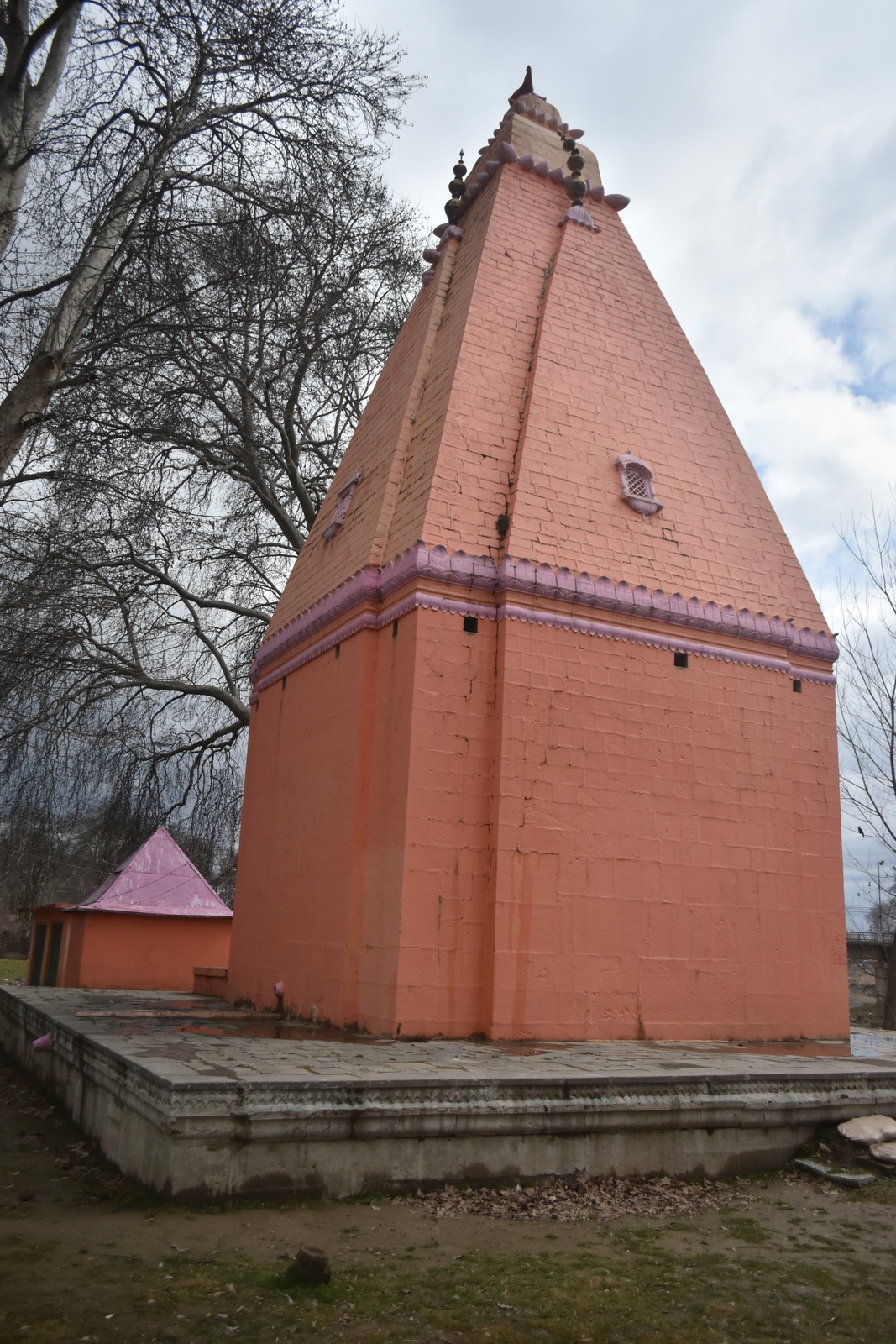
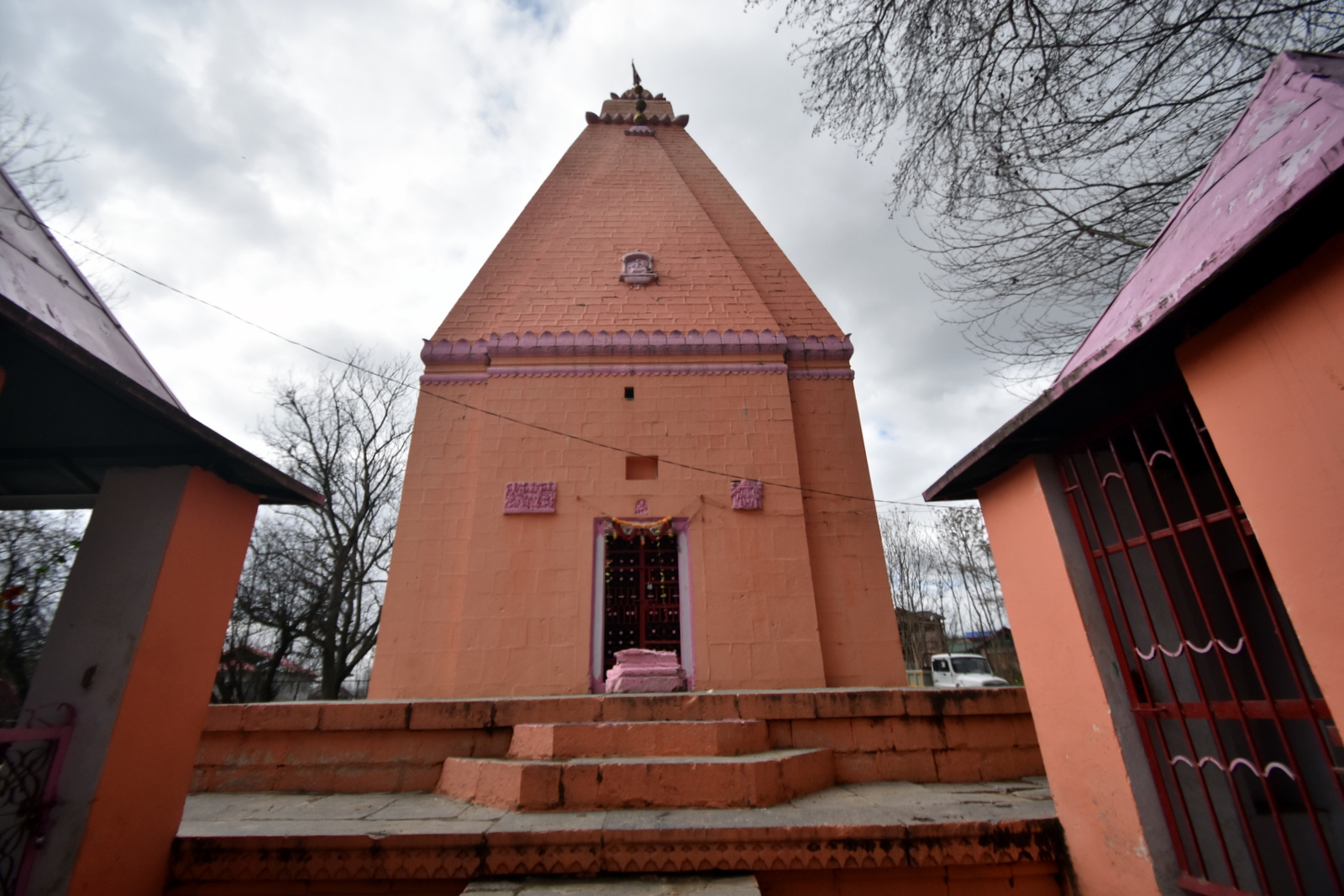
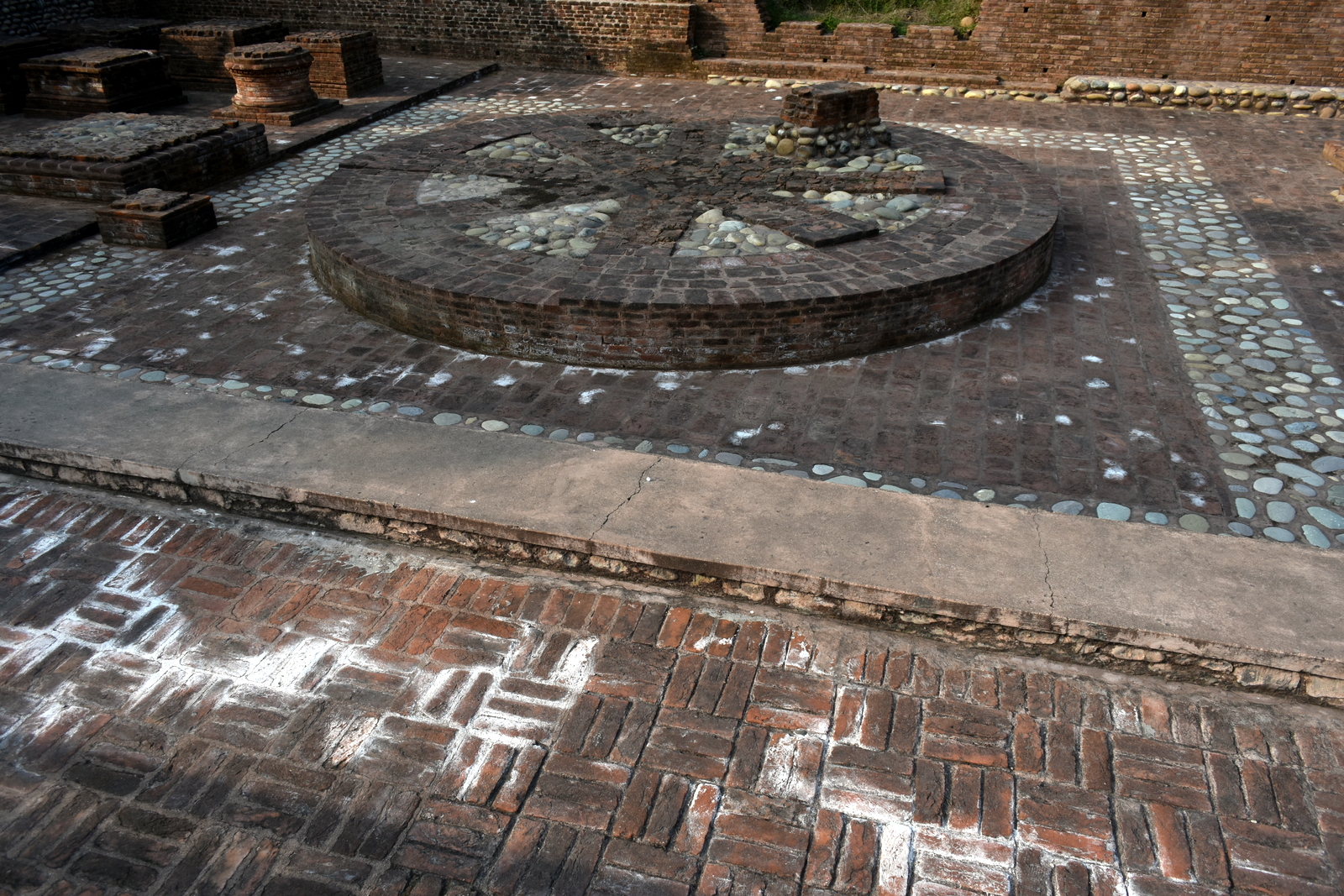
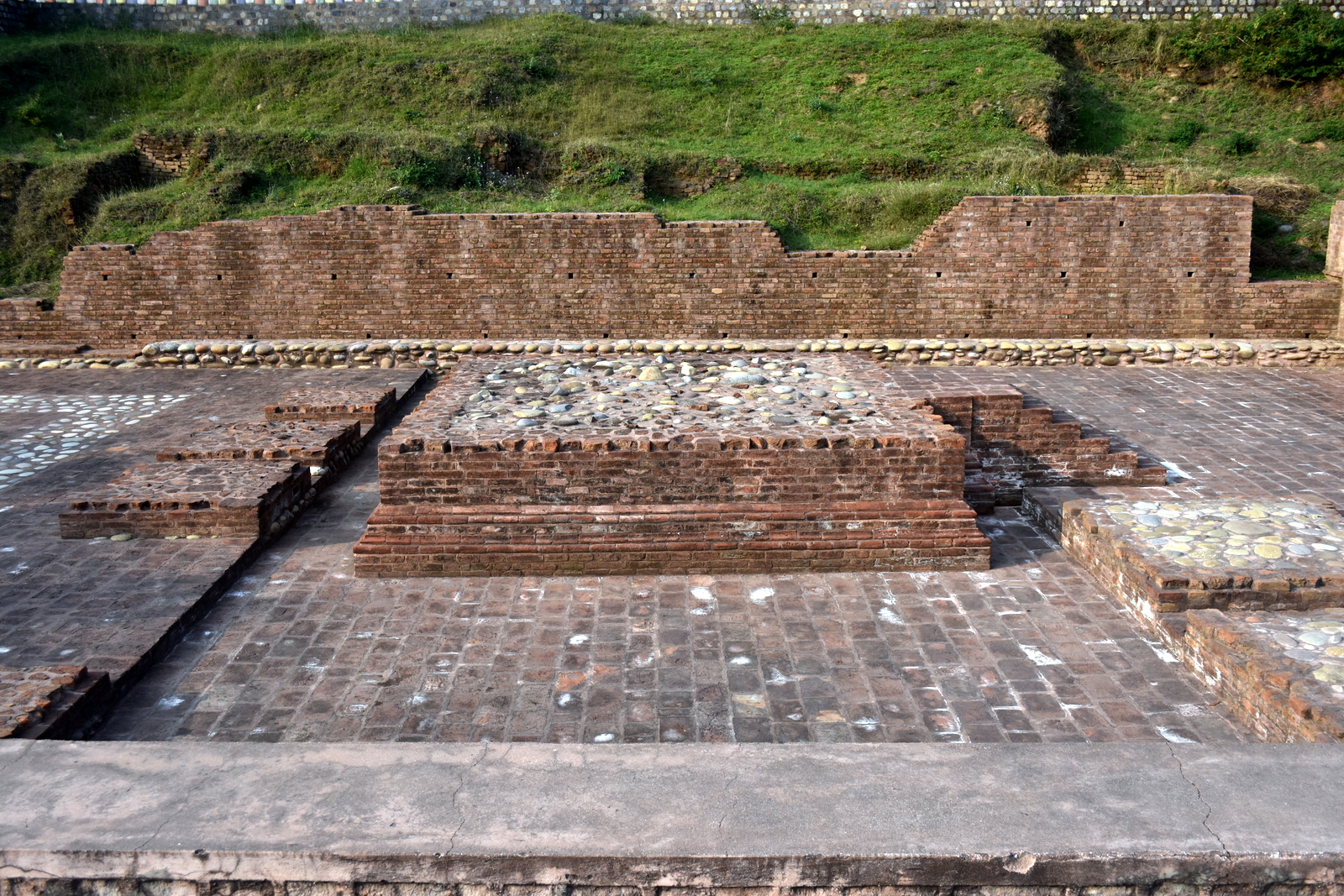
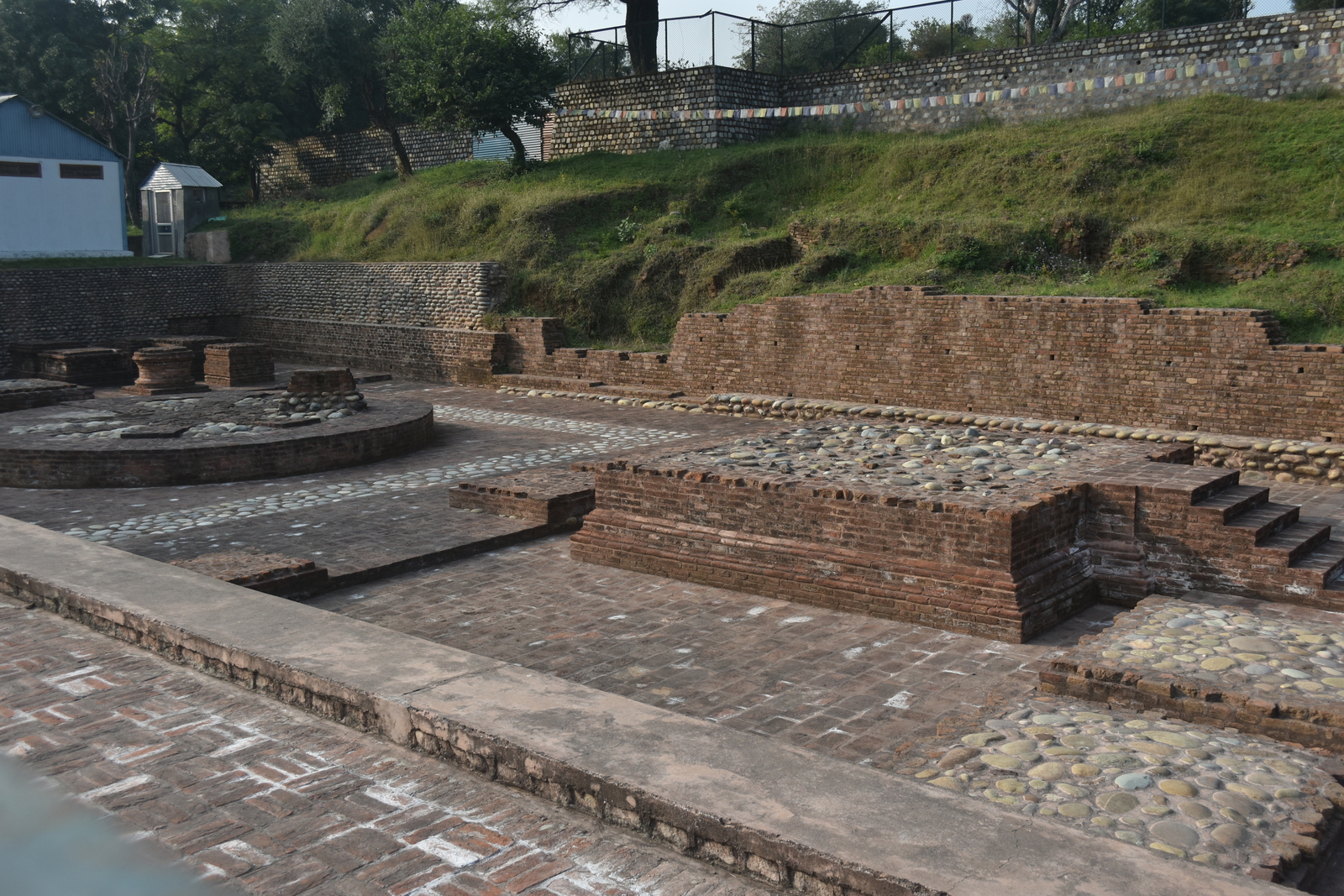
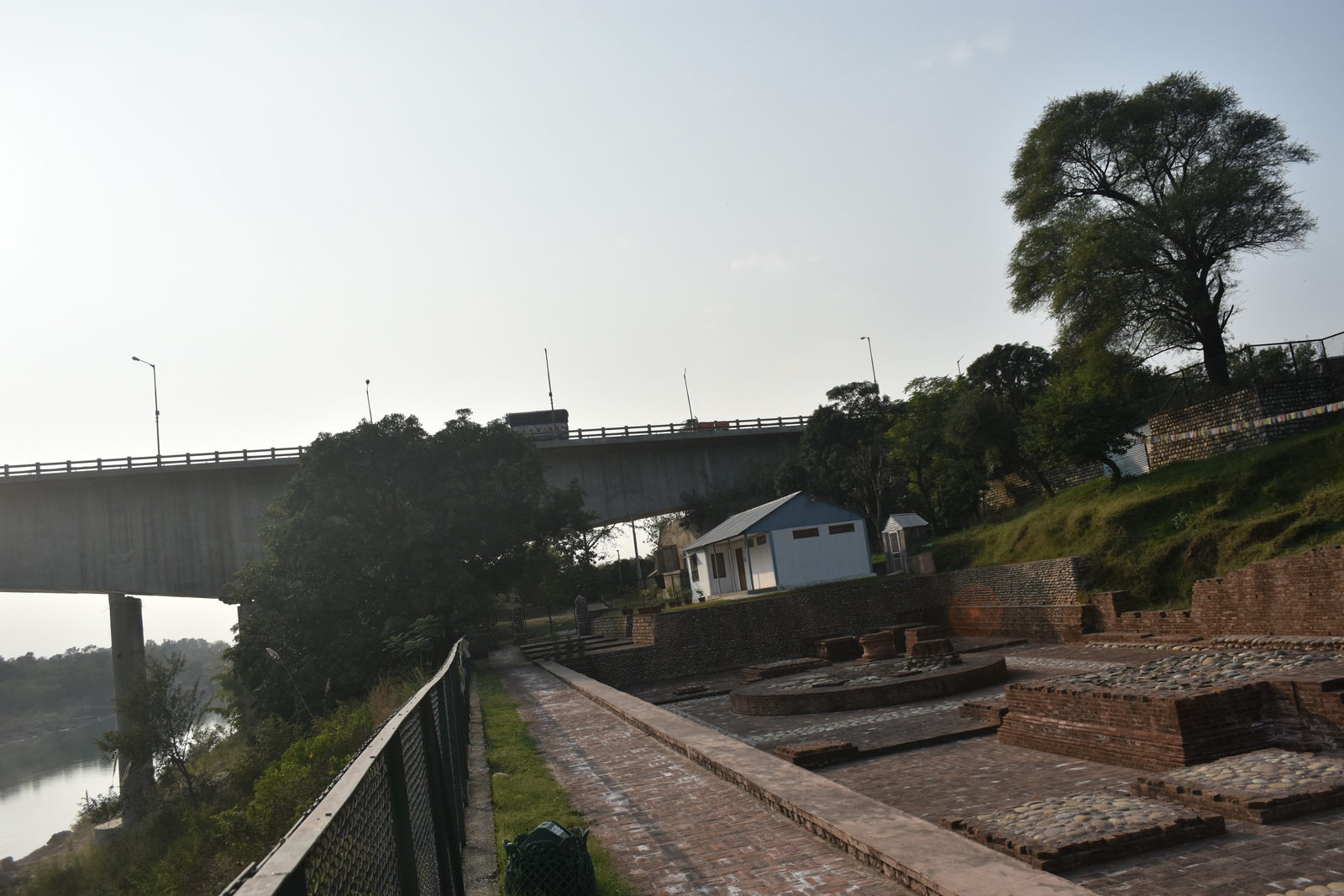
The pit temple next to the river is said to be ancient Shiv temple of Bijbihara mentioned by Kalhana as Vijeshvara. The sculptures found at Bijbehara are considered the earliest ones done in distinct Kashmiri style of sculptures. A lot of material from Bijbehara was moved to SPS museum in around 1898 by Captain Godfrey.

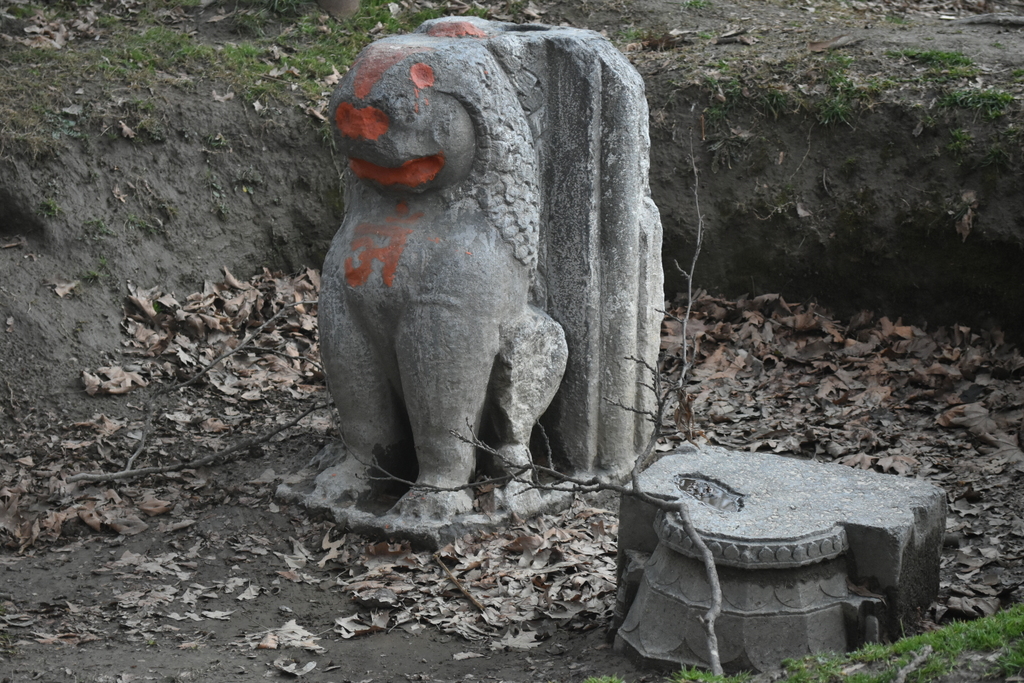
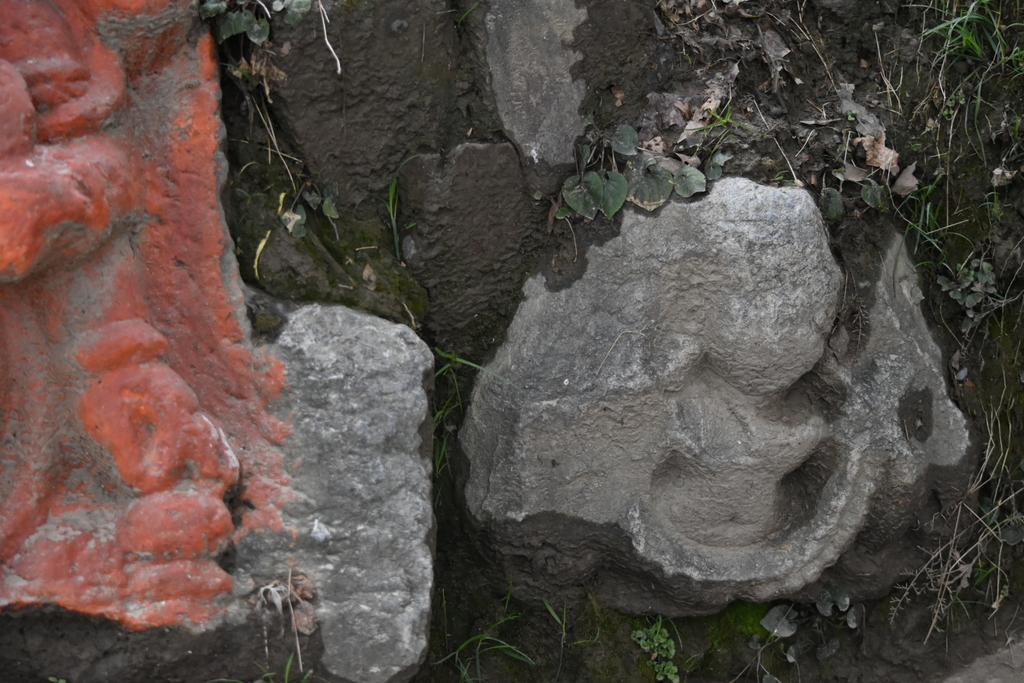
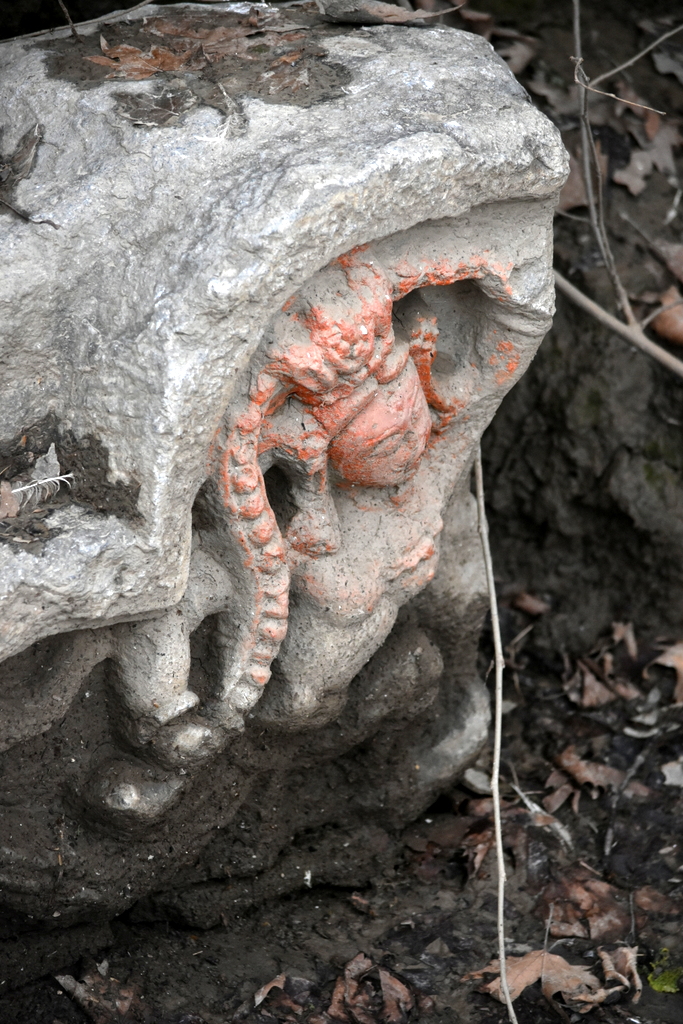
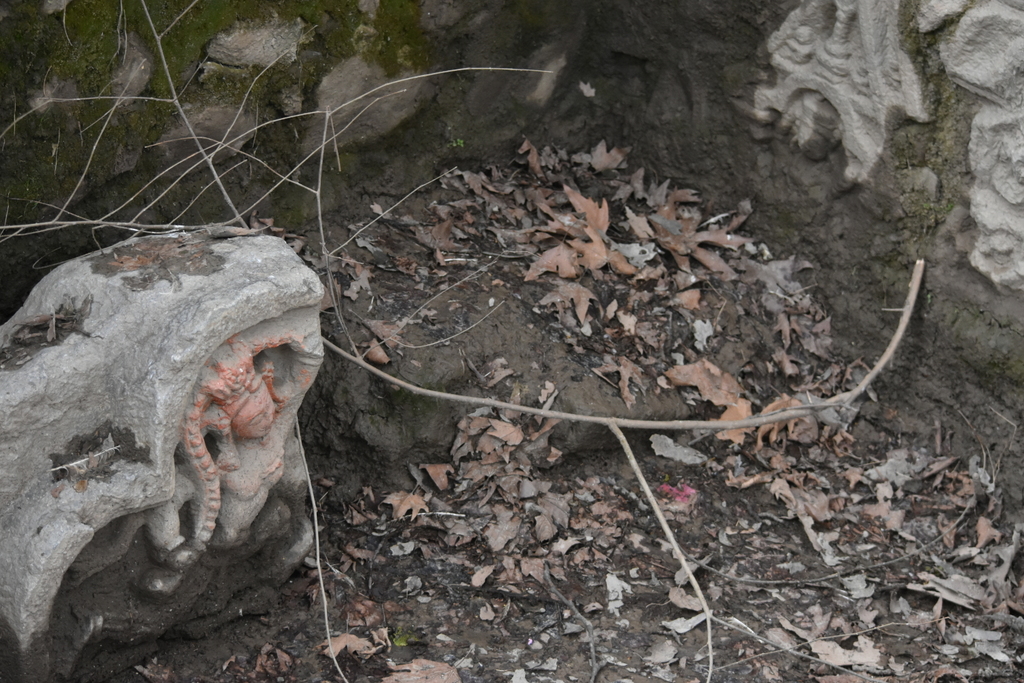
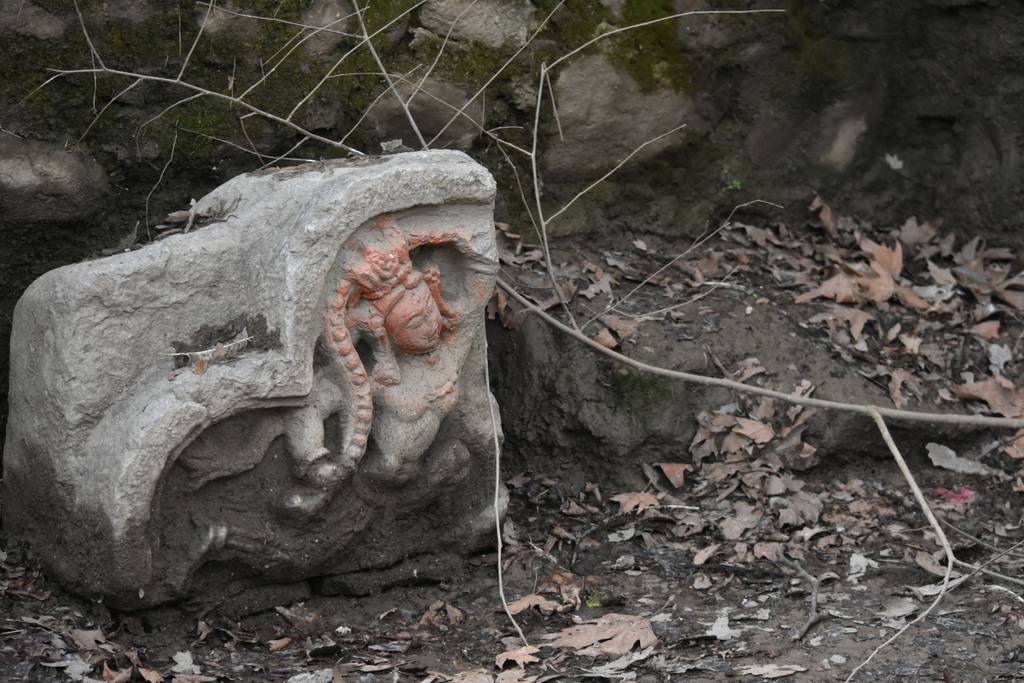
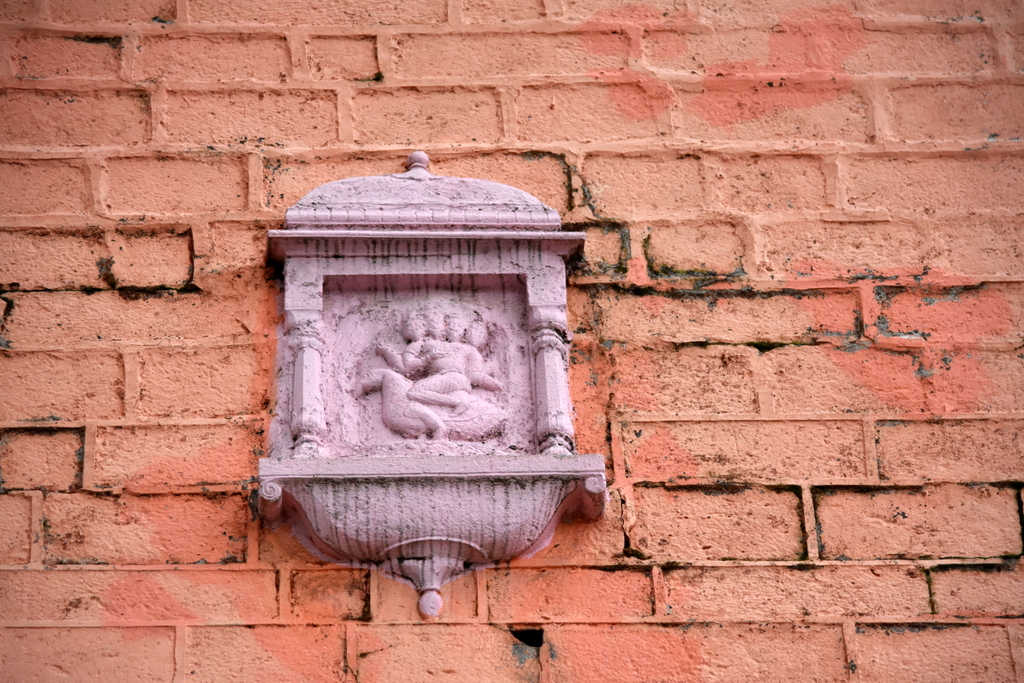
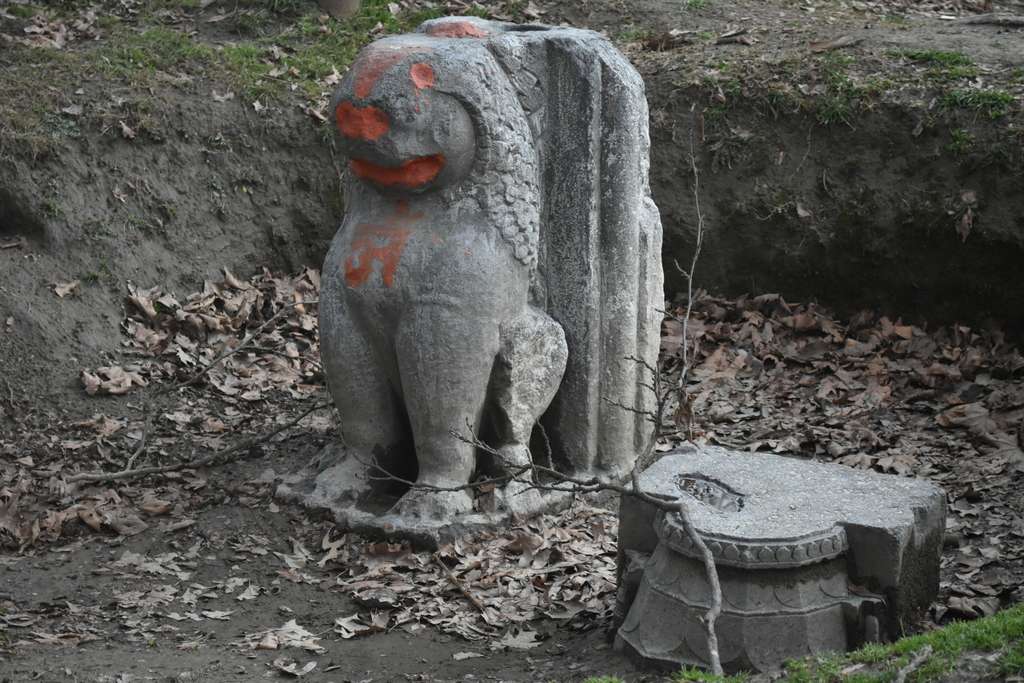
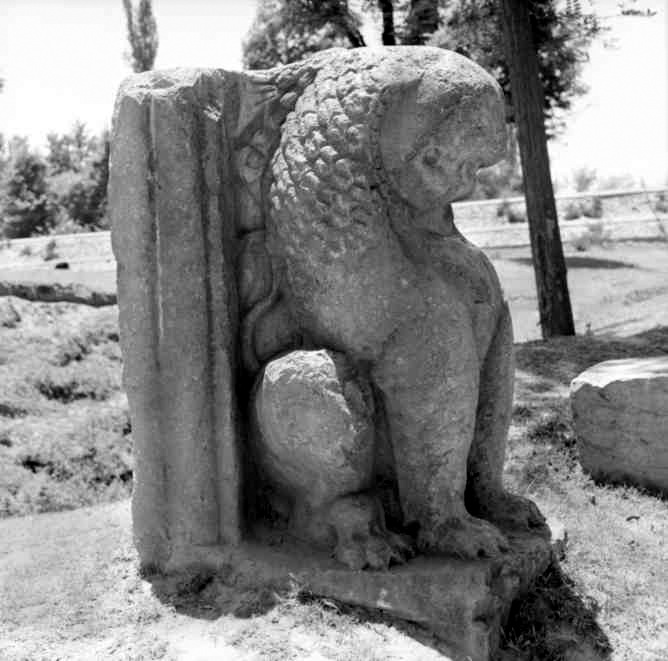
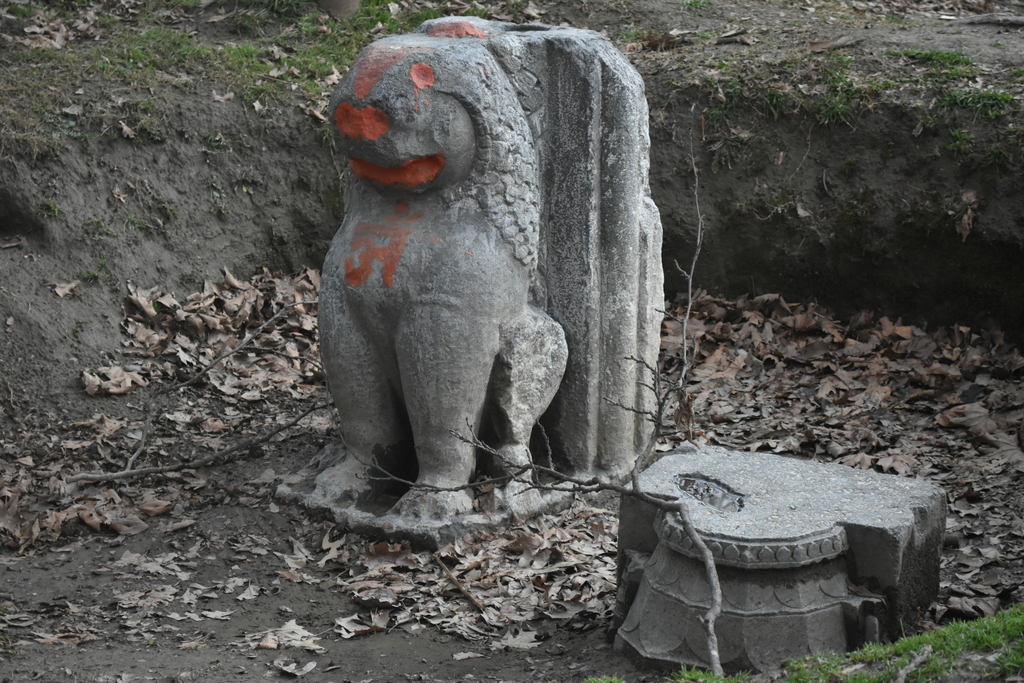
“Brashib” in Kashmiri or the Taurus. A Lion actually.
John Siudmak calls it influenced by Gandhāra style and dated around 5th century A.D.

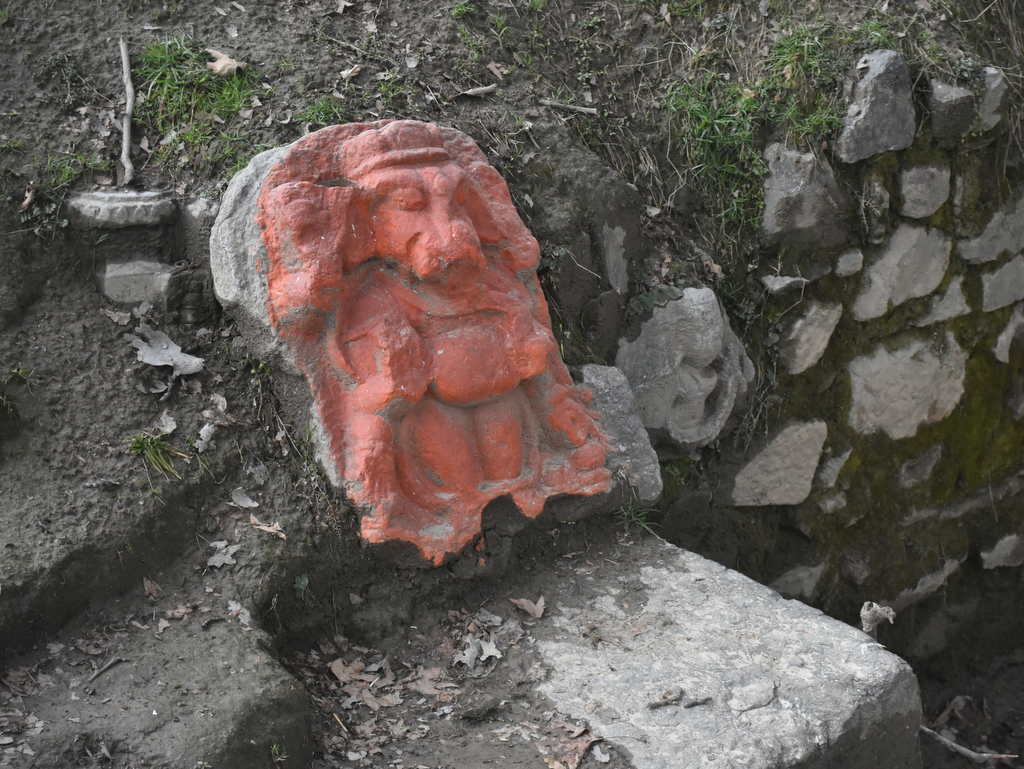
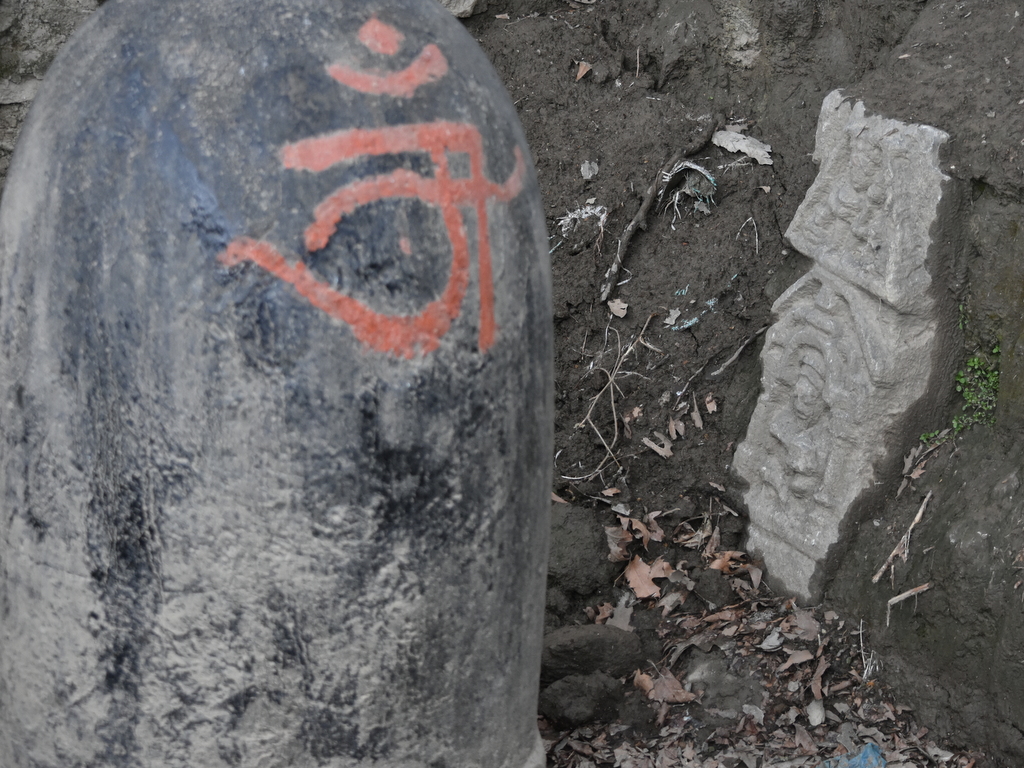
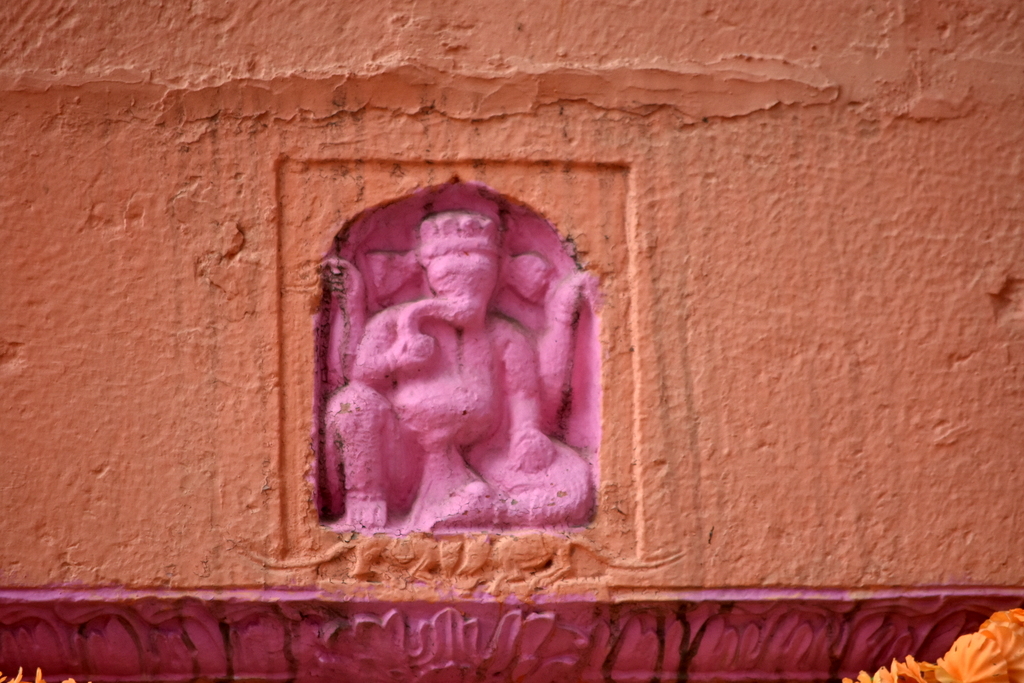
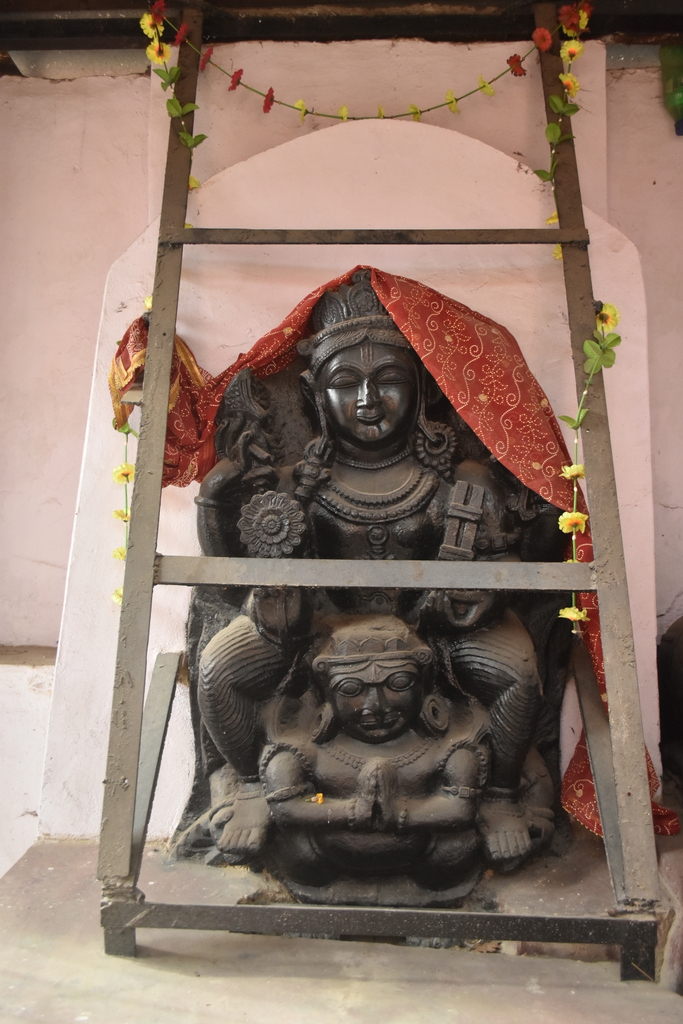
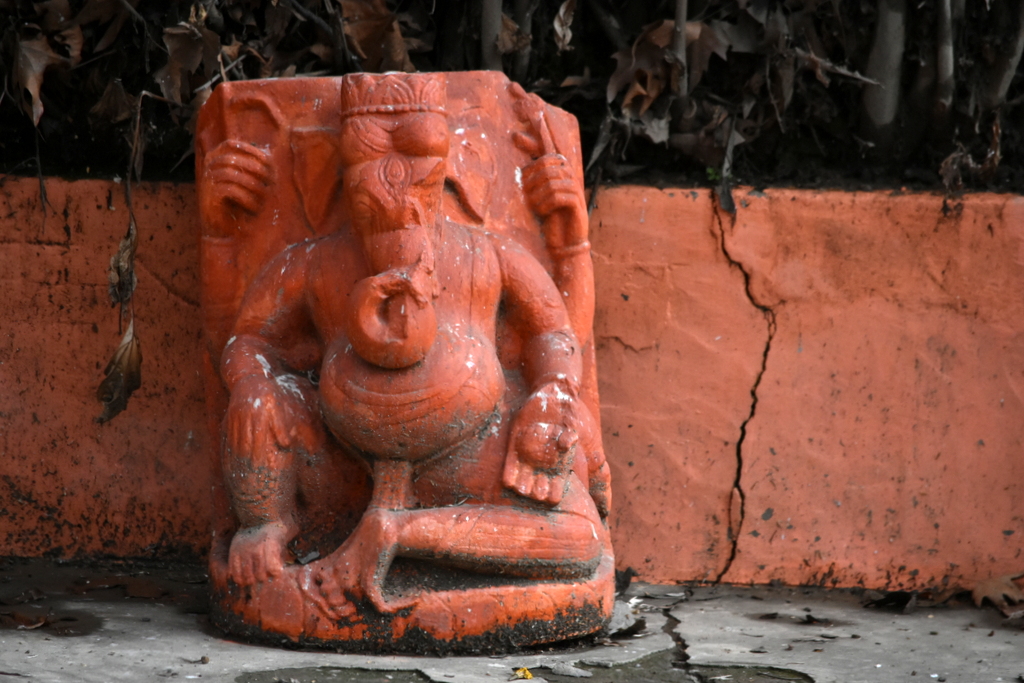
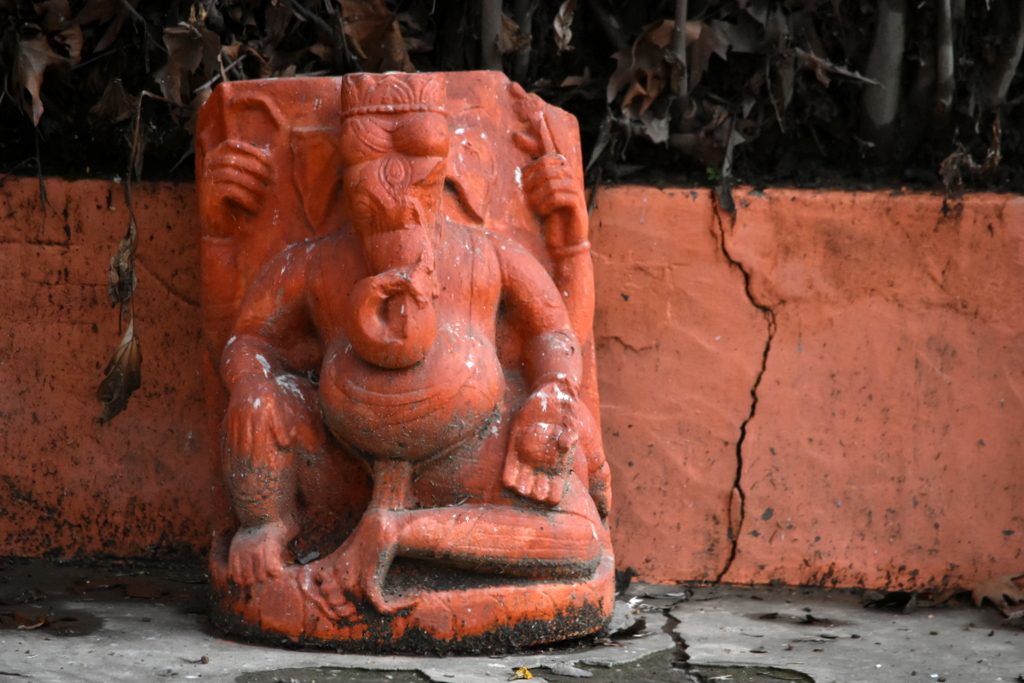
Although lot of old fragments can be found in the pit, Siudmak mentions that this standing Ganesha is the oldest and from around early 7th century AD. Although, Siudmak had seen it in late 1980s, in his book “The Hindu-Buddhist Sculpture of Ancient Kashmir and its Influences” (2013), he reports the statue to be missing. [Is above the same one?]

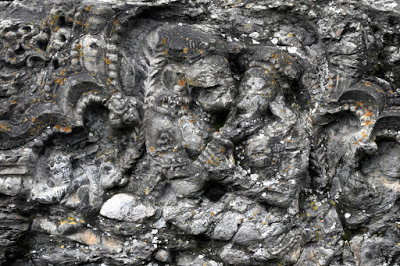
fragments in the wall

-0-

20th Feb, 2016

As I stood photographing, some security men came to check up on me. They asked some basic questions and left me alone. Then a young boy came asking. He belongs to the muslim family that now takes care of the temple. He mentioned that no one told him to expect a visitor, otherwise he would have made some preparations for tea. It seems the visiting Pandits always come after making pre-arrangements. I could see a dilapidated hut in a corner.

Much through the 80s the site was a regular victim of religious strife. People would break in and vandalize. Soon, a dozen more security men arrived. It was not normal. The security was on extra alert. Sensing that I was a pandit, these men started mentioning their own woes. “It is freezing cold here. We don’t ask for much, just a proper toilet.” I looked at the open pit in which the guards took dump. A pit dug in the ground with some jute rugs around as walls. They persisted, “Don’t pandits have any organization that takes care of these spots. Inform someone. Have a toilet built. Look as this.”The snow in the pit was melting.

Later in the day, there was a terrorist attack on a government building at Pampore about 30 Kilometer from the place.

-0-
Previously, the 11 stone that went missing from the temple

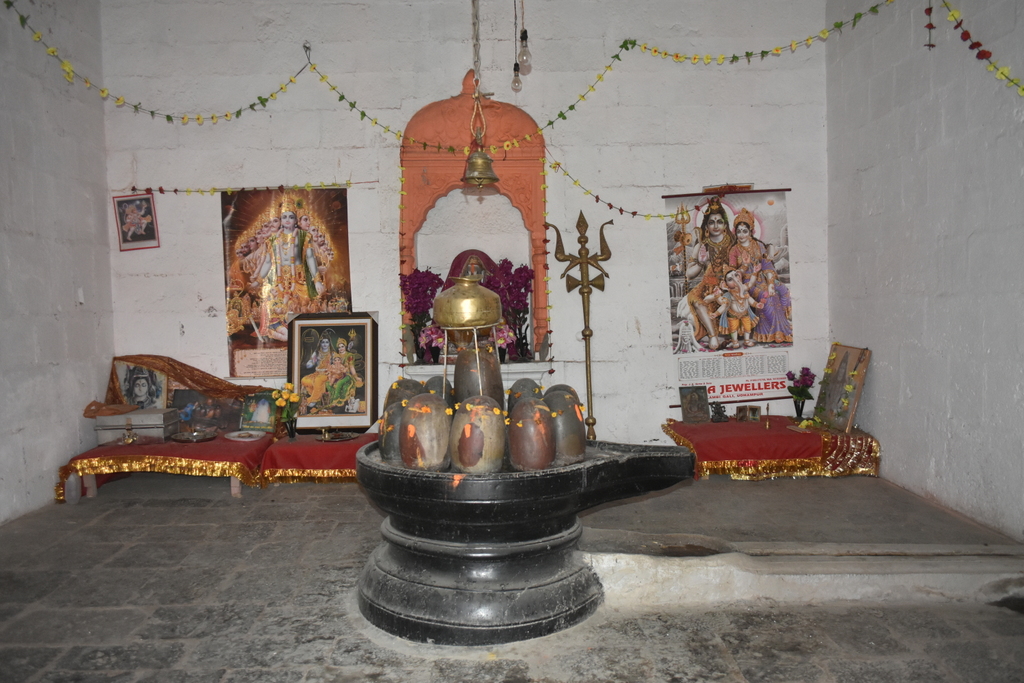
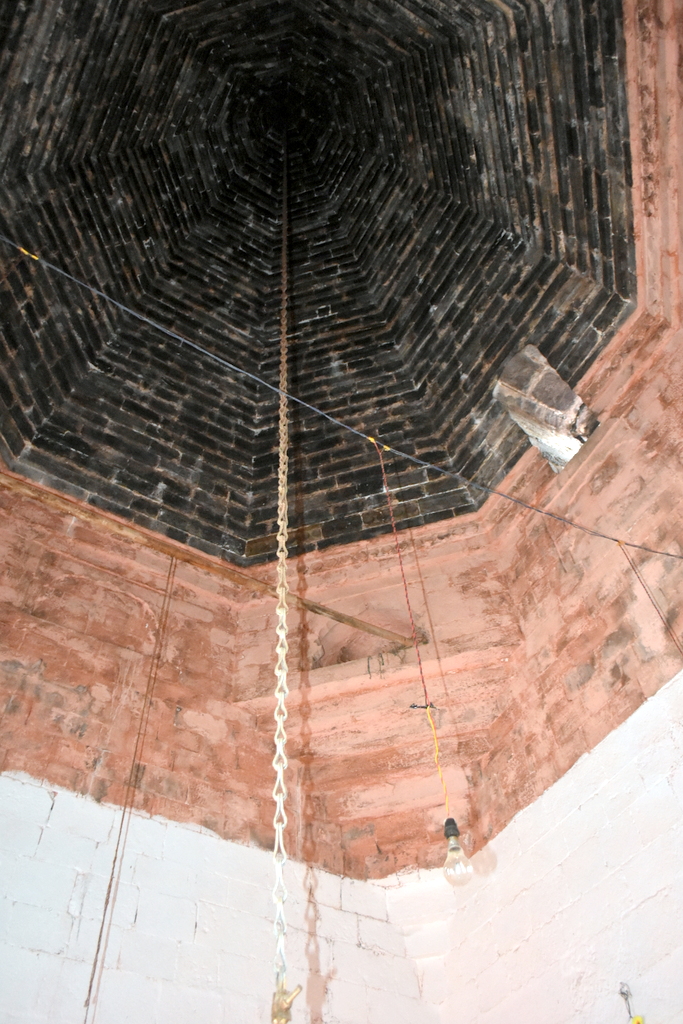
Vijeshwer Temple, Bijbehara

February 20th, 2016

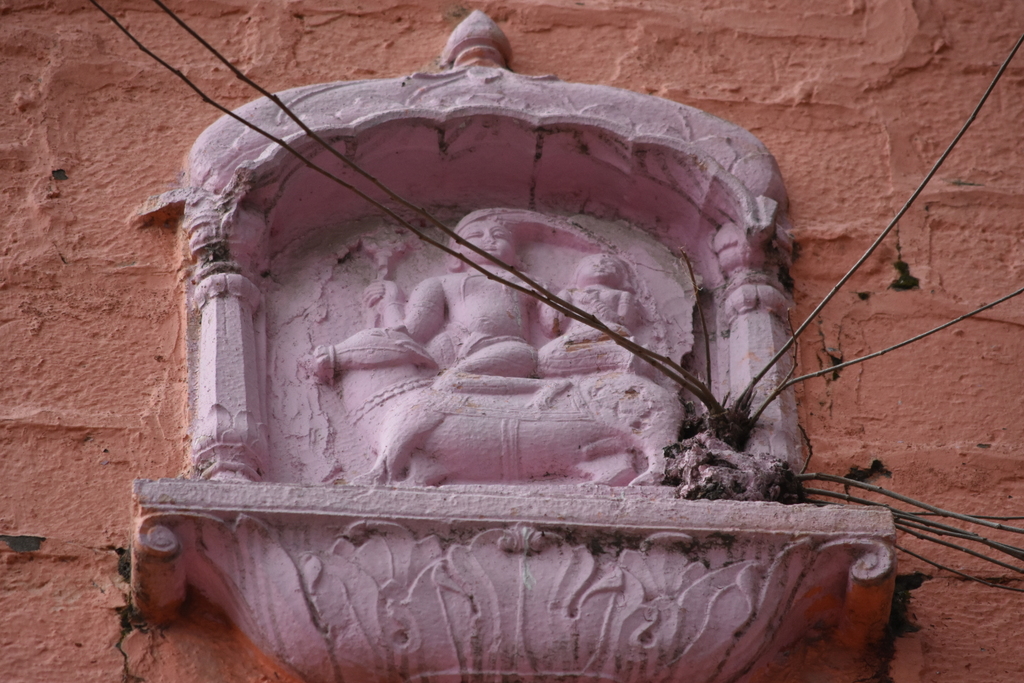
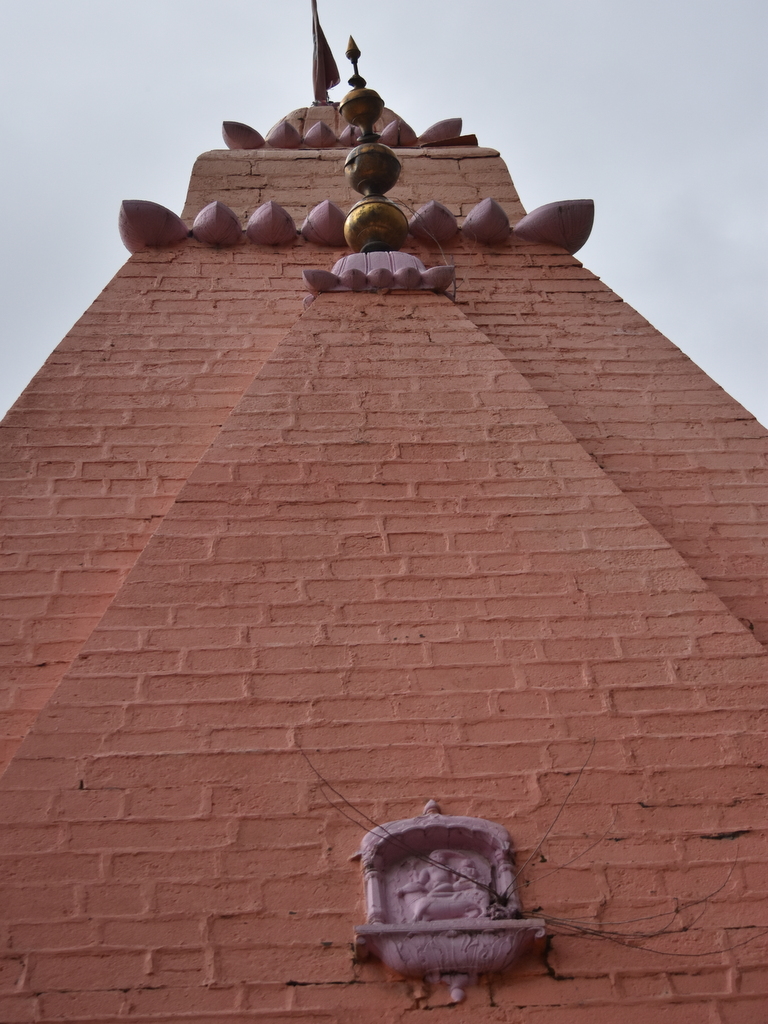
The new temple built by Maharaja Ranbir Singh in 19th century.

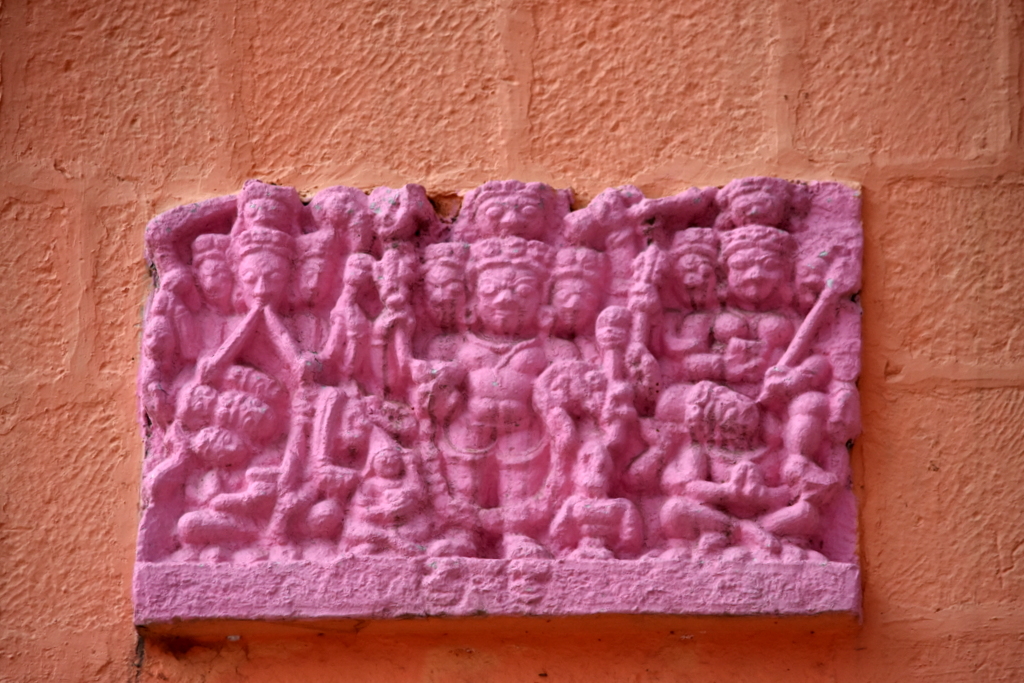
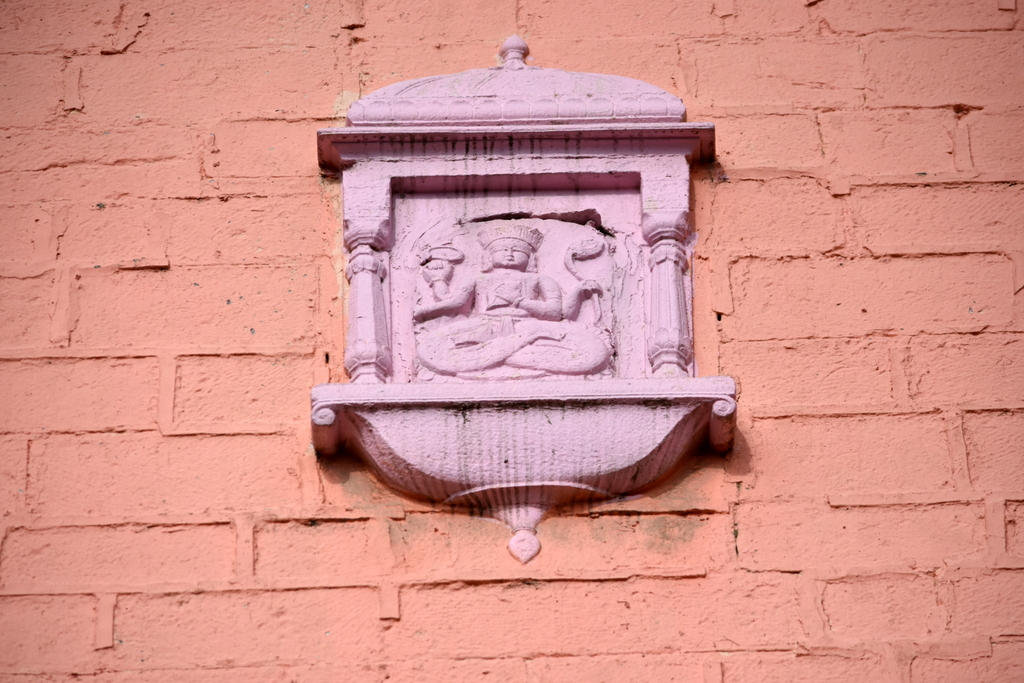
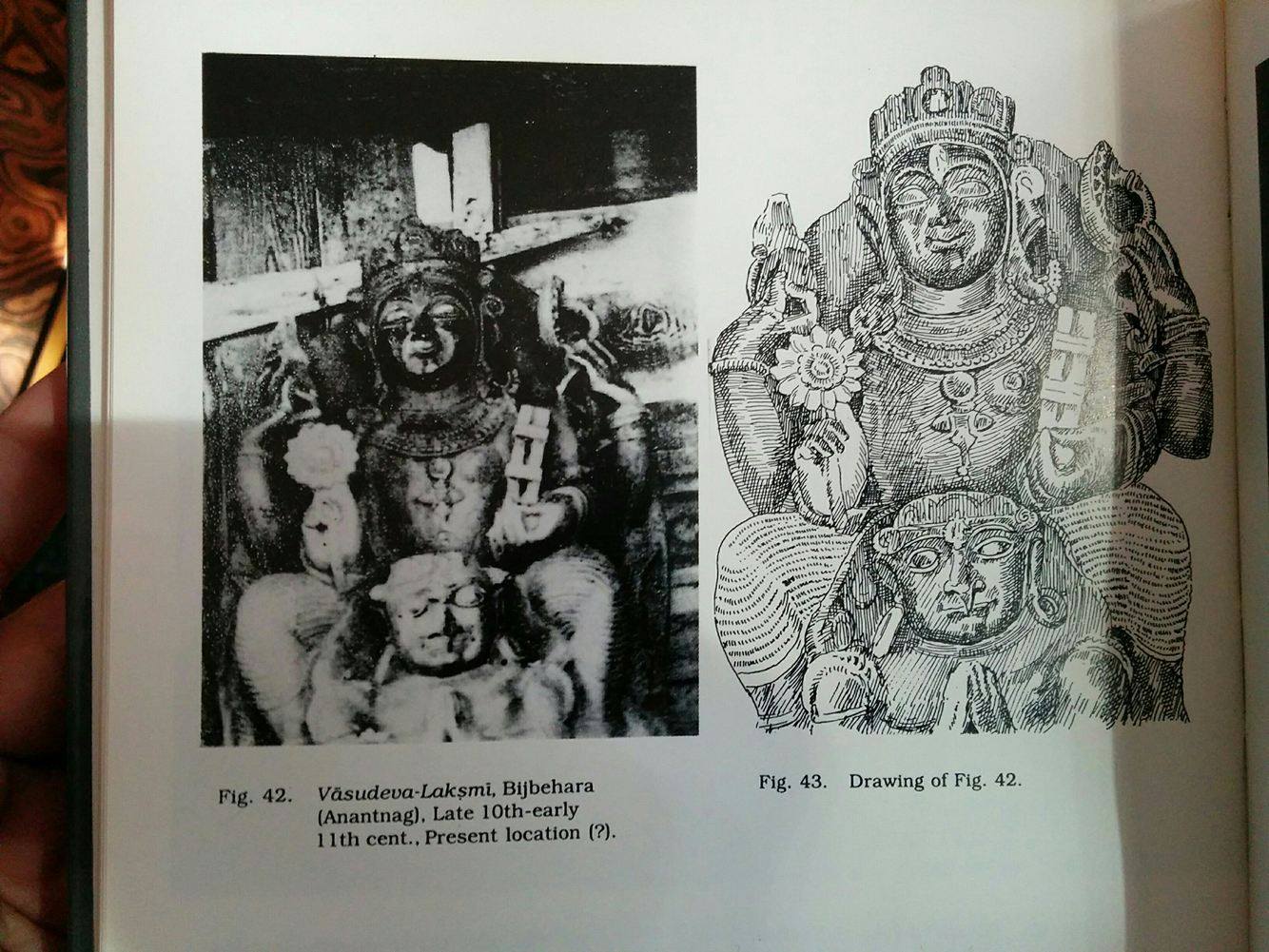
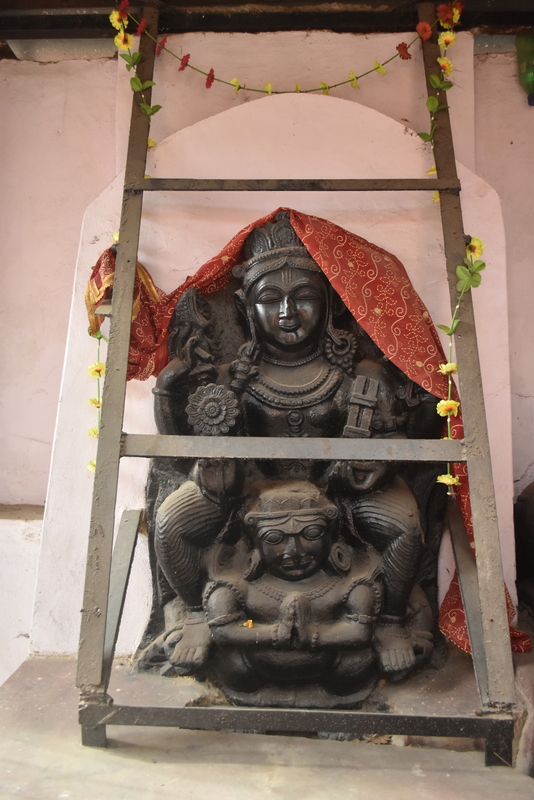
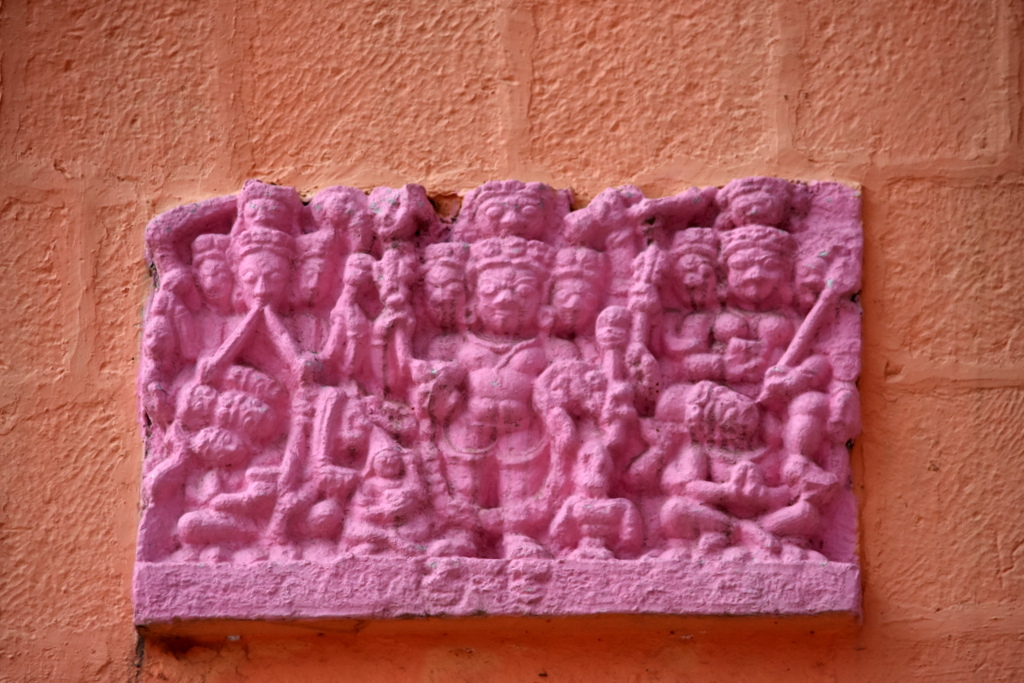
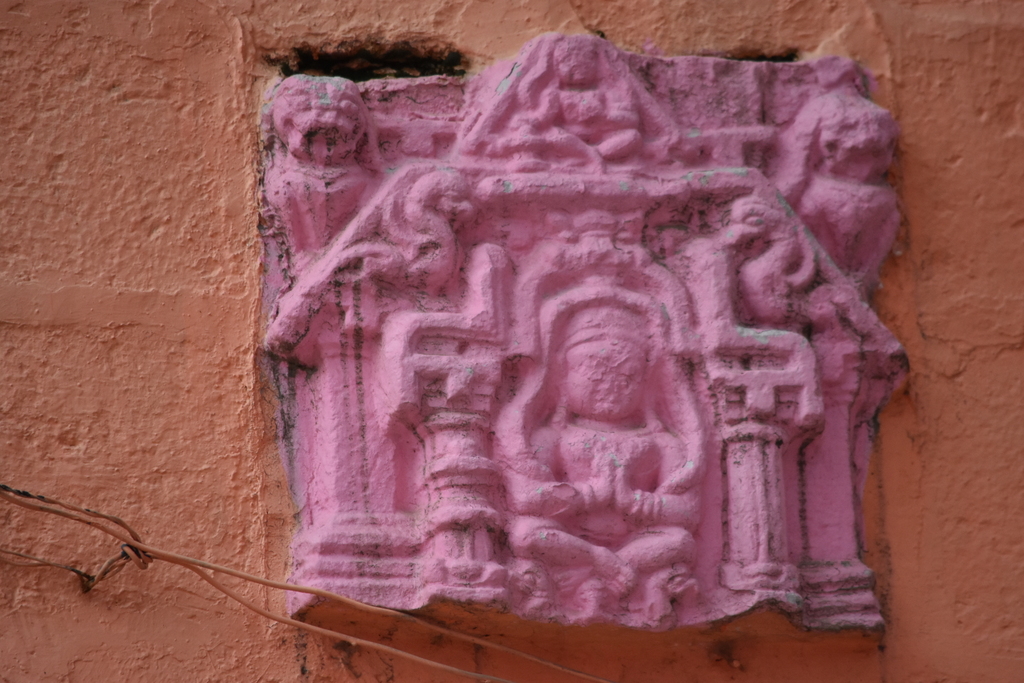
Laxmivasudeva seated on Garuda
Probable 10th or 11the century
Siudmak however places it in 15th or 16th century
[which would mean Hindu sculptures were still getting made in late Islamic era of Kashmir?]

The pit Temple of Bijbehara.
Believed to be the original site of ancient Shiv temple of Bijbehara mentioned by Kalhana


“Brashib” in Kashmiri or the Taurus.
A Lion actually.
John Siudmak calls it influenced by Gandhāra style and dated around 5th century A.D.
These form the earliest distinct Kashmiri style of sculptures.
A lot of material from Bijbehara was moved to SPS museum in around 1898 by Captain Godfrey.

-0-
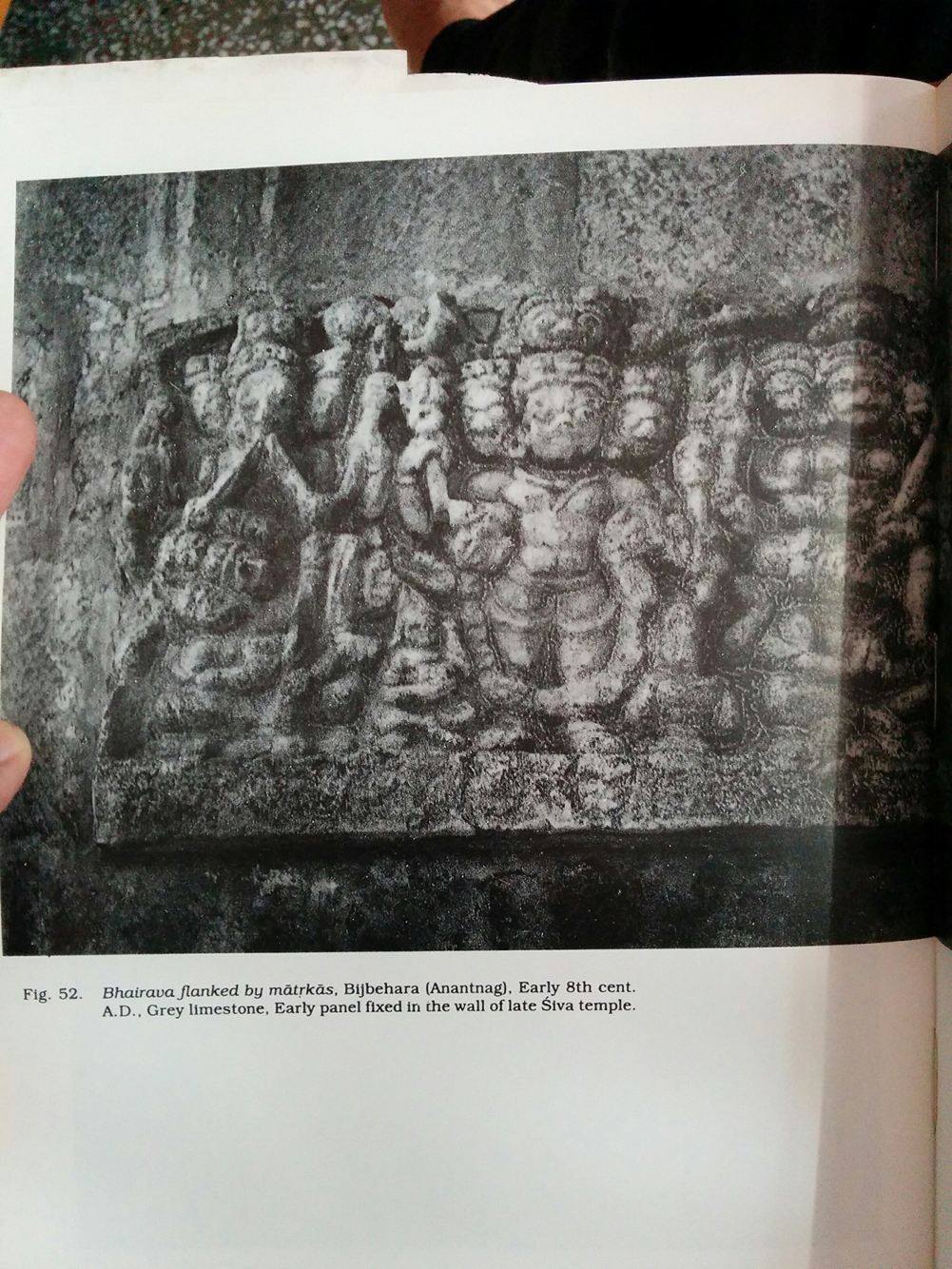
Relics at Bijbehara Shiva Temple. Then-Now.

From ‘Vaishava Art and Iconography of Kashmir’ (1996) by Bansi Lal Malla
Feb, 2016

From ‘Vaishava Art and Iconography of Kashmir’ (1996) by Bansi Lal Malla
2016. 

John C. Huntington, L. Susan. 1970.

2016. Called “Brashib” in Kashmiri.

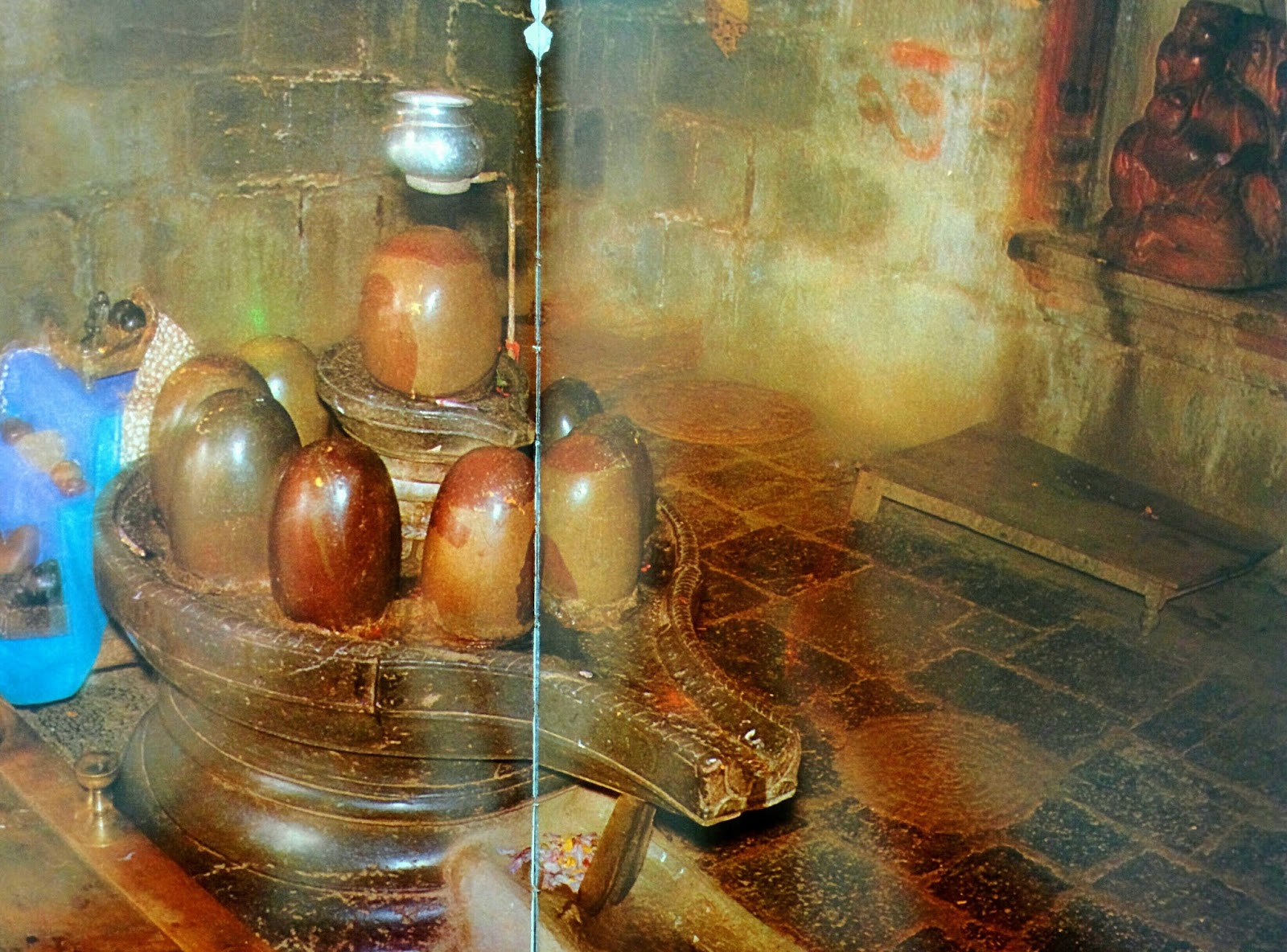
Inside of Bijbihara temple. From “Kashmir” (1977) by Francis Brunel.
Notice the Ganesha at the right, in corner. both eyes intact.

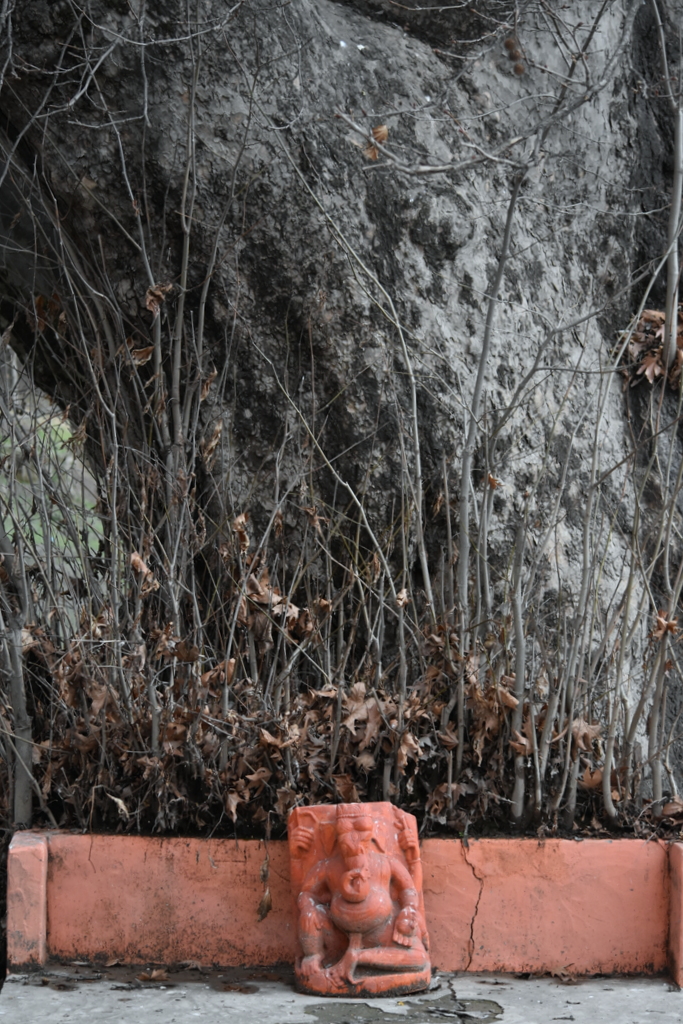
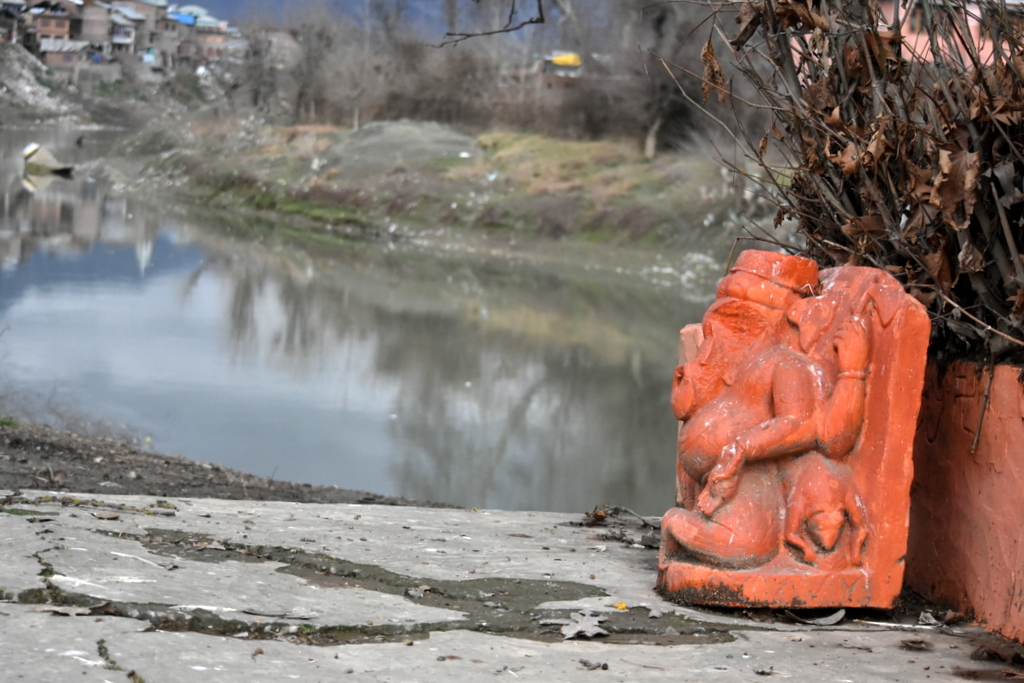
Present location. Outside the temple. Under a tree. The statue was attacked by someone in around 1990. One eye destroyed.

-0-
Details of the trip and temple: Bijbehara Shiva Temple

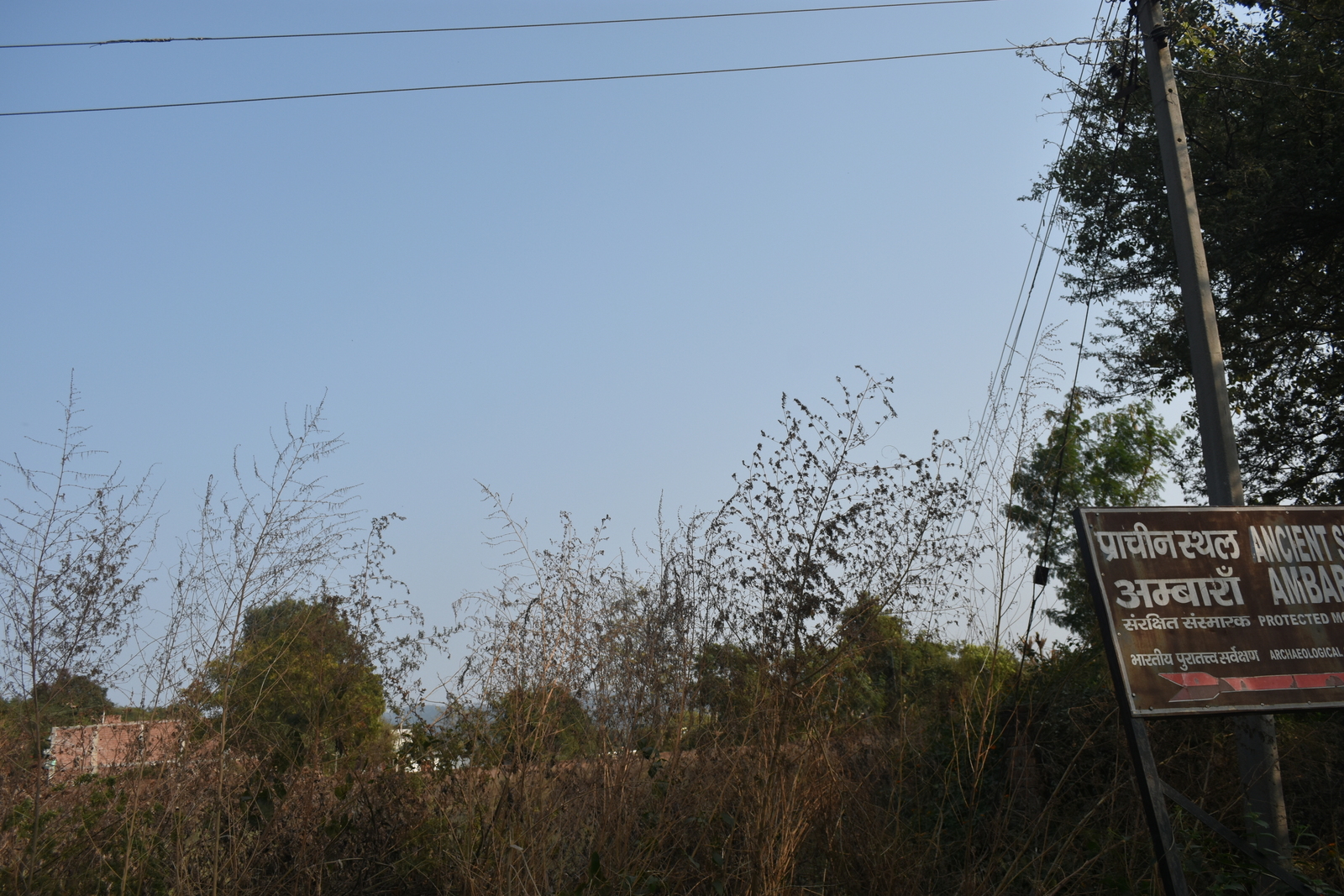
Ambaran Buddhist Stupa, Akhnoor, Jammu

28th November, 2015

It is tough. It is tough to track down Buddhist remains in the state. Most of the times, no one seems to know the exact location even if you give them the name.

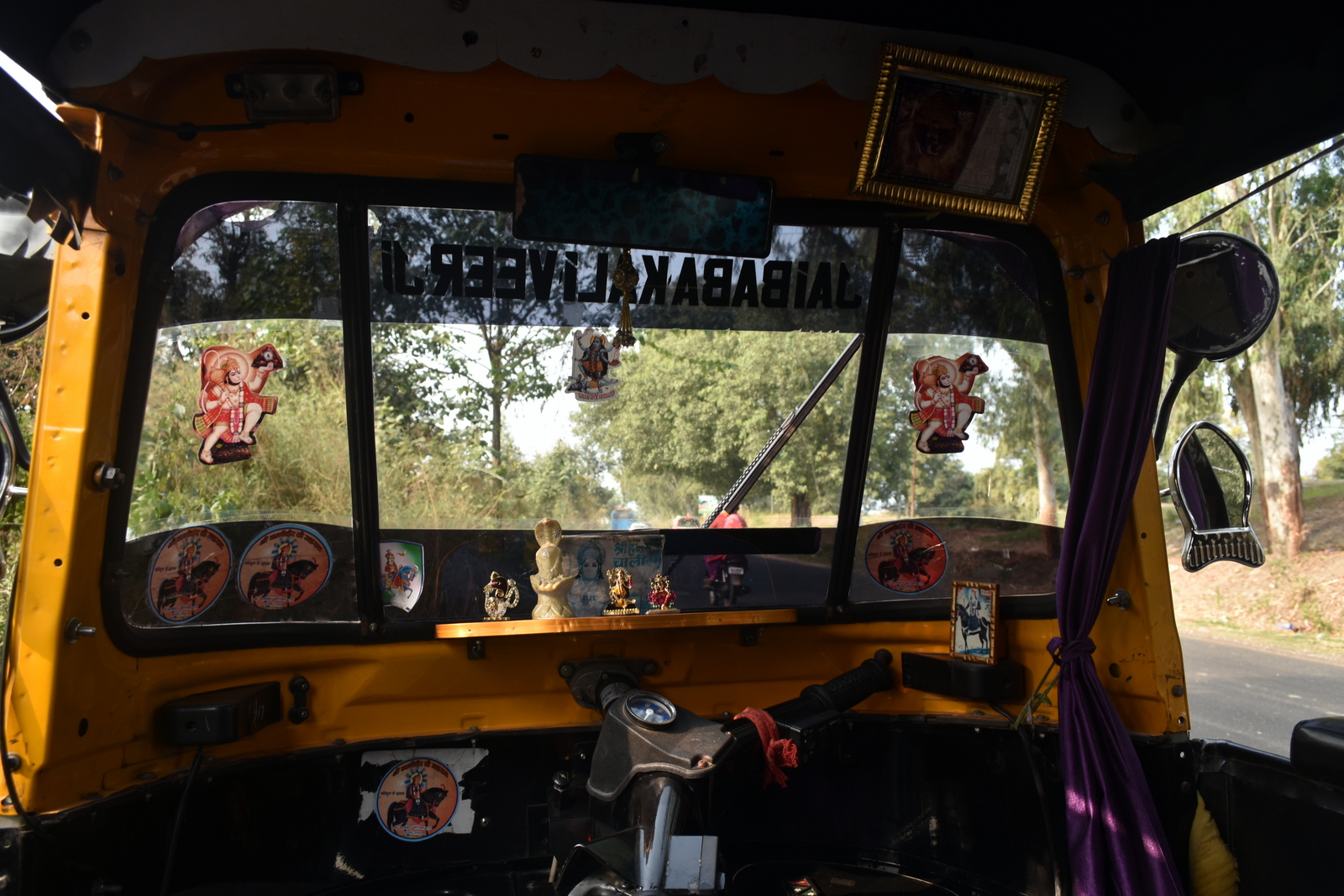
I hired an ‘auto’ and told the guy he is going to be with me for the whole day and go where I ask him to go. I was going to look for Ambaran in Akhnoor, a place considered the norther-most border of Harappan civilization.

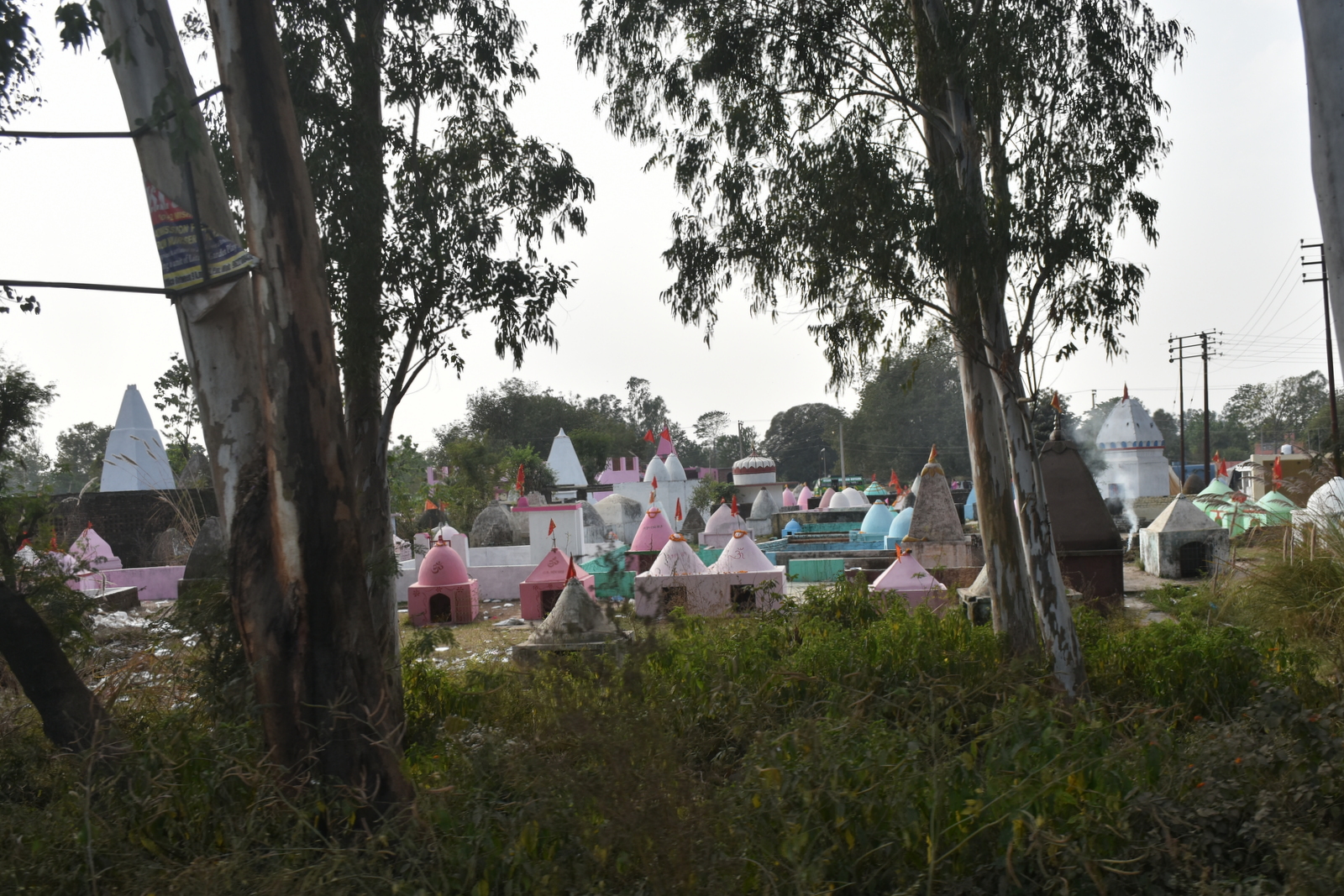
On leaving the Jammu city, on way to Akhnoor, the road is lined with these local temples.

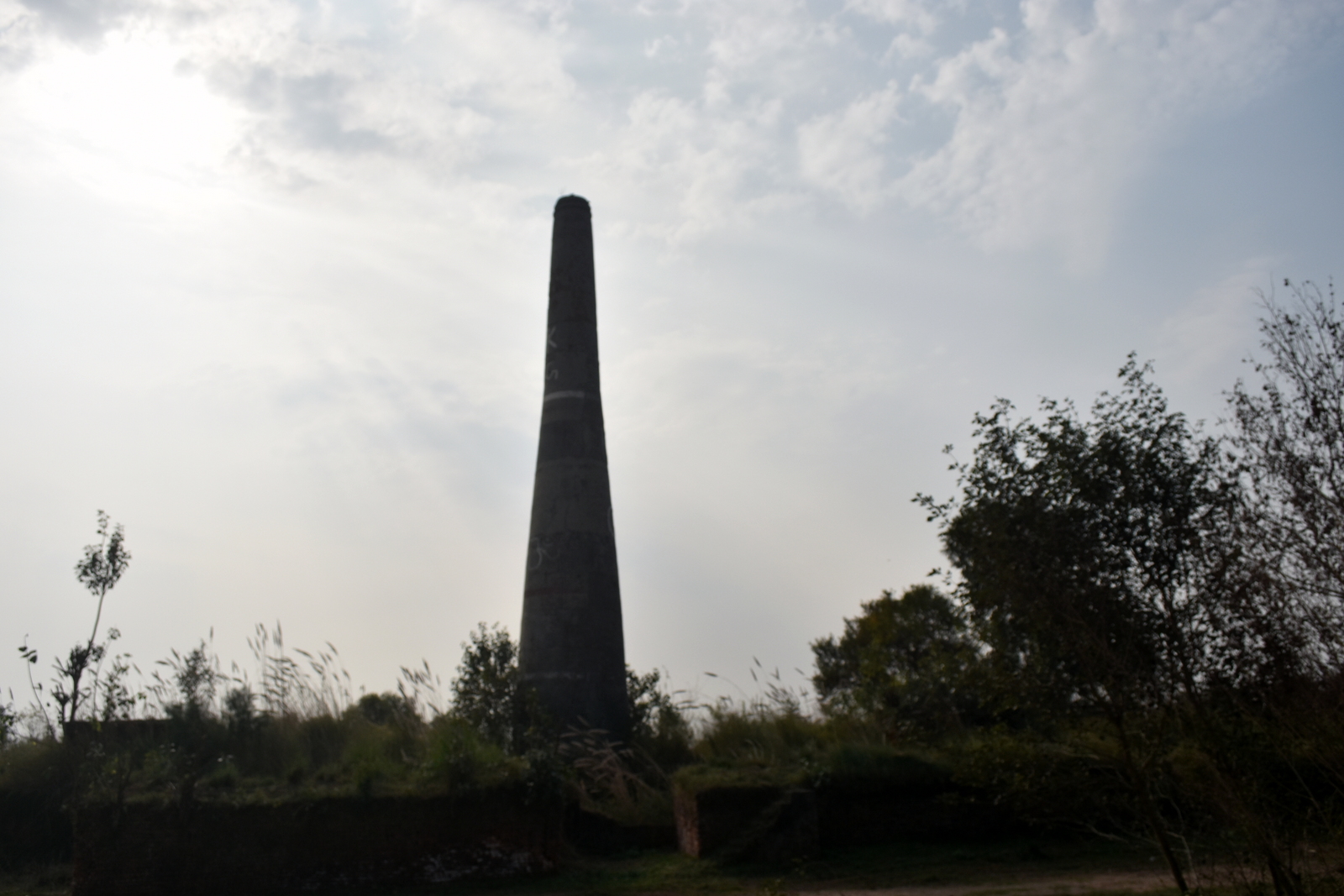
The road is also lined with brickkiln.

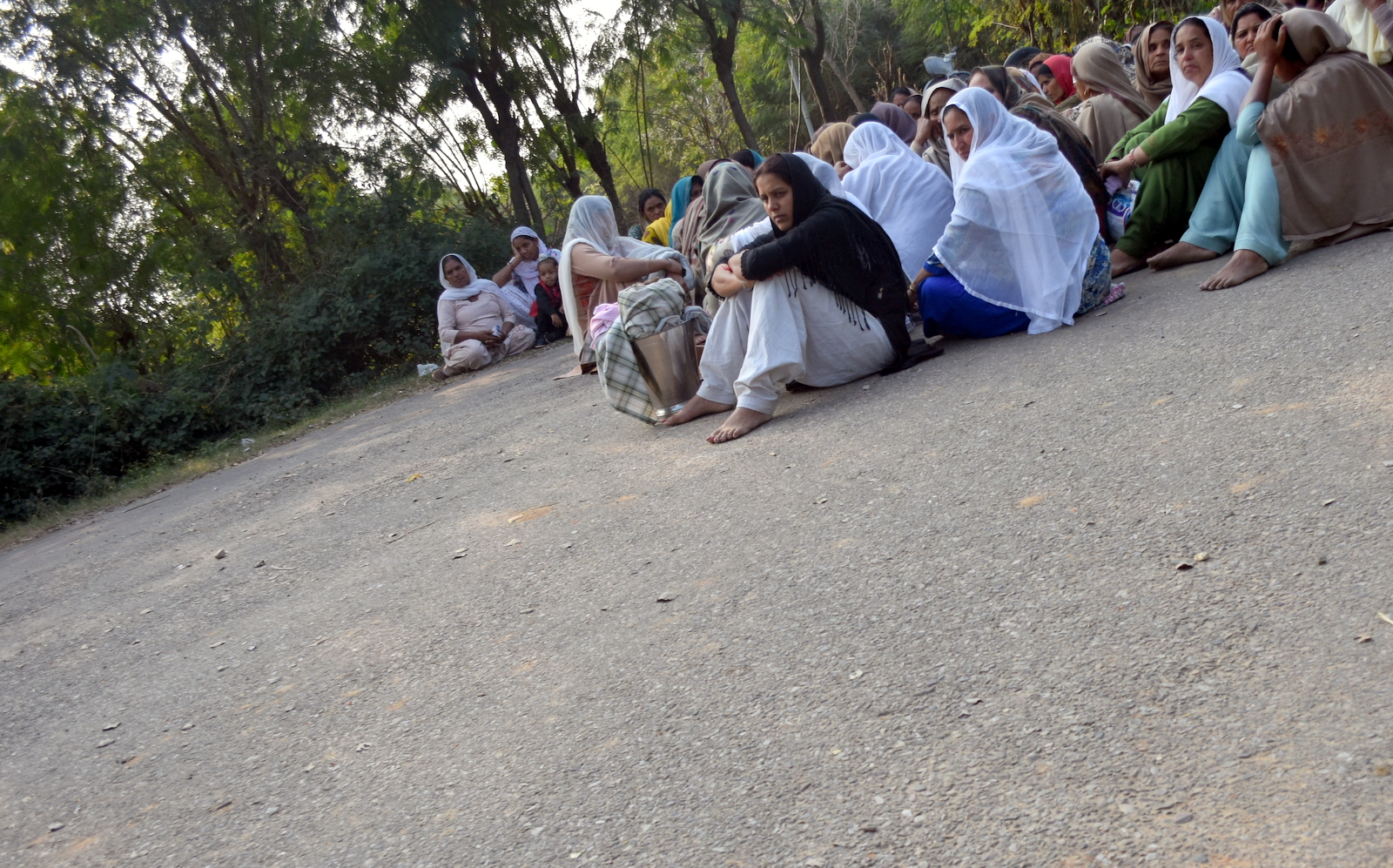
After much roaming around in Akhnoor proper, asking people around, we found the way. It took some extra time to reach as the place is near a traditional river bank crematorium and someone had died that day. Entire road was blocked by mourners.

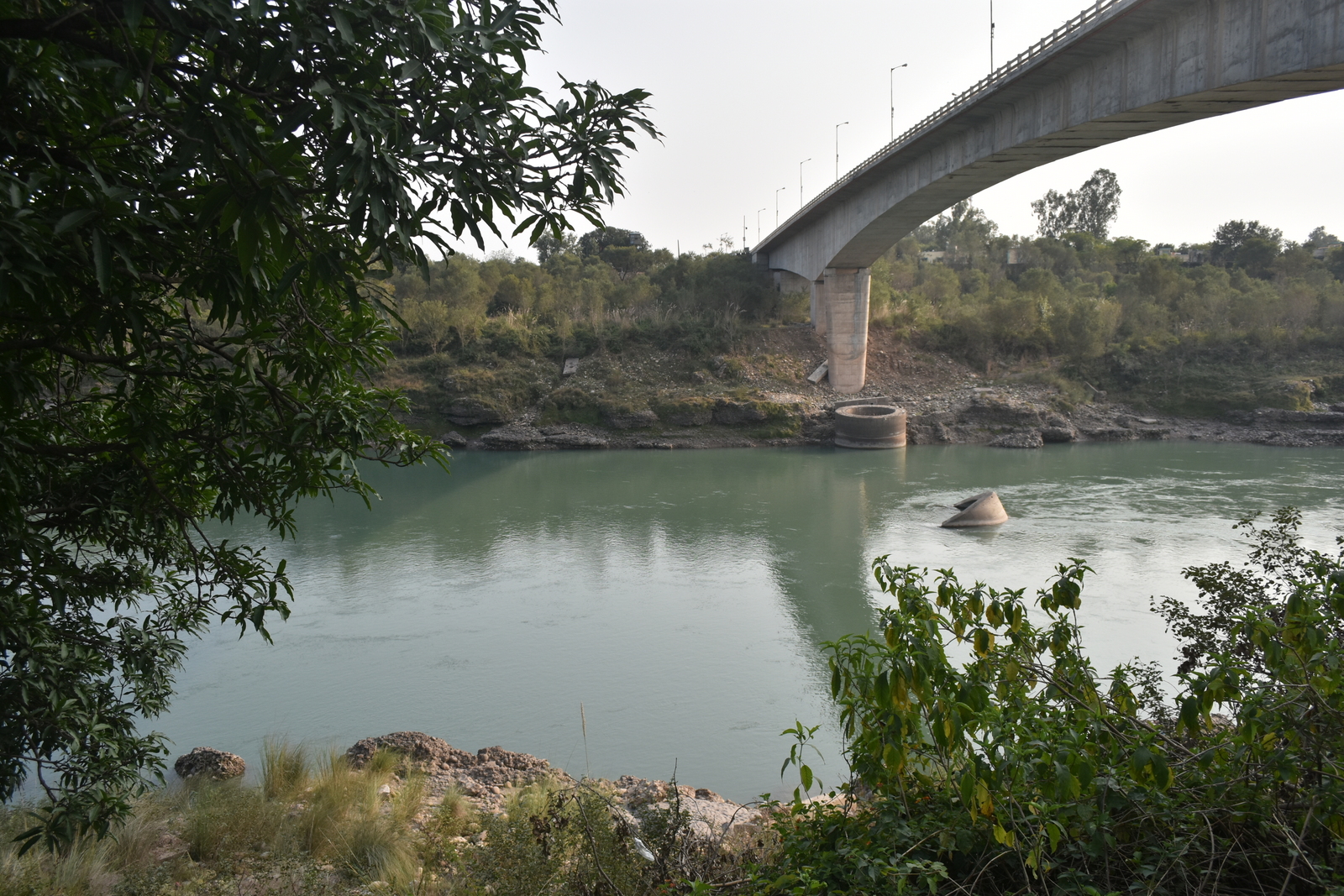
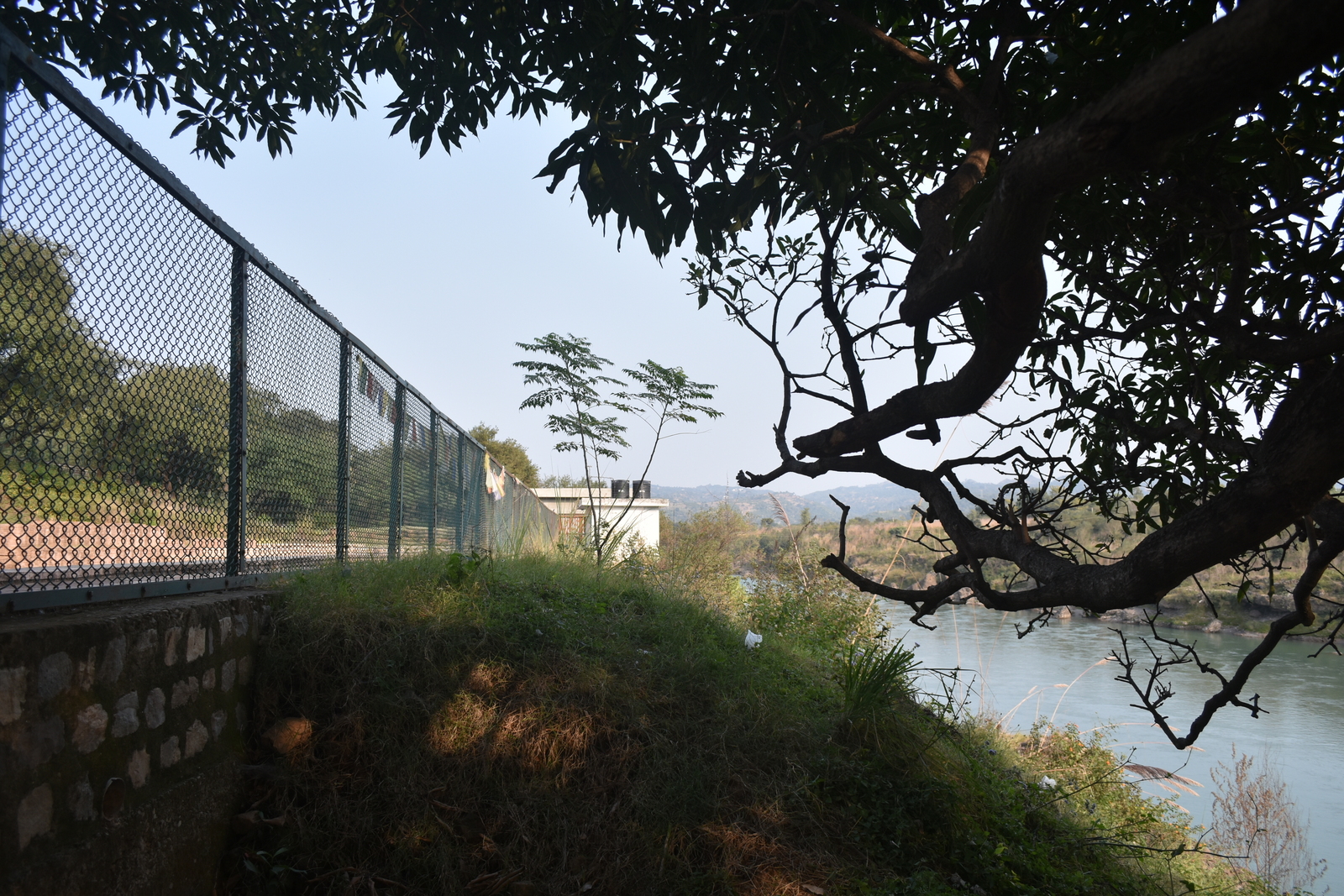
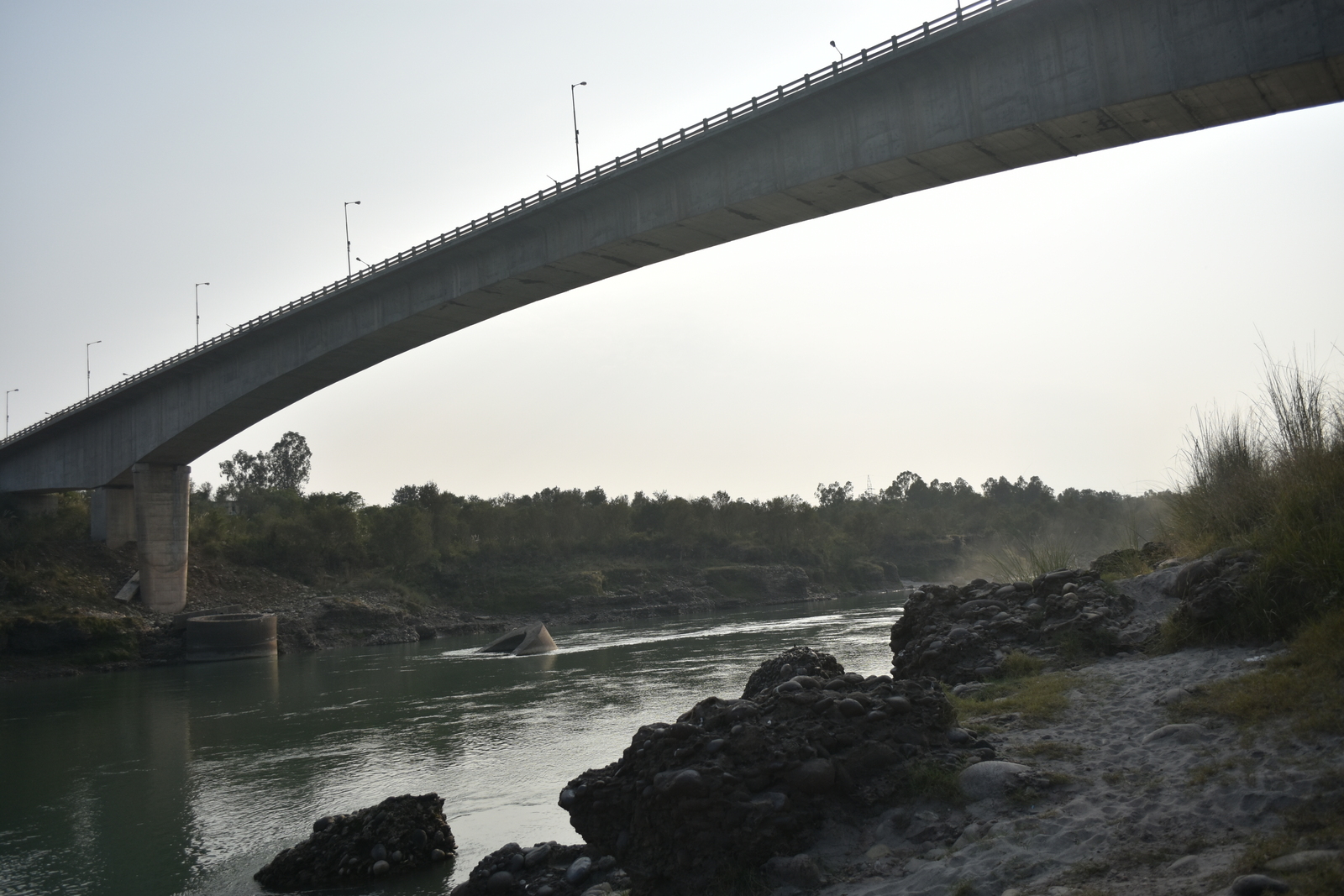
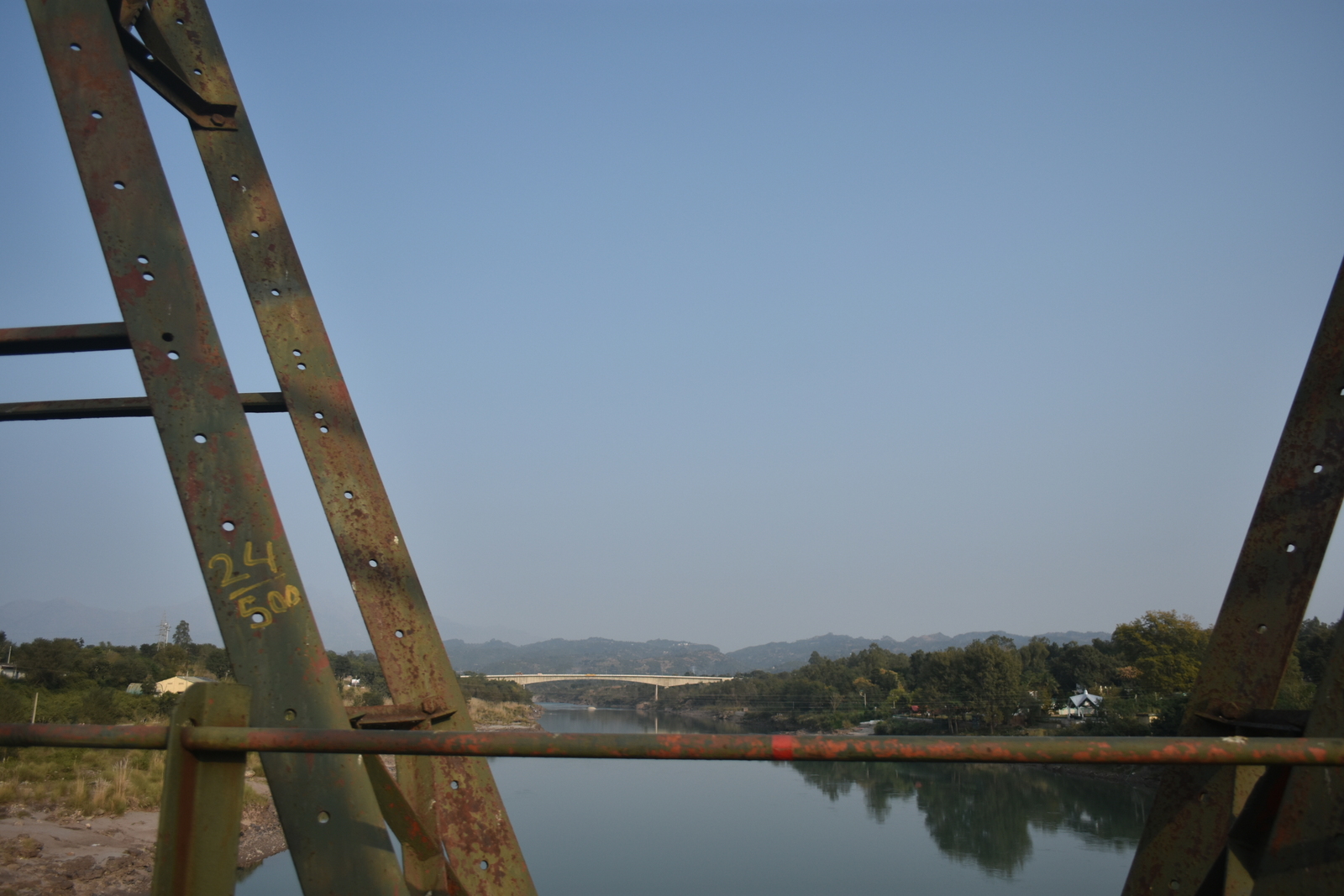
The Buddhist monastic complex is on the right bank of river Chenab. I found trucks dumping construction waste all day long into the river.

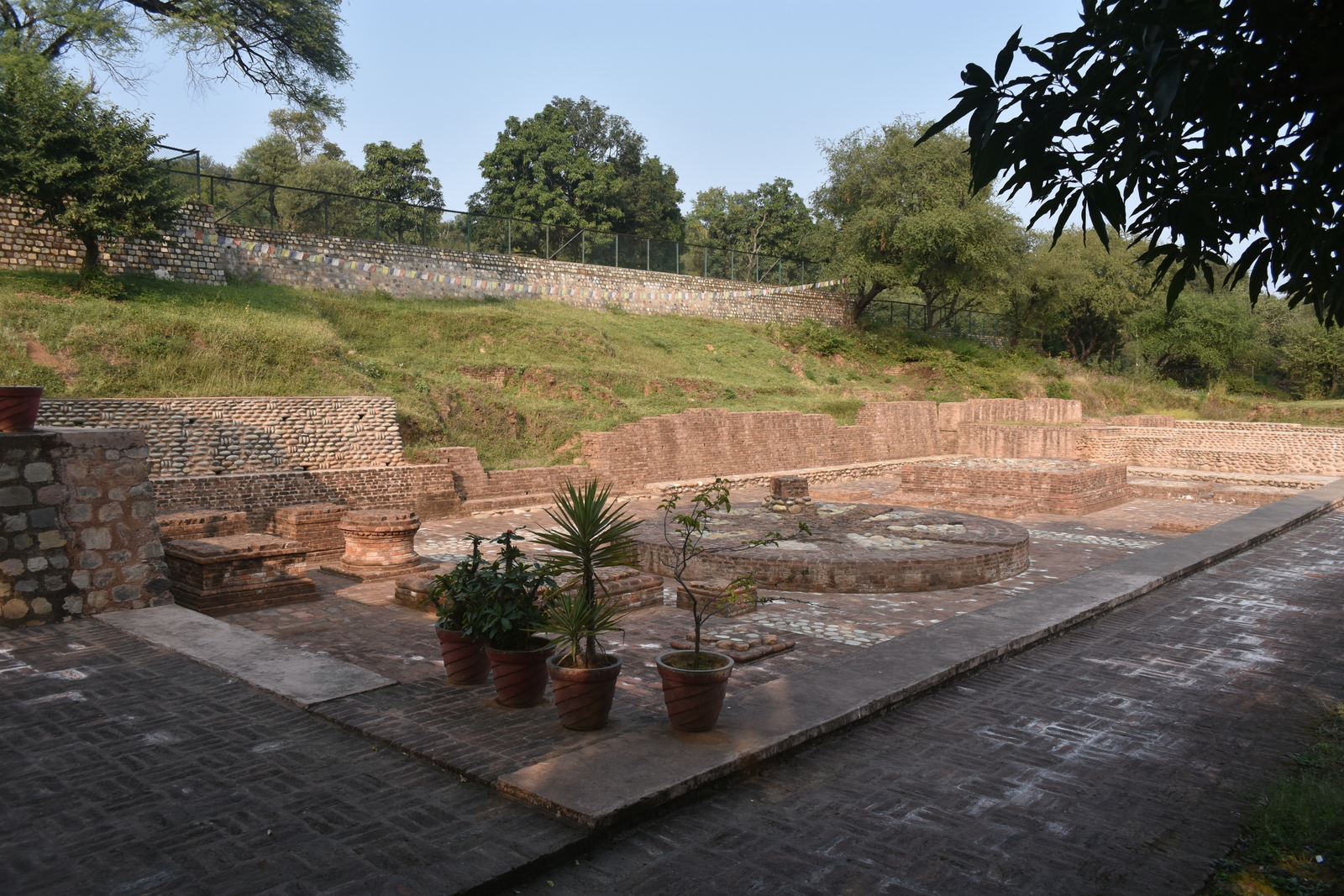
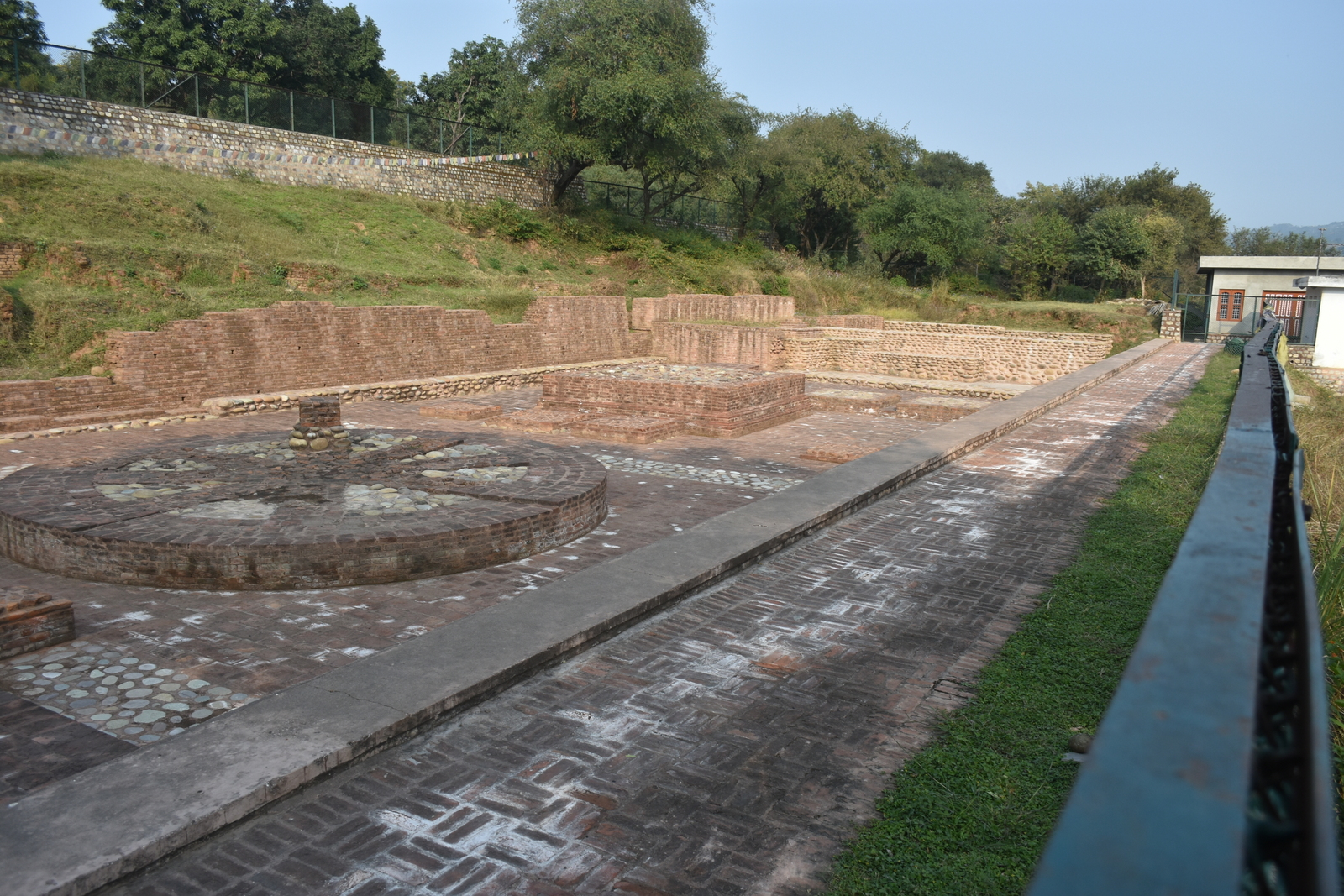
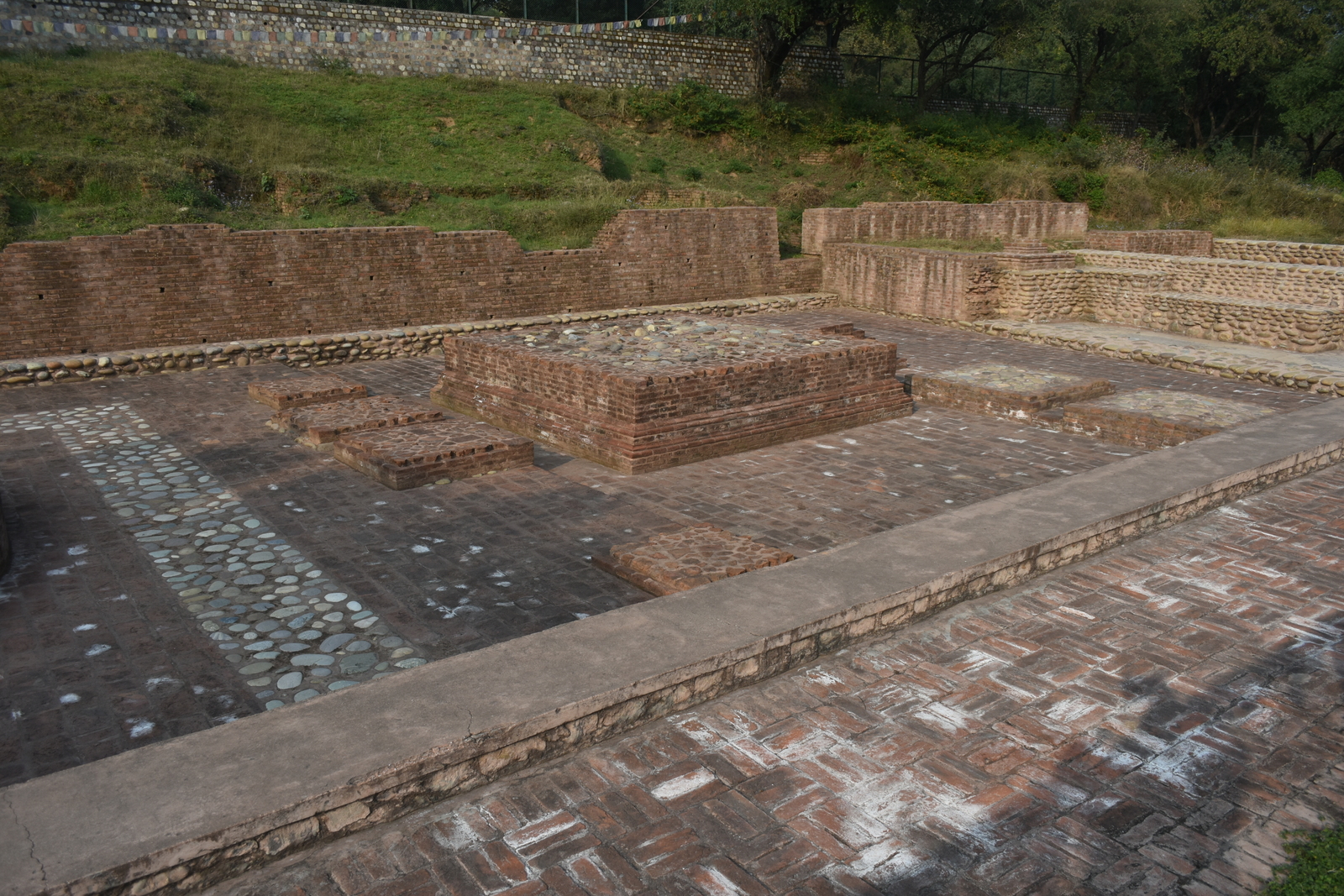
The place itself has been “restored”.

I found the complex locked, with not a soul in sight. I watched the site from the fence.

The excavations at the site started around 1990 even though a lot of terracota figures ( 7th century A.D.) now known as “Akhnoor Buddhist terracotta heads with Greeco-Roman influence” had been found in Akhnoor around 1950s. The figures are closely related to figures found at Ushkur near Baramulla, Kashmir (to be visited).

The site is dated along 4 periods:


Period I: Pre-Kushan period (circa second first century B. C.)
Period II: Kushan period (circa first to third century B. C.)
Period III: Post-Kushan (Gupta) period (circa forth fifth century A. D.)
Period IV: Post Gupta period (circa sixth seventh century A. D.)

Mourners of the Sikh man who had died

That was Ambaran, the oldest Buddhist site in entire Jammu and Kashmir.

-0-
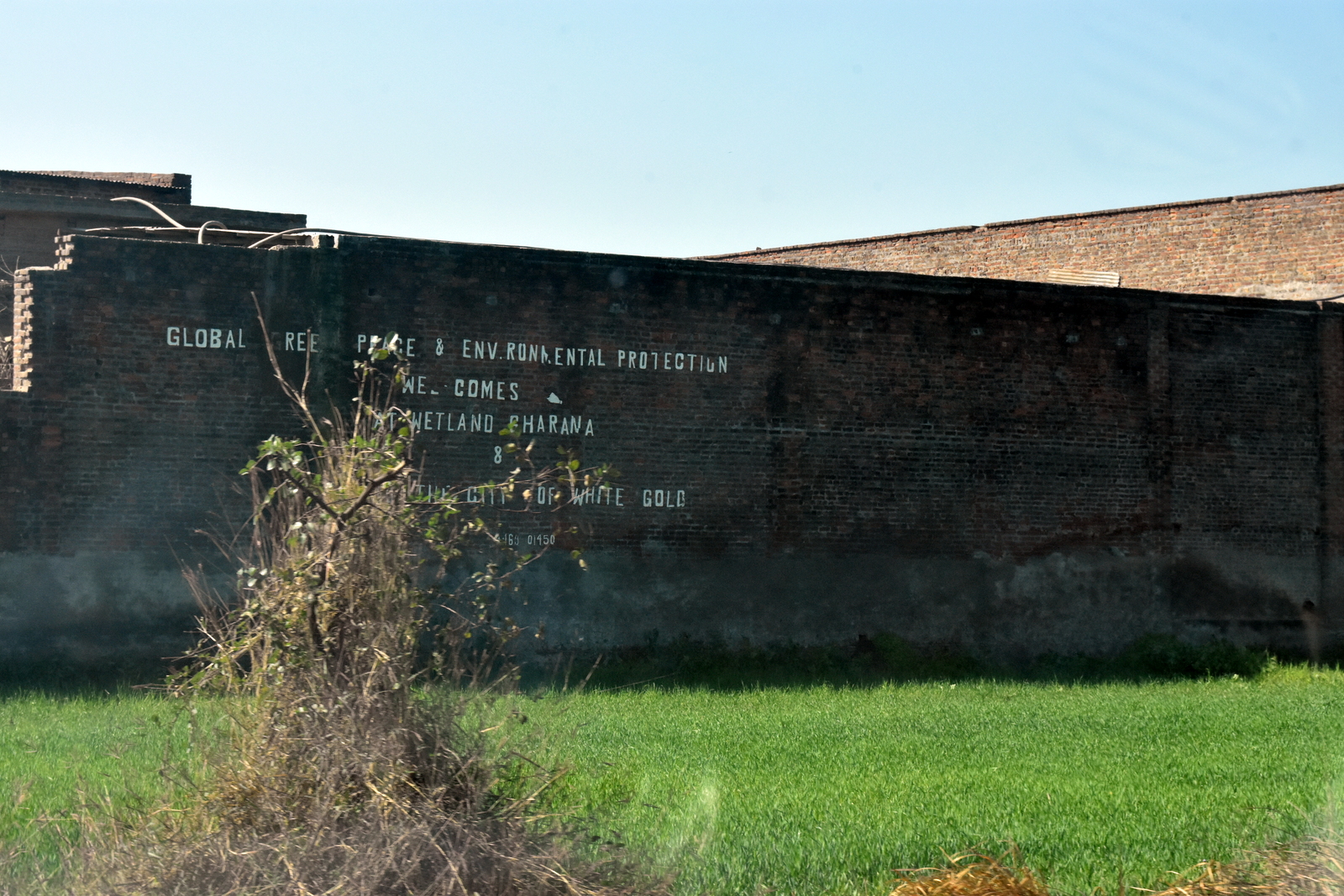
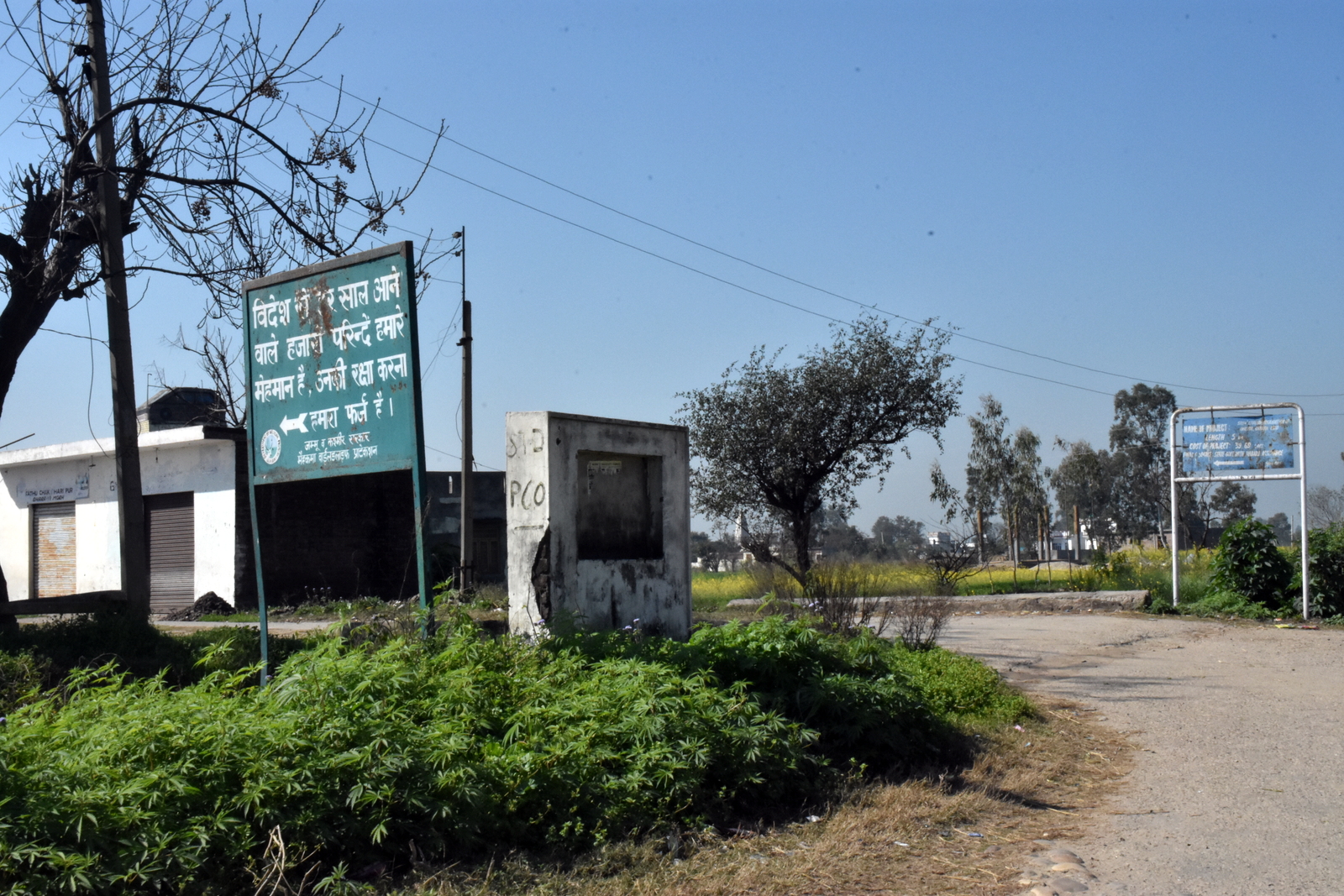
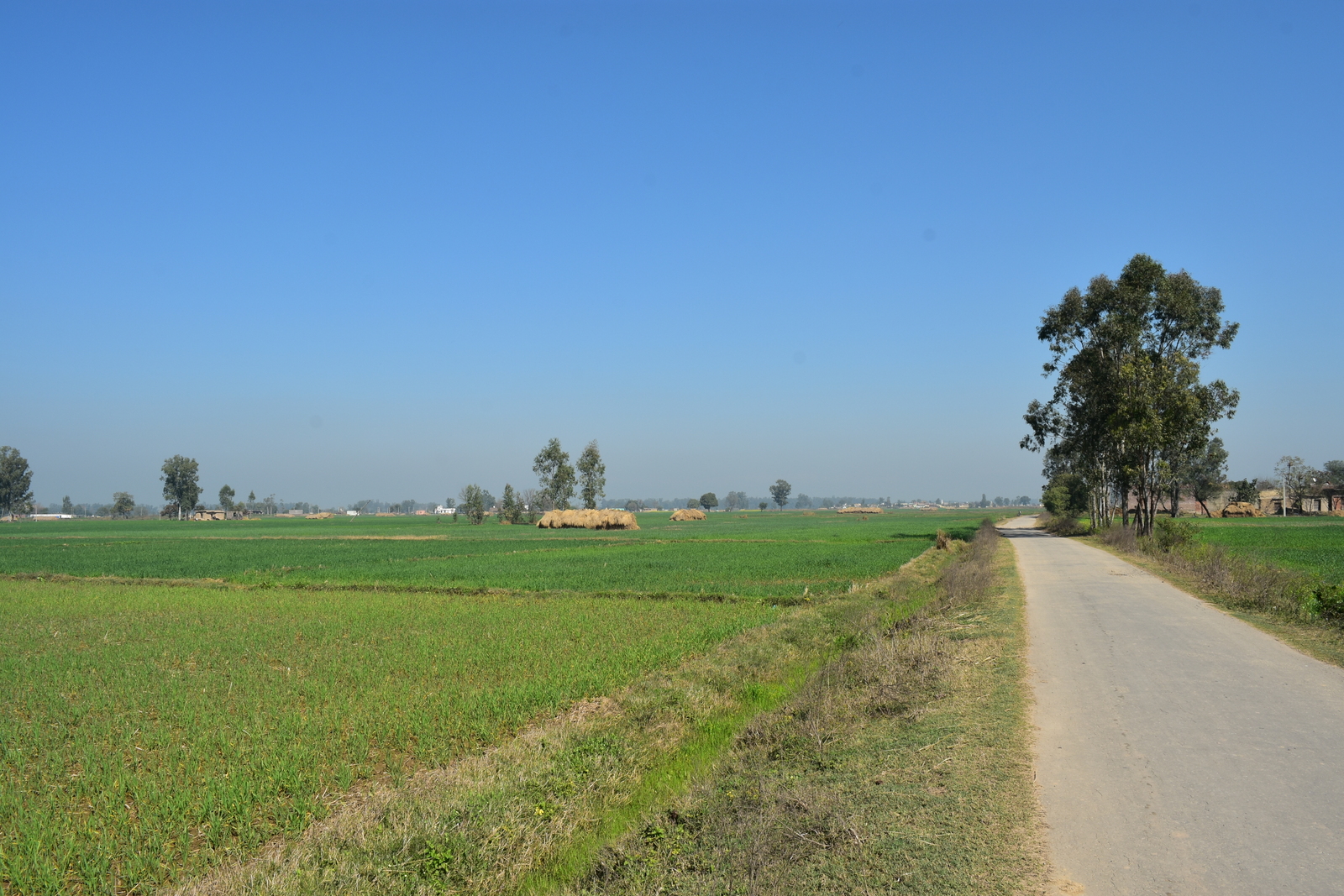
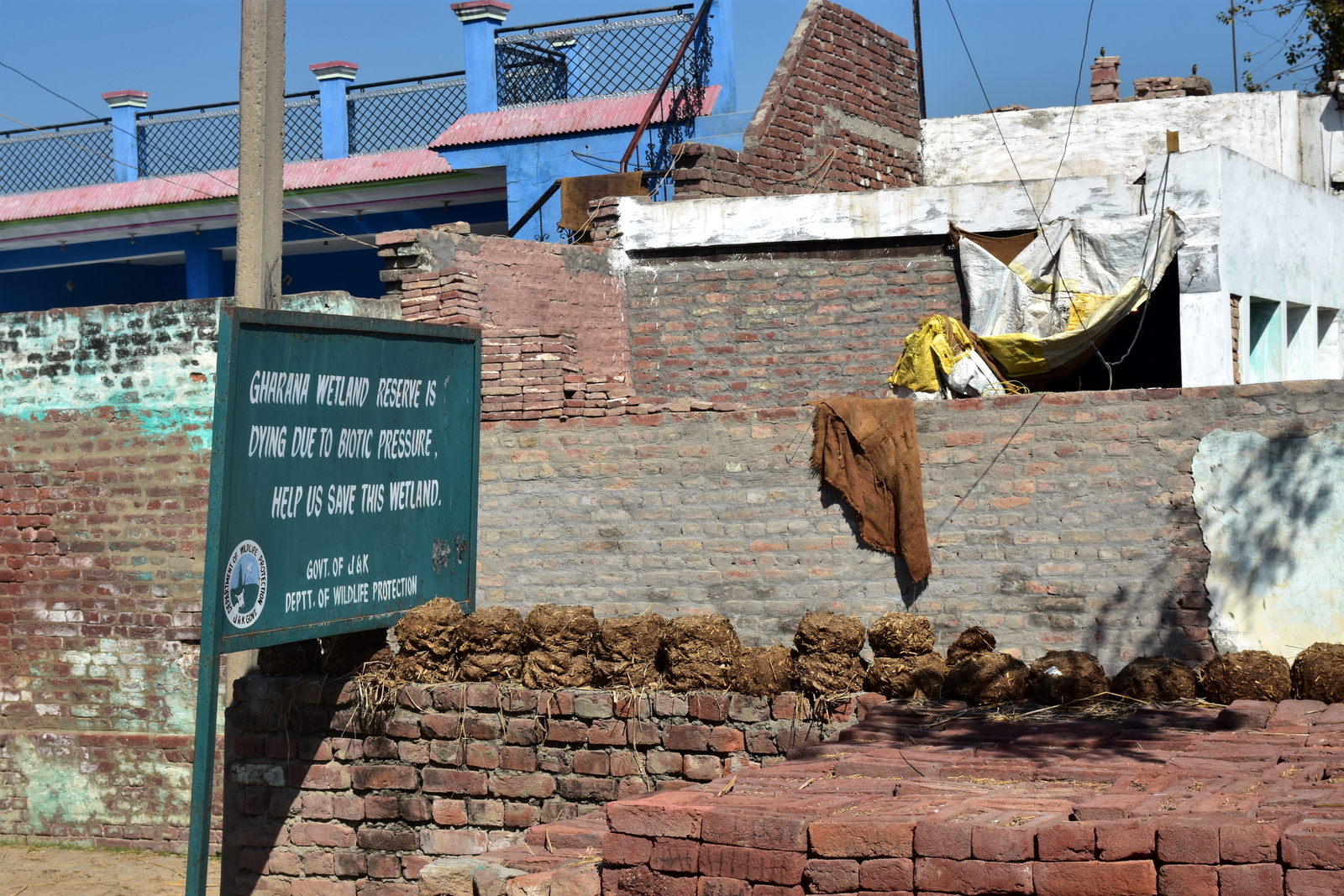
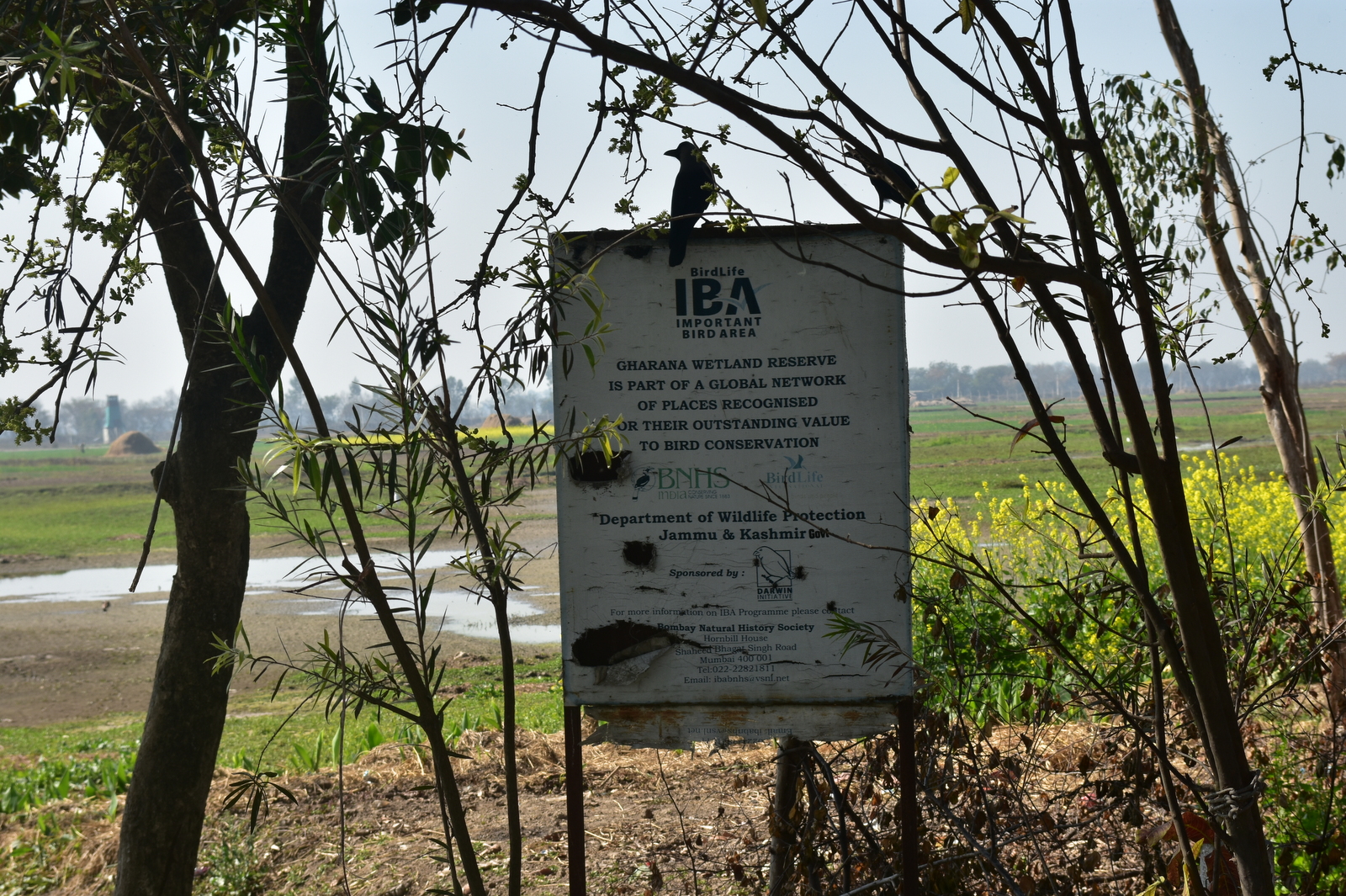
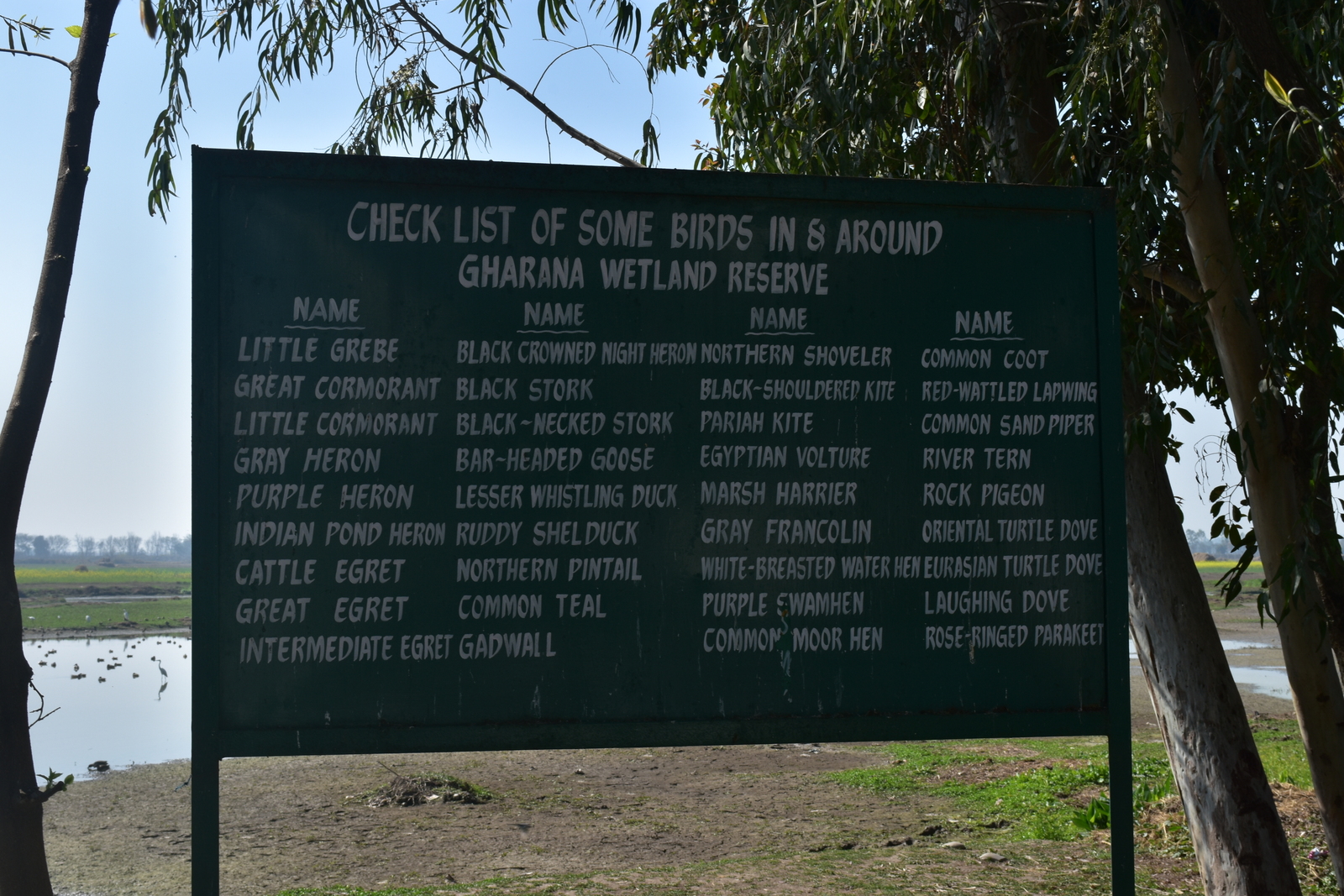
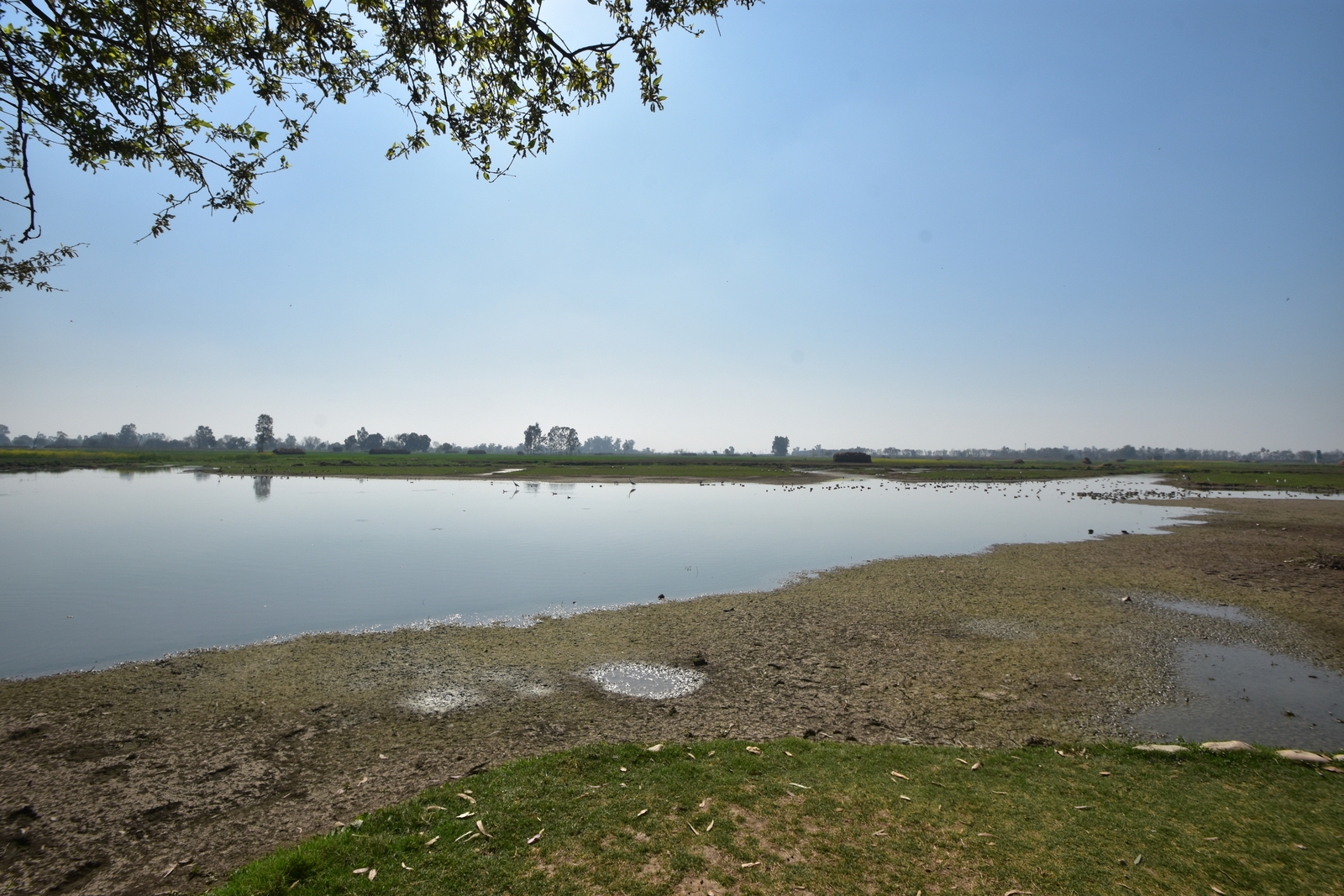
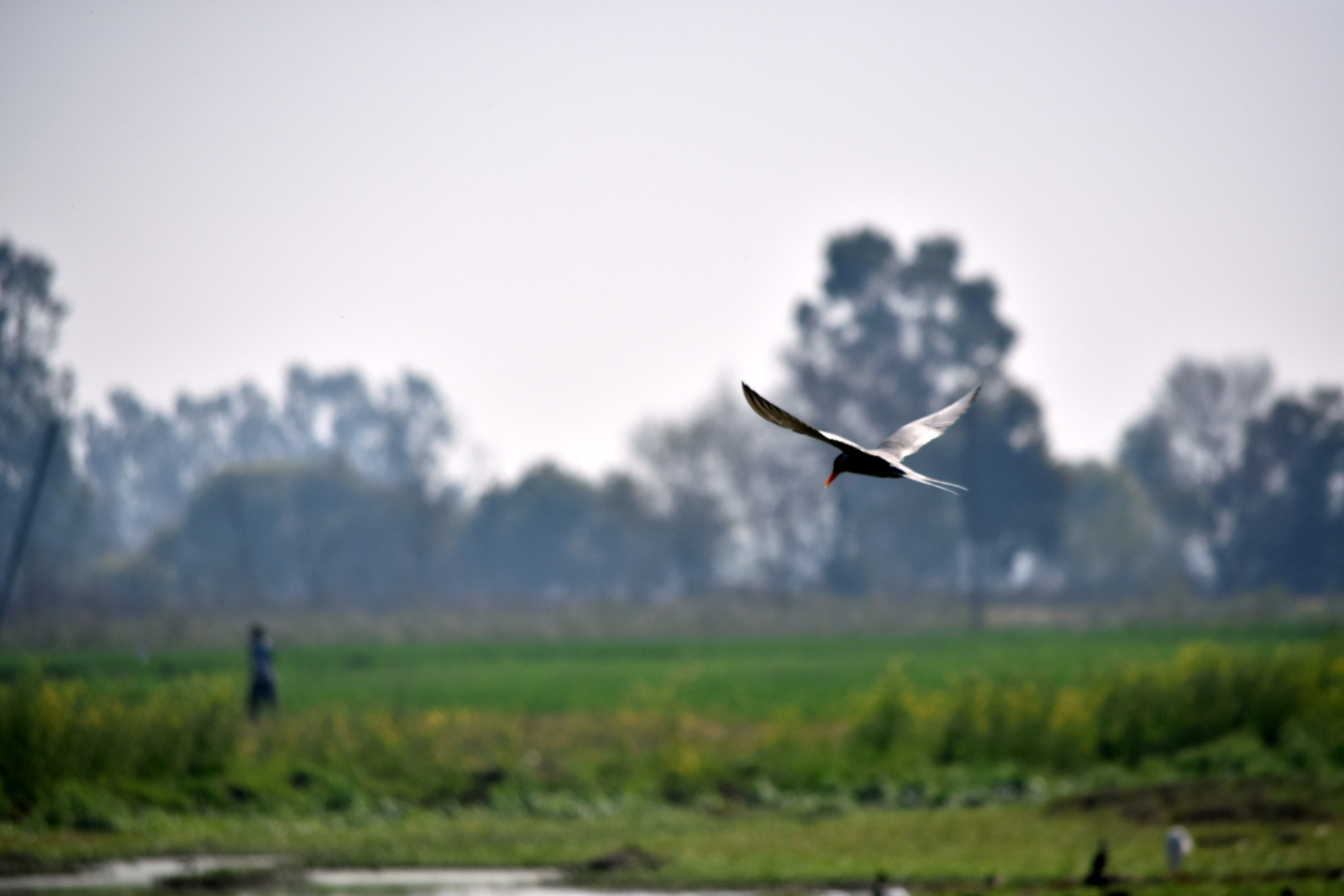
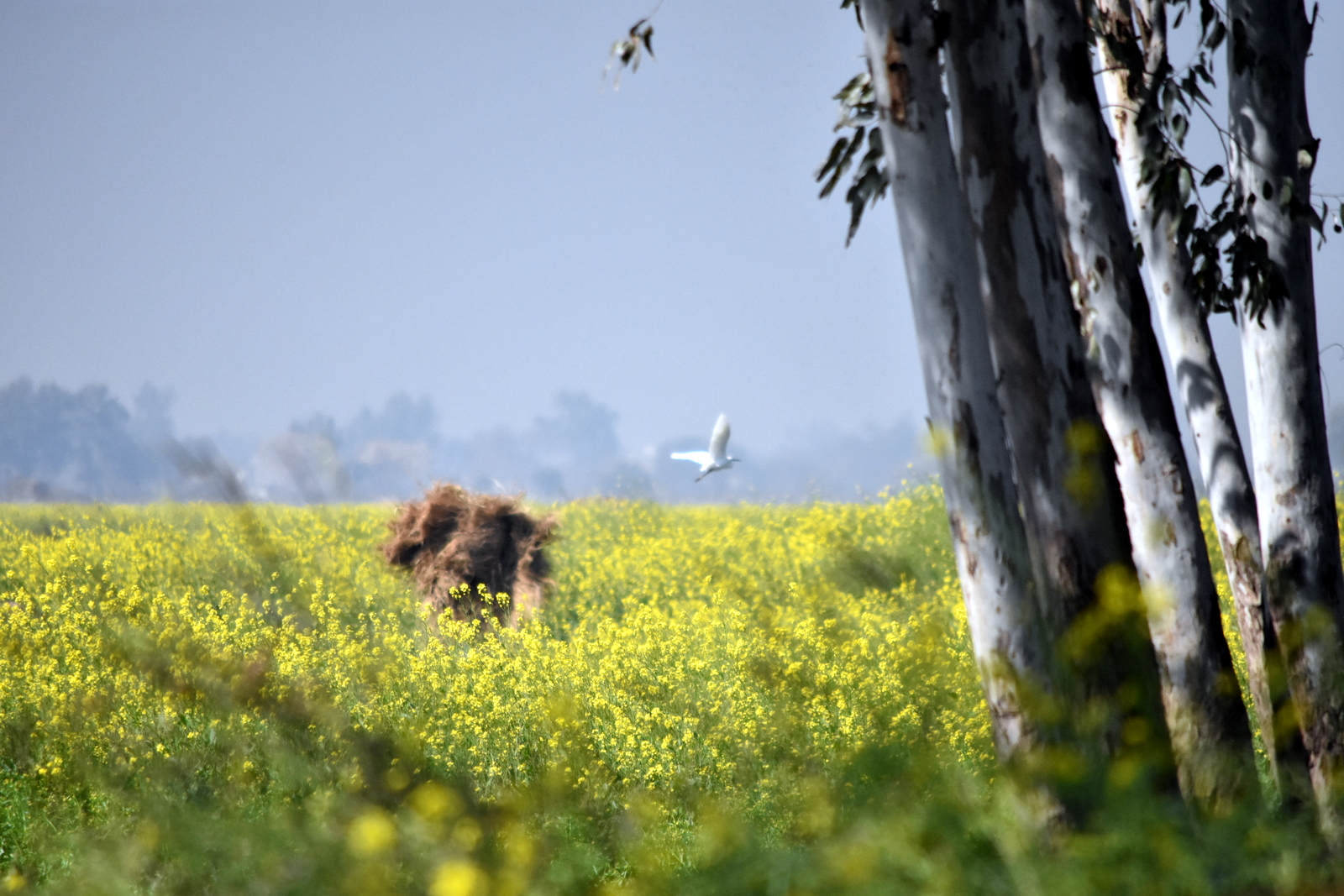
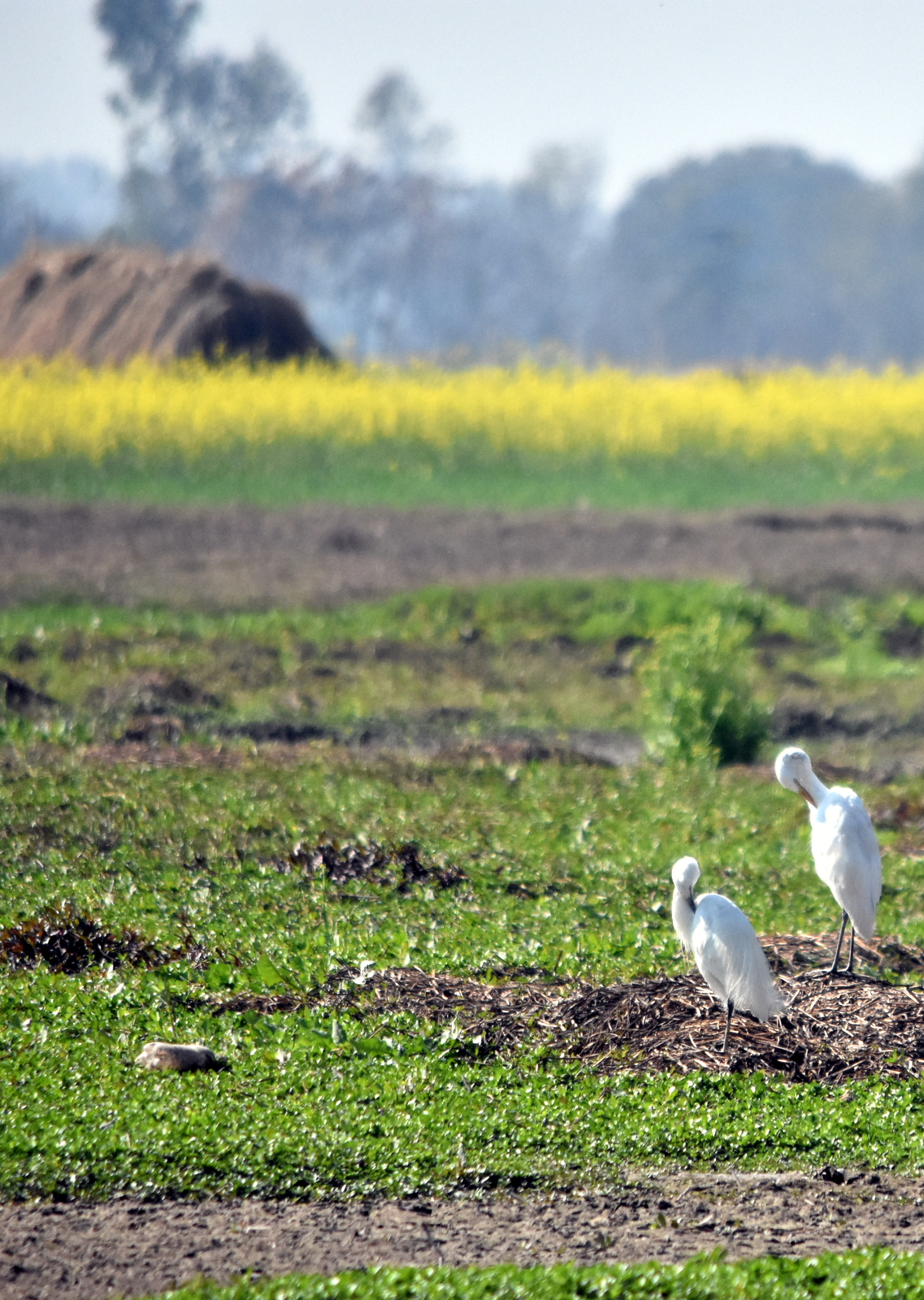
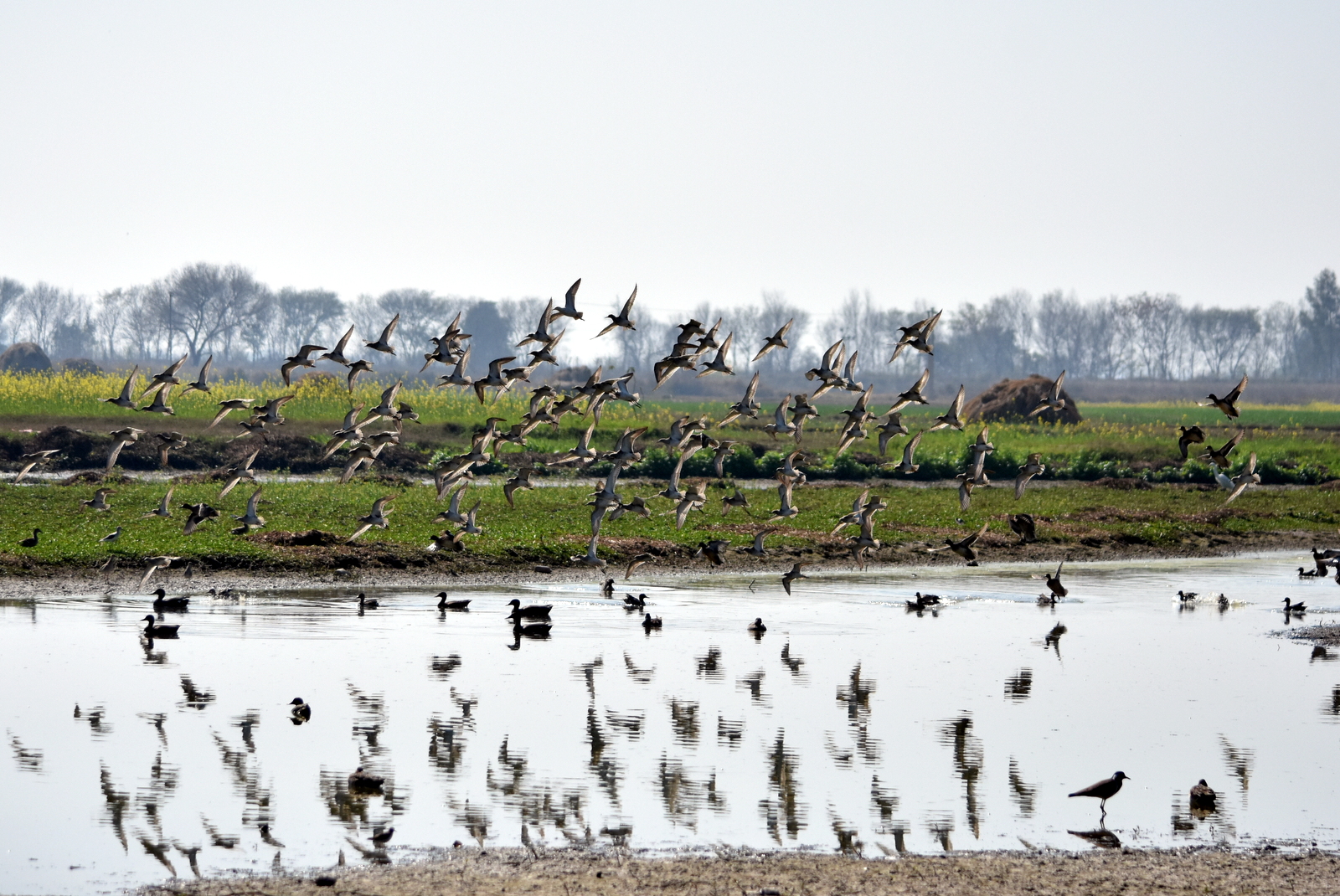
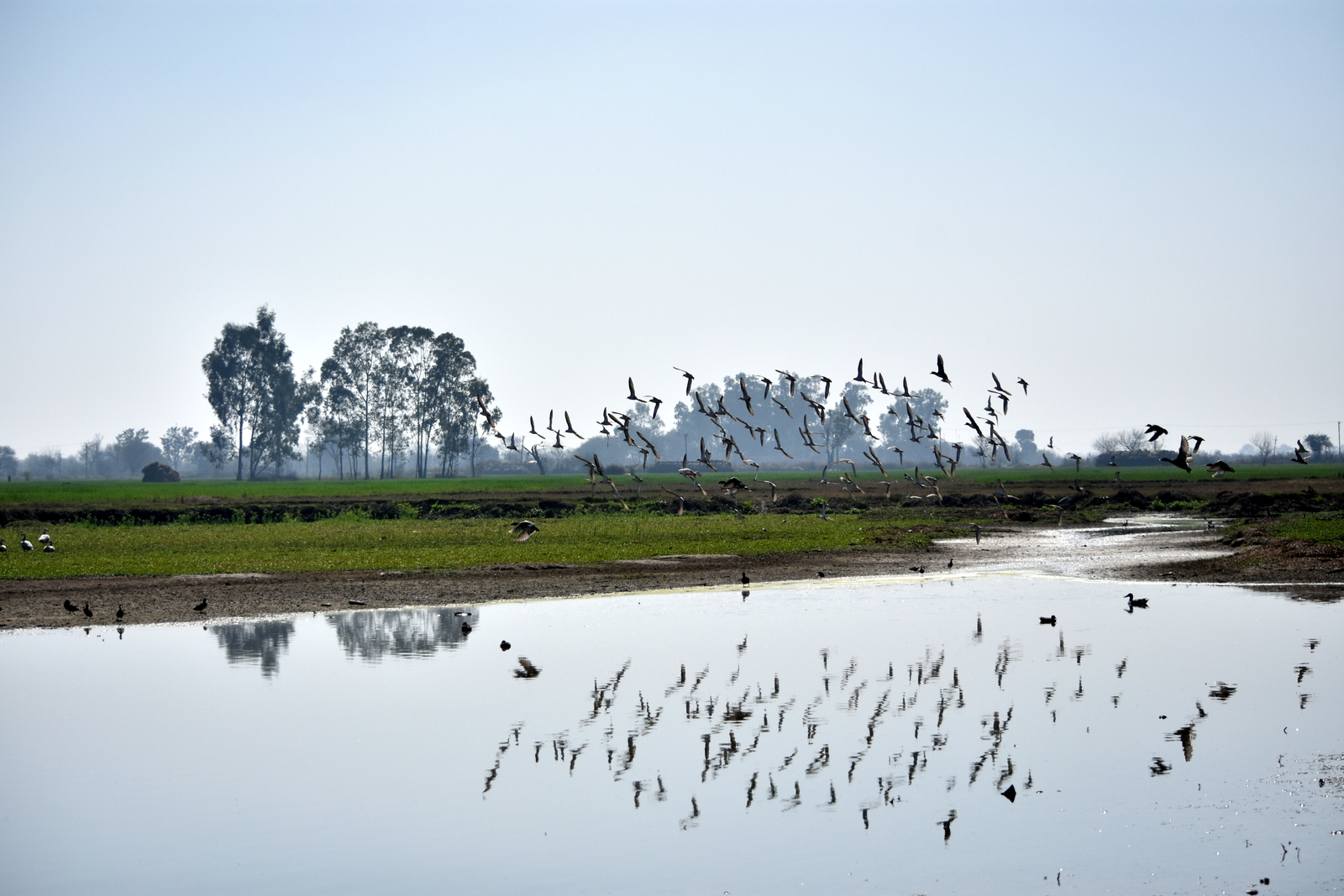
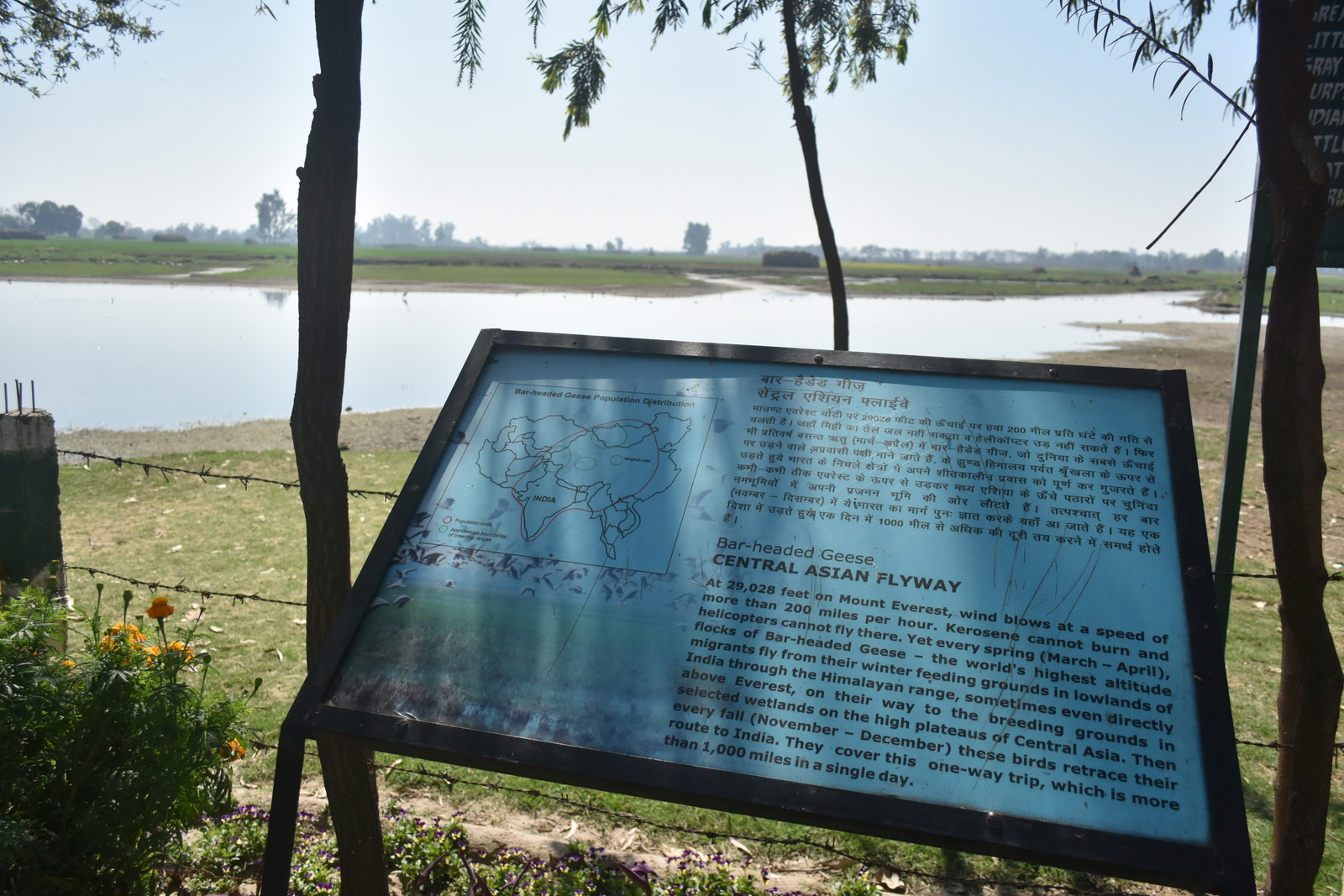
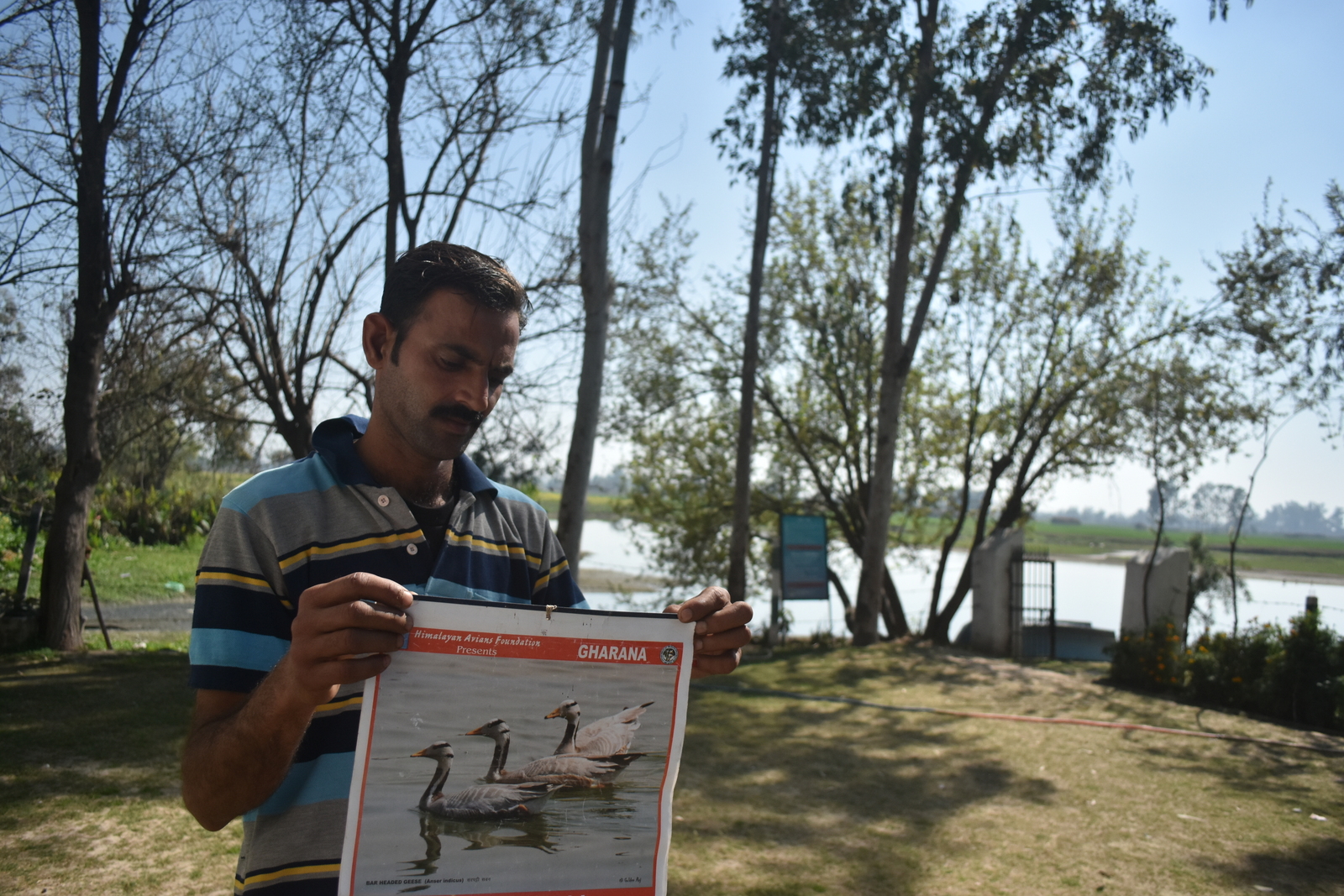
Gharana Wetlands, Jammu, Indo-Pak International Border

23rd February, 2016

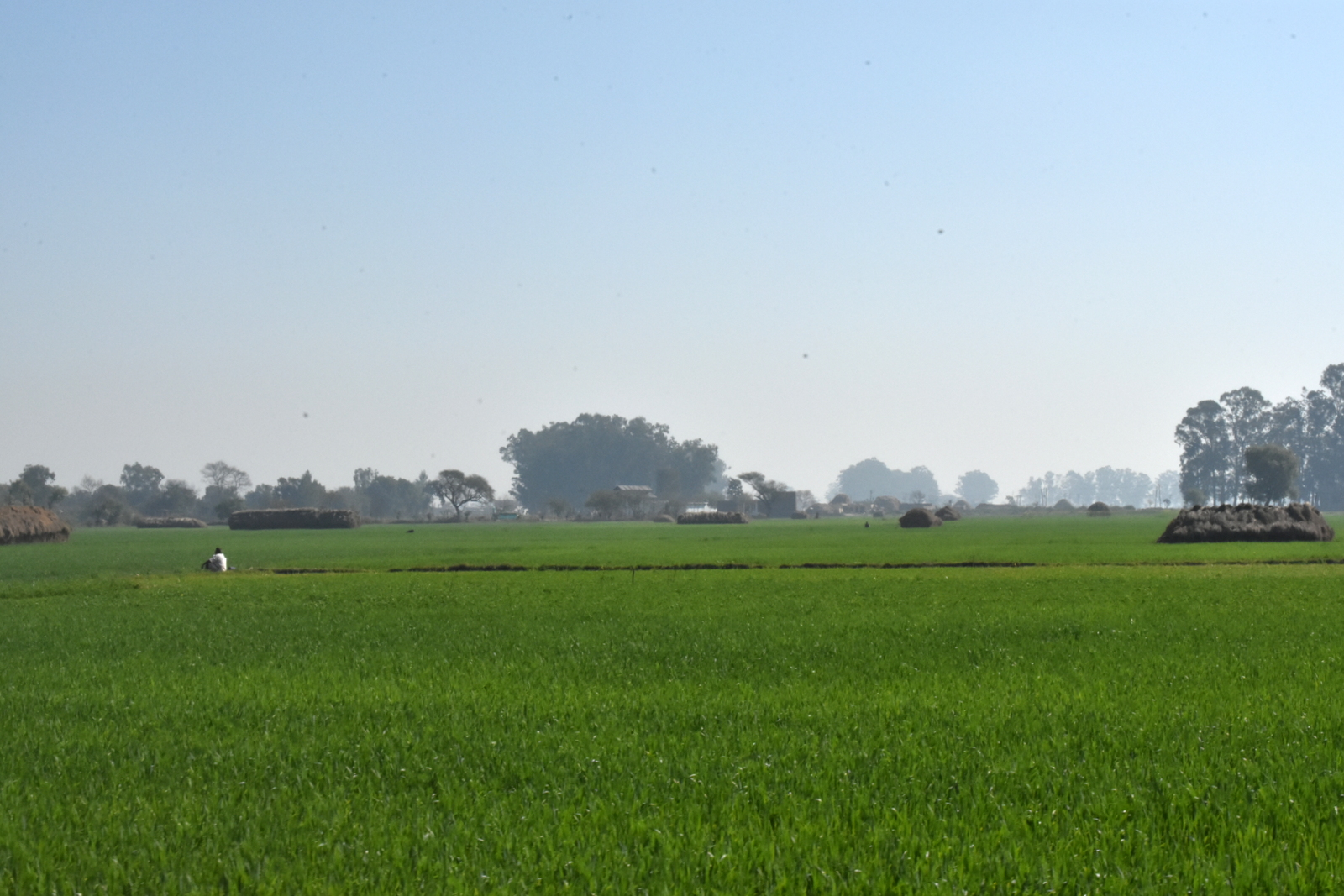
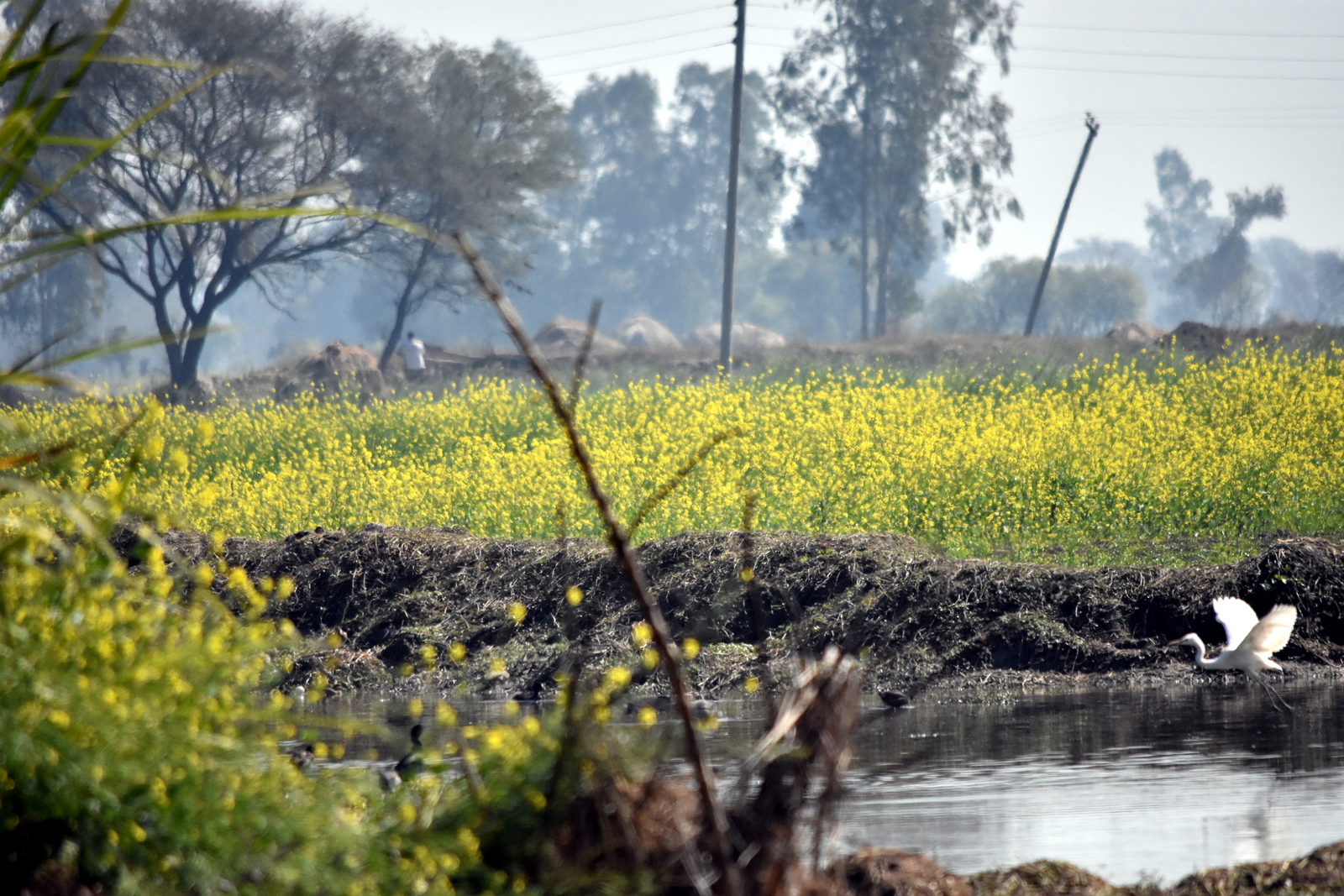
When the bird season arrives, around February, the local villagers burst crackers. They scare away the visitors. The villagers don’t want visitors, not the birds, not the bird lovers. Gharana Wetlands fall in a region that has rich soil for Basmati production. It is called “the city of white gold”. Agriculture has brought prosperity where doom is just a shell away from Pakistan border. People want more progress. Men who came as visitors to the land of birds have now claimed the land and are increasingly staking further claims. The conflict goes on.

When I visited the place, the birds had not yet all arrived. The water was low, you get more water if a water pipe bursts in a Basti in the city. Yet, this is the Gharana wetlands, divided by an International border between India and Pakistan.

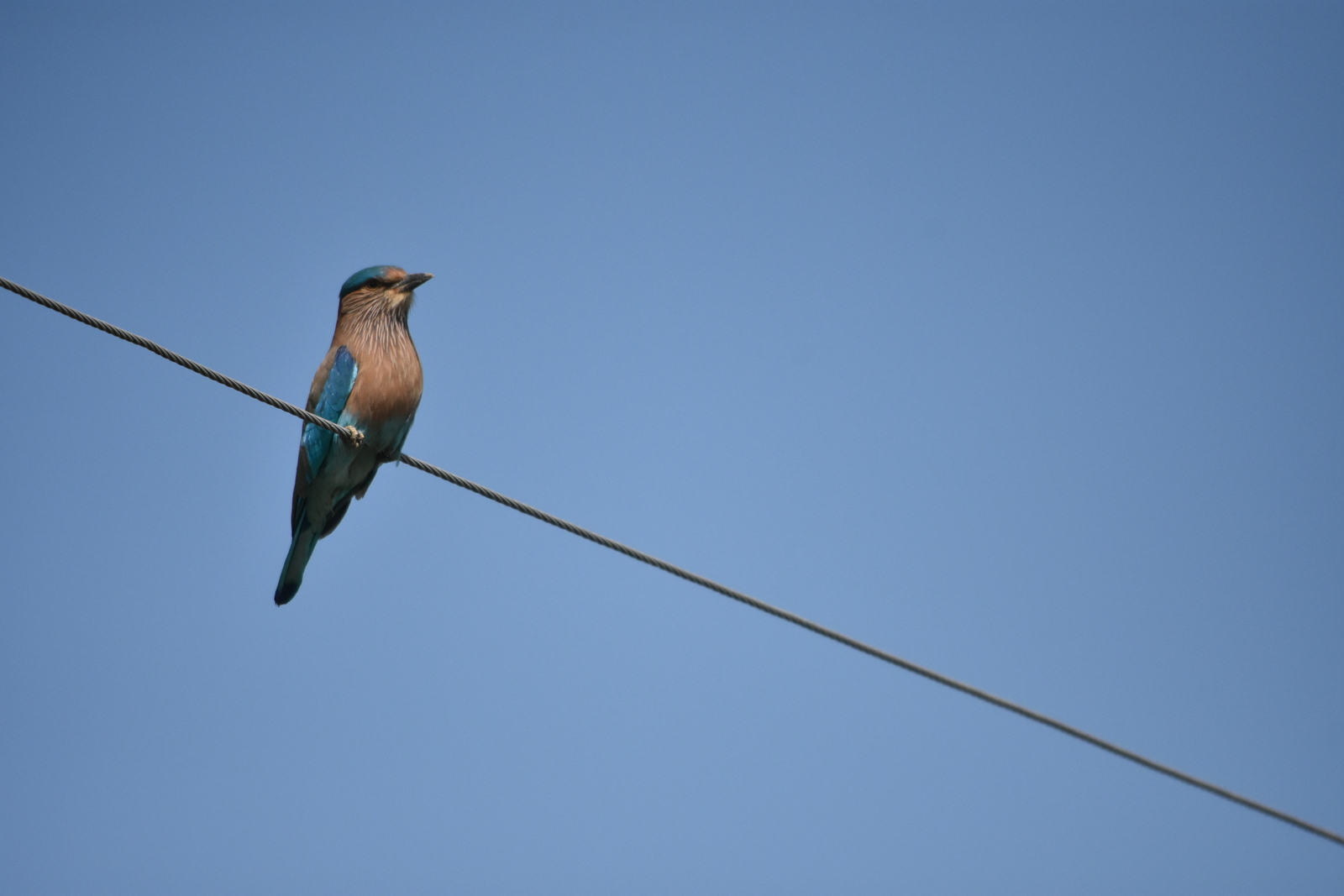
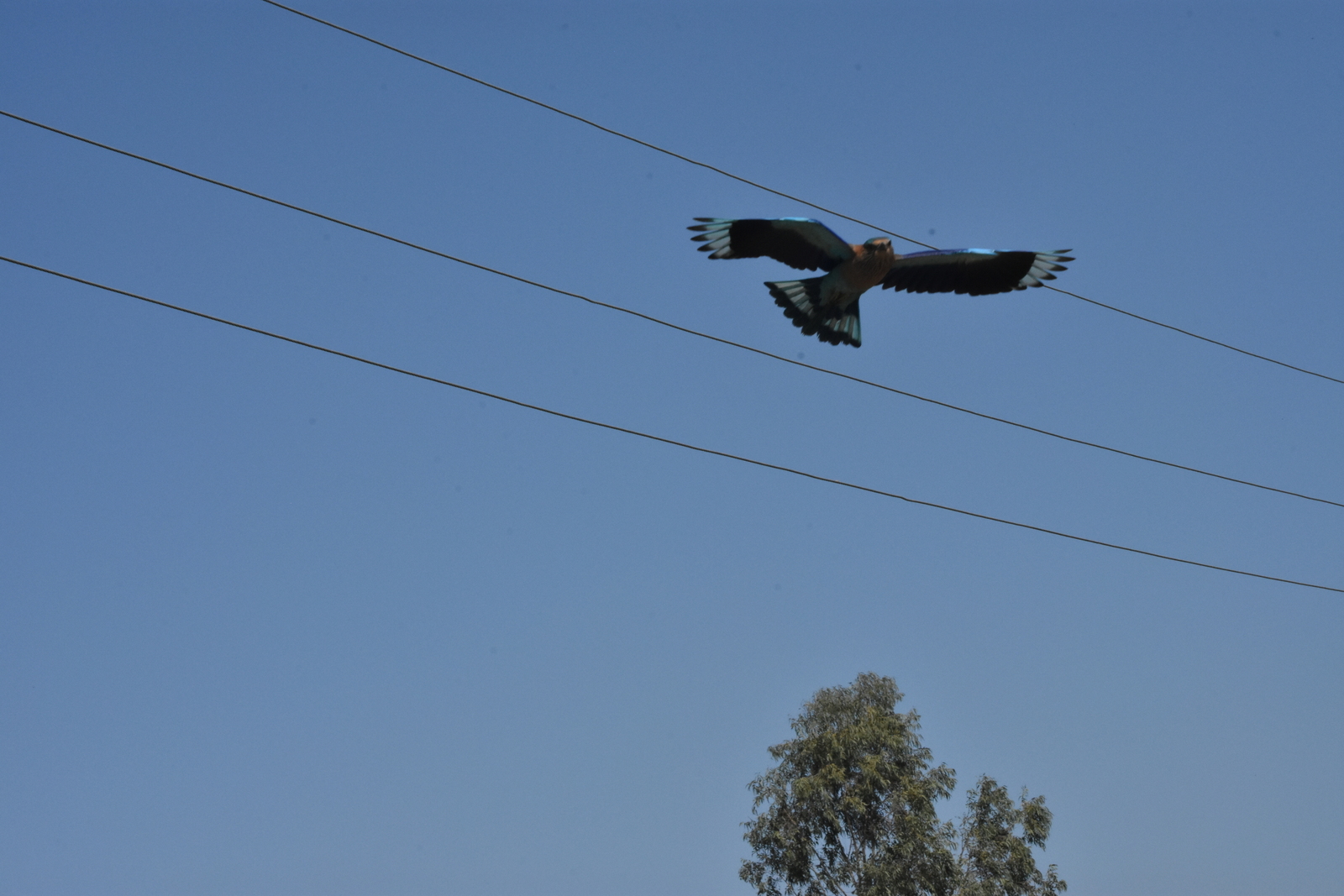
Indian Roller

-0-
Hasantika/Kangri Mankha

Winter arrives in Srinagar
Hasantika
of many blazing holes
is seen flashing in women’s quarters
like a row of lovelorn eyes
on fire
out to conquer Siva

~ lines from 12th century Kashmiri poet Mankha in his work Srikanthacharitam. This is the earliest reference to use of ‘hasantika’ in Kashmir, the early form of beloved Kangar. 

-0-
Eugen Hultzsch gives the original line in 1886 article on Kashmiri Kangri published in IA. His article was in response to 1884 article by Knowles on trying to locate the origin of Kangri in Europe.
-0-
Nund Rishi Image and Image of Mulla

Nund Rishi. 14-15th century. This popular image Nund Rishi comes from a manuscript dated 17th century and titled “Kashmiri Kalaam”.*

-0-

The Mullas flourish on money
fests
These Sheikhs like honey
stick to wealth
The sufis half-naked
do no work
yet, enjoy
unrepentant
many scrumptious meals

None pursue knowledge,
It’s all just another game
these selves
unrestrained

Seen them lately?
Catch them live
Try this old trick:
Announce a grand feast,
from pulpit
now watch
This Mulla run to the Masjid

“Run sick Mulla! Run!
Run to your Masjid.”

-0-
*According to Kashmir Research Biannual Vol 1 No 1 P N Pushp, 1960. The painting comes from private collection of  Hakim Sayyid Shah Sahib of Astan-e-Pain, Kashtawar. Water colors in Kangri with Mughal touches.