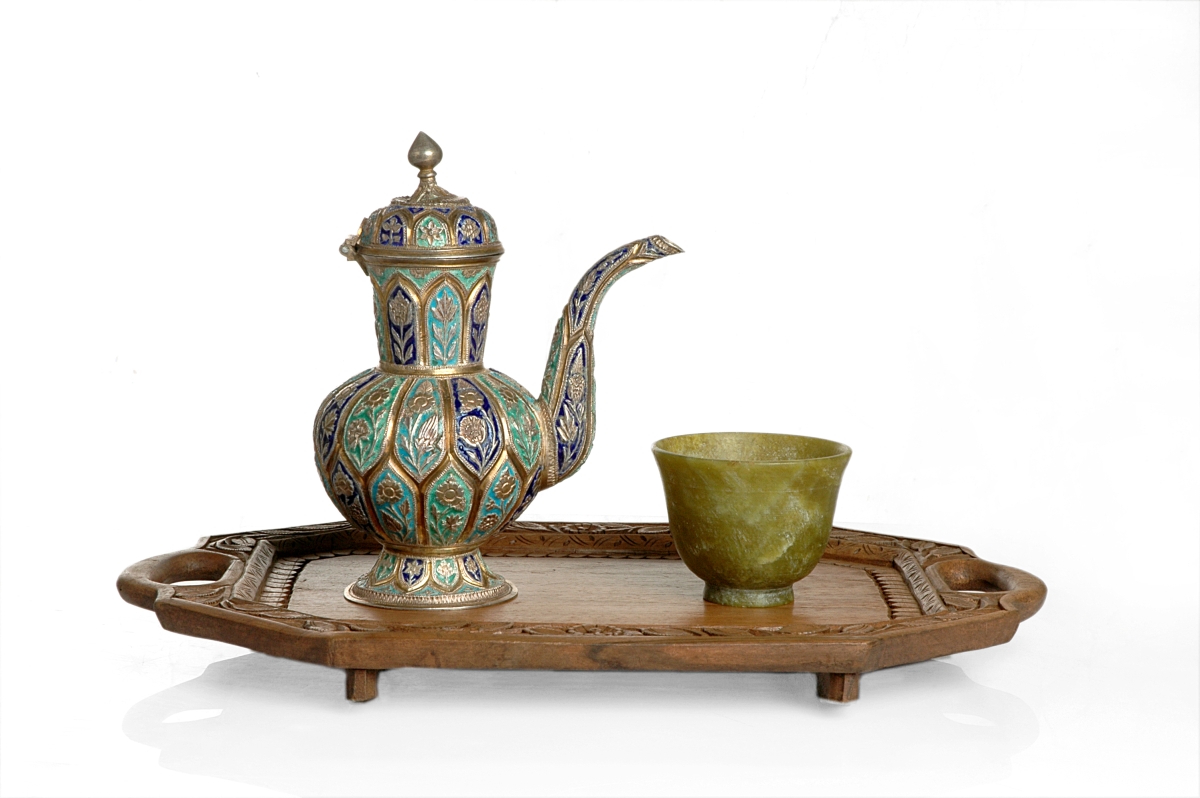
Silver Kettle and Zaharmor (Serpentine)

Guest post by Man Mohan Munshi ji. 
The following exquisite items have been with his family collection since 1880s.

-0-

 A silver kettle of old Kashmiri workmanship with a
serpentine(Zaharmor) cup from Central Asia
 Both article are more than a century old.

-0-
Update from Man Mohan ji:
Some time back a friend from Face book had suggested that the ZAHARMOR  cup from my collection shown along with the silver kettle  was of made of ONYX. The mini tumbler  seen here is of Onyx- which is a calcareous rock of sedimentary origin  often depicting bedding as seen in the said tumbler while as Zaharmohar is a recrystallized rock of  of altered pyroxenes.
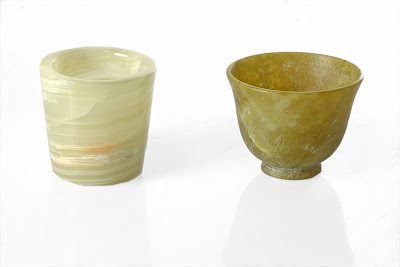
Onyx tumbler to the left and Zaharmor to the right

Ablution

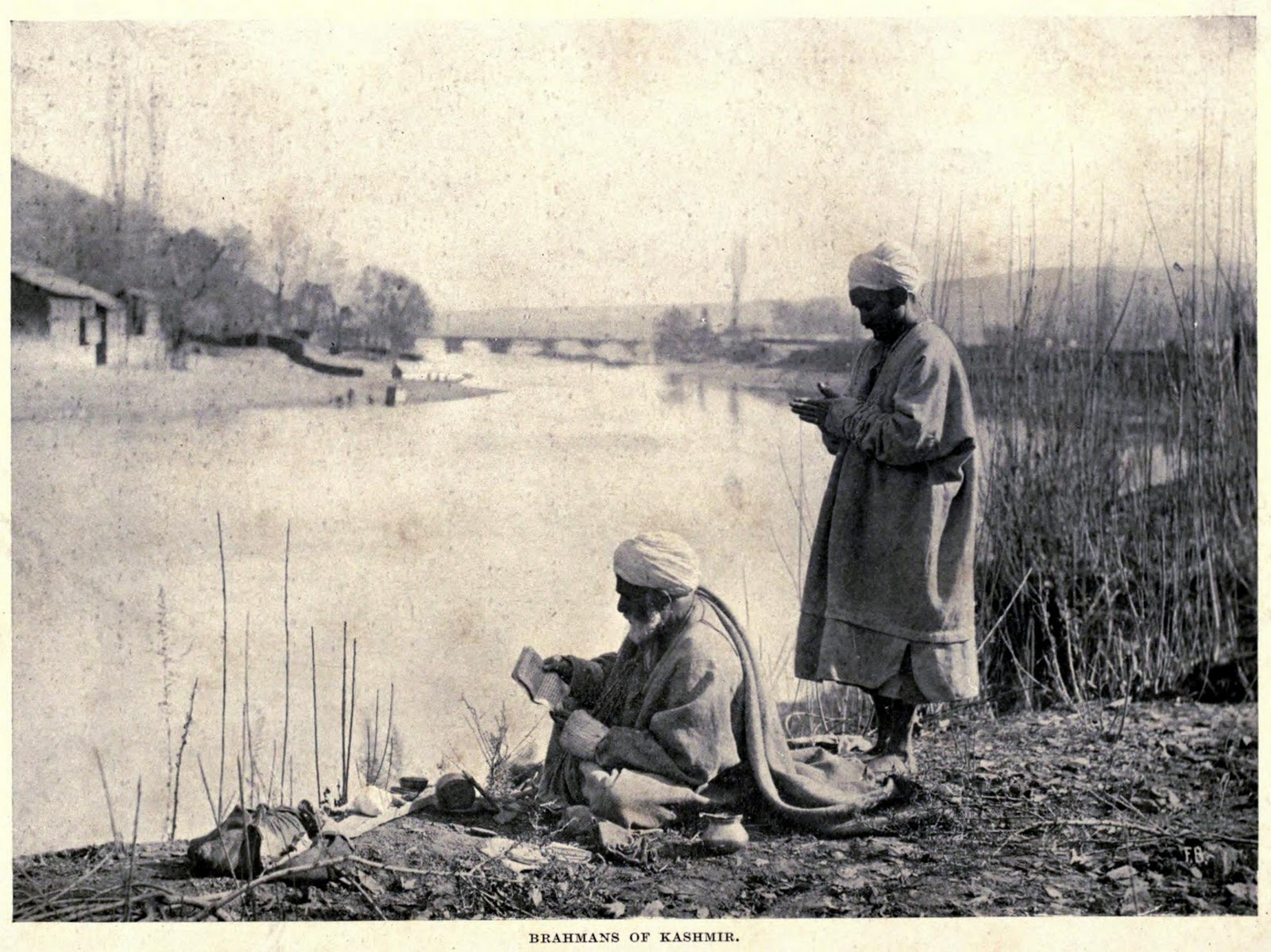
Found the above image ‘Brahmans of Kashmir’ in ‘The Charm of Kashmir’ (1920) by V.C. Scott O’connor (Vincent Clarence Scott, 1869-1945)

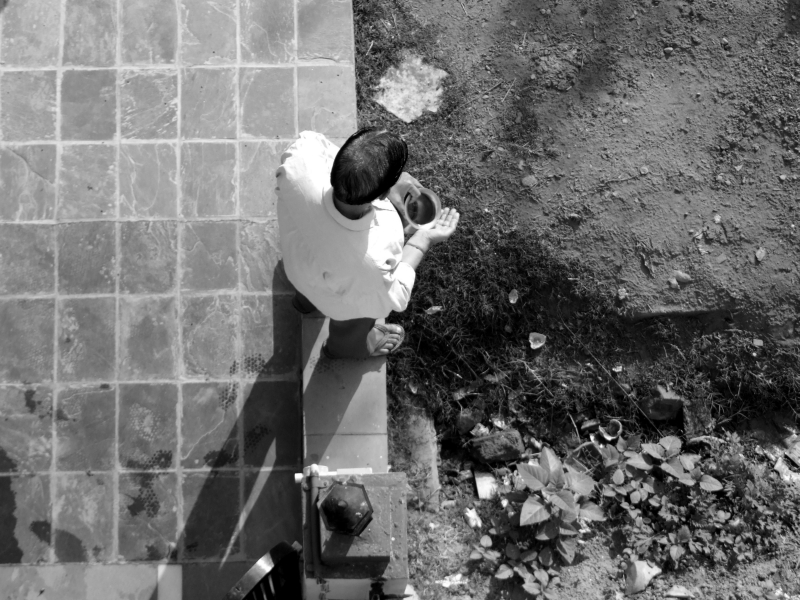
My pandit landlord doing his morning ablution.

Giant Kangri and Giant Choncha

Guest post by Man Mohan Munshi ji
-0-

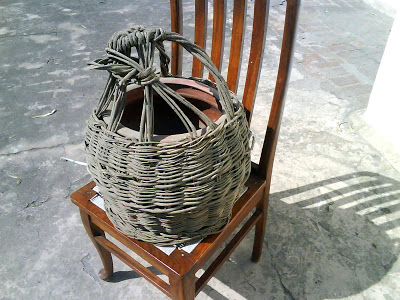
A giant Kangri (Firepot) about 20 inches in height and about 18
inches in diameter A household article believed to be about 100 years
old. Kangri filled with live charcoal is still used for keeping warm
during winters in Kashmir but of smaller size
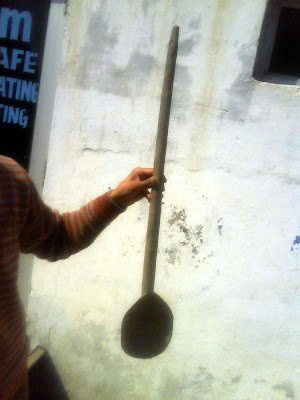
A giant Choncha – Wooden spoon -used for stirring eatables being cooked in huge terracota vessels

Mahjoor’s first

Ujde gaaroon main rahaa karte hain rahzan chip kar
 dil-e-muztar main hee dilbar ka kayaam achha hai

.(Robbers choose to hide themselves in desolate caves. but a lover chooses to lodge in a restless heart.)

These urdu lines marked Mahjoor’s formal debut in the domain of poetry.

Translation by T.N. Raina.

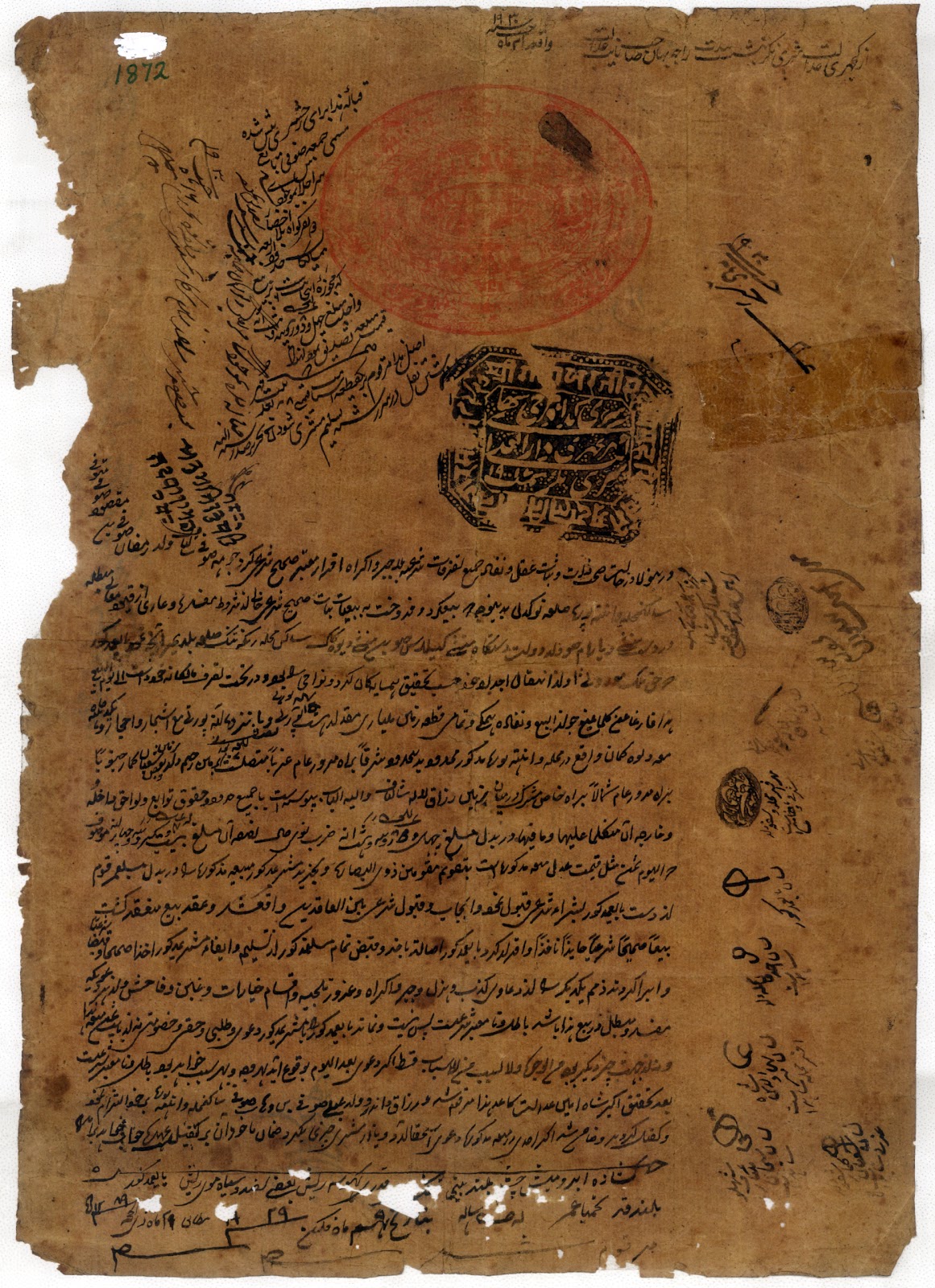
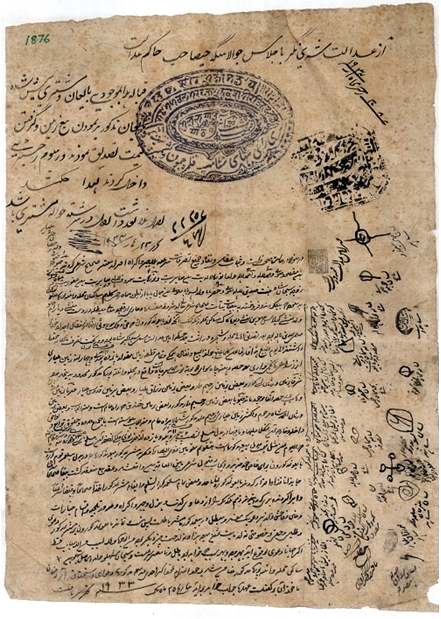
Sale Purchase Deal documents from 1872 AD, 1876 AD and 1880 AD

This is another incredible guest post by Man mohan Munshi ji. Can’t thank him enough for sharing these! And he has promised to send in more surprises!
-0-

Document from 1872 AD
Document from 1876 AD
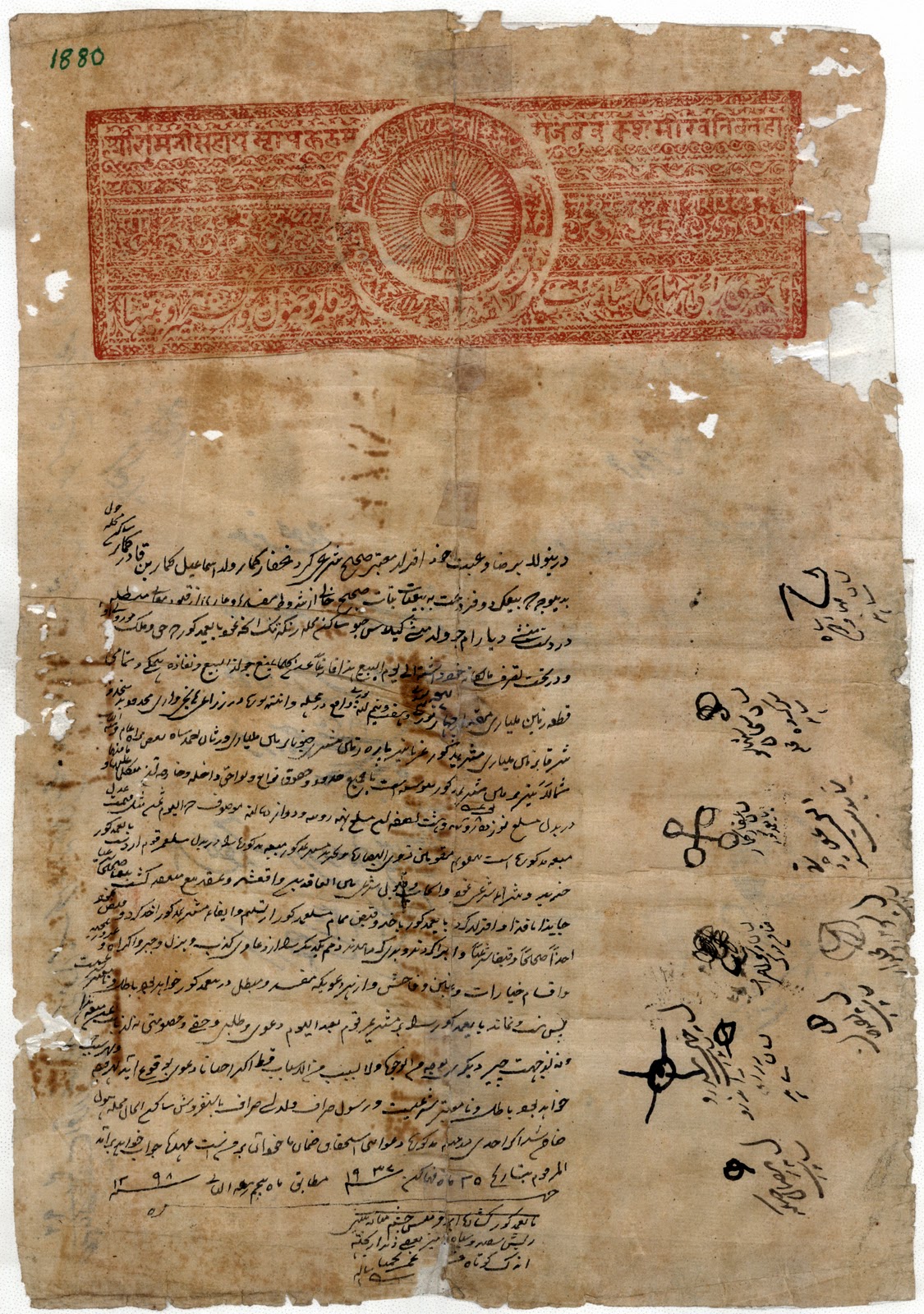
Document from 1880 AD

[…]three original legal agreements pertaining to Sale purchase deals executed by my great grand father Munshi Daya Ram in  1872 AD, 1876 AD and 1880 AD  which I located in a heap of  junk in 2003. The said agreements have been drafted in Persian and the revenue stamp /paper is bilingual i.e Persian and Sanskrit . A few words / signatures are in 1872 document are in Sharda script. The dates of the said agreements english in the text are given in Bikrami and Hijri Samwants which have bee calculated are as follows:

                          Bikrami             Hijri                  Ad/CE
                          1929               1279                   1872
                          1933                —                        1876
                          1937               1398                   1880  
-0-

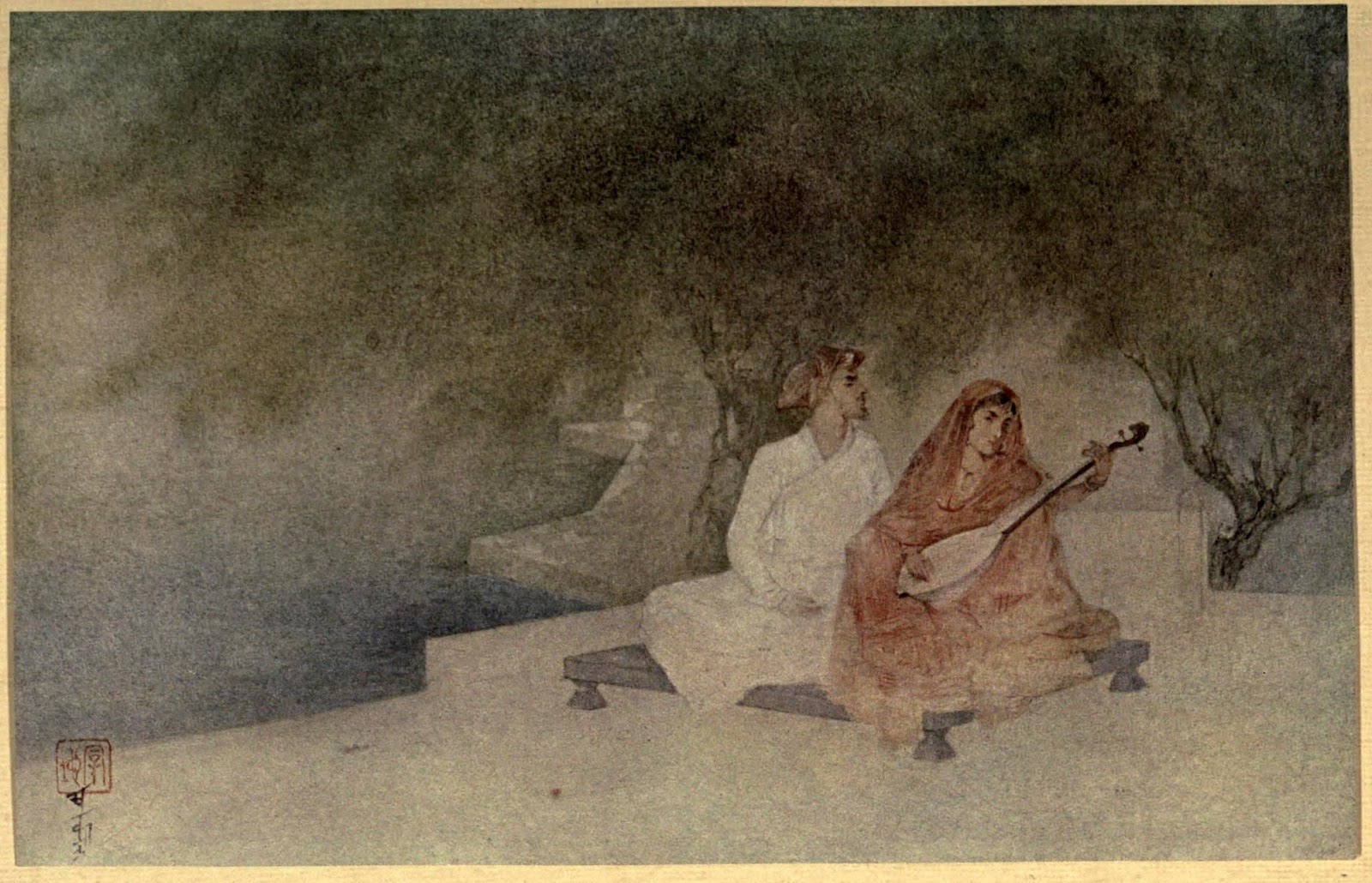
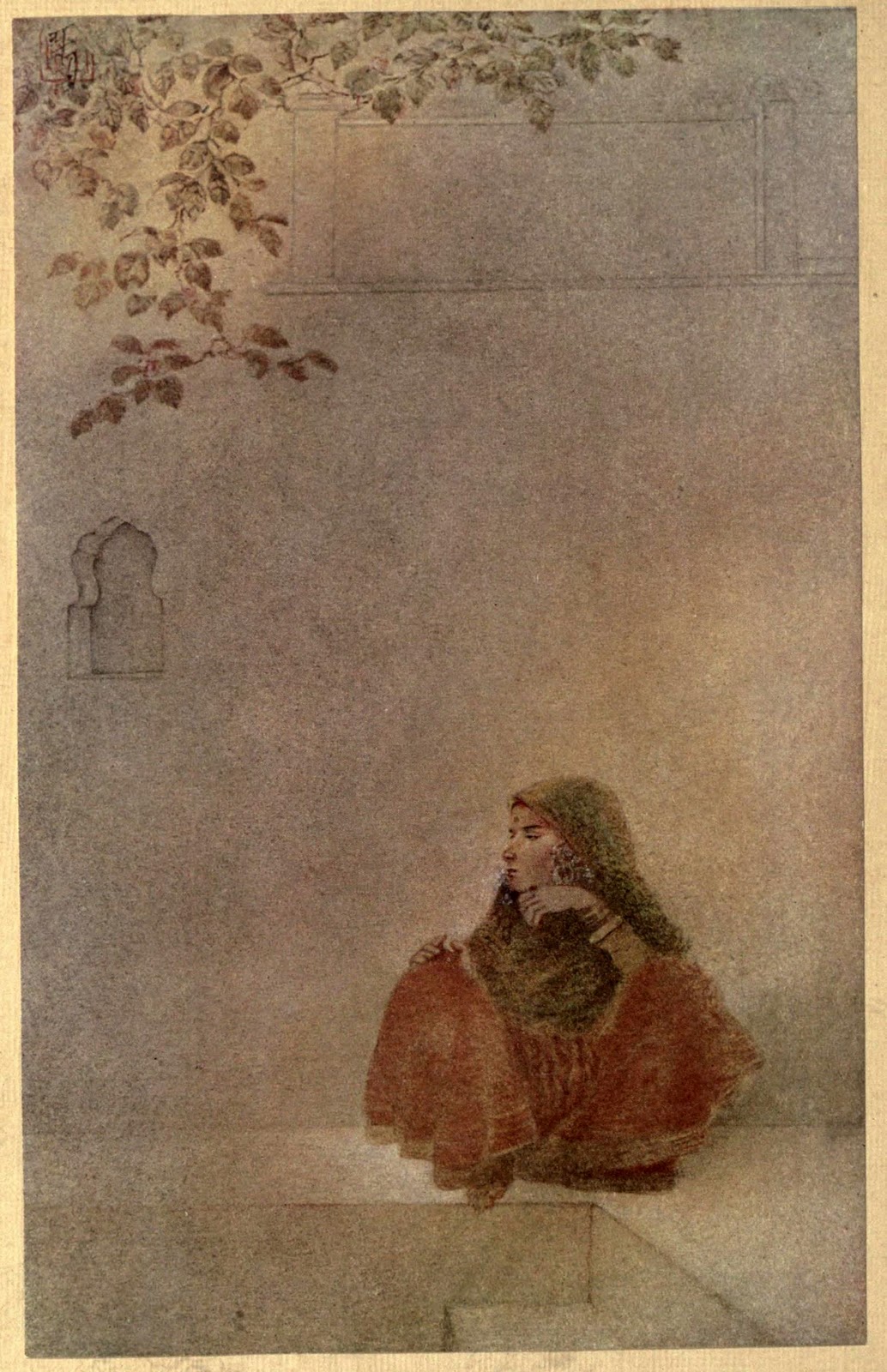
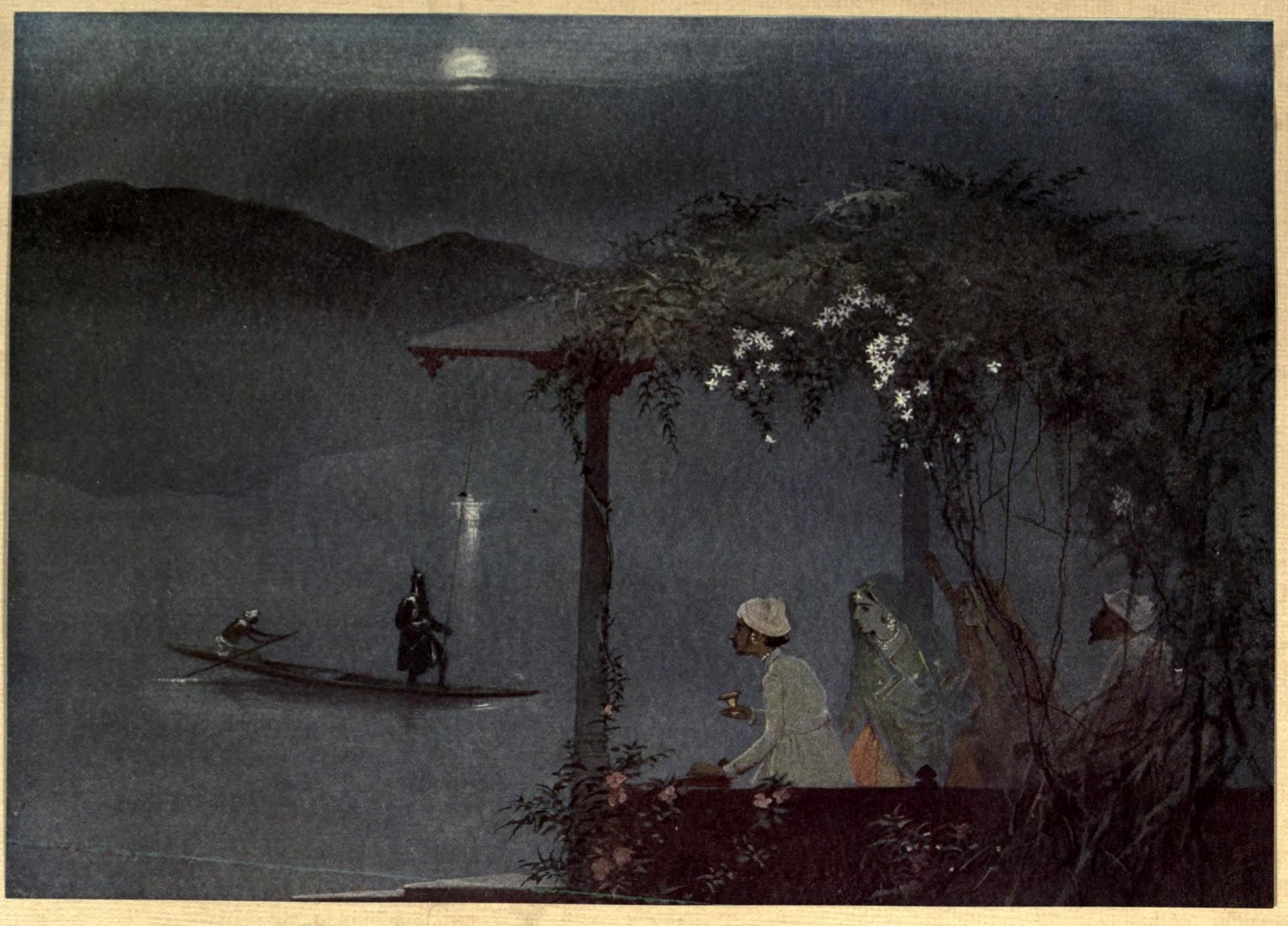
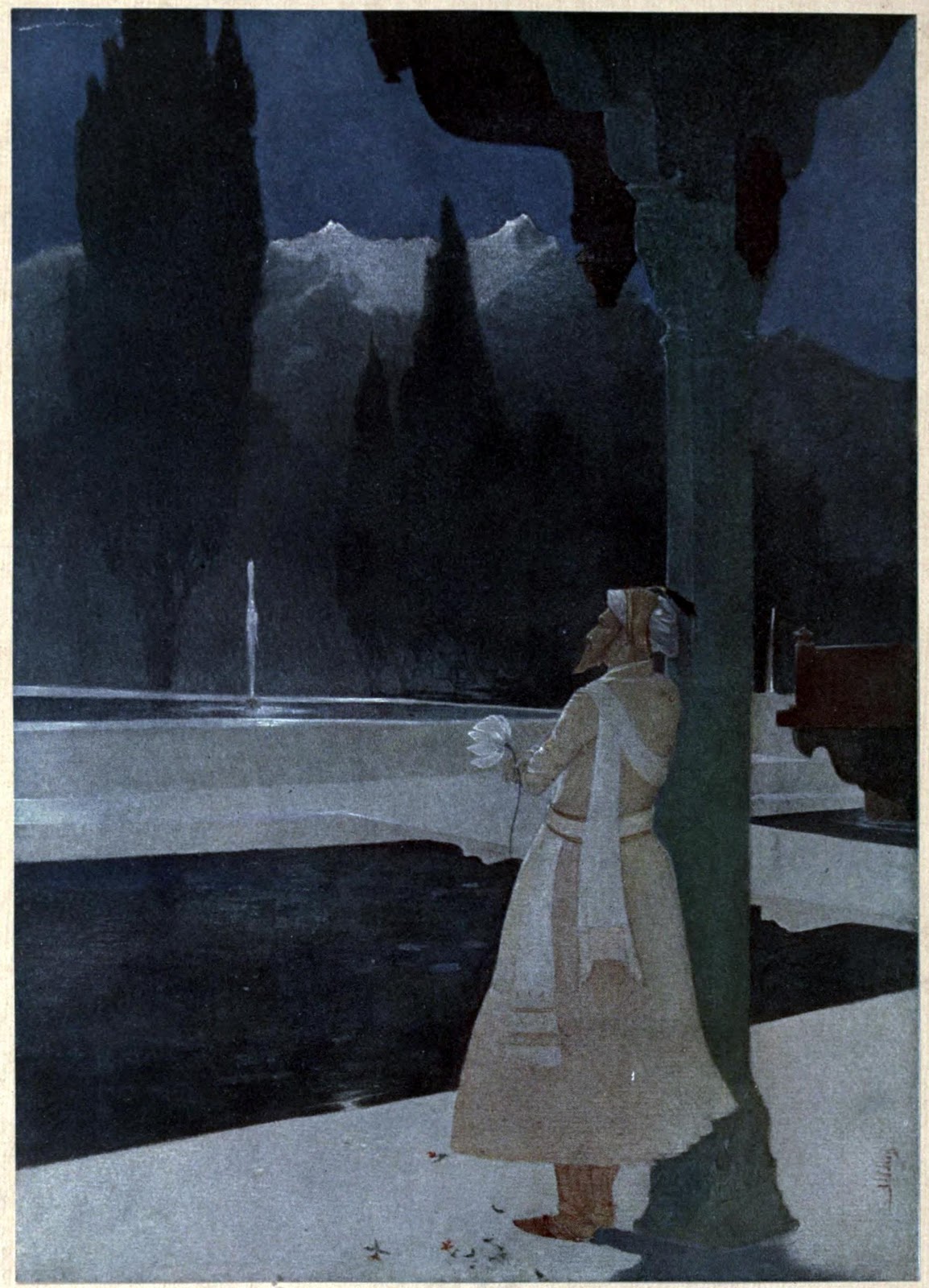
Kashmir by Abanindranath Tagore, 1920

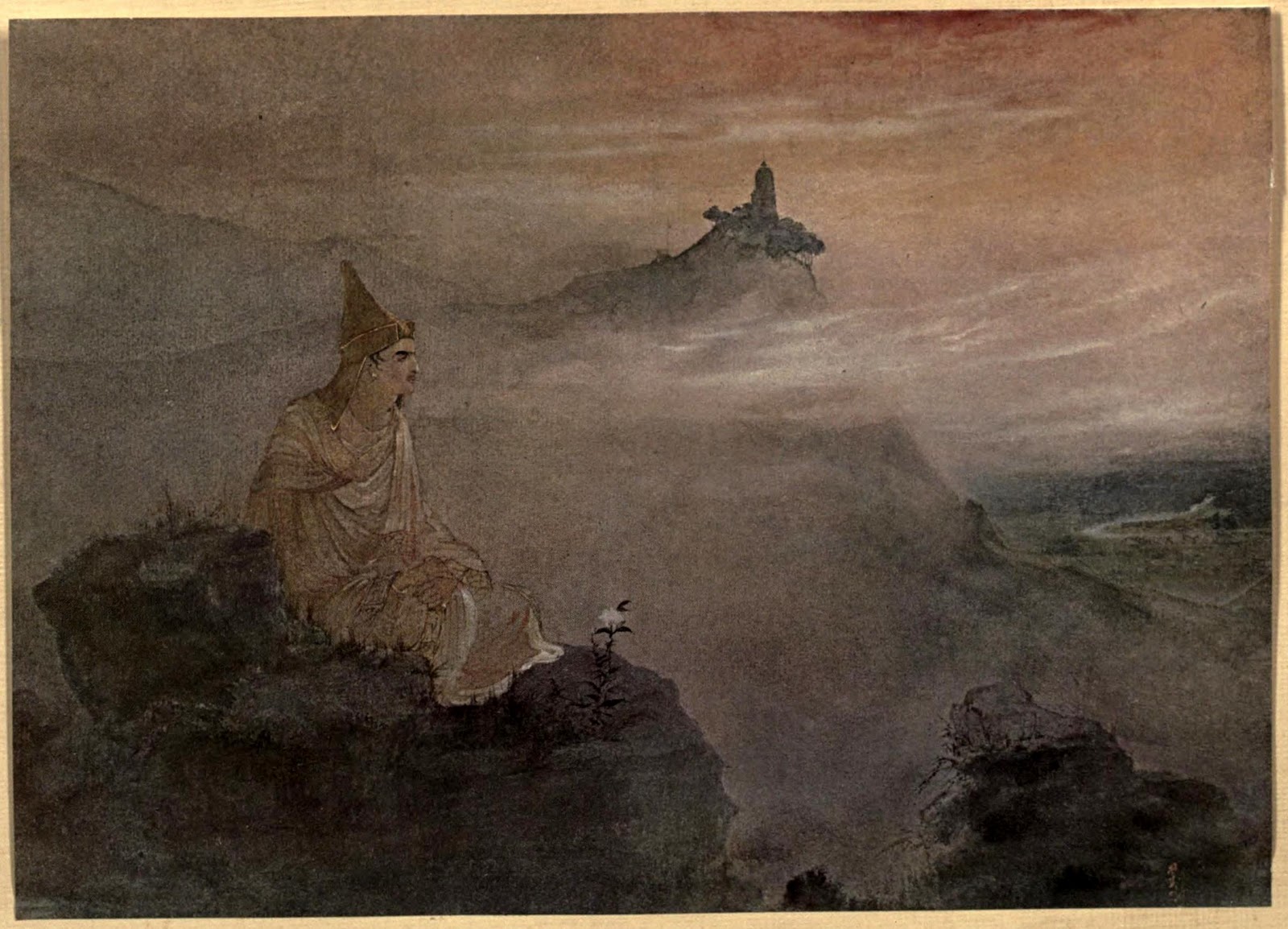
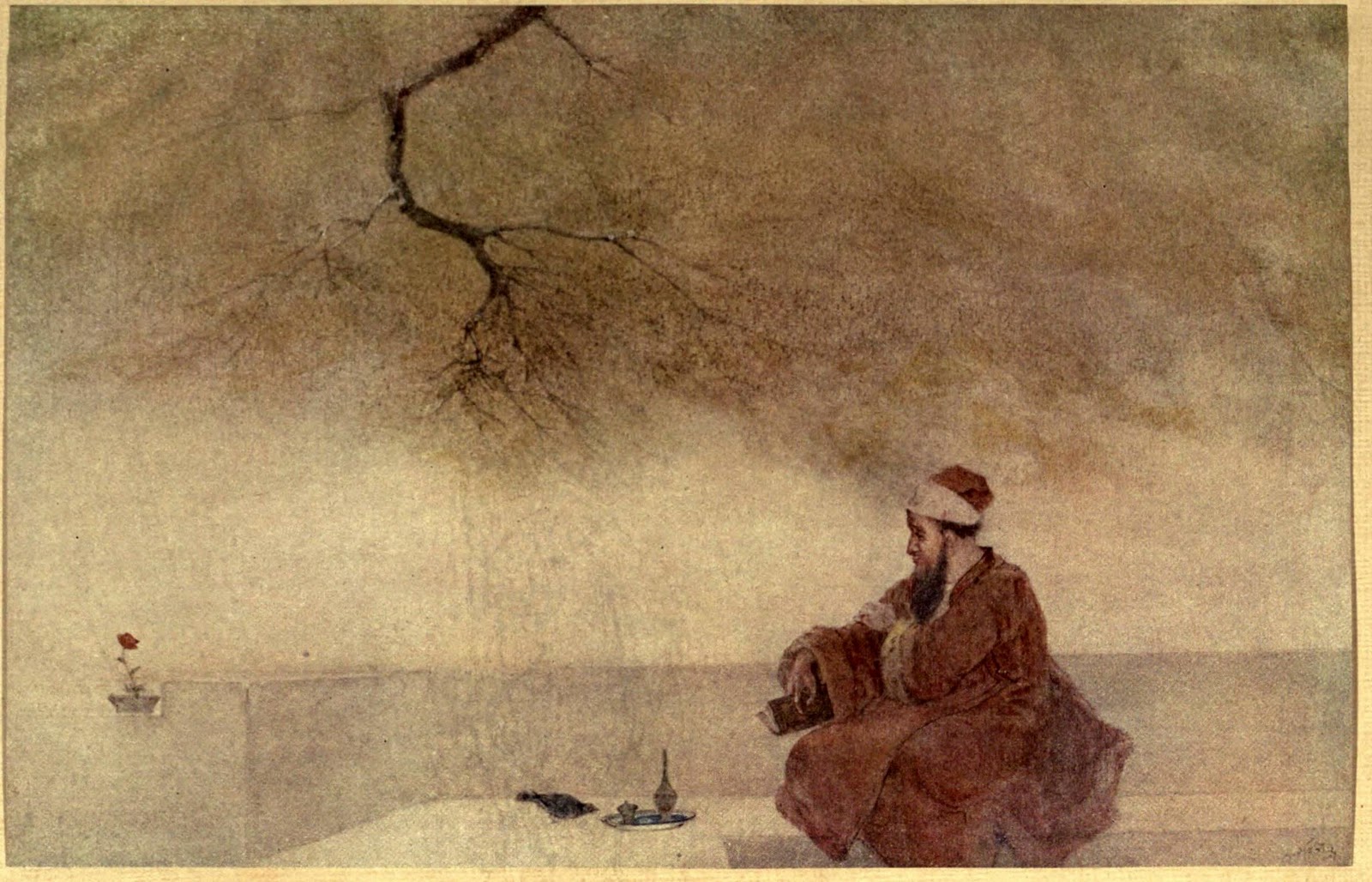
Found these beautiful rare paintings of Kashmir by Abanindranath Tagore in an old travelogue called ‘The Charm of Kashmir’ (1920) by V.C. Scott O’connor (Vincent Clarence Scott, 1869-1945). Enjoy the incredible art!

The above one is titled “Asoka, who by the white stucco of his fame made spotless the universe” and is the frontispiece for the book. Shankaracharya temple in the background adds a surreal touch to this painting.

 
Nasim Bagh
 
Nishat

 
Chashma Shahi

 
Fate and the Pleasure-Lovers
 
Night at the Shalimar – The Emperor Shah Jahan

-0-
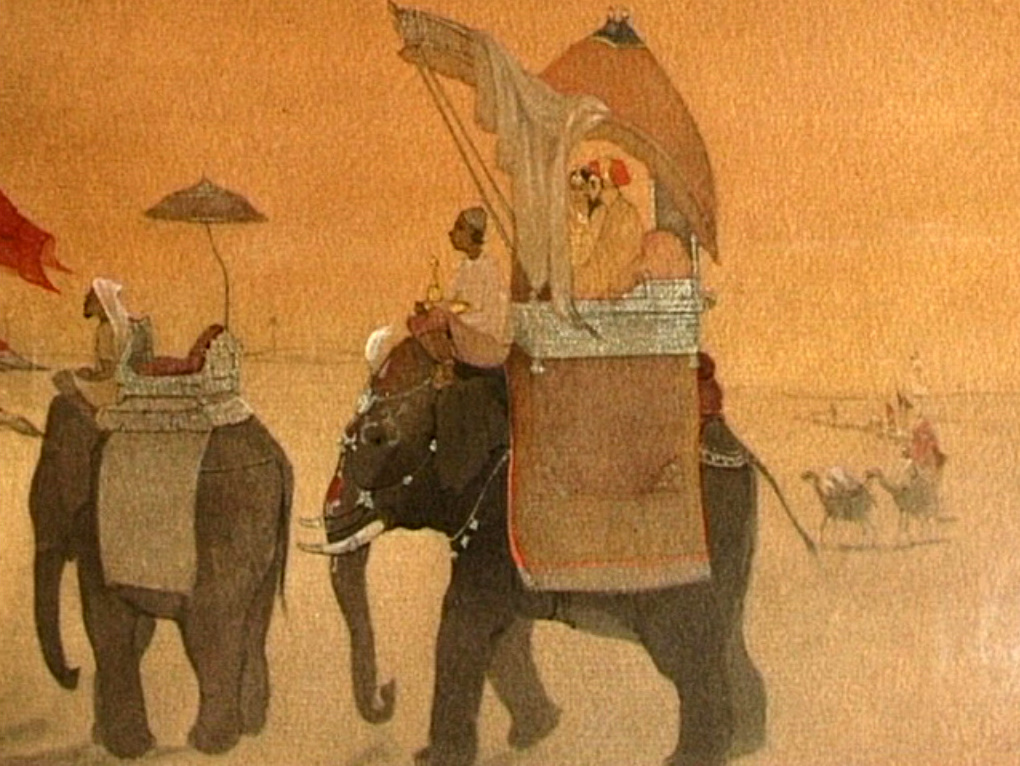
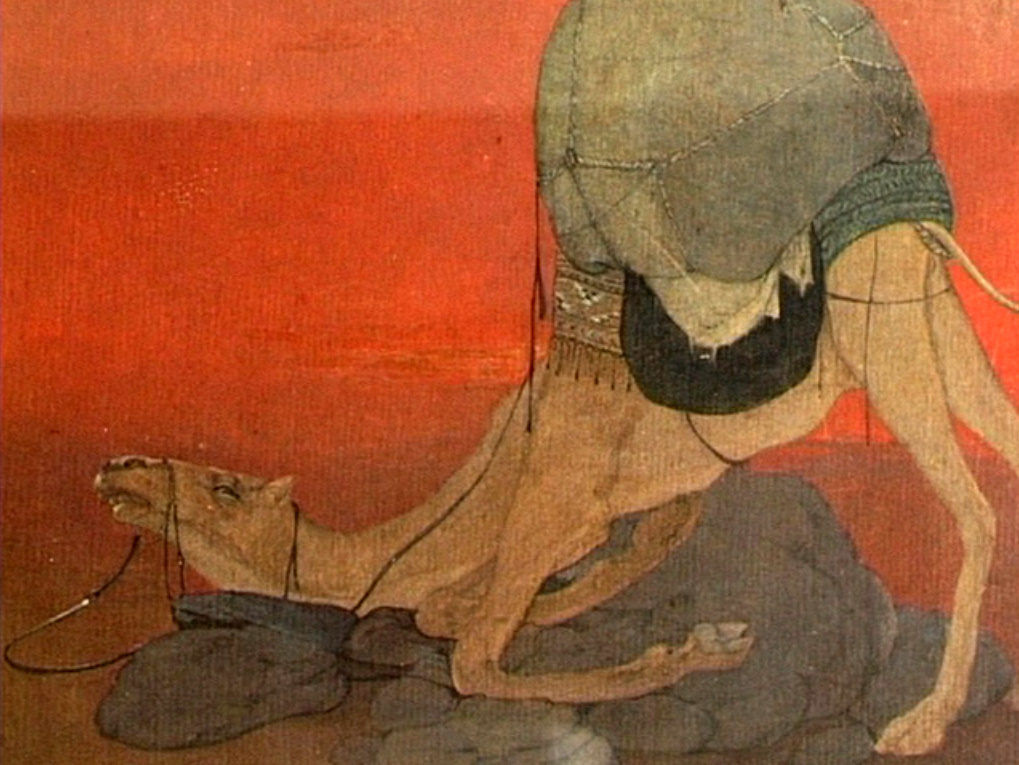
Update:  Came across following two paintings in a CD titled ‘Indian Paintings’ produced by Publications Division, Ministry of Information and Broadcasting Government of India.


“Emperor’s march to Kashmir
Artist: Abanindranath Tagore (lived 1871-1951)
Medium: Tempera on paper
Abanindranath Tagore, the nephew of Rabindranath Tagore, is credited with the founding of the Bengal School of Art. This movement revolted against the western manner of painting as represented by artists such as Raja Ravi Varma and sought to revive ancient and medieval Indian traditions of painting. Through the Bengal School, Abanindranath attempted to create a national movement.
Collection: National Gallery of Modern Art, New Delhi”

Journey’s End
Dated 1913
-0-