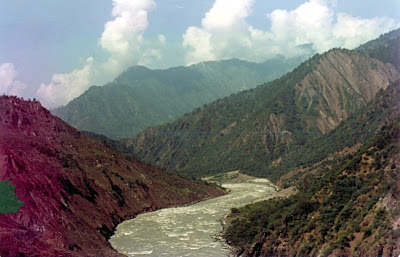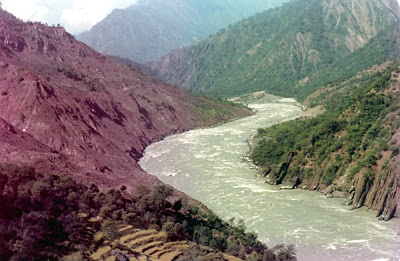
do the pahada

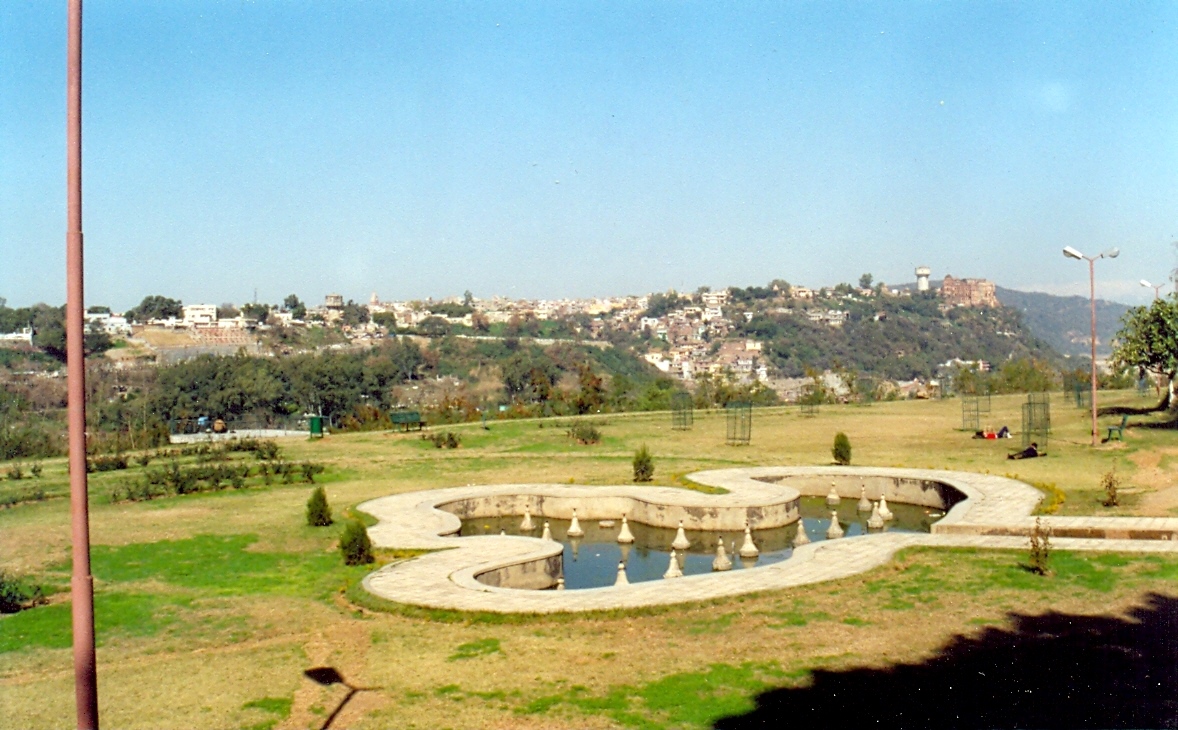
At Shalimar, 2008

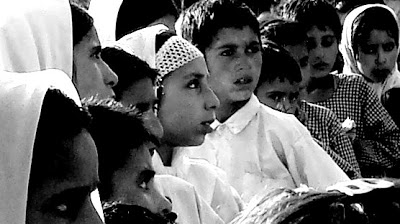
It came back to me a couple of years ago while watching a sequence from Mohsen Makhmalbaf’s Iranian film ‘Gabbeh’ (1996). The poetic sequence involved an elderly teacher singing a lesson to his young pupils [video link]. I remembered the way my grandmother sang table of two to me when I was a kid. It’s rustic nature never failed to delight me. In many futile attempts I tried to capture it. Could manage only a few delightful multiplications. I asked my grandmother but she too recalled it only in parts. Last night I again gave it another shot but instead ended up getting distracted by ‘Do Ekam Do Do Duni Chaar’ song from Dil Deke Dekho (1959) [video link]. But it also made me finally go for closure. This morning I called up my grandmother and over a long call, finally managed to compile the table. It was a fun exercise, which started after I failed to explain her my interest in something so trivial, in fact I am now somewhat in-famous in the family for my trivial interests,  nevertheless, ever the Dadi, she agreed to entertain me one more time with her table song. From the voice in the background, I knew this time she had help, her son and daughter were filling in the blanks (only that my father was adding his own mock ribald version into it,only adding to the confusing). At time she ran so fast with the flow that I had to stop her so that I could follow, and then she would again start from the beginning, with each stop and re-rendering the song kept changing. In any case, I think I now have an acceptable version. Little rhyme, no reason. First line is what could pass off as ‘Hindustani’ but the second line, the auxiliary for memory, is in Kashmiri. And it goes like this:

do e kaya do
Padow Ladkow

[2 1 za 2]
[Read my Boys]

do duna char
Batt’e Lejj Phayaar (Or Maj’e Dyutnay Mar)

[2 2 za 4]
[Stir the Rice Bowl (or Mother beat you)]

do tiya che
Vothu Batt’e Khe

[2 3 za 6]
[Get up and eat rice]

do chukay aath
Hyer par paath

[2 4 za 8]
[Read a bit louder (Read upstairs (?))]

do panjay dus
Hooyn Kheynay nas

[2 5 za 10]
[Dog ate your nose] (Laugh.Recall point.)

do che barah
Mol chui Praran

[2 6 za 12]
[Father is waiting]

do satay chowdhah
nikkan kori maedaan

[2 7 za 14]
[You kid just shit]

do ahthay solah
mol chui bolan

[2 8 za 16]
[Father is talking]

do navay athara
mol chui laran

[2 9 za 18]
[Father is giving a run]


do dahya bees
ungjan kad tees

[2 10 za 20]
[crack your knuckles]

-0-

I thank my grandmother for teaching me how to spell धन्यवाद्.


-0-
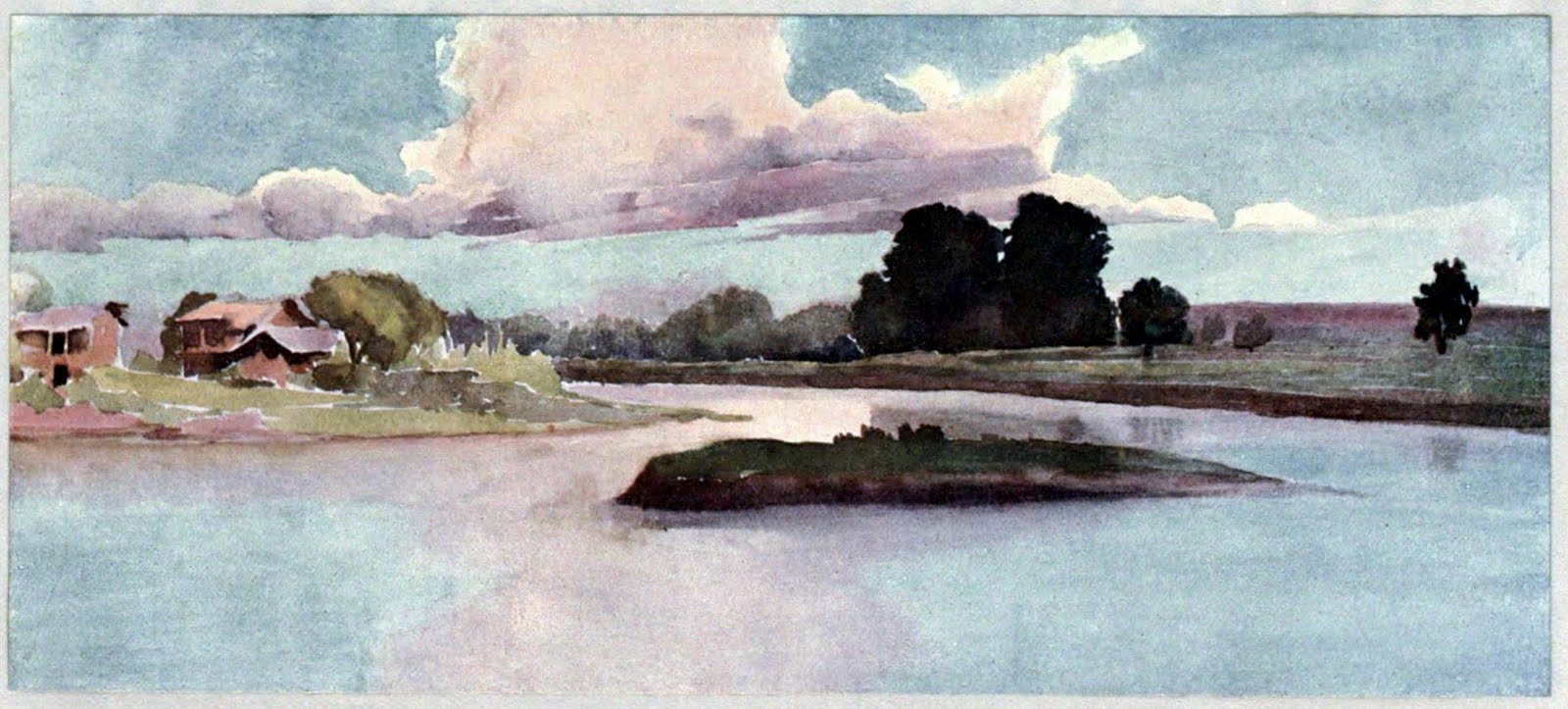
Kashmir Colors, 1908

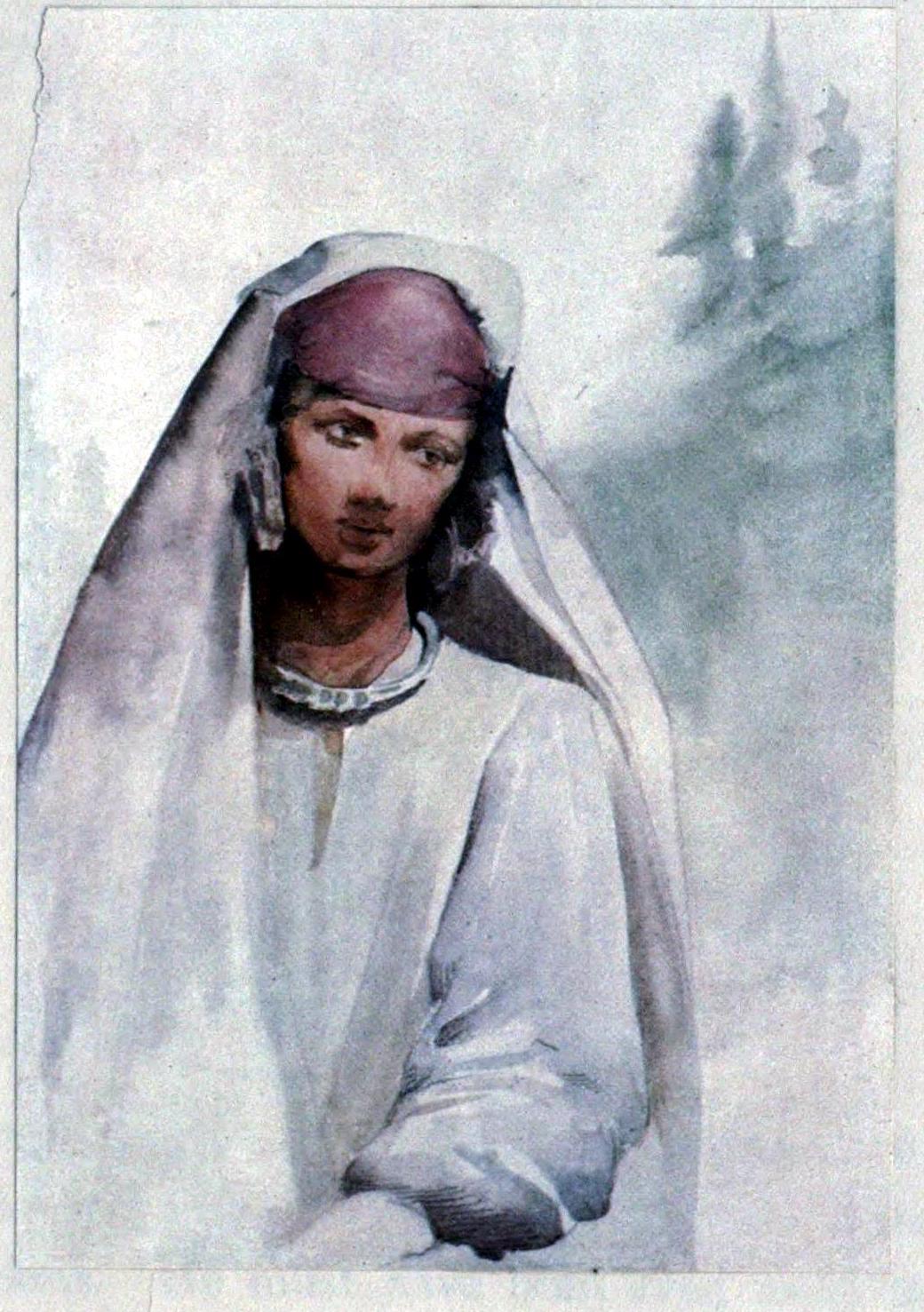
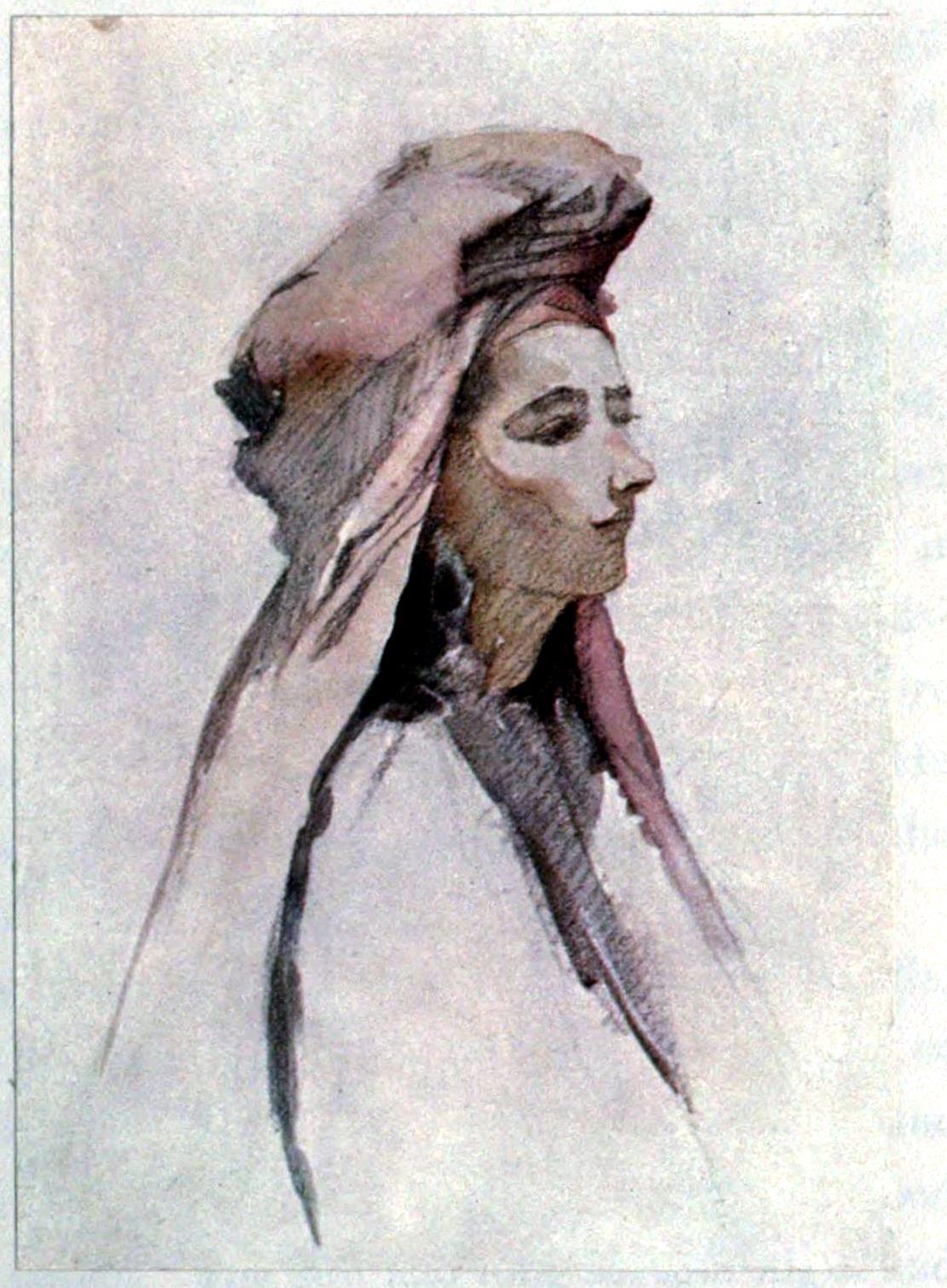
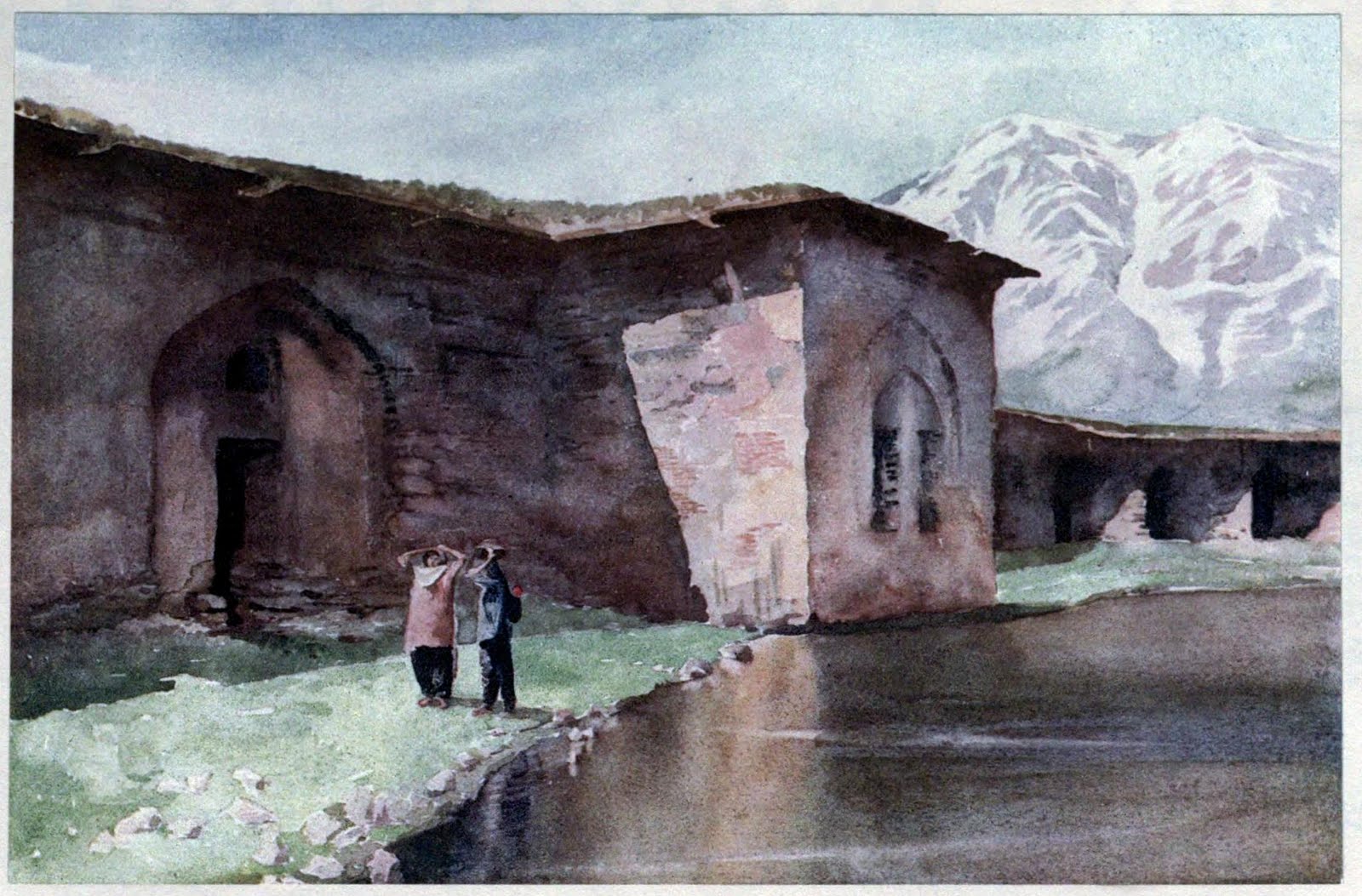
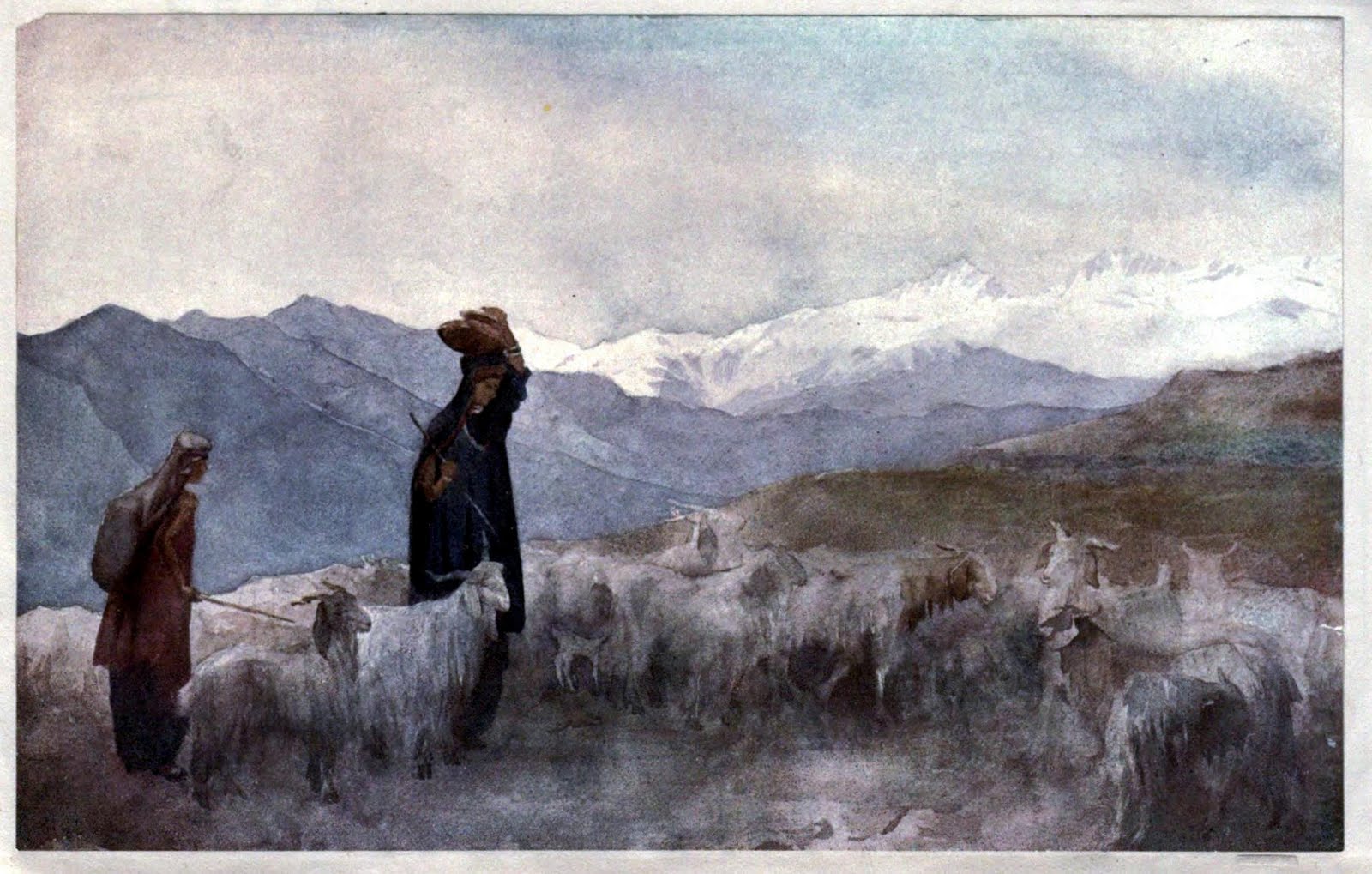
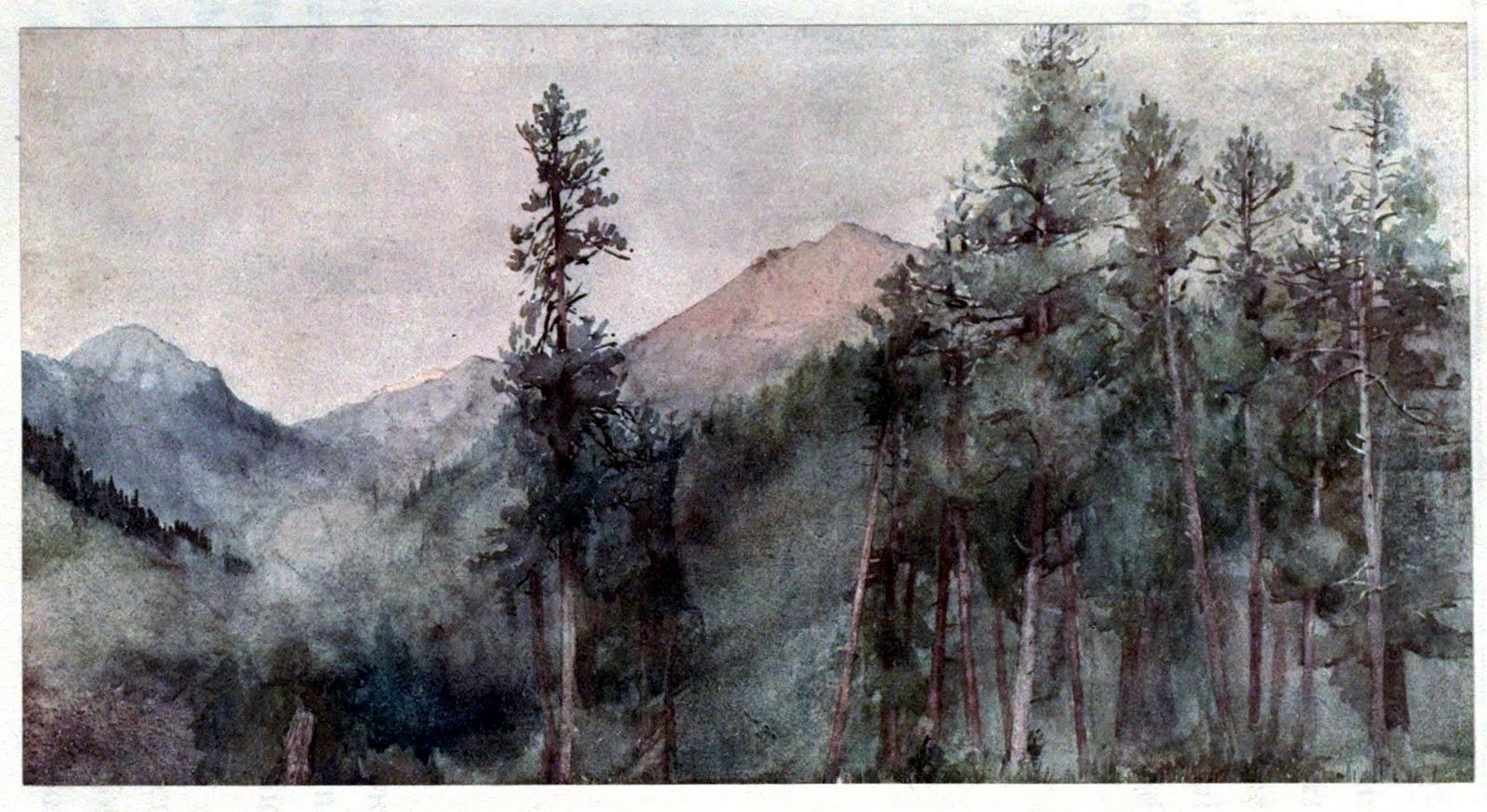
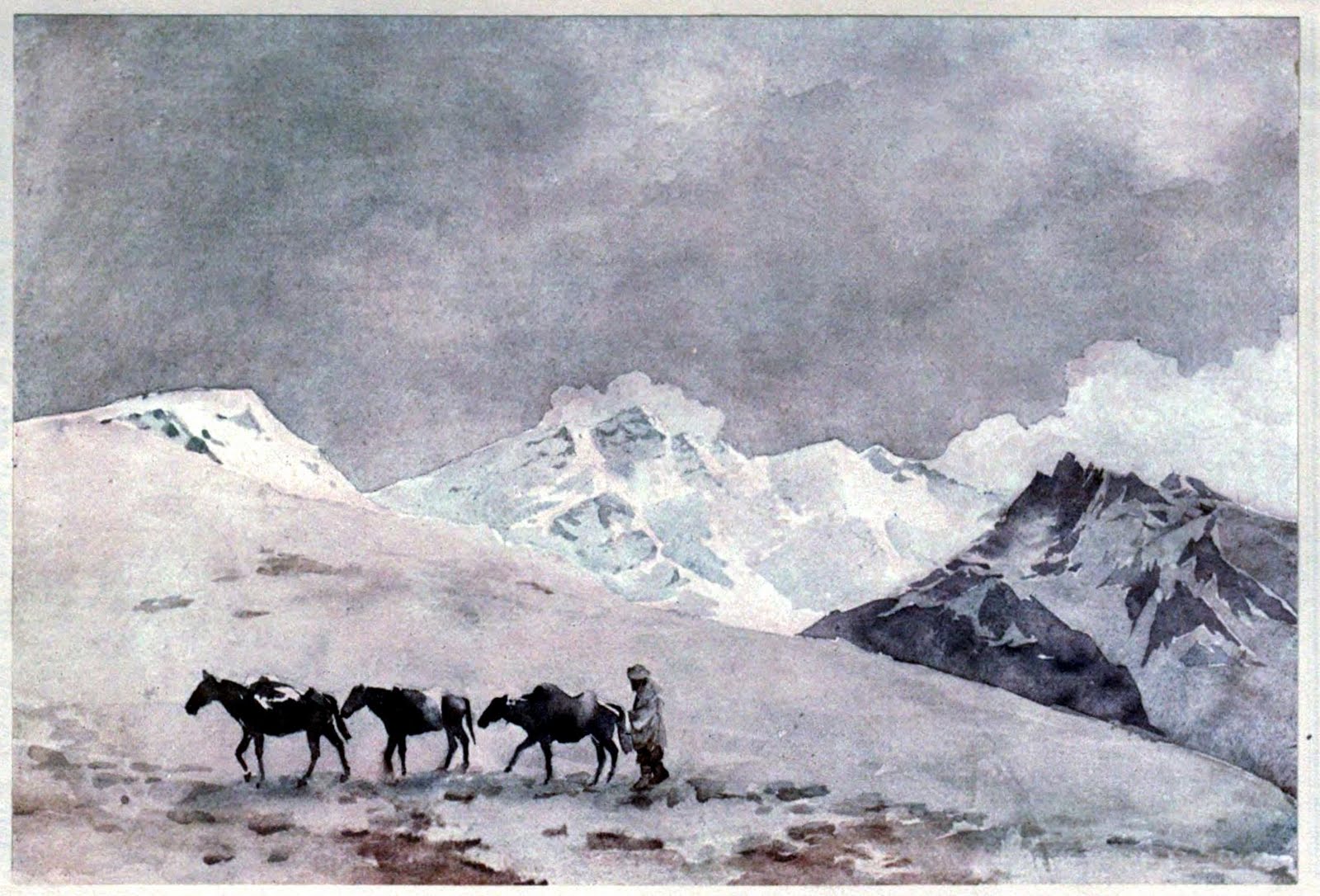
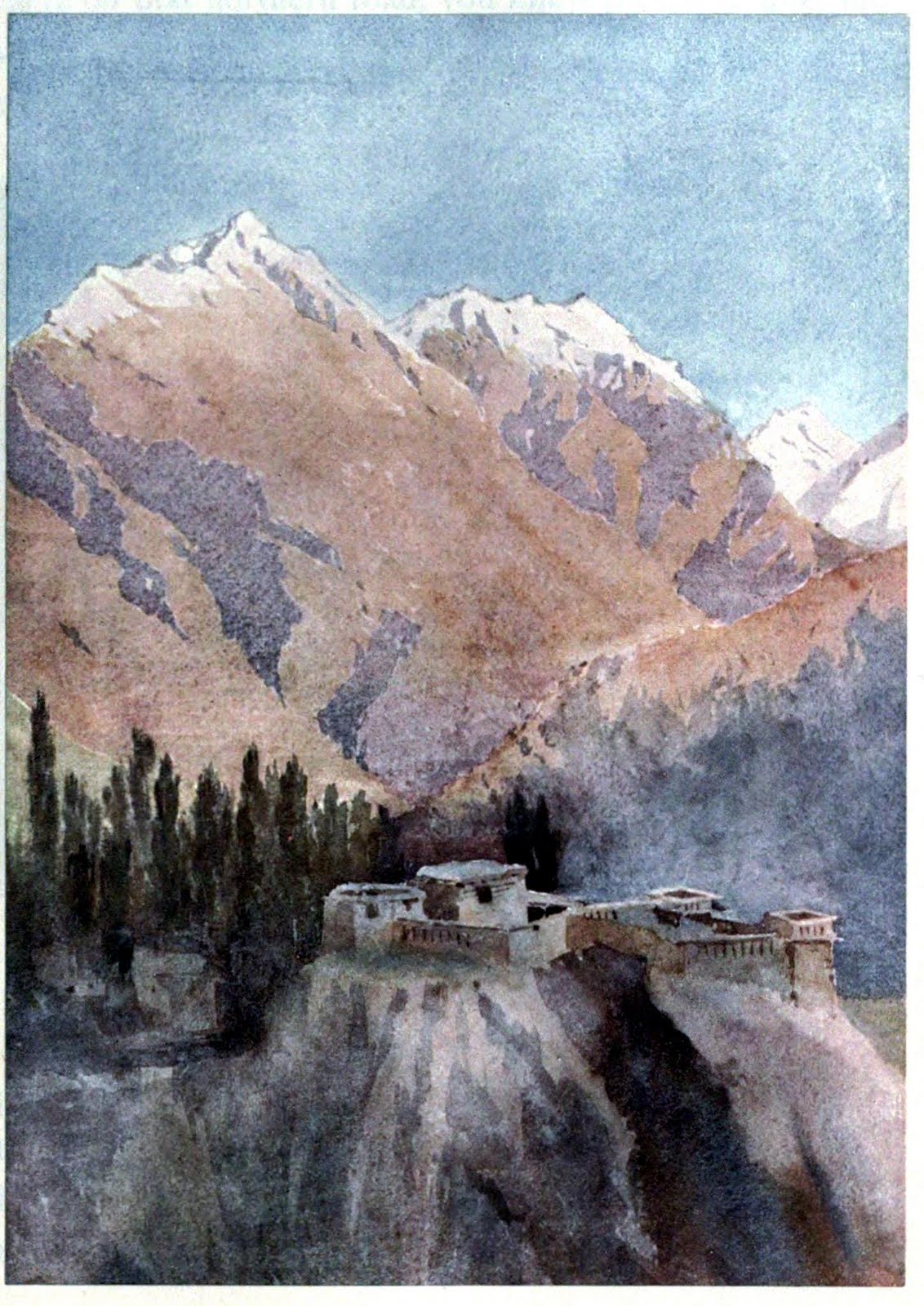
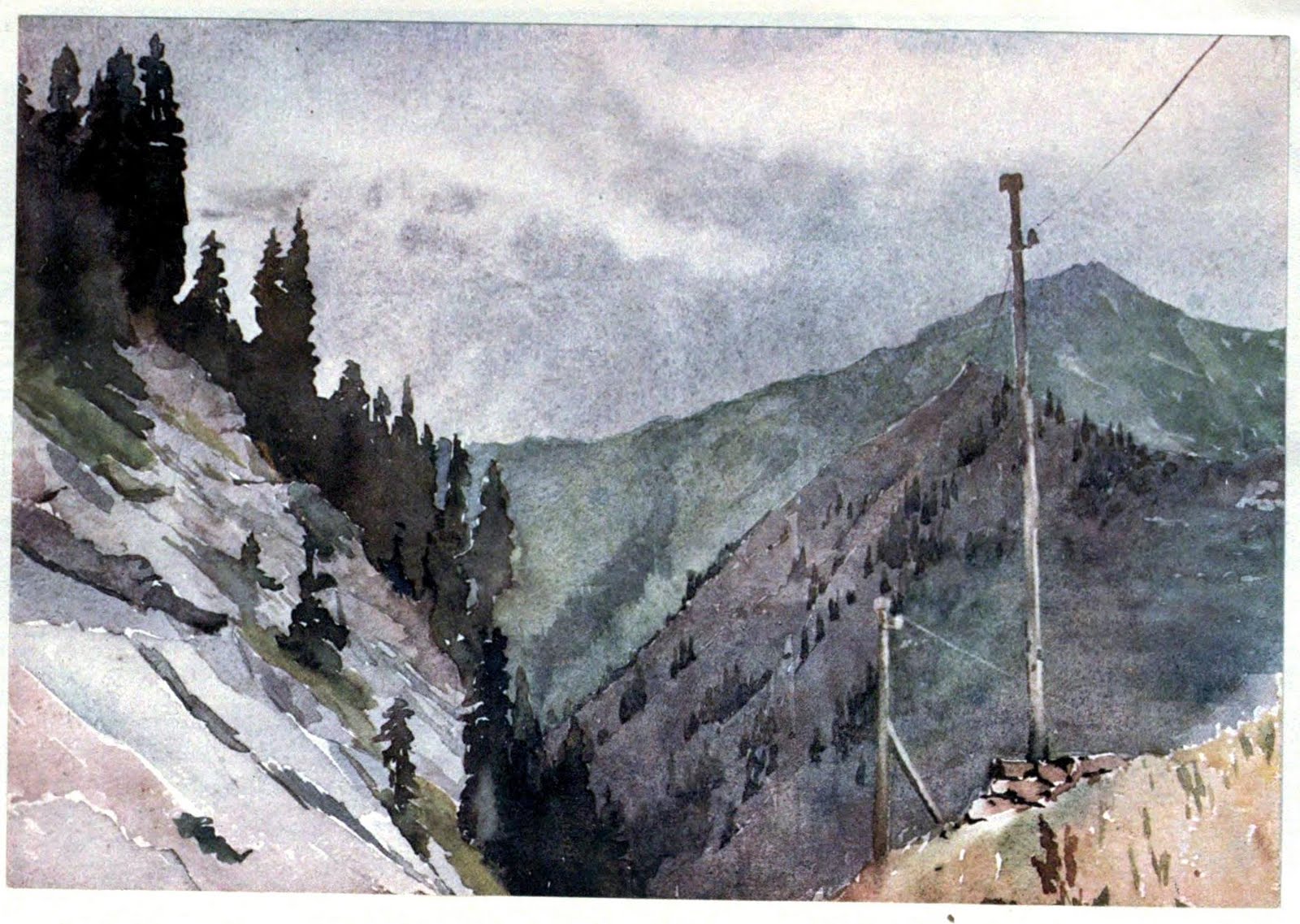
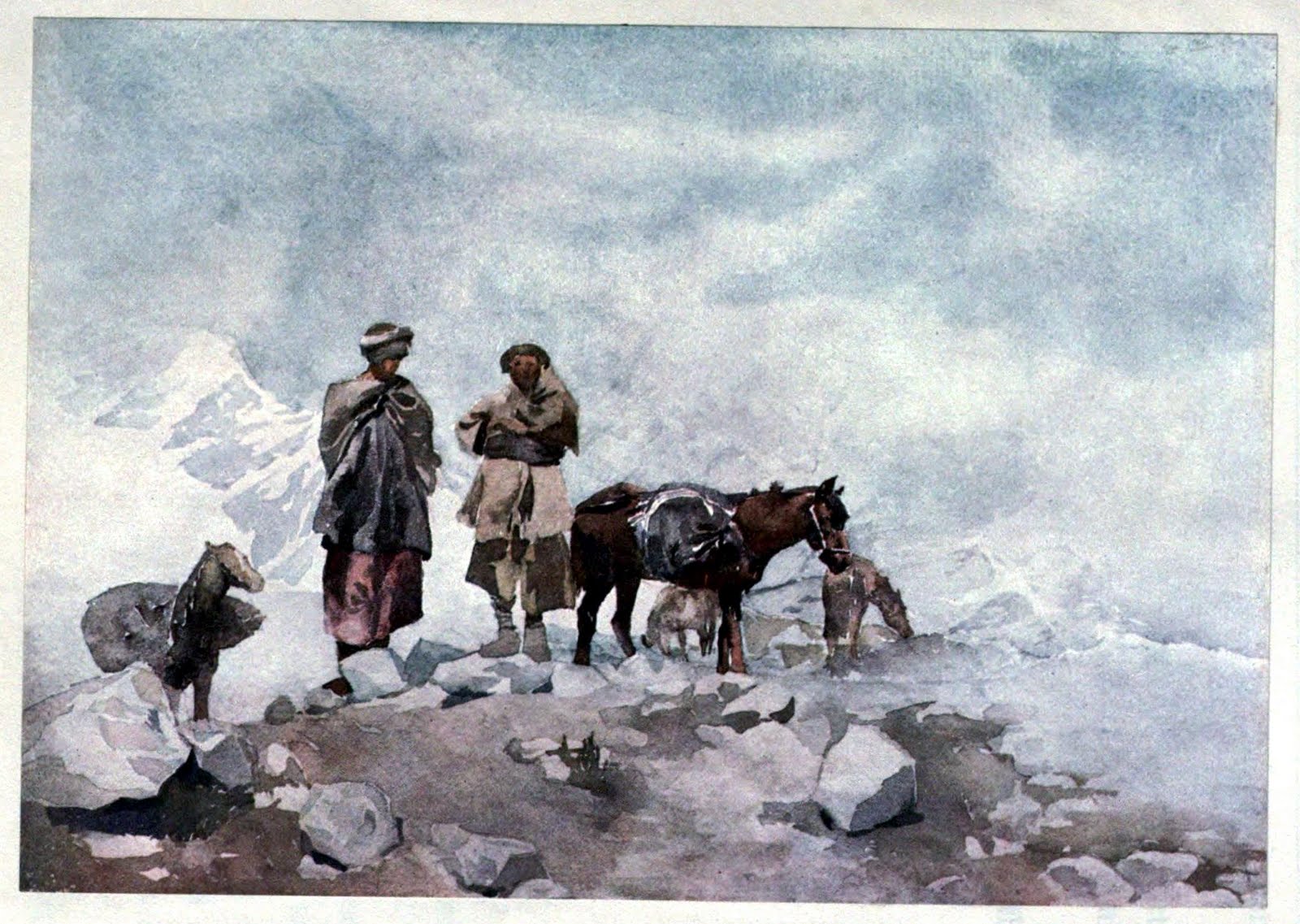
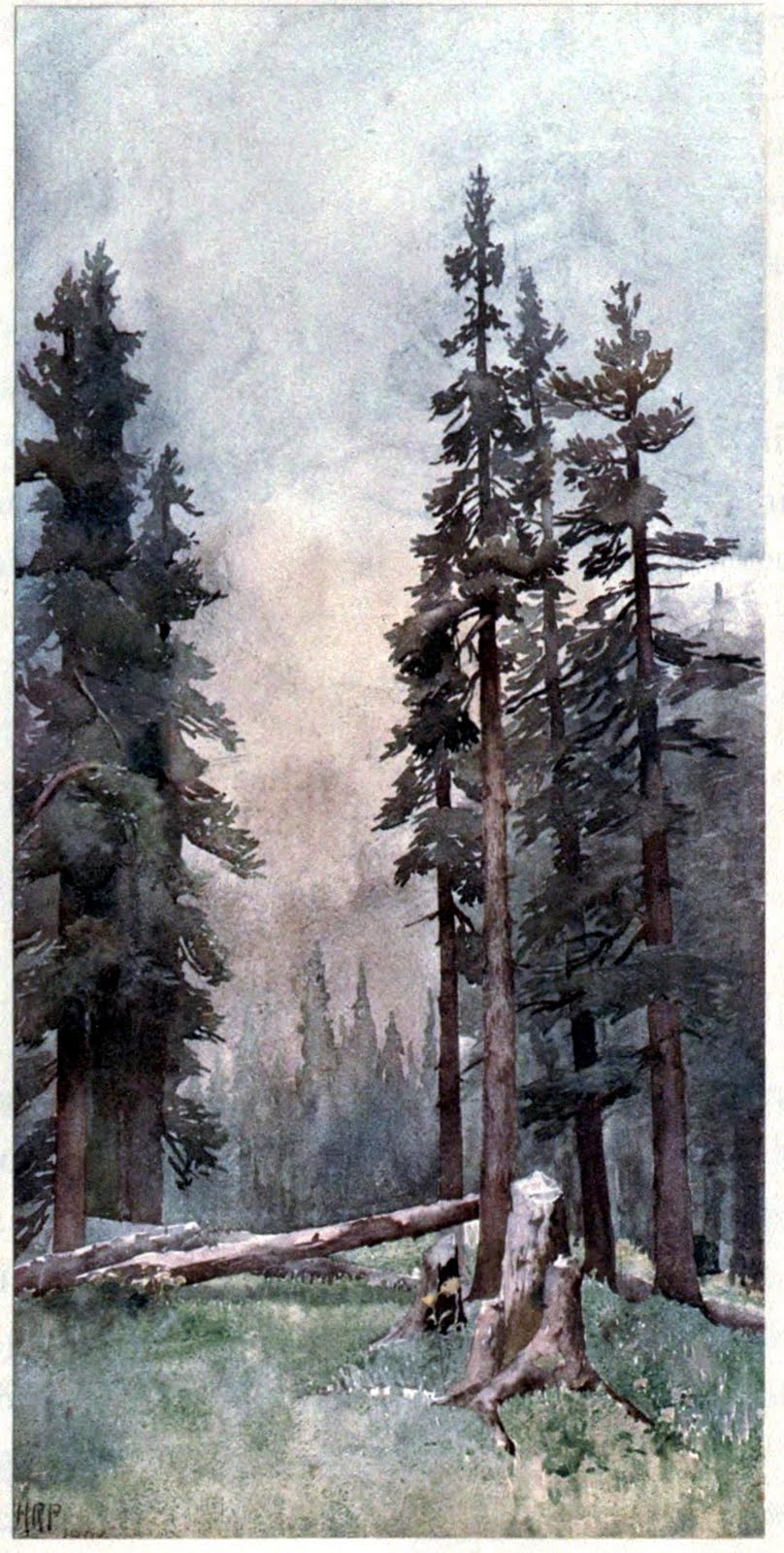
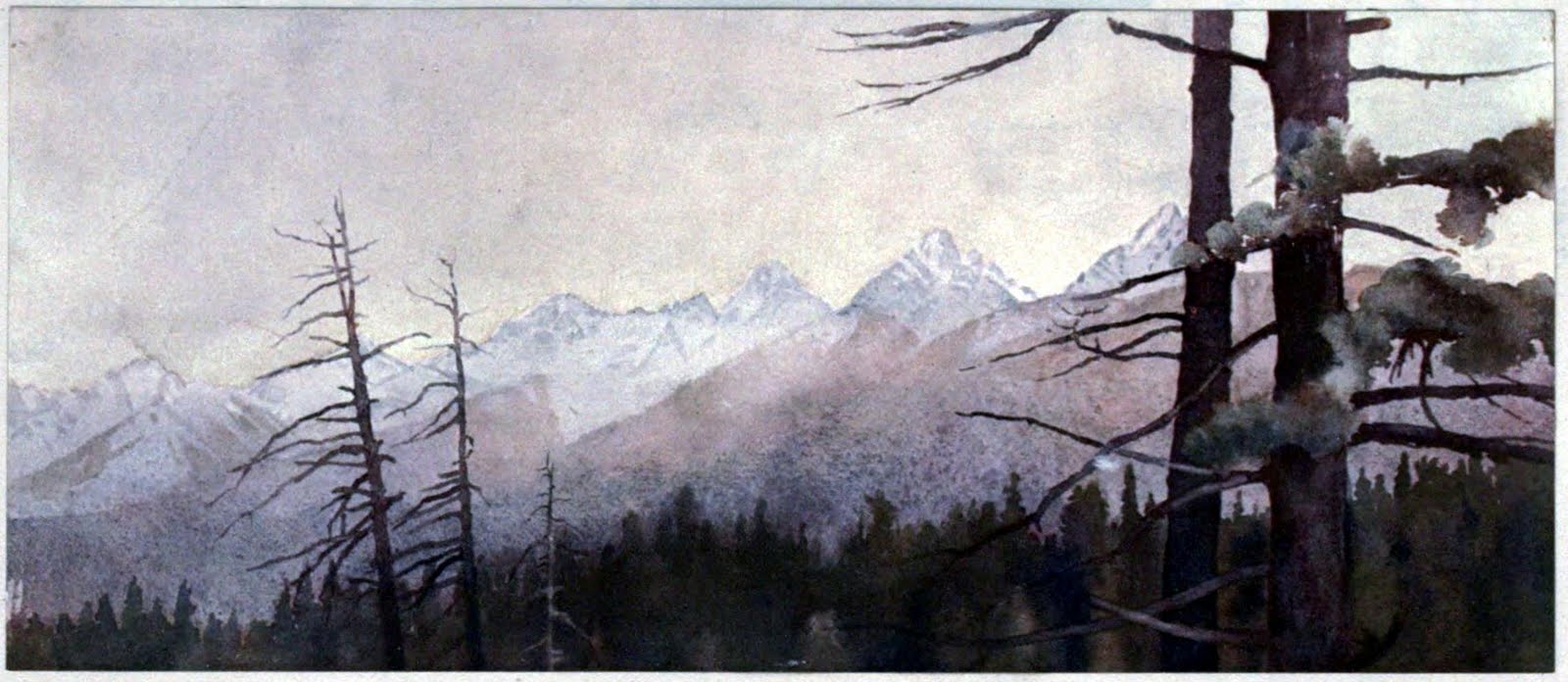
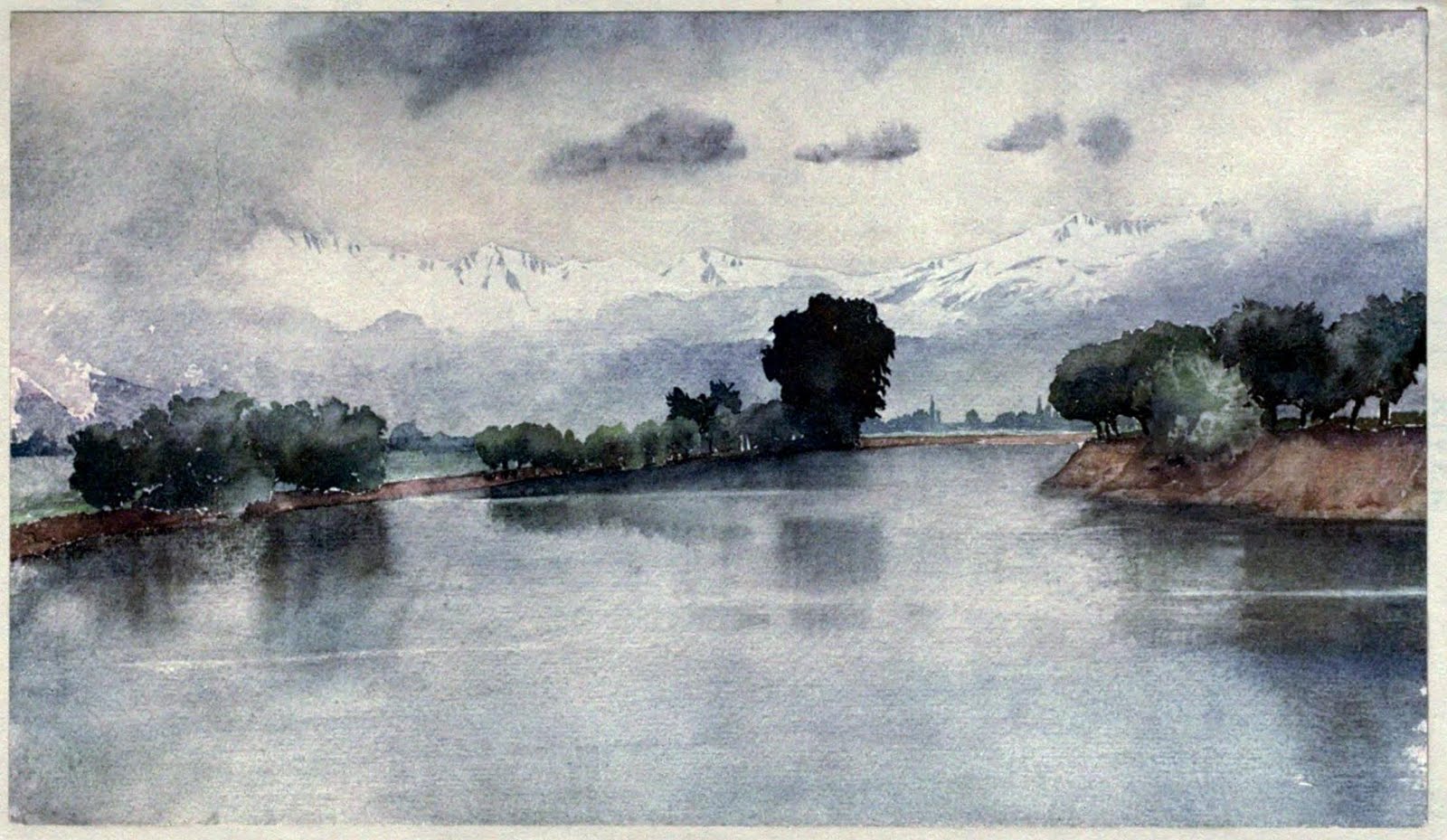
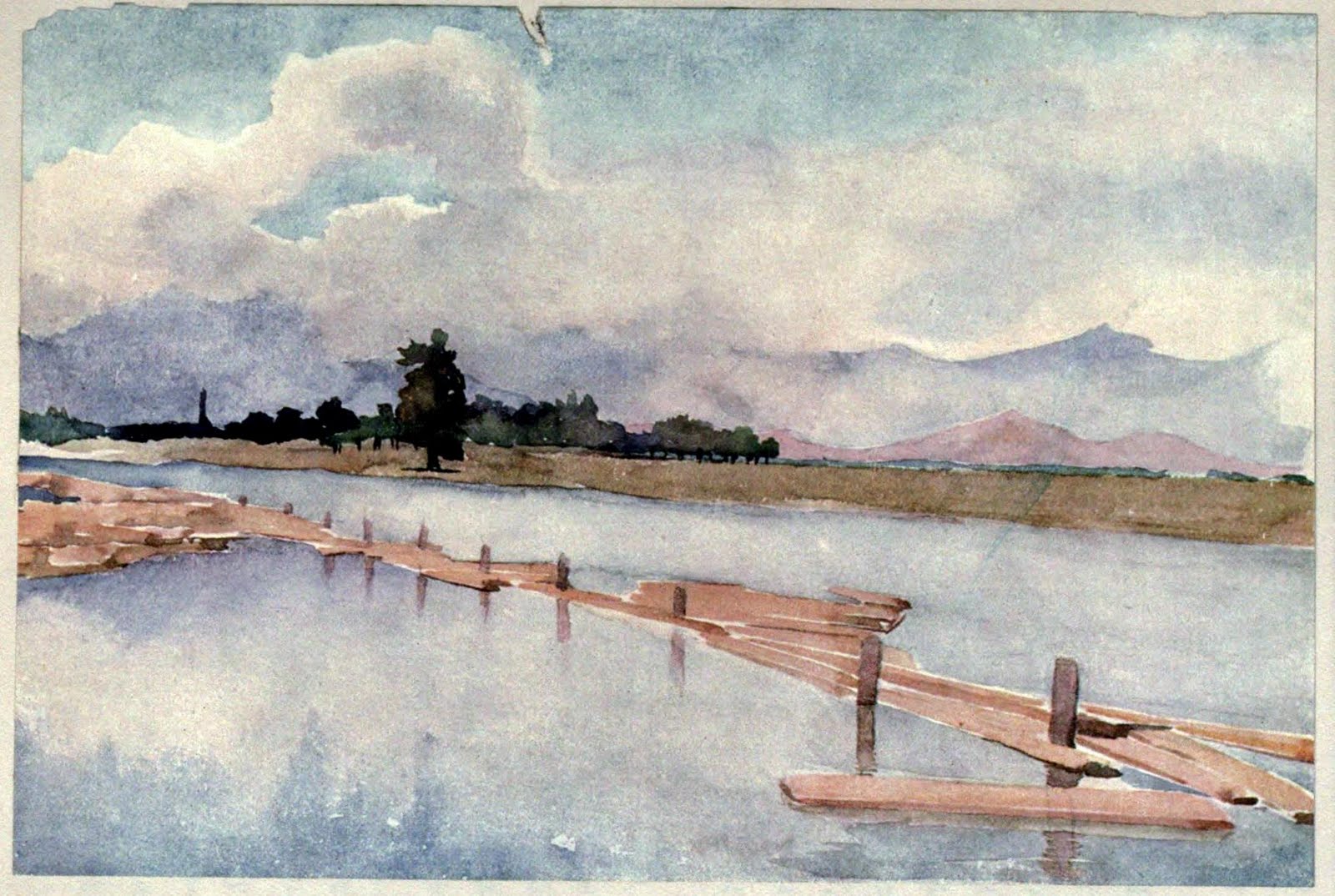
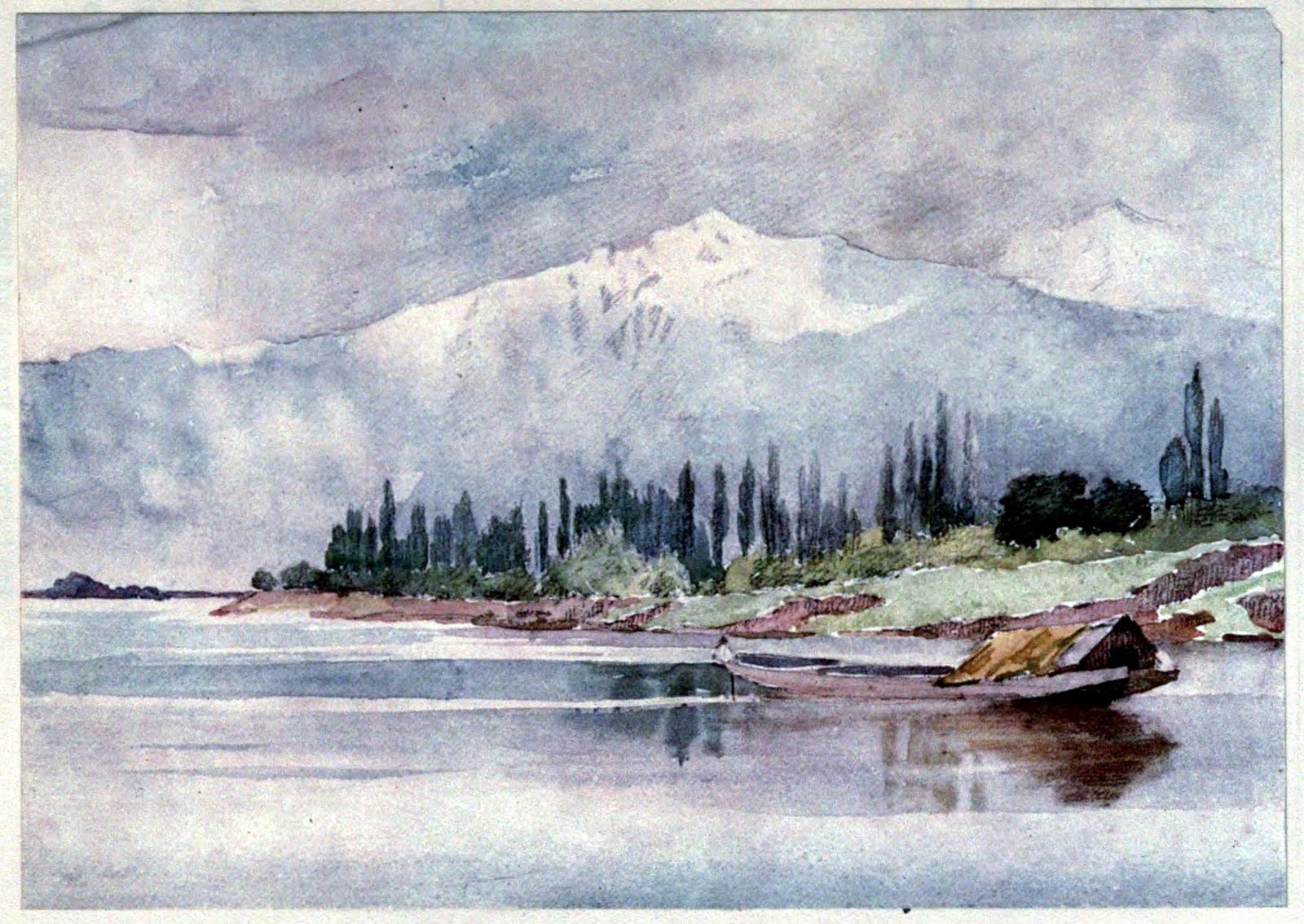
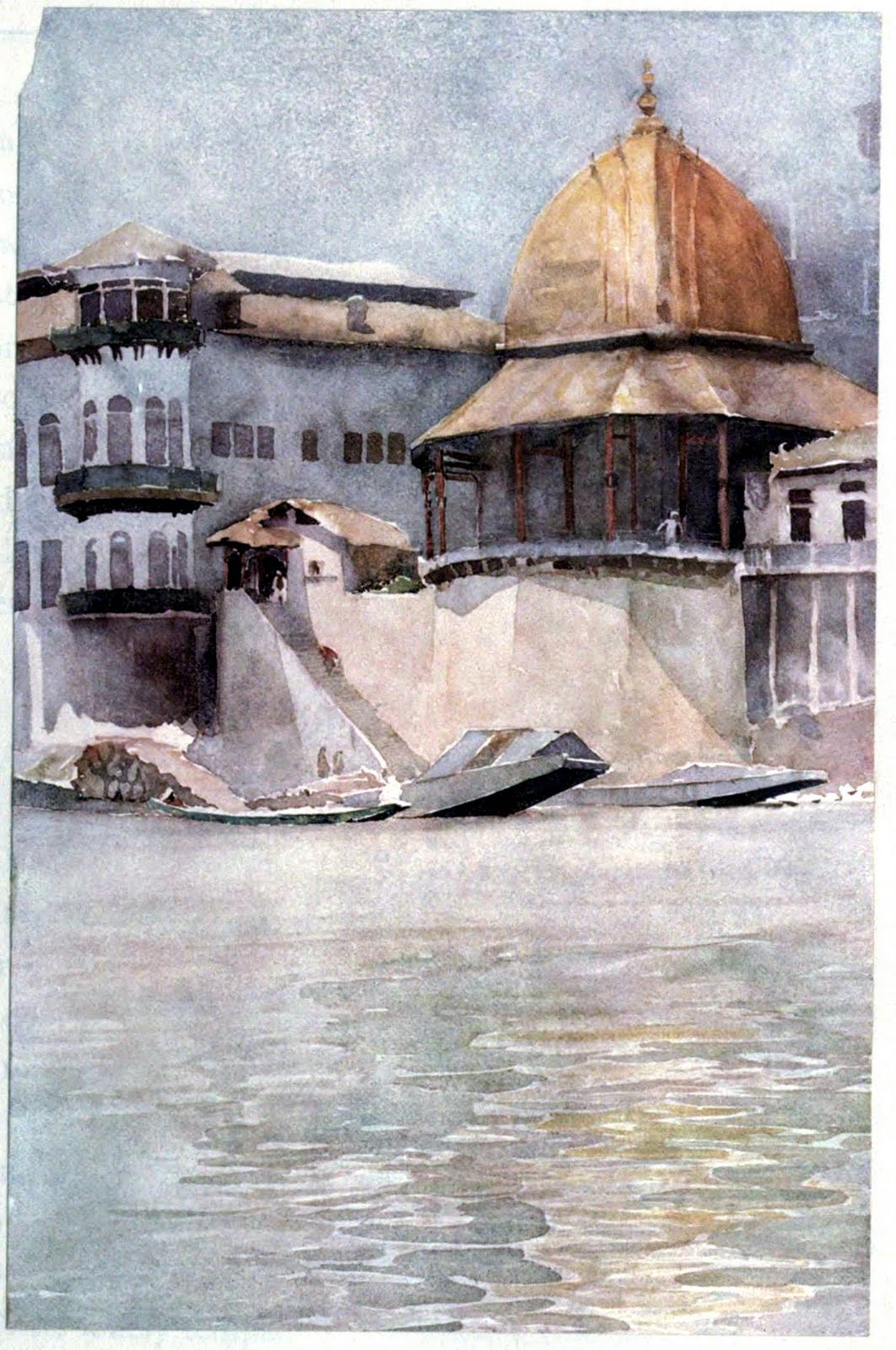
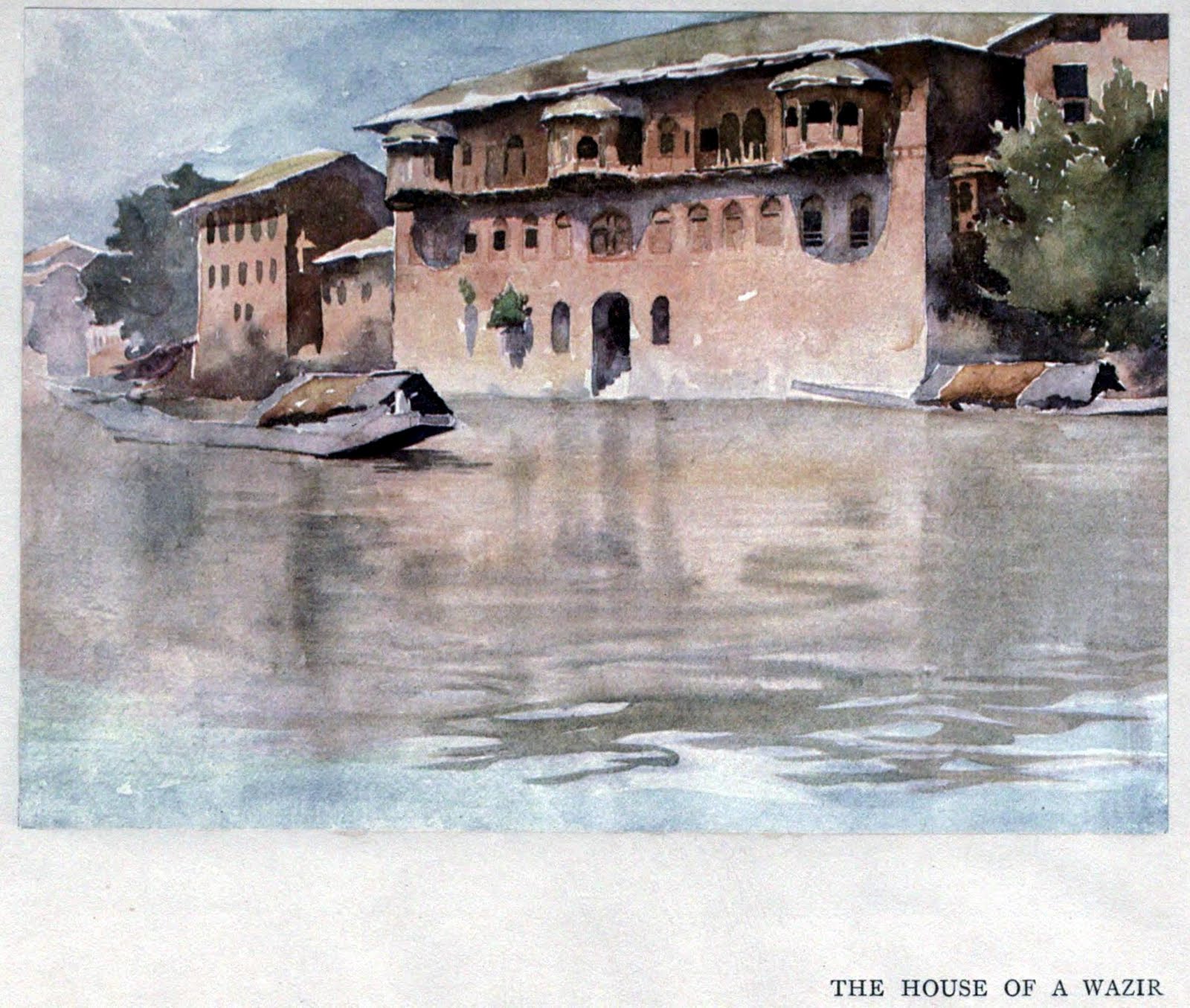
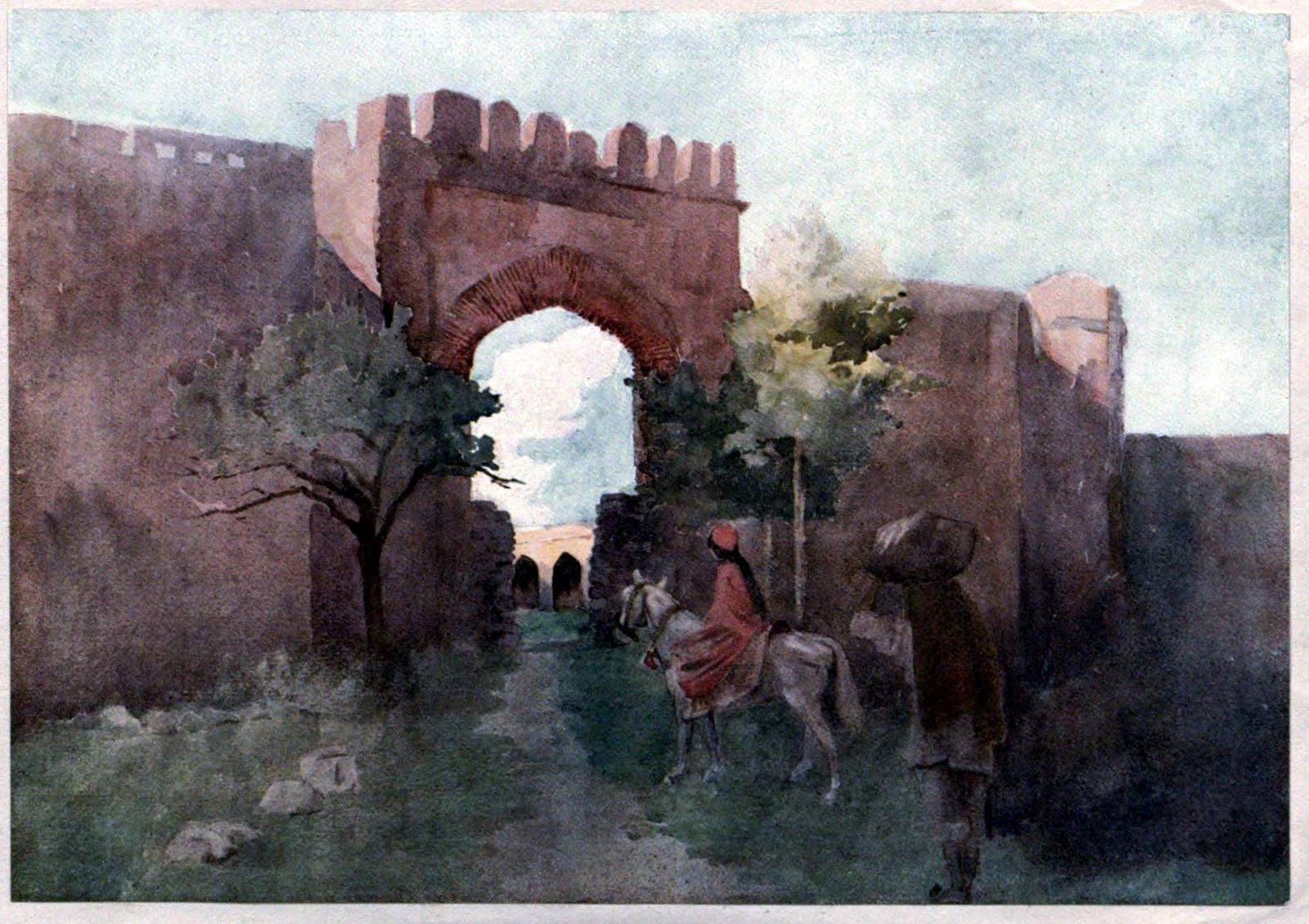
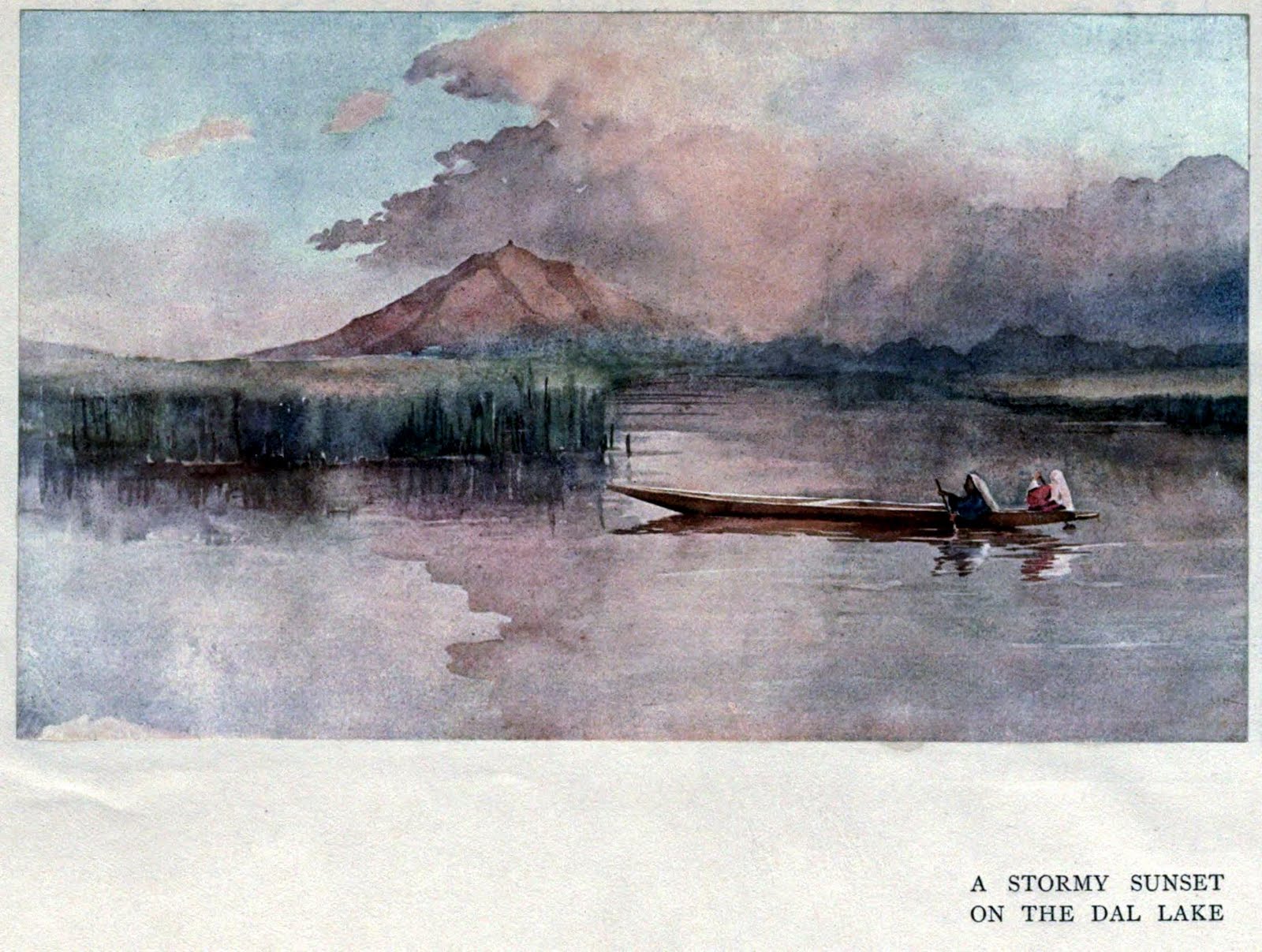
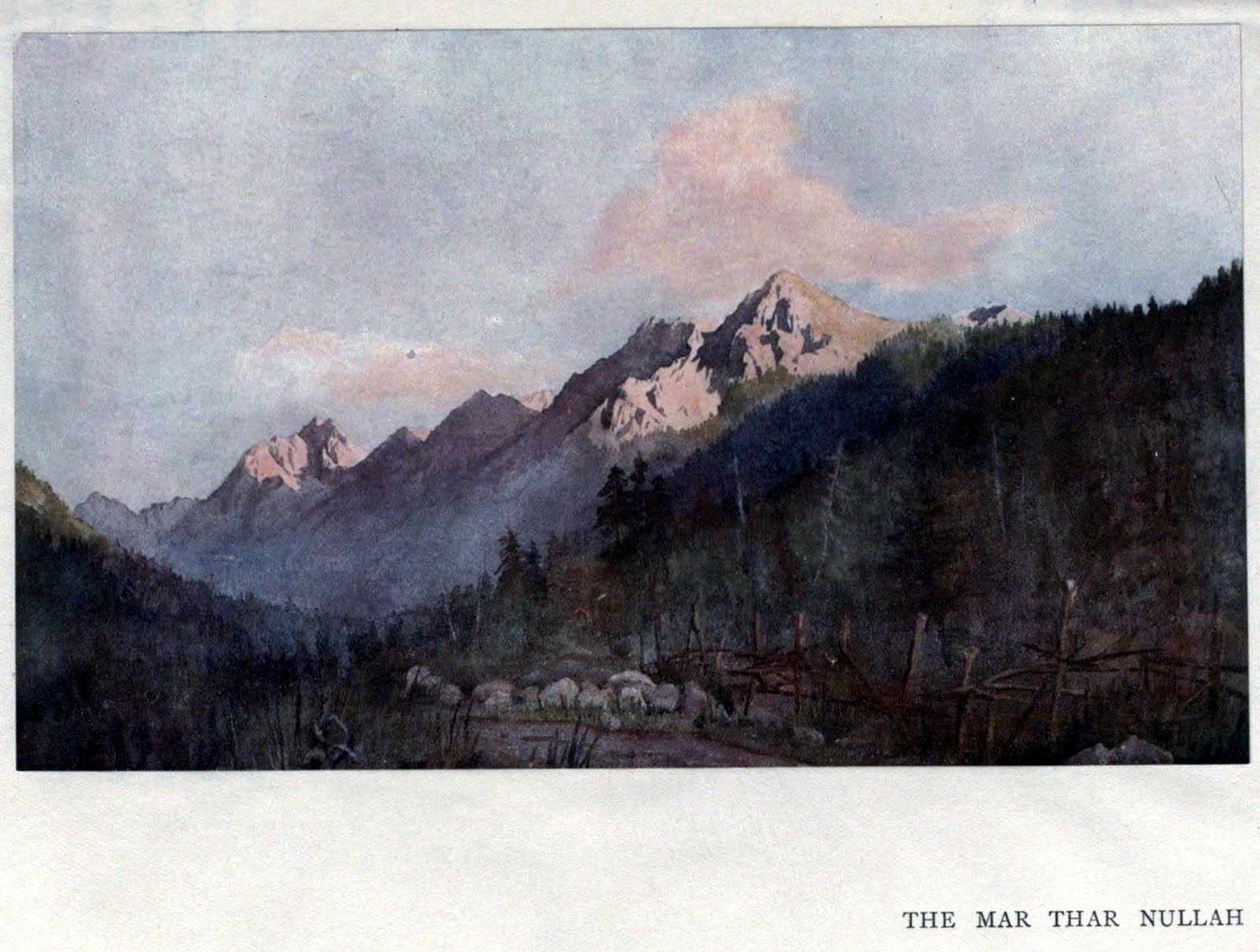
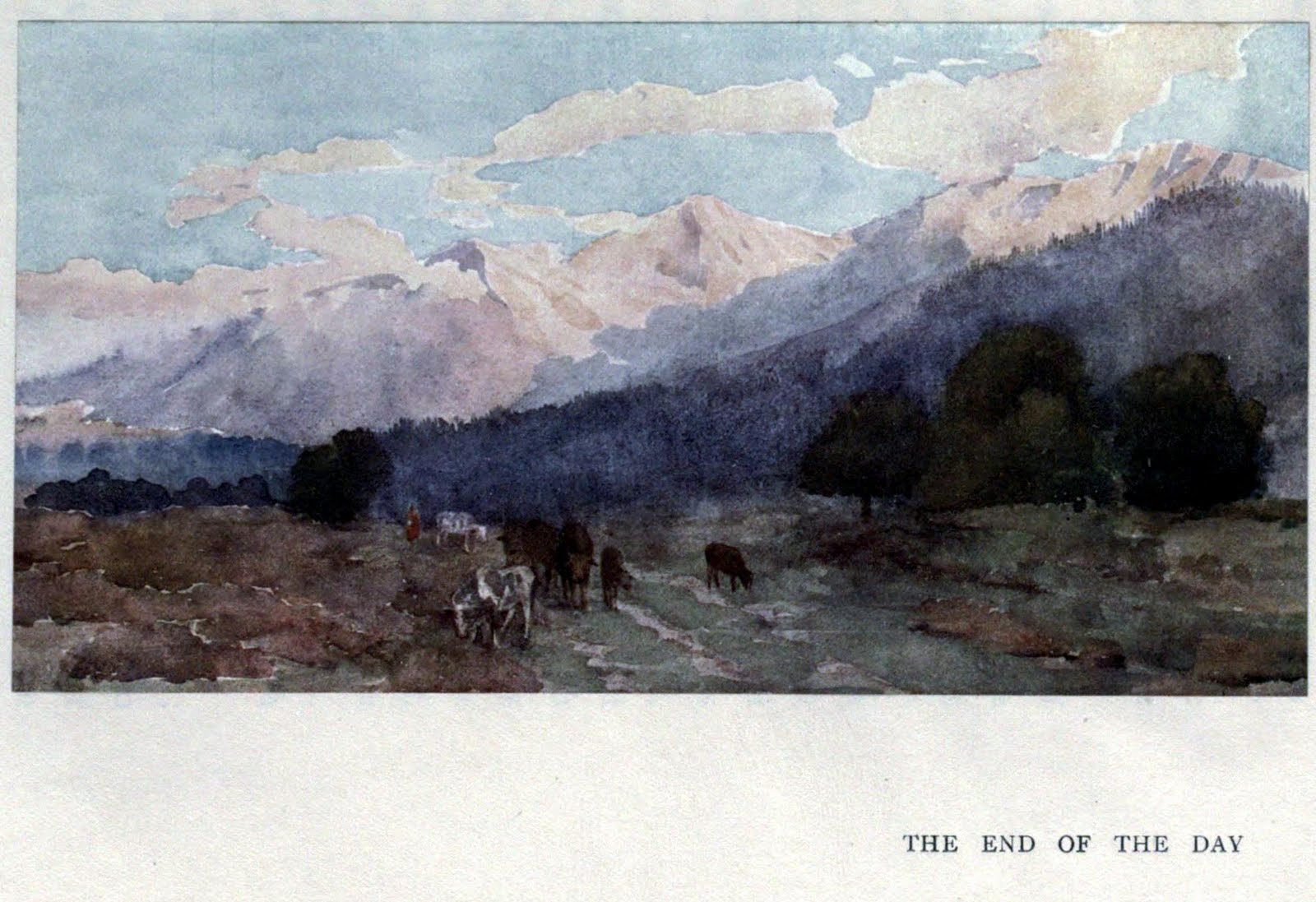
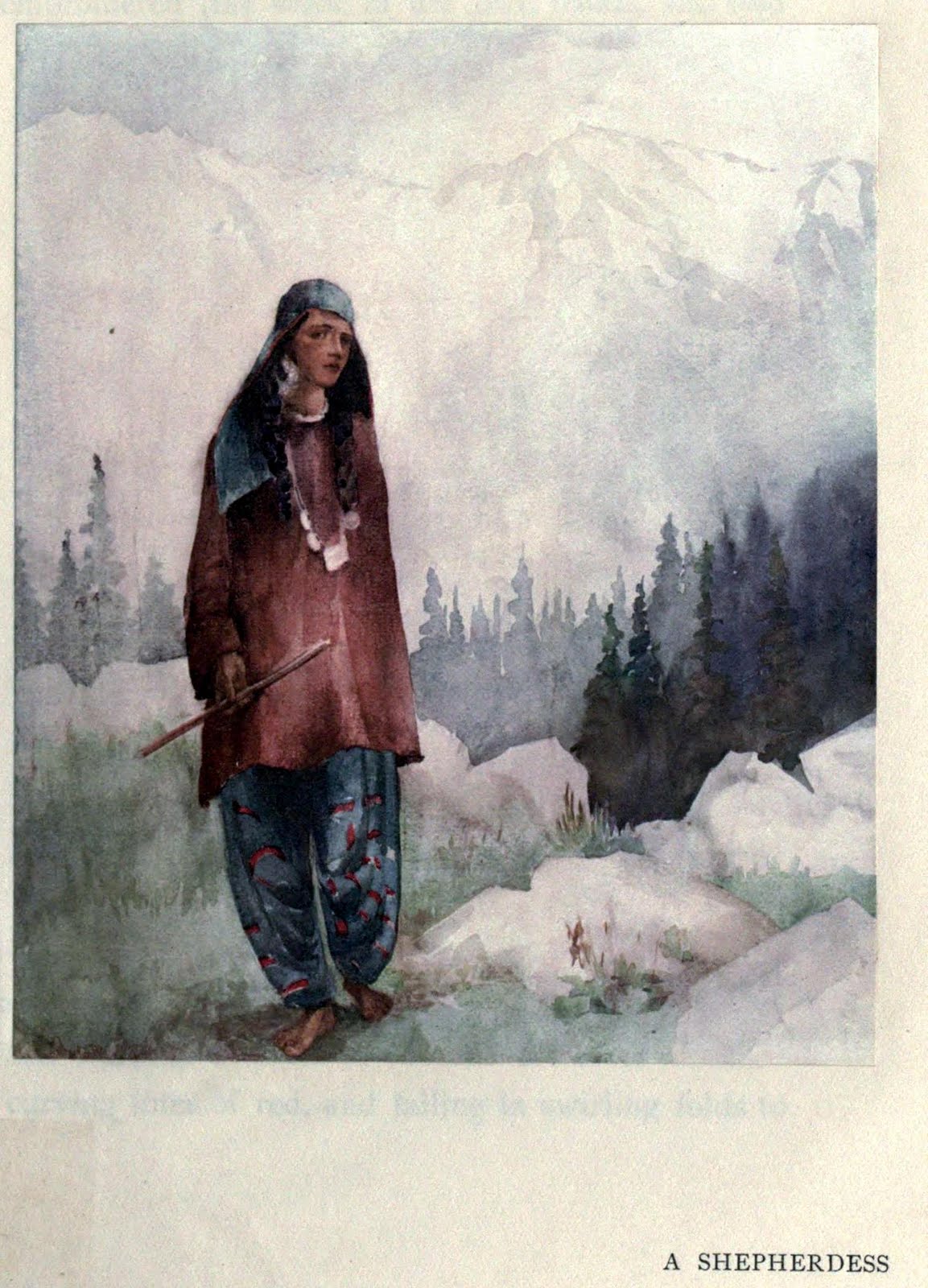
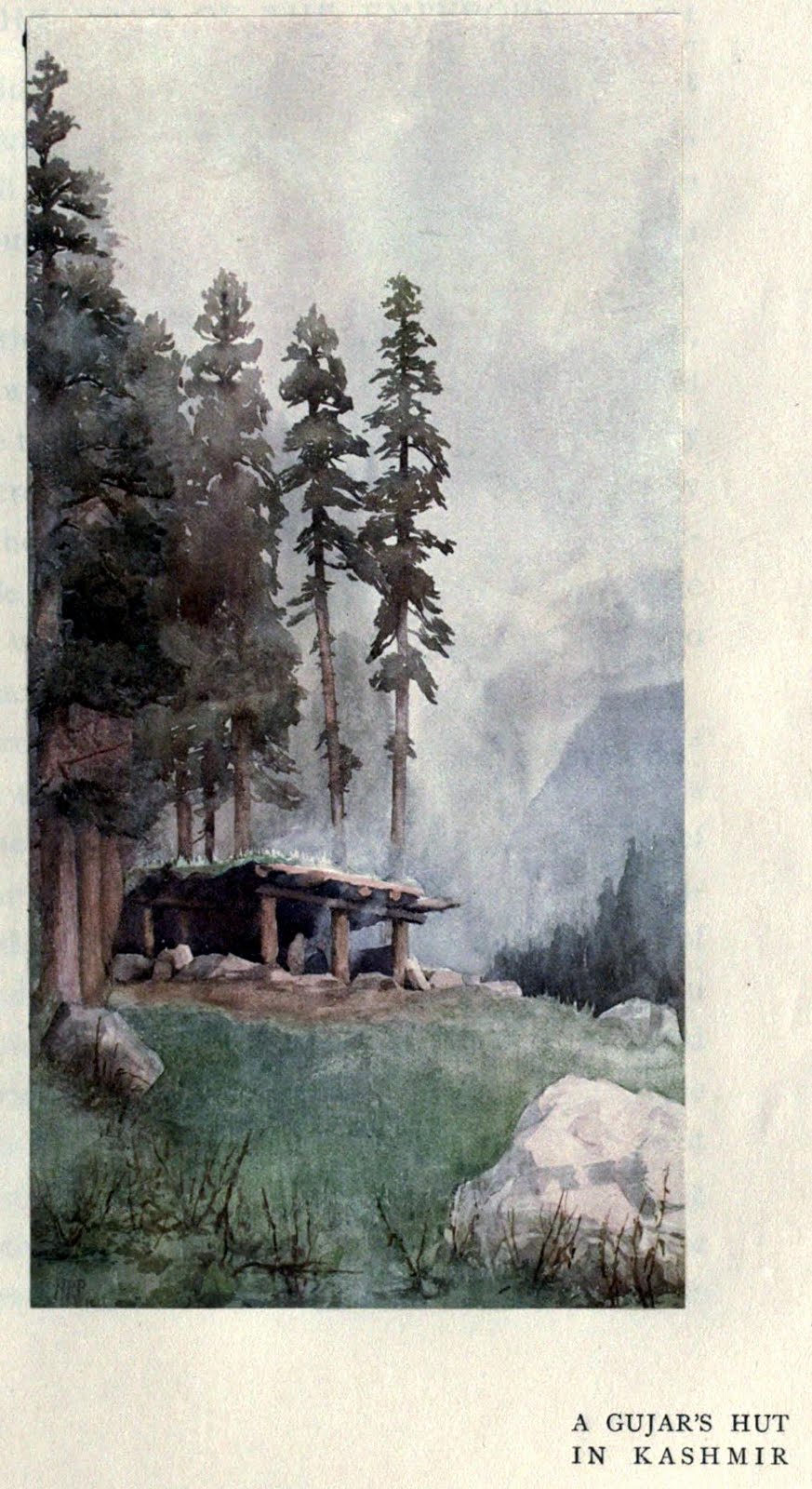
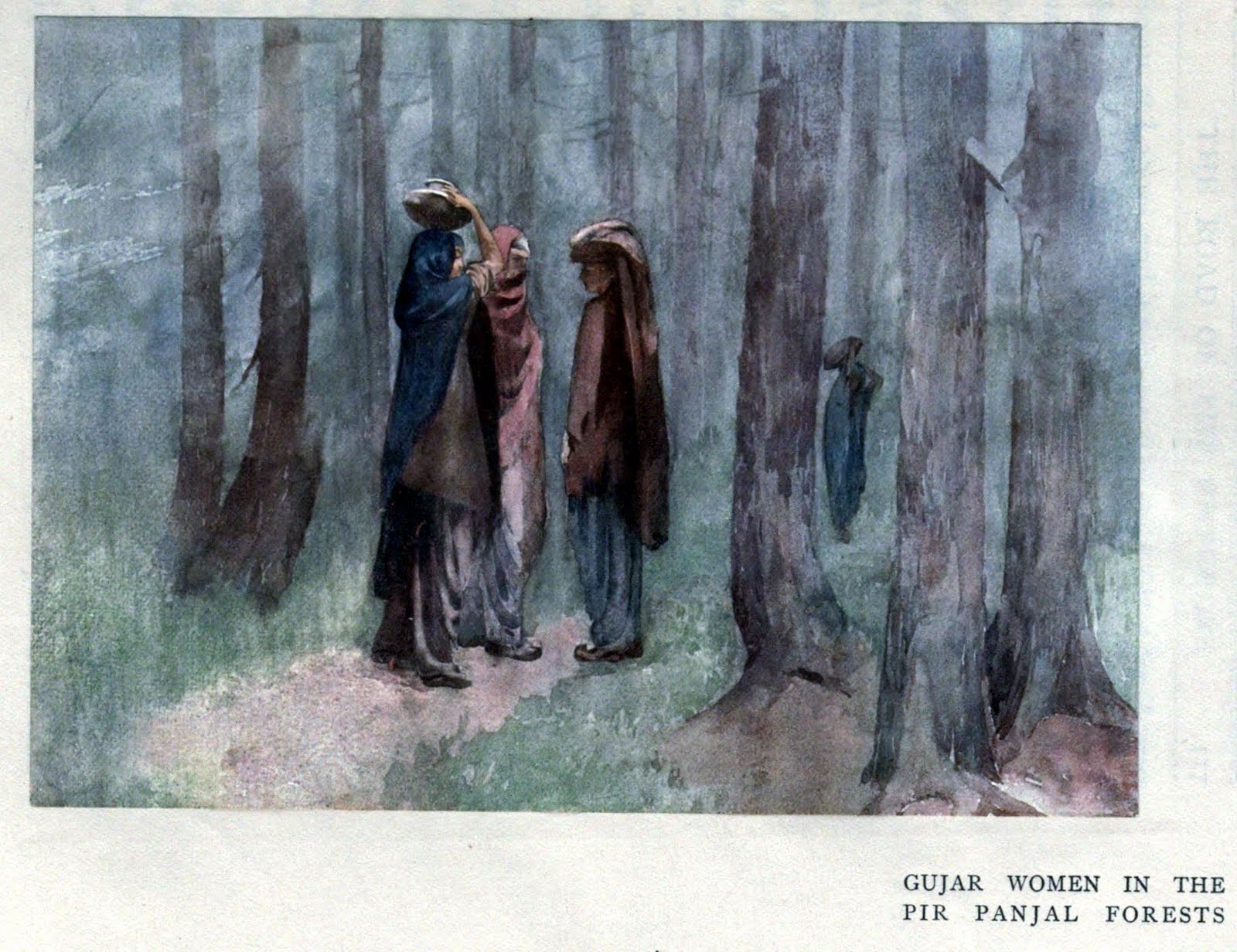
Colors drawn by  H.R. Pirie for P. Pirie’s ‘Kashmir; the land of streams and solitudes’ (1908).

On The River

Aliabad Serai, on the Pir Panjal Pass

Crossing the Kamri Pass

Astor Fort

Villagers of Tarshing on the Road from Tarshing to Rupal near Astor.

Up the River

On the river road

Near Bijbehara

Maharaja’s Temple on the Jhelum
Related post:  A surviving similar structure on Jhelum 

Gate of Chingiz Serai.
 Possibly  related  post: Changus Song

Gujjar House in 1908
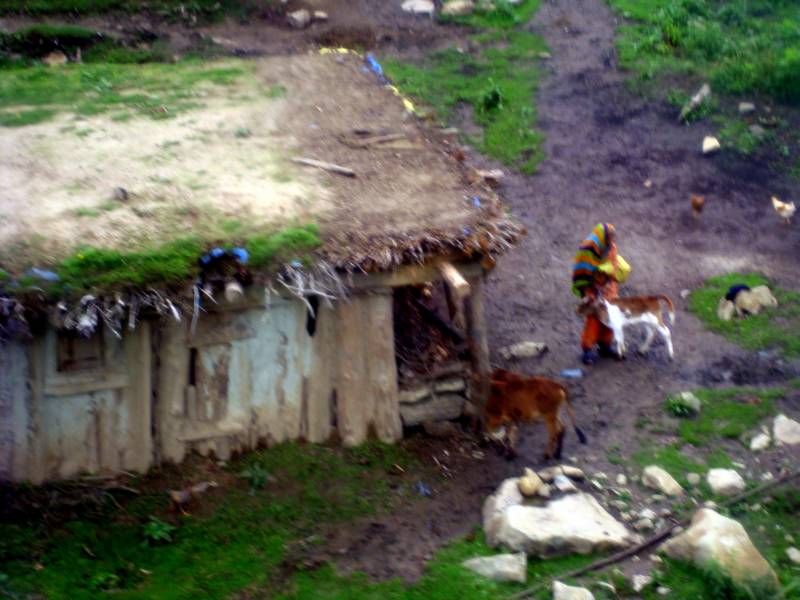
Gujjar House 2008 at Gulmarg (more)

Village of the writer’s guide.

-0-
River Tawi (Surya Putri)

Sent in by Man Mohan Munshi Ji. He writes:

River Tawi ( referred in ancient literature as Surya Putri) originates near Kaplas Mountains and flows westward between Jug Dhar and Trisul Dhar in a westerly direction till Udhampur where it takes a southerly bend across the Sivalik range  and again resumes a westerly course passing along the Jammu City  till it joins Chenab River in Sialkot District in Pakistan.


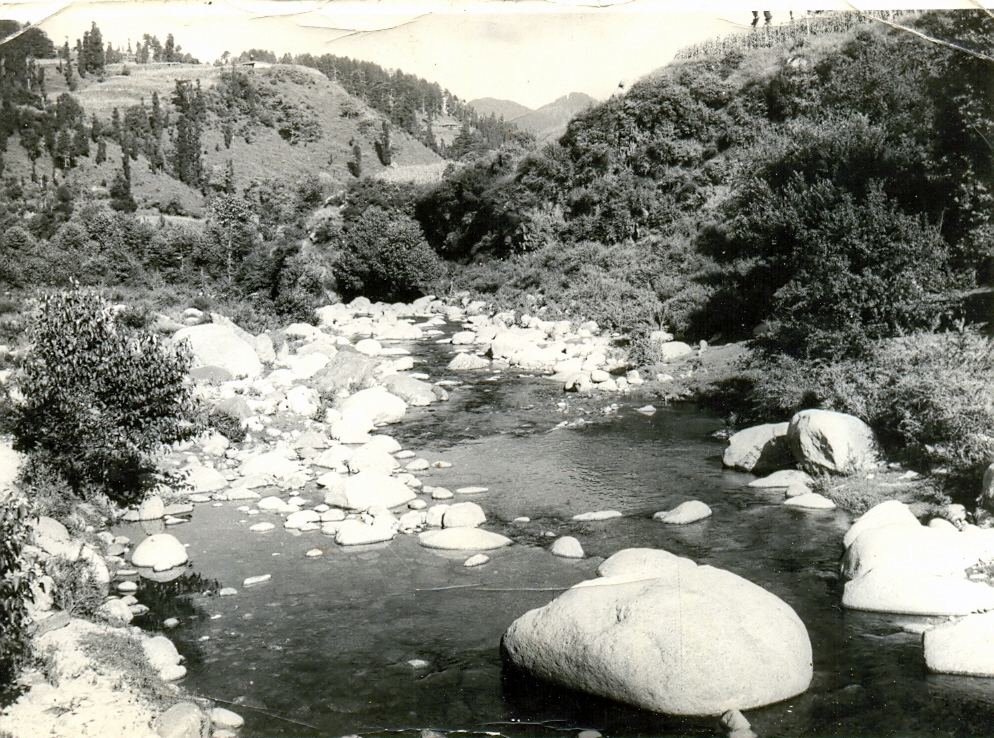
Tawi River near its source at Basantgarh
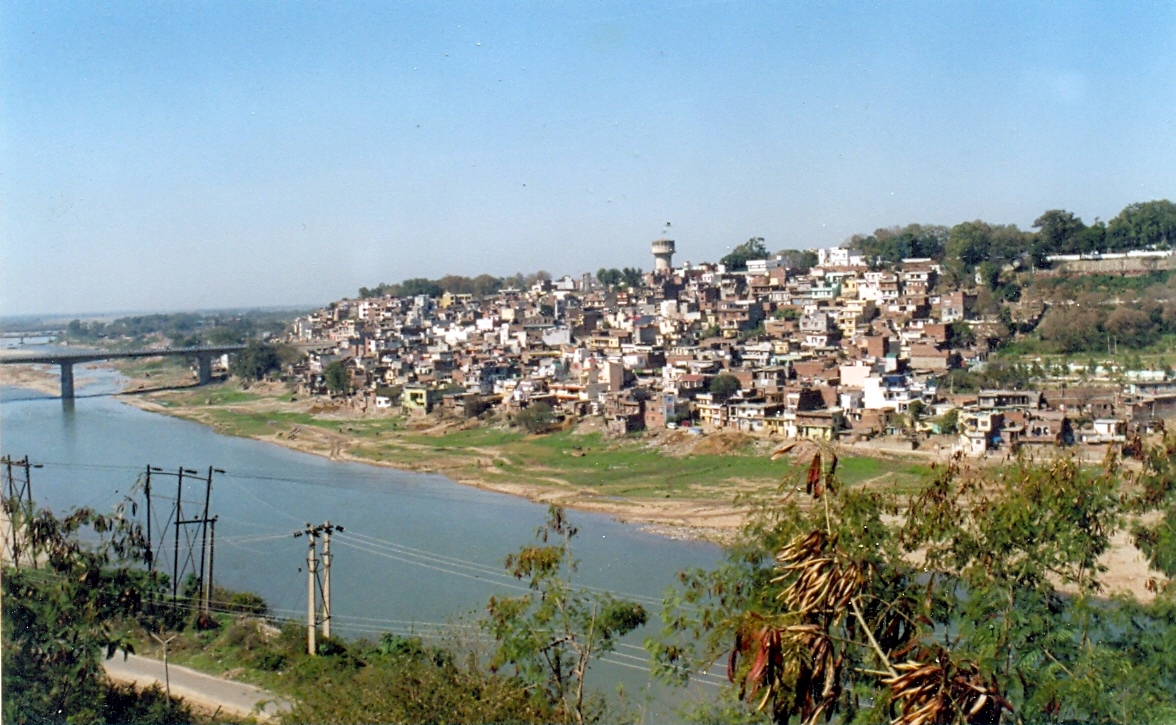
At Jammu City
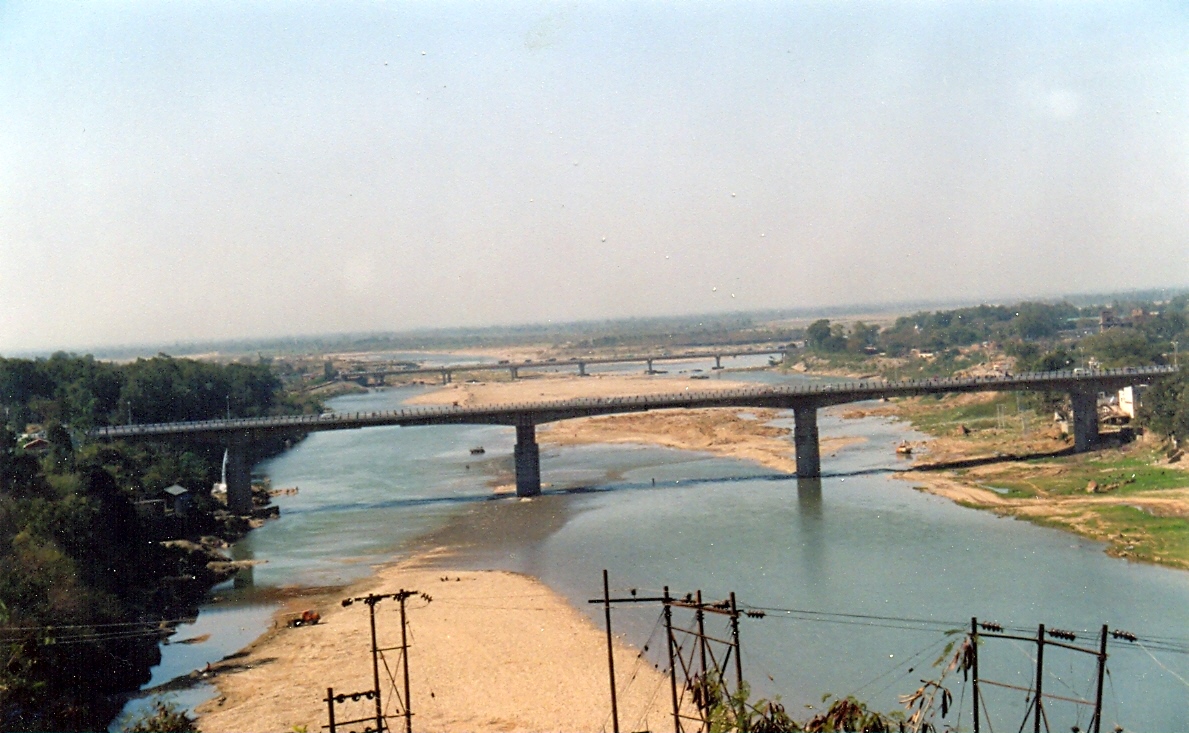
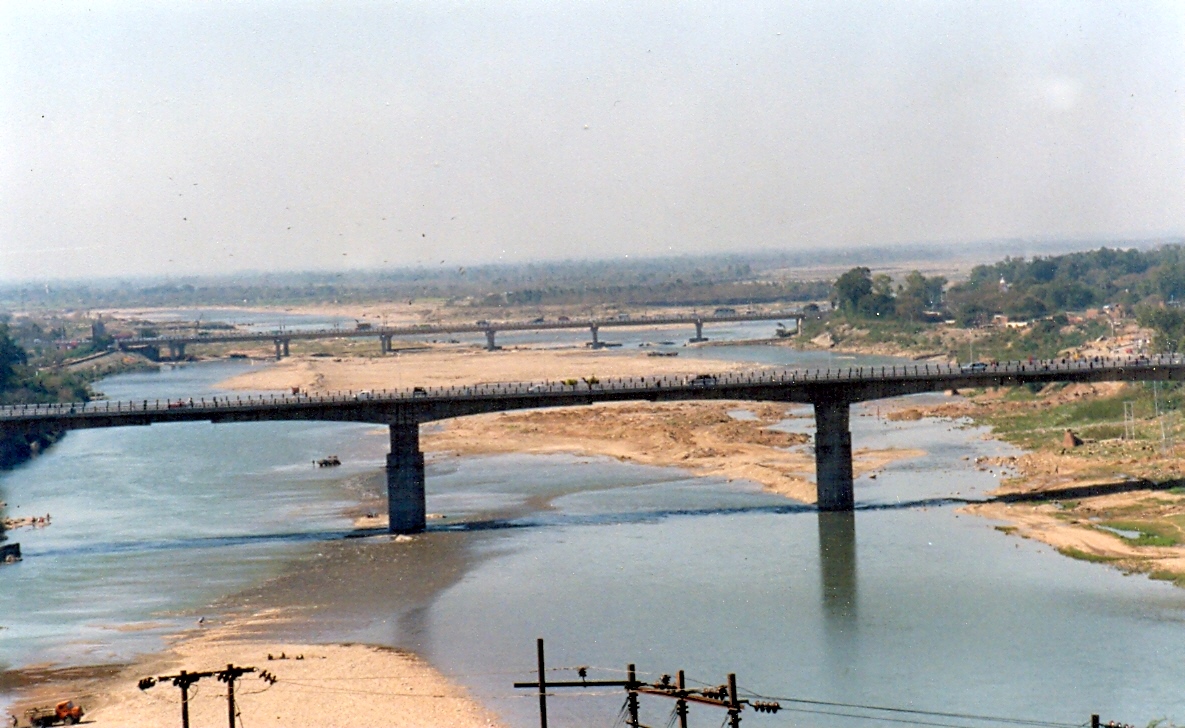
River Tawi near Jammu City with Bahu Bridge in the foreground and main Tawi bridge in the back ground
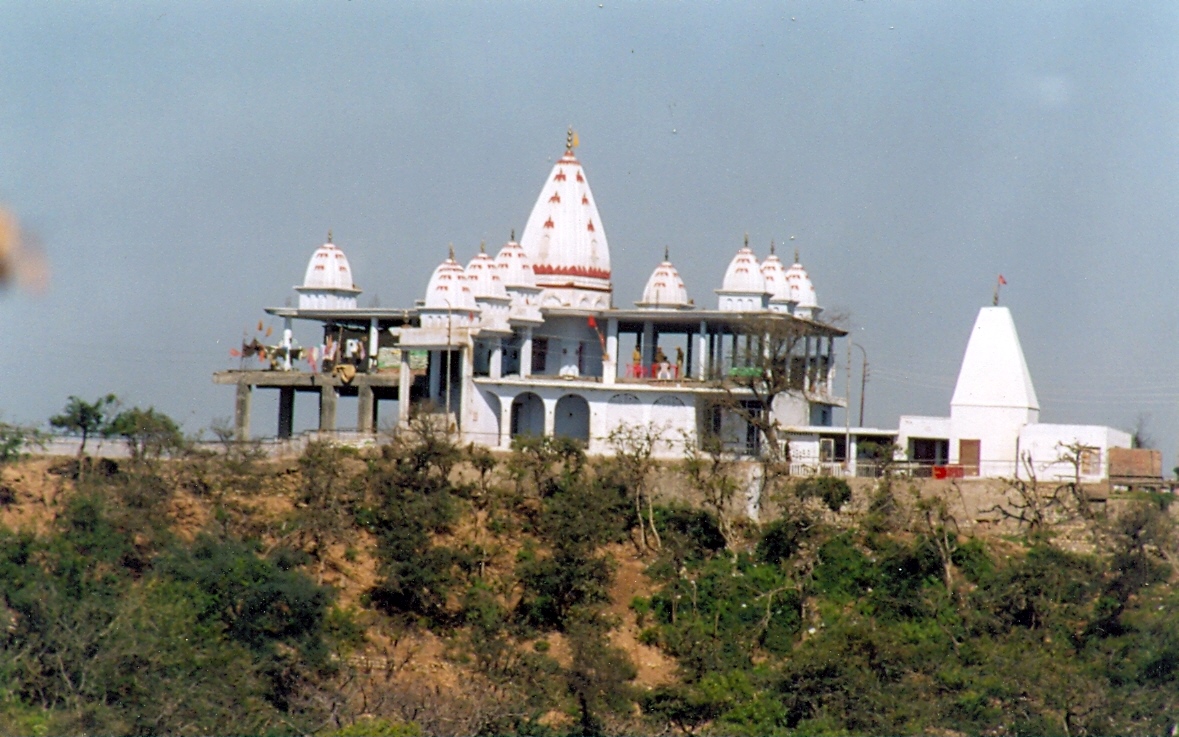
Mahatmaya temple  on the left bank of  Tawi opposite old Jammu City
Part of Old jammu city  from Baghe Bahu.
Note the “Golgarh”  old palace of the Dogra Rulers  on the extreme left

-0-

Kashmir in 1901

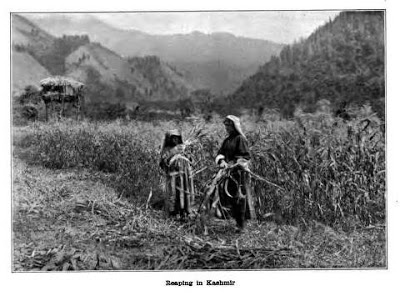
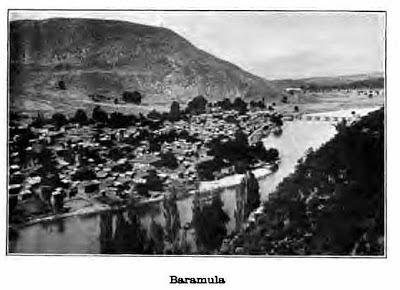
Photographs from ‘Afoot Through the Kashmir Valleys’ (1901) by Marion Doughty.

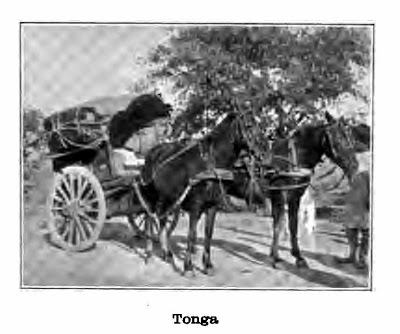
Tonga

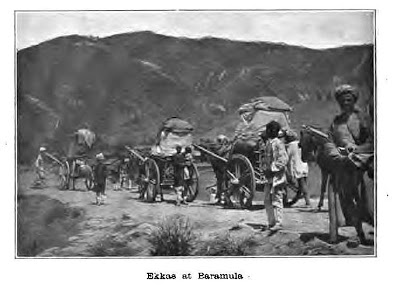
Ekkas at Baramula
Reaping

Baramula

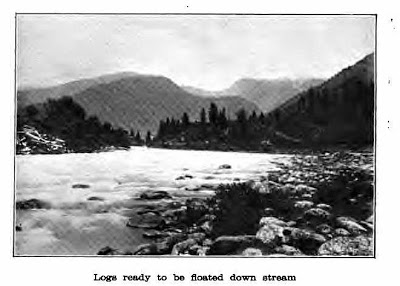
The thing with logs and rivers.

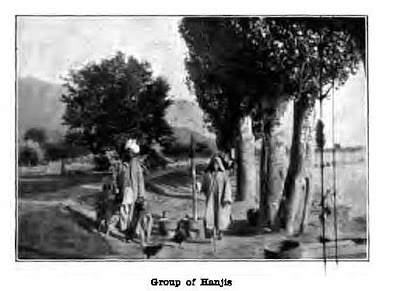
Hanjis

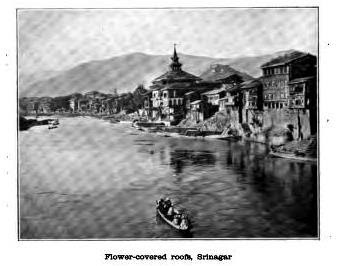
Srinagar

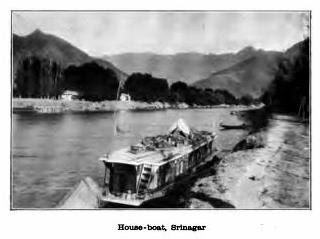
House-boat

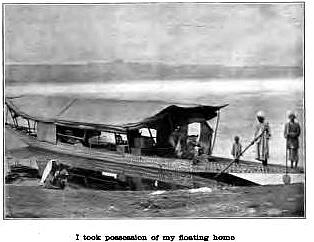
Floating Home. (read for this for origin of House boats)

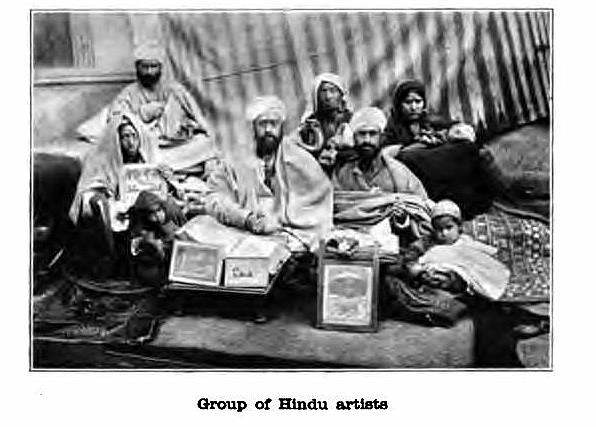
A rare photograph of Kashmiri painter family ( Utility of these paintings)

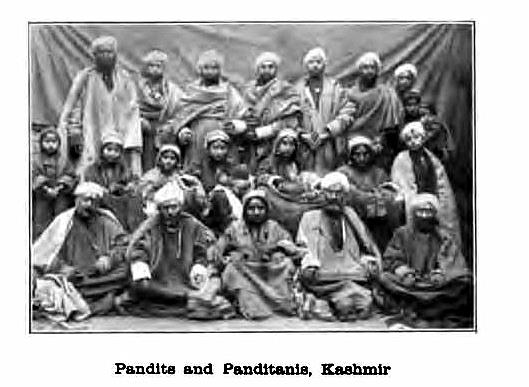
Pandits and Panditanis

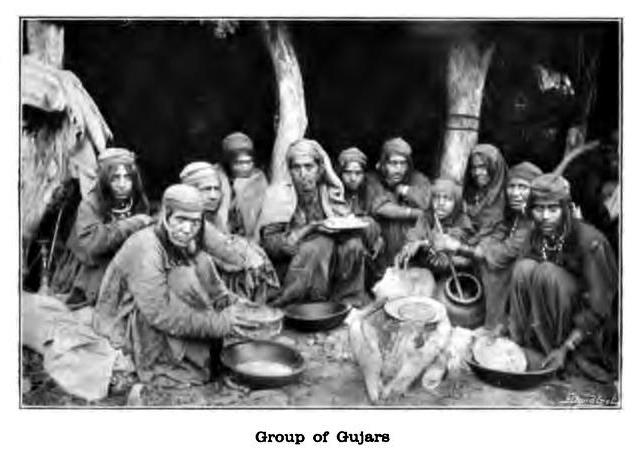
Gujars

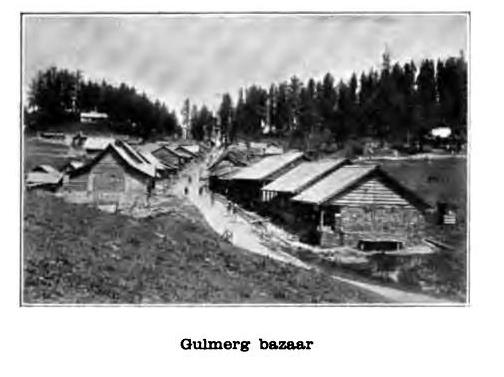
Gulmarg, starting to transform into a tourist hub

Previously from this book”:

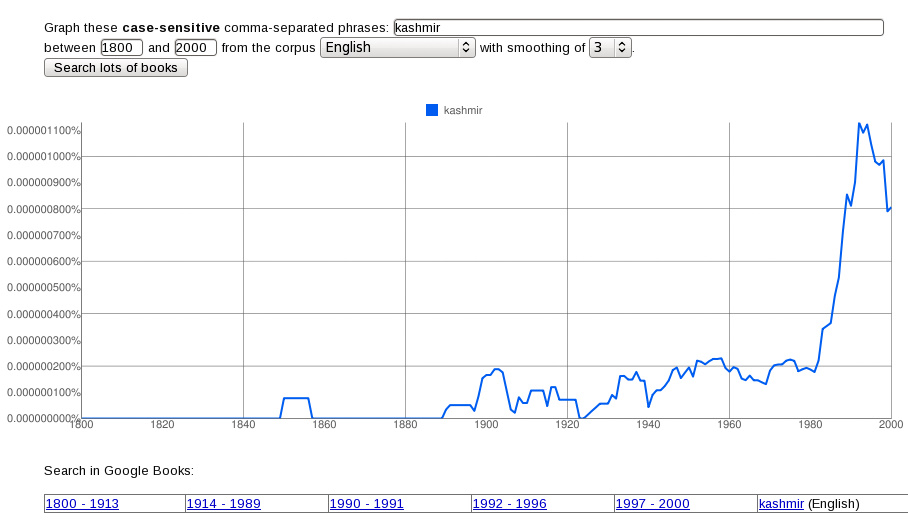
Kashmir Ngram

Google Books Ngram Viewer lets you look up usage of a word or a phrase in various books in their Google Books database, a “mammoth database culled from nearly 5.2 million digitized books available to the public for free downloads and online searches, opening a new landscape of possibilities for research and education in the humanities . . . It consists of the 500 billion words contained in books published between 1500 and 2008 in English, French, Spanish, German, Chinese and Russian.”

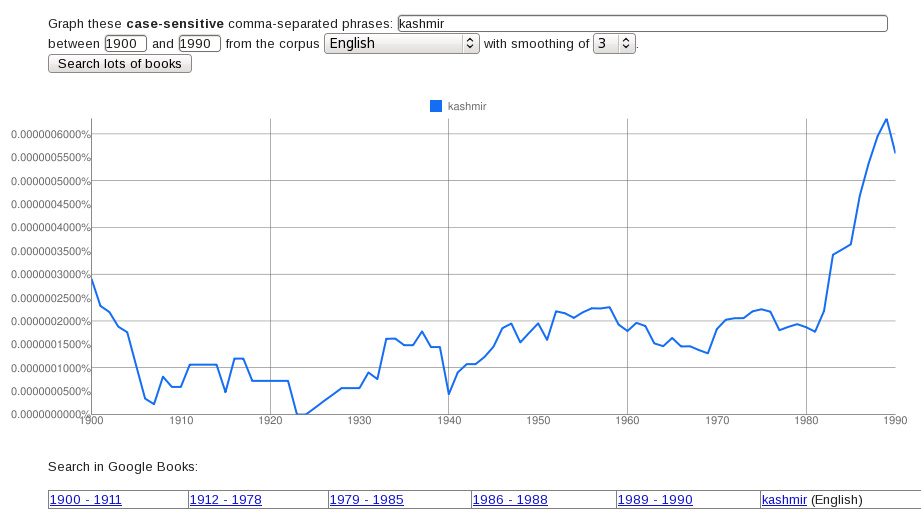
Ngram for ‘Kashmir’ in English spreads out like this:

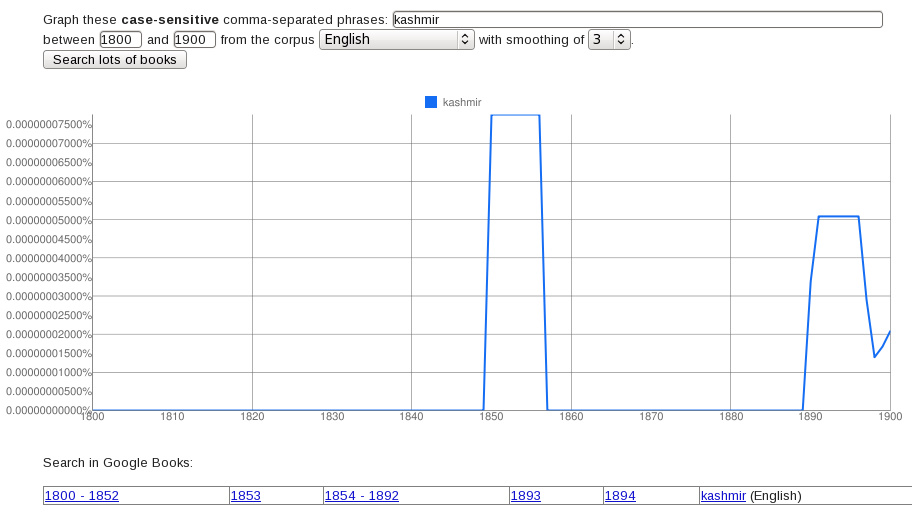
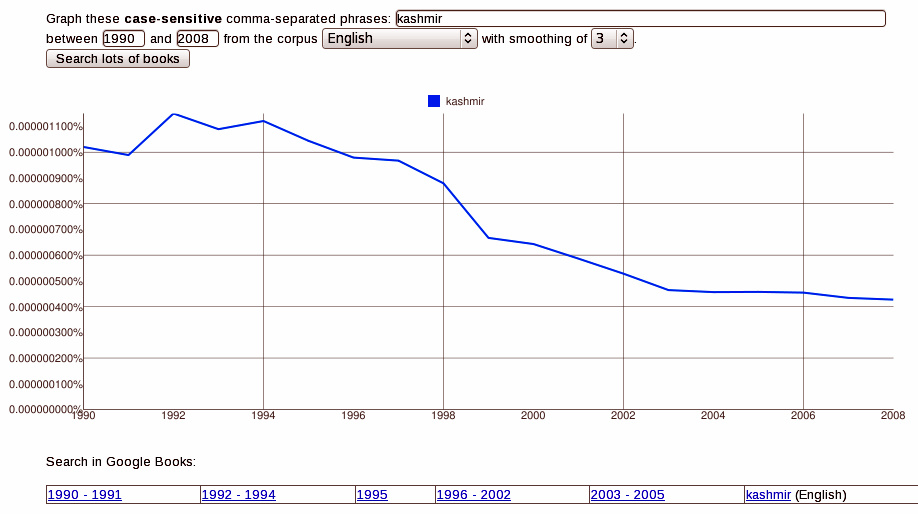
A closer look at the years:

The first travelogues. A sudden discovery of paradise. Lull. Scholarly pieces, a close look begins.
Starts with Travel guides, middles at the start of conflict. Stays in a cycle of ebb and flow. A new crescendo in  80s.
After a high, only fall. By end of 2008 Kashmir is almost back to 1988 level.

Wild guess: Post 2008, it find a new peak matching 1990. 
-0-
Shameem Azad Collection, 1978

Shameem Dev in a television program called ‘Anhar’  (compared by Basharat Ahmed) from 1978, when she wasn’t yet married to Ghulam Nabi Azad, sings Abdul Ahad Azad’s ‘Madano Pardah Royas Toel‘ . In the beginning of the video she talks about her adoration for Lata Mangeshkar. She also mentions her teacher as Pt. Shambu Nath Sopori. Shambu Nath Sopori, father of Bajan Sopori, was also the Guru of other famous Kashmiri singer, Kailash Mehra.

In the next video she sings a couple of lines of Faiz’s ‘Hum par tumhari Chahat ka Illzam hi toh hai‘, something she sang on the stage for first time for a college function. Then she sings Mahmood Gami’s Vasiye Naray Dazmay tan.

The program starts with a ‘Naat e Nabi’

 -0-
These incredible videos are courtesy of Youtube user shameemazad1

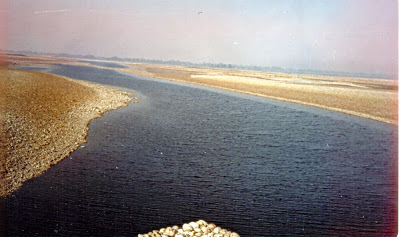
The Mighty Chenab

Sent in by Man Mohan Munshi Ji.

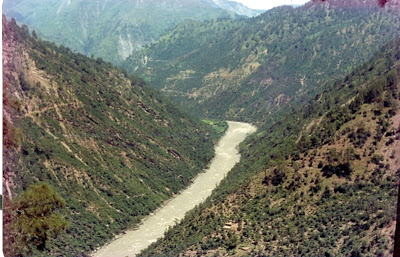
River Chenab  at Pari near Damkund

(Above two photographs) River Chenab  at Sawalkot
River Chenab at Bagdara
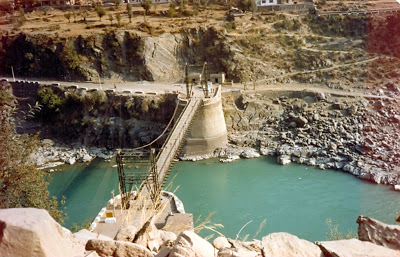
Old Hanging bridge over Chenab at Ramban
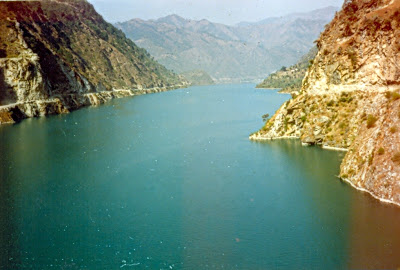
Salal reservoir above Reiasi
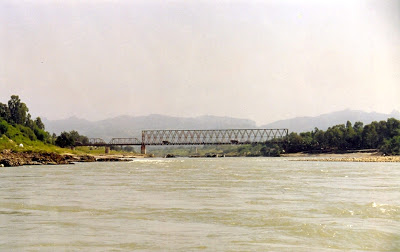
Aknur Bridge over  Chenab.
River Chenab near Chicken Neck at international border

-0-
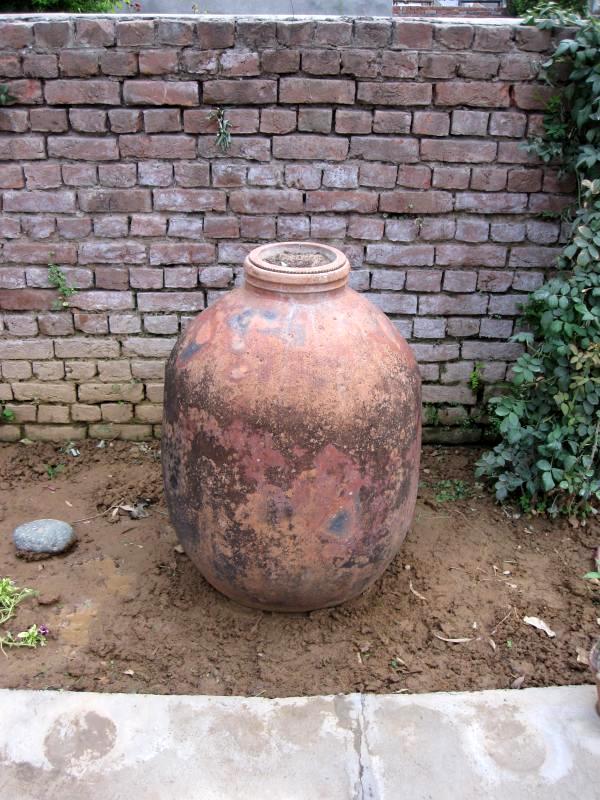
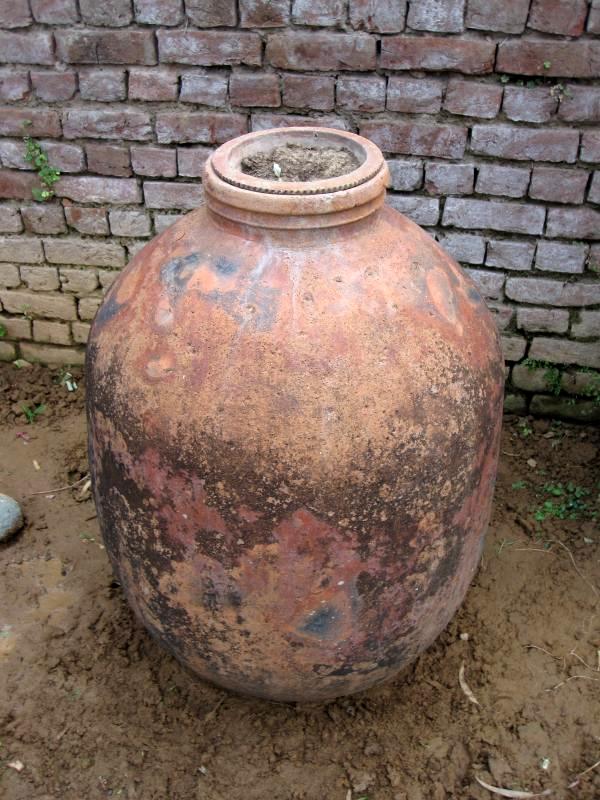
150 years old Terracotta Vessel

From Man Mohan Munshi Ji’s collection.

A 150 years old Terracotta vessel originally from Kashmir now stored at Jammu.

This terracotta vessel is believed to be of about 150 years old, has a capacity of 350 litres and its walls are about 3.25 cm thick.
-0-