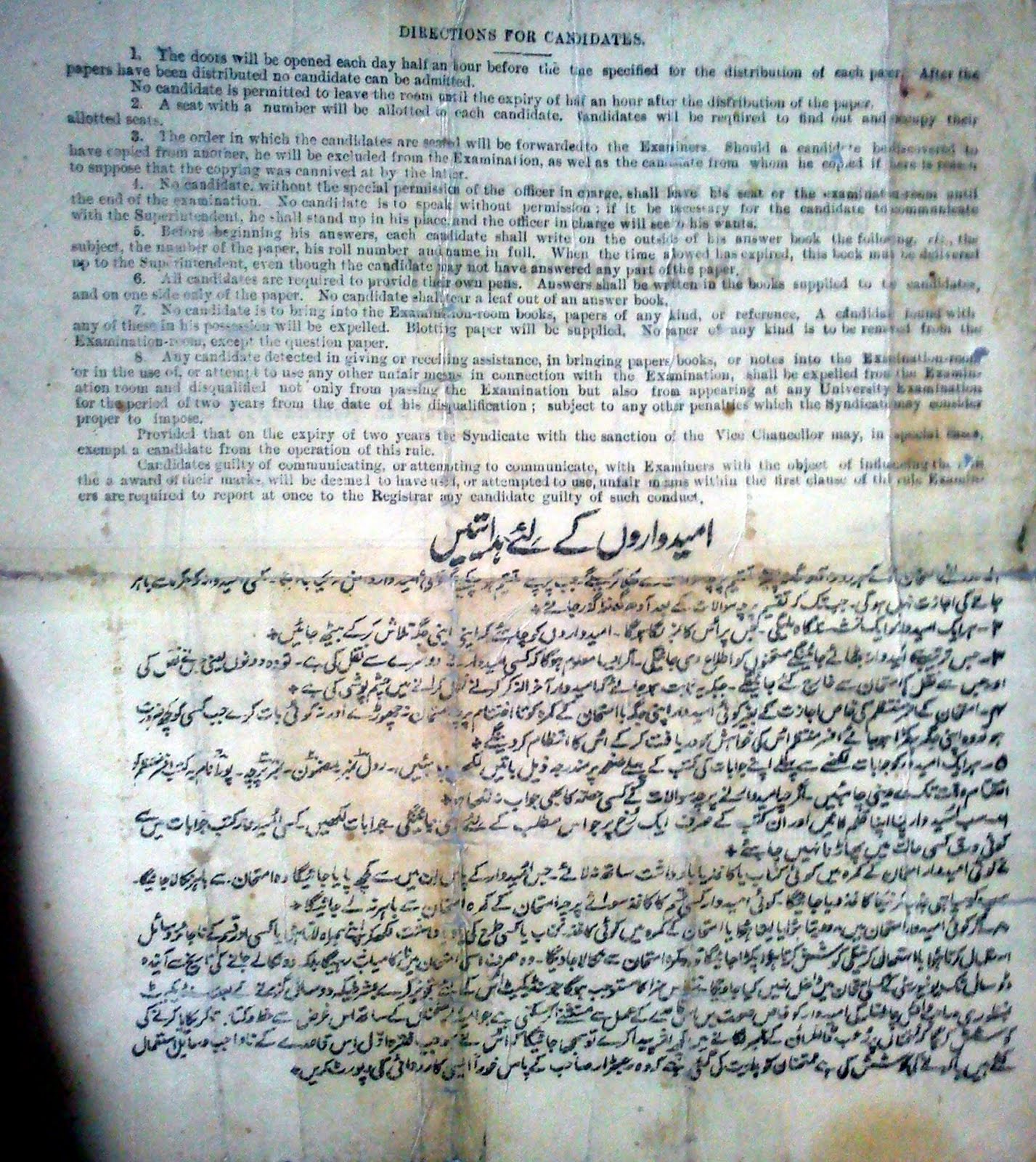
Sent in by Man Mohan Munshi Ji.

-0-
Previously:
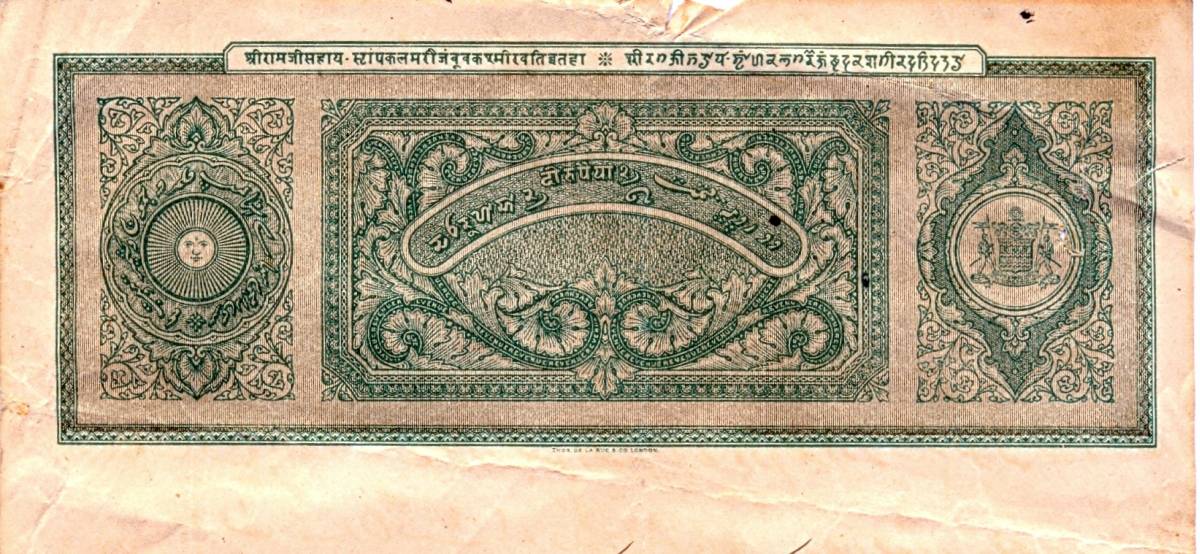
2 Rupee Non Judicial Stamp Paper, 1953

in bits and pieces

-0-
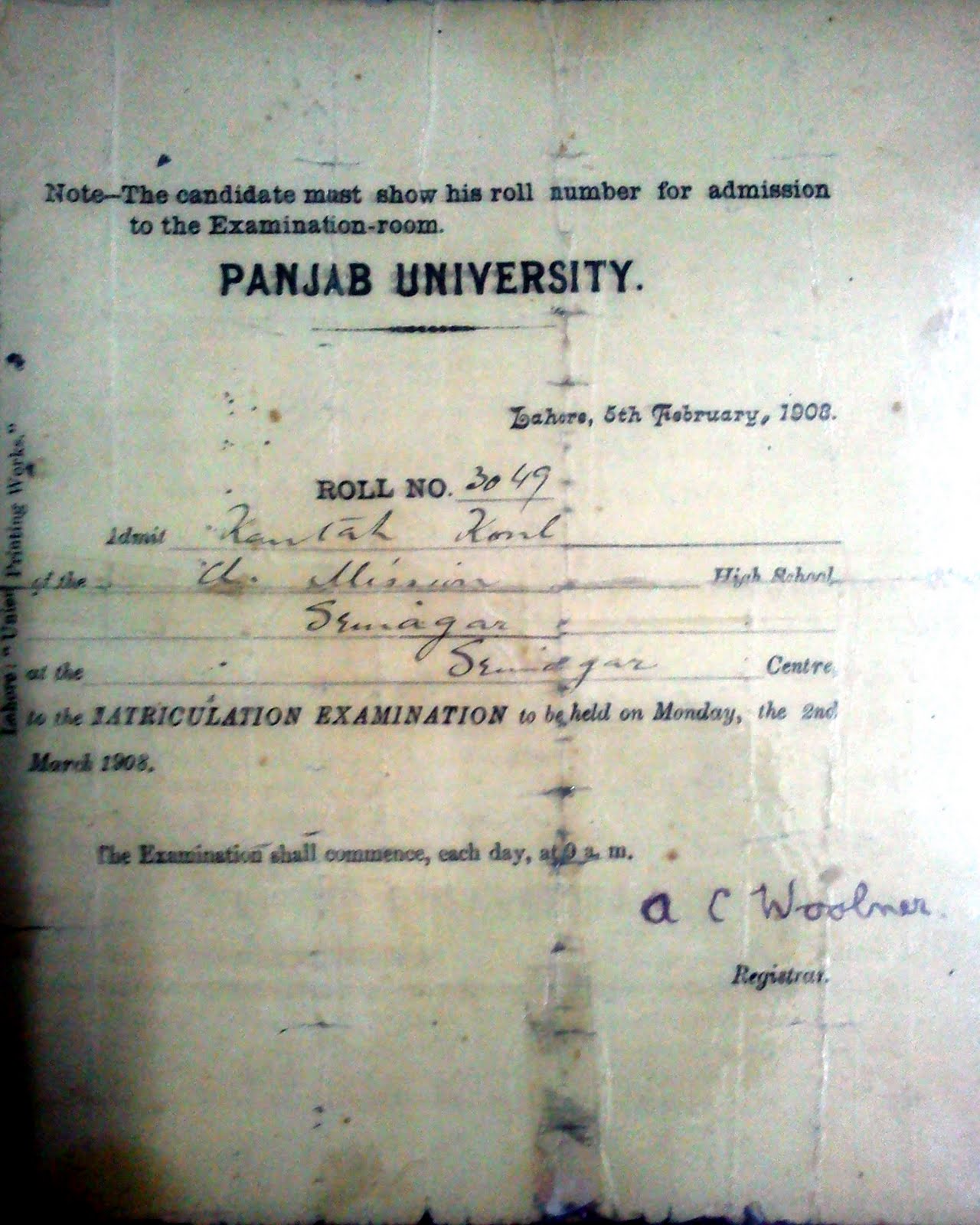
Kanth Kaul (Kantah Koul, as written on the admint card) was my great grand father.He studied at CMS, Srinagar. I believe first from our family to do so. Amongst others were his younger cousin Isher joo, who later on became a teacher of Maths at his alma mater and was a colleague and friend of Master Samasar Chand Kaul . He was known as Master Isher Kaul or Master Isher Koul Dhobi, Dhobi being our family nickname. We were residents of 150, Sheliteng- Babapora, Habbakadal, Srinagar. But, important thing is that this card had been printer at Union Printing Works, Lahore. It was issued on 5th February, 1908 and signed by the then Registrar of the University of Panjab , A.C. Woolner [a Sanskrit scholar now buried at Gora Kabristan of Lahore.]
 |
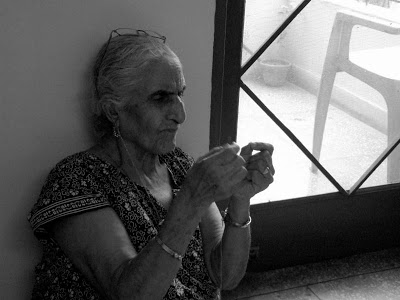
| Nani pulling thread through the eye of a needle. 2009. |
 |
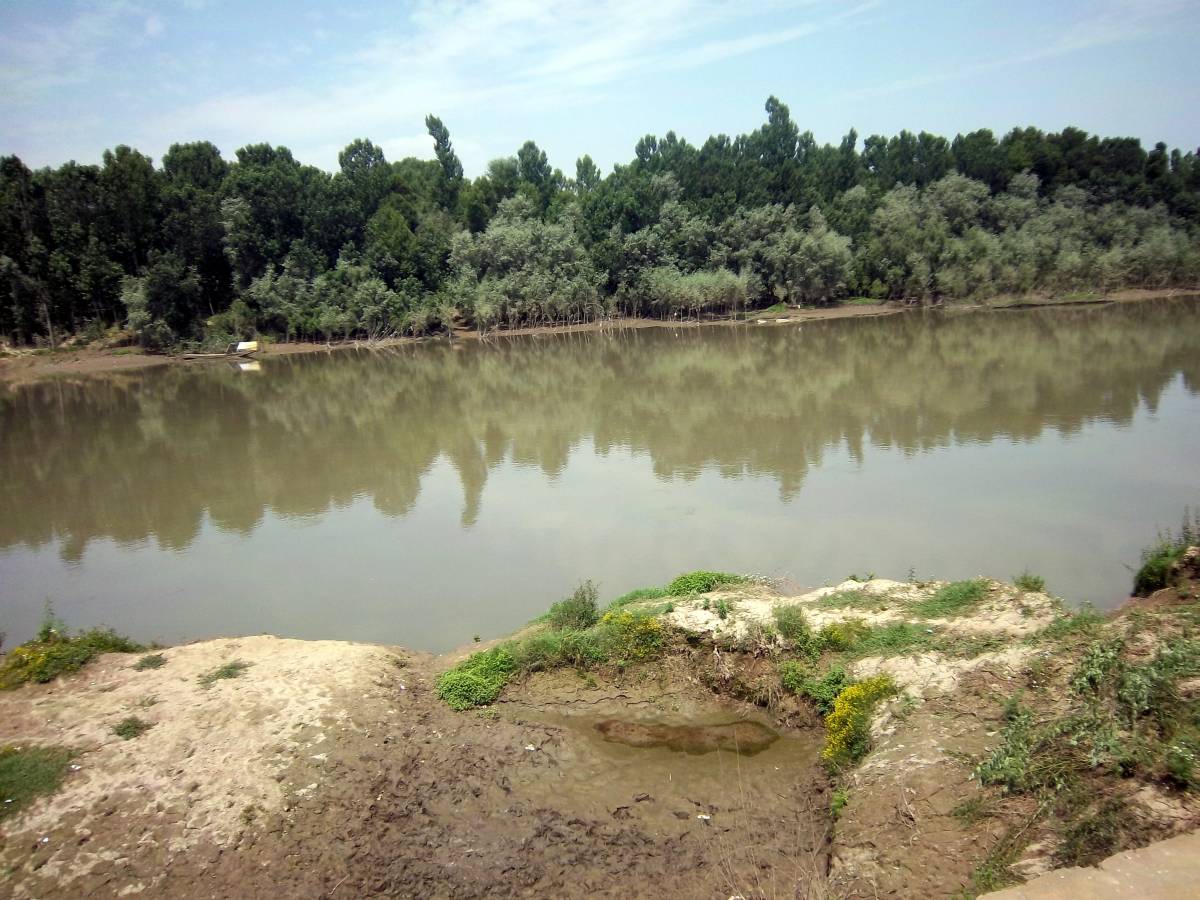
| Bank of Jhelum somewhere outside of Srinagar. 2010. |
buji aki dop yi kya didi gom
kasabay osum su kot didi gom
su ha didi nyunay gura aban
zor kor veshive sahlaban
Said an old granny in a wild flurry,
“Oh, woe is me! Oh, woe is me!
O where’s my headgear?”
“O granny dear, O granny dear,
The yellow flood has carried it off.”
The Vishav has overflown her banks.
A Kashmiri limerick displaying from J.L Kaul’s Kashmiri Lyrics (first published in 1945. revised and edited by Neerja Mattoo (2008)).
Vishav, fed by Kaunsarnag lake, is a tributary of Jhelum which it meets at Bijbehara..
-0-
[Cross posted on my other blog about other thoughts that inundate my mind]
 |
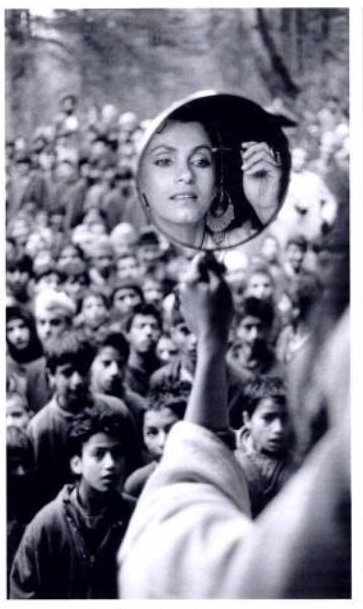
| Dimple Kapadia puts on makeup as she gets ready to shoot for ‘Zooni’. A Kashmiri crowd, of mostly teenagers, looks on. 1989. |
Came across this beautiful image in ‘Mary McFadden: high priestess of high fashion : a life in haute couture, décor, and design’ [ at Google Books, check it out for her story about the film that never got finished]
In a New York Times article dated 1990 [link], she is quoted saying:
‘This is like a Cecil B. de Mille production, with 1,000 people in two village to dress. There are no records of how people looked, and no miniatures like other places. I took a melange of looks from the high courts of Persia and Suleiman the Magnificent in Constantinople, so they have more of a Persian feeling. The Mogul Empire had not yet influenced Kashmir.’
For much of late 1980s, Muzaffar Ali, back then already acknowledged a master filmaker for his cinematic rendering of Urdu novel “Umrao Jan Ada” (1905) by Mirza Haadi Ruswa telling the story of a 19th century Lucknow courtesan , was busy planning his next big project, cinematic rendering of the folklore surrounding 16th century Kashmiri poet-empress Habba Khatoon, known to her people as Zooni.
This film was going to be his masterpiece, a project so ambitious in its approach to the subject, an attempt so detailed in its planned execution that it would have been absurd to call it an Indian film at all. Who had heard of a well researched Indian film?
American designer Mary McFadden did the costume designs. Art historian Stuart Cary Welch was consulted for getting the feel of the era right. The two men behind Umrao Jaan’s musical soundtrack weaved something special for this one too: Akhlaq Mohammed Khan ‘Shahryar’ offered lyrics while Khayyam put those words to music. With his plans to shot the film on location in Kashmir, there was the need to capture the intrinsic beauty of the locale, its people and of the story on camera. The scenic beauty of Kashmir needs to be approached either with a certain restrain or, on the opposite end of the spectrum, with a feeling of Fanaa (not to be confused with that nasty ‘eye of needle meets I don’t know what’ film). Camera was handled by Basheer Ali, a new talent, a protegee of Ishan Arya, the cinematographer for M.S. Sathyu’s Garam Hawa (1975). You would have had to watch the film to know which way it went. The project had already taken some time in making. But it seemed like something worth waiting. Dimple Kapadia, was moving from her nadir of Zakhmi Aurat and on way to her zenith of Rudali. Maybe Zooni was going to be her zenith. Vinod Khanna was well past his peak and well passed his Osho days. But if he was still man enough to sell soaps, he was man enough to portray a king, he already looked the part, riding a horse in that popular soap ad, there was going to be much galloping in this film too (the age of galloping men was to end later with Khuda Gawah (1993) starring the better half of Amitabh-Vinod Khanna duo). Yes, there would have been fans and critics who would have judged their performance. There would have been verdict of the box-office. But we are getting too far. Who worries about the box-office while the film is still being made? (Don’t answer.)
The film never got finished even as all the songs had been recorded and a lot of scenes had been shot in Kashmir.
By the end of 1990, with the situation in Kashmir going from normal to bad to worse, to at one point seeming like the end, Muzaffar Ali must have got that terrible feeling in the gut that the film may never get finished.
Maybe it would have been just another film, ‘Oji he should have retired after Umrao Jaan. What point this Zooni? These indulgent directors, I tell you.’, that kind of thing and not something that Muzaffar Ali claims would have changed the history of India. Can films change history? Or maybe it would have been special. It would have found an appreciative audience. We may never know.
And perhaps this was the last Indian film to be called a Cecil B. de Mille kind of production.
A trailer of Zooni uploaded to youtube by Basheer Ali. In last couple of decades the world has got used to crisp images, only HD even on Rs.9000 camera. So the film was look dated now but at least the music can be digitally mastered. Song in the background ‘Rukh-e-Dildaar Deedam Daras Ko Aaye Preetam’. I read about this song at this blog post by Shahryar’s son about his father’s failing health. I do hope at least the soundtrack of this film gets released. But the way Zooni and Kashmir are intertwined. There is even little hope of that.
-0-
Bombay film industry had long tried to make a film of Habba Khatoon. All attempts were doomed. First attempt was by Mehboob Khan in 1960s, it was going to star Saira Banu as the queen and Kamaljeet was the king. The project was shelved after Mehboob Khan’s death in 1964. Another attempt was made in 80s by Sanjay Khan who wanted to cast Zeenat Aman as the queen. The songs for the film were recored by Naushad with Rafi. The film was never completed and the songs from the film proved to be last collaboration between Rafi and Naushad.[song]
-0-
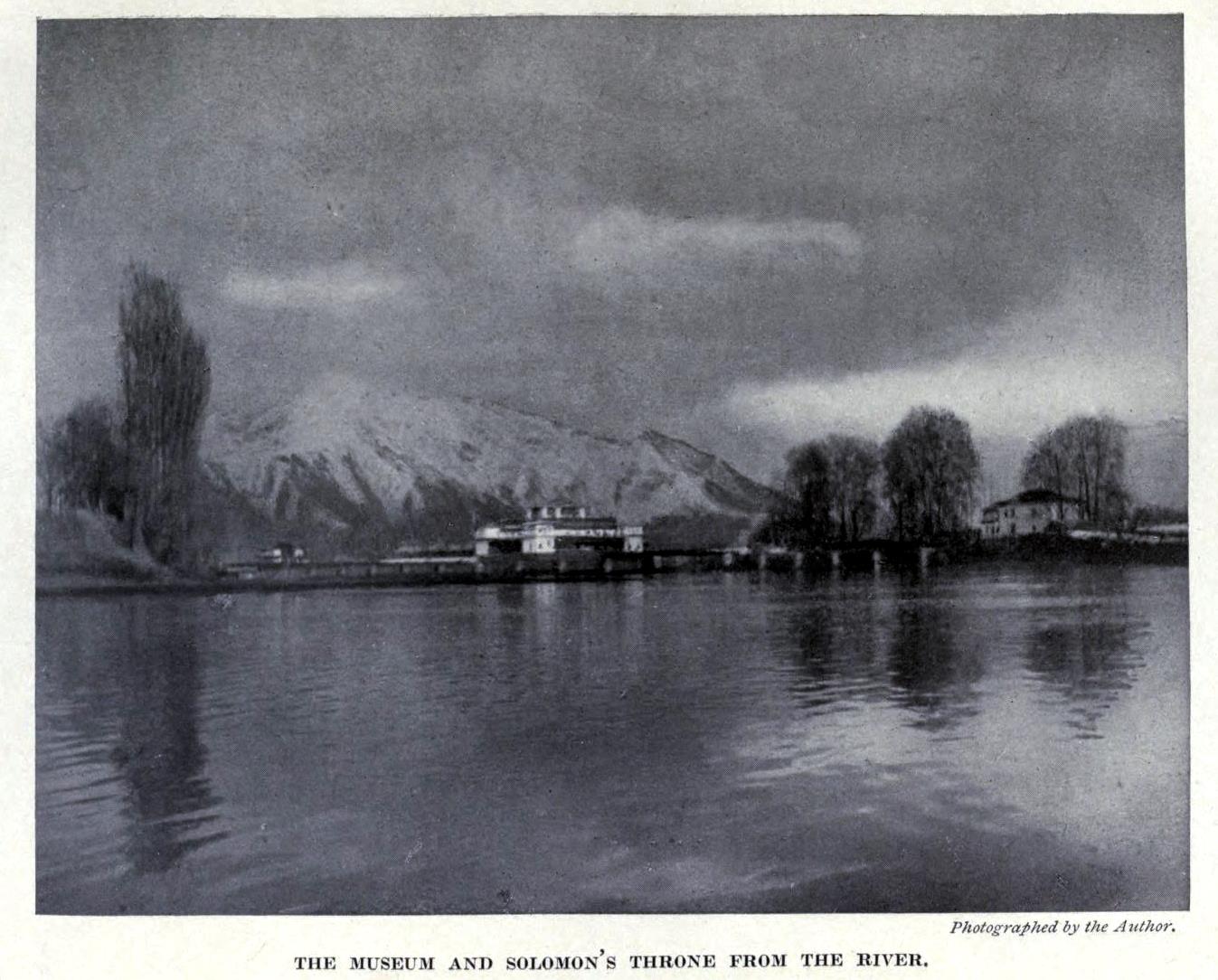

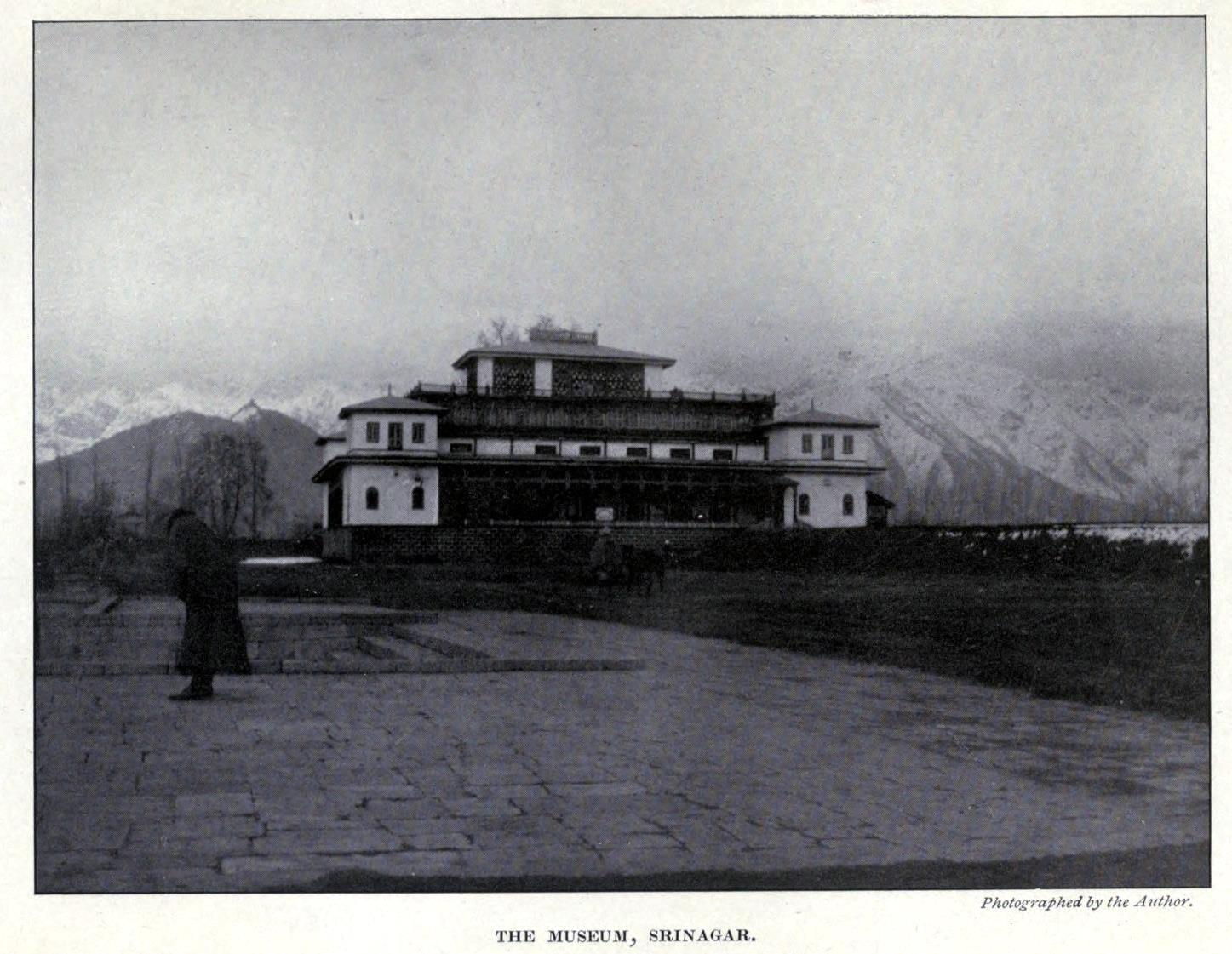
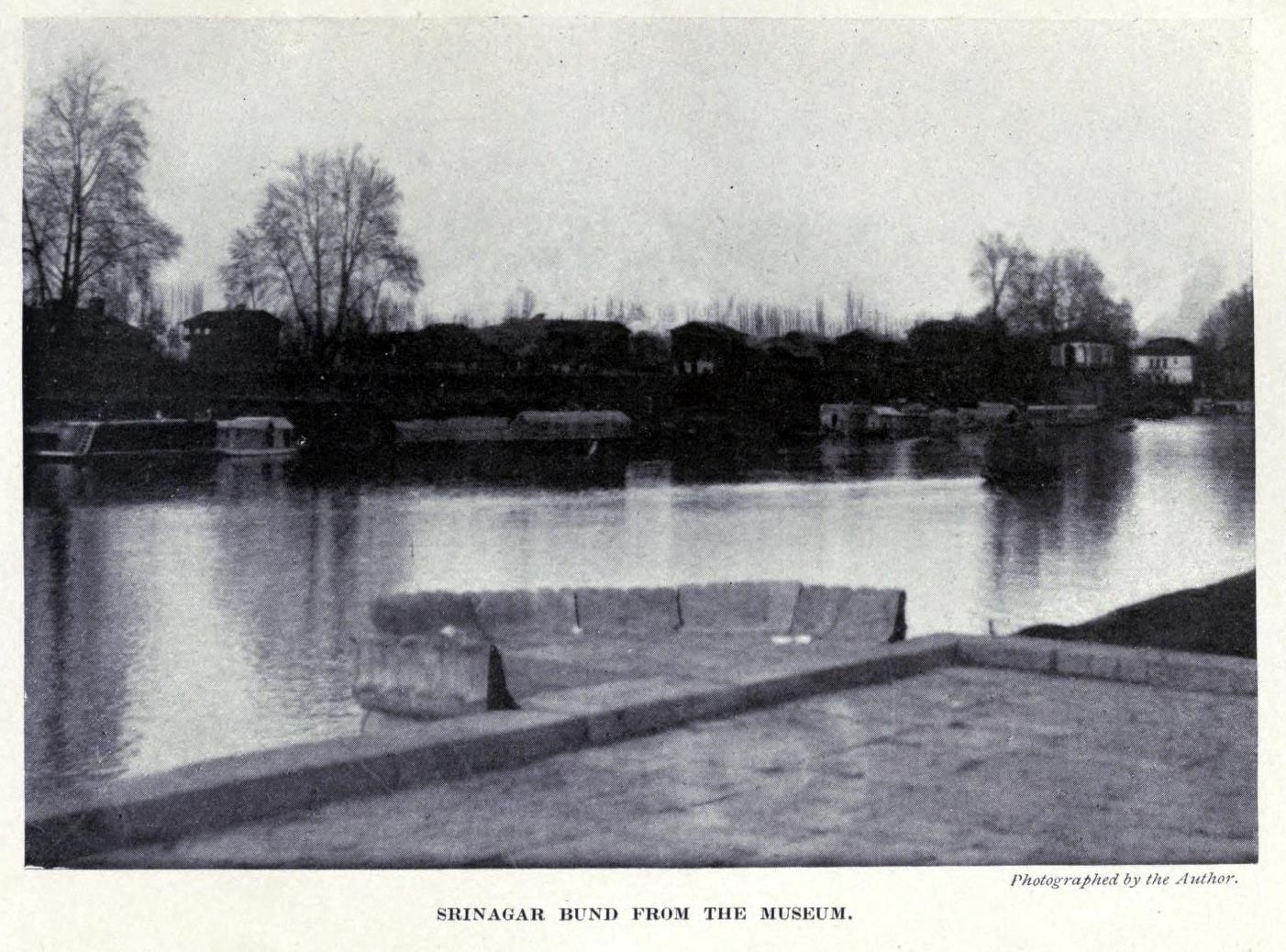
In 1898, after a proposal from a European scholar, Captain S.H. Godmerry, Maharaja Pratap Singh converted the Ranbir Singh Palace in Srinagar into the Pratap Singh Museum [official website]. Most old-timers remember it as the museum near Bund. The rare photographs of the building posted here are from around year 1905, a year of great flood and great winter,, and taken from a book called ‘The romantic East Burma, Assam, & Kashmir’ (1906) by Walter Del Mar. I had stumbled across it a couple of years back somewhere in the web, the images from this book stayed with me even as the details of the books got blurred after I lost my ‘bookmarks’ in a system crash. Last night, as a browsed through a book at archive.org, I recognized the lost images.
-0-
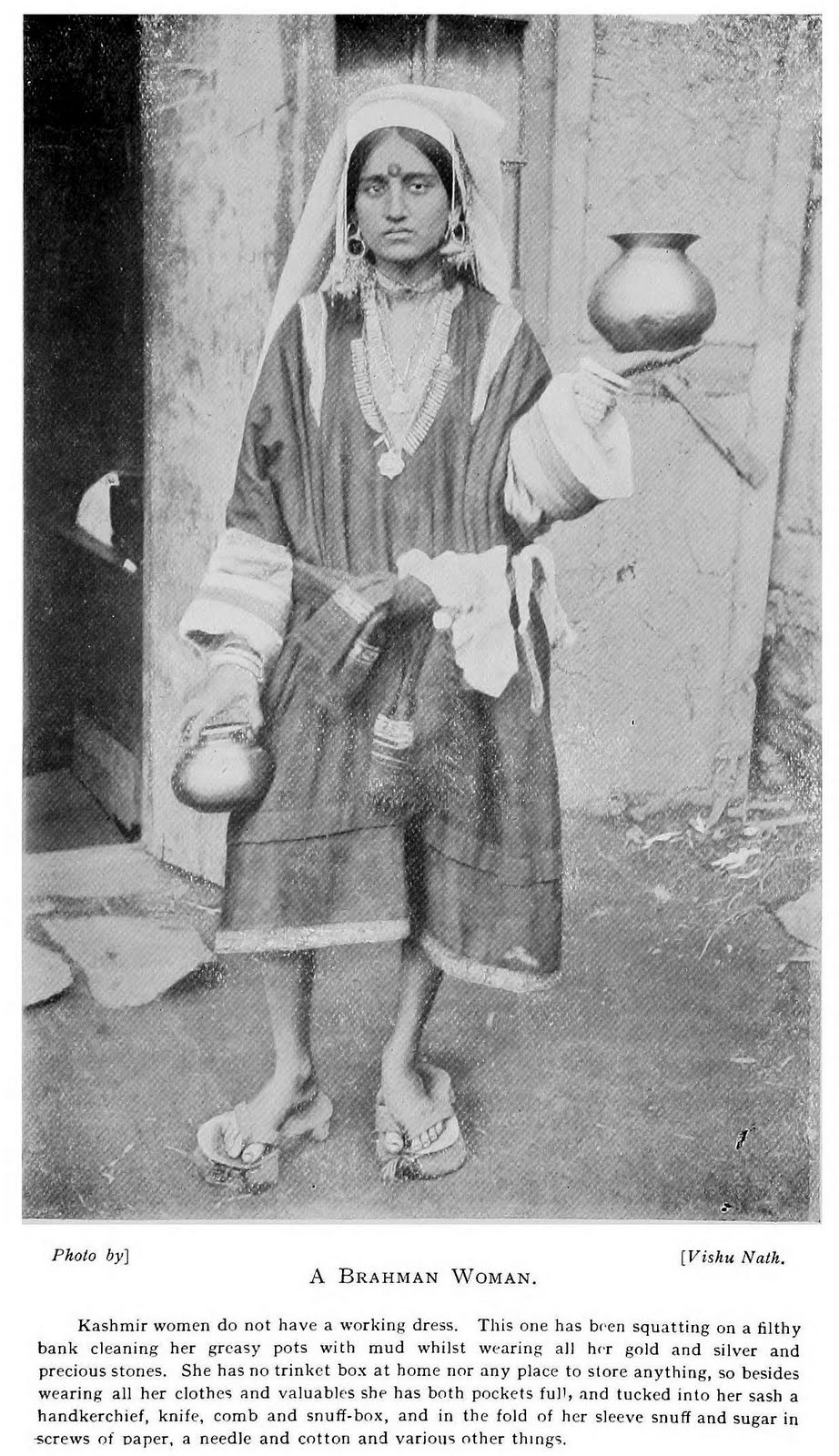
Words of French naturalistVictor Jacquemont in another translated version of his originally in french, ‘Letters from India'(1834). I have previously written at length about his letter [here] but after coming across a fresh caustic version of his judgement on un-beauty of Kashmiri women in ‘The Asiatic journal and monthly miscellany, Volume 15’ published in 1834 by East India Company [Google Book Link] and in ‘Letters from India and Kashmir’ (1870) by J. Duguid, I felt like borrowing an old insult and digging up his bones from the grave and then burying him again. And what better way than this…
 |
| A Pandit Woman by Pandit Vishwanath, 1920. [More about this first Pandit photographer here] |
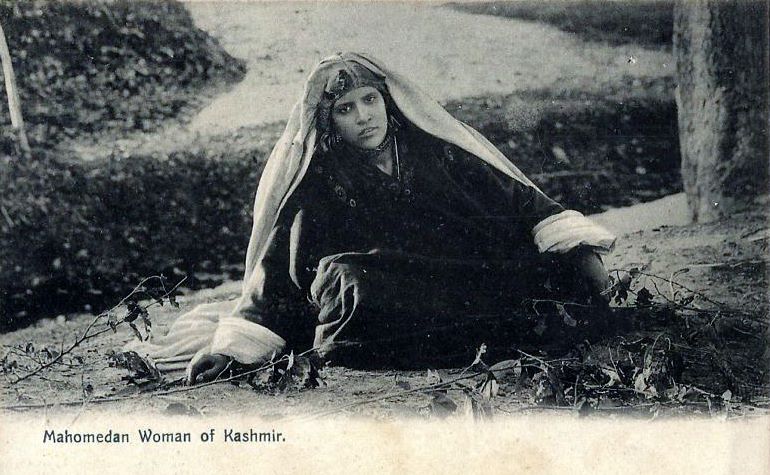 |
| Found on ebay. Phtotographer unknown. My guess Fred Bremner from 1900. |
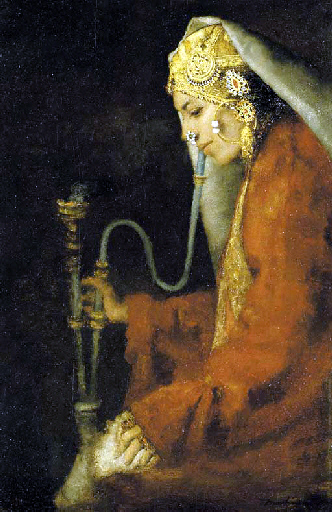 |
| ‘A Kashmiri nautch girl with a hookah’ by Mortimer M. Menpes (1860-1938)[via: christies ] [More Kashmir work by Mortimer Menpes here] |
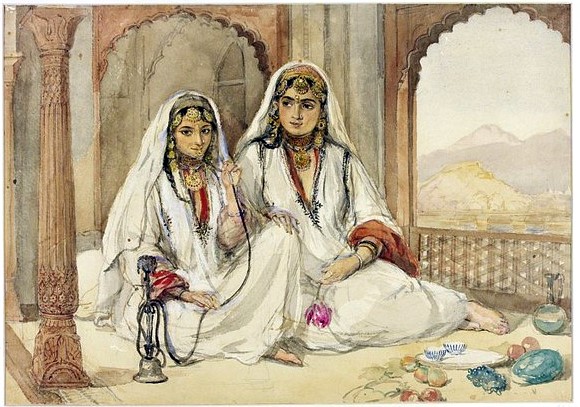 |
| ‘Two Natch Girls’ by William Carpenter [via: Victoria and Albert Museum]. More works of William Carpenter on Kashmir here |
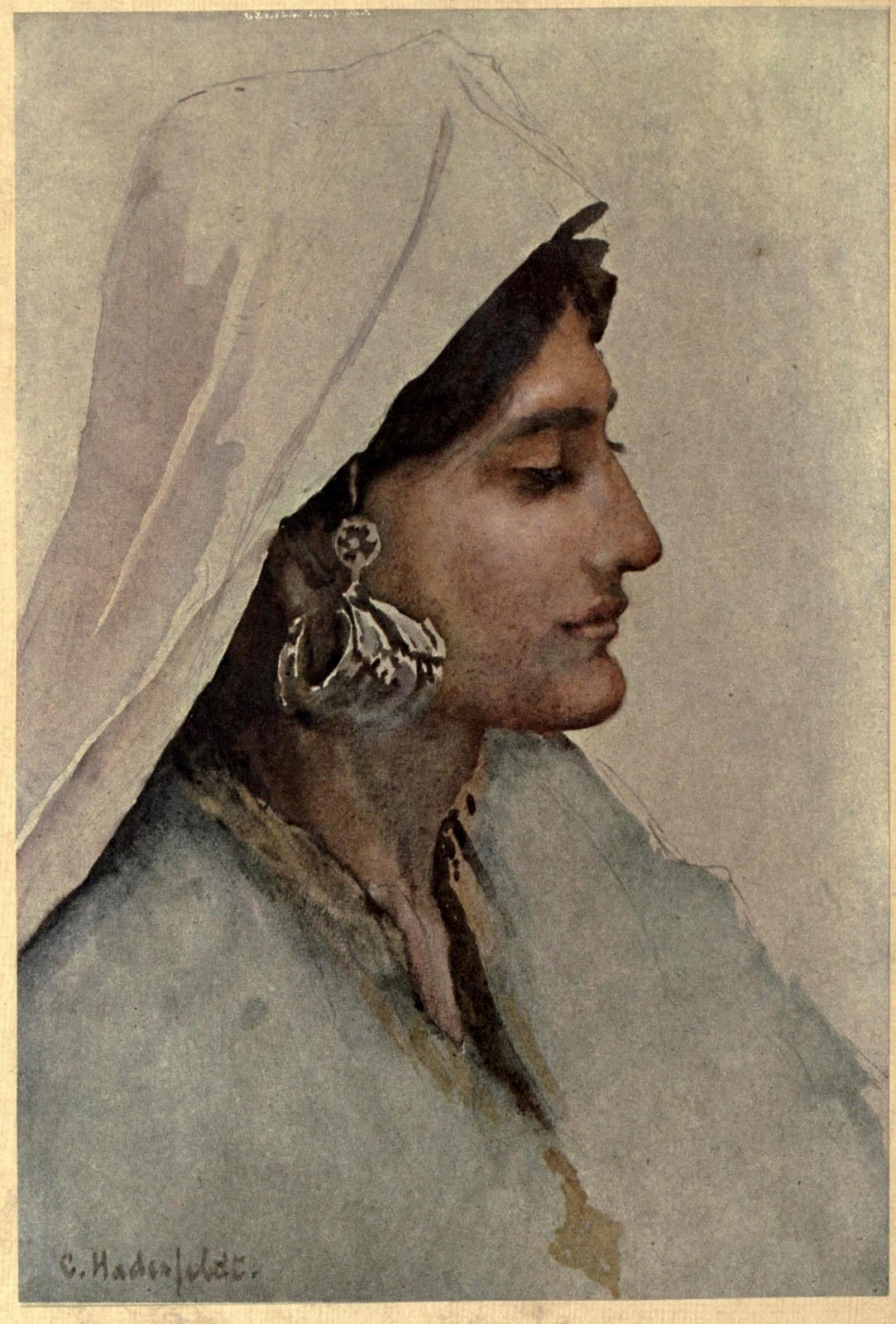 |
| ‘A Beauty of the Valley’ by G. Hadenfeldt, found in ‘The Charm of Kashmir’ (1920) by V.C. Scott O’connor. [previously posted here] |
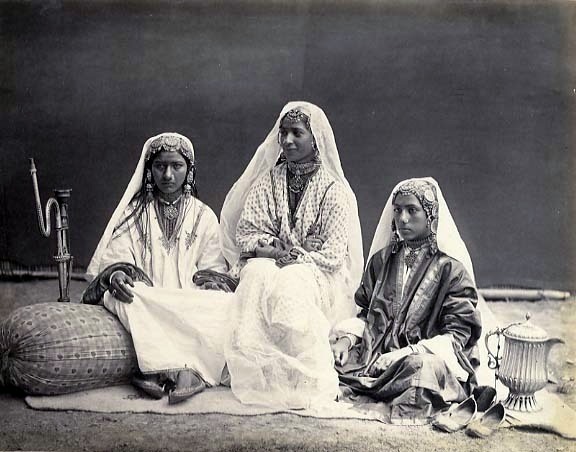 |
| Natch Girls, albumen print by Francis Frith from 1870s. |
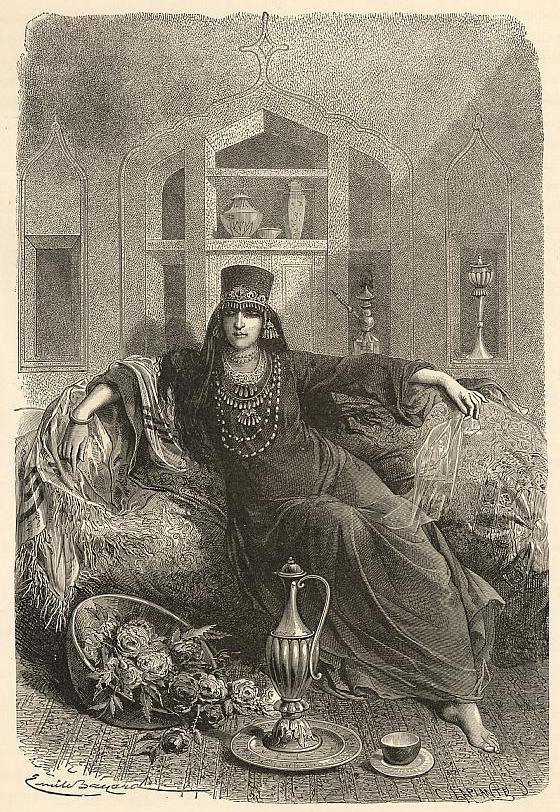 |
| Dancing-girl of Cashmere, a wood engraving from the 1870s by Emile Bayard. Above two are from the servers of columbia.edu, scavenged from an ebay listing dated 2001 and 2009 respectively. Someone over there must have gone through the same loop that I am going through now. [My detailed post on Kashmiri Natch Girls ] |
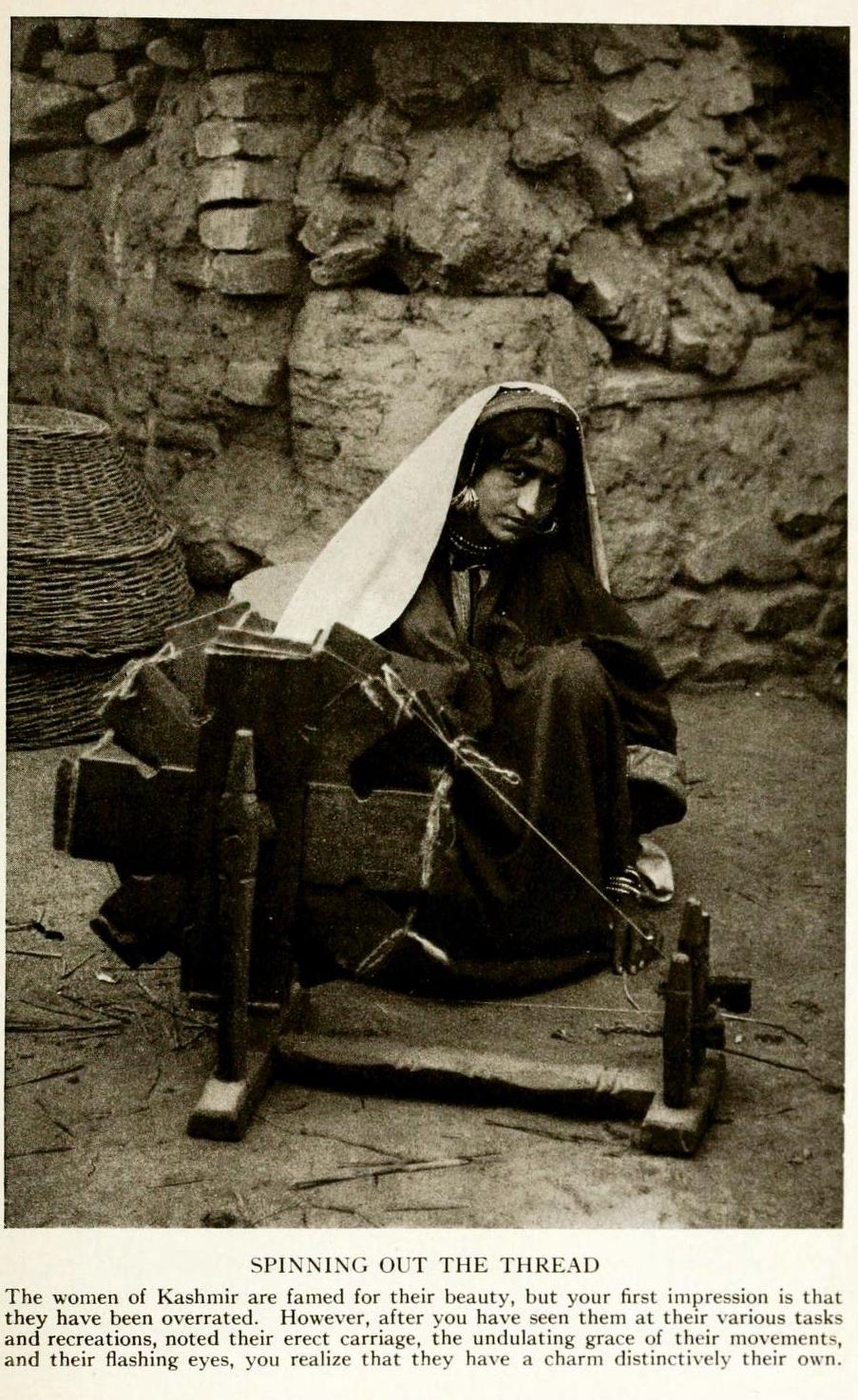 |
| from ‘Our summer in the vale of Kashmir’ (1915) by Frederick Ward Denys. |
-0-
 |
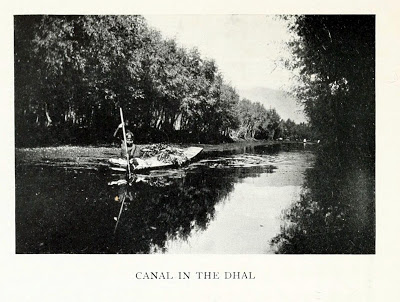
| Photograph from A lonely summer in Kashmir (1904) by Margaret Cotter Morison. [more photographs from the book here] |
Hanji’s Love Song
You are my flower, and I would fain adore you
With love and golden gifts for all my days;
Burn scented oil in silver lamps before you,
Pour perfume on your feet with prayer and praise
For we are one – round me your graces fling
Their chains, my heart to you for aye I gave –
One in the perfect sense our poets sing,
“Gold and the bracelet, water and the wave.”
From ‘Afoot Through the Kashmir Valleys’ (1901) by Marion Doughty. [Photographs from the book here]
 |
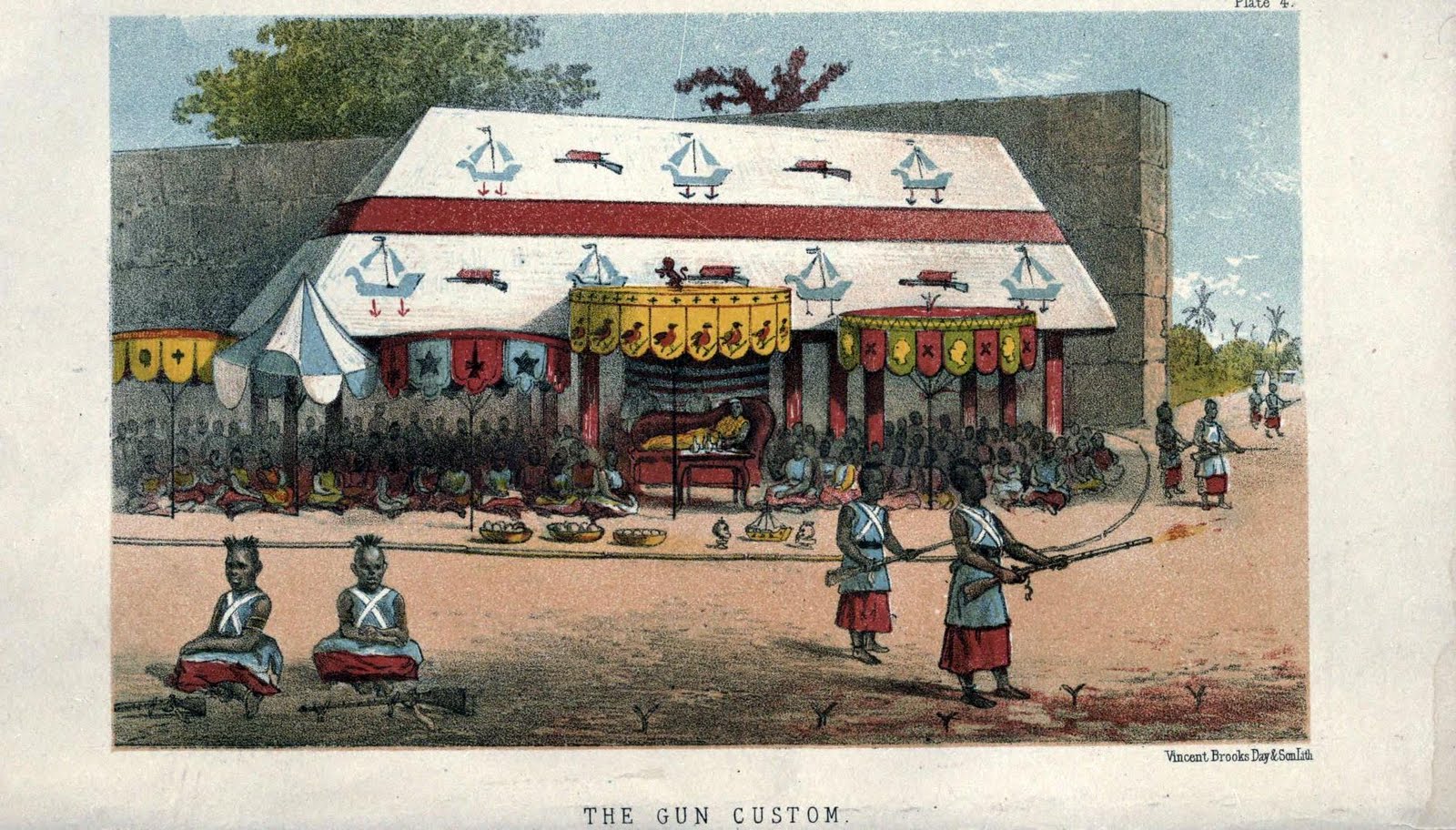
| A product of Vincent Brooks Day & Son, Ltd., London from “Our visit to Hindostán, Kashmir, and Ladakh” (1879) by MRS J. C. MURRAY AYNSLEY. This was part of the book, but had nothing to do with Kashmir. |
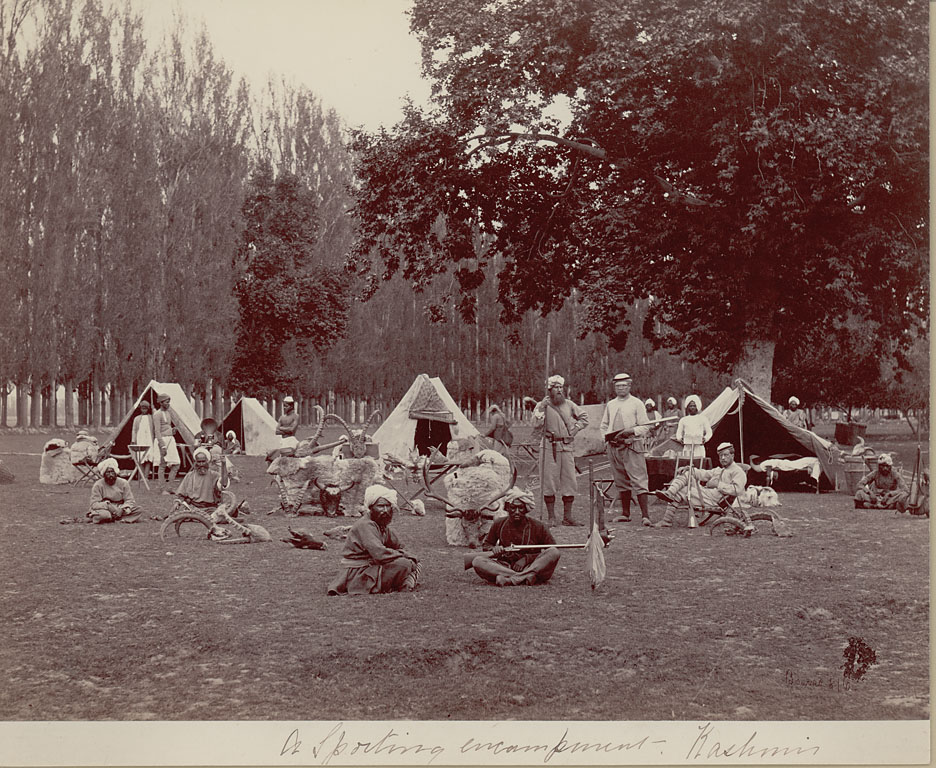 |
| Indian and European Hunters with Guns and Trophies Outside Tents at Their Camp 1864 (Via: Smithsonian Photography Initiative) By Samuel Bourne. |
-0-