Untitled Post

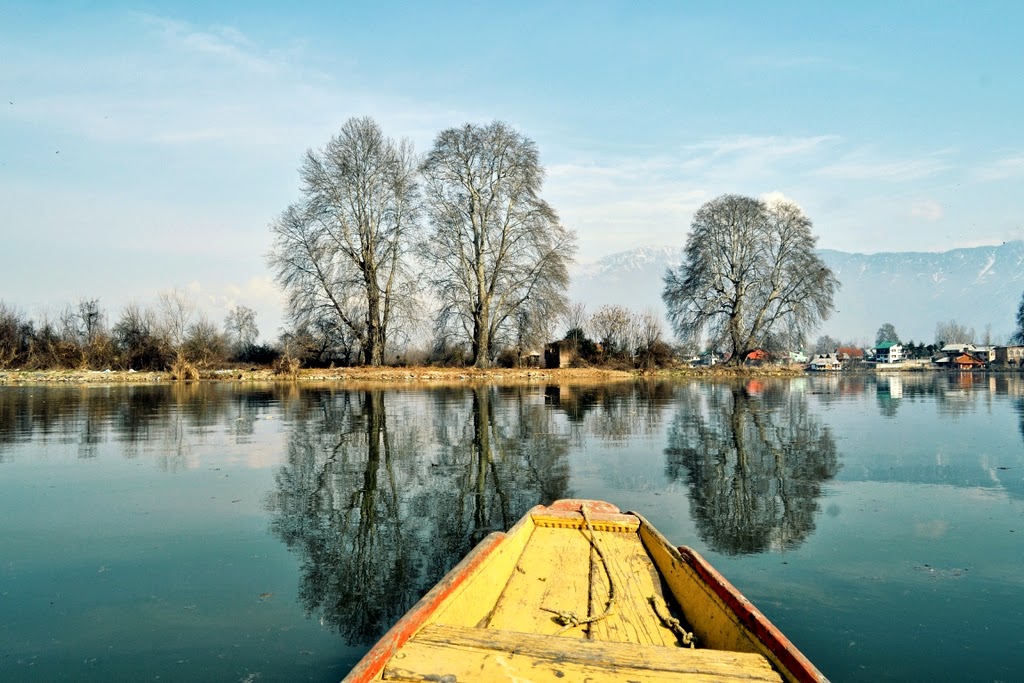
The world with snow was silvered for a season,
But emerald came instead of the heaps of silver.
The rich pagoda of Cashmere at springtide
Surrendered to the garden all its pictures.
See how the lake’s whole surface by the March wind
Is raised, like sturgeon’s back, in scaly ridges!

~Abú Mansúr ‘Umára of Merv, flourished under the last king of the House of Sámán and the first of the House of Ghazna.

Untitled Post

जी मे आता है अभी
ज़ेब-ए-रकम कलम उठाऊ
क़िस्सा तमाम करु 
कश्मीर पर एटम बम
नागासाकी मे बहार
का ऐलान करू
पर क्या करू
ज़ेब पर एतबार नहीं
और आज एतवार भी तो नहीं

Achchabal Eyes


The Spring of tears has made my eyes an Achchabal,
a Mar, a Jhelum, [flowering] into the Dal.

~ Mathnavi-yi Kashmir, Dayaram Kachru ‘Khushdil’ (1743-1811) writing in Kabul.

-0-

Picked Kashmir at Delhi Book Fair, 2015


Returned back after a gap of two years. Most of the works still the same old. But managed to find two…

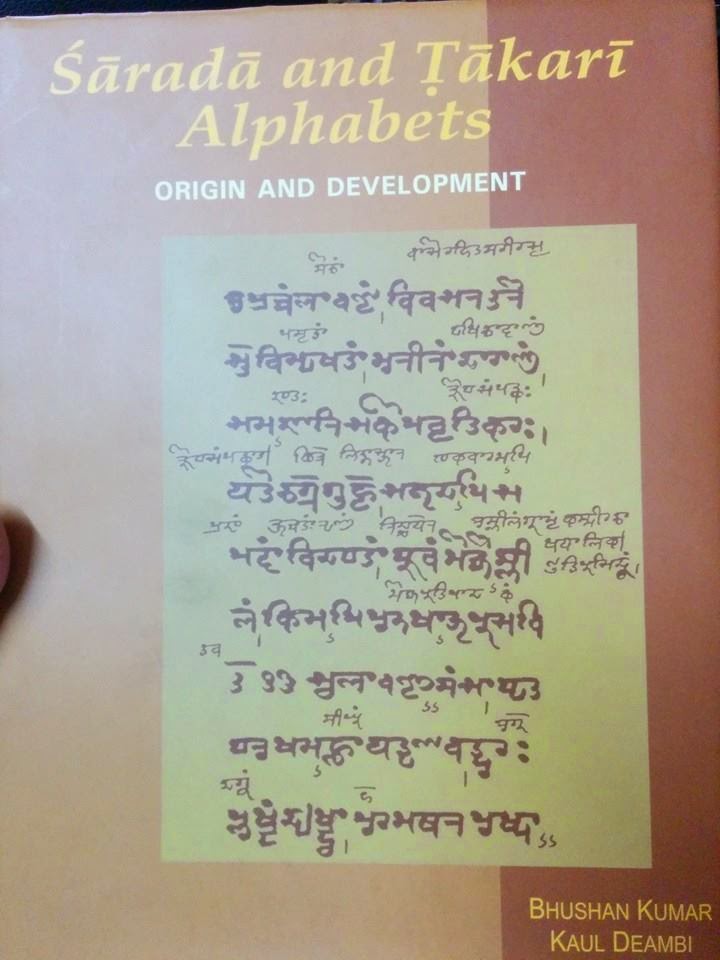
Sarada and Takari Alphabets: Origin and Development 
by Bhushan Kumar Kaul Deambi, foreword by Walter Slaje
Year: 2008
Publisher: D.K. Printworld
Price: Rs. 900


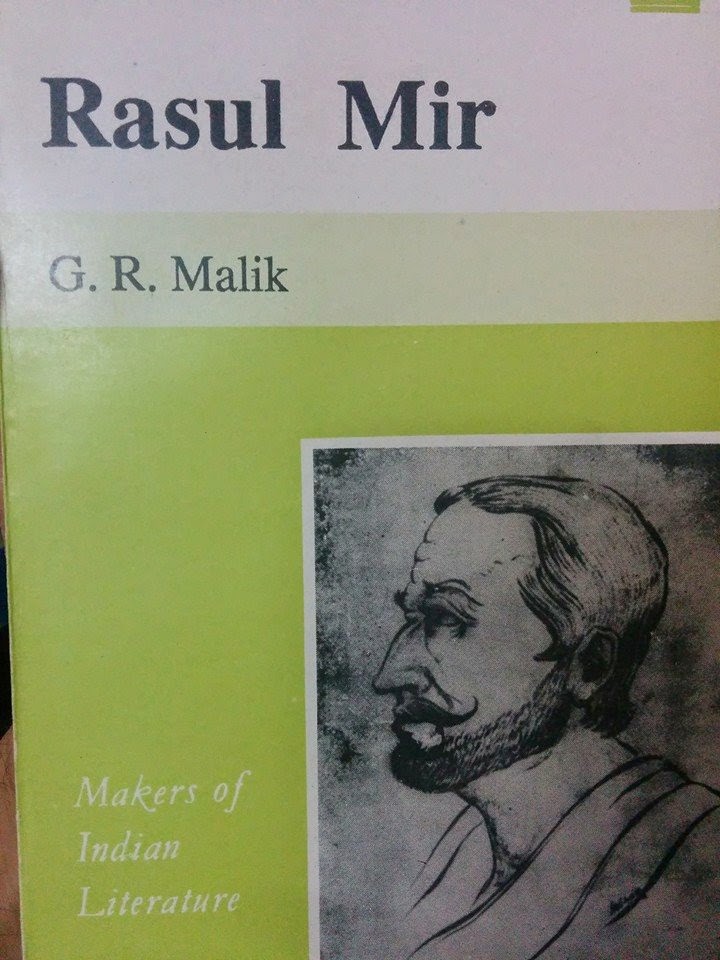
Rasul Mir
by G.R. Malik
Sahitya Akademi
First Edition, 1990
 Rs. 15

Previously:

  1. Picked Kashmir at Delhi Book Fair, 2010
  2. Picked Kashmir at Delhi Book Fair, 2011
  3. Picked Kashmir at Delhi Book Fair, 2012
  4. Picked Kashmir at Delhi Book Fair, 2012 (Part 2)
  5. Picked Kashmir at Delhi Book Fair, 2013

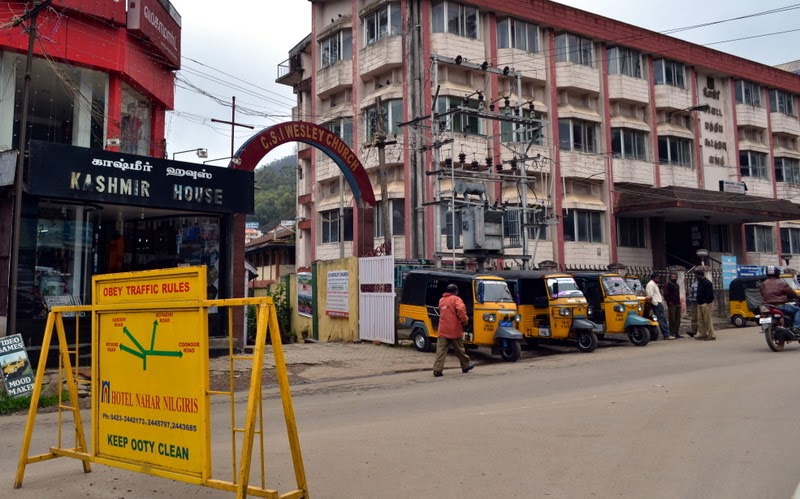
shop in Ooty


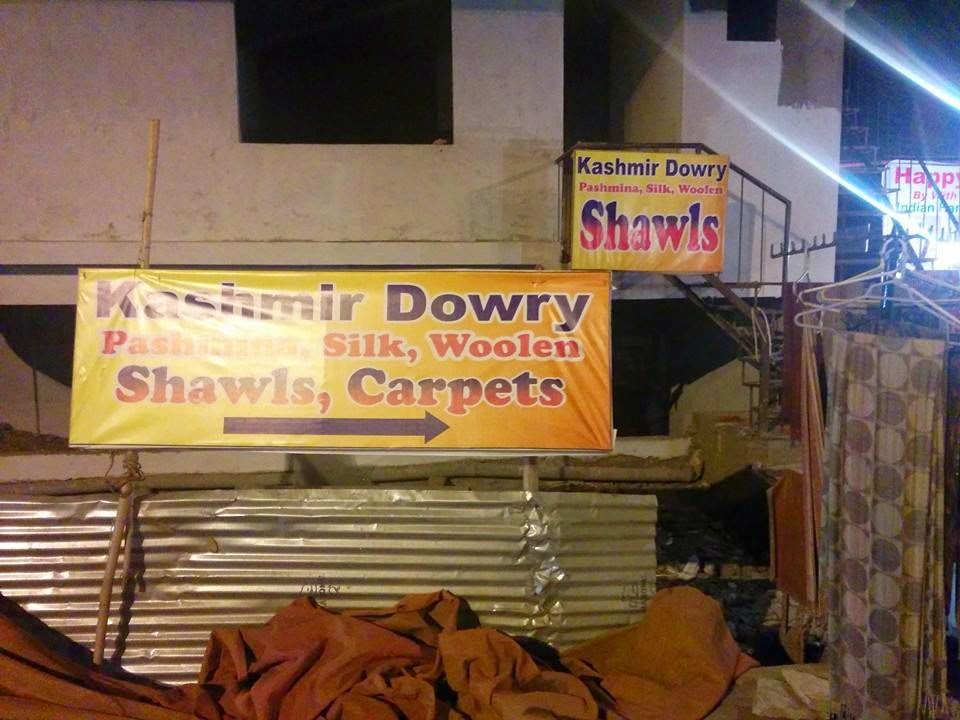
The reach of Kashmiri traders never ceases to amaze me.

Kashmir House
Ooty
Handicraft shop

Tibetan Shop. In Ooty. The Himalayan neighbours of Kashmir. Another prolific moving/trading community.
 
-0-

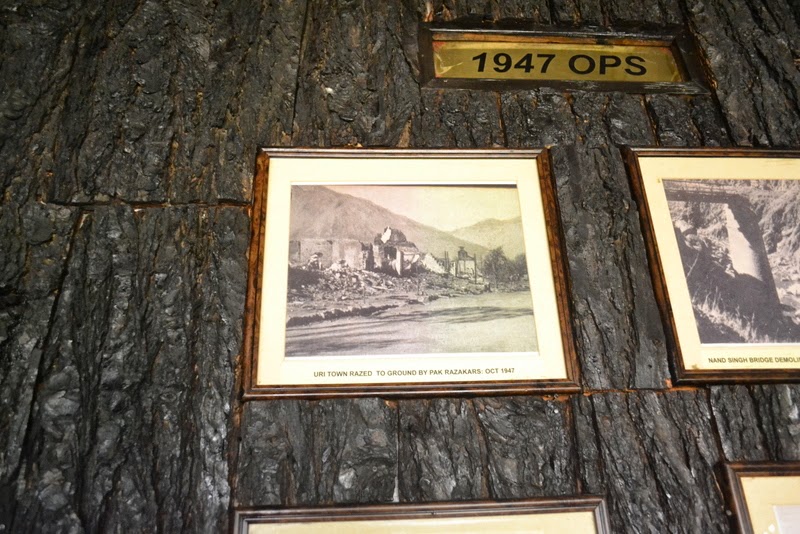
camp in Uri

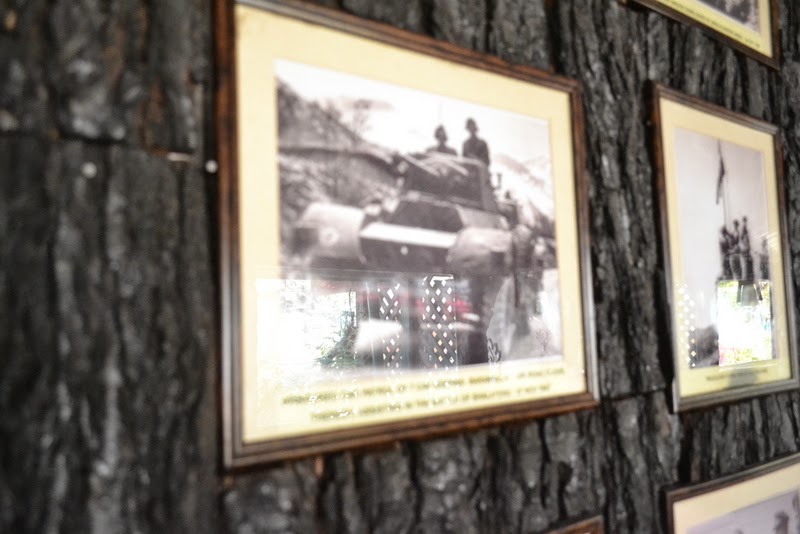
Inside the army camp on entering Uri

Remains of 1947 war.

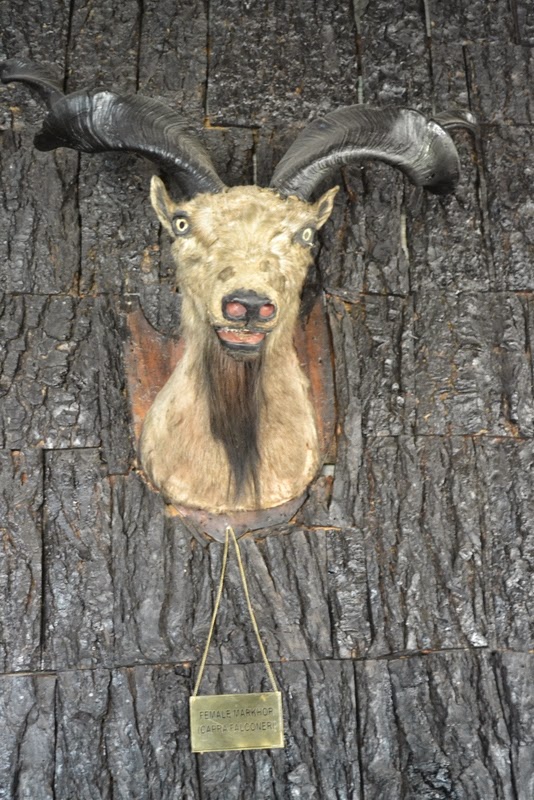
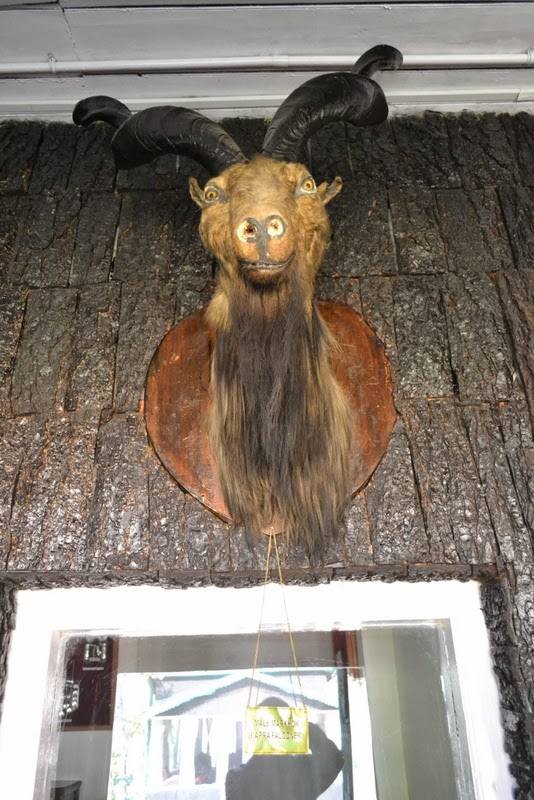
Female and Male
Markhor

Remains of the era when this area for famous among hunters.

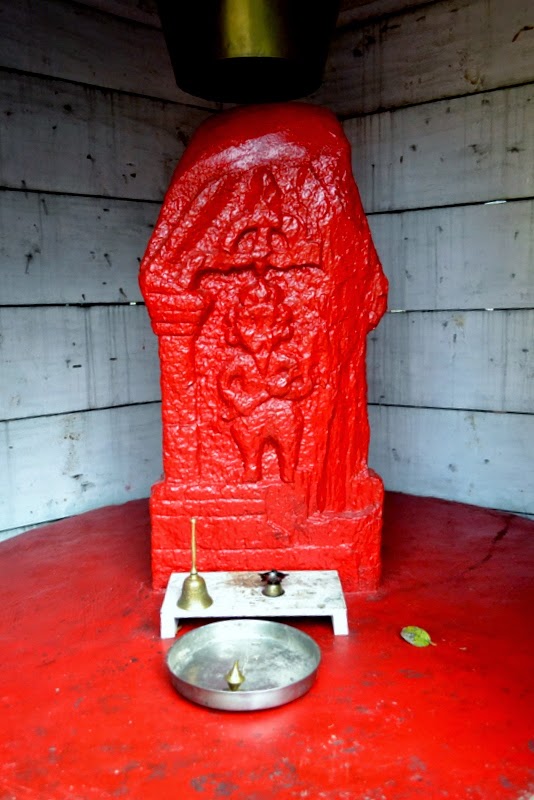
Varah at Baramulla

-0-

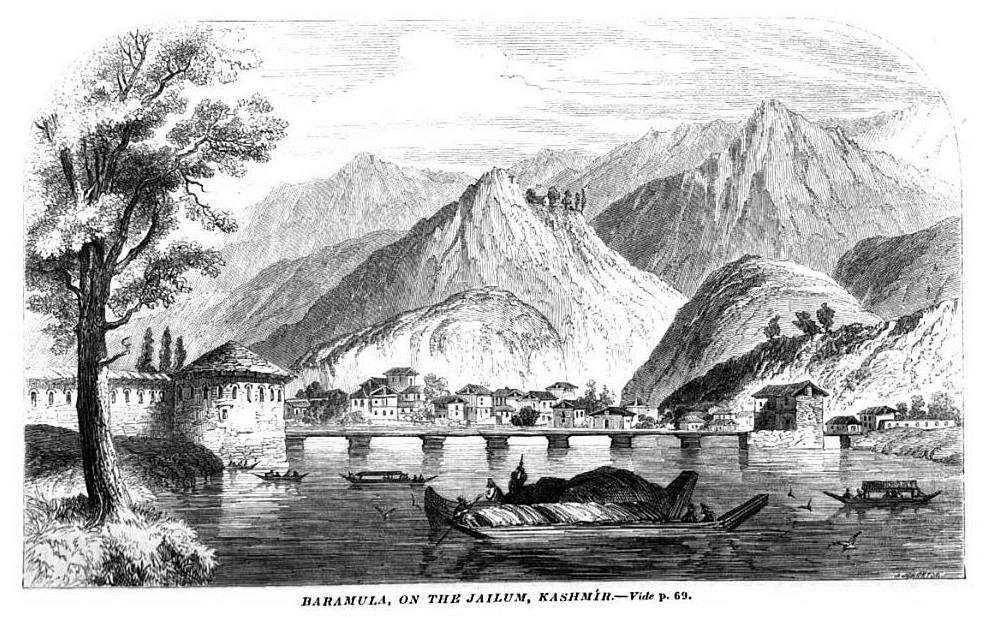
Gosain Teng

Baramulla bridge with Gosain Teng in background (with in Kaznag and Shamasabri ranges, an extension of the Pir Panjal Range). Illustration  published in ‘Church Missionary Intelligencer’ (1854).

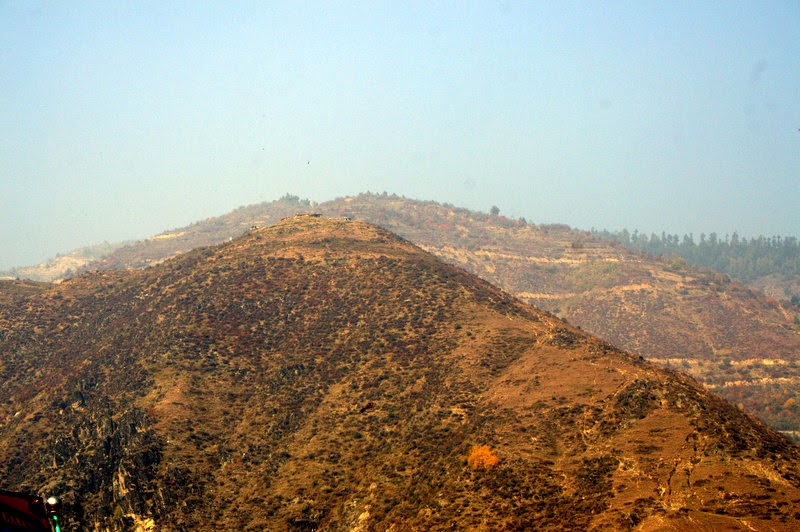
Gosain Teng, Baramulla. ‘Teng’ is the Kashmiri word for ‘Hillock’ and ‘Gosain’ is the Hindi/Sanskrit Goswami meaning ‘Ascetic’. Nowadays atop the hill is an army bunker. According to entry for the place in Hasan Shah’s (1832-1898) ‘Tarikh-e-Hassan’ there are supposed to be four springs atop the hill. Kunds named after Ram, Sita, Lakshman and Hanuman.

-0-


Untitled Post

Sheen oos pyawaan thali thali
Na bozaan hyund ti musalman
Kangir hyeth oos 

Shiv Shalfa Karaan
Parvati Wadaan:
‘Hyesa, Bozaan Chiv Sa,
Tchyn’e gey Tamaam,
Wyon kya karav?’
Shiv Asaan:
‘Wol Dima yath Kasheeri bey Naar’
-0-

Parvati’s Mirror

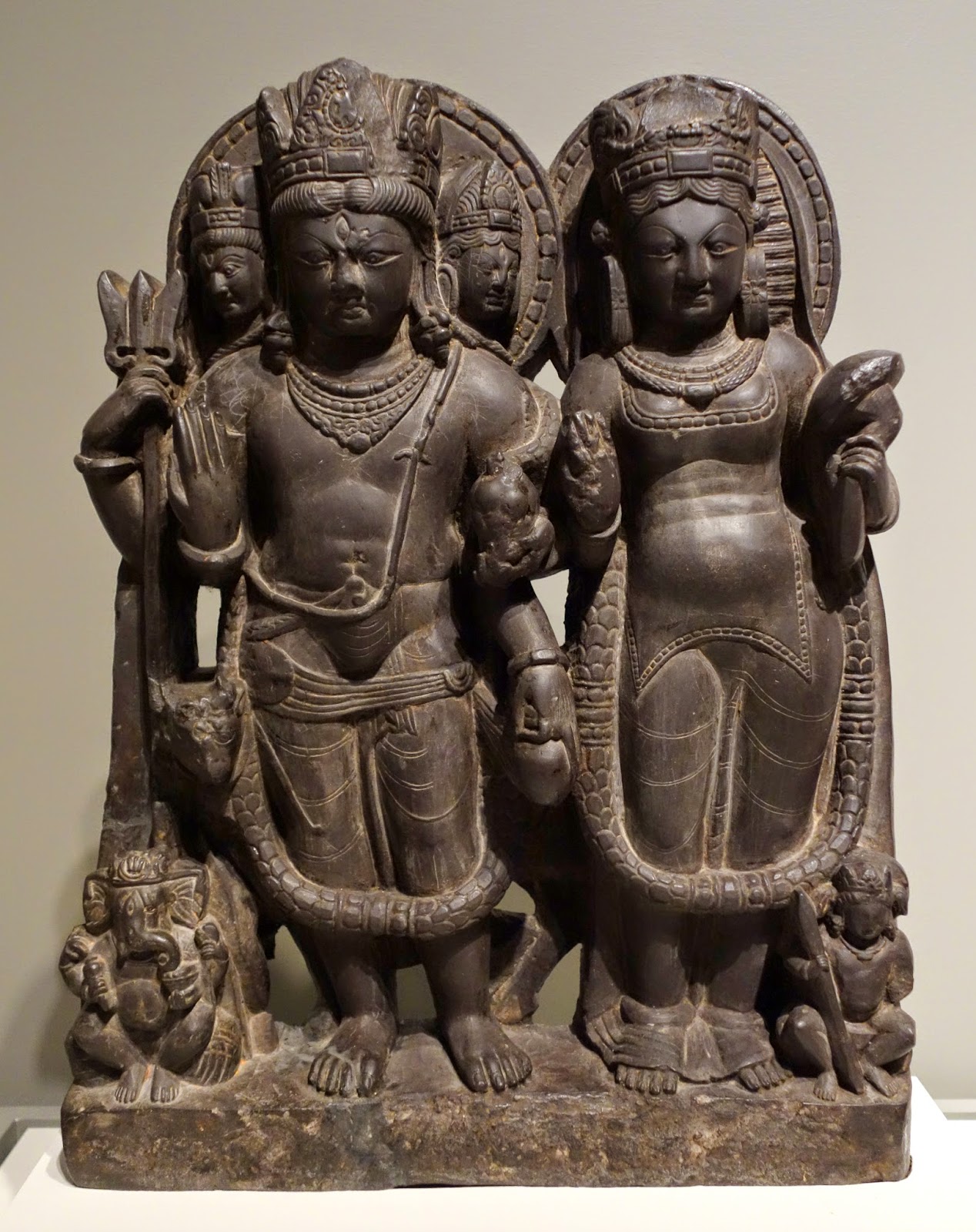
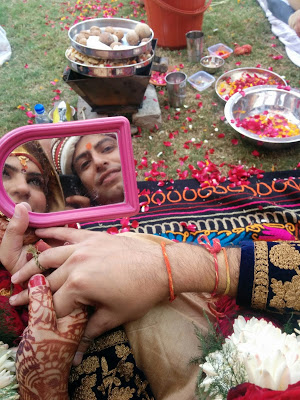
Herath is now often remembered as the day of Shiva’s marriage. A day of Shiva. A reflection of state of our society today. A correction: it is day of Parvati and Shiva. A small ritual in a Kashmiri Pandit wedding involves the bride holding up a mirror and the couple seeing each other’s reflection in it. A Pandit wedding is essentially a recreation of the wedding of Shiva and Parvati. The bride, Parvati holds the mirror and brings a certain self-realization upon Shiva. A balance. The nature of Shiva changes at this self-realization. The approach, the methods to explain him, changes. A war of ideas is settled. All made possible by Parvati, and the mirror she holds. Harsha V. Dehejia explains in ‘Parvatidarpana: An Exposition of Kasmir Saivism through the Images of Siva and Parvati (1997)’:

“Shiva’s first cognition discovers the sensuous Parvati
but he cognises yet again and sees the mirror in her hand
The first cognition reveals the lustful Parvati
the second cognition none other than Shiva himself
in the mirror of Parvati.
Shiva is wonderstruck, he experiences the rasa of adbhuta
at the transformation brought about by the mirror
a movement from the enigmatic dvaita to the restful advaita
such is the wonder of pratyabhijna that creates the majestic
advaita
not the advaita of negation but of affirmation, not where the mind whispers neti neti
but the chitta joyously exclaims iti iti.”

Image: Shiva and Parvati (holding mirror), Kashmir, 10th or 11th century. Cincinnati Art Museum. [source: wiki]

The Pratyabhijna thoughts started in Kashmir with the writings of Somananda (875–925 CE) and Utpaladeva (ca. AD 900–950).

-0-

Herath Mubarak.

-0-
Update:
11 Feb, 2016

The mirror ritual from my marriage.

-0-